Researchers and procurement teams typically focus on several key criteria when evaluating peptide suppliers:
- Purity and analytical data: Verified through COAs and analytical reports.
- Batch consistency: Reproducible results across lots.
- Documentation and traceability: Clear labeling, storage instructions, and handling information.
- Compliance with institutional policies: Internal procurement standards and safety requirements.
Price incentives are evaluated within this broader context, with quality and documentation often taking precedence over simple discount codes.
Shop new arrivals
-
5AM 5-amino-1mq 5mg × 10 vials
$50.00 -
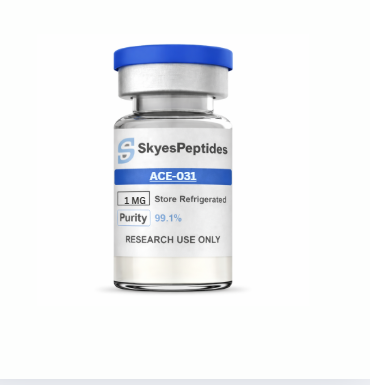
ACE-031 1mg × 10 Vials
$200.00 -
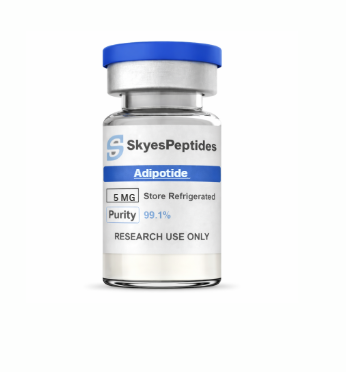
Adipotide 5mg × 10 Vials
$189.00 -
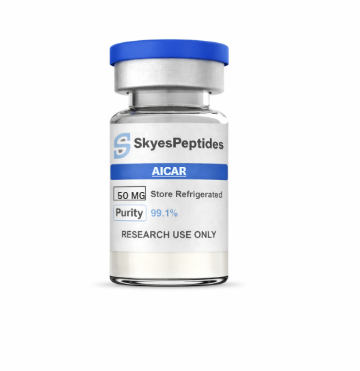
AICAR 50mg × 10 Vials
$60.00 -
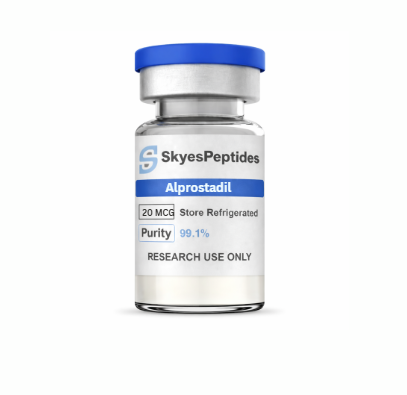
Alprostadil 20mcg × 5 vials
$130.00
Some common reasons such pages appear include:
- Reuse of retail coupon templates
- Generic SEO content targeting broad keywords
- Affiliate content connecting unrelated discount language to scientific topics
When evaluating such content, it is important to check whether the pricing information is verified by the supplier itself or simply extrapolated from unrelated sources.
Purchasing Considerations in Research Settings
Researchers and procurement teams typically focus on several key criteria when evaluating peptide suppliers:
- Purity and analytical data: Verified through COAs and analytical reports.
- Batch consistency: Reproducible results across lots.
- Documentation and traceability: Clear labeling, storage instructions, and handling information.
- Compliance with institutional policies: Internal procurement standards and safety requirements.
Price incentives are evaluated within this broader context, with quality and documentation often taking precedence over simple discount codes.
Tips for Evaluating Pricing Claims
When you encounter phrases like “Skye Peptide promo code” online, consider the following:
- Verify the source: Is the information published on an official supplier site?
- Check for official communications: Does the supplier send account-specific offers or newsletters?
- Avoid generic coupon lists: These often recycle unrelated content.
- Consult procurement policies: Sometimes negotiated discounts are not publicly advertised.
These steps help separate promotional language from verified supplier terms.
Conclusion
Searches like “Skye Peptide promo code” reflect broader curiosity about pricing and discounts in the peptide industry. However, unlike traditional retail environments, peptide suppliers typically use structured pricing strategies tailored to research procurement rather than public promo codes. Understanding this distinction helps researchers and buyers interpret pricing information more accurately and make informed decisions based on quality, documentation, and supplier credibility.
While peptide suppliers may not frequently use public promo codes, they can offer pricing incentives through other mechanisms tailored to the research environment. These include:
- Volume discounts: Lower per-unit pricing for bulk purchases.
- Institutional pricing: Negotiated rates for universities, research centers, or corporate labs.
- Account-based pricing tiers: Discounts for repeat customers or larger accounts.
- Event-linked offers: Special pricing around scientific conferences or symposiums.
These pricing adjustments are often communicated via formal channels — such as account portals, direct email notifications, or contractual agreements — rather than through one-time public codes.
Understanding Online Promo Code Language
Many blogs, coupon aggregators, and third-party sites use terms like “promo code” because they are SEO-friendly and familiar to broad audiences. However, in the context of peptide suppliers, such language often represents *marketing habits* rather than actual promotional codes issued by the supplier.
Some common reasons such pages appear include:
- Reuse of retail coupon templates
- Generic SEO content targeting broad keywords
- Affiliate content connecting unrelated discount language to scientific topics
When evaluating such content, it is important to check whether the pricing information is verified by the supplier itself or simply extrapolated from unrelated sources.
Purchasing Considerations in Research Settings
Researchers and procurement teams typically focus on several key criteria when evaluating peptide suppliers:
- Purity and analytical data: Verified through COAs and analytical reports.
- Batch consistency: Reproducible results across lots.
- Documentation and traceability: Clear labeling, storage instructions, and handling information.
- Compliance with institutional policies: Internal procurement standards and safety requirements.
Price incentives are evaluated within this broader context, with quality and documentation often taking precedence over simple discount codes.
Tips for Evaluating Pricing Claims
When you encounter phrases like “Skye Peptide promo code” online, consider the following:
- Verify the source: Is the information published on an official supplier site?
- Check for official communications: Does the supplier send account-specific offers or newsletters?
- Avoid generic coupon lists: These often recycle unrelated content.
- Consult procurement policies: Sometimes negotiated discounts are not publicly advertised.
These steps help separate promotional language from verified supplier terms.
Conclusion
Searches like “Skye Peptide promo code” reflect broader curiosity about pricing and discounts in the peptide industry. However, unlike traditional retail environments, peptide suppliers typically use structured pricing strategies tailored to research procurement rather than public promo codes. Understanding this distinction helps researchers and buyers interpret pricing information more accurately and make informed decisions based on quality, documentation, and supplier credibility.
Peptides used for research are specialized biochemical compounds. Their production involves multiple steps that influence cost, including:
- Solid phase peptide synthesis (SPPS)
- Purification through methods like high-performance liquid chromatography (HPLC)
- Analytical verification, such as mass spectrometry
- Certificate of Analysis (COA) documentation
Due to these scientific requirements, pricing is often determined by quality, purity, and analytical verification rather than public promo codes. Suppliers typically offer structured pricing rather than retail-style codes that are widely distributed.
Types of Pricing Incentives in Scientific Procurement
While peptide suppliers may not frequently use public promo codes, they can offer pricing incentives through other mechanisms tailored to the research environment. These include:
- Volume discounts: Lower per-unit pricing for bulk purchases.
- Institutional pricing: Negotiated rates for universities, research centers, or corporate labs.
- Account-based pricing tiers: Discounts for repeat customers or larger accounts.
- Event-linked offers: Special pricing around scientific conferences or symposiums.
These pricing adjustments are often communicated via formal channels — such as account portals, direct email notifications, or contractual agreements — rather than through one-time public codes.
Understanding Online Promo Code Language
Many blogs, coupon aggregators, and third-party sites use terms like “promo code” because they are SEO-friendly and familiar to broad audiences. However, in the context of peptide suppliers, such language often represents *marketing habits* rather than actual promotional codes issued by the supplier.
Some common reasons such pages appear include:
- Reuse of retail coupon templates
- Generic SEO content targeting broad keywords
- Affiliate content connecting unrelated discount language to scientific topics
When evaluating such content, it is important to check whether the pricing information is verified by the supplier itself or simply extrapolated from unrelated sources.
Purchasing Considerations in Research Settings
Researchers and procurement teams typically focus on several key criteria when evaluating peptide suppliers:
- Purity and analytical data: Verified through COAs and analytical reports.
- Batch consistency: Reproducible results across lots.
- Documentation and traceability: Clear labeling, storage instructions, and handling information.
- Compliance with institutional policies: Internal procurement standards and safety requirements.
Price incentives are evaluated within this broader context, with quality and documentation often taking precedence over simple discount codes.
Tips for Evaluating Pricing Claims
When you encounter phrases like “Skye Peptide promo code” online, consider the following:
- Verify the source: Is the information published on an official supplier site?
- Check for official communications: Does the supplier send account-specific offers or newsletters?
- Avoid generic coupon lists: These often recycle unrelated content.
- Consult procurement policies: Sometimes negotiated discounts are not publicly advertised.
These steps help separate promotional language from verified supplier terms.
Conclusion
Searches like “Skye Peptide promo code” reflect broader curiosity about pricing and discounts in the peptide industry. However, unlike traditional retail environments, peptide suppliers typically use structured pricing strategies tailored to research procurement rather than public promo codes. Understanding this distinction helps researchers and buyers interpret pricing information more accurately and make informed decisions based on quality, documentation, and supplier credibility.
Search phrases like “Skye Peptide promo code” are commonly typed into search engines as people try to understand how pricing and promotional language is used in the peptide supply market. In scientific procurement environments, the meaning of “promo code” differs significantly from typical retail usage. This article provides an educational, research-focused exploration of how pricing, discounts, and promotional language work in the peptide industry.
What People Mean When They Search for Promo Codes
Consumer markets often use promo codes to offer direct price reductions at checkout. For example, entering a code during online checkout may reduce the cost of a pair of shoes or a kitchen appliance. However, the way pricing adjustments are communicated in scientific and research supply contexts — such as peptides — is usually different.
Researchers, labs, and procurement specialists may still search for terms like “promo code” out of habit or because they expect similar pricing incentives. Understanding the nuances of how peptide suppliers structure pricing helps clarify why such searches return varying results online.
How Peptide Pricing Is Structured
Peptides used for research are specialized biochemical compounds. Their production involves multiple steps that influence cost, including:
- Solid phase peptide synthesis (SPPS)
- Purification through methods like high-performance liquid chromatography (HPLC)
- Analytical verification, such as mass spectrometry
- Certificate of Analysis (COA) documentation
Due to these scientific requirements, pricing is often determined by quality, purity, and analytical verification rather than public promo codes. Suppliers typically offer structured pricing rather than retail-style codes that are widely distributed.
Types of Pricing Incentives in Scientific Procurement
While peptide suppliers may not frequently use public promo codes, they can offer pricing incentives through other mechanisms tailored to the research environment. These include:
- Volume discounts: Lower per-unit pricing for bulk purchases.
- Institutional pricing: Negotiated rates for universities, research centers, or corporate labs.
- Account-based pricing tiers: Discounts for repeat customers or larger accounts.
- Event-linked offers: Special pricing around scientific conferences or symposiums.
These pricing adjustments are often communicated via formal channels — such as account portals, direct email notifications, or contractual agreements — rather than through one-time public codes.
Understanding Online Promo Code Language
Many blogs, coupon aggregators, and third-party sites use terms like “promo code” because they are SEO-friendly and familiar to broad audiences. However, in the context of peptide suppliers, such language often represents *marketing habits* rather than actual promotional codes issued by the supplier.
Some common reasons such pages appear include:
- Reuse of retail coupon templates
- Generic SEO content targeting broad keywords
- Affiliate content connecting unrelated discount language to scientific topics
When evaluating such content, it is important to check whether the pricing information is verified by the supplier itself or simply extrapolated from unrelated sources.
Purchasing Considerations in Research Settings
Researchers and procurement teams typically focus on several key criteria when evaluating peptide suppliers:
- Purity and analytical data: Verified through COAs and analytical reports.
- Batch consistency: Reproducible results across lots.
- Documentation and traceability: Clear labeling, storage instructions, and handling information.
- Compliance with institutional policies: Internal procurement standards and safety requirements.
Price incentives are evaluated within this broader context, with quality and documentation often taking precedence over simple discount codes.
Tips for Evaluating Pricing Claims
When you encounter phrases like “Skye Peptide promo code” online, consider the following:
- Verify the source: Is the information published on an official supplier site?
- Check for official communications: Does the supplier send account-specific offers or newsletters?
- Avoid generic coupon lists: These often recycle unrelated content.
- Consult procurement policies: Sometimes negotiated discounts are not publicly advertised.
These steps help separate promotional language from verified supplier terms.
Conclusion
Searches like “Skye Peptide promo code” reflect broader curiosity about pricing and discounts in the peptide industry. However, unlike traditional retail environments, peptide suppliers typically use structured pricing strategies tailored to research procurement rather than public promo codes. Understanding this distinction helps researchers and buyers interpret pricing information more accurately and make informed decisions based on quality, documentation, and supplier credibility.
Some common reasons such pages appear include:
- Reuse of retail coupon templates
- Generic SEO content targeting broad keywords
- Affiliate content connecting unrelated discount language to scientific topics
When evaluating such content, it is important to check whether the pricing information is verified by the supplier itself or simply extrapolated from unrelated sources.
Purchasing Considerations in Research Settings
Researchers and procurement teams typically focus on several key criteria when evaluating peptide suppliers:
- Purity and analytical data: Verified through COAs and analytical reports.
- Batch consistency: Reproducible results across lots.
- Documentation and traceability: Clear labeling, storage instructions, and handling information.
- Compliance with institutional policies: Internal procurement standards and safety requirements.
Price incentives are evaluated within this broader context, with quality and documentation often taking precedence over simple discount codes.
Tips for Evaluating Pricing Claims
When you encounter phrases like “Skye Peptide promo code” online, consider the following:
- Verify the source: Is the information published on an official supplier site?
- Check for official communications: Does the supplier send account-specific offers or newsletters?
- Avoid generic coupon lists: These often recycle unrelated content.
- Consult procurement policies: Sometimes negotiated discounts are not publicly advertised.
These steps help separate promotional language from verified supplier terms.
Conclusion
Searches like “Skye Peptide promo code” reflect broader curiosity about pricing and discounts in the peptide industry. However, unlike traditional retail environments, peptide suppliers typically use structured pricing strategies tailored to research procurement rather than public promo codes. Understanding this distinction helps researchers and buyers interpret pricing information more accurately and make informed decisions based on quality, documentation, and supplier credibility.
Search phrases like “Skye Peptide promo code” are commonly typed into search engines as people try to understand how pricing and promotional language is used in the peptide supply market. In scientific procurement environments, the meaning of “promo code” differs significantly from typical retail usage. This article provides an educational, research-focused exploration of how pricing, discounts, and promotional language work in the peptide industry.
What People Mean When They Search for Promo Codes
Consumer markets often use promo codes to offer direct price reductions at checkout. For example, entering a code during online checkout may reduce the cost of a pair of shoes or a kitchen appliance. However, the way pricing adjustments are communicated in scientific and research supply contexts — such as peptides — is usually different.
Researchers, labs, and procurement specialists may still search for terms like “promo code” out of habit or because they expect similar pricing incentives. Understanding the nuances of how peptide suppliers structure pricing helps clarify why such searches return varying results online.
How Peptide Pricing Is Structured
Peptides used for research are specialized biochemical compounds. Their production involves multiple steps that influence cost, including:
- Solid phase peptide synthesis (SPPS)
- Purification through methods like high-performance liquid chromatography (HPLC)
- Analytical verification, such as mass spectrometry
- Certificate of Analysis (COA) documentation
Due to these scientific requirements, pricing is often determined by quality, purity, and analytical verification rather than public promo codes. Suppliers typically offer structured pricing rather than retail-style codes that are widely distributed.
Types of Pricing Incentives in Scientific Procurement
While peptide suppliers may not frequently use public promo codes, they can offer pricing incentives through other mechanisms tailored to the research environment. These include:
- Volume discounts: Lower per-unit pricing for bulk purchases.
- Institutional pricing: Negotiated rates for universities, research centers, or corporate labs.
- Account-based pricing tiers: Discounts for repeat customers or larger accounts.
- Event-linked offers: Special pricing around scientific conferences or symposiums.
These pricing adjustments are often communicated via formal channels — such as account portals, direct email notifications, or contractual agreements — rather than through one-time public codes.
Understanding Online Promo Code Language
Many blogs, coupon aggregators, and third-party sites use terms like “promo code” because they are SEO-friendly and familiar to broad audiences. However, in the context of peptide suppliers, such language often represents *marketing habits* rather than actual promotional codes issued by the supplier.
Some common reasons such pages appear include:
- Reuse of retail coupon templates
- Generic SEO content targeting broad keywords
- Affiliate content connecting unrelated discount language to scientific topics
When evaluating such content, it is important to check whether the pricing information is verified by the supplier itself or simply extrapolated from unrelated sources.
Purchasing Considerations in Research Settings
Researchers and procurement teams typically focus on several key criteria when evaluating peptide suppliers:
- Purity and analytical data: Verified through COAs and analytical reports.
- Batch consistency: Reproducible results across lots.
- Documentation and traceability: Clear labeling, storage instructions, and handling information.
- Compliance with institutional policies: Internal procurement standards and safety requirements.
Price incentives are evaluated within this broader context, with quality and documentation often taking precedence over simple discount codes.
Tips for Evaluating Pricing Claims
When you encounter phrases like “Skye Peptide promo code” online, consider the following:
- Verify the source: Is the information published on an official supplier site?
- Check for official communications: Does the supplier send account-specific offers or newsletters?
- Avoid generic coupon lists: These often recycle unrelated content.
- Consult procurement policies: Sometimes negotiated discounts are not publicly advertised.
These steps help separate promotional language from verified supplier terms.
Conclusion
Searches like “Skye Peptide promo code” reflect broader curiosity about pricing and discounts in the peptide industry. However, unlike traditional retail environments, peptide suppliers typically use structured pricing strategies tailored to research procurement rather than public promo codes. Understanding this distinction helps researchers and buyers interpret pricing information more accurately and make informed decisions based on quality, documentation, and supplier credibility.
While peptide suppliers may not frequently use public promo codes, they can offer pricing incentives through other mechanisms tailored to the research environment. These include:
- Volume discounts: Lower per-unit pricing for bulk purchases.
- Institutional pricing: Negotiated rates for universities, research centers, or corporate labs.
- Account-based pricing tiers: Discounts for repeat customers or larger accounts.
- Event-linked offers: Special pricing around scientific conferences or symposiums.
These pricing adjustments are often communicated via formal channels — such as account portals, direct email notifications, or contractual agreements — rather than through one-time public codes.
Understanding Online Promo Code Language
Many blogs, coupon aggregators, and third-party sites use terms like “promo code” because they are SEO-friendly and familiar to broad audiences. However, in the context of peptide suppliers, such language often represents *marketing habits* rather than actual promotional codes issued by the supplier.
Some common reasons such pages appear include:
- Reuse of retail coupon templates
- Generic SEO content targeting broad keywords
- Affiliate content connecting unrelated discount language to scientific topics
When evaluating such content, it is important to check whether the pricing information is verified by the supplier itself or simply extrapolated from unrelated sources.
Purchasing Considerations in Research Settings
Researchers and procurement teams typically focus on several key criteria when evaluating peptide suppliers:
- Purity and analytical data: Verified through COAs and analytical reports.
- Batch consistency: Reproducible results across lots.
- Documentation and traceability: Clear labeling, storage instructions, and handling information.
- Compliance with institutional policies: Internal procurement standards and safety requirements.
Price incentives are evaluated within this broader context, with quality and documentation often taking precedence over simple discount codes.
Tips for Evaluating Pricing Claims
When you encounter phrases like “Skye Peptide promo code” online, consider the following:
- Verify the source: Is the information published on an official supplier site?
- Check for official communications: Does the supplier send account-specific offers or newsletters?
- Avoid generic coupon lists: These often recycle unrelated content.
- Consult procurement policies: Sometimes negotiated discounts are not publicly advertised.
These steps help separate promotional language from verified supplier terms.
Conclusion
Searches like “Skye Peptide promo code” reflect broader curiosity about pricing and discounts in the peptide industry. However, unlike traditional retail environments, peptide suppliers typically use structured pricing strategies tailored to research procurement rather than public promo codes. Understanding this distinction helps researchers and buyers interpret pricing information more accurately and make informed decisions based on quality, documentation, and supplier credibility.
Search phrases like “Skye Peptide promo code” are commonly typed into search engines as people try to understand how pricing and promotional language is used in the peptide supply market. In scientific procurement environments, the meaning of “promo code” differs significantly from typical retail usage. This article provides an educational, research-focused exploration of how pricing, discounts, and promotional language work in the peptide industry.
What People Mean When They Search for Promo Codes
Consumer markets often use promo codes to offer direct price reductions at checkout. For example, entering a code during online checkout may reduce the cost of a pair of shoes or a kitchen appliance. However, the way pricing adjustments are communicated in scientific and research supply contexts — such as peptides — is usually different.
Researchers, labs, and procurement specialists may still search for terms like “promo code” out of habit or because they expect similar pricing incentives. Understanding the nuances of how peptide suppliers structure pricing helps clarify why such searches return varying results online.
How Peptide Pricing Is Structured
Peptides used for research are specialized biochemical compounds. Their production involves multiple steps that influence cost, including:
- Solid phase peptide synthesis (SPPS)
- Purification through methods like high-performance liquid chromatography (HPLC)
- Analytical verification, such as mass spectrometry
- Certificate of Analysis (COA) documentation
Due to these scientific requirements, pricing is often determined by quality, purity, and analytical verification rather than public promo codes. Suppliers typically offer structured pricing rather than retail-style codes that are widely distributed.
Types of Pricing Incentives in Scientific Procurement
While peptide suppliers may not frequently use public promo codes, they can offer pricing incentives through other mechanisms tailored to the research environment. These include:
- Volume discounts: Lower per-unit pricing for bulk purchases.
- Institutional pricing: Negotiated rates for universities, research centers, or corporate labs.
- Account-based pricing tiers: Discounts for repeat customers or larger accounts.
- Event-linked offers: Special pricing around scientific conferences or symposiums.
These pricing adjustments are often communicated via formal channels — such as account portals, direct email notifications, or contractual agreements — rather than through one-time public codes.
Understanding Online Promo Code Language
Many blogs, coupon aggregators, and third-party sites use terms like “promo code” because they are SEO-friendly and familiar to broad audiences. However, in the context of peptide suppliers, such language often represents *marketing habits* rather than actual promotional codes issued by the supplier.
Some common reasons such pages appear include:
- Reuse of retail coupon templates
- Generic SEO content targeting broad keywords
- Affiliate content connecting unrelated discount language to scientific topics
When evaluating such content, it is important to check whether the pricing information is verified by the supplier itself or simply extrapolated from unrelated sources.
Purchasing Considerations in Research Settings
Researchers and procurement teams typically focus on several key criteria when evaluating peptide suppliers:
- Purity and analytical data: Verified through COAs and analytical reports.
- Batch consistency: Reproducible results across lots.
- Documentation and traceability: Clear labeling, storage instructions, and handling information.
- Compliance with institutional policies: Internal procurement standards and safety requirements.
Price incentives are evaluated within this broader context, with quality and documentation often taking precedence over simple discount codes.
Tips for Evaluating Pricing Claims
When you encounter phrases like “Skye Peptide promo code” online, consider the following:
- Verify the source: Is the information published on an official supplier site?
- Check for official communications: Does the supplier send account-specific offers or newsletters?
- Avoid generic coupon lists: These often recycle unrelated content.
- Consult procurement policies: Sometimes negotiated discounts are not publicly advertised.
These steps help separate promotional language from verified supplier terms.
Conclusion
Searches like “Skye Peptide promo code” reflect broader curiosity about pricing and discounts in the peptide industry. However, unlike traditional retail environments, peptide suppliers typically use structured pricing strategies tailored to research procurement rather than public promo codes. Understanding this distinction helps researchers and buyers interpret pricing information more accurately and make informed decisions based on quality, documentation, and supplier credibility.
Peptides used for research are specialized biochemical compounds. Their production involves multiple steps that influence cost, including:
- Solid phase peptide synthesis (SPPS)
- Purification through methods like high-performance liquid chromatography (HPLC)
- Analytical verification, such as mass spectrometry
- Certificate of Analysis (COA) documentation
Due to these scientific requirements, pricing is often determined by quality, purity, and analytical verification rather than public promo codes. Suppliers typically offer structured pricing rather than retail-style codes that are widely distributed.
Types of Pricing Incentives in Scientific Procurement
While peptide suppliers may not frequently use public promo codes, they can offer pricing incentives through other mechanisms tailored to the research environment. These include:
- Volume discounts: Lower per-unit pricing for bulk purchases.
- Institutional pricing: Negotiated rates for universities, research centers, or corporate labs.
- Account-based pricing tiers: Discounts for repeat customers or larger accounts.
- Event-linked offers: Special pricing around scientific conferences or symposiums.
These pricing adjustments are often communicated via formal channels — such as account portals, direct email notifications, or contractual agreements — rather than through one-time public codes.
Understanding Online Promo Code Language
Many blogs, coupon aggregators, and third-party sites use terms like “promo code” because they are SEO-friendly and familiar to broad audiences. However, in the context of peptide suppliers, such language often represents *marketing habits* rather than actual promotional codes issued by the supplier.
Some common reasons such pages appear include:
- Reuse of retail coupon templates
- Generic SEO content targeting broad keywords
- Affiliate content connecting unrelated discount language to scientific topics
When evaluating such content, it is important to check whether the pricing information is verified by the supplier itself or simply extrapolated from unrelated sources.
Purchasing Considerations in Research Settings
Researchers and procurement teams typically focus on several key criteria when evaluating peptide suppliers:
- Purity and analytical data: Verified through COAs and analytical reports.
- Batch consistency: Reproducible results across lots.
- Documentation and traceability: Clear labeling, storage instructions, and handling information.
- Compliance with institutional policies: Internal procurement standards and safety requirements.
Price incentives are evaluated within this broader context, with quality and documentation often taking precedence over simple discount codes.
Tips for Evaluating Pricing Claims
When you encounter phrases like “Skye Peptide promo code” online, consider the following:
- Verify the source: Is the information published on an official supplier site?
- Check for official communications: Does the supplier send account-specific offers or newsletters?
- Avoid generic coupon lists: These often recycle unrelated content.
- Consult procurement policies: Sometimes negotiated discounts are not publicly advertised.
These steps help separate promotional language from verified supplier terms.
Conclusion
Searches like “Skye Peptide promo code” reflect broader curiosity about pricing and discounts in the peptide industry. However, unlike traditional retail environments, peptide suppliers typically use structured pricing strategies tailored to research procurement rather than public promo codes. Understanding this distinction helps researchers and buyers interpret pricing information more accurately and make informed decisions based on quality, documentation, and supplier credibility.
Search phrases like “Skye Peptide promo code” are commonly typed into search engines as people try to understand how pricing and promotional language is used in the peptide supply market. In scientific procurement environments, the meaning of “promo code” differs significantly from typical retail usage. This article provides an educational, research-focused exploration of how pricing, discounts, and promotional language work in the peptide industry.
What People Mean When They Search for Promo Codes
Consumer markets often use promo codes to offer direct price reductions at checkout. For example, entering a code during online checkout may reduce the cost of a pair of shoes or a kitchen appliance. However, the way pricing adjustments are communicated in scientific and research supply contexts — such as peptides — is usually different.
Researchers, labs, and procurement specialists may still search for terms like “promo code” out of habit or because they expect similar pricing incentives. Understanding the nuances of how peptide suppliers structure pricing helps clarify why such searches return varying results online.
How Peptide Pricing Is Structured
Peptides used for research are specialized biochemical compounds. Their production involves multiple steps that influence cost, including:
- Solid phase peptide synthesis (SPPS)
- Purification through methods like high-performance liquid chromatography (HPLC)
- Analytical verification, such as mass spectrometry
- Certificate of Analysis (COA) documentation
Due to these scientific requirements, pricing is often determined by quality, purity, and analytical verification rather than public promo codes. Suppliers typically offer structured pricing rather than retail-style codes that are widely distributed.
Types of Pricing Incentives in Scientific Procurement
While peptide suppliers may not frequently use public promo codes, they can offer pricing incentives through other mechanisms tailored to the research environment. These include:
- Volume discounts: Lower per-unit pricing for bulk purchases.
- Institutional pricing: Negotiated rates for universities, research centers, or corporate labs.
- Account-based pricing tiers: Discounts for repeat customers or larger accounts.
- Event-linked offers: Special pricing around scientific conferences or symposiums.
These pricing adjustments are often communicated via formal channels — such as account portals, direct email notifications, or contractual agreements — rather than through one-time public codes.
Understanding Online Promo Code Language
Many blogs, coupon aggregators, and third-party sites use terms like “promo code” because they are SEO-friendly and familiar to broad audiences. However, in the context of peptide suppliers, such language often represents *marketing habits* rather than actual promotional codes issued by the supplier.
Some common reasons such pages appear include:
- Reuse of retail coupon templates
- Generic SEO content targeting broad keywords
- Affiliate content connecting unrelated discount language to scientific topics
When evaluating such content, it is important to check whether the pricing information is verified by the supplier itself or simply extrapolated from unrelated sources.
Purchasing Considerations in Research Settings
Researchers and procurement teams typically focus on several key criteria when evaluating peptide suppliers:
- Purity and analytical data: Verified through COAs and analytical reports.
- Batch consistency: Reproducible results across lots.
- Documentation and traceability: Clear labeling, storage instructions, and handling information.
- Compliance with institutional policies: Internal procurement standards and safety requirements.
Price incentives are evaluated within this broader context, with quality and documentation often taking precedence over simple discount codes.
Tips for Evaluating Pricing Claims
When you encounter phrases like “Skye Peptide promo code” online, consider the following:
- Verify the source: Is the information published on an official supplier site?
- Check for official communications: Does the supplier send account-specific offers or newsletters?
- Avoid generic coupon lists: These often recycle unrelated content.
- Consult procurement policies: Sometimes negotiated discounts are not publicly advertised.
These steps help separate promotional language from verified supplier terms.
Conclusion
Searches like “Skye Peptide promo code” reflect broader curiosity about pricing and discounts in the peptide industry. However, unlike traditional retail environments, peptide suppliers typically use structured pricing strategies tailored to research procurement rather than public promo codes. Understanding this distinction helps researchers and buyers interpret pricing information more accurately and make informed decisions based on quality, documentation, and supplier credibility.
Some common reasons such pages appear include:
- Reuse of retail coupon templates
- Generic SEO content targeting broad keywords
- Affiliate content connecting unrelated discount language to scientific topics
When evaluating such content, it is important to check whether the pricing information is verified by the supplier itself or simply extrapolated from unrelated sources.
Purchasing Considerations in Research Settings
Researchers and procurement teams typically focus on several key criteria when evaluating peptide suppliers:
- Purity and analytical data: Verified through COAs and analytical reports.
- Batch consistency: Reproducible results across lots.
- Documentation and traceability: Clear labeling, storage instructions, and handling information.
- Compliance with institutional policies: Internal procurement standards and safety requirements.
Price incentives are evaluated within this broader context, with quality and documentation often taking precedence over simple discount codes.
Tips for Evaluating Pricing Claims
When you encounter phrases like “Skye Peptide promo code” online, consider the following:
- Verify the source: Is the information published on an official supplier site?
- Check for official communications: Does the supplier send account-specific offers or newsletters?
- Avoid generic coupon lists: These often recycle unrelated content.
- Consult procurement policies: Sometimes negotiated discounts are not publicly advertised.
These steps help separate promotional language from verified supplier terms.
Conclusion
Searches like “Skye Peptide promo code” reflect broader curiosity about pricing and discounts in the peptide industry. However, unlike traditional retail environments, peptide suppliers typically use structured pricing strategies tailored to research procurement rather than public promo codes. Understanding this distinction helps researchers and buyers interpret pricing information more accurately and make informed decisions based on quality, documentation, and supplier credibility.
Peptides used for research are specialized biochemical compounds. Their production involves multiple steps that influence cost, including:
- Solid phase peptide synthesis (SPPS)
- Purification through methods like high-performance liquid chromatography (HPLC)
- Analytical verification, such as mass spectrometry
- Certificate of Analysis (COA) documentation
Due to these scientific requirements, pricing is often determined by quality, purity, and analytical verification rather than public promo codes. Suppliers typically offer structured pricing rather than retail-style codes that are widely distributed.
Types of Pricing Incentives in Scientific Procurement
While peptide suppliers may not frequently use public promo codes, they can offer pricing incentives through other mechanisms tailored to the research environment. These include:
- Volume discounts: Lower per-unit pricing for bulk purchases.
- Institutional pricing: Negotiated rates for universities, research centers, or corporate labs.
- Account-based pricing tiers: Discounts for repeat customers or larger accounts.
- Event-linked offers: Special pricing around scientific conferences or symposiums.
These pricing adjustments are often communicated via formal channels — such as account portals, direct email notifications, or contractual agreements — rather than through one-time public codes.
Understanding Online Promo Code Language
Many blogs, coupon aggregators, and third-party sites use terms like “promo code” because they are SEO-friendly and familiar to broad audiences. However, in the context of peptide suppliers, such language often represents *marketing habits* rather than actual promotional codes issued by the supplier.
Some common reasons such pages appear include:
- Reuse of retail coupon templates
- Generic SEO content targeting broad keywords
- Affiliate content connecting unrelated discount language to scientific topics
When evaluating such content, it is important to check whether the pricing information is verified by the supplier itself or simply extrapolated from unrelated sources.
Purchasing Considerations in Research Settings
Researchers and procurement teams typically focus on several key criteria when evaluating peptide suppliers:
- Purity and analytical data: Verified through COAs and analytical reports.
- Batch consistency: Reproducible results across lots.
- Documentation and traceability: Clear labeling, storage instructions, and handling information.
- Compliance with institutional policies: Internal procurement standards and safety requirements.
Price incentives are evaluated within this broader context, with quality and documentation often taking precedence over simple discount codes.
Tips for Evaluating Pricing Claims
When you encounter phrases like “Skye Peptide promo code” online, consider the following:
- Verify the source: Is the information published on an official supplier site?
- Check for official communications: Does the supplier send account-specific offers or newsletters?
- Avoid generic coupon lists: These often recycle unrelated content.
- Consult procurement policies: Sometimes negotiated discounts are not publicly advertised.
These steps help separate promotional language from verified supplier terms.
Conclusion
Searches like “Skye Peptide promo code” reflect broader curiosity about pricing and discounts in the peptide industry. However, unlike traditional retail environments, peptide suppliers typically use structured pricing strategies tailored to research procurement rather than public promo codes. Understanding this distinction helps researchers and buyers interpret pricing information more accurately and make informed decisions based on quality, documentation, and supplier credibility.
Search phrases like “Skye Peptide promo code” are commonly typed into search engines as people try to understand how pricing and promotional language is used in the peptide supply market. In scientific procurement environments, the meaning of “promo code” differs significantly from typical retail usage. This article provides an educational, research-focused exploration of how pricing, discounts, and promotional language work in the peptide industry.
What People Mean When They Search for Promo Codes
Consumer markets often use promo codes to offer direct price reductions at checkout. For example, entering a code during online checkout may reduce the cost of a pair of shoes or a kitchen appliance. However, the way pricing adjustments are communicated in scientific and research supply contexts — such as peptides — is usually different.
Researchers, labs, and procurement specialists may still search for terms like “promo code” out of habit or because they expect similar pricing incentives. Understanding the nuances of how peptide suppliers structure pricing helps clarify why such searches return varying results online.
How Peptide Pricing Is Structured
Peptides used for research are specialized biochemical compounds. Their production involves multiple steps that influence cost, including:
- Solid phase peptide synthesis (SPPS)
- Purification through methods like high-performance liquid chromatography (HPLC)
- Analytical verification, such as mass spectrometry
- Certificate of Analysis (COA) documentation
Due to these scientific requirements, pricing is often determined by quality, purity, and analytical verification rather than public promo codes. Suppliers typically offer structured pricing rather than retail-style codes that are widely distributed.
Types of Pricing Incentives in Scientific Procurement
While peptide suppliers may not frequently use public promo codes, they can offer pricing incentives through other mechanisms tailored to the research environment. These include:
- Volume discounts: Lower per-unit pricing for bulk purchases.
- Institutional pricing: Negotiated rates for universities, research centers, or corporate labs.
- Account-based pricing tiers: Discounts for repeat customers or larger accounts.
- Event-linked offers: Special pricing around scientific conferences or symposiums.
These pricing adjustments are often communicated via formal channels — such as account portals, direct email notifications, or contractual agreements — rather than through one-time public codes.
Understanding Online Promo Code Language
Many blogs, coupon aggregators, and third-party sites use terms like “promo code” because they are SEO-friendly and familiar to broad audiences. However, in the context of peptide suppliers, such language often represents *marketing habits* rather than actual promotional codes issued by the supplier.
Some common reasons such pages appear include:
- Reuse of retail coupon templates
- Generic SEO content targeting broad keywords
- Affiliate content connecting unrelated discount language to scientific topics
When evaluating such content, it is important to check whether the pricing information is verified by the supplier itself or simply extrapolated from unrelated sources.
Purchasing Considerations in Research Settings
Researchers and procurement teams typically focus on several key criteria when evaluating peptide suppliers:
- Purity and analytical data: Verified through COAs and analytical reports.
- Batch consistency: Reproducible results across lots.
- Documentation and traceability: Clear labeling, storage instructions, and handling information.
- Compliance with institutional policies: Internal procurement standards and safety requirements.
Price incentives are evaluated within this broader context, with quality and documentation often taking precedence over simple discount codes.
Tips for Evaluating Pricing Claims
When you encounter phrases like “Skye Peptide promo code” online, consider the following:
- Verify the source: Is the information published on an official supplier site?
- Check for official communications: Does the supplier send account-specific offers or newsletters?
- Avoid generic coupon lists: These often recycle unrelated content.
- Consult procurement policies: Sometimes negotiated discounts are not publicly advertised.
These steps help separate promotional language from verified supplier terms.
Conclusion
Searches like “Skye Peptide promo code” reflect broader curiosity about pricing and discounts in the peptide industry. However, unlike traditional retail environments, peptide suppliers typically use structured pricing strategies tailored to research procurement rather than public promo codes. Understanding this distinction helps researchers and buyers interpret pricing information more accurately and make informed decisions based on quality, documentation, and supplier credibility.
While peptide suppliers may not frequently use public promo codes, they can offer pricing incentives through other mechanisms tailored to the research environment. These include:
- Volume discounts: Lower per-unit pricing for bulk purchases.
- Institutional pricing: Negotiated rates for universities, research centers, or corporate labs.
- Account-based pricing tiers: Discounts for repeat customers or larger accounts.
- Event-linked offers: Special pricing around scientific conferences or symposiums.
These pricing adjustments are often communicated via formal channels — such as account portals, direct email notifications, or contractual agreements — rather than through one-time public codes.
Understanding Online Promo Code Language
Many blogs, coupon aggregators, and third-party sites use terms like “promo code” because they are SEO-friendly and familiar to broad audiences. However, in the context of peptide suppliers, such language often represents *marketing habits* rather than actual promotional codes issued by the supplier.
Some common reasons such pages appear include:
- Reuse of retail coupon templates
- Generic SEO content targeting broad keywords
- Affiliate content connecting unrelated discount language to scientific topics
When evaluating such content, it is important to check whether the pricing information is verified by the supplier itself or simply extrapolated from unrelated sources.
Purchasing Considerations in Research Settings
Researchers and procurement teams typically focus on several key criteria when evaluating peptide suppliers:
- Purity and analytical data: Verified through COAs and analytical reports.
- Batch consistency: Reproducible results across lots.
- Documentation and traceability: Clear labeling, storage instructions, and handling information.
- Compliance with institutional policies: Internal procurement standards and safety requirements.
Price incentives are evaluated within this broader context, with quality and documentation often taking precedence over simple discount codes.
Tips for Evaluating Pricing Claims
When you encounter phrases like “Skye Peptide promo code” online, consider the following:
- Verify the source: Is the information published on an official supplier site?
- Check for official communications: Does the supplier send account-specific offers or newsletters?
- Avoid generic coupon lists: These often recycle unrelated content.
- Consult procurement policies: Sometimes negotiated discounts are not publicly advertised.
These steps help separate promotional language from verified supplier terms.
Conclusion
Searches like “Skye Peptide promo code” reflect broader curiosity about pricing and discounts in the peptide industry. However, unlike traditional retail environments, peptide suppliers typically use structured pricing strategies tailored to research procurement rather than public promo codes. Understanding this distinction helps researchers and buyers interpret pricing information more accurately and make informed decisions based on quality, documentation, and supplier credibility.
Peptides used for research are specialized biochemical compounds. Their production involves multiple steps that influence cost, including:
- Solid phase peptide synthesis (SPPS)
- Purification through methods like high-performance liquid chromatography (HPLC)
- Analytical verification, such as mass spectrometry
- Certificate of Analysis (COA) documentation
Due to these scientific requirements, pricing is often determined by quality, purity, and analytical verification rather than public promo codes. Suppliers typically offer structured pricing rather than retail-style codes that are widely distributed.
Types of Pricing Incentives in Scientific Procurement
While peptide suppliers may not frequently use public promo codes, they can offer pricing incentives through other mechanisms tailored to the research environment. These include:
- Volume discounts: Lower per-unit pricing for bulk purchases.
- Institutional pricing: Negotiated rates for universities, research centers, or corporate labs.
- Account-based pricing tiers: Discounts for repeat customers or larger accounts.
- Event-linked offers: Special pricing around scientific conferences or symposiums.
These pricing adjustments are often communicated via formal channels — such as account portals, direct email notifications, or contractual agreements — rather than through one-time public codes.
Understanding Online Promo Code Language
Many blogs, coupon aggregators, and third-party sites use terms like “promo code” because they are SEO-friendly and familiar to broad audiences. However, in the context of peptide suppliers, such language often represents *marketing habits* rather than actual promotional codes issued by the supplier.
Some common reasons such pages appear include:
- Reuse of retail coupon templates
- Generic SEO content targeting broad keywords
- Affiliate content connecting unrelated discount language to scientific topics
When evaluating such content, it is important to check whether the pricing information is verified by the supplier itself or simply extrapolated from unrelated sources.
Purchasing Considerations in Research Settings
Researchers and procurement teams typically focus on several key criteria when evaluating peptide suppliers:
- Purity and analytical data: Verified through COAs and analytical reports.
- Batch consistency: Reproducible results across lots.
- Documentation and traceability: Clear labeling, storage instructions, and handling information.
- Compliance with institutional policies: Internal procurement standards and safety requirements.
Price incentives are evaluated within this broader context, with quality and documentation often taking precedence over simple discount codes.
Tips for Evaluating Pricing Claims
When you encounter phrases like “Skye Peptide promo code” online, consider the following:
- Verify the source: Is the information published on an official supplier site?
- Check for official communications: Does the supplier send account-specific offers or newsletters?
- Avoid generic coupon lists: These often recycle unrelated content.
- Consult procurement policies: Sometimes negotiated discounts are not publicly advertised.
These steps help separate promotional language from verified supplier terms.
Conclusion
Searches like “Skye Peptide promo code” reflect broader curiosity about pricing and discounts in the peptide industry. However, unlike traditional retail environments, peptide suppliers typically use structured pricing strategies tailored to research procurement rather than public promo codes. Understanding this distinction helps researchers and buyers interpret pricing information more accurately and make informed decisions based on quality, documentation, and supplier credibility.
Search phrases like “Skye Peptide promo code” are commonly typed into search engines as people try to understand how pricing and promotional language is used in the peptide supply market. In scientific procurement environments, the meaning of “promo code” differs significantly from typical retail usage. This article provides an educational, research-focused exploration of how pricing, discounts, and promotional language work in the peptide industry.
What People Mean When They Search for Promo Codes
Consumer markets often use promo codes to offer direct price reductions at checkout. For example, entering a code during online checkout may reduce the cost of a pair of shoes or a kitchen appliance. However, the way pricing adjustments are communicated in scientific and research supply contexts — such as peptides — is usually different.
Researchers, labs, and procurement specialists may still search for terms like “promo code” out of habit or because they expect similar pricing incentives. Understanding the nuances of how peptide suppliers structure pricing helps clarify why such searches return varying results online.
How Peptide Pricing Is Structured
Peptides used for research are specialized biochemical compounds. Their production involves multiple steps that influence cost, including:
- Solid phase peptide synthesis (SPPS)
- Purification through methods like high-performance liquid chromatography (HPLC)
- Analytical verification, such as mass spectrometry
- Certificate of Analysis (COA) documentation
Due to these scientific requirements, pricing is often determined by quality, purity, and analytical verification rather than public promo codes. Suppliers typically offer structured pricing rather than retail-style codes that are widely distributed.
Types of Pricing Incentives in Scientific Procurement
While peptide suppliers may not frequently use public promo codes, they can offer pricing incentives through other mechanisms tailored to the research environment. These include:
- Volume discounts: Lower per-unit pricing for bulk purchases.
- Institutional pricing: Negotiated rates for universities, research centers, or corporate labs.
- Account-based pricing tiers: Discounts for repeat customers or larger accounts.
- Event-linked offers: Special pricing around scientific conferences or symposiums.
These pricing adjustments are often communicated via formal channels — such as account portals, direct email notifications, or contractual agreements — rather than through one-time public codes.
Understanding Online Promo Code Language
Many blogs, coupon aggregators, and third-party sites use terms like “promo code” because they are SEO-friendly and familiar to broad audiences. However, in the context of peptide suppliers, such language often represents *marketing habits* rather than actual promotional codes issued by the supplier.
Some common reasons such pages appear include:
- Reuse of retail coupon templates
- Generic SEO content targeting broad keywords
- Affiliate content connecting unrelated discount language to scientific topics
When evaluating such content, it is important to check whether the pricing information is verified by the supplier itself or simply extrapolated from unrelated sources.
Purchasing Considerations in Research Settings
Researchers and procurement teams typically focus on several key criteria when evaluating peptide suppliers:
- Purity and analytical data: Verified through COAs and analytical reports.
- Batch consistency: Reproducible results across lots.
- Documentation and traceability: Clear labeling, storage instructions, and handling information.
- Compliance with institutional policies: Internal procurement standards and safety requirements.
Price incentives are evaluated within this broader context, with quality and documentation often taking precedence over simple discount codes.
Tips for Evaluating Pricing Claims
When you encounter phrases like “Skye Peptide promo code” online, consider the following:
- Verify the source: Is the information published on an official supplier site?
- Check for official communications: Does the supplier send account-specific offers or newsletters?
- Avoid generic coupon lists: These often recycle unrelated content.
- Consult procurement policies: Sometimes negotiated discounts are not publicly advertised.
These steps help separate promotional language from verified supplier terms.
Conclusion
Searches like “Skye Peptide promo code” reflect broader curiosity about pricing and discounts in the peptide industry. However, unlike traditional retail environments, peptide suppliers typically use structured pricing strategies tailored to research procurement rather than public promo codes. Understanding this distinction helps researchers and buyers interpret pricing information more accurately and make informed decisions based on quality, documentation, and supplier credibility.
Some common reasons such pages appear include:
- Reuse of retail coupon templates
- Generic SEO content targeting broad keywords
- Affiliate content connecting unrelated discount language to scientific topics
When evaluating such content, it is important to check whether the pricing information is verified by the supplier itself or simply extrapolated from unrelated sources.
Purchasing Considerations in Research Settings
Researchers and procurement teams typically focus on several key criteria when evaluating peptide suppliers:
- Purity and analytical data: Verified through COAs and analytical reports.
- Batch consistency: Reproducible results across lots.
- Documentation and traceability: Clear labeling, storage instructions, and handling information.
- Compliance with institutional policies: Internal procurement standards and safety requirements.
Price incentives are evaluated within this broader context, with quality and documentation often taking precedence over simple discount codes.
Tips for Evaluating Pricing Claims
When you encounter phrases like “Skye Peptide promo code” online, consider the following:
- Verify the source: Is the information published on an official supplier site?
- Check for official communications: Does the supplier send account-specific offers or newsletters?
- Avoid generic coupon lists: These often recycle unrelated content.
- Consult procurement policies: Sometimes negotiated discounts are not publicly advertised.
These steps help separate promotional language from verified supplier terms.
Conclusion
Searches like “Skye Peptide promo code” reflect broader curiosity about pricing and discounts in the peptide industry. However, unlike traditional retail environments, peptide suppliers typically use structured pricing strategies tailored to research procurement rather than public promo codes. Understanding this distinction helps researchers and buyers interpret pricing information more accurately and make informed decisions based on quality, documentation, and supplier credibility.
While peptide suppliers may not frequently use public promo codes, they can offer pricing incentives through other mechanisms tailored to the research environment. These include:
- Volume discounts: Lower per-unit pricing for bulk purchases.
- Institutional pricing: Negotiated rates for universities, research centers, or corporate labs.
- Account-based pricing tiers: Discounts for repeat customers or larger accounts.
- Event-linked offers: Special pricing around scientific conferences or symposiums.
These pricing adjustments are often communicated via formal channels — such as account portals, direct email notifications, or contractual agreements — rather than through one-time public codes.
Understanding Online Promo Code Language
Many blogs, coupon aggregators, and third-party sites use terms like “promo code” because they are SEO-friendly and familiar to broad audiences. However, in the context of peptide suppliers, such language often represents *marketing habits* rather than actual promotional codes issued by the supplier.
Some common reasons such pages appear include:
- Reuse of retail coupon templates
- Generic SEO content targeting broad keywords
- Affiliate content connecting unrelated discount language to scientific topics
When evaluating such content, it is important to check whether the pricing information is verified by the supplier itself or simply extrapolated from unrelated sources.
Purchasing Considerations in Research Settings
Researchers and procurement teams typically focus on several key criteria when evaluating peptide suppliers:
- Purity and analytical data: Verified through COAs and analytical reports.
- Batch consistency: Reproducible results across lots.
- Documentation and traceability: Clear labeling, storage instructions, and handling information.
- Compliance with institutional policies: Internal procurement standards and safety requirements.
Price incentives are evaluated within this broader context, with quality and documentation often taking precedence over simple discount codes.
Tips for Evaluating Pricing Claims
When you encounter phrases like “Skye Peptide promo code” online, consider the following:
- Verify the source: Is the information published on an official supplier site?
- Check for official communications: Does the supplier send account-specific offers or newsletters?
- Avoid generic coupon lists: These often recycle unrelated content.
- Consult procurement policies: Sometimes negotiated discounts are not publicly advertised.
These steps help separate promotional language from verified supplier terms.
Conclusion
Searches like “Skye Peptide promo code” reflect broader curiosity about pricing and discounts in the peptide industry. However, unlike traditional retail environments, peptide suppliers typically use structured pricing strategies tailored to research procurement rather than public promo codes. Understanding this distinction helps researchers and buyers interpret pricing information more accurately and make informed decisions based on quality, documentation, and supplier credibility.
Peptides used for research are specialized biochemical compounds. Their production involves multiple steps that influence cost, including:
- Solid phase peptide synthesis (SPPS)
- Purification through methods like high-performance liquid chromatography (HPLC)
- Analytical verification, such as mass spectrometry
- Certificate of Analysis (COA) documentation
Due to these scientific requirements, pricing is often determined by quality, purity, and analytical verification rather than public promo codes. Suppliers typically offer structured pricing rather than retail-style codes that are widely distributed.
Types of Pricing Incentives in Scientific Procurement
While peptide suppliers may not frequently use public promo codes, they can offer pricing incentives through other mechanisms tailored to the research environment. These include:
- Volume discounts: Lower per-unit pricing for bulk purchases.
- Institutional pricing: Negotiated rates for universities, research centers, or corporate labs.
- Account-based pricing tiers: Discounts for repeat customers or larger accounts.
- Event-linked offers: Special pricing around scientific conferences or symposiums.
These pricing adjustments are often communicated via formal channels — such as account portals, direct email notifications, or contractual agreements — rather than through one-time public codes.
Understanding Online Promo Code Language
Many blogs, coupon aggregators, and third-party sites use terms like “promo code” because they are SEO-friendly and familiar to broad audiences. However, in the context of peptide suppliers, such language often represents *marketing habits* rather than actual promotional codes issued by the supplier.
Some common reasons such pages appear include:
- Reuse of retail coupon templates
- Generic SEO content targeting broad keywords
- Affiliate content connecting unrelated discount language to scientific topics
When evaluating such content, it is important to check whether the pricing information is verified by the supplier itself or simply extrapolated from unrelated sources.
Purchasing Considerations in Research Settings
Researchers and procurement teams typically focus on several key criteria when evaluating peptide suppliers:
- Purity and analytical data: Verified through COAs and analytical reports.
- Batch consistency: Reproducible results across lots.
- Documentation and traceability: Clear labeling, storage instructions, and handling information.
- Compliance with institutional policies: Internal procurement standards and safety requirements.
Price incentives are evaluated within this broader context, with quality and documentation often taking precedence over simple discount codes.
Tips for Evaluating Pricing Claims
When you encounter phrases like “Skye Peptide promo code” online, consider the following:
- Verify the source: Is the information published on an official supplier site?
- Check for official communications: Does the supplier send account-specific offers or newsletters?
- Avoid generic coupon lists: These often recycle unrelated content.
- Consult procurement policies: Sometimes negotiated discounts are not publicly advertised.
These steps help separate promotional language from verified supplier terms.
Conclusion
Searches like “Skye Peptide promo code” reflect broader curiosity about pricing and discounts in the peptide industry. However, unlike traditional retail environments, peptide suppliers typically use structured pricing strategies tailored to research procurement rather than public promo codes. Understanding this distinction helps researchers and buyers interpret pricing information more accurately and make informed decisions based on quality, documentation, and supplier credibility.
Search phrases like “Skye Peptide promo code” are commonly typed into search engines as people try to understand how pricing and promotional language is used in the peptide supply market. In scientific procurement environments, the meaning of “promo code” differs significantly from typical retail usage. This article provides an educational, research-focused exploration of how pricing, discounts, and promotional language work in the peptide industry.
What People Mean When They Search for Promo Codes
Consumer markets often use promo codes to offer direct price reductions at checkout. For example, entering a code during online checkout may reduce the cost of a pair of shoes or a kitchen appliance. However, the way pricing adjustments are communicated in scientific and research supply contexts — such as peptides — is usually different.
Researchers, labs, and procurement specialists may still search for terms like “promo code” out of habit or because they expect similar pricing incentives. Understanding the nuances of how peptide suppliers structure pricing helps clarify why such searches return varying results online.
How Peptide Pricing Is Structured
Peptides used for research are specialized biochemical compounds. Their production involves multiple steps that influence cost, including:
- Solid phase peptide synthesis (SPPS)
- Purification through methods like high-performance liquid chromatography (HPLC)
- Analytical verification, such as mass spectrometry
- Certificate of Analysis (COA) documentation
Due to these scientific requirements, pricing is often determined by quality, purity, and analytical verification rather than public promo codes. Suppliers typically offer structured pricing rather than retail-style codes that are widely distributed.
Types of Pricing Incentives in Scientific Procurement
While peptide suppliers may not frequently use public promo codes, they can offer pricing incentives through other mechanisms tailored to the research environment. These include:
- Volume discounts: Lower per-unit pricing for bulk purchases.
- Institutional pricing: Negotiated rates for universities, research centers, or corporate labs.
- Account-based pricing tiers: Discounts for repeat customers or larger accounts.
- Event-linked offers: Special pricing around scientific conferences or symposiums.
These pricing adjustments are often communicated via formal channels — such as account portals, direct email notifications, or contractual agreements — rather than through one-time public codes.
Understanding Online Promo Code Language
Many blogs, coupon aggregators, and third-party sites use terms like “promo code” because they are SEO-friendly and familiar to broad audiences. However, in the context of peptide suppliers, such language often represents *marketing habits* rather than actual promotional codes issued by the supplier.
Some common reasons such pages appear include:
- Reuse of retail coupon templates
- Generic SEO content targeting broad keywords
- Affiliate content connecting unrelated discount language to scientific topics
When evaluating such content, it is important to check whether the pricing information is verified by the supplier itself or simply extrapolated from unrelated sources.
Purchasing Considerations in Research Settings
Researchers and procurement teams typically focus on several key criteria when evaluating peptide suppliers:
- Purity and analytical data: Verified through COAs and analytical reports.
- Batch consistency: Reproducible results across lots.
- Documentation and traceability: Clear labeling, storage instructions, and handling information.
- Compliance with institutional policies: Internal procurement standards and safety requirements.
Price incentives are evaluated within this broader context, with quality and documentation often taking precedence over simple discount codes.
Tips for Evaluating Pricing Claims
When you encounter phrases like “Skye Peptide promo code” online, consider the following:
- Verify the source: Is the information published on an official supplier site?
- Check for official communications: Does the supplier send account-specific offers or newsletters?
- Avoid generic coupon lists: These often recycle unrelated content.
- Consult procurement policies: Sometimes negotiated discounts are not publicly advertised.
These steps help separate promotional language from verified supplier terms.
Conclusion
Searches like “Skye Peptide promo code” reflect broader curiosity about pricing and discounts in the peptide industry. However, unlike traditional retail environments, peptide suppliers typically use structured pricing strategies tailored to research procurement rather than public promo codes. Understanding this distinction helps researchers and buyers interpret pricing information more accurately and make informed decisions based on quality, documentation, and supplier credibility.
While peptide suppliers may not frequently use public promo codes, they can offer pricing incentives through other mechanisms tailored to the research environment. These include:
- Volume discounts: Lower per-unit pricing for bulk purchases.
- Institutional pricing: Negotiated rates for universities, research centers, or corporate labs.
- Account-based pricing tiers: Discounts for repeat customers or larger accounts.
- Event-linked offers: Special pricing around scientific conferences or symposiums.
These pricing adjustments are often communicated via formal channels — such as account portals, direct email notifications, or contractual agreements — rather than through one-time public codes.
Understanding Online Promo Code Language
Many blogs, coupon aggregators, and third-party sites use terms like “promo code” because they are SEO-friendly and familiar to broad audiences. However, in the context of peptide suppliers, such language often represents *marketing habits* rather than actual promotional codes issued by the supplier.
Some common reasons such pages appear include:
- Reuse of retail coupon templates
- Generic SEO content targeting broad keywords
- Affiliate content connecting unrelated discount language to scientific topics
When evaluating such content, it is important to check whether the pricing information is verified by the supplier itself or simply extrapolated from unrelated sources.
Purchasing Considerations in Research Settings
Researchers and procurement teams typically focus on several key criteria when evaluating peptide suppliers:
- Purity and analytical data: Verified through COAs and analytical reports.
- Batch consistency: Reproducible results across lots.
- Documentation and traceability: Clear labeling, storage instructions, and handling information.
- Compliance with institutional policies: Internal procurement standards and safety requirements.
Price incentives are evaluated within this broader context, with quality and documentation often taking precedence over simple discount codes.
Tips for Evaluating Pricing Claims
When you encounter phrases like “Skye Peptide promo code” online, consider the following:
- Verify the source: Is the information published on an official supplier site?
- Check for official communications: Does the supplier send account-specific offers or newsletters?
- Avoid generic coupon lists: These often recycle unrelated content.
- Consult procurement policies: Sometimes negotiated discounts are not publicly advertised.
These steps help separate promotional language from verified supplier terms.
Conclusion
Searches like “Skye Peptide promo code” reflect broader curiosity about pricing and discounts in the peptide industry. However, unlike traditional retail environments, peptide suppliers typically use structured pricing strategies tailored to research procurement rather than public promo codes. Understanding this distinction helps researchers and buyers interpret pricing information more accurately and make informed decisions based on quality, documentation, and supplier credibility.
Some common reasons such pages appear include:
- Reuse of retail coupon templates
- Generic SEO content targeting broad keywords
- Affiliate content connecting unrelated discount language to scientific topics
When evaluating such content, it is important to check whether the pricing information is verified by the supplier itself or simply extrapolated from unrelated sources.
Purchasing Considerations in Research Settings
Researchers and procurement teams typically focus on several key criteria when evaluating peptide suppliers:
- Purity and analytical data: Verified through COAs and analytical reports.
- Batch consistency: Reproducible results across lots.
- Documentation and traceability: Clear labeling, storage instructions, and handling information.
- Compliance with institutional policies: Internal procurement standards and safety requirements.
Price incentives are evaluated within this broader context, with quality and documentation often taking precedence over simple discount codes.
Tips for Evaluating Pricing Claims
When you encounter phrases like “Skye Peptide promo code” online, consider the following:
- Verify the source: Is the information published on an official supplier site?
- Check for official communications: Does the supplier send account-specific offers or newsletters?
- Avoid generic coupon lists: These often recycle unrelated content.
- Consult procurement policies: Sometimes negotiated discounts are not publicly advertised.
These steps help separate promotional language from verified supplier terms.
Conclusion
Searches like “Skye Peptide promo code” reflect broader curiosity about pricing and discounts in the peptide industry. However, unlike traditional retail environments, peptide suppliers typically use structured pricing strategies tailored to research procurement rather than public promo codes. Understanding this distinction helps researchers and buyers interpret pricing information more accurately and make informed decisions based on quality, documentation, and supplier credibility.
While peptide suppliers may not frequently use public promo codes, they can offer pricing incentives through other mechanisms tailored to the research environment. These include:
- Volume discounts: Lower per-unit pricing for bulk purchases.
- Institutional pricing: Negotiated rates for universities, research centers, or corporate labs.
- Account-based pricing tiers: Discounts for repeat customers or larger accounts.
- Event-linked offers: Special pricing around scientific conferences or symposiums.
These pricing adjustments are often communicated via formal channels — such as account portals, direct email notifications, or contractual agreements — rather than through one-time public codes.
Understanding Online Promo Code Language
Many blogs, coupon aggregators, and third-party sites use terms like “promo code” because they are SEO-friendly and familiar to broad audiences. However, in the context of peptide suppliers, such language often represents *marketing habits* rather than actual promotional codes issued by the supplier.
Some common reasons such pages appear include:
- Reuse of retail coupon templates
- Generic SEO content targeting broad keywords
- Affiliate content connecting unrelated discount language to scientific topics
When evaluating such content, it is important to check whether the pricing information is verified by the supplier itself or simply extrapolated from unrelated sources.
Purchasing Considerations in Research Settings
Researchers and procurement teams typically focus on several key criteria when evaluating peptide suppliers:
- Purity and analytical data: Verified through COAs and analytical reports.
- Batch consistency: Reproducible results across lots.
- Documentation and traceability: Clear labeling, storage instructions, and handling information.
- Compliance with institutional policies: Internal procurement standards and safety requirements.
Price incentives are evaluated within this broader context, with quality and documentation often taking precedence over simple discount codes.
Tips for Evaluating Pricing Claims
When you encounter phrases like “Skye Peptide promo code” online, consider the following:
- Verify the source: Is the information published on an official supplier site?
- Check for official communications: Does the supplier send account-specific offers or newsletters?
- Avoid generic coupon lists: These often recycle unrelated content.
- Consult procurement policies: Sometimes negotiated discounts are not publicly advertised.
These steps help separate promotional language from verified supplier terms.
Conclusion
Searches like “Skye Peptide promo code” reflect broader curiosity about pricing and discounts in the peptide industry. However, unlike traditional retail environments, peptide suppliers typically use structured pricing strategies tailored to research procurement rather than public promo codes. Understanding this distinction helps researchers and buyers interpret pricing information more accurately and make informed decisions based on quality, documentation, and supplier credibility.
Peptides used for research are specialized biochemical compounds. Their production involves multiple steps that influence cost, including:
- Solid phase peptide synthesis (SPPS)
- Purification through methods like high-performance liquid chromatography (HPLC)
- Analytical verification, such as mass spectrometry
- Certificate of Analysis (COA) documentation
Due to these scientific requirements, pricing is often determined by quality, purity, and analytical verification rather than public promo codes. Suppliers typically offer structured pricing rather than retail-style codes that are widely distributed.
Types of Pricing Incentives in Scientific Procurement
While peptide suppliers may not frequently use public promo codes, they can offer pricing incentives through other mechanisms tailored to the research environment. These include:
- Volume discounts: Lower per-unit pricing for bulk purchases.
- Institutional pricing: Negotiated rates for universities, research centers, or corporate labs.
- Account-based pricing tiers: Discounts for repeat customers or larger accounts.
- Event-linked offers: Special pricing around scientific conferences or symposiums.
These pricing adjustments are often communicated via formal channels — such as account portals, direct email notifications, or contractual agreements — rather than through one-time public codes.
Understanding Online Promo Code Language
Many blogs, coupon aggregators, and third-party sites use terms like “promo code” because they are SEO-friendly and familiar to broad audiences. However, in the context of peptide suppliers, such language often represents *marketing habits* rather than actual promotional codes issued by the supplier.
Some common reasons such pages appear include:
- Reuse of retail coupon templates
- Generic SEO content targeting broad keywords
- Affiliate content connecting unrelated discount language to scientific topics
When evaluating such content, it is important to check whether the pricing information is verified by the supplier itself or simply extrapolated from unrelated sources.
Purchasing Considerations in Research Settings
Researchers and procurement teams typically focus on several key criteria when evaluating peptide suppliers:
- Purity and analytical data: Verified through COAs and analytical reports.
- Batch consistency: Reproducible results across lots.
- Documentation and traceability: Clear labeling, storage instructions, and handling information.
- Compliance with institutional policies: Internal procurement standards and safety requirements.
Price incentives are evaluated within this broader context, with quality and documentation often taking precedence over simple discount codes.
Tips for Evaluating Pricing Claims
When you encounter phrases like “Skye Peptide promo code” online, consider the following:
- Verify the source: Is the information published on an official supplier site?
- Check for official communications: Does the supplier send account-specific offers or newsletters?
- Avoid generic coupon lists: These often recycle unrelated content.
- Consult procurement policies: Sometimes negotiated discounts are not publicly advertised.
These steps help separate promotional language from verified supplier terms.
Conclusion
Searches like “Skye Peptide promo code” reflect broader curiosity about pricing and discounts in the peptide industry. However, unlike traditional retail environments, peptide suppliers typically use structured pricing strategies tailored to research procurement rather than public promo codes. Understanding this distinction helps researchers and buyers interpret pricing information more accurately and make informed decisions based on quality, documentation, and supplier credibility.
Search phrases like “Skye Peptide promo code” are commonly typed into search engines as people try to understand how pricing and promotional language is used in the peptide supply market. In scientific procurement environments, the meaning of “promo code” differs significantly from typical retail usage. This article provides an educational, research-focused exploration of how pricing, discounts, and promotional language work in the peptide industry.
What People Mean When They Search for Promo Codes
Consumer markets often use promo codes to offer direct price reductions at checkout. For example, entering a code during online checkout may reduce the cost of a pair of shoes or a kitchen appliance. However, the way pricing adjustments are communicated in scientific and research supply contexts — such as peptides — is usually different.
Researchers, labs, and procurement specialists may still search for terms like “promo code” out of habit or because they expect similar pricing incentives. Understanding the nuances of how peptide suppliers structure pricing helps clarify why such searches return varying results online.
How Peptide Pricing Is Structured
Peptides used for research are specialized biochemical compounds. Their production involves multiple steps that influence cost, including:
- Solid phase peptide synthesis (SPPS)
- Purification through methods like high-performance liquid chromatography (HPLC)
- Analytical verification, such as mass spectrometry
- Certificate of Analysis (COA) documentation
Due to these scientific requirements, pricing is often determined by quality, purity, and analytical verification rather than public promo codes. Suppliers typically offer structured pricing rather than retail-style codes that are widely distributed.
Types of Pricing Incentives in Scientific Procurement
While peptide suppliers may not frequently use public promo codes, they can offer pricing incentives through other mechanisms tailored to the research environment. These include:
- Volume discounts: Lower per-unit pricing for bulk purchases.
- Institutional pricing: Negotiated rates for universities, research centers, or corporate labs.
- Account-based pricing tiers: Discounts for repeat customers or larger accounts.
- Event-linked offers: Special pricing around scientific conferences or symposiums.
These pricing adjustments are often communicated via formal channels — such as account portals, direct email notifications, or contractual agreements — rather than through one-time public codes.
Understanding Online Promo Code Language
Many blogs, coupon aggregators, and third-party sites use terms like “promo code” because they are SEO-friendly and familiar to broad audiences. However, in the context of peptide suppliers, such language often represents *marketing habits* rather than actual promotional codes issued by the supplier.
Some common reasons such pages appear include:
- Reuse of retail coupon templates
- Generic SEO content targeting broad keywords
- Affiliate content connecting unrelated discount language to scientific topics
When evaluating such content, it is important to check whether the pricing information is verified by the supplier itself or simply extrapolated from unrelated sources.
Purchasing Considerations in Research Settings
Researchers and procurement teams typically focus on several key criteria when evaluating peptide suppliers:
- Purity and analytical data: Verified through COAs and analytical reports.
- Batch consistency: Reproducible results across lots.
- Documentation and traceability: Clear labeling, storage instructions, and handling information.
- Compliance with institutional policies: Internal procurement standards and safety requirements.
Price incentives are evaluated within this broader context, with quality and documentation often taking precedence over simple discount codes.
Tips for Evaluating Pricing Claims
When you encounter phrases like “Skye Peptide promo code” online, consider the following:
- Verify the source: Is the information published on an official supplier site?
- Check for official communications: Does the supplier send account-specific offers or newsletters?
- Avoid generic coupon lists: These often recycle unrelated content.
- Consult procurement policies: Sometimes negotiated discounts are not publicly advertised.
These steps help separate promotional language from verified supplier terms.
Conclusion
Searches like “Skye Peptide promo code” reflect broader curiosity about pricing and discounts in the peptide industry. However, unlike traditional retail environments, peptide suppliers typically use structured pricing strategies tailored to research procurement rather than public promo codes. Understanding this distinction helps researchers and buyers interpret pricing information more accurately and make informed decisions based on quality, documentation, and supplier credibility.
Peptides used for research are specialized biochemical compounds. Their production involves multiple steps that influence cost, including:
- Solid phase peptide synthesis (SPPS)
- Purification through methods like high-performance liquid chromatography (HPLC)
- Analytical verification, such as mass spectrometry
- Certificate of Analysis (COA) documentation
Due to these scientific requirements, pricing is often determined by quality, purity, and analytical verification rather than public promo codes. Suppliers typically offer structured pricing rather than retail-style codes that are widely distributed.
Types of Pricing Incentives in Scientific Procurement
While peptide suppliers may not frequently use public promo codes, they can offer pricing incentives through other mechanisms tailored to the research environment. These include:
- Volume discounts: Lower per-unit pricing for bulk purchases.
- Institutional pricing: Negotiated rates for universities, research centers, or corporate labs.
- Account-based pricing tiers: Discounts for repeat customers or larger accounts.
- Event-linked offers: Special pricing around scientific conferences or symposiums.
These pricing adjustments are often communicated via formal channels — such as account portals, direct email notifications, or contractual agreements — rather than through one-time public codes.
Understanding Online Promo Code Language
Many blogs, coupon aggregators, and third-party sites use terms like “promo code” because they are SEO-friendly and familiar to broad audiences. However, in the context of peptide suppliers, such language often represents *marketing habits* rather than actual promotional codes issued by the supplier.
Some common reasons such pages appear include:
- Reuse of retail coupon templates
- Generic SEO content targeting broad keywords
- Affiliate content connecting unrelated discount language to scientific topics
When evaluating such content, it is important to check whether the pricing information is verified by the supplier itself or simply extrapolated from unrelated sources.
Purchasing Considerations in Research Settings
Researchers and procurement teams typically focus on several key criteria when evaluating peptide suppliers:
- Purity and analytical data: Verified through COAs and analytical reports.
- Batch consistency: Reproducible results across lots.
- Documentation and traceability: Clear labeling, storage instructions, and handling information.
- Compliance with institutional policies: Internal procurement standards and safety requirements.
Price incentives are evaluated within this broader context, with quality and documentation often taking precedence over simple discount codes.
Tips for Evaluating Pricing Claims
When you encounter phrases like “Skye Peptide promo code” online, consider the following:
- Verify the source: Is the information published on an official supplier site?
- Check for official communications: Does the supplier send account-specific offers or newsletters?
- Avoid generic coupon lists: These often recycle unrelated content.
- Consult procurement policies: Sometimes negotiated discounts are not publicly advertised.
These steps help separate promotional language from verified supplier terms.
Conclusion
Searches like “Skye Peptide promo code” reflect broader curiosity about pricing and discounts in the peptide industry. However, unlike traditional retail environments, peptide suppliers typically use structured pricing strategies tailored to research procurement rather than public promo codes. Understanding this distinction helps researchers and buyers interpret pricing information more accurately and make informed decisions based on quality, documentation, and supplier credibility.
Some common reasons such pages appear include:
- Reuse of retail coupon templates
- Generic SEO content targeting broad keywords
- Affiliate content connecting unrelated discount language to scientific topics
When evaluating such content, it is important to check whether the pricing information is verified by the supplier itself or simply extrapolated from unrelated sources.
Purchasing Considerations in Research Settings
Researchers and procurement teams typically focus on several key criteria when evaluating peptide suppliers:
- Purity and analytical data: Verified through COAs and analytical reports.
- Batch consistency: Reproducible results across lots.
- Documentation and traceability: Clear labeling, storage instructions, and handling information.
- Compliance with institutional policies: Internal procurement standards and safety requirements.
Price incentives are evaluated within this broader context, with quality and documentation often taking precedence over simple discount codes.
Tips for Evaluating Pricing Claims
When you encounter phrases like “Skye Peptide promo code” online, consider the following:
- Verify the source: Is the information published on an official supplier site?
- Check for official communications: Does the supplier send account-specific offers or newsletters?
- Avoid generic coupon lists: These often recycle unrelated content.
- Consult procurement policies: Sometimes negotiated discounts are not publicly advertised.
These steps help separate promotional language from verified supplier terms.
Conclusion
Searches like “Skye Peptide promo code” reflect broader curiosity about pricing and discounts in the peptide industry. However, unlike traditional retail environments, peptide suppliers typically use structured pricing strategies tailored to research procurement rather than public promo codes. Understanding this distinction helps researchers and buyers interpret pricing information more accurately and make informed decisions based on quality, documentation, and supplier credibility.
While peptide suppliers may not frequently use public promo codes, they can offer pricing incentives through other mechanisms tailored to the research environment. These include:
- Volume discounts: Lower per-unit pricing for bulk purchases.
- Institutional pricing: Negotiated rates for universities, research centers, or corporate labs.
- Account-based pricing tiers: Discounts for repeat customers or larger accounts.
- Event-linked offers: Special pricing around scientific conferences or symposiums.
These pricing adjustments are often communicated via formal channels — such as account portals, direct email notifications, or contractual agreements — rather than through one-time public codes.
Understanding Online Promo Code Language
Many blogs, coupon aggregators, and third-party sites use terms like “promo code” because they are SEO-friendly and familiar to broad audiences. However, in the context of peptide suppliers, such language often represents *marketing habits* rather than actual promotional codes issued by the supplier.
Some common reasons such pages appear include:
- Reuse of retail coupon templates
- Generic SEO content targeting broad keywords
- Affiliate content connecting unrelated discount language to scientific topics
When evaluating such content, it is important to check whether the pricing information is verified by the supplier itself or simply extrapolated from unrelated sources.
Purchasing Considerations in Research Settings
Researchers and procurement teams typically focus on several key criteria when evaluating peptide suppliers:
- Purity and analytical data: Verified through COAs and analytical reports.
- Batch consistency: Reproducible results across lots.
- Documentation and traceability: Clear labeling, storage instructions, and handling information.
- Compliance with institutional policies: Internal procurement standards and safety requirements.
Price incentives are evaluated within this broader context, with quality and documentation often taking precedence over simple discount codes.
Tips for Evaluating Pricing Claims
When you encounter phrases like “Skye Peptide promo code” online, consider the following:
- Verify the source: Is the information published on an official supplier site?
- Check for official communications: Does the supplier send account-specific offers or newsletters?
- Avoid generic coupon lists: These often recycle unrelated content.
- Consult procurement policies: Sometimes negotiated discounts are not publicly advertised.
These steps help separate promotional language from verified supplier terms.
Conclusion
Searches like “Skye Peptide promo code” reflect broader curiosity about pricing and discounts in the peptide industry. However, unlike traditional retail environments, peptide suppliers typically use structured pricing strategies tailored to research procurement rather than public promo codes. Understanding this distinction helps researchers and buyers interpret pricing information more accurately and make informed decisions based on quality, documentation, and supplier credibility.
Peptides used for research are specialized biochemical compounds. Their production involves multiple steps that influence cost, including:
- Solid phase peptide synthesis (SPPS)
- Purification through methods like high-performance liquid chromatography (HPLC)
- Analytical verification, such as mass spectrometry
- Certificate of Analysis (COA) documentation
Due to these scientific requirements, pricing is often determined by quality, purity, and analytical verification rather than public promo codes. Suppliers typically offer structured pricing rather than retail-style codes that are widely distributed.
Types of Pricing Incentives in Scientific Procurement
While peptide suppliers may not frequently use public promo codes, they can offer pricing incentives through other mechanisms tailored to the research environment. These include:
- Volume discounts: Lower per-unit pricing for bulk purchases.
- Institutional pricing: Negotiated rates for universities, research centers, or corporate labs.
- Account-based pricing tiers: Discounts for repeat customers or larger accounts.
- Event-linked offers: Special pricing around scientific conferences or symposiums.
These pricing adjustments are often communicated via formal channels — such as account portals, direct email notifications, or contractual agreements — rather than through one-time public codes.
Understanding Online Promo Code Language
Many blogs, coupon aggregators, and third-party sites use terms like “promo code” because they are SEO-friendly and familiar to broad audiences. However, in the context of peptide suppliers, such language often represents *marketing habits* rather than actual promotional codes issued by the supplier.
Some common reasons such pages appear include:
- Reuse of retail coupon templates
- Generic SEO content targeting broad keywords
- Affiliate content connecting unrelated discount language to scientific topics
When evaluating such content, it is important to check whether the pricing information is verified by the supplier itself or simply extrapolated from unrelated sources.
Purchasing Considerations in Research Settings
Researchers and procurement teams typically focus on several key criteria when evaluating peptide suppliers:
- Purity and analytical data: Verified through COAs and analytical reports.
- Batch consistency: Reproducible results across lots.
- Documentation and traceability: Clear labeling, storage instructions, and handling information.
- Compliance with institutional policies: Internal procurement standards and safety requirements.
Price incentives are evaluated within this broader context, with quality and documentation often taking precedence over simple discount codes.
Tips for Evaluating Pricing Claims
When you encounter phrases like “Skye Peptide promo code” online, consider the following:
- Verify the source: Is the information published on an official supplier site?
- Check for official communications: Does the supplier send account-specific offers or newsletters?
- Avoid generic coupon lists: These often recycle unrelated content.
- Consult procurement policies: Sometimes negotiated discounts are not publicly advertised.
These steps help separate promotional language from verified supplier terms.
Conclusion
Searches like “Skye Peptide promo code” reflect broader curiosity about pricing and discounts in the peptide industry. However, unlike traditional retail environments, peptide suppliers typically use structured pricing strategies tailored to research procurement rather than public promo codes. Understanding this distinction helps researchers and buyers interpret pricing information more accurately and make informed decisions based on quality, documentation, and supplier credibility.
Search phrases like “Skye Peptide promo code” are commonly typed into search engines as people try to understand how pricing and promotional language is used in the peptide supply market. In scientific procurement environments, the meaning of “promo code” differs significantly from typical retail usage. This article provides an educational, research-focused exploration of how pricing, discounts, and promotional language work in the peptide industry.
What People Mean When They Search for Promo Codes
Consumer markets often use promo codes to offer direct price reductions at checkout. For example, entering a code during online checkout may reduce the cost of a pair of shoes or a kitchen appliance. However, the way pricing adjustments are communicated in scientific and research supply contexts — such as peptides — is usually different.
Researchers, labs, and procurement specialists may still search for terms like “promo code” out of habit or because they expect similar pricing incentives. Understanding the nuances of how peptide suppliers structure pricing helps clarify why such searches return varying results online.
How Peptide Pricing Is Structured
Peptides used for research are specialized biochemical compounds. Their production involves multiple steps that influence cost, including:
- Solid phase peptide synthesis (SPPS)
- Purification through methods like high-performance liquid chromatography (HPLC)
- Analytical verification, such as mass spectrometry
- Certificate of Analysis (COA) documentation
Due to these scientific requirements, pricing is often determined by quality, purity, and analytical verification rather than public promo codes. Suppliers typically offer structured pricing rather than retail-style codes that are widely distributed.
Types of Pricing Incentives in Scientific Procurement
While peptide suppliers may not frequently use public promo codes, they can offer pricing incentives through other mechanisms tailored to the research environment. These include:
- Volume discounts: Lower per-unit pricing for bulk purchases.
- Institutional pricing: Negotiated rates for universities, research centers, or corporate labs.
- Account-based pricing tiers: Discounts for repeat customers or larger accounts.
- Event-linked offers: Special pricing around scientific conferences or symposiums.
These pricing adjustments are often communicated via formal channels — such as account portals, direct email notifications, or contractual agreements — rather than through one-time public codes.
Understanding Online Promo Code Language
Many blogs, coupon aggregators, and third-party sites use terms like “promo code” because they are SEO-friendly and familiar to broad audiences. However, in the context of peptide suppliers, such language often represents *marketing habits* rather than actual promotional codes issued by the supplier.
Some common reasons such pages appear include:
- Reuse of retail coupon templates
- Generic SEO content targeting broad keywords
- Affiliate content connecting unrelated discount language to scientific topics
When evaluating such content, it is important to check whether the pricing information is verified by the supplier itself or simply extrapolated from unrelated sources.
Purchasing Considerations in Research Settings
Researchers and procurement teams typically focus on several key criteria when evaluating peptide suppliers:
- Purity and analytical data: Verified through COAs and analytical reports.
- Batch consistency: Reproducible results across lots.
- Documentation and traceability: Clear labeling, storage instructions, and handling information.
- Compliance with institutional policies: Internal procurement standards and safety requirements.
Price incentives are evaluated within this broader context, with quality and documentation often taking precedence over simple discount codes.
Tips for Evaluating Pricing Claims
When you encounter phrases like “Skye Peptide promo code” online, consider the following:
- Verify the source: Is the information published on an official supplier site?
- Check for official communications: Does the supplier send account-specific offers or newsletters?
- Avoid generic coupon lists: These often recycle unrelated content.
- Consult procurement policies: Sometimes negotiated discounts are not publicly advertised.
These steps help separate promotional language from verified supplier terms.
Conclusion
Searches like “Skye Peptide promo code” reflect broader curiosity about pricing and discounts in the peptide industry. However, unlike traditional retail environments, peptide suppliers typically use structured pricing strategies tailored to research procurement rather than public promo codes. Understanding this distinction helps researchers and buyers interpret pricing information more accurately and make informed decisions based on quality, documentation, and supplier credibility.
Search phrases like “Skye Peptide promo code” are commonly typed into search engines as people try to understand how pricing and promotional language is used in the peptide supply market. In scientific procurement environments, the meaning of “promo code” differs significantly from typical retail usage. This article provides an educational, research-focused exploration of how pricing, discounts, and promotional language work in the peptide industry.
What People Mean When They Search for Promo Codes
Consumer markets often use promo codes to offer direct price reductions at checkout. For example, entering a code during online checkout may reduce the cost of a pair of shoes or a kitchen appliance. However, the way pricing adjustments are communicated in scientific and research supply contexts — such as peptides — is usually different.
Researchers, labs, and procurement specialists may still search for terms like “promo code” out of habit or because they expect similar pricing incentives. Understanding the nuances of how peptide suppliers structure pricing helps clarify why such searches return varying results online.
How Peptide Pricing Is Structured
Peptides used for research are specialized biochemical compounds. Their production involves multiple steps that influence cost, including:
- Solid phase peptide synthesis (SPPS)
- Purification through methods like high-performance liquid chromatography (HPLC)
- Analytical verification, such as mass spectrometry
- Certificate of Analysis (COA) documentation
Due to these scientific requirements, pricing is often determined by quality, purity, and analytical verification rather than public promo codes. Suppliers typically offer structured pricing rather than retail-style codes that are widely distributed.
Types of Pricing Incentives in Scientific Procurement
While peptide suppliers may not frequently use public promo codes, they can offer pricing incentives through other mechanisms tailored to the research environment. These include:
- Volume discounts: Lower per-unit pricing for bulk purchases.
- Institutional pricing: Negotiated rates for universities, research centers, or corporate labs.
- Account-based pricing tiers: Discounts for repeat customers or larger accounts.
- Event-linked offers: Special pricing around scientific conferences or symposiums.
These pricing adjustments are often communicated via formal channels — such as account portals, direct email notifications, or contractual agreements — rather than through one-time public codes.
Understanding Online Promo Code Language
Many blogs, coupon aggregators, and third-party sites use terms like “promo code” because they are SEO-friendly and familiar to broad audiences. However, in the context of peptide suppliers, such language often represents *marketing habits* rather than actual promotional codes issued by the supplier.
Some common reasons such pages appear include:
- Reuse of retail coupon templates
- Generic SEO content targeting broad keywords
- Affiliate content connecting unrelated discount language to scientific topics
When evaluating such content, it is important to check whether the pricing information is verified by the supplier itself or simply extrapolated from unrelated sources.
Purchasing Considerations in Research Settings
Researchers and procurement teams typically focus on several key criteria when evaluating peptide suppliers:
- Purity and analytical data: Verified through COAs and analytical reports.
- Batch consistency: Reproducible results across lots.
- Documentation and traceability: Clear labeling, storage instructions, and handling information.
- Compliance with institutional policies: Internal procurement standards and safety requirements.
Price incentives are evaluated within this broader context, with quality and documentation often taking precedence over simple discount codes.
Tips for Evaluating Pricing Claims
When you encounter phrases like “Skye Peptide promo code” online, consider the following:
- Verify the source: Is the information published on an official supplier site?
- Check for official communications: Does the supplier send account-specific offers or newsletters?
- Avoid generic coupon lists: These often recycle unrelated content.
- Consult procurement policies: Sometimes negotiated discounts are not publicly advertised.
These steps help separate promotional language from verified supplier terms.
Conclusion
Searches like “Skye Peptide promo code” reflect broader curiosity about pricing and discounts in the peptide industry. However, unlike traditional retail environments, peptide suppliers typically use structured pricing strategies tailored to research procurement rather than public promo codes. Understanding this distinction helps researchers and buyers interpret pricing information more accurately and make informed decisions based on quality, documentation, and supplier credibility.
Some common reasons such pages appear include:
- Reuse of retail coupon templates
- Generic SEO content targeting broad keywords
- Affiliate content connecting unrelated discount language to scientific topics
When evaluating such content, it is important to check whether the pricing information is verified by the supplier itself or simply extrapolated from unrelated sources.
Purchasing Considerations in Research Settings
Researchers and procurement teams typically focus on several key criteria when evaluating peptide suppliers:
- Purity and analytical data: Verified through COAs and analytical reports.
- Batch consistency: Reproducible results across lots.
- Documentation and traceability: Clear labeling, storage instructions, and handling information.
- Compliance with institutional policies: Internal procurement standards and safety requirements.
Price incentives are evaluated within this broader context, with quality and documentation often taking precedence over simple discount codes.
Tips for Evaluating Pricing Claims
When you encounter phrases like “Skye Peptide promo code” online, consider the following:
- Verify the source: Is the information published on an official supplier site?
- Check for official communications: Does the supplier send account-specific offers or newsletters?
- Avoid generic coupon lists: These often recycle unrelated content.
- Consult procurement policies: Sometimes negotiated discounts are not publicly advertised.
These steps help separate promotional language from verified supplier terms.
Conclusion
Searches like “Skye Peptide promo code” reflect broader curiosity about pricing and discounts in the peptide industry. However, unlike traditional retail environments, peptide suppliers typically use structured pricing strategies tailored to research procurement rather than public promo codes. Understanding this distinction helps researchers and buyers interpret pricing information more accurately and make informed decisions based on quality, documentation, and supplier credibility.
While peptide suppliers may not frequently use public promo codes, they can offer pricing incentives through other mechanisms tailored to the research environment. These include:
- Volume discounts: Lower per-unit pricing for bulk purchases.
- Institutional pricing: Negotiated rates for universities, research centers, or corporate labs.
- Account-based pricing tiers: Discounts for repeat customers or larger accounts.
- Event-linked offers: Special pricing around scientific conferences or symposiums.
These pricing adjustments are often communicated via formal channels — such as account portals, direct email notifications, or contractual agreements — rather than through one-time public codes.
Understanding Online Promo Code Language
Many blogs, coupon aggregators, and third-party sites use terms like “promo code” because they are SEO-friendly and familiar to broad audiences. However, in the context of peptide suppliers, such language often represents *marketing habits* rather than actual promotional codes issued by the supplier.
Some common reasons such pages appear include:
- Reuse of retail coupon templates
- Generic SEO content targeting broad keywords
- Affiliate content connecting unrelated discount language to scientific topics
When evaluating such content, it is important to check whether the pricing information is verified by the supplier itself or simply extrapolated from unrelated sources.
Purchasing Considerations in Research Settings
Researchers and procurement teams typically focus on several key criteria when evaluating peptide suppliers:
- Purity and analytical data: Verified through COAs and analytical reports.
- Batch consistency: Reproducible results across lots.
- Documentation and traceability: Clear labeling, storage instructions, and handling information.
- Compliance with institutional policies: Internal procurement standards and safety requirements.
Price incentives are evaluated within this broader context, with quality and documentation often taking precedence over simple discount codes.
Tips for Evaluating Pricing Claims
When you encounter phrases like “Skye Peptide promo code” online, consider the following:
- Verify the source: Is the information published on an official supplier site?
- Check for official communications: Does the supplier send account-specific offers or newsletters?
- Avoid generic coupon lists: These often recycle unrelated content.
- Consult procurement policies: Sometimes negotiated discounts are not publicly advertised.
These steps help separate promotional language from verified supplier terms.
Conclusion
Searches like “Skye Peptide promo code” reflect broader curiosity about pricing and discounts in the peptide industry. However, unlike traditional retail environments, peptide suppliers typically use structured pricing strategies tailored to research procurement rather than public promo codes. Understanding this distinction helps researchers and buyers interpret pricing information more accurately and make informed decisions based on quality, documentation, and supplier credibility.
Peptides used for research are specialized biochemical compounds. Their production involves multiple steps that influence cost, including:
- Solid phase peptide synthesis (SPPS)
- Purification through methods like high-performance liquid chromatography (HPLC)
- Analytical verification, such as mass spectrometry
- Certificate of Analysis (COA) documentation
Due to these scientific requirements, pricing is often determined by quality, purity, and analytical verification rather than public promo codes. Suppliers typically offer structured pricing rather than retail-style codes that are widely distributed.
Types of Pricing Incentives in Scientific Procurement
While peptide suppliers may not frequently use public promo codes, they can offer pricing incentives through other mechanisms tailored to the research environment. These include:
- Volume discounts: Lower per-unit pricing for bulk purchases.
- Institutional pricing: Negotiated rates for universities, research centers, or corporate labs.
- Account-based pricing tiers: Discounts for repeat customers or larger accounts.
- Event-linked offers: Special pricing around scientific conferences or symposiums.
These pricing adjustments are often communicated via formal channels — such as account portals, direct email notifications, or contractual agreements — rather than through one-time public codes.
Understanding Online Promo Code Language
Many blogs, coupon aggregators, and third-party sites use terms like “promo code” because they are SEO-friendly and familiar to broad audiences. However, in the context of peptide suppliers, such language often represents *marketing habits* rather than actual promotional codes issued by the supplier.
Some common reasons such pages appear include:
- Reuse of retail coupon templates
- Generic SEO content targeting broad keywords
- Affiliate content connecting unrelated discount language to scientific topics
When evaluating such content, it is important to check whether the pricing information is verified by the supplier itself or simply extrapolated from unrelated sources.
Purchasing Considerations in Research Settings
Researchers and procurement teams typically focus on several key criteria when evaluating peptide suppliers:
- Purity and analytical data: Verified through COAs and analytical reports.
- Batch consistency: Reproducible results across lots.
- Documentation and traceability: Clear labeling, storage instructions, and handling information.
- Compliance with institutional policies: Internal procurement standards and safety requirements.
Price incentives are evaluated within this broader context, with quality and documentation often taking precedence over simple discount codes.
Tips for Evaluating Pricing Claims
When you encounter phrases like “Skye Peptide promo code” online, consider the following:
- Verify the source: Is the information published on an official supplier site?
- Check for official communications: Does the supplier send account-specific offers or newsletters?
- Avoid generic coupon lists: These often recycle unrelated content.
- Consult procurement policies: Sometimes negotiated discounts are not publicly advertised.
These steps help separate promotional language from verified supplier terms.
Conclusion
Searches like “Skye Peptide promo code” reflect broader curiosity about pricing and discounts in the peptide industry. However, unlike traditional retail environments, peptide suppliers typically use structured pricing strategies tailored to research procurement rather than public promo codes. Understanding this distinction helps researchers and buyers interpret pricing information more accurately and make informed decisions based on quality, documentation, and supplier credibility.
Search phrases like “Skye Peptide promo code” are commonly typed into search engines as people try to understand how pricing and promotional language is used in the peptide supply market. In scientific procurement environments, the meaning of “promo code” differs significantly from typical retail usage. This article provides an educational, research-focused exploration of how pricing, discounts, and promotional language work in the peptide industry.
What People Mean When They Search for Promo Codes
Consumer markets often use promo codes to offer direct price reductions at checkout. For example, entering a code during online checkout may reduce the cost of a pair of shoes or a kitchen appliance. However, the way pricing adjustments are communicated in scientific and research supply contexts — such as peptides — is usually different.
Researchers, labs, and procurement specialists may still search for terms like “promo code” out of habit or because they expect similar pricing incentives. Understanding the nuances of how peptide suppliers structure pricing helps clarify why such searches return varying results online.
How Peptide Pricing Is Structured
Peptides used for research are specialized biochemical compounds. Their production involves multiple steps that influence cost, including:
- Solid phase peptide synthesis (SPPS)
- Purification through methods like high-performance liquid chromatography (HPLC)
- Analytical verification, such as mass spectrometry
- Certificate of Analysis (COA) documentation
Due to these scientific requirements, pricing is often determined by quality, purity, and analytical verification rather than public promo codes. Suppliers typically offer structured pricing rather than retail-style codes that are widely distributed.
Types of Pricing Incentives in Scientific Procurement
While peptide suppliers may not frequently use public promo codes, they can offer pricing incentives through other mechanisms tailored to the research environment. These include:
- Volume discounts: Lower per-unit pricing for bulk purchases.
- Institutional pricing: Negotiated rates for universities, research centers, or corporate labs.
- Account-based pricing tiers: Discounts for repeat customers or larger accounts.
- Event-linked offers: Special pricing around scientific conferences or symposiums.
These pricing adjustments are often communicated via formal channels — such as account portals, direct email notifications, or contractual agreements — rather than through one-time public codes.
Understanding Online Promo Code Language
Many blogs, coupon aggregators, and third-party sites use terms like “promo code” because they are SEO-friendly and familiar to broad audiences. However, in the context of peptide suppliers, such language often represents *marketing habits* rather than actual promotional codes issued by the supplier.
Some common reasons such pages appear include:
- Reuse of retail coupon templates
- Generic SEO content targeting broad keywords
- Affiliate content connecting unrelated discount language to scientific topics
When evaluating such content, it is important to check whether the pricing information is verified by the supplier itself or simply extrapolated from unrelated sources.
Purchasing Considerations in Research Settings
Researchers and procurement teams typically focus on several key criteria when evaluating peptide suppliers:
- Purity and analytical data: Verified through COAs and analytical reports.
- Batch consistency: Reproducible results across lots.
- Documentation and traceability: Clear labeling, storage instructions, and handling information.
- Compliance with institutional policies: Internal procurement standards and safety requirements.
Price incentives are evaluated within this broader context, with quality and documentation often taking precedence over simple discount codes.
Tips for Evaluating Pricing Claims
When you encounter phrases like “Skye Peptide promo code” online, consider the following:
- Verify the source: Is the information published on an official supplier site?
- Check for official communications: Does the supplier send account-specific offers or newsletters?
- Avoid generic coupon lists: These often recycle unrelated content.
- Consult procurement policies: Sometimes negotiated discounts are not publicly advertised.
These steps help separate promotional language from verified supplier terms.
Conclusion
Searches like “Skye Peptide promo code” reflect broader curiosity about pricing and discounts in the peptide industry. However, unlike traditional retail environments, peptide suppliers typically use structured pricing strategies tailored to research procurement rather than public promo codes. Understanding this distinction helps researchers and buyers interpret pricing information more accurately and make informed decisions based on quality, documentation, and supplier credibility.
Some common reasons such pages appear include:
- Reuse of retail coupon templates
- Generic SEO content targeting broad keywords
- Affiliate content connecting unrelated discount language to scientific topics
When evaluating such content, it is important to check whether the pricing information is verified by the supplier itself or simply extrapolated from unrelated sources.
Purchasing Considerations in Research Settings
Researchers and procurement teams typically focus on several key criteria when evaluating peptide suppliers:
- Purity and analytical data: Verified through COAs and analytical reports.
- Batch consistency: Reproducible results across lots.
- Documentation and traceability: Clear labeling, storage instructions, and handling information.
- Compliance with institutional policies: Internal procurement standards and safety requirements.
Price incentives are evaluated within this broader context, with quality and documentation often taking precedence over simple discount codes.
Tips for Evaluating Pricing Claims
When you encounter phrases like “Skye Peptide promo code” online, consider the following:
- Verify the source: Is the information published on an official supplier site?
- Check for official communications: Does the supplier send account-specific offers or newsletters?
- Avoid generic coupon lists: These often recycle unrelated content.
- Consult procurement policies: Sometimes negotiated discounts are not publicly advertised.
These steps help separate promotional language from verified supplier terms.
Conclusion
Searches like “Skye Peptide promo code” reflect broader curiosity about pricing and discounts in the peptide industry. However, unlike traditional retail environments, peptide suppliers typically use structured pricing strategies tailored to research procurement rather than public promo codes. Understanding this distinction helps researchers and buyers interpret pricing information more accurately and make informed decisions based on quality, documentation, and supplier credibility.
Search phrases like “Skye Peptide promo code” are commonly typed into search engines as people try to understand how pricing and promotional language is used in the peptide supply market. In scientific procurement environments, the meaning of “promo code” differs significantly from typical retail usage. This article provides an educational, research-focused exploration of how pricing, discounts, and promotional language work in the peptide industry.
What People Mean When They Search for Promo Codes
Consumer markets often use promo codes to offer direct price reductions at checkout. For example, entering a code during online checkout may reduce the cost of a pair of shoes or a kitchen appliance. However, the way pricing adjustments are communicated in scientific and research supply contexts — such as peptides — is usually different.
Researchers, labs, and procurement specialists may still search for terms like “promo code” out of habit or because they expect similar pricing incentives. Understanding the nuances of how peptide suppliers structure pricing helps clarify why such searches return varying results online.
How Peptide Pricing Is Structured
Peptides used for research are specialized biochemical compounds. Their production involves multiple steps that influence cost, including:
- Solid phase peptide synthesis (SPPS)
- Purification through methods like high-performance liquid chromatography (HPLC)
- Analytical verification, such as mass spectrometry
- Certificate of Analysis (COA) documentation
Due to these scientific requirements, pricing is often determined by quality, purity, and analytical verification rather than public promo codes. Suppliers typically offer structured pricing rather than retail-style codes that are widely distributed.
Types of Pricing Incentives in Scientific Procurement
While peptide suppliers may not frequently use public promo codes, they can offer pricing incentives through other mechanisms tailored to the research environment. These include:
- Volume discounts: Lower per-unit pricing for bulk purchases.
- Institutional pricing: Negotiated rates for universities, research centers, or corporate labs.
- Account-based pricing tiers: Discounts for repeat customers or larger accounts.
- Event-linked offers: Special pricing around scientific conferences or symposiums.
These pricing adjustments are often communicated via formal channels — such as account portals, direct email notifications, or contractual agreements — rather than through one-time public codes.
Understanding Online Promo Code Language
Many blogs, coupon aggregators, and third-party sites use terms like “promo code” because they are SEO-friendly and familiar to broad audiences. However, in the context of peptide suppliers, such language often represents *marketing habits* rather than actual promotional codes issued by the supplier.
Some common reasons such pages appear include:
- Reuse of retail coupon templates
- Generic SEO content targeting broad keywords
- Affiliate content connecting unrelated discount language to scientific topics
When evaluating such content, it is important to check whether the pricing information is verified by the supplier itself or simply extrapolated from unrelated sources.
Purchasing Considerations in Research Settings
Researchers and procurement teams typically focus on several key criteria when evaluating peptide suppliers:
- Purity and analytical data: Verified through COAs and analytical reports.
- Batch consistency: Reproducible results across lots.
- Documentation and traceability: Clear labeling, storage instructions, and handling information.
- Compliance with institutional policies: Internal procurement standards and safety requirements.
Price incentives are evaluated within this broader context, with quality and documentation often taking precedence over simple discount codes.
Tips for Evaluating Pricing Claims
When you encounter phrases like “Skye Peptide promo code” online, consider the following:
- Verify the source: Is the information published on an official supplier site?
- Check for official communications: Does the supplier send account-specific offers or newsletters?
- Avoid generic coupon lists: These often recycle unrelated content.
- Consult procurement policies: Sometimes negotiated discounts are not publicly advertised.
These steps help separate promotional language from verified supplier terms.
Conclusion
Searches like “Skye Peptide promo code” reflect broader curiosity about pricing and discounts in the peptide industry. However, unlike traditional retail environments, peptide suppliers typically use structured pricing strategies tailored to research procurement rather than public promo codes. Understanding this distinction helps researchers and buyers interpret pricing information more accurately and make informed decisions based on quality, documentation, and supplier credibility.
Some common reasons such pages appear include:
- Reuse of retail coupon templates
- Generic SEO content targeting broad keywords
- Affiliate content connecting unrelated discount language to scientific topics
When evaluating such content, it is important to check whether the pricing information is verified by the supplier itself or simply extrapolated from unrelated sources.
Purchasing Considerations in Research Settings
Researchers and procurement teams typically focus on several key criteria when evaluating peptide suppliers:
- Purity and analytical data: Verified through COAs and analytical reports.
- Batch consistency: Reproducible results across lots.
- Documentation and traceability: Clear labeling, storage instructions, and handling information.
- Compliance with institutional policies: Internal procurement standards and safety requirements.
Price incentives are evaluated within this broader context, with quality and documentation often taking precedence over simple discount codes.
Tips for Evaluating Pricing Claims
When you encounter phrases like “Skye Peptide promo code” online, consider the following:
- Verify the source: Is the information published on an official supplier site?
- Check for official communications: Does the supplier send account-specific offers or newsletters?
- Avoid generic coupon lists: These often recycle unrelated content.
- Consult procurement policies: Sometimes negotiated discounts are not publicly advertised.
These steps help separate promotional language from verified supplier terms.
Conclusion
Searches like “Skye Peptide promo code” reflect broader curiosity about pricing and discounts in the peptide industry. However, unlike traditional retail environments, peptide suppliers typically use structured pricing strategies tailored to research procurement rather than public promo codes. Understanding this distinction helps researchers and buyers interpret pricing information more accurately and make informed decisions based on quality, documentation, and supplier credibility.
While peptide suppliers may not frequently use public promo codes, they can offer pricing incentives through other mechanisms tailored to the research environment. These include:
- Volume discounts: Lower per-unit pricing for bulk purchases.
- Institutional pricing: Negotiated rates for universities, research centers, or corporate labs.
- Account-based pricing tiers: Discounts for repeat customers or larger accounts.
- Event-linked offers: Special pricing around scientific conferences or symposiums.
These pricing adjustments are often communicated via formal channels — such as account portals, direct email notifications, or contractual agreements — rather than through one-time public codes.
Understanding Online Promo Code Language
Many blogs, coupon aggregators, and third-party sites use terms like “promo code” because they are SEO-friendly and familiar to broad audiences. However, in the context of peptide suppliers, such language often represents *marketing habits* rather than actual promotional codes issued by the supplier.
Some common reasons such pages appear include:
- Reuse of retail coupon templates
- Generic SEO content targeting broad keywords
- Affiliate content connecting unrelated discount language to scientific topics
When evaluating such content, it is important to check whether the pricing information is verified by the supplier itself or simply extrapolated from unrelated sources.
Purchasing Considerations in Research Settings
Researchers and procurement teams typically focus on several key criteria when evaluating peptide suppliers:
- Purity and analytical data: Verified through COAs and analytical reports.
- Batch consistency: Reproducible results across lots.
- Documentation and traceability: Clear labeling, storage instructions, and handling information.
- Compliance with institutional policies: Internal procurement standards and safety requirements.
Price incentives are evaluated within this broader context, with quality and documentation often taking precedence over simple discount codes.
Tips for Evaluating Pricing Claims
When you encounter phrases like “Skye Peptide promo code” online, consider the following:
- Verify the source: Is the information published on an official supplier site?
- Check for official communications: Does the supplier send account-specific offers or newsletters?
- Avoid generic coupon lists: These often recycle unrelated content.
- Consult procurement policies: Sometimes negotiated discounts are not publicly advertised.
These steps help separate promotional language from verified supplier terms.
Conclusion
Searches like “Skye Peptide promo code” reflect broader curiosity about pricing and discounts in the peptide industry. However, unlike traditional retail environments, peptide suppliers typically use structured pricing strategies tailored to research procurement rather than public promo codes. Understanding this distinction helps researchers and buyers interpret pricing information more accurately and make informed decisions based on quality, documentation, and supplier credibility.
Peptides used for research are specialized biochemical compounds. Their production involves multiple steps that influence cost, including:
- Solid phase peptide synthesis (SPPS)
- Purification through methods like high-performance liquid chromatography (HPLC)
- Analytical verification, such as mass spectrometry
- Certificate of Analysis (COA) documentation
Due to these scientific requirements, pricing is often determined by quality, purity, and analytical verification rather than public promo codes. Suppliers typically offer structured pricing rather than retail-style codes that are widely distributed.
Types of Pricing Incentives in Scientific Procurement
While peptide suppliers may not frequently use public promo codes, they can offer pricing incentives through other mechanisms tailored to the research environment. These include:
- Volume discounts: Lower per-unit pricing for bulk purchases.
- Institutional pricing: Negotiated rates for universities, research centers, or corporate labs.
- Account-based pricing tiers: Discounts for repeat customers or larger accounts.
- Event-linked offers: Special pricing around scientific conferences or symposiums.
These pricing adjustments are often communicated via formal channels — such as account portals, direct email notifications, or contractual agreements — rather than through one-time public codes.
Understanding Online Promo Code Language
Many blogs, coupon aggregators, and third-party sites use terms like “promo code” because they are SEO-friendly and familiar to broad audiences. However, in the context of peptide suppliers, such language often represents *marketing habits* rather than actual promotional codes issued by the supplier.
Some common reasons such pages appear include:
- Reuse of retail coupon templates
- Generic SEO content targeting broad keywords
- Affiliate content connecting unrelated discount language to scientific topics
When evaluating such content, it is important to check whether the pricing information is verified by the supplier itself or simply extrapolated from unrelated sources.
Purchasing Considerations in Research Settings
Researchers and procurement teams typically focus on several key criteria when evaluating peptide suppliers:
- Purity and analytical data: Verified through COAs and analytical reports.
- Batch consistency: Reproducible results across lots.
- Documentation and traceability: Clear labeling, storage instructions, and handling information.
- Compliance with institutional policies: Internal procurement standards and safety requirements.
Price incentives are evaluated within this broader context, with quality and documentation often taking precedence over simple discount codes.
Tips for Evaluating Pricing Claims
When you encounter phrases like “Skye Peptide promo code” online, consider the following:
- Verify the source: Is the information published on an official supplier site?
- Check for official communications: Does the supplier send account-specific offers or newsletters?
- Avoid generic coupon lists: These often recycle unrelated content.
- Consult procurement policies: Sometimes negotiated discounts are not publicly advertised.
These steps help separate promotional language from verified supplier terms.
Conclusion
Searches like “Skye Peptide promo code” reflect broader curiosity about pricing and discounts in the peptide industry. However, unlike traditional retail environments, peptide suppliers typically use structured pricing strategies tailored to research procurement rather than public promo codes. Understanding this distinction helps researchers and buyers interpret pricing information more accurately and make informed decisions based on quality, documentation, and supplier credibility.
Search phrases like “Skye Peptide promo code” are commonly typed into search engines as people try to understand how pricing and promotional language is used in the peptide supply market. In scientific procurement environments, the meaning of “promo code” differs significantly from typical retail usage. This article provides an educational, research-focused exploration of how pricing, discounts, and promotional language work in the peptide industry.
What People Mean When They Search for Promo Codes
Consumer markets often use promo codes to offer direct price reductions at checkout. For example, entering a code during online checkout may reduce the cost of a pair of shoes or a kitchen appliance. However, the way pricing adjustments are communicated in scientific and research supply contexts — such as peptides — is usually different.
Researchers, labs, and procurement specialists may still search for terms like “promo code” out of habit or because they expect similar pricing incentives. Understanding the nuances of how peptide suppliers structure pricing helps clarify why such searches return varying results online.
How Peptide Pricing Is Structured
Peptides used for research are specialized biochemical compounds. Their production involves multiple steps that influence cost, including:
- Solid phase peptide synthesis (SPPS)
- Purification through methods like high-performance liquid chromatography (HPLC)
- Analytical verification, such as mass spectrometry
- Certificate of Analysis (COA) documentation
Due to these scientific requirements, pricing is often determined by quality, purity, and analytical verification rather than public promo codes. Suppliers typically offer structured pricing rather than retail-style codes that are widely distributed.
Types of Pricing Incentives in Scientific Procurement
While peptide suppliers may not frequently use public promo codes, they can offer pricing incentives through other mechanisms tailored to the research environment. These include:
- Volume discounts: Lower per-unit pricing for bulk purchases.
- Institutional pricing: Negotiated rates for universities, research centers, or corporate labs.
- Account-based pricing tiers: Discounts for repeat customers or larger accounts.
- Event-linked offers: Special pricing around scientific conferences or symposiums.
These pricing adjustments are often communicated via formal channels — such as account portals, direct email notifications, or contractual agreements — rather than through one-time public codes.
Understanding Online Promo Code Language
Many blogs, coupon aggregators, and third-party sites use terms like “promo code” because they are SEO-friendly and familiar to broad audiences. However, in the context of peptide suppliers, such language often represents *marketing habits* rather than actual promotional codes issued by the supplier.
Some common reasons such pages appear include:
- Reuse of retail coupon templates
- Generic SEO content targeting broad keywords
- Affiliate content connecting unrelated discount language to scientific topics
When evaluating such content, it is important to check whether the pricing information is verified by the supplier itself or simply extrapolated from unrelated sources.
Purchasing Considerations in Research Settings
Researchers and procurement teams typically focus on several key criteria when evaluating peptide suppliers:
- Purity and analytical data: Verified through COAs and analytical reports.
- Batch consistency: Reproducible results across lots.
- Documentation and traceability: Clear labeling, storage instructions, and handling information.
- Compliance with institutional policies: Internal procurement standards and safety requirements.
Price incentives are evaluated within this broader context, with quality and documentation often taking precedence over simple discount codes.
Tips for Evaluating Pricing Claims
When you encounter phrases like “Skye Peptide promo code” online, consider the following:
- Verify the source: Is the information published on an official supplier site?
- Check for official communications: Does the supplier send account-specific offers or newsletters?
- Avoid generic coupon lists: These often recycle unrelated content.
- Consult procurement policies: Sometimes negotiated discounts are not publicly advertised.
These steps help separate promotional language from verified supplier terms.
Conclusion
Searches like “Skye Peptide promo code” reflect broader curiosity about pricing and discounts in the peptide industry. However, unlike traditional retail environments, peptide suppliers typically use structured pricing strategies tailored to research procurement rather than public promo codes. Understanding this distinction helps researchers and buyers interpret pricing information more accurately and make informed decisions based on quality, documentation, and supplier credibility.
While peptide suppliers may not frequently use public promo codes, they can offer pricing incentives through other mechanisms tailored to the research environment. These include:
- Volume discounts: Lower per-unit pricing for bulk purchases.
- Institutional pricing: Negotiated rates for universities, research centers, or corporate labs.
- Account-based pricing tiers: Discounts for repeat customers or larger accounts.
- Event-linked offers: Special pricing around scientific conferences or symposiums.
These pricing adjustments are often communicated via formal channels — such as account portals, direct email notifications, or contractual agreements — rather than through one-time public codes.
Understanding Online Promo Code Language
Many blogs, coupon aggregators, and third-party sites use terms like “promo code” because they are SEO-friendly and familiar to broad audiences. However, in the context of peptide suppliers, such language often represents *marketing habits* rather than actual promotional codes issued by the supplier.
Some common reasons such pages appear include:
- Reuse of retail coupon templates
- Generic SEO content targeting broad keywords
- Affiliate content connecting unrelated discount language to scientific topics
When evaluating such content, it is important to check whether the pricing information is verified by the supplier itself or simply extrapolated from unrelated sources.
Purchasing Considerations in Research Settings
Researchers and procurement teams typically focus on several key criteria when evaluating peptide suppliers:
- Purity and analytical data: Verified through COAs and analytical reports.
- Batch consistency: Reproducible results across lots.
- Documentation and traceability: Clear labeling, storage instructions, and handling information.
- Compliance with institutional policies: Internal procurement standards and safety requirements.
Price incentives are evaluated within this broader context, with quality and documentation often taking precedence over simple discount codes.
Tips for Evaluating Pricing Claims
When you encounter phrases like “Skye Peptide promo code” online, consider the following:
- Verify the source: Is the information published on an official supplier site?
- Check for official communications: Does the supplier send account-specific offers or newsletters?
- Avoid generic coupon lists: These often recycle unrelated content.
- Consult procurement policies: Sometimes negotiated discounts are not publicly advertised.
These steps help separate promotional language from verified supplier terms.
Conclusion
Searches like “Skye Peptide promo code” reflect broader curiosity about pricing and discounts in the peptide industry. However, unlike traditional retail environments, peptide suppliers typically use structured pricing strategies tailored to research procurement rather than public promo codes. Understanding this distinction helps researchers and buyers interpret pricing information more accurately and make informed decisions based on quality, documentation, and supplier credibility.
Search phrases like “Skye Peptide promo code” are commonly typed into search engines as people try to understand how pricing and promotional language is used in the peptide supply market. In scientific procurement environments, the meaning of “promo code” differs significantly from typical retail usage. This article provides an educational, research-focused exploration of how pricing, discounts, and promotional language work in the peptide industry.
What People Mean When They Search for Promo Codes
Consumer markets often use promo codes to offer direct price reductions at checkout. For example, entering a code during online checkout may reduce the cost of a pair of shoes or a kitchen appliance. However, the way pricing adjustments are communicated in scientific and research supply contexts — such as peptides — is usually different.
Researchers, labs, and procurement specialists may still search for terms like “promo code” out of habit or because they expect similar pricing incentives. Understanding the nuances of how peptide suppliers structure pricing helps clarify why such searches return varying results online.
How Peptide Pricing Is Structured
Peptides used for research are specialized biochemical compounds. Their production involves multiple steps that influence cost, including:
- Solid phase peptide synthesis (SPPS)
- Purification through methods like high-performance liquid chromatography (HPLC)
- Analytical verification, such as mass spectrometry
- Certificate of Analysis (COA) documentation
Due to these scientific requirements, pricing is often determined by quality, purity, and analytical verification rather than public promo codes. Suppliers typically offer structured pricing rather than retail-style codes that are widely distributed.
Types of Pricing Incentives in Scientific Procurement
While peptide suppliers may not frequently use public promo codes, they can offer pricing incentives through other mechanisms tailored to the research environment. These include:
- Volume discounts: Lower per-unit pricing for bulk purchases.
- Institutional pricing: Negotiated rates for universities, research centers, or corporate labs.
- Account-based pricing tiers: Discounts for repeat customers or larger accounts.
- Event-linked offers: Special pricing around scientific conferences or symposiums.
These pricing adjustments are often communicated via formal channels — such as account portals, direct email notifications, or contractual agreements — rather than through one-time public codes.
Understanding Online Promo Code Language
Many blogs, coupon aggregators, and third-party sites use terms like “promo code” because they are SEO-friendly and familiar to broad audiences. However, in the context of peptide suppliers, such language often represents *marketing habits* rather than actual promotional codes issued by the supplier.
Some common reasons such pages appear include:
- Reuse of retail coupon templates
- Generic SEO content targeting broad keywords
- Affiliate content connecting unrelated discount language to scientific topics
When evaluating such content, it is important to check whether the pricing information is verified by the supplier itself or simply extrapolated from unrelated sources.
Purchasing Considerations in Research Settings
Researchers and procurement teams typically focus on several key criteria when evaluating peptide suppliers:
- Purity and analytical data: Verified through COAs and analytical reports.
- Batch consistency: Reproducible results across lots.
- Documentation and traceability: Clear labeling, storage instructions, and handling information.
- Compliance with institutional policies: Internal procurement standards and safety requirements.
Price incentives are evaluated within this broader context, with quality and documentation often taking precedence over simple discount codes.
Tips for Evaluating Pricing Claims
When you encounter phrases like “Skye Peptide promo code” online, consider the following:
- Verify the source: Is the information published on an official supplier site?
- Check for official communications: Does the supplier send account-specific offers or newsletters?
- Avoid generic coupon lists: These often recycle unrelated content.
- Consult procurement policies: Sometimes negotiated discounts are not publicly advertised.
These steps help separate promotional language from verified supplier terms.
Conclusion
Searches like “Skye Peptide promo code” reflect broader curiosity about pricing and discounts in the peptide industry. However, unlike traditional retail environments, peptide suppliers typically use structured pricing strategies tailored to research procurement rather than public promo codes. Understanding this distinction helps researchers and buyers interpret pricing information more accurately and make informed decisions based on quality, documentation, and supplier credibility.
Some common reasons such pages appear include:
- Reuse of retail coupon templates
- Generic SEO content targeting broad keywords
- Affiliate content connecting unrelated discount language to scientific topics
When evaluating such content, it is important to check whether the pricing information is verified by the supplier itself or simply extrapolated from unrelated sources.
Purchasing Considerations in Research Settings
Researchers and procurement teams typically focus on several key criteria when evaluating peptide suppliers:
- Purity and analytical data: Verified through COAs and analytical reports.
- Batch consistency: Reproducible results across lots.
- Documentation and traceability: Clear labeling, storage instructions, and handling information.
- Compliance with institutional policies: Internal procurement standards and safety requirements.
Price incentives are evaluated within this broader context, with quality and documentation often taking precedence over simple discount codes.
Tips for Evaluating Pricing Claims
When you encounter phrases like “Skye Peptide promo code” online, consider the following:
- Verify the source: Is the information published on an official supplier site?
- Check for official communications: Does the supplier send account-specific offers or newsletters?
- Avoid generic coupon lists: These often recycle unrelated content.
- Consult procurement policies: Sometimes negotiated discounts are not publicly advertised.
These steps help separate promotional language from verified supplier terms.
Conclusion
Searches like “Skye Peptide promo code” reflect broader curiosity about pricing and discounts in the peptide industry. However, unlike traditional retail environments, peptide suppliers typically use structured pricing strategies tailored to research procurement rather than public promo codes. Understanding this distinction helps researchers and buyers interpret pricing information more accurately and make informed decisions based on quality, documentation, and supplier credibility.
While peptide suppliers may not frequently use public promo codes, they can offer pricing incentives through other mechanisms tailored to the research environment. These include:
- Volume discounts: Lower per-unit pricing for bulk purchases.
- Institutional pricing: Negotiated rates for universities, research centers, or corporate labs.
- Account-based pricing tiers: Discounts for repeat customers or larger accounts.
- Event-linked offers: Special pricing around scientific conferences or symposiums.
These pricing adjustments are often communicated via formal channels — such as account portals, direct email notifications, or contractual agreements — rather than through one-time public codes.
Understanding Online Promo Code Language
Many blogs, coupon aggregators, and third-party sites use terms like “promo code” because they are SEO-friendly and familiar to broad audiences. However, in the context of peptide suppliers, such language often represents *marketing habits* rather than actual promotional codes issued by the supplier.
Some common reasons such pages appear include:
- Reuse of retail coupon templates
- Generic SEO content targeting broad keywords
- Affiliate content connecting unrelated discount language to scientific topics
When evaluating such content, it is important to check whether the pricing information is verified by the supplier itself or simply extrapolated from unrelated sources.
Purchasing Considerations in Research Settings
Researchers and procurement teams typically focus on several key criteria when evaluating peptide suppliers:
- Purity and analytical data: Verified through COAs and analytical reports.
- Batch consistency: Reproducible results across lots.
- Documentation and traceability: Clear labeling, storage instructions, and handling information.
- Compliance with institutional policies: Internal procurement standards and safety requirements.
Price incentives are evaluated within this broader context, with quality and documentation often taking precedence over simple discount codes.
Tips for Evaluating Pricing Claims
When you encounter phrases like “Skye Peptide promo code” online, consider the following:
- Verify the source: Is the information published on an official supplier site?
- Check for official communications: Does the supplier send account-specific offers or newsletters?
- Avoid generic coupon lists: These often recycle unrelated content.
- Consult procurement policies: Sometimes negotiated discounts are not publicly advertised.
These steps help separate promotional language from verified supplier terms.
Conclusion
Searches like “Skye Peptide promo code” reflect broader curiosity about pricing and discounts in the peptide industry. However, unlike traditional retail environments, peptide suppliers typically use structured pricing strategies tailored to research procurement rather than public promo codes. Understanding this distinction helps researchers and buyers interpret pricing information more accurately and make informed decisions based on quality, documentation, and supplier credibility.
Peptides used for research are specialized biochemical compounds. Their production involves multiple steps that influence cost, including:
- Solid phase peptide synthesis (SPPS)
- Purification through methods like high-performance liquid chromatography (HPLC)
- Analytical verification, such as mass spectrometry
- Certificate of Analysis (COA) documentation
Due to these scientific requirements, pricing is often determined by quality, purity, and analytical verification rather than public promo codes. Suppliers typically offer structured pricing rather than retail-style codes that are widely distributed.
Types of Pricing Incentives in Scientific Procurement
While peptide suppliers may not frequently use public promo codes, they can offer pricing incentives through other mechanisms tailored to the research environment. These include:
- Volume discounts: Lower per-unit pricing for bulk purchases.
- Institutional pricing: Negotiated rates for universities, research centers, or corporate labs.
- Account-based pricing tiers: Discounts for repeat customers or larger accounts.
- Event-linked offers: Special pricing around scientific conferences or symposiums.
These pricing adjustments are often communicated via formal channels — such as account portals, direct email notifications, or contractual agreements — rather than through one-time public codes.
Understanding Online Promo Code Language
Many blogs, coupon aggregators, and third-party sites use terms like “promo code” because they are SEO-friendly and familiar to broad audiences. However, in the context of peptide suppliers, such language often represents *marketing habits* rather than actual promotional codes issued by the supplier.
Some common reasons such pages appear include:
- Reuse of retail coupon templates
- Generic SEO content targeting broad keywords
- Affiliate content connecting unrelated discount language to scientific topics
When evaluating such content, it is important to check whether the pricing information is verified by the supplier itself or simply extrapolated from unrelated sources.
Purchasing Considerations in Research Settings
Researchers and procurement teams typically focus on several key criteria when evaluating peptide suppliers:
- Purity and analytical data: Verified through COAs and analytical reports.
- Batch consistency: Reproducible results across lots.
- Documentation and traceability: Clear labeling, storage instructions, and handling information.
- Compliance with institutional policies: Internal procurement standards and safety requirements.
Price incentives are evaluated within this broader context, with quality and documentation often taking precedence over simple discount codes.
Tips for Evaluating Pricing Claims
When you encounter phrases like “Skye Peptide promo code” online, consider the following:
- Verify the source: Is the information published on an official supplier site?
- Check for official communications: Does the supplier send account-specific offers or newsletters?
- Avoid generic coupon lists: These often recycle unrelated content.
- Consult procurement policies: Sometimes negotiated discounts are not publicly advertised.
These steps help separate promotional language from verified supplier terms.
Conclusion
Searches like “Skye Peptide promo code” reflect broader curiosity about pricing and discounts in the peptide industry. However, unlike traditional retail environments, peptide suppliers typically use structured pricing strategies tailored to research procurement rather than public promo codes. Understanding this distinction helps researchers and buyers interpret pricing information more accurately and make informed decisions based on quality, documentation, and supplier credibility.
Search phrases like “Skye Peptide promo code” are commonly typed into search engines as people try to understand how pricing and promotional language is used in the peptide supply market. In scientific procurement environments, the meaning of “promo code” differs significantly from typical retail usage. This article provides an educational, research-focused exploration of how pricing, discounts, and promotional language work in the peptide industry.
What People Mean When They Search for Promo Codes
Consumer markets often use promo codes to offer direct price reductions at checkout. For example, entering a code during online checkout may reduce the cost of a pair of shoes or a kitchen appliance. However, the way pricing adjustments are communicated in scientific and research supply contexts — such as peptides — is usually different.
Researchers, labs, and procurement specialists may still search for terms like “promo code” out of habit or because they expect similar pricing incentives. Understanding the nuances of how peptide suppliers structure pricing helps clarify why such searches return varying results online.
How Peptide Pricing Is Structured
Peptides used for research are specialized biochemical compounds. Their production involves multiple steps that influence cost, including:
- Solid phase peptide synthesis (SPPS)
- Purification through methods like high-performance liquid chromatography (HPLC)
- Analytical verification, such as mass spectrometry
- Certificate of Analysis (COA) documentation
Due to these scientific requirements, pricing is often determined by quality, purity, and analytical verification rather than public promo codes. Suppliers typically offer structured pricing rather than retail-style codes that are widely distributed.
Types of Pricing Incentives in Scientific Procurement
While peptide suppliers may not frequently use public promo codes, they can offer pricing incentives through other mechanisms tailored to the research environment. These include:
- Volume discounts: Lower per-unit pricing for bulk purchases.
- Institutional pricing: Negotiated rates for universities, research centers, or corporate labs.
- Account-based pricing tiers: Discounts for repeat customers or larger accounts.
- Event-linked offers: Special pricing around scientific conferences or symposiums.
These pricing adjustments are often communicated via formal channels — such as account portals, direct email notifications, or contractual agreements — rather than through one-time public codes.
Understanding Online Promo Code Language
Many blogs, coupon aggregators, and third-party sites use terms like “promo code” because they are SEO-friendly and familiar to broad audiences. However, in the context of peptide suppliers, such language often represents *marketing habits* rather than actual promotional codes issued by the supplier.
Some common reasons such pages appear include:
- Reuse of retail coupon templates
- Generic SEO content targeting broad keywords
- Affiliate content connecting unrelated discount language to scientific topics
When evaluating such content, it is important to check whether the pricing information is verified by the supplier itself or simply extrapolated from unrelated sources.
Purchasing Considerations in Research Settings
Researchers and procurement teams typically focus on several key criteria when evaluating peptide suppliers:
- Purity and analytical data: Verified through COAs and analytical reports.
- Batch consistency: Reproducible results across lots.
- Documentation and traceability: Clear labeling, storage instructions, and handling information.
- Compliance with institutional policies: Internal procurement standards and safety requirements.
Price incentives are evaluated within this broader context, with quality and documentation often taking precedence over simple discount codes.
Tips for Evaluating Pricing Claims
When you encounter phrases like “Skye Peptide promo code” online, consider the following:
- Verify the source: Is the information published on an official supplier site?
- Check for official communications: Does the supplier send account-specific offers or newsletters?
- Avoid generic coupon lists: These often recycle unrelated content.
- Consult procurement policies: Sometimes negotiated discounts are not publicly advertised.
These steps help separate promotional language from verified supplier terms.
Conclusion
Searches like “Skye Peptide promo code” reflect broader curiosity about pricing and discounts in the peptide industry. However, unlike traditional retail environments, peptide suppliers typically use structured pricing strategies tailored to research procurement rather than public promo codes. Understanding this distinction helps researchers and buyers interpret pricing information more accurately and make informed decisions based on quality, documentation, and supplier credibility.
Peptides used for research are specialized biochemical compounds. Their production involves multiple steps that influence cost, including:
- Solid phase peptide synthesis (SPPS)
- Purification through methods like high-performance liquid chromatography (HPLC)
- Analytical verification, such as mass spectrometry
- Certificate of Analysis (COA) documentation
Due to these scientific requirements, pricing is often determined by quality, purity, and analytical verification rather than public promo codes. Suppliers typically offer structured pricing rather than retail-style codes that are widely distributed.
Types of Pricing Incentives in Scientific Procurement
While peptide suppliers may not frequently use public promo codes, they can offer pricing incentives through other mechanisms tailored to the research environment. These include:
- Volume discounts: Lower per-unit pricing for bulk purchases.
- Institutional pricing: Negotiated rates for universities, research centers, or corporate labs.
- Account-based pricing tiers: Discounts for repeat customers or larger accounts.
- Event-linked offers: Special pricing around scientific conferences or symposiums.
These pricing adjustments are often communicated via formal channels — such as account portals, direct email notifications, or contractual agreements — rather than through one-time public codes.
Understanding Online Promo Code Language
Many blogs, coupon aggregators, and third-party sites use terms like “promo code” because they are SEO-friendly and familiar to broad audiences. However, in the context of peptide suppliers, such language often represents *marketing habits* rather than actual promotional codes issued by the supplier.
Some common reasons such pages appear include:
- Reuse of retail coupon templates
- Generic SEO content targeting broad keywords
- Affiliate content connecting unrelated discount language to scientific topics
When evaluating such content, it is important to check whether the pricing information is verified by the supplier itself or simply extrapolated from unrelated sources.
Purchasing Considerations in Research Settings
Researchers and procurement teams typically focus on several key criteria when evaluating peptide suppliers:
- Purity and analytical data: Verified through COAs and analytical reports.
- Batch consistency: Reproducible results across lots.
- Documentation and traceability: Clear labeling, storage instructions, and handling information.
- Compliance with institutional policies: Internal procurement standards and safety requirements.
Price incentives are evaluated within this broader context, with quality and documentation often taking precedence over simple discount codes.
Tips for Evaluating Pricing Claims
When you encounter phrases like “Skye Peptide promo code” online, consider the following:
- Verify the source: Is the information published on an official supplier site?
- Check for official communications: Does the supplier send account-specific offers or newsletters?
- Avoid generic coupon lists: These often recycle unrelated content.
- Consult procurement policies: Sometimes negotiated discounts are not publicly advertised.
These steps help separate promotional language from verified supplier terms.
Conclusion
Searches like “Skye Peptide promo code” reflect broader curiosity about pricing and discounts in the peptide industry. However, unlike traditional retail environments, peptide suppliers typically use structured pricing strategies tailored to research procurement rather than public promo codes. Understanding this distinction helps researchers and buyers interpret pricing information more accurately and make informed decisions based on quality, documentation, and supplier credibility.
Search phrases like “Skye Peptide promo code” are commonly typed into search engines as people try to understand how pricing and promotional language is used in the peptide supply market. In scientific procurement environments, the meaning of “promo code” differs significantly from typical retail usage. This article provides an educational, research-focused exploration of how pricing, discounts, and promotional language work in the peptide industry.
What People Mean When They Search for Promo Codes
Consumer markets often use promo codes to offer direct price reductions at checkout. For example, entering a code during online checkout may reduce the cost of a pair of shoes or a kitchen appliance. However, the way pricing adjustments are communicated in scientific and research supply contexts — such as peptides — is usually different.
Researchers, labs, and procurement specialists may still search for terms like “promo code” out of habit or because they expect similar pricing incentives. Understanding the nuances of how peptide suppliers structure pricing helps clarify why such searches return varying results online.
How Peptide Pricing Is Structured
Peptides used for research are specialized biochemical compounds. Their production involves multiple steps that influence cost, including:
- Solid phase peptide synthesis (SPPS)
- Purification through methods like high-performance liquid chromatography (HPLC)
- Analytical verification, such as mass spectrometry
- Certificate of Analysis (COA) documentation
Due to these scientific requirements, pricing is often determined by quality, purity, and analytical verification rather than public promo codes. Suppliers typically offer structured pricing rather than retail-style codes that are widely distributed.
Types of Pricing Incentives in Scientific Procurement
While peptide suppliers may not frequently use public promo codes, they can offer pricing incentives through other mechanisms tailored to the research environment. These include:
- Volume discounts: Lower per-unit pricing for bulk purchases.
- Institutional pricing: Negotiated rates for universities, research centers, or corporate labs.
- Account-based pricing tiers: Discounts for repeat customers or larger accounts.
- Event-linked offers: Special pricing around scientific conferences or symposiums.
These pricing adjustments are often communicated via formal channels — such as account portals, direct email notifications, or contractual agreements — rather than through one-time public codes.
Understanding Online Promo Code Language
Many blogs, coupon aggregators, and third-party sites use terms like “promo code” because they are SEO-friendly and familiar to broad audiences. However, in the context of peptide suppliers, such language often represents *marketing habits* rather than actual promotional codes issued by the supplier.
Some common reasons such pages appear include:
- Reuse of retail coupon templates
- Generic SEO content targeting broad keywords
- Affiliate content connecting unrelated discount language to scientific topics
When evaluating such content, it is important to check whether the pricing information is verified by the supplier itself or simply extrapolated from unrelated sources.
Purchasing Considerations in Research Settings
Researchers and procurement teams typically focus on several key criteria when evaluating peptide suppliers:
- Purity and analytical data: Verified through COAs and analytical reports.
- Batch consistency: Reproducible results across lots.
- Documentation and traceability: Clear labeling, storage instructions, and handling information.
- Compliance with institutional policies: Internal procurement standards and safety requirements.
Price incentives are evaluated within this broader context, with quality and documentation often taking precedence over simple discount codes.
Tips for Evaluating Pricing Claims
When you encounter phrases like “Skye Peptide promo code” online, consider the following:
- Verify the source: Is the information published on an official supplier site?
- Check for official communications: Does the supplier send account-specific offers or newsletters?
- Avoid generic coupon lists: These often recycle unrelated content.
- Consult procurement policies: Sometimes negotiated discounts are not publicly advertised.
These steps help separate promotional language from verified supplier terms.
Conclusion
Searches like “Skye Peptide promo code” reflect broader curiosity about pricing and discounts in the peptide industry. However, unlike traditional retail environments, peptide suppliers typically use structured pricing strategies tailored to research procurement rather than public promo codes. Understanding this distinction helps researchers and buyers interpret pricing information more accurately and make informed decisions based on quality, documentation, and supplier credibility.
Some common reasons such pages appear include:
- Reuse of retail coupon templates
- Generic SEO content targeting broad keywords
- Affiliate content connecting unrelated discount language to scientific topics
When evaluating such content, it is important to check whether the pricing information is verified by the supplier itself or simply extrapolated from unrelated sources.
Purchasing Considerations in Research Settings
Researchers and procurement teams typically focus on several key criteria when evaluating peptide suppliers:
- Purity and analytical data: Verified through COAs and analytical reports.
- Batch consistency: Reproducible results across lots.
- Documentation and traceability: Clear labeling, storage instructions, and handling information.
- Compliance with institutional policies: Internal procurement standards and safety requirements.
Price incentives are evaluated within this broader context, with quality and documentation often taking precedence over simple discount codes.
Tips for Evaluating Pricing Claims
When you encounter phrases like “Skye Peptide promo code” online, consider the following:
- Verify the source: Is the information published on an official supplier site?
- Check for official communications: Does the supplier send account-specific offers or newsletters?
- Avoid generic coupon lists: These often recycle unrelated content.
- Consult procurement policies: Sometimes negotiated discounts are not publicly advertised.
These steps help separate promotional language from verified supplier terms.
Conclusion
Searches like “Skye Peptide promo code” reflect broader curiosity about pricing and discounts in the peptide industry. However, unlike traditional retail environments, peptide suppliers typically use structured pricing strategies tailored to research procurement rather than public promo codes. Understanding this distinction helps researchers and buyers interpret pricing information more accurately and make informed decisions based on quality, documentation, and supplier credibility.
While peptide suppliers may not frequently use public promo codes, they can offer pricing incentives through other mechanisms tailored to the research environment. These include:
- Volume discounts: Lower per-unit pricing for bulk purchases.
- Institutional pricing: Negotiated rates for universities, research centers, or corporate labs.
- Account-based pricing tiers: Discounts for repeat customers or larger accounts.
- Event-linked offers: Special pricing around scientific conferences or symposiums.
These pricing adjustments are often communicated via formal channels — such as account portals, direct email notifications, or contractual agreements — rather than through one-time public codes.
Understanding Online Promo Code Language
Many blogs, coupon aggregators, and third-party sites use terms like “promo code” because they are SEO-friendly and familiar to broad audiences. However, in the context of peptide suppliers, such language often represents *marketing habits* rather than actual promotional codes issued by the supplier.
Some common reasons such pages appear include:
- Reuse of retail coupon templates
- Generic SEO content targeting broad keywords
- Affiliate content connecting unrelated discount language to scientific topics
When evaluating such content, it is important to check whether the pricing information is verified by the supplier itself or simply extrapolated from unrelated sources.
Purchasing Considerations in Research Settings
Researchers and procurement teams typically focus on several key criteria when evaluating peptide suppliers:
- Purity and analytical data: Verified through COAs and analytical reports.
- Batch consistency: Reproducible results across lots.
- Documentation and traceability: Clear labeling, storage instructions, and handling information.
- Compliance with institutional policies: Internal procurement standards and safety requirements.
Price incentives are evaluated within this broader context, with quality and documentation often taking precedence over simple discount codes.
Tips for Evaluating Pricing Claims
When you encounter phrases like “Skye Peptide promo code” online, consider the following:
- Verify the source: Is the information published on an official supplier site?
- Check for official communications: Does the supplier send account-specific offers or newsletters?
- Avoid generic coupon lists: These often recycle unrelated content.
- Consult procurement policies: Sometimes negotiated discounts are not publicly advertised.
These steps help separate promotional language from verified supplier terms.
Conclusion
Searches like “Skye Peptide promo code” reflect broader curiosity about pricing and discounts in the peptide industry. However, unlike traditional retail environments, peptide suppliers typically use structured pricing strategies tailored to research procurement rather than public promo codes. Understanding this distinction helps researchers and buyers interpret pricing information more accurately and make informed decisions based on quality, documentation, and supplier credibility.
Peptides used for research are specialized biochemical compounds. Their production involves multiple steps that influence cost, including:
- Solid phase peptide synthesis (SPPS)
- Purification through methods like high-performance liquid chromatography (HPLC)
- Analytical verification, such as mass spectrometry
- Certificate of Analysis (COA) documentation
Due to these scientific requirements, pricing is often determined by quality, purity, and analytical verification rather than public promo codes. Suppliers typically offer structured pricing rather than retail-style codes that are widely distributed.
Types of Pricing Incentives in Scientific Procurement
While peptide suppliers may not frequently use public promo codes, they can offer pricing incentives through other mechanisms tailored to the research environment. These include:
- Volume discounts: Lower per-unit pricing for bulk purchases.
- Institutional pricing: Negotiated rates for universities, research centers, or corporate labs.
- Account-based pricing tiers: Discounts for repeat customers or larger accounts.
- Event-linked offers: Special pricing around scientific conferences or symposiums.
These pricing adjustments are often communicated via formal channels — such as account portals, direct email notifications, or contractual agreements — rather than through one-time public codes.
Understanding Online Promo Code Language
Many blogs, coupon aggregators, and third-party sites use terms like “promo code” because they are SEO-friendly and familiar to broad audiences. However, in the context of peptide suppliers, such language often represents *marketing habits* rather than actual promotional codes issued by the supplier.
Some common reasons such pages appear include:
- Reuse of retail coupon templates
- Generic SEO content targeting broad keywords
- Affiliate content connecting unrelated discount language to scientific topics
When evaluating such content, it is important to check whether the pricing information is verified by the supplier itself or simply extrapolated from unrelated sources.
Purchasing Considerations in Research Settings
Researchers and procurement teams typically focus on several key criteria when evaluating peptide suppliers:
- Purity and analytical data: Verified through COAs and analytical reports.
- Batch consistency: Reproducible results across lots.
- Documentation and traceability: Clear labeling, storage instructions, and handling information.
- Compliance with institutional policies: Internal procurement standards and safety requirements.
Price incentives are evaluated within this broader context, with quality and documentation often taking precedence over simple discount codes.
Tips for Evaluating Pricing Claims
When you encounter phrases like “Skye Peptide promo code” online, consider the following:
- Verify the source: Is the information published on an official supplier site?
- Check for official communications: Does the supplier send account-specific offers or newsletters?
- Avoid generic coupon lists: These often recycle unrelated content.
- Consult procurement policies: Sometimes negotiated discounts are not publicly advertised.
These steps help separate promotional language from verified supplier terms.
Conclusion
Searches like “Skye Peptide promo code” reflect broader curiosity about pricing and discounts in the peptide industry. However, unlike traditional retail environments, peptide suppliers typically use structured pricing strategies tailored to research procurement rather than public promo codes. Understanding this distinction helps researchers and buyers interpret pricing information more accurately and make informed decisions based on quality, documentation, and supplier credibility.
Search phrases like “Skye Peptide promo code” are commonly typed into search engines as people try to understand how pricing and promotional language is used in the peptide supply market. In scientific procurement environments, the meaning of “promo code” differs significantly from typical retail usage. This article provides an educational, research-focused exploration of how pricing, discounts, and promotional language work in the peptide industry.
What People Mean When They Search for Promo Codes
Consumer markets often use promo codes to offer direct price reductions at checkout. For example, entering a code during online checkout may reduce the cost of a pair of shoes or a kitchen appliance. However, the way pricing adjustments are communicated in scientific and research supply contexts — such as peptides — is usually different.
Researchers, labs, and procurement specialists may still search for terms like “promo code” out of habit or because they expect similar pricing incentives. Understanding the nuances of how peptide suppliers structure pricing helps clarify why such searches return varying results online.
How Peptide Pricing Is Structured
Peptides used for research are specialized biochemical compounds. Their production involves multiple steps that influence cost, including:
- Solid phase peptide synthesis (SPPS)
- Purification through methods like high-performance liquid chromatography (HPLC)
- Analytical verification, such as mass spectrometry
- Certificate of Analysis (COA) documentation
Due to these scientific requirements, pricing is often determined by quality, purity, and analytical verification rather than public promo codes. Suppliers typically offer structured pricing rather than retail-style codes that are widely distributed.
Types of Pricing Incentives in Scientific Procurement
While peptide suppliers may not frequently use public promo codes, they can offer pricing incentives through other mechanisms tailored to the research environment. These include:
- Volume discounts: Lower per-unit pricing for bulk purchases.
- Institutional pricing: Negotiated rates for universities, research centers, or corporate labs.
- Account-based pricing tiers: Discounts for repeat customers or larger accounts.
- Event-linked offers: Special pricing around scientific conferences or symposiums.
These pricing adjustments are often communicated via formal channels — such as account portals, direct email notifications, or contractual agreements — rather than through one-time public codes.
Understanding Online Promo Code Language
Many blogs, coupon aggregators, and third-party sites use terms like “promo code” because they are SEO-friendly and familiar to broad audiences. However, in the context of peptide suppliers, such language often represents *marketing habits* rather than actual promotional codes issued by the supplier.
Some common reasons such pages appear include:
- Reuse of retail coupon templates
- Generic SEO content targeting broad keywords
- Affiliate content connecting unrelated discount language to scientific topics
When evaluating such content, it is important to check whether the pricing information is verified by the supplier itself or simply extrapolated from unrelated sources.
Purchasing Considerations in Research Settings
Researchers and procurement teams typically focus on several key criteria when evaluating peptide suppliers:
- Purity and analytical data: Verified through COAs and analytical reports.
- Batch consistency: Reproducible results across lots.
- Documentation and traceability: Clear labeling, storage instructions, and handling information.
- Compliance with institutional policies: Internal procurement standards and safety requirements.
Price incentives are evaluated within this broader context, with quality and documentation often taking precedence over simple discount codes.
Tips for Evaluating Pricing Claims
When you encounter phrases like “Skye Peptide promo code” online, consider the following:
- Verify the source: Is the information published on an official supplier site?
- Check for official communications: Does the supplier send account-specific offers or newsletters?
- Avoid generic coupon lists: These often recycle unrelated content.
- Consult procurement policies: Sometimes negotiated discounts are not publicly advertised.
These steps help separate promotional language from verified supplier terms.
Conclusion
Searches like “Skye Peptide promo code” reflect broader curiosity about pricing and discounts in the peptide industry. However, unlike traditional retail environments, peptide suppliers typically use structured pricing strategies tailored to research procurement rather than public promo codes. Understanding this distinction helps researchers and buyers interpret pricing information more accurately and make informed decisions based on quality, documentation, and supplier credibility.
Some common reasons such pages appear include:
- Reuse of retail coupon templates
- Generic SEO content targeting broad keywords
- Affiliate content connecting unrelated discount language to scientific topics
When evaluating such content, it is important to check whether the pricing information is verified by the supplier itself or simply extrapolated from unrelated sources.
Purchasing Considerations in Research Settings
Researchers and procurement teams typically focus on several key criteria when evaluating peptide suppliers:
- Purity and analytical data: Verified through COAs and analytical reports.
- Batch consistency: Reproducible results across lots.
- Documentation and traceability: Clear labeling, storage instructions, and handling information.
- Compliance with institutional policies: Internal procurement standards and safety requirements.
Price incentives are evaluated within this broader context, with quality and documentation often taking precedence over simple discount codes.
Tips for Evaluating Pricing Claims
When you encounter phrases like “Skye Peptide promo code” online, consider the following:
- Verify the source: Is the information published on an official supplier site?
- Check for official communications: Does the supplier send account-specific offers or newsletters?
- Avoid generic coupon lists: These often recycle unrelated content.
- Consult procurement policies: Sometimes negotiated discounts are not publicly advertised.
These steps help separate promotional language from verified supplier terms.
Conclusion
Searches like “Skye Peptide promo code” reflect broader curiosity about pricing and discounts in the peptide industry. However, unlike traditional retail environments, peptide suppliers typically use structured pricing strategies tailored to research procurement rather than public promo codes. Understanding this distinction helps researchers and buyers interpret pricing information more accurately and make informed decisions based on quality, documentation, and supplier credibility.
Peptides used for research are specialized biochemical compounds. Their production involves multiple steps that influence cost, including:
- Solid phase peptide synthesis (SPPS)
- Purification through methods like high-performance liquid chromatography (HPLC)
- Analytical verification, such as mass spectrometry
- Certificate of Analysis (COA) documentation
Due to these scientific requirements, pricing is often determined by quality, purity, and analytical verification rather than public promo codes. Suppliers typically offer structured pricing rather than retail-style codes that are widely distributed.
Types of Pricing Incentives in Scientific Procurement
While peptide suppliers may not frequently use public promo codes, they can offer pricing incentives through other mechanisms tailored to the research environment. These include:
- Volume discounts: Lower per-unit pricing for bulk purchases.
- Institutional pricing: Negotiated rates for universities, research centers, or corporate labs.
- Account-based pricing tiers: Discounts for repeat customers or larger accounts.
- Event-linked offers: Special pricing around scientific conferences or symposiums.
These pricing adjustments are often communicated via formal channels — such as account portals, direct email notifications, or contractual agreements — rather than through one-time public codes.
Understanding Online Promo Code Language
Many blogs, coupon aggregators, and third-party sites use terms like “promo code” because they are SEO-friendly and familiar to broad audiences. However, in the context of peptide suppliers, such language often represents *marketing habits* rather than actual promotional codes issued by the supplier.
Some common reasons such pages appear include:
- Reuse of retail coupon templates
- Generic SEO content targeting broad keywords
- Affiliate content connecting unrelated discount language to scientific topics
When evaluating such content, it is important to check whether the pricing information is verified by the supplier itself or simply extrapolated from unrelated sources.
Purchasing Considerations in Research Settings
Researchers and procurement teams typically focus on several key criteria when evaluating peptide suppliers:
- Purity and analytical data: Verified through COAs and analytical reports.
- Batch consistency: Reproducible results across lots.
- Documentation and traceability: Clear labeling, storage instructions, and handling information.
- Compliance with institutional policies: Internal procurement standards and safety requirements.
Price incentives are evaluated within this broader context, with quality and documentation often taking precedence over simple discount codes.
Tips for Evaluating Pricing Claims
When you encounter phrases like “Skye Peptide promo code” online, consider the following:
- Verify the source: Is the information published on an official supplier site?
- Check for official communications: Does the supplier send account-specific offers or newsletters?
- Avoid generic coupon lists: These often recycle unrelated content.
- Consult procurement policies: Sometimes negotiated discounts are not publicly advertised.
These steps help separate promotional language from verified supplier terms.
Conclusion
Searches like “Skye Peptide promo code” reflect broader curiosity about pricing and discounts in the peptide industry. However, unlike traditional retail environments, peptide suppliers typically use structured pricing strategies tailored to research procurement rather than public promo codes. Understanding this distinction helps researchers and buyers interpret pricing information more accurately and make informed decisions based on quality, documentation, and supplier credibility.
Search phrases like “Skye Peptide promo code” are commonly typed into search engines as people try to understand how pricing and promotional language is used in the peptide supply market. In scientific procurement environments, the meaning of “promo code” differs significantly from typical retail usage. This article provides an educational, research-focused exploration of how pricing, discounts, and promotional language work in the peptide industry.
What People Mean When They Search for Promo Codes
Consumer markets often use promo codes to offer direct price reductions at checkout. For example, entering a code during online checkout may reduce the cost of a pair of shoes or a kitchen appliance. However, the way pricing adjustments are communicated in scientific and research supply contexts — such as peptides — is usually different.
Researchers, labs, and procurement specialists may still search for terms like “promo code” out of habit or because they expect similar pricing incentives. Understanding the nuances of how peptide suppliers structure pricing helps clarify why such searches return varying results online.
How Peptide Pricing Is Structured
Peptides used for research are specialized biochemical compounds. Their production involves multiple steps that influence cost, including:
- Solid phase peptide synthesis (SPPS)
- Purification through methods like high-performance liquid chromatography (HPLC)
- Analytical verification, such as mass spectrometry
- Certificate of Analysis (COA) documentation
Due to these scientific requirements, pricing is often determined by quality, purity, and analytical verification rather than public promo codes. Suppliers typically offer structured pricing rather than retail-style codes that are widely distributed.
Types of Pricing Incentives in Scientific Procurement
While peptide suppliers may not frequently use public promo codes, they can offer pricing incentives through other mechanisms tailored to the research environment. These include:
- Volume discounts: Lower per-unit pricing for bulk purchases.
- Institutional pricing: Negotiated rates for universities, research centers, or corporate labs.
- Account-based pricing tiers: Discounts for repeat customers or larger accounts.
- Event-linked offers: Special pricing around scientific conferences or symposiums.
These pricing adjustments are often communicated via formal channels — such as account portals, direct email notifications, or contractual agreements — rather than through one-time public codes.
Understanding Online Promo Code Language
Many blogs, coupon aggregators, and third-party sites use terms like “promo code” because they are SEO-friendly and familiar to broad audiences. However, in the context of peptide suppliers, such language often represents *marketing habits* rather than actual promotional codes issued by the supplier.
Some common reasons such pages appear include:
- Reuse of retail coupon templates
- Generic SEO content targeting broad keywords
- Affiliate content connecting unrelated discount language to scientific topics
When evaluating such content, it is important to check whether the pricing information is verified by the supplier itself or simply extrapolated from unrelated sources.
Purchasing Considerations in Research Settings
Researchers and procurement teams typically focus on several key criteria when evaluating peptide suppliers:
- Purity and analytical data: Verified through COAs and analytical reports.
- Batch consistency: Reproducible results across lots.
- Documentation and traceability: Clear labeling, storage instructions, and handling information.
- Compliance with institutional policies: Internal procurement standards and safety requirements.
Price incentives are evaluated within this broader context, with quality and documentation often taking precedence over simple discount codes.
Tips for Evaluating Pricing Claims
When you encounter phrases like “Skye Peptide promo code” online, consider the following:
- Verify the source: Is the information published on an official supplier site?
- Check for official communications: Does the supplier send account-specific offers or newsletters?
- Avoid generic coupon lists: These often recycle unrelated content.
- Consult procurement policies: Sometimes negotiated discounts are not publicly advertised.
These steps help separate promotional language from verified supplier terms.
Conclusion
Searches like “Skye Peptide promo code” reflect broader curiosity about pricing and discounts in the peptide industry. However, unlike traditional retail environments, peptide suppliers typically use structured pricing strategies tailored to research procurement rather than public promo codes. Understanding this distinction helps researchers and buyers interpret pricing information more accurately and make informed decisions based on quality, documentation, and supplier credibility.
Some common reasons such pages appear include:
- Reuse of retail coupon templates
- Generic SEO content targeting broad keywords
- Affiliate content connecting unrelated discount language to scientific topics
When evaluating such content, it is important to check whether the pricing information is verified by the supplier itself or simply extrapolated from unrelated sources.
Purchasing Considerations in Research Settings
Researchers and procurement teams typically focus on several key criteria when evaluating peptide suppliers:
- Purity and analytical data: Verified through COAs and analytical reports.
- Batch consistency: Reproducible results across lots.
- Documentation and traceability: Clear labeling, storage instructions, and handling information.
- Compliance with institutional policies: Internal procurement standards and safety requirements.
Price incentives are evaluated within this broader context, with quality and documentation often taking precedence over simple discount codes.
Tips for Evaluating Pricing Claims
When you encounter phrases like “Skye Peptide promo code” online, consider the following:
- Verify the source: Is the information published on an official supplier site?
- Check for official communications: Does the supplier send account-specific offers or newsletters?
- Avoid generic coupon lists: These often recycle unrelated content.
- Consult procurement policies: Sometimes negotiated discounts are not publicly advertised.
These steps help separate promotional language from verified supplier terms.
Conclusion
Searches like “Skye Peptide promo code” reflect broader curiosity about pricing and discounts in the peptide industry. However, unlike traditional retail environments, peptide suppliers typically use structured pricing strategies tailored to research procurement rather than public promo codes. Understanding this distinction helps researchers and buyers interpret pricing information more accurately and make informed decisions based on quality, documentation, and supplier credibility.
While peptide suppliers may not frequently use public promo codes, they can offer pricing incentives through other mechanisms tailored to the research environment. These include:
- Volume discounts: Lower per-unit pricing for bulk purchases.
- Institutional pricing: Negotiated rates for universities, research centers, or corporate labs.
- Account-based pricing tiers: Discounts for repeat customers or larger accounts.
- Event-linked offers: Special pricing around scientific conferences or symposiums.
These pricing adjustments are often communicated via formal channels — such as account portals, direct email notifications, or contractual agreements — rather than through one-time public codes.
Understanding Online Promo Code Language
Many blogs, coupon aggregators, and third-party sites use terms like “promo code” because they are SEO-friendly and familiar to broad audiences. However, in the context of peptide suppliers, such language often represents *marketing habits* rather than actual promotional codes issued by the supplier.
Some common reasons such pages appear include:
- Reuse of retail coupon templates
- Generic SEO content targeting broad keywords
- Affiliate content connecting unrelated discount language to scientific topics
When evaluating such content, it is important to check whether the pricing information is verified by the supplier itself or simply extrapolated from unrelated sources.
Purchasing Considerations in Research Settings
Researchers and procurement teams typically focus on several key criteria when evaluating peptide suppliers:
- Purity and analytical data: Verified through COAs and analytical reports.
- Batch consistency: Reproducible results across lots.
- Documentation and traceability: Clear labeling, storage instructions, and handling information.
- Compliance with institutional policies: Internal procurement standards and safety requirements.
Price incentives are evaluated within this broader context, with quality and documentation often taking precedence over simple discount codes.
Tips for Evaluating Pricing Claims
When you encounter phrases like “Skye Peptide promo code” online, consider the following:
- Verify the source: Is the information published on an official supplier site?
- Check for official communications: Does the supplier send account-specific offers or newsletters?
- Avoid generic coupon lists: These often recycle unrelated content.
- Consult procurement policies: Sometimes negotiated discounts are not publicly advertised.
These steps help separate promotional language from verified supplier terms.
Conclusion
Searches like “Skye Peptide promo code” reflect broader curiosity about pricing and discounts in the peptide industry. However, unlike traditional retail environments, peptide suppliers typically use structured pricing strategies tailored to research procurement rather than public promo codes. Understanding this distinction helps researchers and buyers interpret pricing information more accurately and make informed decisions based on quality, documentation, and supplier credibility.
Peptides used for research are specialized biochemical compounds. Their production involves multiple steps that influence cost, including:
- Solid phase peptide synthesis (SPPS)
- Purification through methods like high-performance liquid chromatography (HPLC)
- Analytical verification, such as mass spectrometry
- Certificate of Analysis (COA) documentation
Due to these scientific requirements, pricing is often determined by quality, purity, and analytical verification rather than public promo codes. Suppliers typically offer structured pricing rather than retail-style codes that are widely distributed.
Types of Pricing Incentives in Scientific Procurement
While peptide suppliers may not frequently use public promo codes, they can offer pricing incentives through other mechanisms tailored to the research environment. These include:
- Volume discounts: Lower per-unit pricing for bulk purchases.
- Institutional pricing: Negotiated rates for universities, research centers, or corporate labs.
- Account-based pricing tiers: Discounts for repeat customers or larger accounts.
- Event-linked offers: Special pricing around scientific conferences or symposiums.
These pricing adjustments are often communicated via formal channels — such as account portals, direct email notifications, or contractual agreements — rather than through one-time public codes.
Understanding Online Promo Code Language
Many blogs, coupon aggregators, and third-party sites use terms like “promo code” because they are SEO-friendly and familiar to broad audiences. However, in the context of peptide suppliers, such language often represents *marketing habits* rather than actual promotional codes issued by the supplier.
Some common reasons such pages appear include:
- Reuse of retail coupon templates
- Generic SEO content targeting broad keywords
- Affiliate content connecting unrelated discount language to scientific topics
When evaluating such content, it is important to check whether the pricing information is verified by the supplier itself or simply extrapolated from unrelated sources.
Purchasing Considerations in Research Settings
Researchers and procurement teams typically focus on several key criteria when evaluating peptide suppliers:
- Purity and analytical data: Verified through COAs and analytical reports.
- Batch consistency: Reproducible results across lots.
- Documentation and traceability: Clear labeling, storage instructions, and handling information.
- Compliance with institutional policies: Internal procurement standards and safety requirements.
Price incentives are evaluated within this broader context, with quality and documentation often taking precedence over simple discount codes.
Tips for Evaluating Pricing Claims
When you encounter phrases like “Skye Peptide promo code” online, consider the following:
- Verify the source: Is the information published on an official supplier site?
- Check for official communications: Does the supplier send account-specific offers or newsletters?
- Avoid generic coupon lists: These often recycle unrelated content.
- Consult procurement policies: Sometimes negotiated discounts are not publicly advertised.
These steps help separate promotional language from verified supplier terms.
Conclusion
Searches like “Skye Peptide promo code” reflect broader curiosity about pricing and discounts in the peptide industry. However, unlike traditional retail environments, peptide suppliers typically use structured pricing strategies tailored to research procurement rather than public promo codes. Understanding this distinction helps researchers and buyers interpret pricing information more accurately and make informed decisions based on quality, documentation, and supplier credibility.
Search phrases like “Skye Peptide promo code” are commonly typed into search engines as people try to understand how pricing and promotional language is used in the peptide supply market. In scientific procurement environments, the meaning of “promo code” differs significantly from typical retail usage. This article provides an educational, research-focused exploration of how pricing, discounts, and promotional language work in the peptide industry.
What People Mean When They Search for Promo Codes
Consumer markets often use promo codes to offer direct price reductions at checkout. For example, entering a code during online checkout may reduce the cost of a pair of shoes or a kitchen appliance. However, the way pricing adjustments are communicated in scientific and research supply contexts — such as peptides — is usually different.
Researchers, labs, and procurement specialists may still search for terms like “promo code” out of habit or because they expect similar pricing incentives. Understanding the nuances of how peptide suppliers structure pricing helps clarify why such searches return varying results online.
How Peptide Pricing Is Structured
Peptides used for research are specialized biochemical compounds. Their production involves multiple steps that influence cost, including:
- Solid phase peptide synthesis (SPPS)
- Purification through methods like high-performance liquid chromatography (HPLC)
- Analytical verification, such as mass spectrometry
- Certificate of Analysis (COA) documentation
Due to these scientific requirements, pricing is often determined by quality, purity, and analytical verification rather than public promo codes. Suppliers typically offer structured pricing rather than retail-style codes that are widely distributed.
Types of Pricing Incentives in Scientific Procurement
While peptide suppliers may not frequently use public promo codes, they can offer pricing incentives through other mechanisms tailored to the research environment. These include:
- Volume discounts: Lower per-unit pricing for bulk purchases.
- Institutional pricing: Negotiated rates for universities, research centers, or corporate labs.
- Account-based pricing tiers: Discounts for repeat customers or larger accounts.
- Event-linked offers: Special pricing around scientific conferences or symposiums.
These pricing adjustments are often communicated via formal channels — such as account portals, direct email notifications, or contractual agreements — rather than through one-time public codes.
Understanding Online Promo Code Language
Many blogs, coupon aggregators, and third-party sites use terms like “promo code” because they are SEO-friendly and familiar to broad audiences. However, in the context of peptide suppliers, such language often represents *marketing habits* rather than actual promotional codes issued by the supplier.
Some common reasons such pages appear include:
- Reuse of retail coupon templates
- Generic SEO content targeting broad keywords
- Affiliate content connecting unrelated discount language to scientific topics
When evaluating such content, it is important to check whether the pricing information is verified by the supplier itself or simply extrapolated from unrelated sources.
Purchasing Considerations in Research Settings
Researchers and procurement teams typically focus on several key criteria when evaluating peptide suppliers:
- Purity and analytical data: Verified through COAs and analytical reports.
- Batch consistency: Reproducible results across lots.
- Documentation and traceability: Clear labeling, storage instructions, and handling information.
- Compliance with institutional policies: Internal procurement standards and safety requirements.
Price incentives are evaluated within this broader context, with quality and documentation often taking precedence over simple discount codes.
Tips for Evaluating Pricing Claims
When you encounter phrases like “Skye Peptide promo code” online, consider the following:
- Verify the source: Is the information published on an official supplier site?
- Check for official communications: Does the supplier send account-specific offers or newsletters?
- Avoid generic coupon lists: These often recycle unrelated content.
- Consult procurement policies: Sometimes negotiated discounts are not publicly advertised.
These steps help separate promotional language from verified supplier terms.
Conclusion
Searches like “Skye Peptide promo code” reflect broader curiosity about pricing and discounts in the peptide industry. However, unlike traditional retail environments, peptide suppliers typically use structured pricing strategies tailored to research procurement rather than public promo codes. Understanding this distinction helps researchers and buyers interpret pricing information more accurately and make informed decisions based on quality, documentation, and supplier credibility.
While peptide suppliers may not frequently use public promo codes, they can offer pricing incentives through other mechanisms tailored to the research environment. These include:
- Volume discounts: Lower per-unit pricing for bulk purchases.
- Institutional pricing: Negotiated rates for universities, research centers, or corporate labs.
- Account-based pricing tiers: Discounts for repeat customers or larger accounts.
- Event-linked offers: Special pricing around scientific conferences or symposiums.
These pricing adjustments are often communicated via formal channels — such as account portals, direct email notifications, or contractual agreements — rather than through one-time public codes.
Understanding Online Promo Code Language
Many blogs, coupon aggregators, and third-party sites use terms like “promo code” because they are SEO-friendly and familiar to broad audiences. However, in the context of peptide suppliers, such language often represents *marketing habits* rather than actual promotional codes issued by the supplier.
Some common reasons such pages appear include:
- Reuse of retail coupon templates
- Generic SEO content targeting broad keywords
- Affiliate content connecting unrelated discount language to scientific topics
When evaluating such content, it is important to check whether the pricing information is verified by the supplier itself or simply extrapolated from unrelated sources.
Purchasing Considerations in Research Settings
Researchers and procurement teams typically focus on several key criteria when evaluating peptide suppliers:
- Purity and analytical data: Verified through COAs and analytical reports.
- Batch consistency: Reproducible results across lots.
- Documentation and traceability: Clear labeling, storage instructions, and handling information.
- Compliance with institutional policies: Internal procurement standards and safety requirements.
Price incentives are evaluated within this broader context, with quality and documentation often taking precedence over simple discount codes.
Tips for Evaluating Pricing Claims
When you encounter phrases like “Skye Peptide promo code” online, consider the following:
- Verify the source: Is the information published on an official supplier site?
- Check for official communications: Does the supplier send account-specific offers or newsletters?
- Avoid generic coupon lists: These often recycle unrelated content.
- Consult procurement policies: Sometimes negotiated discounts are not publicly advertised.
These steps help separate promotional language from verified supplier terms.
Conclusion
Searches like “Skye Peptide promo code” reflect broader curiosity about pricing and discounts in the peptide industry. However, unlike traditional retail environments, peptide suppliers typically use structured pricing strategies tailored to research procurement rather than public promo codes. Understanding this distinction helps researchers and buyers interpret pricing information more accurately and make informed decisions based on quality, documentation, and supplier credibility.
Peptides used for research are specialized biochemical compounds. Their production involves multiple steps that influence cost, including:
- Solid phase peptide synthesis (SPPS)
- Purification through methods like high-performance liquid chromatography (HPLC)
- Analytical verification, such as mass spectrometry
- Certificate of Analysis (COA) documentation
Due to these scientific requirements, pricing is often determined by quality, purity, and analytical verification rather than public promo codes. Suppliers typically offer structured pricing rather than retail-style codes that are widely distributed.
Types of Pricing Incentives in Scientific Procurement
While peptide suppliers may not frequently use public promo codes, they can offer pricing incentives through other mechanisms tailored to the research environment. These include:
- Volume discounts: Lower per-unit pricing for bulk purchases.
- Institutional pricing: Negotiated rates for universities, research centers, or corporate labs.
- Account-based pricing tiers: Discounts for repeat customers or larger accounts.
- Event-linked offers: Special pricing around scientific conferences or symposiums.
These pricing adjustments are often communicated via formal channels — such as account portals, direct email notifications, or contractual agreements — rather than through one-time public codes.
Understanding Online Promo Code Language
Many blogs, coupon aggregators, and third-party sites use terms like “promo code” because they are SEO-friendly and familiar to broad audiences. However, in the context of peptide suppliers, such language often represents *marketing habits* rather than actual promotional codes issued by the supplier.
Some common reasons such pages appear include:
- Reuse of retail coupon templates
- Generic SEO content targeting broad keywords
- Affiliate content connecting unrelated discount language to scientific topics
When evaluating such content, it is important to check whether the pricing information is verified by the supplier itself or simply extrapolated from unrelated sources.
Purchasing Considerations in Research Settings
Researchers and procurement teams typically focus on several key criteria when evaluating peptide suppliers:
- Purity and analytical data: Verified through COAs and analytical reports.
- Batch consistency: Reproducible results across lots.
- Documentation and traceability: Clear labeling, storage instructions, and handling information.
- Compliance with institutional policies: Internal procurement standards and safety requirements.
Price incentives are evaluated within this broader context, with quality and documentation often taking precedence over simple discount codes.
Tips for Evaluating Pricing Claims
When you encounter phrases like “Skye Peptide promo code” online, consider the following:
- Verify the source: Is the information published on an official supplier site?
- Check for official communications: Does the supplier send account-specific offers or newsletters?
- Avoid generic coupon lists: These often recycle unrelated content.
- Consult procurement policies: Sometimes negotiated discounts are not publicly advertised.
These steps help separate promotional language from verified supplier terms.
Conclusion
Searches like “Skye Peptide promo code” reflect broader curiosity about pricing and discounts in the peptide industry. However, unlike traditional retail environments, peptide suppliers typically use structured pricing strategies tailored to research procurement rather than public promo codes. Understanding this distinction helps researchers and buyers interpret pricing information more accurately and make informed decisions based on quality, documentation, and supplier credibility.
Search phrases like “Skye Peptide promo code” are commonly typed into search engines as people try to understand how pricing and promotional language is used in the peptide supply market. In scientific procurement environments, the meaning of “promo code” differs significantly from typical retail usage. This article provides an educational, research-focused exploration of how pricing, discounts, and promotional language work in the peptide industry.
What People Mean When They Search for Promo Codes
Consumer markets often use promo codes to offer direct price reductions at checkout. For example, entering a code during online checkout may reduce the cost of a pair of shoes or a kitchen appliance. However, the way pricing adjustments are communicated in scientific and research supply contexts — such as peptides — is usually different.
Researchers, labs, and procurement specialists may still search for terms like “promo code” out of habit or because they expect similar pricing incentives. Understanding the nuances of how peptide suppliers structure pricing helps clarify why such searches return varying results online.
How Peptide Pricing Is Structured
Peptides used for research are specialized biochemical compounds. Their production involves multiple steps that influence cost, including:
- Solid phase peptide synthesis (SPPS)
- Purification through methods like high-performance liquid chromatography (HPLC)
- Analytical verification, such as mass spectrometry
- Certificate of Analysis (COA) documentation
Due to these scientific requirements, pricing is often determined by quality, purity, and analytical verification rather than public promo codes. Suppliers typically offer structured pricing rather than retail-style codes that are widely distributed.
Types of Pricing Incentives in Scientific Procurement
While peptide suppliers may not frequently use public promo codes, they can offer pricing incentives through other mechanisms tailored to the research environment. These include:
- Volume discounts: Lower per-unit pricing for bulk purchases.
- Institutional pricing: Negotiated rates for universities, research centers, or corporate labs.
- Account-based pricing tiers: Discounts for repeat customers or larger accounts.
- Event-linked offers: Special pricing around scientific conferences or symposiums.
These pricing adjustments are often communicated via formal channels — such as account portals, direct email notifications, or contractual agreements — rather than through one-time public codes.
Understanding Online Promo Code Language
Many blogs, coupon aggregators, and third-party sites use terms like “promo code” because they are SEO-friendly and familiar to broad audiences. However, in the context of peptide suppliers, such language often represents *marketing habits* rather than actual promotional codes issued by the supplier.
Some common reasons such pages appear include:
- Reuse of retail coupon templates
- Generic SEO content targeting broad keywords
- Affiliate content connecting unrelated discount language to scientific topics
When evaluating such content, it is important to check whether the pricing information is verified by the supplier itself or simply extrapolated from unrelated sources.
Purchasing Considerations in Research Settings
Researchers and procurement teams typically focus on several key criteria when evaluating peptide suppliers:
- Purity and analytical data: Verified through COAs and analytical reports.
- Batch consistency: Reproducible results across lots.
- Documentation and traceability: Clear labeling, storage instructions, and handling information.
- Compliance with institutional policies: Internal procurement standards and safety requirements.
Price incentives are evaluated within this broader context, with quality and documentation often taking precedence over simple discount codes.
Tips for Evaluating Pricing Claims
When you encounter phrases like “Skye Peptide promo code” online, consider the following:
- Verify the source: Is the information published on an official supplier site?
- Check for official communications: Does the supplier send account-specific offers or newsletters?
- Avoid generic coupon lists: These often recycle unrelated content.
- Consult procurement policies: Sometimes negotiated discounts are not publicly advertised.
These steps help separate promotional language from verified supplier terms.
Conclusion
Searches like “Skye Peptide promo code” reflect broader curiosity about pricing and discounts in the peptide industry. However, unlike traditional retail environments, peptide suppliers typically use structured pricing strategies tailored to research procurement rather than public promo codes. Understanding this distinction helps researchers and buyers interpret pricing information more accurately and make informed decisions based on quality, documentation, and supplier credibility.
Some common reasons such pages appear include:
- Reuse of retail coupon templates
- Generic SEO content targeting broad keywords
- Affiliate content connecting unrelated discount language to scientific topics
When evaluating such content, it is important to check whether the pricing information is verified by the supplier itself or simply extrapolated from unrelated sources.
Purchasing Considerations in Research Settings
Researchers and procurement teams typically focus on several key criteria when evaluating peptide suppliers:
- Purity and analytical data: Verified through COAs and analytical reports.
- Batch consistency: Reproducible results across lots.
- Documentation and traceability: Clear labeling, storage instructions, and handling information.
- Compliance with institutional policies: Internal procurement standards and safety requirements.
Price incentives are evaluated within this broader context, with quality and documentation often taking precedence over simple discount codes.
Tips for Evaluating Pricing Claims
When you encounter phrases like “Skye Peptide promo code” online, consider the following:
- Verify the source: Is the information published on an official supplier site?
- Check for official communications: Does the supplier send account-specific offers or newsletters?
- Avoid generic coupon lists: These often recycle unrelated content.
- Consult procurement policies: Sometimes negotiated discounts are not publicly advertised.
These steps help separate promotional language from verified supplier terms.
Conclusion
Searches like “Skye Peptide promo code” reflect broader curiosity about pricing and discounts in the peptide industry. However, unlike traditional retail environments, peptide suppliers typically use structured pricing strategies tailored to research procurement rather than public promo codes. Understanding this distinction helps researchers and buyers interpret pricing information more accurately and make informed decisions based on quality, documentation, and supplier credibility.
While peptide suppliers may not frequently use public promo codes, they can offer pricing incentives through other mechanisms tailored to the research environment. These include:
- Volume discounts: Lower per-unit pricing for bulk purchases.
- Institutional pricing: Negotiated rates for universities, research centers, or corporate labs.
- Account-based pricing tiers: Discounts for repeat customers or larger accounts.
- Event-linked offers: Special pricing around scientific conferences or symposiums.
These pricing adjustments are often communicated via formal channels — such as account portals, direct email notifications, or contractual agreements — rather than through one-time public codes.
Understanding Online Promo Code Language
Many blogs, coupon aggregators, and third-party sites use terms like “promo code” because they are SEO-friendly and familiar to broad audiences. However, in the context of peptide suppliers, such language often represents *marketing habits* rather than actual promotional codes issued by the supplier.
Some common reasons such pages appear include:
- Reuse of retail coupon templates
- Generic SEO content targeting broad keywords
- Affiliate content connecting unrelated discount language to scientific topics
When evaluating such content, it is important to check whether the pricing information is verified by the supplier itself or simply extrapolated from unrelated sources.
Purchasing Considerations in Research Settings
Researchers and procurement teams typically focus on several key criteria when evaluating peptide suppliers:
- Purity and analytical data: Verified through COAs and analytical reports.
- Batch consistency: Reproducible results across lots.
- Documentation and traceability: Clear labeling, storage instructions, and handling information.
- Compliance with institutional policies: Internal procurement standards and safety requirements.
Price incentives are evaluated within this broader context, with quality and documentation often taking precedence over simple discount codes.
Tips for Evaluating Pricing Claims
When you encounter phrases like “Skye Peptide promo code” online, consider the following:
- Verify the source: Is the information published on an official supplier site?
- Check for official communications: Does the supplier send account-specific offers or newsletters?
- Avoid generic coupon lists: These often recycle unrelated content.
- Consult procurement policies: Sometimes negotiated discounts are not publicly advertised.
These steps help separate promotional language from verified supplier terms.
Conclusion
Searches like “Skye Peptide promo code” reflect broader curiosity about pricing and discounts in the peptide industry. However, unlike traditional retail environments, peptide suppliers typically use structured pricing strategies tailored to research procurement rather than public promo codes. Understanding this distinction helps researchers and buyers interpret pricing information more accurately and make informed decisions based on quality, documentation, and supplier credibility.
Peptides used for research are specialized biochemical compounds. Their production involves multiple steps that influence cost, including:
- Solid phase peptide synthesis (SPPS)
- Purification through methods like high-performance liquid chromatography (HPLC)
- Analytical verification, such as mass spectrometry
- Certificate of Analysis (COA) documentation
Due to these scientific requirements, pricing is often determined by quality, purity, and analytical verification rather than public promo codes. Suppliers typically offer structured pricing rather than retail-style codes that are widely distributed.
Types of Pricing Incentives in Scientific Procurement
While peptide suppliers may not frequently use public promo codes, they can offer pricing incentives through other mechanisms tailored to the research environment. These include:
- Volume discounts: Lower per-unit pricing for bulk purchases.
- Institutional pricing: Negotiated rates for universities, research centers, or corporate labs.
- Account-based pricing tiers: Discounts for repeat customers or larger accounts.
- Event-linked offers: Special pricing around scientific conferences or symposiums.
These pricing adjustments are often communicated via formal channels — such as account portals, direct email notifications, or contractual agreements — rather than through one-time public codes.
Understanding Online Promo Code Language
Many blogs, coupon aggregators, and third-party sites use terms like “promo code” because they are SEO-friendly and familiar to broad audiences. However, in the context of peptide suppliers, such language often represents *marketing habits* rather than actual promotional codes issued by the supplier.
Some common reasons such pages appear include:
- Reuse of retail coupon templates
- Generic SEO content targeting broad keywords
- Affiliate content connecting unrelated discount language to scientific topics
When evaluating such content, it is important to check whether the pricing information is verified by the supplier itself or simply extrapolated from unrelated sources.
Purchasing Considerations in Research Settings
Researchers and procurement teams typically focus on several key criteria when evaluating peptide suppliers:
- Purity and analytical data: Verified through COAs and analytical reports.
- Batch consistency: Reproducible results across lots.
- Documentation and traceability: Clear labeling, storage instructions, and handling information.
- Compliance with institutional policies: Internal procurement standards and safety requirements.
Price incentives are evaluated within this broader context, with quality and documentation often taking precedence over simple discount codes.
Tips for Evaluating Pricing Claims
When you encounter phrases like “Skye Peptide promo code” online, consider the following:
- Verify the source: Is the information published on an official supplier site?
- Check for official communications: Does the supplier send account-specific offers or newsletters?
- Avoid generic coupon lists: These often recycle unrelated content.
- Consult procurement policies: Sometimes negotiated discounts are not publicly advertised.
These steps help separate promotional language from verified supplier terms.
Conclusion
Searches like “Skye Peptide promo code” reflect broader curiosity about pricing and discounts in the peptide industry. However, unlike traditional retail environments, peptide suppliers typically use structured pricing strategies tailored to research procurement rather than public promo codes. Understanding this distinction helps researchers and buyers interpret pricing information more accurately and make informed decisions based on quality, documentation, and supplier credibility.
Search phrases like “Skye Peptide promo code” are commonly typed into search engines as people try to understand how pricing and promotional language is used in the peptide supply market. In scientific procurement environments, the meaning of “promo code” differs significantly from typical retail usage. This article provides an educational, research-focused exploration of how pricing, discounts, and promotional language work in the peptide industry.
What People Mean When They Search for Promo Codes
Consumer markets often use promo codes to offer direct price reductions at checkout. For example, entering a code during online checkout may reduce the cost of a pair of shoes or a kitchen appliance. However, the way pricing adjustments are communicated in scientific and research supply contexts — such as peptides — is usually different.
Researchers, labs, and procurement specialists may still search for terms like “promo code” out of habit or because they expect similar pricing incentives. Understanding the nuances of how peptide suppliers structure pricing helps clarify why such searches return varying results online.
How Peptide Pricing Is Structured
Peptides used for research are specialized biochemical compounds. Their production involves multiple steps that influence cost, including:
- Solid phase peptide synthesis (SPPS)
- Purification through methods like high-performance liquid chromatography (HPLC)
- Analytical verification, such as mass spectrometry
- Certificate of Analysis (COA) documentation
Due to these scientific requirements, pricing is often determined by quality, purity, and analytical verification rather than public promo codes. Suppliers typically offer structured pricing rather than retail-style codes that are widely distributed.
Types of Pricing Incentives in Scientific Procurement
While peptide suppliers may not frequently use public promo codes, they can offer pricing incentives through other mechanisms tailored to the research environment. These include:
- Volume discounts: Lower per-unit pricing for bulk purchases.
- Institutional pricing: Negotiated rates for universities, research centers, or corporate labs.
- Account-based pricing tiers: Discounts for repeat customers or larger accounts.
- Event-linked offers: Special pricing around scientific conferences or symposiums.
These pricing adjustments are often communicated via formal channels — such as account portals, direct email notifications, or contractual agreements — rather than through one-time public codes.
Understanding Online Promo Code Language
Many blogs, coupon aggregators, and third-party sites use terms like “promo code” because they are SEO-friendly and familiar to broad audiences. However, in the context of peptide suppliers, such language often represents *marketing habits* rather than actual promotional codes issued by the supplier.
Some common reasons such pages appear include:
- Reuse of retail coupon templates
- Generic SEO content targeting broad keywords
- Affiliate content connecting unrelated discount language to scientific topics
When evaluating such content, it is important to check whether the pricing information is verified by the supplier itself or simply extrapolated from unrelated sources.
Purchasing Considerations in Research Settings
Researchers and procurement teams typically focus on several key criteria when evaluating peptide suppliers:
- Purity and analytical data: Verified through COAs and analytical reports.
- Batch consistency: Reproducible results across lots.
- Documentation and traceability: Clear labeling, storage instructions, and handling information.
- Compliance with institutional policies: Internal procurement standards and safety requirements.
Price incentives are evaluated within this broader context, with quality and documentation often taking precedence over simple discount codes.
Tips for Evaluating Pricing Claims
When you encounter phrases like “Skye Peptide promo code” online, consider the following:
- Verify the source: Is the information published on an official supplier site?
- Check for official communications: Does the supplier send account-specific offers or newsletters?
- Avoid generic coupon lists: These often recycle unrelated content.
- Consult procurement policies: Sometimes negotiated discounts are not publicly advertised.
These steps help separate promotional language from verified supplier terms.
Conclusion
Searches like “Skye Peptide promo code” reflect broader curiosity about pricing and discounts in the peptide industry. However, unlike traditional retail environments, peptide suppliers typically use structured pricing strategies tailored to research procurement rather than public promo codes. Understanding this distinction helps researchers and buyers interpret pricing information more accurately and make informed decisions based on quality, documentation, and supplier credibility.
While peptide suppliers may not frequently use public promo codes, they can offer pricing incentives through other mechanisms tailored to the research environment. These include:
- Volume discounts: Lower per-unit pricing for bulk purchases.
- Institutional pricing: Negotiated rates for universities, research centers, or corporate labs.
- Account-based pricing tiers: Discounts for repeat customers or larger accounts.
- Event-linked offers: Special pricing around scientific conferences or symposiums.
These pricing adjustments are often communicated via formal channels — such as account portals, direct email notifications, or contractual agreements — rather than through one-time public codes.
Understanding Online Promo Code Language
Many blogs, coupon aggregators, and third-party sites use terms like “promo code” because they are SEO-friendly and familiar to broad audiences. However, in the context of peptide suppliers, such language often represents *marketing habits* rather than actual promotional codes issued by the supplier.
Some common reasons such pages appear include:
- Reuse of retail coupon templates
- Generic SEO content targeting broad keywords
- Affiliate content connecting unrelated discount language to scientific topics
When evaluating such content, it is important to check whether the pricing information is verified by the supplier itself or simply extrapolated from unrelated sources.
Purchasing Considerations in Research Settings
Researchers and procurement teams typically focus on several key criteria when evaluating peptide suppliers:
- Purity and analytical data: Verified through COAs and analytical reports.
- Batch consistency: Reproducible results across lots.
- Documentation and traceability: Clear labeling, storage instructions, and handling information.
- Compliance with institutional policies: Internal procurement standards and safety requirements.
Price incentives are evaluated within this broader context, with quality and documentation often taking precedence over simple discount codes.
Tips for Evaluating Pricing Claims
When you encounter phrases like “Skye Peptide promo code” online, consider the following:
- Verify the source: Is the information published on an official supplier site?
- Check for official communications: Does the supplier send account-specific offers or newsletters?
- Avoid generic coupon lists: These often recycle unrelated content.
- Consult procurement policies: Sometimes negotiated discounts are not publicly advertised.
These steps help separate promotional language from verified supplier terms.
Conclusion
Searches like “Skye Peptide promo code” reflect broader curiosity about pricing and discounts in the peptide industry. However, unlike traditional retail environments, peptide suppliers typically use structured pricing strategies tailored to research procurement rather than public promo codes. Understanding this distinction helps researchers and buyers interpret pricing information more accurately and make informed decisions based on quality, documentation, and supplier credibility.
While peptide suppliers may not frequently use public promo codes, they can offer pricing incentives through other mechanisms tailored to the research environment. These include:
- Volume discounts: Lower per-unit pricing for bulk purchases.
- Institutional pricing: Negotiated rates for universities, research centers, or corporate labs.
- Account-based pricing tiers: Discounts for repeat customers or larger accounts.
- Event-linked offers: Special pricing around scientific conferences or symposiums.
These pricing adjustments are often communicated via formal channels — such as account portals, direct email notifications, or contractual agreements — rather than through one-time public codes.
Understanding Online Promo Code Language
Many blogs, coupon aggregators, and third-party sites use terms like “promo code” because they are SEO-friendly and familiar to broad audiences. However, in the context of peptide suppliers, such language often represents *marketing habits* rather than actual promotional codes issued by the supplier.
Some common reasons such pages appear include:
- Reuse of retail coupon templates
- Generic SEO content targeting broad keywords
- Affiliate content connecting unrelated discount language to scientific topics
When evaluating such content, it is important to check whether the pricing information is verified by the supplier itself or simply extrapolated from unrelated sources.
Purchasing Considerations in Research Settings
Researchers and procurement teams typically focus on several key criteria when evaluating peptide suppliers:
- Purity and analytical data: Verified through COAs and analytical reports.
- Batch consistency: Reproducible results across lots.
- Documentation and traceability: Clear labeling, storage instructions, and handling information.
- Compliance with institutional policies: Internal procurement standards and safety requirements.
Price incentives are evaluated within this broader context, with quality and documentation often taking precedence over simple discount codes.
Tips for Evaluating Pricing Claims
When you encounter phrases like “Skye Peptide promo code” online, consider the following:
- Verify the source: Is the information published on an official supplier site?
- Check for official communications: Does the supplier send account-specific offers or newsletters?
- Avoid generic coupon lists: These often recycle unrelated content.
- Consult procurement policies: Sometimes negotiated discounts are not publicly advertised.
These steps help separate promotional language from verified supplier terms.
Conclusion
Searches like “Skye Peptide promo code” reflect broader curiosity about pricing and discounts in the peptide industry. However, unlike traditional retail environments, peptide suppliers typically use structured pricing strategies tailored to research procurement rather than public promo codes. Understanding this distinction helps researchers and buyers interpret pricing information more accurately and make informed decisions based on quality, documentation, and supplier credibility.
Peptides used for research are specialized biochemical compounds. Their production involves multiple steps that influence cost, including:
- Solid phase peptide synthesis (SPPS)
- Purification through methods like high-performance liquid chromatography (HPLC)
- Analytical verification, such as mass spectrometry
- Certificate of Analysis (COA) documentation
Due to these scientific requirements, pricing is often determined by quality, purity, and analytical verification rather than public promo codes. Suppliers typically offer structured pricing rather than retail-style codes that are widely distributed.
Types of Pricing Incentives in Scientific Procurement
While peptide suppliers may not frequently use public promo codes, they can offer pricing incentives through other mechanisms tailored to the research environment. These include:
- Volume discounts: Lower per-unit pricing for bulk purchases.
- Institutional pricing: Negotiated rates for universities, research centers, or corporate labs.
- Account-based pricing tiers: Discounts for repeat customers or larger accounts.
- Event-linked offers: Special pricing around scientific conferences or symposiums.
These pricing adjustments are often communicated via formal channels — such as account portals, direct email notifications, or contractual agreements — rather than through one-time public codes.
Understanding Online Promo Code Language
Many blogs, coupon aggregators, and third-party sites use terms like “promo code” because they are SEO-friendly and familiar to broad audiences. However, in the context of peptide suppliers, such language often represents *marketing habits* rather than actual promotional codes issued by the supplier.
Some common reasons such pages appear include:
- Reuse of retail coupon templates
- Generic SEO content targeting broad keywords
- Affiliate content connecting unrelated discount language to scientific topics
When evaluating such content, it is important to check whether the pricing information is verified by the supplier itself or simply extrapolated from unrelated sources.
Purchasing Considerations in Research Settings
Researchers and procurement teams typically focus on several key criteria when evaluating peptide suppliers:
- Purity and analytical data: Verified through COAs and analytical reports.
- Batch consistency: Reproducible results across lots.
- Documentation and traceability: Clear labeling, storage instructions, and handling information.
- Compliance with institutional policies: Internal procurement standards and safety requirements.
Price incentives are evaluated within this broader context, with quality and documentation often taking precedence over simple discount codes.
Tips for Evaluating Pricing Claims
When you encounter phrases like “Skye Peptide promo code” online, consider the following:
- Verify the source: Is the information published on an official supplier site?
- Check for official communications: Does the supplier send account-specific offers or newsletters?
- Avoid generic coupon lists: These often recycle unrelated content.
- Consult procurement policies: Sometimes negotiated discounts are not publicly advertised.
These steps help separate promotional language from verified supplier terms.
Conclusion
Searches like “Skye Peptide promo code” reflect broader curiosity about pricing and discounts in the peptide industry. However, unlike traditional retail environments, peptide suppliers typically use structured pricing strategies tailored to research procurement rather than public promo codes. Understanding this distinction helps researchers and buyers interpret pricing information more accurately and make informed decisions based on quality, documentation, and supplier credibility.
Search phrases like “Skye Peptide promo code” are commonly typed into search engines as people try to understand how pricing and promotional language is used in the peptide supply market. In scientific procurement environments, the meaning of “promo code” differs significantly from typical retail usage. This article provides an educational, research-focused exploration of how pricing, discounts, and promotional language work in the peptide industry.
What People Mean When They Search for Promo Codes
Consumer markets often use promo codes to offer direct price reductions at checkout. For example, entering a code during online checkout may reduce the cost of a pair of shoes or a kitchen appliance. However, the way pricing adjustments are communicated in scientific and research supply contexts — such as peptides — is usually different.
Researchers, labs, and procurement specialists may still search for terms like “promo code” out of habit or because they expect similar pricing incentives. Understanding the nuances of how peptide suppliers structure pricing helps clarify why such searches return varying results online.
How Peptide Pricing Is Structured
Peptides used for research are specialized biochemical compounds. Their production involves multiple steps that influence cost, including:
- Solid phase peptide synthesis (SPPS)
- Purification through methods like high-performance liquid chromatography (HPLC)
- Analytical verification, such as mass spectrometry
- Certificate of Analysis (COA) documentation
Due to these scientific requirements, pricing is often determined by quality, purity, and analytical verification rather than public promo codes. Suppliers typically offer structured pricing rather than retail-style codes that are widely distributed.
Types of Pricing Incentives in Scientific Procurement
While peptide suppliers may not frequently use public promo codes, they can offer pricing incentives through other mechanisms tailored to the research environment. These include:
- Volume discounts: Lower per-unit pricing for bulk purchases.
- Institutional pricing: Negotiated rates for universities, research centers, or corporate labs.
- Account-based pricing tiers: Discounts for repeat customers or larger accounts.
- Event-linked offers: Special pricing around scientific conferences or symposiums.
These pricing adjustments are often communicated via formal channels — such as account portals, direct email notifications, or contractual agreements — rather than through one-time public codes.
Understanding Online Promo Code Language
Many blogs, coupon aggregators, and third-party sites use terms like “promo code” because they are SEO-friendly and familiar to broad audiences. However, in the context of peptide suppliers, such language often represents *marketing habits* rather than actual promotional codes issued by the supplier.
Some common reasons such pages appear include:
- Reuse of retail coupon templates
- Generic SEO content targeting broad keywords
- Affiliate content connecting unrelated discount language to scientific topics
When evaluating such content, it is important to check whether the pricing information is verified by the supplier itself or simply extrapolated from unrelated sources.
Purchasing Considerations in Research Settings
Researchers and procurement teams typically focus on several key criteria when evaluating peptide suppliers:
- Purity and analytical data: Verified through COAs and analytical reports.
- Batch consistency: Reproducible results across lots.
- Documentation and traceability: Clear labeling, storage instructions, and handling information.
- Compliance with institutional policies: Internal procurement standards and safety requirements.
Price incentives are evaluated within this broader context, with quality and documentation often taking precedence over simple discount codes.
Tips for Evaluating Pricing Claims
When you encounter phrases like “Skye Peptide promo code” online, consider the following:
- Verify the source: Is the information published on an official supplier site?
- Check for official communications: Does the supplier send account-specific offers or newsletters?
- Avoid generic coupon lists: These often recycle unrelated content.
- Consult procurement policies: Sometimes negotiated discounts are not publicly advertised.
These steps help separate promotional language from verified supplier terms.
Conclusion
Searches like “Skye Peptide promo code” reflect broader curiosity about pricing and discounts in the peptide industry. However, unlike traditional retail environments, peptide suppliers typically use structured pricing strategies tailored to research procurement rather than public promo codes. Understanding this distinction helps researchers and buyers interpret pricing information more accurately and make informed decisions based on quality, documentation, and supplier credibility.
Some common reasons such pages appear include:
- Reuse of retail coupon templates
- Generic SEO content targeting broad keywords
- Affiliate content connecting unrelated discount language to scientific topics
When evaluating such content, it is important to check whether the pricing information is verified by the supplier itself or simply extrapolated from unrelated sources.
Purchasing Considerations in Research Settings
Researchers and procurement teams typically focus on several key criteria when evaluating peptide suppliers:
- Purity and analytical data: Verified through COAs and analytical reports.
- Batch consistency: Reproducible results across lots.
- Documentation and traceability: Clear labeling, storage instructions, and handling information.
- Compliance with institutional policies: Internal procurement standards and safety requirements.
Price incentives are evaluated within this broader context, with quality and documentation often taking precedence over simple discount codes.
Tips for Evaluating Pricing Claims
When you encounter phrases like “Skye Peptide promo code” online, consider the following:
- Verify the source: Is the information published on an official supplier site?
- Check for official communications: Does the supplier send account-specific offers or newsletters?
- Avoid generic coupon lists: These often recycle unrelated content.
- Consult procurement policies: Sometimes negotiated discounts are not publicly advertised.
These steps help separate promotional language from verified supplier terms.
Conclusion
Searches like “Skye Peptide promo code” reflect broader curiosity about pricing and discounts in the peptide industry. However, unlike traditional retail environments, peptide suppliers typically use structured pricing strategies tailored to research procurement rather than public promo codes. Understanding this distinction helps researchers and buyers interpret pricing information more accurately and make informed decisions based on quality, documentation, and supplier credibility.
While peptide suppliers may not frequently use public promo codes, they can offer pricing incentives through other mechanisms tailored to the research environment. These include:
- Volume discounts: Lower per-unit pricing for bulk purchases.
- Institutional pricing: Negotiated rates for universities, research centers, or corporate labs.
- Account-based pricing tiers: Discounts for repeat customers or larger accounts.
- Event-linked offers: Special pricing around scientific conferences or symposiums.
These pricing adjustments are often communicated via formal channels — such as account portals, direct email notifications, or contractual agreements — rather than through one-time public codes.
Understanding Online Promo Code Language
Many blogs, coupon aggregators, and third-party sites use terms like “promo code” because they are SEO-friendly and familiar to broad audiences. However, in the context of peptide suppliers, such language often represents *marketing habits* rather than actual promotional codes issued by the supplier.
Some common reasons such pages appear include:
- Reuse of retail coupon templates
- Generic SEO content targeting broad keywords
- Affiliate content connecting unrelated discount language to scientific topics
When evaluating such content, it is important to check whether the pricing information is verified by the supplier itself or simply extrapolated from unrelated sources.
Purchasing Considerations in Research Settings
Researchers and procurement teams typically focus on several key criteria when evaluating peptide suppliers:
- Purity and analytical data: Verified through COAs and analytical reports.
- Batch consistency: Reproducible results across lots.
- Documentation and traceability: Clear labeling, storage instructions, and handling information.
- Compliance with institutional policies: Internal procurement standards and safety requirements.
Price incentives are evaluated within this broader context, with quality and documentation often taking precedence over simple discount codes.
Tips for Evaluating Pricing Claims
When you encounter phrases like “Skye Peptide promo code” online, consider the following:
- Verify the source: Is the information published on an official supplier site?
- Check for official communications: Does the supplier send account-specific offers or newsletters?
- Avoid generic coupon lists: These often recycle unrelated content.
- Consult procurement policies: Sometimes negotiated discounts are not publicly advertised.
These steps help separate promotional language from verified supplier terms.
Conclusion
Searches like “Skye Peptide promo code” reflect broader curiosity about pricing and discounts in the peptide industry. However, unlike traditional retail environments, peptide suppliers typically use structured pricing strategies tailored to research procurement rather than public promo codes. Understanding this distinction helps researchers and buyers interpret pricing information more accurately and make informed decisions based on quality, documentation, and supplier credibility.
Peptides used for research are specialized biochemical compounds. Their production involves multiple steps that influence cost, including:
- Solid phase peptide synthesis (SPPS)
- Purification through methods like high-performance liquid chromatography (HPLC)
- Analytical verification, such as mass spectrometry
- Certificate of Analysis (COA) documentation
Due to these scientific requirements, pricing is often determined by quality, purity, and analytical verification rather than public promo codes. Suppliers typically offer structured pricing rather than retail-style codes that are widely distributed.
Types of Pricing Incentives in Scientific Procurement
While peptide suppliers may not frequently use public promo codes, they can offer pricing incentives through other mechanisms tailored to the research environment. These include:
- Volume discounts: Lower per-unit pricing for bulk purchases.
- Institutional pricing: Negotiated rates for universities, research centers, or corporate labs.
- Account-based pricing tiers: Discounts for repeat customers or larger accounts.
- Event-linked offers: Special pricing around scientific conferences or symposiums.
These pricing adjustments are often communicated via formal channels — such as account portals, direct email notifications, or contractual agreements — rather than through one-time public codes.
Understanding Online Promo Code Language
Many blogs, coupon aggregators, and third-party sites use terms like “promo code” because they are SEO-friendly and familiar to broad audiences. However, in the context of peptide suppliers, such language often represents *marketing habits* rather than actual promotional codes issued by the supplier.
Some common reasons such pages appear include:
- Reuse of retail coupon templates
- Generic SEO content targeting broad keywords
- Affiliate content connecting unrelated discount language to scientific topics
When evaluating such content, it is important to check whether the pricing information is verified by the supplier itself or simply extrapolated from unrelated sources.
Purchasing Considerations in Research Settings
Researchers and procurement teams typically focus on several key criteria when evaluating peptide suppliers:
- Purity and analytical data: Verified through COAs and analytical reports.
- Batch consistency: Reproducible results across lots.
- Documentation and traceability: Clear labeling, storage instructions, and handling information.
- Compliance with institutional policies: Internal procurement standards and safety requirements.
Price incentives are evaluated within this broader context, with quality and documentation often taking precedence over simple discount codes.
Tips for Evaluating Pricing Claims
When you encounter phrases like “Skye Peptide promo code” online, consider the following:
- Verify the source: Is the information published on an official supplier site?
- Check for official communications: Does the supplier send account-specific offers or newsletters?
- Avoid generic coupon lists: These often recycle unrelated content.
- Consult procurement policies: Sometimes negotiated discounts are not publicly advertised.
These steps help separate promotional language from verified supplier terms.
Conclusion
Searches like “Skye Peptide promo code” reflect broader curiosity about pricing and discounts in the peptide industry. However, unlike traditional retail environments, peptide suppliers typically use structured pricing strategies tailored to research procurement rather than public promo codes. Understanding this distinction helps researchers and buyers interpret pricing information more accurately and make informed decisions based on quality, documentation, and supplier credibility.
Search phrases like “Skye Peptide promo code” are commonly typed into search engines as people try to understand how pricing and promotional language is used in the peptide supply market. In scientific procurement environments, the meaning of “promo code” differs significantly from typical retail usage. This article provides an educational, research-focused exploration of how pricing, discounts, and promotional language work in the peptide industry.
What People Mean When They Search for Promo Codes
Consumer markets often use promo codes to offer direct price reductions at checkout. For example, entering a code during online checkout may reduce the cost of a pair of shoes or a kitchen appliance. However, the way pricing adjustments are communicated in scientific and research supply contexts — such as peptides — is usually different.
Researchers, labs, and procurement specialists may still search for terms like “promo code” out of habit or because they expect similar pricing incentives. Understanding the nuances of how peptide suppliers structure pricing helps clarify why such searches return varying results online.
How Peptide Pricing Is Structured
Peptides used for research are specialized biochemical compounds. Their production involves multiple steps that influence cost, including:
- Solid phase peptide synthesis (SPPS)
- Purification through methods like high-performance liquid chromatography (HPLC)
- Analytical verification, such as mass spectrometry
- Certificate of Analysis (COA) documentation
Due to these scientific requirements, pricing is often determined by quality, purity, and analytical verification rather than public promo codes. Suppliers typically offer structured pricing rather than retail-style codes that are widely distributed.
Types of Pricing Incentives in Scientific Procurement
While peptide suppliers may not frequently use public promo codes, they can offer pricing incentives through other mechanisms tailored to the research environment. These include:
- Volume discounts: Lower per-unit pricing for bulk purchases.
- Institutional pricing: Negotiated rates for universities, research centers, or corporate labs.
- Account-based pricing tiers: Discounts for repeat customers or larger accounts.
- Event-linked offers: Special pricing around scientific conferences or symposiums.
These pricing adjustments are often communicated via formal channels — such as account portals, direct email notifications, or contractual agreements — rather than through one-time public codes.
Understanding Online Promo Code Language
Many blogs, coupon aggregators, and third-party sites use terms like “promo code” because they are SEO-friendly and familiar to broad audiences. However, in the context of peptide suppliers, such language often represents *marketing habits* rather than actual promotional codes issued by the supplier.
Some common reasons such pages appear include:
- Reuse of retail coupon templates
- Generic SEO content targeting broad keywords
- Affiliate content connecting unrelated discount language to scientific topics
When evaluating such content, it is important to check whether the pricing information is verified by the supplier itself or simply extrapolated from unrelated sources.
Purchasing Considerations in Research Settings
Researchers and procurement teams typically focus on several key criteria when evaluating peptide suppliers:
- Purity and analytical data: Verified through COAs and analytical reports.
- Batch consistency: Reproducible results across lots.
- Documentation and traceability: Clear labeling, storage instructions, and handling information.
- Compliance with institutional policies: Internal procurement standards and safety requirements.
Price incentives are evaluated within this broader context, with quality and documentation often taking precedence over simple discount codes.
Tips for Evaluating Pricing Claims
When you encounter phrases like “Skye Peptide promo code” online, consider the following:
- Verify the source: Is the information published on an official supplier site?
- Check for official communications: Does the supplier send account-specific offers or newsletters?
- Avoid generic coupon lists: These often recycle unrelated content.
- Consult procurement policies: Sometimes negotiated discounts are not publicly advertised.
These steps help separate promotional language from verified supplier terms.
Conclusion
Searches like “Skye Peptide promo code” reflect broader curiosity about pricing and discounts in the peptide industry. However, unlike traditional retail environments, peptide suppliers typically use structured pricing strategies tailored to research procurement rather than public promo codes. Understanding this distinction helps researchers and buyers interpret pricing information more accurately and make informed decisions based on quality, documentation, and supplier credibility.
Peptides used for research are specialized biochemical compounds. Their production involves multiple steps that influence cost, including:
- Solid phase peptide synthesis (SPPS)
- Purification through methods like high-performance liquid chromatography (HPLC)
- Analytical verification, such as mass spectrometry
- Certificate of Analysis (COA) documentation
Due to these scientific requirements, pricing is often determined by quality, purity, and analytical verification rather than public promo codes. Suppliers typically offer structured pricing rather than retail-style codes that are widely distributed.
Types of Pricing Incentives in Scientific Procurement
While peptide suppliers may not frequently use public promo codes, they can offer pricing incentives through other mechanisms tailored to the research environment. These include:
- Volume discounts: Lower per-unit pricing for bulk purchases.
- Institutional pricing: Negotiated rates for universities, research centers, or corporate labs.
- Account-based pricing tiers: Discounts for repeat customers or larger accounts.
- Event-linked offers: Special pricing around scientific conferences or symposiums.
These pricing adjustments are often communicated via formal channels — such as account portals, direct email notifications, or contractual agreements — rather than through one-time public codes.
Understanding Online Promo Code Language
Many blogs, coupon aggregators, and third-party sites use terms like “promo code” because they are SEO-friendly and familiar to broad audiences. However, in the context of peptide suppliers, such language often represents *marketing habits* rather than actual promotional codes issued by the supplier.
Some common reasons such pages appear include:
- Reuse of retail coupon templates
- Generic SEO content targeting broad keywords
- Affiliate content connecting unrelated discount language to scientific topics
When evaluating such content, it is important to check whether the pricing information is verified by the supplier itself or simply extrapolated from unrelated sources.
Purchasing Considerations in Research Settings
Researchers and procurement teams typically focus on several key criteria when evaluating peptide suppliers:
- Purity and analytical data: Verified through COAs and analytical reports.
- Batch consistency: Reproducible results across lots.
- Documentation and traceability: Clear labeling, storage instructions, and handling information.
- Compliance with institutional policies: Internal procurement standards and safety requirements.
Price incentives are evaluated within this broader context, with quality and documentation often taking precedence over simple discount codes.
Tips for Evaluating Pricing Claims
When you encounter phrases like “Skye Peptide promo code” online, consider the following:
- Verify the source: Is the information published on an official supplier site?
- Check for official communications: Does the supplier send account-specific offers or newsletters?
- Avoid generic coupon lists: These often recycle unrelated content.
- Consult procurement policies: Sometimes negotiated discounts are not publicly advertised.
These steps help separate promotional language from verified supplier terms.
Conclusion
Searches like “Skye Peptide promo code” reflect broader curiosity about pricing and discounts in the peptide industry. However, unlike traditional retail environments, peptide suppliers typically use structured pricing strategies tailored to research procurement rather than public promo codes. Understanding this distinction helps researchers and buyers interpret pricing information more accurately and make informed decisions based on quality, documentation, and supplier credibility.
While peptide suppliers may not frequently use public promo codes, they can offer pricing incentives through other mechanisms tailored to the research environment. These include:
- Volume discounts: Lower per-unit pricing for bulk purchases.
- Institutional pricing: Negotiated rates for universities, research centers, or corporate labs.
- Account-based pricing tiers: Discounts for repeat customers or larger accounts.
- Event-linked offers: Special pricing around scientific conferences or symposiums.
These pricing adjustments are often communicated via formal channels — such as account portals, direct email notifications, or contractual agreements — rather than through one-time public codes.
Understanding Online Promo Code Language
Many blogs, coupon aggregators, and third-party sites use terms like “promo code” because they are SEO-friendly and familiar to broad audiences. However, in the context of peptide suppliers, such language often represents *marketing habits* rather than actual promotional codes issued by the supplier.
Some common reasons such pages appear include:
- Reuse of retail coupon templates
- Generic SEO content targeting broad keywords
- Affiliate content connecting unrelated discount language to scientific topics
When evaluating such content, it is important to check whether the pricing information is verified by the supplier itself or simply extrapolated from unrelated sources.
Purchasing Considerations in Research Settings
Researchers and procurement teams typically focus on several key criteria when evaluating peptide suppliers:
- Purity and analytical data: Verified through COAs and analytical reports.
- Batch consistency: Reproducible results across lots.
- Documentation and traceability: Clear labeling, storage instructions, and handling information.
- Compliance with institutional policies: Internal procurement standards and safety requirements.
Price incentives are evaluated within this broader context, with quality and documentation often taking precedence over simple discount codes.
Tips for Evaluating Pricing Claims
When you encounter phrases like “Skye Peptide promo code” online, consider the following:
- Verify the source: Is the information published on an official supplier site?
- Check for official communications: Does the supplier send account-specific offers or newsletters?
- Avoid generic coupon lists: These often recycle unrelated content.
- Consult procurement policies: Sometimes negotiated discounts are not publicly advertised.
These steps help separate promotional language from verified supplier terms.
Conclusion
Searches like “Skye Peptide promo code” reflect broader curiosity about pricing and discounts in the peptide industry. However, unlike traditional retail environments, peptide suppliers typically use structured pricing strategies tailored to research procurement rather than public promo codes. Understanding this distinction helps researchers and buyers interpret pricing information more accurately and make informed decisions based on quality, documentation, and supplier credibility.
Peptides used for research are specialized biochemical compounds. Their production involves multiple steps that influence cost, including:
- Solid phase peptide synthesis (SPPS)
- Purification through methods like high-performance liquid chromatography (HPLC)
- Analytical verification, such as mass spectrometry
- Certificate of Analysis (COA) documentation
Due to these scientific requirements, pricing is often determined by quality, purity, and analytical verification rather than public promo codes. Suppliers typically offer structured pricing rather than retail-style codes that are widely distributed.
Types of Pricing Incentives in Scientific Procurement
While peptide suppliers may not frequently use public promo codes, they can offer pricing incentives through other mechanisms tailored to the research environment. These include:
- Volume discounts: Lower per-unit pricing for bulk purchases.
- Institutional pricing: Negotiated rates for universities, research centers, or corporate labs.
- Account-based pricing tiers: Discounts for repeat customers or larger accounts.
- Event-linked offers: Special pricing around scientific conferences or symposiums.
These pricing adjustments are often communicated via formal channels — such as account portals, direct email notifications, or contractual agreements — rather than through one-time public codes.
Understanding Online Promo Code Language
Many blogs, coupon aggregators, and third-party sites use terms like “promo code” because they are SEO-friendly and familiar to broad audiences. However, in the context of peptide suppliers, such language often represents *marketing habits* rather than actual promotional codes issued by the supplier.
Some common reasons such pages appear include:
- Reuse of retail coupon templates
- Generic SEO content targeting broad keywords
- Affiliate content connecting unrelated discount language to scientific topics
When evaluating such content, it is important to check whether the pricing information is verified by the supplier itself or simply extrapolated from unrelated sources.
Purchasing Considerations in Research Settings
Researchers and procurement teams typically focus on several key criteria when evaluating peptide suppliers:
- Purity and analytical data: Verified through COAs and analytical reports.
- Batch consistency: Reproducible results across lots.
- Documentation and traceability: Clear labeling, storage instructions, and handling information.
- Compliance with institutional policies: Internal procurement standards and safety requirements.
Price incentives are evaluated within this broader context, with quality and documentation often taking precedence over simple discount codes.
Tips for Evaluating Pricing Claims
When you encounter phrases like “Skye Peptide promo code” online, consider the following:
- Verify the source: Is the information published on an official supplier site?
- Check for official communications: Does the supplier send account-specific offers or newsletters?
- Avoid generic coupon lists: These often recycle unrelated content.
- Consult procurement policies: Sometimes negotiated discounts are not publicly advertised.
These steps help separate promotional language from verified supplier terms.
Conclusion
Searches like “Skye Peptide promo code” reflect broader curiosity about pricing and discounts in the peptide industry. However, unlike traditional retail environments, peptide suppliers typically use structured pricing strategies tailored to research procurement rather than public promo codes. Understanding this distinction helps researchers and buyers interpret pricing information more accurately and make informed decisions based on quality, documentation, and supplier credibility.
Search phrases like “Skye Peptide promo code” are commonly typed into search engines as people try to understand how pricing and promotional language is used in the peptide supply market. In scientific procurement environments, the meaning of “promo code” differs significantly from typical retail usage. This article provides an educational, research-focused exploration of how pricing, discounts, and promotional language work in the peptide industry.
What People Mean When They Search for Promo Codes
Consumer markets often use promo codes to offer direct price reductions at checkout. For example, entering a code during online checkout may reduce the cost of a pair of shoes or a kitchen appliance. However, the way pricing adjustments are communicated in scientific and research supply contexts — such as peptides — is usually different.
Researchers, labs, and procurement specialists may still search for terms like “promo code” out of habit or because they expect similar pricing incentives. Understanding the nuances of how peptide suppliers structure pricing helps clarify why such searches return varying results online.
How Peptide Pricing Is Structured
Peptides used for research are specialized biochemical compounds. Their production involves multiple steps that influence cost, including:
- Solid phase peptide synthesis (SPPS)
- Purification through methods like high-performance liquid chromatography (HPLC)
- Analytical verification, such as mass spectrometry
- Certificate of Analysis (COA) documentation
Due to these scientific requirements, pricing is often determined by quality, purity, and analytical verification rather than public promo codes. Suppliers typically offer structured pricing rather than retail-style codes that are widely distributed.
Types of Pricing Incentives in Scientific Procurement
While peptide suppliers may not frequently use public promo codes, they can offer pricing incentives through other mechanisms tailored to the research environment. These include:
- Volume discounts: Lower per-unit pricing for bulk purchases.
- Institutional pricing: Negotiated rates for universities, research centers, or corporate labs.
- Account-based pricing tiers: Discounts for repeat customers or larger accounts.
- Event-linked offers: Special pricing around scientific conferences or symposiums.
These pricing adjustments are often communicated via formal channels — such as account portals, direct email notifications, or contractual agreements — rather than through one-time public codes.
Understanding Online Promo Code Language
Many blogs, coupon aggregators, and third-party sites use terms like “promo code” because they are SEO-friendly and familiar to broad audiences. However, in the context of peptide suppliers, such language often represents *marketing habits* rather than actual promotional codes issued by the supplier.
Some common reasons such pages appear include:
- Reuse of retail coupon templates
- Generic SEO content targeting broad keywords
- Affiliate content connecting unrelated discount language to scientific topics
When evaluating such content, it is important to check whether the pricing information is verified by the supplier itself or simply extrapolated from unrelated sources.
Purchasing Considerations in Research Settings
Researchers and procurement teams typically focus on several key criteria when evaluating peptide suppliers:
- Purity and analytical data: Verified through COAs and analytical reports.
- Batch consistency: Reproducible results across lots.
- Documentation and traceability: Clear labeling, storage instructions, and handling information.
- Compliance with institutional policies: Internal procurement standards and safety requirements.
Price incentives are evaluated within this broader context, with quality and documentation often taking precedence over simple discount codes.
Tips for Evaluating Pricing Claims
When you encounter phrases like “Skye Peptide promo code” online, consider the following:
- Verify the source: Is the information published on an official supplier site?
- Check for official communications: Does the supplier send account-specific offers or newsletters?
- Avoid generic coupon lists: These often recycle unrelated content.
- Consult procurement policies: Sometimes negotiated discounts are not publicly advertised.
These steps help separate promotional language from verified supplier terms.
Conclusion
Searches like “Skye Peptide promo code” reflect broader curiosity about pricing and discounts in the peptide industry. However, unlike traditional retail environments, peptide suppliers typically use structured pricing strategies tailored to research procurement rather than public promo codes. Understanding this distinction helps researchers and buyers interpret pricing information more accurately and make informed decisions based on quality, documentation, and supplier credibility.
Some common reasons such pages appear include:
- Reuse of retail coupon templates
- Generic SEO content targeting broad keywords
- Affiliate content connecting unrelated discount language to scientific topics
When evaluating such content, it is important to check whether the pricing information is verified by the supplier itself or simply extrapolated from unrelated sources.
Purchasing Considerations in Research Settings
Researchers and procurement teams typically focus on several key criteria when evaluating peptide suppliers:
- Purity and analytical data: Verified through COAs and analytical reports.
- Batch consistency: Reproducible results across lots.
- Documentation and traceability: Clear labeling, storage instructions, and handling information.
- Compliance with institutional policies: Internal procurement standards and safety requirements.
Price incentives are evaluated within this broader context, with quality and documentation often taking precedence over simple discount codes.
Tips for Evaluating Pricing Claims
When you encounter phrases like “Skye Peptide promo code” online, consider the following:
- Verify the source: Is the information published on an official supplier site?
- Check for official communications: Does the supplier send account-specific offers or newsletters?
- Avoid generic coupon lists: These often recycle unrelated content.
- Consult procurement policies: Sometimes negotiated discounts are not publicly advertised.
These steps help separate promotional language from verified supplier terms.
Conclusion
Searches like “Skye Peptide promo code” reflect broader curiosity about pricing and discounts in the peptide industry. However, unlike traditional retail environments, peptide suppliers typically use structured pricing strategies tailored to research procurement rather than public promo codes. Understanding this distinction helps researchers and buyers interpret pricing information more accurately and make informed decisions based on quality, documentation, and supplier credibility.
While peptide suppliers may not frequently use public promo codes, they can offer pricing incentives through other mechanisms tailored to the research environment. These include:
- Volume discounts: Lower per-unit pricing for bulk purchases.
- Institutional pricing: Negotiated rates for universities, research centers, or corporate labs.
- Account-based pricing tiers: Discounts for repeat customers or larger accounts.
- Event-linked offers: Special pricing around scientific conferences or symposiums.
These pricing adjustments are often communicated via formal channels — such as account portals, direct email notifications, or contractual agreements — rather than through one-time public codes.
Understanding Online Promo Code Language
Many blogs, coupon aggregators, and third-party sites use terms like “promo code” because they are SEO-friendly and familiar to broad audiences. However, in the context of peptide suppliers, such language often represents *marketing habits* rather than actual promotional codes issued by the supplier.
Some common reasons such pages appear include:
- Reuse of retail coupon templates
- Generic SEO content targeting broad keywords
- Affiliate content connecting unrelated discount language to scientific topics
When evaluating such content, it is important to check whether the pricing information is verified by the supplier itself or simply extrapolated from unrelated sources.
Purchasing Considerations in Research Settings
Researchers and procurement teams typically focus on several key criteria when evaluating peptide suppliers:
- Purity and analytical data: Verified through COAs and analytical reports.
- Batch consistency: Reproducible results across lots.
- Documentation and traceability: Clear labeling, storage instructions, and handling information.
- Compliance with institutional policies: Internal procurement standards and safety requirements.
Price incentives are evaluated within this broader context, with quality and documentation often taking precedence over simple discount codes.
Tips for Evaluating Pricing Claims
When you encounter phrases like “Skye Peptide promo code” online, consider the following:
- Verify the source: Is the information published on an official supplier site?
- Check for official communications: Does the supplier send account-specific offers or newsletters?
- Avoid generic coupon lists: These often recycle unrelated content.
- Consult procurement policies: Sometimes negotiated discounts are not publicly advertised.
These steps help separate promotional language from verified supplier terms.
Conclusion
Searches like “Skye Peptide promo code” reflect broader curiosity about pricing and discounts in the peptide industry. However, unlike traditional retail environments, peptide suppliers typically use structured pricing strategies tailored to research procurement rather than public promo codes. Understanding this distinction helps researchers and buyers interpret pricing information more accurately and make informed decisions based on quality, documentation, and supplier credibility.
Peptides used for research are specialized biochemical compounds. Their production involves multiple steps that influence cost, including:
- Solid phase peptide synthesis (SPPS)
- Purification through methods like high-performance liquid chromatography (HPLC)
- Analytical verification, such as mass spectrometry
- Certificate of Analysis (COA) documentation
Due to these scientific requirements, pricing is often determined by quality, purity, and analytical verification rather than public promo codes. Suppliers typically offer structured pricing rather than retail-style codes that are widely distributed.
Types of Pricing Incentives in Scientific Procurement
While peptide suppliers may not frequently use public promo codes, they can offer pricing incentives through other mechanisms tailored to the research environment. These include:
- Volume discounts: Lower per-unit pricing for bulk purchases.
- Institutional pricing: Negotiated rates for universities, research centers, or corporate labs.
- Account-based pricing tiers: Discounts for repeat customers or larger accounts.
- Event-linked offers: Special pricing around scientific conferences or symposiums.
These pricing adjustments are often communicated via formal channels — such as account portals, direct email notifications, or contractual agreements — rather than through one-time public codes.
Understanding Online Promo Code Language
Many blogs, coupon aggregators, and third-party sites use terms like “promo code” because they are SEO-friendly and familiar to broad audiences. However, in the context of peptide suppliers, such language often represents *marketing habits* rather than actual promotional codes issued by the supplier.
Some common reasons such pages appear include:
- Reuse of retail coupon templates
- Generic SEO content targeting broad keywords
- Affiliate content connecting unrelated discount language to scientific topics
When evaluating such content, it is important to check whether the pricing information is verified by the supplier itself or simply extrapolated from unrelated sources.
Purchasing Considerations in Research Settings
Researchers and procurement teams typically focus on several key criteria when evaluating peptide suppliers:
- Purity and analytical data: Verified through COAs and analytical reports.
- Batch consistency: Reproducible results across lots.
- Documentation and traceability: Clear labeling, storage instructions, and handling information.
- Compliance with institutional policies: Internal procurement standards and safety requirements.
Price incentives are evaluated within this broader context, with quality and documentation often taking precedence over simple discount codes.
Tips for Evaluating Pricing Claims
When you encounter phrases like “Skye Peptide promo code” online, consider the following:
- Verify the source: Is the information published on an official supplier site?
- Check for official communications: Does the supplier send account-specific offers or newsletters?
- Avoid generic coupon lists: These often recycle unrelated content.
- Consult procurement policies: Sometimes negotiated discounts are not publicly advertised.
These steps help separate promotional language from verified supplier terms.
Conclusion
Searches like “Skye Peptide promo code” reflect broader curiosity about pricing and discounts in the peptide industry. However, unlike traditional retail environments, peptide suppliers typically use structured pricing strategies tailored to research procurement rather than public promo codes. Understanding this distinction helps researchers and buyers interpret pricing information more accurately and make informed decisions based on quality, documentation, and supplier credibility.
Search phrases like “Skye Peptide promo code” are commonly typed into search engines as people try to understand how pricing and promotional language is used in the peptide supply market. In scientific procurement environments, the meaning of “promo code” differs significantly from typical retail usage. This article provides an educational, research-focused exploration of how pricing, discounts, and promotional language work in the peptide industry.
What People Mean When They Search for Promo Codes
Consumer markets often use promo codes to offer direct price reductions at checkout. For example, entering a code during online checkout may reduce the cost of a pair of shoes or a kitchen appliance. However, the way pricing adjustments are communicated in scientific and research supply contexts — such as peptides — is usually different.
Researchers, labs, and procurement specialists may still search for terms like “promo code” out of habit or because they expect similar pricing incentives. Understanding the nuances of how peptide suppliers structure pricing helps clarify why such searches return varying results online.
How Peptide Pricing Is Structured
Peptides used for research are specialized biochemical compounds. Their production involves multiple steps that influence cost, including:
- Solid phase peptide synthesis (SPPS)
- Purification through methods like high-performance liquid chromatography (HPLC)
- Analytical verification, such as mass spectrometry
- Certificate of Analysis (COA) documentation
Due to these scientific requirements, pricing is often determined by quality, purity, and analytical verification rather than public promo codes. Suppliers typically offer structured pricing rather than retail-style codes that are widely distributed.
Types of Pricing Incentives in Scientific Procurement
While peptide suppliers may not frequently use public promo codes, they can offer pricing incentives through other mechanisms tailored to the research environment. These include:
- Volume discounts: Lower per-unit pricing for bulk purchases.
- Institutional pricing: Negotiated rates for universities, research centers, or corporate labs.
- Account-based pricing tiers: Discounts for repeat customers or larger accounts.
- Event-linked offers: Special pricing around scientific conferences or symposiums.
These pricing adjustments are often communicated via formal channels — such as account portals, direct email notifications, or contractual agreements — rather than through one-time public codes.
Understanding Online Promo Code Language
Many blogs, coupon aggregators, and third-party sites use terms like “promo code” because they are SEO-friendly and familiar to broad audiences. However, in the context of peptide suppliers, such language often represents *marketing habits* rather than actual promotional codes issued by the supplier.
Some common reasons such pages appear include:
- Reuse of retail coupon templates
- Generic SEO content targeting broad keywords
- Affiliate content connecting unrelated discount language to scientific topics
When evaluating such content, it is important to check whether the pricing information is verified by the supplier itself or simply extrapolated from unrelated sources.
Purchasing Considerations in Research Settings
Researchers and procurement teams typically focus on several key criteria when evaluating peptide suppliers:
- Purity and analytical data: Verified through COAs and analytical reports.
- Batch consistency: Reproducible results across lots.
- Documentation and traceability: Clear labeling, storage instructions, and handling information.
- Compliance with institutional policies: Internal procurement standards and safety requirements.
Price incentives are evaluated within this broader context, with quality and documentation often taking precedence over simple discount codes.
Tips for Evaluating Pricing Claims
When you encounter phrases like “Skye Peptide promo code” online, consider the following:
- Verify the source: Is the information published on an official supplier site?
- Check for official communications: Does the supplier send account-specific offers or newsletters?
- Avoid generic coupon lists: These often recycle unrelated content.
- Consult procurement policies: Sometimes negotiated discounts are not publicly advertised.
These steps help separate promotional language from verified supplier terms.
Conclusion
Searches like “Skye Peptide promo code” reflect broader curiosity about pricing and discounts in the peptide industry. However, unlike traditional retail environments, peptide suppliers typically use structured pricing strategies tailored to research procurement rather than public promo codes. Understanding this distinction helps researchers and buyers interpret pricing information more accurately and make informed decisions based on quality, documentation, and supplier credibility.
Search phrases like “Skye Peptide promo code” are commonly typed into search engines as people try to understand how pricing and promotional language is used in the peptide supply market. In scientific procurement environments, the meaning of “promo code” differs significantly from typical retail usage. This article provides an educational, research-focused exploration of how pricing, discounts, and promotional language work in the peptide industry.
What People Mean When They Search for Promo Codes
Consumer markets often use promo codes to offer direct price reductions at checkout. For example, entering a code during online checkout may reduce the cost of a pair of shoes or a kitchen appliance. However, the way pricing adjustments are communicated in scientific and research supply contexts — such as peptides — is usually different.
Researchers, labs, and procurement specialists may still search for terms like “promo code” out of habit or because they expect similar pricing incentives. Understanding the nuances of how peptide suppliers structure pricing helps clarify why such searches return varying results online.
How Peptide Pricing Is Structured
Peptides used for research are specialized biochemical compounds. Their production involves multiple steps that influence cost, including:
- Solid phase peptide synthesis (SPPS)
- Purification through methods like high-performance liquid chromatography (HPLC)
- Analytical verification, such as mass spectrometry
- Certificate of Analysis (COA) documentation
Due to these scientific requirements, pricing is often determined by quality, purity, and analytical verification rather than public promo codes. Suppliers typically offer structured pricing rather than retail-style codes that are widely distributed.
Types of Pricing Incentives in Scientific Procurement
While peptide suppliers may not frequently use public promo codes, they can offer pricing incentives through other mechanisms tailored to the research environment. These include:
- Volume discounts: Lower per-unit pricing for bulk purchases.
- Institutional pricing: Negotiated rates for universities, research centers, or corporate labs.
- Account-based pricing tiers: Discounts for repeat customers or larger accounts.
- Event-linked offers: Special pricing around scientific conferences or symposiums.
These pricing adjustments are often communicated via formal channels — such as account portals, direct email notifications, or contractual agreements — rather than through one-time public codes.
Understanding Online Promo Code Language
Many blogs, coupon aggregators, and third-party sites use terms like “promo code” because they are SEO-friendly and familiar to broad audiences. However, in the context of peptide suppliers, such language often represents *marketing habits* rather than actual promotional codes issued by the supplier.
Some common reasons such pages appear include:
- Reuse of retail coupon templates
- Generic SEO content targeting broad keywords
- Affiliate content connecting unrelated discount language to scientific topics
When evaluating such content, it is important to check whether the pricing information is verified by the supplier itself or simply extrapolated from unrelated sources.
Purchasing Considerations in Research Settings
Researchers and procurement teams typically focus on several key criteria when evaluating peptide suppliers:
- Purity and analytical data: Verified through COAs and analytical reports.
- Batch consistency: Reproducible results across lots.
- Documentation and traceability: Clear labeling, storage instructions, and handling information.
- Compliance with institutional policies: Internal procurement standards and safety requirements.
Price incentives are evaluated within this broader context, with quality and documentation often taking precedence over simple discount codes.
Tips for Evaluating Pricing Claims
When you encounter phrases like “Skye Peptide promo code” online, consider the following:
- Verify the source: Is the information published on an official supplier site?
- Check for official communications: Does the supplier send account-specific offers or newsletters?
- Avoid generic coupon lists: These often recycle unrelated content.
- Consult procurement policies: Sometimes negotiated discounts are not publicly advertised.
These steps help separate promotional language from verified supplier terms.
Conclusion
Searches like “Skye Peptide promo code” reflect broader curiosity about pricing and discounts in the peptide industry. However, unlike traditional retail environments, peptide suppliers typically use structured pricing strategies tailored to research procurement rather than public promo codes. Understanding this distinction helps researchers and buyers interpret pricing information more accurately and make informed decisions based on quality, documentation, and supplier credibility.
While peptide suppliers may not frequently use public promo codes, they can offer pricing incentives through other mechanisms tailored to the research environment. These include:
- Volume discounts: Lower per-unit pricing for bulk purchases.
- Institutional pricing: Negotiated rates for universities, research centers, or corporate labs.
- Account-based pricing tiers: Discounts for repeat customers or larger accounts.
- Event-linked offers: Special pricing around scientific conferences or symposiums.
These pricing adjustments are often communicated via formal channels — such as account portals, direct email notifications, or contractual agreements — rather than through one-time public codes.
Understanding Online Promo Code Language
Many blogs, coupon aggregators, and third-party sites use terms like “promo code” because they are SEO-friendly and familiar to broad audiences. However, in the context of peptide suppliers, such language often represents *marketing habits* rather than actual promotional codes issued by the supplier.
Some common reasons such pages appear include:
- Reuse of retail coupon templates
- Generic SEO content targeting broad keywords
- Affiliate content connecting unrelated discount language to scientific topics
When evaluating such content, it is important to check whether the pricing information is verified by the supplier itself or simply extrapolated from unrelated sources.
Purchasing Considerations in Research Settings
Researchers and procurement teams typically focus on several key criteria when evaluating peptide suppliers:
- Purity and analytical data: Verified through COAs and analytical reports.
- Batch consistency: Reproducible results across lots.
- Documentation and traceability: Clear labeling, storage instructions, and handling information.
- Compliance with institutional policies: Internal procurement standards and safety requirements.
Price incentives are evaluated within this broader context, with quality and documentation often taking precedence over simple discount codes.
Tips for Evaluating Pricing Claims
When you encounter phrases like “Skye Peptide promo code” online, consider the following:
- Verify the source: Is the information published on an official supplier site?
- Check for official communications: Does the supplier send account-specific offers or newsletters?
- Avoid generic coupon lists: These often recycle unrelated content.
- Consult procurement policies: Sometimes negotiated discounts are not publicly advertised.
These steps help separate promotional language from verified supplier terms.
Conclusion
Searches like “Skye Peptide promo code” reflect broader curiosity about pricing and discounts in the peptide industry. However, unlike traditional retail environments, peptide suppliers typically use structured pricing strategies tailored to research procurement rather than public promo codes. Understanding this distinction helps researchers and buyers interpret pricing information more accurately and make informed decisions based on quality, documentation, and supplier credibility.
Peptides used for research are specialized biochemical compounds. Their production involves multiple steps that influence cost, including:
- Solid phase peptide synthesis (SPPS)
- Purification through methods like high-performance liquid chromatography (HPLC)
- Analytical verification, such as mass spectrometry
- Certificate of Analysis (COA) documentation
Due to these scientific requirements, pricing is often determined by quality, purity, and analytical verification rather than public promo codes. Suppliers typically offer structured pricing rather than retail-style codes that are widely distributed.
Types of Pricing Incentives in Scientific Procurement
While peptide suppliers may not frequently use public promo codes, they can offer pricing incentives through other mechanisms tailored to the research environment. These include:
- Volume discounts: Lower per-unit pricing for bulk purchases.
- Institutional pricing: Negotiated rates for universities, research centers, or corporate labs.
- Account-based pricing tiers: Discounts for repeat customers or larger accounts.
- Event-linked offers: Special pricing around scientific conferences or symposiums.
These pricing adjustments are often communicated via formal channels — such as account portals, direct email notifications, or contractual agreements — rather than through one-time public codes.
Understanding Online Promo Code Language
Many blogs, coupon aggregators, and third-party sites use terms like “promo code” because they are SEO-friendly and familiar to broad audiences. However, in the context of peptide suppliers, such language often represents *marketing habits* rather than actual promotional codes issued by the supplier.
Some common reasons such pages appear include:
- Reuse of retail coupon templates
- Generic SEO content targeting broad keywords
- Affiliate content connecting unrelated discount language to scientific topics
When evaluating such content, it is important to check whether the pricing information is verified by the supplier itself or simply extrapolated from unrelated sources.
Purchasing Considerations in Research Settings
Researchers and procurement teams typically focus on several key criteria when evaluating peptide suppliers:
- Purity and analytical data: Verified through COAs and analytical reports.
- Batch consistency: Reproducible results across lots.
- Documentation and traceability: Clear labeling, storage instructions, and handling information.
- Compliance with institutional policies: Internal procurement standards and safety requirements.
Price incentives are evaluated within this broader context, with quality and documentation often taking precedence over simple discount codes.
Tips for Evaluating Pricing Claims
When you encounter phrases like “Skye Peptide promo code” online, consider the following:
- Verify the source: Is the information published on an official supplier site?
- Check for official communications: Does the supplier send account-specific offers or newsletters?
- Avoid generic coupon lists: These often recycle unrelated content.
- Consult procurement policies: Sometimes negotiated discounts are not publicly advertised.
These steps help separate promotional language from verified supplier terms.
Conclusion
Searches like “Skye Peptide promo code” reflect broader curiosity about pricing and discounts in the peptide industry. However, unlike traditional retail environments, peptide suppliers typically use structured pricing strategies tailored to research procurement rather than public promo codes. Understanding this distinction helps researchers and buyers interpret pricing information more accurately and make informed decisions based on quality, documentation, and supplier credibility.
Search phrases like “Skye Peptide promo code” are commonly typed into search engines as people try to understand how pricing and promotional language is used in the peptide supply market. In scientific procurement environments, the meaning of “promo code” differs significantly from typical retail usage. This article provides an educational, research-focused exploration of how pricing, discounts, and promotional language work in the peptide industry.
What People Mean When They Search for Promo Codes
Consumer markets often use promo codes to offer direct price reductions at checkout. For example, entering a code during online checkout may reduce the cost of a pair of shoes or a kitchen appliance. However, the way pricing adjustments are communicated in scientific and research supply contexts — such as peptides — is usually different.
Researchers, labs, and procurement specialists may still search for terms like “promo code” out of habit or because they expect similar pricing incentives. Understanding the nuances of how peptide suppliers structure pricing helps clarify why such searches return varying results online.
How Peptide Pricing Is Structured
Peptides used for research are specialized biochemical compounds. Their production involves multiple steps that influence cost, including:
- Solid phase peptide synthesis (SPPS)
- Purification through methods like high-performance liquid chromatography (HPLC)
- Analytical verification, such as mass spectrometry
- Certificate of Analysis (COA) documentation
Due to these scientific requirements, pricing is often determined by quality, purity, and analytical verification rather than public promo codes. Suppliers typically offer structured pricing rather than retail-style codes that are widely distributed.
Types of Pricing Incentives in Scientific Procurement
While peptide suppliers may not frequently use public promo codes, they can offer pricing incentives through other mechanisms tailored to the research environment. These include:
- Volume discounts: Lower per-unit pricing for bulk purchases.
- Institutional pricing: Negotiated rates for universities, research centers, or corporate labs.
- Account-based pricing tiers: Discounts for repeat customers or larger accounts.
- Event-linked offers: Special pricing around scientific conferences or symposiums.
These pricing adjustments are often communicated via formal channels — such as account portals, direct email notifications, or contractual agreements — rather than through one-time public codes.
Understanding Online Promo Code Language
Many blogs, coupon aggregators, and third-party sites use terms like “promo code” because they are SEO-friendly and familiar to broad audiences. However, in the context of peptide suppliers, such language often represents *marketing habits* rather than actual promotional codes issued by the supplier.
Some common reasons such pages appear include:
- Reuse of retail coupon templates
- Generic SEO content targeting broad keywords
- Affiliate content connecting unrelated discount language to scientific topics
When evaluating such content, it is important to check whether the pricing information is verified by the supplier itself or simply extrapolated from unrelated sources.
Purchasing Considerations in Research Settings
Researchers and procurement teams typically focus on several key criteria when evaluating peptide suppliers:
- Purity and analytical data: Verified through COAs and analytical reports.
- Batch consistency: Reproducible results across lots.
- Documentation and traceability: Clear labeling, storage instructions, and handling information.
- Compliance with institutional policies: Internal procurement standards and safety requirements.
Price incentives are evaluated within this broader context, with quality and documentation often taking precedence over simple discount codes.
Tips for Evaluating Pricing Claims
When you encounter phrases like “Skye Peptide promo code” online, consider the following:
- Verify the source: Is the information published on an official supplier site?
- Check for official communications: Does the supplier send account-specific offers or newsletters?
- Avoid generic coupon lists: These often recycle unrelated content.
- Consult procurement policies: Sometimes negotiated discounts are not publicly advertised.
These steps help separate promotional language from verified supplier terms.
Conclusion
Searches like “Skye Peptide promo code” reflect broader curiosity about pricing and discounts in the peptide industry. However, unlike traditional retail environments, peptide suppliers typically use structured pricing strategies tailored to research procurement rather than public promo codes. Understanding this distinction helps researchers and buyers interpret pricing information more accurately and make informed decisions based on quality, documentation, and supplier credibility.
Some common reasons such pages appear include:
- Reuse of retail coupon templates
- Generic SEO content targeting broad keywords
- Affiliate content connecting unrelated discount language to scientific topics
When evaluating such content, it is important to check whether the pricing information is verified by the supplier itself or simply extrapolated from unrelated sources.
Purchasing Considerations in Research Settings
Researchers and procurement teams typically focus on several key criteria when evaluating peptide suppliers:
- Purity and analytical data: Verified through COAs and analytical reports.
- Batch consistency: Reproducible results across lots.
- Documentation and traceability: Clear labeling, storage instructions, and handling information.
- Compliance with institutional policies: Internal procurement standards and safety requirements.
Price incentives are evaluated within this broader context, with quality and documentation often taking precedence over simple discount codes.
Tips for Evaluating Pricing Claims
When you encounter phrases like “Skye Peptide promo code” online, consider the following:
- Verify the source: Is the information published on an official supplier site?
- Check for official communications: Does the supplier send account-specific offers or newsletters?
- Avoid generic coupon lists: These often recycle unrelated content.
- Consult procurement policies: Sometimes negotiated discounts are not publicly advertised.
These steps help separate promotional language from verified supplier terms.
Conclusion
Searches like “Skye Peptide promo code” reflect broader curiosity about pricing and discounts in the peptide industry. However, unlike traditional retail environments, peptide suppliers typically use structured pricing strategies tailored to research procurement rather than public promo codes. Understanding this distinction helps researchers and buyers interpret pricing information more accurately and make informed decisions based on quality, documentation, and supplier credibility.
While peptide suppliers may not frequently use public promo codes, they can offer pricing incentives through other mechanisms tailored to the research environment. These include:
- Volume discounts: Lower per-unit pricing for bulk purchases.
- Institutional pricing: Negotiated rates for universities, research centers, or corporate labs.
- Account-based pricing tiers: Discounts for repeat customers or larger accounts.
- Event-linked offers: Special pricing around scientific conferences or symposiums.
These pricing adjustments are often communicated via formal channels — such as account portals, direct email notifications, or contractual agreements — rather than through one-time public codes.
Understanding Online Promo Code Language
Many blogs, coupon aggregators, and third-party sites use terms like “promo code” because they are SEO-friendly and familiar to broad audiences. However, in the context of peptide suppliers, such language often represents *marketing habits* rather than actual promotional codes issued by the supplier.
Some common reasons such pages appear include:
- Reuse of retail coupon templates
- Generic SEO content targeting broad keywords
- Affiliate content connecting unrelated discount language to scientific topics
When evaluating such content, it is important to check whether the pricing information is verified by the supplier itself or simply extrapolated from unrelated sources.
Purchasing Considerations in Research Settings
Researchers and procurement teams typically focus on several key criteria when evaluating peptide suppliers:
- Purity and analytical data: Verified through COAs and analytical reports.
- Batch consistency: Reproducible results across lots.
- Documentation and traceability: Clear labeling, storage instructions, and handling information.
- Compliance with institutional policies: Internal procurement standards and safety requirements.
Price incentives are evaluated within this broader context, with quality and documentation often taking precedence over simple discount codes.
Tips for Evaluating Pricing Claims
When you encounter phrases like “Skye Peptide promo code” online, consider the following:
- Verify the source: Is the information published on an official supplier site?
- Check for official communications: Does the supplier send account-specific offers or newsletters?
- Avoid generic coupon lists: These often recycle unrelated content.
- Consult procurement policies: Sometimes negotiated discounts are not publicly advertised.
These steps help separate promotional language from verified supplier terms.
Conclusion
Searches like “Skye Peptide promo code” reflect broader curiosity about pricing and discounts in the peptide industry. However, unlike traditional retail environments, peptide suppliers typically use structured pricing strategies tailored to research procurement rather than public promo codes. Understanding this distinction helps researchers and buyers interpret pricing information more accurately and make informed decisions based on quality, documentation, and supplier credibility.
Peptides used for research are specialized biochemical compounds. Their production involves multiple steps that influence cost, including:
- Solid phase peptide synthesis (SPPS)
- Purification through methods like high-performance liquid chromatography (HPLC)
- Analytical verification, such as mass spectrometry
- Certificate of Analysis (COA) documentation
Due to these scientific requirements, pricing is often determined by quality, purity, and analytical verification rather than public promo codes. Suppliers typically offer structured pricing rather than retail-style codes that are widely distributed.
Types of Pricing Incentives in Scientific Procurement
While peptide suppliers may not frequently use public promo codes, they can offer pricing incentives through other mechanisms tailored to the research environment. These include:
- Volume discounts: Lower per-unit pricing for bulk purchases.
- Institutional pricing: Negotiated rates for universities, research centers, or corporate labs.
- Account-based pricing tiers: Discounts for repeat customers or larger accounts.
- Event-linked offers: Special pricing around scientific conferences or symposiums.
These pricing adjustments are often communicated via formal channels — such as account portals, direct email notifications, or contractual agreements — rather than through one-time public codes.
Understanding Online Promo Code Language
Many blogs, coupon aggregators, and third-party sites use terms like “promo code” because they are SEO-friendly and familiar to broad audiences. However, in the context of peptide suppliers, such language often represents *marketing habits* rather than actual promotional codes issued by the supplier.
Some common reasons such pages appear include:
- Reuse of retail coupon templates
- Generic SEO content targeting broad keywords
- Affiliate content connecting unrelated discount language to scientific topics
When evaluating such content, it is important to check whether the pricing information is verified by the supplier itself or simply extrapolated from unrelated sources.
Purchasing Considerations in Research Settings
Researchers and procurement teams typically focus on several key criteria when evaluating peptide suppliers:
- Purity and analytical data: Verified through COAs and analytical reports.
- Batch consistency: Reproducible results across lots.
- Documentation and traceability: Clear labeling, storage instructions, and handling information.
- Compliance with institutional policies: Internal procurement standards and safety requirements.
Price incentives are evaluated within this broader context, with quality and documentation often taking precedence over simple discount codes.
Tips for Evaluating Pricing Claims
When you encounter phrases like “Skye Peptide promo code” online, consider the following:
- Verify the source: Is the information published on an official supplier site?
- Check for official communications: Does the supplier send account-specific offers or newsletters?
- Avoid generic coupon lists: These often recycle unrelated content.
- Consult procurement policies: Sometimes negotiated discounts are not publicly advertised.
These steps help separate promotional language from verified supplier terms.
Conclusion
Searches like “Skye Peptide promo code” reflect broader curiosity about pricing and discounts in the peptide industry. However, unlike traditional retail environments, peptide suppliers typically use structured pricing strategies tailored to research procurement rather than public promo codes. Understanding this distinction helps researchers and buyers interpret pricing information more accurately and make informed decisions based on quality, documentation, and supplier credibility.
Search phrases like “Skye Peptide promo code” are commonly typed into search engines as people try to understand how pricing and promotional language is used in the peptide supply market. In scientific procurement environments, the meaning of “promo code” differs significantly from typical retail usage. This article provides an educational, research-focused exploration of how pricing, discounts, and promotional language work in the peptide industry.
What People Mean When They Search for Promo Codes
Consumer markets often use promo codes to offer direct price reductions at checkout. For example, entering a code during online checkout may reduce the cost of a pair of shoes or a kitchen appliance. However, the way pricing adjustments are communicated in scientific and research supply contexts — such as peptides — is usually different.
Researchers, labs, and procurement specialists may still search for terms like “promo code” out of habit or because they expect similar pricing incentives. Understanding the nuances of how peptide suppliers structure pricing helps clarify why such searches return varying results online.
How Peptide Pricing Is Structured
Peptides used for research are specialized biochemical compounds. Their production involves multiple steps that influence cost, including:
- Solid phase peptide synthesis (SPPS)
- Purification through methods like high-performance liquid chromatography (HPLC)
- Analytical verification, such as mass spectrometry
- Certificate of Analysis (COA) documentation
Due to these scientific requirements, pricing is often determined by quality, purity, and analytical verification rather than public promo codes. Suppliers typically offer structured pricing rather than retail-style codes that are widely distributed.
Types of Pricing Incentives in Scientific Procurement
While peptide suppliers may not frequently use public promo codes, they can offer pricing incentives through other mechanisms tailored to the research environment. These include:
- Volume discounts: Lower per-unit pricing for bulk purchases.
- Institutional pricing: Negotiated rates for universities, research centers, or corporate labs.
- Account-based pricing tiers: Discounts for repeat customers or larger accounts.
- Event-linked offers: Special pricing around scientific conferences or symposiums.
These pricing adjustments are often communicated via formal channels — such as account portals, direct email notifications, or contractual agreements — rather than through one-time public codes.
Understanding Online Promo Code Language
Many blogs, coupon aggregators, and third-party sites use terms like “promo code” because they are SEO-friendly and familiar to broad audiences. However, in the context of peptide suppliers, such language often represents *marketing habits* rather than actual promotional codes issued by the supplier.
Some common reasons such pages appear include:
- Reuse of retail coupon templates
- Generic SEO content targeting broad keywords
- Affiliate content connecting unrelated discount language to scientific topics
When evaluating such content, it is important to check whether the pricing information is verified by the supplier itself or simply extrapolated from unrelated sources.
Purchasing Considerations in Research Settings
Researchers and procurement teams typically focus on several key criteria when evaluating peptide suppliers:
- Purity and analytical data: Verified through COAs and analytical reports.
- Batch consistency: Reproducible results across lots.
- Documentation and traceability: Clear labeling, storage instructions, and handling information.
- Compliance with institutional policies: Internal procurement standards and safety requirements.
Price incentives are evaluated within this broader context, with quality and documentation often taking precedence over simple discount codes.
Tips for Evaluating Pricing Claims
When you encounter phrases like “Skye Peptide promo code” online, consider the following:
- Verify the source: Is the information published on an official supplier site?
- Check for official communications: Does the supplier send account-specific offers or newsletters?
- Avoid generic coupon lists: These often recycle unrelated content.
- Consult procurement policies: Sometimes negotiated discounts are not publicly advertised.
These steps help separate promotional language from verified supplier terms.
Conclusion
Searches like “Skye Peptide promo code” reflect broader curiosity about pricing and discounts in the peptide industry. However, unlike traditional retail environments, peptide suppliers typically use structured pricing strategies tailored to research procurement rather than public promo codes. Understanding this distinction helps researchers and buyers interpret pricing information more accurately and make informed decisions based on quality, documentation, and supplier credibility.
Some common reasons such pages appear include:
- Reuse of retail coupon templates
- Generic SEO content targeting broad keywords
- Affiliate content connecting unrelated discount language to scientific topics
When evaluating such content, it is important to check whether the pricing information is verified by the supplier itself or simply extrapolated from unrelated sources.
Purchasing Considerations in Research Settings
Researchers and procurement teams typically focus on several key criteria when evaluating peptide suppliers:
- Purity and analytical data: Verified through COAs and analytical reports.
- Batch consistency: Reproducible results across lots.
- Documentation and traceability: Clear labeling, storage instructions, and handling information.
- Compliance with institutional policies: Internal procurement standards and safety requirements.
Price incentives are evaluated within this broader context, with quality and documentation often taking precedence over simple discount codes.
Tips for Evaluating Pricing Claims
When you encounter phrases like “Skye Peptide promo code” online, consider the following:
- Verify the source: Is the information published on an official supplier site?
- Check for official communications: Does the supplier send account-specific offers or newsletters?
- Avoid generic coupon lists: These often recycle unrelated content.
- Consult procurement policies: Sometimes negotiated discounts are not publicly advertised.
These steps help separate promotional language from verified supplier terms.
Conclusion
Searches like “Skye Peptide promo code” reflect broader curiosity about pricing and discounts in the peptide industry. However, unlike traditional retail environments, peptide suppliers typically use structured pricing strategies tailored to research procurement rather than public promo codes. Understanding this distinction helps researchers and buyers interpret pricing information more accurately and make informed decisions based on quality, documentation, and supplier credibility.
Search phrases like “Skye Peptide promo code” are commonly typed into search engines as people try to understand how pricing and promotional language is used in the peptide supply market. In scientific procurement environments, the meaning of “promo code” differs significantly from typical retail usage. This article provides an educational, research-focused exploration of how pricing, discounts, and promotional language work in the peptide industry.
What People Mean When They Search for Promo Codes
Consumer markets often use promo codes to offer direct price reductions at checkout. For example, entering a code during online checkout may reduce the cost of a pair of shoes or a kitchen appliance. However, the way pricing adjustments are communicated in scientific and research supply contexts — such as peptides — is usually different.
Researchers, labs, and procurement specialists may still search for terms like “promo code” out of habit or because they expect similar pricing incentives. Understanding the nuances of how peptide suppliers structure pricing helps clarify why such searches return varying results online.
How Peptide Pricing Is Structured
Peptides used for research are specialized biochemical compounds. Their production involves multiple steps that influence cost, including:
- Solid phase peptide synthesis (SPPS)
- Purification through methods like high-performance liquid chromatography (HPLC)
- Analytical verification, such as mass spectrometry
- Certificate of Analysis (COA) documentation
Due to these scientific requirements, pricing is often determined by quality, purity, and analytical verification rather than public promo codes. Suppliers typically offer structured pricing rather than retail-style codes that are widely distributed.
Types of Pricing Incentives in Scientific Procurement
While peptide suppliers may not frequently use public promo codes, they can offer pricing incentives through other mechanisms tailored to the research environment. These include:
- Volume discounts: Lower per-unit pricing for bulk purchases.
- Institutional pricing: Negotiated rates for universities, research centers, or corporate labs.
- Account-based pricing tiers: Discounts for repeat customers or larger accounts.
- Event-linked offers: Special pricing around scientific conferences or symposiums.
These pricing adjustments are often communicated via formal channels — such as account portals, direct email notifications, or contractual agreements — rather than through one-time public codes.
Understanding Online Promo Code Language
Many blogs, coupon aggregators, and third-party sites use terms like “promo code” because they are SEO-friendly and familiar to broad audiences. However, in the context of peptide suppliers, such language often represents *marketing habits* rather than actual promotional codes issued by the supplier.
Some common reasons such pages appear include:
- Reuse of retail coupon templates
- Generic SEO content targeting broad keywords
- Affiliate content connecting unrelated discount language to scientific topics
When evaluating such content, it is important to check whether the pricing information is verified by the supplier itself or simply extrapolated from unrelated sources.
Purchasing Considerations in Research Settings
Researchers and procurement teams typically focus on several key criteria when evaluating peptide suppliers:
- Purity and analytical data: Verified through COAs and analytical reports.
- Batch consistency: Reproducible results across lots.
- Documentation and traceability: Clear labeling, storage instructions, and handling information.
- Compliance with institutional policies: Internal procurement standards and safety requirements.
Price incentives are evaluated within this broader context, with quality and documentation often taking precedence over simple discount codes.
Tips for Evaluating Pricing Claims
When you encounter phrases like “Skye Peptide promo code” online, consider the following:
- Verify the source: Is the information published on an official supplier site?
- Check for official communications: Does the supplier send account-specific offers or newsletters?
- Avoid generic coupon lists: These often recycle unrelated content.
- Consult procurement policies: Sometimes negotiated discounts are not publicly advertised.
These steps help separate promotional language from verified supplier terms.
Conclusion
Searches like “Skye Peptide promo code” reflect broader curiosity about pricing and discounts in the peptide industry. However, unlike traditional retail environments, peptide suppliers typically use structured pricing strategies tailored to research procurement rather than public promo codes. Understanding this distinction helps researchers and buyers interpret pricing information more accurately and make informed decisions based on quality, documentation, and supplier credibility.
While peptide suppliers may not frequently use public promo codes, they can offer pricing incentives through other mechanisms tailored to the research environment. These include:
- Volume discounts: Lower per-unit pricing for bulk purchases.
- Institutional pricing: Negotiated rates for universities, research centers, or corporate labs.
- Account-based pricing tiers: Discounts for repeat customers or larger accounts.
- Event-linked offers: Special pricing around scientific conferences or symposiums.
These pricing adjustments are often communicated via formal channels — such as account portals, direct email notifications, or contractual agreements — rather than through one-time public codes.
Understanding Online Promo Code Language
Many blogs, coupon aggregators, and third-party sites use terms like “promo code” because they are SEO-friendly and familiar to broad audiences. However, in the context of peptide suppliers, such language often represents *marketing habits* rather than actual promotional codes issued by the supplier.
Some common reasons such pages appear include:
- Reuse of retail coupon templates
- Generic SEO content targeting broad keywords
- Affiliate content connecting unrelated discount language to scientific topics
When evaluating such content, it is important to check whether the pricing information is verified by the supplier itself or simply extrapolated from unrelated sources.
Purchasing Considerations in Research Settings
Researchers and procurement teams typically focus on several key criteria when evaluating peptide suppliers:
- Purity and analytical data: Verified through COAs and analytical reports.
- Batch consistency: Reproducible results across lots.
- Documentation and traceability: Clear labeling, storage instructions, and handling information.
- Compliance with institutional policies: Internal procurement standards and safety requirements.
Price incentives are evaluated within this broader context, with quality and documentation often taking precedence over simple discount codes.
Tips for Evaluating Pricing Claims
When you encounter phrases like “Skye Peptide promo code” online, consider the following:
- Verify the source: Is the information published on an official supplier site?
- Check for official communications: Does the supplier send account-specific offers or newsletters?
- Avoid generic coupon lists: These often recycle unrelated content.
- Consult procurement policies: Sometimes negotiated discounts are not publicly advertised.
These steps help separate promotional language from verified supplier terms.
Conclusion
Searches like “Skye Peptide promo code” reflect broader curiosity about pricing and discounts in the peptide industry. However, unlike traditional retail environments, peptide suppliers typically use structured pricing strategies tailored to research procurement rather than public promo codes. Understanding this distinction helps researchers and buyers interpret pricing information more accurately and make informed decisions based on quality, documentation, and supplier credibility.
Peptides used for research are specialized biochemical compounds. Their production involves multiple steps that influence cost, including:
- Solid phase peptide synthesis (SPPS)
- Purification through methods like high-performance liquid chromatography (HPLC)
- Analytical verification, such as mass spectrometry
- Certificate of Analysis (COA) documentation
Due to these scientific requirements, pricing is often determined by quality, purity, and analytical verification rather than public promo codes. Suppliers typically offer structured pricing rather than retail-style codes that are widely distributed.
Types of Pricing Incentives in Scientific Procurement
While peptide suppliers may not frequently use public promo codes, they can offer pricing incentives through other mechanisms tailored to the research environment. These include:
- Volume discounts: Lower per-unit pricing for bulk purchases.
- Institutional pricing: Negotiated rates for universities, research centers, or corporate labs.
- Account-based pricing tiers: Discounts for repeat customers or larger accounts.
- Event-linked offers: Special pricing around scientific conferences or symposiums.
These pricing adjustments are often communicated via formal channels — such as account portals, direct email notifications, or contractual agreements — rather than through one-time public codes.
Understanding Online Promo Code Language
Many blogs, coupon aggregators, and third-party sites use terms like “promo code” because they are SEO-friendly and familiar to broad audiences. However, in the context of peptide suppliers, such language often represents *marketing habits* rather than actual promotional codes issued by the supplier.
Some common reasons such pages appear include:
- Reuse of retail coupon templates
- Generic SEO content targeting broad keywords
- Affiliate content connecting unrelated discount language to scientific topics
When evaluating such content, it is important to check whether the pricing information is verified by the supplier itself or simply extrapolated from unrelated sources.
Purchasing Considerations in Research Settings
Researchers and procurement teams typically focus on several key criteria when evaluating peptide suppliers:
- Purity and analytical data: Verified through COAs and analytical reports.
- Batch consistency: Reproducible results across lots.
- Documentation and traceability: Clear labeling, storage instructions, and handling information.
- Compliance with institutional policies: Internal procurement standards and safety requirements.
Price incentives are evaluated within this broader context, with quality and documentation often taking precedence over simple discount codes.
Tips for Evaluating Pricing Claims
When you encounter phrases like “Skye Peptide promo code” online, consider the following:
- Verify the source: Is the information published on an official supplier site?
- Check for official communications: Does the supplier send account-specific offers or newsletters?
- Avoid generic coupon lists: These often recycle unrelated content.
- Consult procurement policies: Sometimes negotiated discounts are not publicly advertised.
These steps help separate promotional language from verified supplier terms.
Conclusion
Searches like “Skye Peptide promo code” reflect broader curiosity about pricing and discounts in the peptide industry. However, unlike traditional retail environments, peptide suppliers typically use structured pricing strategies tailored to research procurement rather than public promo codes. Understanding this distinction helps researchers and buyers interpret pricing information more accurately and make informed decisions based on quality, documentation, and supplier credibility.
Search phrases like “Skye Peptide promo code” are commonly typed into search engines as people try to understand how pricing and promotional language is used in the peptide supply market. In scientific procurement environments, the meaning of “promo code” differs significantly from typical retail usage. This article provides an educational, research-focused exploration of how pricing, discounts, and promotional language work in the peptide industry.
What People Mean When They Search for Promo Codes
Consumer markets often use promo codes to offer direct price reductions at checkout. For example, entering a code during online checkout may reduce the cost of a pair of shoes or a kitchen appliance. However, the way pricing adjustments are communicated in scientific and research supply contexts — such as peptides — is usually different.
Researchers, labs, and procurement specialists may still search for terms like “promo code” out of habit or because they expect similar pricing incentives. Understanding the nuances of how peptide suppliers structure pricing helps clarify why such searches return varying results online.
How Peptide Pricing Is Structured
Peptides used for research are specialized biochemical compounds. Their production involves multiple steps that influence cost, including:
- Solid phase peptide synthesis (SPPS)
- Purification through methods like high-performance liquid chromatography (HPLC)
- Analytical verification, such as mass spectrometry
- Certificate of Analysis (COA) documentation
Due to these scientific requirements, pricing is often determined by quality, purity, and analytical verification rather than public promo codes. Suppliers typically offer structured pricing rather than retail-style codes that are widely distributed.
Types of Pricing Incentives in Scientific Procurement
While peptide suppliers may not frequently use public promo codes, they can offer pricing incentives through other mechanisms tailored to the research environment. These include:
- Volume discounts: Lower per-unit pricing for bulk purchases.
- Institutional pricing: Negotiated rates for universities, research centers, or corporate labs.
- Account-based pricing tiers: Discounts for repeat customers or larger accounts.
- Event-linked offers: Special pricing around scientific conferences or symposiums.
These pricing adjustments are often communicated via formal channels — such as account portals, direct email notifications, or contractual agreements — rather than through one-time public codes.
Understanding Online Promo Code Language
Many blogs, coupon aggregators, and third-party sites use terms like “promo code” because they are SEO-friendly and familiar to broad audiences. However, in the context of peptide suppliers, such language often represents *marketing habits* rather than actual promotional codes issued by the supplier.
Some common reasons such pages appear include:
- Reuse of retail coupon templates
- Generic SEO content targeting broad keywords
- Affiliate content connecting unrelated discount language to scientific topics
When evaluating such content, it is important to check whether the pricing information is verified by the supplier itself or simply extrapolated from unrelated sources.
Purchasing Considerations in Research Settings
Researchers and procurement teams typically focus on several key criteria when evaluating peptide suppliers:
- Purity and analytical data: Verified through COAs and analytical reports.
- Batch consistency: Reproducible results across lots.
- Documentation and traceability: Clear labeling, storage instructions, and handling information.
- Compliance with institutional policies: Internal procurement standards and safety requirements.
Price incentives are evaluated within this broader context, with quality and documentation often taking precedence over simple discount codes.
Tips for Evaluating Pricing Claims
When you encounter phrases like “Skye Peptide promo code” online, consider the following:
- Verify the source: Is the information published on an official supplier site?
- Check for official communications: Does the supplier send account-specific offers or newsletters?
- Avoid generic coupon lists: These often recycle unrelated content.
- Consult procurement policies: Sometimes negotiated discounts are not publicly advertised.
These steps help separate promotional language from verified supplier terms.
Conclusion
Searches like “Skye Peptide promo code” reflect broader curiosity about pricing and discounts in the peptide industry. However, unlike traditional retail environments, peptide suppliers typically use structured pricing strategies tailored to research procurement rather than public promo codes. Understanding this distinction helps researchers and buyers interpret pricing information more accurately and make informed decisions based on quality, documentation, and supplier credibility.
Some common reasons such pages appear include:
- Reuse of retail coupon templates
- Generic SEO content targeting broad keywords
- Affiliate content connecting unrelated discount language to scientific topics
When evaluating such content, it is important to check whether the pricing information is verified by the supplier itself or simply extrapolated from unrelated sources.
Purchasing Considerations in Research Settings
Researchers and procurement teams typically focus on several key criteria when evaluating peptide suppliers:
- Purity and analytical data: Verified through COAs and analytical reports.
- Batch consistency: Reproducible results across lots.
- Documentation and traceability: Clear labeling, storage instructions, and handling information.
- Compliance with institutional policies: Internal procurement standards and safety requirements.
Price incentives are evaluated within this broader context, with quality and documentation often taking precedence over simple discount codes.
Tips for Evaluating Pricing Claims
When you encounter phrases like “Skye Peptide promo code” online, consider the following:
- Verify the source: Is the information published on an official supplier site?
- Check for official communications: Does the supplier send account-specific offers or newsletters?
- Avoid generic coupon lists: These often recycle unrelated content.
- Consult procurement policies: Sometimes negotiated discounts are not publicly advertised.
These steps help separate promotional language from verified supplier terms.
Conclusion
Searches like “Skye Peptide promo code” reflect broader curiosity about pricing and discounts in the peptide industry. However, unlike traditional retail environments, peptide suppliers typically use structured pricing strategies tailored to research procurement rather than public promo codes. Understanding this distinction helps researchers and buyers interpret pricing information more accurately and make informed decisions based on quality, documentation, and supplier credibility.
While peptide suppliers may not frequently use public promo codes, they can offer pricing incentives through other mechanisms tailored to the research environment. These include:
- Volume discounts: Lower per-unit pricing for bulk purchases.
- Institutional pricing: Negotiated rates for universities, research centers, or corporate labs.
- Account-based pricing tiers: Discounts for repeat customers or larger accounts.
- Event-linked offers: Special pricing around scientific conferences or symposiums.
These pricing adjustments are often communicated via formal channels — such as account portals, direct email notifications, or contractual agreements — rather than through one-time public codes.
Understanding Online Promo Code Language
Many blogs, coupon aggregators, and third-party sites use terms like “promo code” because they are SEO-friendly and familiar to broad audiences. However, in the context of peptide suppliers, such language often represents *marketing habits* rather than actual promotional codes issued by the supplier.
Some common reasons such pages appear include:
- Reuse of retail coupon templates
- Generic SEO content targeting broad keywords
- Affiliate content connecting unrelated discount language to scientific topics
When evaluating such content, it is important to check whether the pricing information is verified by the supplier itself or simply extrapolated from unrelated sources.
Purchasing Considerations in Research Settings
Researchers and procurement teams typically focus on several key criteria when evaluating peptide suppliers:
- Purity and analytical data: Verified through COAs and analytical reports.
- Batch consistency: Reproducible results across lots.
- Documentation and traceability: Clear labeling, storage instructions, and handling information.
- Compliance with institutional policies: Internal procurement standards and safety requirements.
Price incentives are evaluated within this broader context, with quality and documentation often taking precedence over simple discount codes.
Tips for Evaluating Pricing Claims
When you encounter phrases like “Skye Peptide promo code” online, consider the following:
- Verify the source: Is the information published on an official supplier site?
- Check for official communications: Does the supplier send account-specific offers or newsletters?
- Avoid generic coupon lists: These often recycle unrelated content.
- Consult procurement policies: Sometimes negotiated discounts are not publicly advertised.
These steps help separate promotional language from verified supplier terms.
Conclusion
Searches like “Skye Peptide promo code” reflect broader curiosity about pricing and discounts in the peptide industry. However, unlike traditional retail environments, peptide suppliers typically use structured pricing strategies tailored to research procurement rather than public promo codes. Understanding this distinction helps researchers and buyers interpret pricing information more accurately and make informed decisions based on quality, documentation, and supplier credibility.
Peptides used for research are specialized biochemical compounds. Their production involves multiple steps that influence cost, including:
- Solid phase peptide synthesis (SPPS)
- Purification through methods like high-performance liquid chromatography (HPLC)
- Analytical verification, such as mass spectrometry
- Certificate of Analysis (COA) documentation
Due to these scientific requirements, pricing is often determined by quality, purity, and analytical verification rather than public promo codes. Suppliers typically offer structured pricing rather than retail-style codes that are widely distributed.
Types of Pricing Incentives in Scientific Procurement
While peptide suppliers may not frequently use public promo codes, they can offer pricing incentives through other mechanisms tailored to the research environment. These include:
- Volume discounts: Lower per-unit pricing for bulk purchases.
- Institutional pricing: Negotiated rates for universities, research centers, or corporate labs.
- Account-based pricing tiers: Discounts for repeat customers or larger accounts.
- Event-linked offers: Special pricing around scientific conferences or symposiums.
These pricing adjustments are often communicated via formal channels — such as account portals, direct email notifications, or contractual agreements — rather than through one-time public codes.
Understanding Online Promo Code Language
Many blogs, coupon aggregators, and third-party sites use terms like “promo code” because they are SEO-friendly and familiar to broad audiences. However, in the context of peptide suppliers, such language often represents *marketing habits* rather than actual promotional codes issued by the supplier.
Some common reasons such pages appear include:
- Reuse of retail coupon templates
- Generic SEO content targeting broad keywords
- Affiliate content connecting unrelated discount language to scientific topics
When evaluating such content, it is important to check whether the pricing information is verified by the supplier itself or simply extrapolated from unrelated sources.
Purchasing Considerations in Research Settings
Researchers and procurement teams typically focus on several key criteria when evaluating peptide suppliers:
- Purity and analytical data: Verified through COAs and analytical reports.
- Batch consistency: Reproducible results across lots.
- Documentation and traceability: Clear labeling, storage instructions, and handling information.
- Compliance with institutional policies: Internal procurement standards and safety requirements.
Price incentives are evaluated within this broader context, with quality and documentation often taking precedence over simple discount codes.
Tips for Evaluating Pricing Claims
When you encounter phrases like “Skye Peptide promo code” online, consider the following:
- Verify the source: Is the information published on an official supplier site?
- Check for official communications: Does the supplier send account-specific offers or newsletters?
- Avoid generic coupon lists: These often recycle unrelated content.
- Consult procurement policies: Sometimes negotiated discounts are not publicly advertised.
These steps help separate promotional language from verified supplier terms.
Conclusion
Searches like “Skye Peptide promo code” reflect broader curiosity about pricing and discounts in the peptide industry. However, unlike traditional retail environments, peptide suppliers typically use structured pricing strategies tailored to research procurement rather than public promo codes. Understanding this distinction helps researchers and buyers interpret pricing information more accurately and make informed decisions based on quality, documentation, and supplier credibility.
Search phrases like “Skye Peptide promo code” are commonly typed into search engines as people try to understand how pricing and promotional language is used in the peptide supply market. In scientific procurement environments, the meaning of “promo code” differs significantly from typical retail usage. This article provides an educational, research-focused exploration of how pricing, discounts, and promotional language work in the peptide industry.
What People Mean When They Search for Promo Codes
Consumer markets often use promo codes to offer direct price reductions at checkout. For example, entering a code during online checkout may reduce the cost of a pair of shoes or a kitchen appliance. However, the way pricing adjustments are communicated in scientific and research supply contexts — such as peptides — is usually different.
Researchers, labs, and procurement specialists may still search for terms like “promo code” out of habit or because they expect similar pricing incentives. Understanding the nuances of how peptide suppliers structure pricing helps clarify why such searches return varying results online.
How Peptide Pricing Is Structured
Peptides used for research are specialized biochemical compounds. Their production involves multiple steps that influence cost, including:
- Solid phase peptide synthesis (SPPS)
- Purification through methods like high-performance liquid chromatography (HPLC)
- Analytical verification, such as mass spectrometry
- Certificate of Analysis (COA) documentation
Due to these scientific requirements, pricing is often determined by quality, purity, and analytical verification rather than public promo codes. Suppliers typically offer structured pricing rather than retail-style codes that are widely distributed.
Types of Pricing Incentives in Scientific Procurement
While peptide suppliers may not frequently use public promo codes, they can offer pricing incentives through other mechanisms tailored to the research environment. These include:
- Volume discounts: Lower per-unit pricing for bulk purchases.
- Institutional pricing: Negotiated rates for universities, research centers, or corporate labs.
- Account-based pricing tiers: Discounts for repeat customers or larger accounts.
- Event-linked offers: Special pricing around scientific conferences or symposiums.
These pricing adjustments are often communicated via formal channels — such as account portals, direct email notifications, or contractual agreements — rather than through one-time public codes.
Understanding Online Promo Code Language
Many blogs, coupon aggregators, and third-party sites use terms like “promo code” because they are SEO-friendly and familiar to broad audiences. However, in the context of peptide suppliers, such language often represents *marketing habits* rather than actual promotional codes issued by the supplier.
Some common reasons such pages appear include:
- Reuse of retail coupon templates
- Generic SEO content targeting broad keywords
- Affiliate content connecting unrelated discount language to scientific topics
When evaluating such content, it is important to check whether the pricing information is verified by the supplier itself or simply extrapolated from unrelated sources.
Purchasing Considerations in Research Settings
Researchers and procurement teams typically focus on several key criteria when evaluating peptide suppliers:
- Purity and analytical data: Verified through COAs and analytical reports.
- Batch consistency: Reproducible results across lots.
- Documentation and traceability: Clear labeling, storage instructions, and handling information.
- Compliance with institutional policies: Internal procurement standards and safety requirements.
Price incentives are evaluated within this broader context, with quality and documentation often taking precedence over simple discount codes.
Tips for Evaluating Pricing Claims
When you encounter phrases like “Skye Peptide promo code” online, consider the following:
- Verify the source: Is the information published on an official supplier site?
- Check for official communications: Does the supplier send account-specific offers or newsletters?
- Avoid generic coupon lists: These often recycle unrelated content.
- Consult procurement policies: Sometimes negotiated discounts are not publicly advertised.
These steps help separate promotional language from verified supplier terms.
Conclusion
Searches like “Skye Peptide promo code” reflect broader curiosity about pricing and discounts in the peptide industry. However, unlike traditional retail environments, peptide suppliers typically use structured pricing strategies tailored to research procurement rather than public promo codes. Understanding this distinction helps researchers and buyers interpret pricing information more accurately and make informed decisions based on quality, documentation, and supplier credibility.
While peptide suppliers may not frequently use public promo codes, they can offer pricing incentives through other mechanisms tailored to the research environment. These include:
- Volume discounts: Lower per-unit pricing for bulk purchases.
- Institutional pricing: Negotiated rates for universities, research centers, or corporate labs.
- Account-based pricing tiers: Discounts for repeat customers or larger accounts.
- Event-linked offers: Special pricing around scientific conferences or symposiums.
These pricing adjustments are often communicated via formal channels — such as account portals, direct email notifications, or contractual agreements — rather than through one-time public codes.
Understanding Online Promo Code Language
Many blogs, coupon aggregators, and third-party sites use terms like “promo code” because they are SEO-friendly and familiar to broad audiences. However, in the context of peptide suppliers, such language often represents *marketing habits* rather than actual promotional codes issued by the supplier.
Some common reasons such pages appear include:
- Reuse of retail coupon templates
- Generic SEO content targeting broad keywords
- Affiliate content connecting unrelated discount language to scientific topics
When evaluating such content, it is important to check whether the pricing information is verified by the supplier itself or simply extrapolated from unrelated sources.
Purchasing Considerations in Research Settings
Researchers and procurement teams typically focus on several key criteria when evaluating peptide suppliers:
- Purity and analytical data: Verified through COAs and analytical reports.
- Batch consistency: Reproducible results across lots.
- Documentation and traceability: Clear labeling, storage instructions, and handling information.
- Compliance with institutional policies: Internal procurement standards and safety requirements.
Price incentives are evaluated within this broader context, with quality and documentation often taking precedence over simple discount codes.
Tips for Evaluating Pricing Claims
When you encounter phrases like “Skye Peptide promo code” online, consider the following:
- Verify the source: Is the information published on an official supplier site?
- Check for official communications: Does the supplier send account-specific offers or newsletters?
- Avoid generic coupon lists: These often recycle unrelated content.
- Consult procurement policies: Sometimes negotiated discounts are not publicly advertised.
These steps help separate promotional language from verified supplier terms.
Conclusion
Searches like “Skye Peptide promo code” reflect broader curiosity about pricing and discounts in the peptide industry. However, unlike traditional retail environments, peptide suppliers typically use structured pricing strategies tailored to research procurement rather than public promo codes. Understanding this distinction helps researchers and buyers interpret pricing information more accurately and make informed decisions based on quality, documentation, and supplier credibility.
Search phrases like “Skye Peptide promo code” are commonly typed into search engines as people try to understand how pricing and promotional language is used in the peptide supply market. In scientific procurement environments, the meaning of “promo code” differs significantly from typical retail usage. This article provides an educational, research-focused exploration of how pricing, discounts, and promotional language work in the peptide industry.
What People Mean When They Search for Promo Codes
Consumer markets often use promo codes to offer direct price reductions at checkout. For example, entering a code during online checkout may reduce the cost of a pair of shoes or a kitchen appliance. However, the way pricing adjustments are communicated in scientific and research supply contexts — such as peptides — is usually different.
Researchers, labs, and procurement specialists may still search for terms like “promo code” out of habit or because they expect similar pricing incentives. Understanding the nuances of how peptide suppliers structure pricing helps clarify why such searches return varying results online.
How Peptide Pricing Is Structured
Peptides used for research are specialized biochemical compounds. Their production involves multiple steps that influence cost, including:
- Solid phase peptide synthesis (SPPS)
- Purification through methods like high-performance liquid chromatography (HPLC)
- Analytical verification, such as mass spectrometry
- Certificate of Analysis (COA) documentation
Due to these scientific requirements, pricing is often determined by quality, purity, and analytical verification rather than public promo codes. Suppliers typically offer structured pricing rather than retail-style codes that are widely distributed.
Types of Pricing Incentives in Scientific Procurement
While peptide suppliers may not frequently use public promo codes, they can offer pricing incentives through other mechanisms tailored to the research environment. These include:
- Volume discounts: Lower per-unit pricing for bulk purchases.
- Institutional pricing: Negotiated rates for universities, research centers, or corporate labs.
- Account-based pricing tiers: Discounts for repeat customers or larger accounts.
- Event-linked offers: Special pricing around scientific conferences or symposiums.
These pricing adjustments are often communicated via formal channels — such as account portals, direct email notifications, or contractual agreements — rather than through one-time public codes.
Understanding Online Promo Code Language
Many blogs, coupon aggregators, and third-party sites use terms like “promo code” because they are SEO-friendly and familiar to broad audiences. However, in the context of peptide suppliers, such language often represents *marketing habits* rather than actual promotional codes issued by the supplier.
Some common reasons such pages appear include:
- Reuse of retail coupon templates
- Generic SEO content targeting broad keywords
- Affiliate content connecting unrelated discount language to scientific topics
When evaluating such content, it is important to check whether the pricing information is verified by the supplier itself or simply extrapolated from unrelated sources.
Purchasing Considerations in Research Settings
Researchers and procurement teams typically focus on several key criteria when evaluating peptide suppliers:
- Purity and analytical data: Verified through COAs and analytical reports.
- Batch consistency: Reproducible results across lots.
- Documentation and traceability: Clear labeling, storage instructions, and handling information.
- Compliance with institutional policies: Internal procurement standards and safety requirements.
Price incentives are evaluated within this broader context, with quality and documentation often taking precedence over simple discount codes.
Tips for Evaluating Pricing Claims
When you encounter phrases like “Skye Peptide promo code” online, consider the following:
- Verify the source: Is the information published on an official supplier site?
- Check for official communications: Does the supplier send account-specific offers or newsletters?
- Avoid generic coupon lists: These often recycle unrelated content.
- Consult procurement policies: Sometimes negotiated discounts are not publicly advertised.
These steps help separate promotional language from verified supplier terms.
Conclusion
Searches like “Skye Peptide promo code” reflect broader curiosity about pricing and discounts in the peptide industry. However, unlike traditional retail environments, peptide suppliers typically use structured pricing strategies tailored to research procurement rather than public promo codes. Understanding this distinction helps researchers and buyers interpret pricing information more accurately and make informed decisions based on quality, documentation, and supplier credibility.
While peptide suppliers may not frequently use public promo codes, they can offer pricing incentives through other mechanisms tailored to the research environment. These include:
- Volume discounts: Lower per-unit pricing for bulk purchases.
- Institutional pricing: Negotiated rates for universities, research centers, or corporate labs.
- Account-based pricing tiers: Discounts for repeat customers or larger accounts.
- Event-linked offers: Special pricing around scientific conferences or symposiums.
These pricing adjustments are often communicated via formal channels — such as account portals, direct email notifications, or contractual agreements — rather than through one-time public codes.
Understanding Online Promo Code Language
Many blogs, coupon aggregators, and third-party sites use terms like “promo code” because they are SEO-friendly and familiar to broad audiences. However, in the context of peptide suppliers, such language often represents *marketing habits* rather than actual promotional codes issued by the supplier.
Some common reasons such pages appear include:
- Reuse of retail coupon templates
- Generic SEO content targeting broad keywords
- Affiliate content connecting unrelated discount language to scientific topics
When evaluating such content, it is important to check whether the pricing information is verified by the supplier itself or simply extrapolated from unrelated sources.
Purchasing Considerations in Research Settings
Researchers and procurement teams typically focus on several key criteria when evaluating peptide suppliers:
- Purity and analytical data: Verified through COAs and analytical reports.
- Batch consistency: Reproducible results across lots.
- Documentation and traceability: Clear labeling, storage instructions, and handling information.
- Compliance with institutional policies: Internal procurement standards and safety requirements.
Price incentives are evaluated within this broader context, with quality and documentation often taking precedence over simple discount codes.
Tips for Evaluating Pricing Claims
When you encounter phrases like “Skye Peptide promo code” online, consider the following:
- Verify the source: Is the information published on an official supplier site?
- Check for official communications: Does the supplier send account-specific offers or newsletters?
- Avoid generic coupon lists: These often recycle unrelated content.
- Consult procurement policies: Sometimes negotiated discounts are not publicly advertised.
These steps help separate promotional language from verified supplier terms.
Conclusion
Searches like “Skye Peptide promo code” reflect broader curiosity about pricing and discounts in the peptide industry. However, unlike traditional retail environments, peptide suppliers typically use structured pricing strategies tailored to research procurement rather than public promo codes. Understanding this distinction helps researchers and buyers interpret pricing information more accurately and make informed decisions based on quality, documentation, and supplier credibility.
Peptides used for research are specialized biochemical compounds. Their production involves multiple steps that influence cost, including:
- Solid phase peptide synthesis (SPPS)
- Purification through methods like high-performance liquid chromatography (HPLC)
- Analytical verification, such as mass spectrometry
- Certificate of Analysis (COA) documentation
Due to these scientific requirements, pricing is often determined by quality, purity, and analytical verification rather than public promo codes. Suppliers typically offer structured pricing rather than retail-style codes that are widely distributed.
Types of Pricing Incentives in Scientific Procurement
While peptide suppliers may not frequently use public promo codes, they can offer pricing incentives through other mechanisms tailored to the research environment. These include:
- Volume discounts: Lower per-unit pricing for bulk purchases.
- Institutional pricing: Negotiated rates for universities, research centers, or corporate labs.
- Account-based pricing tiers: Discounts for repeat customers or larger accounts.
- Event-linked offers: Special pricing around scientific conferences or symposiums.
These pricing adjustments are often communicated via formal channels — such as account portals, direct email notifications, or contractual agreements — rather than through one-time public codes.
Understanding Online Promo Code Language
Many blogs, coupon aggregators, and third-party sites use terms like “promo code” because they are SEO-friendly and familiar to broad audiences. However, in the context of peptide suppliers, such language often represents *marketing habits* rather than actual promotional codes issued by the supplier.
Some common reasons such pages appear include:
- Reuse of retail coupon templates
- Generic SEO content targeting broad keywords
- Affiliate content connecting unrelated discount language to scientific topics
When evaluating such content, it is important to check whether the pricing information is verified by the supplier itself or simply extrapolated from unrelated sources.
Purchasing Considerations in Research Settings
Researchers and procurement teams typically focus on several key criteria when evaluating peptide suppliers:
- Purity and analytical data: Verified through COAs and analytical reports.
- Batch consistency: Reproducible results across lots.
- Documentation and traceability: Clear labeling, storage instructions, and handling information.
- Compliance with institutional policies: Internal procurement standards and safety requirements.
Price incentives are evaluated within this broader context, with quality and documentation often taking precedence over simple discount codes.
Tips for Evaluating Pricing Claims
When you encounter phrases like “Skye Peptide promo code” online, consider the following:
- Verify the source: Is the information published on an official supplier site?
- Check for official communications: Does the supplier send account-specific offers or newsletters?
- Avoid generic coupon lists: These often recycle unrelated content.
- Consult procurement policies: Sometimes negotiated discounts are not publicly advertised.
These steps help separate promotional language from verified supplier terms.
Conclusion
Searches like “Skye Peptide promo code” reflect broader curiosity about pricing and discounts in the peptide industry. However, unlike traditional retail environments, peptide suppliers typically use structured pricing strategies tailored to research procurement rather than public promo codes. Understanding this distinction helps researchers and buyers interpret pricing information more accurately and make informed decisions based on quality, documentation, and supplier credibility.
Search phrases like “Skye Peptide promo code” are commonly typed into search engines as people try to understand how pricing and promotional language is used in the peptide supply market. In scientific procurement environments, the meaning of “promo code” differs significantly from typical retail usage. This article provides an educational, research-focused exploration of how pricing, discounts, and promotional language work in the peptide industry.
What People Mean When They Search for Promo Codes
Consumer markets often use promo codes to offer direct price reductions at checkout. For example, entering a code during online checkout may reduce the cost of a pair of shoes or a kitchen appliance. However, the way pricing adjustments are communicated in scientific and research supply contexts — such as peptides — is usually different.
Researchers, labs, and procurement specialists may still search for terms like “promo code” out of habit or because they expect similar pricing incentives. Understanding the nuances of how peptide suppliers structure pricing helps clarify why such searches return varying results online.
How Peptide Pricing Is Structured
Peptides used for research are specialized biochemical compounds. Their production involves multiple steps that influence cost, including:
- Solid phase peptide synthesis (SPPS)
- Purification through methods like high-performance liquid chromatography (HPLC)
- Analytical verification, such as mass spectrometry
- Certificate of Analysis (COA) documentation
Due to these scientific requirements, pricing is often determined by quality, purity, and analytical verification rather than public promo codes. Suppliers typically offer structured pricing rather than retail-style codes that are widely distributed.
Types of Pricing Incentives in Scientific Procurement
While peptide suppliers may not frequently use public promo codes, they can offer pricing incentives through other mechanisms tailored to the research environment. These include:
- Volume discounts: Lower per-unit pricing for bulk purchases.
- Institutional pricing: Negotiated rates for universities, research centers, or corporate labs.
- Account-based pricing tiers: Discounts for repeat customers or larger accounts.
- Event-linked offers: Special pricing around scientific conferences or symposiums.
These pricing adjustments are often communicated via formal channels — such as account portals, direct email notifications, or contractual agreements — rather than through one-time public codes.
Understanding Online Promo Code Language
Many blogs, coupon aggregators, and third-party sites use terms like “promo code” because they are SEO-friendly and familiar to broad audiences. However, in the context of peptide suppliers, such language often represents *marketing habits* rather than actual promotional codes issued by the supplier.
Some common reasons such pages appear include:
- Reuse of retail coupon templates
- Generic SEO content targeting broad keywords
- Affiliate content connecting unrelated discount language to scientific topics
When evaluating such content, it is important to check whether the pricing information is verified by the supplier itself or simply extrapolated from unrelated sources.
Purchasing Considerations in Research Settings
Researchers and procurement teams typically focus on several key criteria when evaluating peptide suppliers:
- Purity and analytical data: Verified through COAs and analytical reports.
- Batch consistency: Reproducible results across lots.
- Documentation and traceability: Clear labeling, storage instructions, and handling information.
- Compliance with institutional policies: Internal procurement standards and safety requirements.
Price incentives are evaluated within this broader context, with quality and documentation often taking precedence over simple discount codes.
Tips for Evaluating Pricing Claims
When you encounter phrases like “Skye Peptide promo code” online, consider the following:
- Verify the source: Is the information published on an official supplier site?
- Check for official communications: Does the supplier send account-specific offers or newsletters?
- Avoid generic coupon lists: These often recycle unrelated content.
- Consult procurement policies: Sometimes negotiated discounts are not publicly advertised.
These steps help separate promotional language from verified supplier terms.
Conclusion
Searches like “Skye Peptide promo code” reflect broader curiosity about pricing and discounts in the peptide industry. However, unlike traditional retail environments, peptide suppliers typically use structured pricing strategies tailored to research procurement rather than public promo codes. Understanding this distinction helps researchers and buyers interpret pricing information more accurately and make informed decisions based on quality, documentation, and supplier credibility.
Some common reasons such pages appear include:
- Reuse of retail coupon templates
- Generic SEO content targeting broad keywords
- Affiliate content connecting unrelated discount language to scientific topics
When evaluating such content, it is important to check whether the pricing information is verified by the supplier itself or simply extrapolated from unrelated sources.
Purchasing Considerations in Research Settings
Researchers and procurement teams typically focus on several key criteria when evaluating peptide suppliers:
- Purity and analytical data: Verified through COAs and analytical reports.
- Batch consistency: Reproducible results across lots.
- Documentation and traceability: Clear labeling, storage instructions, and handling information.
- Compliance with institutional policies: Internal procurement standards and safety requirements.
Price incentives are evaluated within this broader context, with quality and documentation often taking precedence over simple discount codes.
Tips for Evaluating Pricing Claims
When you encounter phrases like “Skye Peptide promo code” online, consider the following:
- Verify the source: Is the information published on an official supplier site?
- Check for official communications: Does the supplier send account-specific offers or newsletters?
- Avoid generic coupon lists: These often recycle unrelated content.
- Consult procurement policies: Sometimes negotiated discounts are not publicly advertised.
These steps help separate promotional language from verified supplier terms.
Conclusion
Searches like “Skye Peptide promo code” reflect broader curiosity about pricing and discounts in the peptide industry. However, unlike traditional retail environments, peptide suppliers typically use structured pricing strategies tailored to research procurement rather than public promo codes. Understanding this distinction helps researchers and buyers interpret pricing information more accurately and make informed decisions based on quality, documentation, and supplier credibility.
While peptide suppliers may not frequently use public promo codes, they can offer pricing incentives through other mechanisms tailored to the research environment. These include:
- Volume discounts: Lower per-unit pricing for bulk purchases.
- Institutional pricing: Negotiated rates for universities, research centers, or corporate labs.
- Account-based pricing tiers: Discounts for repeat customers or larger accounts.
- Event-linked offers: Special pricing around scientific conferences or symposiums.
These pricing adjustments are often communicated via formal channels — such as account portals, direct email notifications, or contractual agreements — rather than through one-time public codes.
Understanding Online Promo Code Language
Many blogs, coupon aggregators, and third-party sites use terms like “promo code” because they are SEO-friendly and familiar to broad audiences. However, in the context of peptide suppliers, such language often represents *marketing habits* rather than actual promotional codes issued by the supplier.
Some common reasons such pages appear include:
- Reuse of retail coupon templates
- Generic SEO content targeting broad keywords
- Affiliate content connecting unrelated discount language to scientific topics
When evaluating such content, it is important to check whether the pricing information is verified by the supplier itself or simply extrapolated from unrelated sources.
Purchasing Considerations in Research Settings
Researchers and procurement teams typically focus on several key criteria when evaluating peptide suppliers:
- Purity and analytical data: Verified through COAs and analytical reports.
- Batch consistency: Reproducible results across lots.
- Documentation and traceability: Clear labeling, storage instructions, and handling information.
- Compliance with institutional policies: Internal procurement standards and safety requirements.
Price incentives are evaluated within this broader context, with quality and documentation often taking precedence over simple discount codes.
Tips for Evaluating Pricing Claims
When you encounter phrases like “Skye Peptide promo code” online, consider the following:
- Verify the source: Is the information published on an official supplier site?
- Check for official communications: Does the supplier send account-specific offers or newsletters?
- Avoid generic coupon lists: These often recycle unrelated content.
- Consult procurement policies: Sometimes negotiated discounts are not publicly advertised.
These steps help separate promotional language from verified supplier terms.
Conclusion
Searches like “Skye Peptide promo code” reflect broader curiosity about pricing and discounts in the peptide industry. However, unlike traditional retail environments, peptide suppliers typically use structured pricing strategies tailored to research procurement rather than public promo codes. Understanding this distinction helps researchers and buyers interpret pricing information more accurately and make informed decisions based on quality, documentation, and supplier credibility.
Peptides used for research are specialized biochemical compounds. Their production involves multiple steps that influence cost, including:
- Solid phase peptide synthesis (SPPS)
- Purification through methods like high-performance liquid chromatography (HPLC)
- Analytical verification, such as mass spectrometry
- Certificate of Analysis (COA) documentation
Due to these scientific requirements, pricing is often determined by quality, purity, and analytical verification rather than public promo codes. Suppliers typically offer structured pricing rather than retail-style codes that are widely distributed.
Types of Pricing Incentives in Scientific Procurement
While peptide suppliers may not frequently use public promo codes, they can offer pricing incentives through other mechanisms tailored to the research environment. These include:
- Volume discounts: Lower per-unit pricing for bulk purchases.
- Institutional pricing: Negotiated rates for universities, research centers, or corporate labs.
- Account-based pricing tiers: Discounts for repeat customers or larger accounts.
- Event-linked offers: Special pricing around scientific conferences or symposiums.
These pricing adjustments are often communicated via formal channels — such as account portals, direct email notifications, or contractual agreements — rather than through one-time public codes.
Understanding Online Promo Code Language
Many blogs, coupon aggregators, and third-party sites use terms like “promo code” because they are SEO-friendly and familiar to broad audiences. However, in the context of peptide suppliers, such language often represents *marketing habits* rather than actual promotional codes issued by the supplier.
Some common reasons such pages appear include:
- Reuse of retail coupon templates
- Generic SEO content targeting broad keywords
- Affiliate content connecting unrelated discount language to scientific topics
When evaluating such content, it is important to check whether the pricing information is verified by the supplier itself or simply extrapolated from unrelated sources.
Purchasing Considerations in Research Settings
Researchers and procurement teams typically focus on several key criteria when evaluating peptide suppliers:
- Purity and analytical data: Verified through COAs and analytical reports.
- Batch consistency: Reproducible results across lots.
- Documentation and traceability: Clear labeling, storage instructions, and handling information.
- Compliance with institutional policies: Internal procurement standards and safety requirements.
Price incentives are evaluated within this broader context, with quality and documentation often taking precedence over simple discount codes.
Tips for Evaluating Pricing Claims
When you encounter phrases like “Skye Peptide promo code” online, consider the following:
- Verify the source: Is the information published on an official supplier site?
- Check for official communications: Does the supplier send account-specific offers or newsletters?
- Avoid generic coupon lists: These often recycle unrelated content.
- Consult procurement policies: Sometimes negotiated discounts are not publicly advertised.
These steps help separate promotional language from verified supplier terms.
Conclusion
Searches like “Skye Peptide promo code” reflect broader curiosity about pricing and discounts in the peptide industry. However, unlike traditional retail environments, peptide suppliers typically use structured pricing strategies tailored to research procurement rather than public promo codes. Understanding this distinction helps researchers and buyers interpret pricing information more accurately and make informed decisions based on quality, documentation, and supplier credibility.
Search phrases like “Skye Peptide promo code” are commonly typed into search engines as people try to understand how pricing and promotional language is used in the peptide supply market. In scientific procurement environments, the meaning of “promo code” differs significantly from typical retail usage. This article provides an educational, research-focused exploration of how pricing, discounts, and promotional language work in the peptide industry.
What People Mean When They Search for Promo Codes
Consumer markets often use promo codes to offer direct price reductions at checkout. For example, entering a code during online checkout may reduce the cost of a pair of shoes or a kitchen appliance. However, the way pricing adjustments are communicated in scientific and research supply contexts — such as peptides — is usually different.
Researchers, labs, and procurement specialists may still search for terms like “promo code” out of habit or because they expect similar pricing incentives. Understanding the nuances of how peptide suppliers structure pricing helps clarify why such searches return varying results online.
How Peptide Pricing Is Structured
Peptides used for research are specialized biochemical compounds. Their production involves multiple steps that influence cost, including:
- Solid phase peptide synthesis (SPPS)
- Purification through methods like high-performance liquid chromatography (HPLC)
- Analytical verification, such as mass spectrometry
- Certificate of Analysis (COA) documentation
Due to these scientific requirements, pricing is often determined by quality, purity, and analytical verification rather than public promo codes. Suppliers typically offer structured pricing rather than retail-style codes that are widely distributed.
Types of Pricing Incentives in Scientific Procurement
While peptide suppliers may not frequently use public promo codes, they can offer pricing incentives through other mechanisms tailored to the research environment. These include:
- Volume discounts: Lower per-unit pricing for bulk purchases.
- Institutional pricing: Negotiated rates for universities, research centers, or corporate labs.
- Account-based pricing tiers: Discounts for repeat customers or larger accounts.
- Event-linked offers: Special pricing around scientific conferences or symposiums.
These pricing adjustments are often communicated via formal channels — such as account portals, direct email notifications, or contractual agreements — rather than through one-time public codes.
Understanding Online Promo Code Language
Many blogs, coupon aggregators, and third-party sites use terms like “promo code” because they are SEO-friendly and familiar to broad audiences. However, in the context of peptide suppliers, such language often represents *marketing habits* rather than actual promotional codes issued by the supplier.
Some common reasons such pages appear include:
- Reuse of retail coupon templates
- Generic SEO content targeting broad keywords
- Affiliate content connecting unrelated discount language to scientific topics
When evaluating such content, it is important to check whether the pricing information is verified by the supplier itself or simply extrapolated from unrelated sources.
Purchasing Considerations in Research Settings
Researchers and procurement teams typically focus on several key criteria when evaluating peptide suppliers:
- Purity and analytical data: Verified through COAs and analytical reports.
- Batch consistency: Reproducible results across lots.
- Documentation and traceability: Clear labeling, storage instructions, and handling information.
- Compliance with institutional policies: Internal procurement standards and safety requirements.
Price incentives are evaluated within this broader context, with quality and documentation often taking precedence over simple discount codes.
Tips for Evaluating Pricing Claims
When you encounter phrases like “Skye Peptide promo code” online, consider the following:
- Verify the source: Is the information published on an official supplier site?
- Check for official communications: Does the supplier send account-specific offers or newsletters?
- Avoid generic coupon lists: These often recycle unrelated content.
- Consult procurement policies: Sometimes negotiated discounts are not publicly advertised.
These steps help separate promotional language from verified supplier terms.
Conclusion
Searches like “Skye Peptide promo code” reflect broader curiosity about pricing and discounts in the peptide industry. However, unlike traditional retail environments, peptide suppliers typically use structured pricing strategies tailored to research procurement rather than public promo codes. Understanding this distinction helps researchers and buyers interpret pricing information more accurately and make informed decisions based on quality, documentation, and supplier credibility.
Peptides used for research are specialized biochemical compounds. Their production involves multiple steps that influence cost, including:
- Solid phase peptide synthesis (SPPS)
- Purification through methods like high-performance liquid chromatography (HPLC)
- Analytical verification, such as mass spectrometry
- Certificate of Analysis (COA) documentation
Due to these scientific requirements, pricing is often determined by quality, purity, and analytical verification rather than public promo codes. Suppliers typically offer structured pricing rather than retail-style codes that are widely distributed.
Types of Pricing Incentives in Scientific Procurement
While peptide suppliers may not frequently use public promo codes, they can offer pricing incentives through other mechanisms tailored to the research environment. These include:
- Volume discounts: Lower per-unit pricing for bulk purchases.
- Institutional pricing: Negotiated rates for universities, research centers, or corporate labs.
- Account-based pricing tiers: Discounts for repeat customers or larger accounts.
- Event-linked offers: Special pricing around scientific conferences or symposiums.
These pricing adjustments are often communicated via formal channels — such as account portals, direct email notifications, or contractual agreements — rather than through one-time public codes.
Understanding Online Promo Code Language
Many blogs, coupon aggregators, and third-party sites use terms like “promo code” because they are SEO-friendly and familiar to broad audiences. However, in the context of peptide suppliers, such language often represents *marketing habits* rather than actual promotional codes issued by the supplier.
Some common reasons such pages appear include:
- Reuse of retail coupon templates
- Generic SEO content targeting broad keywords
- Affiliate content connecting unrelated discount language to scientific topics
When evaluating such content, it is important to check whether the pricing information is verified by the supplier itself or simply extrapolated from unrelated sources.
Purchasing Considerations in Research Settings
Researchers and procurement teams typically focus on several key criteria when evaluating peptide suppliers:
- Purity and analytical data: Verified through COAs and analytical reports.
- Batch consistency: Reproducible results across lots.
- Documentation and traceability: Clear labeling, storage instructions, and handling information.
- Compliance with institutional policies: Internal procurement standards and safety requirements.
Price incentives are evaluated within this broader context, with quality and documentation often taking precedence over simple discount codes.
Tips for Evaluating Pricing Claims
When you encounter phrases like “Skye Peptide promo code” online, consider the following:
- Verify the source: Is the information published on an official supplier site?
- Check for official communications: Does the supplier send account-specific offers or newsletters?
- Avoid generic coupon lists: These often recycle unrelated content.
- Consult procurement policies: Sometimes negotiated discounts are not publicly advertised.
These steps help separate promotional language from verified supplier terms.
Conclusion
Searches like “Skye Peptide promo code” reflect broader curiosity about pricing and discounts in the peptide industry. However, unlike traditional retail environments, peptide suppliers typically use structured pricing strategies tailored to research procurement rather than public promo codes. Understanding this distinction helps researchers and buyers interpret pricing information more accurately and make informed decisions based on quality, documentation, and supplier credibility.
Search phrases like “Skye Peptide promo code” are commonly typed into search engines as people try to understand how pricing and promotional language is used in the peptide supply market. In scientific procurement environments, the meaning of “promo code” differs significantly from typical retail usage. This article provides an educational, research-focused exploration of how pricing, discounts, and promotional language work in the peptide industry.
What People Mean When They Search for Promo Codes
Consumer markets often use promo codes to offer direct price reductions at checkout. For example, entering a code during online checkout may reduce the cost of a pair of shoes or a kitchen appliance. However, the way pricing adjustments are communicated in scientific and research supply contexts — such as peptides — is usually different.
Researchers, labs, and procurement specialists may still search for terms like “promo code” out of habit or because they expect similar pricing incentives. Understanding the nuances of how peptide suppliers structure pricing helps clarify why such searches return varying results online.
How Peptide Pricing Is Structured
Peptides used for research are specialized biochemical compounds. Their production involves multiple steps that influence cost, including:
- Solid phase peptide synthesis (SPPS)
- Purification through methods like high-performance liquid chromatography (HPLC)
- Analytical verification, such as mass spectrometry
- Certificate of Analysis (COA) documentation
Due to these scientific requirements, pricing is often determined by quality, purity, and analytical verification rather than public promo codes. Suppliers typically offer structured pricing rather than retail-style codes that are widely distributed.
Types of Pricing Incentives in Scientific Procurement
While peptide suppliers may not frequently use public promo codes, they can offer pricing incentives through other mechanisms tailored to the research environment. These include:
- Volume discounts: Lower per-unit pricing for bulk purchases.
- Institutional pricing: Negotiated rates for universities, research centers, or corporate labs.
- Account-based pricing tiers: Discounts for repeat customers or larger accounts.
- Event-linked offers: Special pricing around scientific conferences or symposiums.
These pricing adjustments are often communicated via formal channels — such as account portals, direct email notifications, or contractual agreements — rather than through one-time public codes.
Understanding Online Promo Code Language
Many blogs, coupon aggregators, and third-party sites use terms like “promo code” because they are SEO-friendly and familiar to broad audiences. However, in the context of peptide suppliers, such language often represents *marketing habits* rather than actual promotional codes issued by the supplier.
Some common reasons such pages appear include:
- Reuse of retail coupon templates
- Generic SEO content targeting broad keywords
- Affiliate content connecting unrelated discount language to scientific topics
When evaluating such content, it is important to check whether the pricing information is verified by the supplier itself or simply extrapolated from unrelated sources.
Purchasing Considerations in Research Settings
Researchers and procurement teams typically focus on several key criteria when evaluating peptide suppliers:
- Purity and analytical data: Verified through COAs and analytical reports.
- Batch consistency: Reproducible results across lots.
- Documentation and traceability: Clear labeling, storage instructions, and handling information.
- Compliance with institutional policies: Internal procurement standards and safety requirements.
Price incentives are evaluated within this broader context, with quality and documentation often taking precedence over simple discount codes.
Tips for Evaluating Pricing Claims
When you encounter phrases like “Skye Peptide promo code” online, consider the following:
- Verify the source: Is the information published on an official supplier site?
- Check for official communications: Does the supplier send account-specific offers or newsletters?
- Avoid generic coupon lists: These often recycle unrelated content.
- Consult procurement policies: Sometimes negotiated discounts are not publicly advertised.
These steps help separate promotional language from verified supplier terms.
Conclusion
Searches like “Skye Peptide promo code” reflect broader curiosity about pricing and discounts in the peptide industry. However, unlike traditional retail environments, peptide suppliers typically use structured pricing strategies tailored to research procurement rather than public promo codes. Understanding this distinction helps researchers and buyers interpret pricing information more accurately and make informed decisions based on quality, documentation, and supplier credibility.
While peptide suppliers may not frequently use public promo codes, they can offer pricing incentives through other mechanisms tailored to the research environment. These include:
- Volume discounts: Lower per-unit pricing for bulk purchases.
- Institutional pricing: Negotiated rates for universities, research centers, or corporate labs.
- Account-based pricing tiers: Discounts for repeat customers or larger accounts.
- Event-linked offers: Special pricing around scientific conferences or symposiums.
These pricing adjustments are often communicated via formal channels — such as account portals, direct email notifications, or contractual agreements — rather than through one-time public codes.
Understanding Online Promo Code Language
Many blogs, coupon aggregators, and third-party sites use terms like “promo code” because they are SEO-friendly and familiar to broad audiences. However, in the context of peptide suppliers, such language often represents *marketing habits* rather than actual promotional codes issued by the supplier.
Some common reasons such pages appear include:
- Reuse of retail coupon templates
- Generic SEO content targeting broad keywords
- Affiliate content connecting unrelated discount language to scientific topics
When evaluating such content, it is important to check whether the pricing information is verified by the supplier itself or simply extrapolated from unrelated sources.
Purchasing Considerations in Research Settings
Researchers and procurement teams typically focus on several key criteria when evaluating peptide suppliers:
- Purity and analytical data: Verified through COAs and analytical reports.
- Batch consistency: Reproducible results across lots.
- Documentation and traceability: Clear labeling, storage instructions, and handling information.
- Compliance with institutional policies: Internal procurement standards and safety requirements.
Price incentives are evaluated within this broader context, with quality and documentation often taking precedence over simple discount codes.
Tips for Evaluating Pricing Claims
When you encounter phrases like “Skye Peptide promo code” online, consider the following:
- Verify the source: Is the information published on an official supplier site?
- Check for official communications: Does the supplier send account-specific offers or newsletters?
- Avoid generic coupon lists: These often recycle unrelated content.
- Consult procurement policies: Sometimes negotiated discounts are not publicly advertised.
These steps help separate promotional language from verified supplier terms.
Conclusion
Searches like “Skye Peptide promo code” reflect broader curiosity about pricing and discounts in the peptide industry. However, unlike traditional retail environments, peptide suppliers typically use structured pricing strategies tailored to research procurement rather than public promo codes. Understanding this distinction helps researchers and buyers interpret pricing information more accurately and make informed decisions based on quality, documentation, and supplier credibility.
Peptides used for research are specialized biochemical compounds. Their production involves multiple steps that influence cost, including:
- Solid phase peptide synthesis (SPPS)
- Purification through methods like high-performance liquid chromatography (HPLC)
- Analytical verification, such as mass spectrometry
- Certificate of Analysis (COA) documentation
Due to these scientific requirements, pricing is often determined by quality, purity, and analytical verification rather than public promo codes. Suppliers typically offer structured pricing rather than retail-style codes that are widely distributed.
Types of Pricing Incentives in Scientific Procurement
While peptide suppliers may not frequently use public promo codes, they can offer pricing incentives through other mechanisms tailored to the research environment. These include:
- Volume discounts: Lower per-unit pricing for bulk purchases.
- Institutional pricing: Negotiated rates for universities, research centers, or corporate labs.
- Account-based pricing tiers: Discounts for repeat customers or larger accounts.
- Event-linked offers: Special pricing around scientific conferences or symposiums.
These pricing adjustments are often communicated via formal channels — such as account portals, direct email notifications, or contractual agreements — rather than through one-time public codes.
Understanding Online Promo Code Language
Many blogs, coupon aggregators, and third-party sites use terms like “promo code” because they are SEO-friendly and familiar to broad audiences. However, in the context of peptide suppliers, such language often represents *marketing habits* rather than actual promotional codes issued by the supplier.
Some common reasons such pages appear include:
- Reuse of retail coupon templates
- Generic SEO content targeting broad keywords
- Affiliate content connecting unrelated discount language to scientific topics
When evaluating such content, it is important to check whether the pricing information is verified by the supplier itself or simply extrapolated from unrelated sources.
Purchasing Considerations in Research Settings
Researchers and procurement teams typically focus on several key criteria when evaluating peptide suppliers:
- Purity and analytical data: Verified through COAs and analytical reports.
- Batch consistency: Reproducible results across lots.
- Documentation and traceability: Clear labeling, storage instructions, and handling information.
- Compliance with institutional policies: Internal procurement standards and safety requirements.
Price incentives are evaluated within this broader context, with quality and documentation often taking precedence over simple discount codes.
Tips for Evaluating Pricing Claims
When you encounter phrases like “Skye Peptide promo code” online, consider the following:
- Verify the source: Is the information published on an official supplier site?
- Check for official communications: Does the supplier send account-specific offers or newsletters?
- Avoid generic coupon lists: These often recycle unrelated content.
- Consult procurement policies: Sometimes negotiated discounts are not publicly advertised.
These steps help separate promotional language from verified supplier terms.
Conclusion
Searches like “Skye Peptide promo code” reflect broader curiosity about pricing and discounts in the peptide industry. However, unlike traditional retail environments, peptide suppliers typically use structured pricing strategies tailored to research procurement rather than public promo codes. Understanding this distinction helps researchers and buyers interpret pricing information more accurately and make informed decisions based on quality, documentation, and supplier credibility.
Search phrases like “Skye Peptide promo code” are commonly typed into search engines as people try to understand how pricing and promotional language is used in the peptide supply market. In scientific procurement environments, the meaning of “promo code” differs significantly from typical retail usage. This article provides an educational, research-focused exploration of how pricing, discounts, and promotional language work in the peptide industry.
What People Mean When They Search for Promo Codes
Consumer markets often use promo codes to offer direct price reductions at checkout. For example, entering a code during online checkout may reduce the cost of a pair of shoes or a kitchen appliance. However, the way pricing adjustments are communicated in scientific and research supply contexts — such as peptides — is usually different.
Researchers, labs, and procurement specialists may still search for terms like “promo code” out of habit or because they expect similar pricing incentives. Understanding the nuances of how peptide suppliers structure pricing helps clarify why such searches return varying results online.
How Peptide Pricing Is Structured
Peptides used for research are specialized biochemical compounds. Their production involves multiple steps that influence cost, including:
- Solid phase peptide synthesis (SPPS)
- Purification through methods like high-performance liquid chromatography (HPLC)
- Analytical verification, such as mass spectrometry
- Certificate of Analysis (COA) documentation
Due to these scientific requirements, pricing is often determined by quality, purity, and analytical verification rather than public promo codes. Suppliers typically offer structured pricing rather than retail-style codes that are widely distributed.
Types of Pricing Incentives in Scientific Procurement
While peptide suppliers may not frequently use public promo codes, they can offer pricing incentives through other mechanisms tailored to the research environment. These include:
- Volume discounts: Lower per-unit pricing for bulk purchases.
- Institutional pricing: Negotiated rates for universities, research centers, or corporate labs.
- Account-based pricing tiers: Discounts for repeat customers or larger accounts.
- Event-linked offers: Special pricing around scientific conferences or symposiums.
These pricing adjustments are often communicated via formal channels — such as account portals, direct email notifications, or contractual agreements — rather than through one-time public codes.
Understanding Online Promo Code Language
Many blogs, coupon aggregators, and third-party sites use terms like “promo code” because they are SEO-friendly and familiar to broad audiences. However, in the context of peptide suppliers, such language often represents *marketing habits* rather than actual promotional codes issued by the supplier.
Some common reasons such pages appear include:
- Reuse of retail coupon templates
- Generic SEO content targeting broad keywords
- Affiliate content connecting unrelated discount language to scientific topics
When evaluating such content, it is important to check whether the pricing information is verified by the supplier itself or simply extrapolated from unrelated sources.
Purchasing Considerations in Research Settings
Researchers and procurement teams typically focus on several key criteria when evaluating peptide suppliers:
- Purity and analytical data: Verified through COAs and analytical reports.
- Batch consistency: Reproducible results across lots.
- Documentation and traceability: Clear labeling, storage instructions, and handling information.
- Compliance with institutional policies: Internal procurement standards and safety requirements.
Price incentives are evaluated within this broader context, with quality and documentation often taking precedence over simple discount codes.
Tips for Evaluating Pricing Claims
When you encounter phrases like “Skye Peptide promo code” online, consider the following:
- Verify the source: Is the information published on an official supplier site?
- Check for official communications: Does the supplier send account-specific offers or newsletters?
- Avoid generic coupon lists: These often recycle unrelated content.
- Consult procurement policies: Sometimes negotiated discounts are not publicly advertised.
These steps help separate promotional language from verified supplier terms.
Conclusion
Searches like “Skye Peptide promo code” reflect broader curiosity about pricing and discounts in the peptide industry. However, unlike traditional retail environments, peptide suppliers typically use structured pricing strategies tailored to research procurement rather than public promo codes. Understanding this distinction helps researchers and buyers interpret pricing information more accurately and make informed decisions based on quality, documentation, and supplier credibility.
Some common reasons such pages appear include:
- Reuse of retail coupon templates
- Generic SEO content targeting broad keywords
- Affiliate content connecting unrelated discount language to scientific topics
When evaluating such content, it is important to check whether the pricing information is verified by the supplier itself or simply extrapolated from unrelated sources.
Purchasing Considerations in Research Settings
Researchers and procurement teams typically focus on several key criteria when evaluating peptide suppliers:
- Purity and analytical data: Verified through COAs and analytical reports.
- Batch consistency: Reproducible results across lots.
- Documentation and traceability: Clear labeling, storage instructions, and handling information.
- Compliance with institutional policies: Internal procurement standards and safety requirements.
Price incentives are evaluated within this broader context, with quality and documentation often taking precedence over simple discount codes.
Tips for Evaluating Pricing Claims
When you encounter phrases like “Skye Peptide promo code” online, consider the following:
- Verify the source: Is the information published on an official supplier site?
- Check for official communications: Does the supplier send account-specific offers or newsletters?
- Avoid generic coupon lists: These often recycle unrelated content.
- Consult procurement policies: Sometimes negotiated discounts are not publicly advertised.
These steps help separate promotional language from verified supplier terms.
Conclusion
Searches like “Skye Peptide promo code” reflect broader curiosity about pricing and discounts in the peptide industry. However, unlike traditional retail environments, peptide suppliers typically use structured pricing strategies tailored to research procurement rather than public promo codes. Understanding this distinction helps researchers and buyers interpret pricing information more accurately and make informed decisions based on quality, documentation, and supplier credibility.
While peptide suppliers may not frequently use public promo codes, they can offer pricing incentives through other mechanisms tailored to the research environment. These include:
- Volume discounts: Lower per-unit pricing for bulk purchases.
- Institutional pricing: Negotiated rates for universities, research centers, or corporate labs.
- Account-based pricing tiers: Discounts for repeat customers or larger accounts.
- Event-linked offers: Special pricing around scientific conferences or symposiums.
These pricing adjustments are often communicated via formal channels — such as account portals, direct email notifications, or contractual agreements — rather than through one-time public codes.
Understanding Online Promo Code Language
Many blogs, coupon aggregators, and third-party sites use terms like “promo code” because they are SEO-friendly and familiar to broad audiences. However, in the context of peptide suppliers, such language often represents *marketing habits* rather than actual promotional codes issued by the supplier.
Some common reasons such pages appear include:
- Reuse of retail coupon templates
- Generic SEO content targeting broad keywords
- Affiliate content connecting unrelated discount language to scientific topics
When evaluating such content, it is important to check whether the pricing information is verified by the supplier itself or simply extrapolated from unrelated sources.
Purchasing Considerations in Research Settings
Researchers and procurement teams typically focus on several key criteria when evaluating peptide suppliers:
- Purity and analytical data: Verified through COAs and analytical reports.
- Batch consistency: Reproducible results across lots.
- Documentation and traceability: Clear labeling, storage instructions, and handling information.
- Compliance with institutional policies: Internal procurement standards and safety requirements.
Price incentives are evaluated within this broader context, with quality and documentation often taking precedence over simple discount codes.
Tips for Evaluating Pricing Claims
When you encounter phrases like “Skye Peptide promo code” online, consider the following:
- Verify the source: Is the information published on an official supplier site?
- Check for official communications: Does the supplier send account-specific offers or newsletters?
- Avoid generic coupon lists: These often recycle unrelated content.
- Consult procurement policies: Sometimes negotiated discounts are not publicly advertised.
These steps help separate promotional language from verified supplier terms.
Conclusion
Searches like “Skye Peptide promo code” reflect broader curiosity about pricing and discounts in the peptide industry. However, unlike traditional retail environments, peptide suppliers typically use structured pricing strategies tailored to research procurement rather than public promo codes. Understanding this distinction helps researchers and buyers interpret pricing information more accurately and make informed decisions based on quality, documentation, and supplier credibility.
Peptides used for research are specialized biochemical compounds. Their production involves multiple steps that influence cost, including:
- Solid phase peptide synthesis (SPPS)
- Purification through methods like high-performance liquid chromatography (HPLC)
- Analytical verification, such as mass spectrometry
- Certificate of Analysis (COA) documentation
Due to these scientific requirements, pricing is often determined by quality, purity, and analytical verification rather than public promo codes. Suppliers typically offer structured pricing rather than retail-style codes that are widely distributed.
Types of Pricing Incentives in Scientific Procurement
While peptide suppliers may not frequently use public promo codes, they can offer pricing incentives through other mechanisms tailored to the research environment. These include:
- Volume discounts: Lower per-unit pricing for bulk purchases.
- Institutional pricing: Negotiated rates for universities, research centers, or corporate labs.
- Account-based pricing tiers: Discounts for repeat customers or larger accounts.
- Event-linked offers: Special pricing around scientific conferences or symposiums.
These pricing adjustments are often communicated via formal channels — such as account portals, direct email notifications, or contractual agreements — rather than through one-time public codes.
Understanding Online Promo Code Language
Many blogs, coupon aggregators, and third-party sites use terms like “promo code” because they are SEO-friendly and familiar to broad audiences. However, in the context of peptide suppliers, such language often represents *marketing habits* rather than actual promotional codes issued by the supplier.
Some common reasons such pages appear include:
- Reuse of retail coupon templates
- Generic SEO content targeting broad keywords
- Affiliate content connecting unrelated discount language to scientific topics
When evaluating such content, it is important to check whether the pricing information is verified by the supplier itself or simply extrapolated from unrelated sources.
Purchasing Considerations in Research Settings
Researchers and procurement teams typically focus on several key criteria when evaluating peptide suppliers:
- Purity and analytical data: Verified through COAs and analytical reports.
- Batch consistency: Reproducible results across lots.
- Documentation and traceability: Clear labeling, storage instructions, and handling information.
- Compliance with institutional policies: Internal procurement standards and safety requirements.
Price incentives are evaluated within this broader context, with quality and documentation often taking precedence over simple discount codes.
Tips for Evaluating Pricing Claims
When you encounter phrases like “Skye Peptide promo code” online, consider the following:
- Verify the source: Is the information published on an official supplier site?
- Check for official communications: Does the supplier send account-specific offers or newsletters?
- Avoid generic coupon lists: These often recycle unrelated content.
- Consult procurement policies: Sometimes negotiated discounts are not publicly advertised.
These steps help separate promotional language from verified supplier terms.
Conclusion
Searches like “Skye Peptide promo code” reflect broader curiosity about pricing and discounts in the peptide industry. However, unlike traditional retail environments, peptide suppliers typically use structured pricing strategies tailored to research procurement rather than public promo codes. Understanding this distinction helps researchers and buyers interpret pricing information more accurately and make informed decisions based on quality, documentation, and supplier credibility.
Search phrases like “Skye Peptide promo code” are commonly typed into search engines as people try to understand how pricing and promotional language is used in the peptide supply market. In scientific procurement environments, the meaning of “promo code” differs significantly from typical retail usage. This article provides an educational, research-focused exploration of how pricing, discounts, and promotional language work in the peptide industry.
What People Mean When They Search for Promo Codes
Consumer markets often use promo codes to offer direct price reductions at checkout. For example, entering a code during online checkout may reduce the cost of a pair of shoes or a kitchen appliance. However, the way pricing adjustments are communicated in scientific and research supply contexts — such as peptides — is usually different.
Researchers, labs, and procurement specialists may still search for terms like “promo code” out of habit or because they expect similar pricing incentives. Understanding the nuances of how peptide suppliers structure pricing helps clarify why such searches return varying results online.
How Peptide Pricing Is Structured
Peptides used for research are specialized biochemical compounds. Their production involves multiple steps that influence cost, including:
- Solid phase peptide synthesis (SPPS)
- Purification through methods like high-performance liquid chromatography (HPLC)
- Analytical verification, such as mass spectrometry
- Certificate of Analysis (COA) documentation
Due to these scientific requirements, pricing is often determined by quality, purity, and analytical verification rather than public promo codes. Suppliers typically offer structured pricing rather than retail-style codes that are widely distributed.
Types of Pricing Incentives in Scientific Procurement
While peptide suppliers may not frequently use public promo codes, they can offer pricing incentives through other mechanisms tailored to the research environment. These include:
- Volume discounts: Lower per-unit pricing for bulk purchases.
- Institutional pricing: Negotiated rates for universities, research centers, or corporate labs.
- Account-based pricing tiers: Discounts for repeat customers or larger accounts.
- Event-linked offers: Special pricing around scientific conferences or symposiums.
These pricing adjustments are often communicated via formal channels — such as account portals, direct email notifications, or contractual agreements — rather than through one-time public codes.
Understanding Online Promo Code Language
Many blogs, coupon aggregators, and third-party sites use terms like “promo code” because they are SEO-friendly and familiar to broad audiences. However, in the context of peptide suppliers, such language often represents *marketing habits* rather than actual promotional codes issued by the supplier.
Some common reasons such pages appear include:
- Reuse of retail coupon templates
- Generic SEO content targeting broad keywords
- Affiliate content connecting unrelated discount language to scientific topics
When evaluating such content, it is important to check whether the pricing information is verified by the supplier itself or simply extrapolated from unrelated sources.
Purchasing Considerations in Research Settings
Researchers and procurement teams typically focus on several key criteria when evaluating peptide suppliers:
- Purity and analytical data: Verified through COAs and analytical reports.
- Batch consistency: Reproducible results across lots.
- Documentation and traceability: Clear labeling, storage instructions, and handling information.
- Compliance with institutional policies: Internal procurement standards and safety requirements.
Price incentives are evaluated within this broader context, with quality and documentation often taking precedence over simple discount codes.
Tips for Evaluating Pricing Claims
When you encounter phrases like “Skye Peptide promo code” online, consider the following:
- Verify the source: Is the information published on an official supplier site?
- Check for official communications: Does the supplier send account-specific offers or newsletters?
- Avoid generic coupon lists: These often recycle unrelated content.
- Consult procurement policies: Sometimes negotiated discounts are not publicly advertised.
These steps help separate promotional language from verified supplier terms.
Conclusion
Searches like “Skye Peptide promo code” reflect broader curiosity about pricing and discounts in the peptide industry. However, unlike traditional retail environments, peptide suppliers typically use structured pricing strategies tailored to research procurement rather than public promo codes. Understanding this distinction helps researchers and buyers interpret pricing information more accurately and make informed decisions based on quality, documentation, and supplier credibility.
Some common reasons such pages appear include:
- Reuse of retail coupon templates
- Generic SEO content targeting broad keywords
- Affiliate content connecting unrelated discount language to scientific topics
When evaluating such content, it is important to check whether the pricing information is verified by the supplier itself or simply extrapolated from unrelated sources.
Purchasing Considerations in Research Settings
Researchers and procurement teams typically focus on several key criteria when evaluating peptide suppliers:
- Purity and analytical data: Verified through COAs and analytical reports.
- Batch consistency: Reproducible results across lots.
- Documentation and traceability: Clear labeling, storage instructions, and handling information.
- Compliance with institutional policies: Internal procurement standards and safety requirements.
Price incentives are evaluated within this broader context, with quality and documentation often taking precedence over simple discount codes.
Tips for Evaluating Pricing Claims
When you encounter phrases like “Skye Peptide promo code” online, consider the following:
- Verify the source: Is the information published on an official supplier site?
- Check for official communications: Does the supplier send account-specific offers or newsletters?
- Avoid generic coupon lists: These often recycle unrelated content.
- Consult procurement policies: Sometimes negotiated discounts are not publicly advertised.
These steps help separate promotional language from verified supplier terms.
Conclusion
Searches like “Skye Peptide promo code” reflect broader curiosity about pricing and discounts in the peptide industry. However, unlike traditional retail environments, peptide suppliers typically use structured pricing strategies tailored to research procurement rather than public promo codes. Understanding this distinction helps researchers and buyers interpret pricing information more accurately and make informed decisions based on quality, documentation, and supplier credibility.
Peptides used for research are specialized biochemical compounds. Their production involves multiple steps that influence cost, including:
- Solid phase peptide synthesis (SPPS)
- Purification through methods like high-performance liquid chromatography (HPLC)
- Analytical verification, such as mass spectrometry
- Certificate of Analysis (COA) documentation
Due to these scientific requirements, pricing is often determined by quality, purity, and analytical verification rather than public promo codes. Suppliers typically offer structured pricing rather than retail-style codes that are widely distributed.
Types of Pricing Incentives in Scientific Procurement
While peptide suppliers may not frequently use public promo codes, they can offer pricing incentives through other mechanisms tailored to the research environment. These include:
- Volume discounts: Lower per-unit pricing for bulk purchases.
- Institutional pricing: Negotiated rates for universities, research centers, or corporate labs.
- Account-based pricing tiers: Discounts for repeat customers or larger accounts.
- Event-linked offers: Special pricing around scientific conferences or symposiums.
These pricing adjustments are often communicated via formal channels — such as account portals, direct email notifications, or contractual agreements — rather than through one-time public codes.
Understanding Online Promo Code Language
Many blogs, coupon aggregators, and third-party sites use terms like “promo code” because they are SEO-friendly and familiar to broad audiences. However, in the context of peptide suppliers, such language often represents *marketing habits* rather than actual promotional codes issued by the supplier.
Some common reasons such pages appear include:
- Reuse of retail coupon templates
- Generic SEO content targeting broad keywords
- Affiliate content connecting unrelated discount language to scientific topics
When evaluating such content, it is important to check whether the pricing information is verified by the supplier itself or simply extrapolated from unrelated sources.
Purchasing Considerations in Research Settings
Researchers and procurement teams typically focus on several key criteria when evaluating peptide suppliers:
- Purity and analytical data: Verified through COAs and analytical reports.
- Batch consistency: Reproducible results across lots.
- Documentation and traceability: Clear labeling, storage instructions, and handling information.
- Compliance with institutional policies: Internal procurement standards and safety requirements.
Price incentives are evaluated within this broader context, with quality and documentation often taking precedence over simple discount codes.
Tips for Evaluating Pricing Claims
When you encounter phrases like “Skye Peptide promo code” online, consider the following:
- Verify the source: Is the information published on an official supplier site?
- Check for official communications: Does the supplier send account-specific offers or newsletters?
- Avoid generic coupon lists: These often recycle unrelated content.
- Consult procurement policies: Sometimes negotiated discounts are not publicly advertised.
These steps help separate promotional language from verified supplier terms.
Conclusion
Searches like “Skye Peptide promo code” reflect broader curiosity about pricing and discounts in the peptide industry. However, unlike traditional retail environments, peptide suppliers typically use structured pricing strategies tailored to research procurement rather than public promo codes. Understanding this distinction helps researchers and buyers interpret pricing information more accurately and make informed decisions based on quality, documentation, and supplier credibility.
Search phrases like “Skye Peptide promo code” are commonly typed into search engines as people try to understand how pricing and promotional language is used in the peptide supply market. In scientific procurement environments, the meaning of “promo code” differs significantly from typical retail usage. This article provides an educational, research-focused exploration of how pricing, discounts, and promotional language work in the peptide industry.
What People Mean When They Search for Promo Codes
Consumer markets often use promo codes to offer direct price reductions at checkout. For example, entering a code during online checkout may reduce the cost of a pair of shoes or a kitchen appliance. However, the way pricing adjustments are communicated in scientific and research supply contexts — such as peptides — is usually different.
Researchers, labs, and procurement specialists may still search for terms like “promo code” out of habit or because they expect similar pricing incentives. Understanding the nuances of how peptide suppliers structure pricing helps clarify why such searches return varying results online.
How Peptide Pricing Is Structured
Peptides used for research are specialized biochemical compounds. Their production involves multiple steps that influence cost, including:
- Solid phase peptide synthesis (SPPS)
- Purification through methods like high-performance liquid chromatography (HPLC)
- Analytical verification, such as mass spectrometry
- Certificate of Analysis (COA) documentation
Due to these scientific requirements, pricing is often determined by quality, purity, and analytical verification rather than public promo codes. Suppliers typically offer structured pricing rather than retail-style codes that are widely distributed.
Types of Pricing Incentives in Scientific Procurement
While peptide suppliers may not frequently use public promo codes, they can offer pricing incentives through other mechanisms tailored to the research environment. These include:
- Volume discounts: Lower per-unit pricing for bulk purchases.
- Institutional pricing: Negotiated rates for universities, research centers, or corporate labs.
- Account-based pricing tiers: Discounts for repeat customers or larger accounts.
- Event-linked offers: Special pricing around scientific conferences or symposiums.
These pricing adjustments are often communicated via formal channels — such as account portals, direct email notifications, or contractual agreements — rather than through one-time public codes.
Understanding Online Promo Code Language
Many blogs, coupon aggregators, and third-party sites use terms like “promo code” because they are SEO-friendly and familiar to broad audiences. However, in the context of peptide suppliers, such language often represents *marketing habits* rather than actual promotional codes issued by the supplier.
Some common reasons such pages appear include:
- Reuse of retail coupon templates
- Generic SEO content targeting broad keywords
- Affiliate content connecting unrelated discount language to scientific topics
When evaluating such content, it is important to check whether the pricing information is verified by the supplier itself or simply extrapolated from unrelated sources.
Purchasing Considerations in Research Settings
Researchers and procurement teams typically focus on several key criteria when evaluating peptide suppliers:
- Purity and analytical data: Verified through COAs and analytical reports.
- Batch consistency: Reproducible results across lots.
- Documentation and traceability: Clear labeling, storage instructions, and handling information.
- Compliance with institutional policies: Internal procurement standards and safety requirements.
Price incentives are evaluated within this broader context, with quality and documentation often taking precedence over simple discount codes.
Tips for Evaluating Pricing Claims
When you encounter phrases like “Skye Peptide promo code” online, consider the following:
- Verify the source: Is the information published on an official supplier site?
- Check for official communications: Does the supplier send account-specific offers or newsletters?
- Avoid generic coupon lists: These often recycle unrelated content.
- Consult procurement policies: Sometimes negotiated discounts are not publicly advertised.
These steps help separate promotional language from verified supplier terms.
Conclusion
Searches like “Skye Peptide promo code” reflect broader curiosity about pricing and discounts in the peptide industry. However, unlike traditional retail environments, peptide suppliers typically use structured pricing strategies tailored to research procurement rather than public promo codes. Understanding this distinction helps researchers and buyers interpret pricing information more accurately and make informed decisions based on quality, documentation, and supplier credibility.
While peptide suppliers may not frequently use public promo codes, they can offer pricing incentives through other mechanisms tailored to the research environment. These include:
- Volume discounts: Lower per-unit pricing for bulk purchases.
- Institutional pricing: Negotiated rates for universities, research centers, or corporate labs.
- Account-based pricing tiers: Discounts for repeat customers or larger accounts.
- Event-linked offers: Special pricing around scientific conferences or symposiums.
These pricing adjustments are often communicated via formal channels — such as account portals, direct email notifications, or contractual agreements — rather than through one-time public codes.
Understanding Online Promo Code Language
Many blogs, coupon aggregators, and third-party sites use terms like “promo code” because they are SEO-friendly and familiar to broad audiences. However, in the context of peptide suppliers, such language often represents *marketing habits* rather than actual promotional codes issued by the supplier.
Some common reasons such pages appear include:
- Reuse of retail coupon templates
- Generic SEO content targeting broad keywords
- Affiliate content connecting unrelated discount language to scientific topics
When evaluating such content, it is important to check whether the pricing information is verified by the supplier itself or simply extrapolated from unrelated sources.
Purchasing Considerations in Research Settings
Researchers and procurement teams typically focus on several key criteria when evaluating peptide suppliers:
- Purity and analytical data: Verified through COAs and analytical reports.
- Batch consistency: Reproducible results across lots.
- Documentation and traceability: Clear labeling, storage instructions, and handling information.
- Compliance with institutional policies: Internal procurement standards and safety requirements.
Price incentives are evaluated within this broader context, with quality and documentation often taking precedence over simple discount codes.
Tips for Evaluating Pricing Claims
When you encounter phrases like “Skye Peptide promo code” online, consider the following:
- Verify the source: Is the information published on an official supplier site?
- Check for official communications: Does the supplier send account-specific offers or newsletters?
- Avoid generic coupon lists: These often recycle unrelated content.
- Consult procurement policies: Sometimes negotiated discounts are not publicly advertised.
These steps help separate promotional language from verified supplier terms.
Conclusion
Searches like “Skye Peptide promo code” reflect broader curiosity about pricing and discounts in the peptide industry. However, unlike traditional retail environments, peptide suppliers typically use structured pricing strategies tailored to research procurement rather than public promo codes. Understanding this distinction helps researchers and buyers interpret pricing information more accurately and make informed decisions based on quality, documentation, and supplier credibility.
Peptides used for research are specialized biochemical compounds. Their production involves multiple steps that influence cost, including:
- Solid phase peptide synthesis (SPPS)
- Purification through methods like high-performance liquid chromatography (HPLC)
- Analytical verification, such as mass spectrometry
- Certificate of Analysis (COA) documentation
Due to these scientific requirements, pricing is often determined by quality, purity, and analytical verification rather than public promo codes. Suppliers typically offer structured pricing rather than retail-style codes that are widely distributed.
Types of Pricing Incentives in Scientific Procurement
While peptide suppliers may not frequently use public promo codes, they can offer pricing incentives through other mechanisms tailored to the research environment. These include:
- Volume discounts: Lower per-unit pricing for bulk purchases.
- Institutional pricing: Negotiated rates for universities, research centers, or corporate labs.
- Account-based pricing tiers: Discounts for repeat customers or larger accounts.
- Event-linked offers: Special pricing around scientific conferences or symposiums.
These pricing adjustments are often communicated via formal channels — such as account portals, direct email notifications, or contractual agreements — rather than through one-time public codes.
Understanding Online Promo Code Language
Many blogs, coupon aggregators, and third-party sites use terms like “promo code” because they are SEO-friendly and familiar to broad audiences. However, in the context of peptide suppliers, such language often represents *marketing habits* rather than actual promotional codes issued by the supplier.
Some common reasons such pages appear include:
- Reuse of retail coupon templates
- Generic SEO content targeting broad keywords
- Affiliate content connecting unrelated discount language to scientific topics
When evaluating such content, it is important to check whether the pricing information is verified by the supplier itself or simply extrapolated from unrelated sources.
Purchasing Considerations in Research Settings
Researchers and procurement teams typically focus on several key criteria when evaluating peptide suppliers:
- Purity and analytical data: Verified through COAs and analytical reports.
- Batch consistency: Reproducible results across lots.
- Documentation and traceability: Clear labeling, storage instructions, and handling information.
- Compliance with institutional policies: Internal procurement standards and safety requirements.
Price incentives are evaluated within this broader context, with quality and documentation often taking precedence over simple discount codes.
Tips for Evaluating Pricing Claims
When you encounter phrases like “Skye Peptide promo code” online, consider the following:
- Verify the source: Is the information published on an official supplier site?
- Check for official communications: Does the supplier send account-specific offers or newsletters?
- Avoid generic coupon lists: These often recycle unrelated content.
- Consult procurement policies: Sometimes negotiated discounts are not publicly advertised.
These steps help separate promotional language from verified supplier terms.
Conclusion
Searches like “Skye Peptide promo code” reflect broader curiosity about pricing and discounts in the peptide industry. However, unlike traditional retail environments, peptide suppliers typically use structured pricing strategies tailored to research procurement rather than public promo codes. Understanding this distinction helps researchers and buyers interpret pricing information more accurately and make informed decisions based on quality, documentation, and supplier credibility.
Search phrases like “Skye Peptide promo code” are commonly typed into search engines as people try to understand how pricing and promotional language is used in the peptide supply market. In scientific procurement environments, the meaning of “promo code” differs significantly from typical retail usage. This article provides an educational, research-focused exploration of how pricing, discounts, and promotional language work in the peptide industry.
What People Mean When They Search for Promo Codes
Consumer markets often use promo codes to offer direct price reductions at checkout. For example, entering a code during online checkout may reduce the cost of a pair of shoes or a kitchen appliance. However, the way pricing adjustments are communicated in scientific and research supply contexts — such as peptides — is usually different.
Researchers, labs, and procurement specialists may still search for terms like “promo code” out of habit or because they expect similar pricing incentives. Understanding the nuances of how peptide suppliers structure pricing helps clarify why such searches return varying results online.
How Peptide Pricing Is Structured
Peptides used for research are specialized biochemical compounds. Their production involves multiple steps that influence cost, including:
- Solid phase peptide synthesis (SPPS)
- Purification through methods like high-performance liquid chromatography (HPLC)
- Analytical verification, such as mass spectrometry
- Certificate of Analysis (COA) documentation
Due to these scientific requirements, pricing is often determined by quality, purity, and analytical verification rather than public promo codes. Suppliers typically offer structured pricing rather than retail-style codes that are widely distributed.
Types of Pricing Incentives in Scientific Procurement
While peptide suppliers may not frequently use public promo codes, they can offer pricing incentives through other mechanisms tailored to the research environment. These include:
- Volume discounts: Lower per-unit pricing for bulk purchases.
- Institutional pricing: Negotiated rates for universities, research centers, or corporate labs.
- Account-based pricing tiers: Discounts for repeat customers or larger accounts.
- Event-linked offers: Special pricing around scientific conferences or symposiums.
These pricing adjustments are often communicated via formal channels — such as account portals, direct email notifications, or contractual agreements — rather than through one-time public codes.
Understanding Online Promo Code Language
Many blogs, coupon aggregators, and third-party sites use terms like “promo code” because they are SEO-friendly and familiar to broad audiences. However, in the context of peptide suppliers, such language often represents *marketing habits* rather than actual promotional codes issued by the supplier.
Some common reasons such pages appear include:
- Reuse of retail coupon templates
- Generic SEO content targeting broad keywords
- Affiliate content connecting unrelated discount language to scientific topics
When evaluating such content, it is important to check whether the pricing information is verified by the supplier itself or simply extrapolated from unrelated sources.
Purchasing Considerations in Research Settings
Researchers and procurement teams typically focus on several key criteria when evaluating peptide suppliers:
- Purity and analytical data: Verified through COAs and analytical reports.
- Batch consistency: Reproducible results across lots.
- Documentation and traceability: Clear labeling, storage instructions, and handling information.
- Compliance with institutional policies: Internal procurement standards and safety requirements.
Price incentives are evaluated within this broader context, with quality and documentation often taking precedence over simple discount codes.
Tips for Evaluating Pricing Claims
When you encounter phrases like “Skye Peptide promo code” online, consider the following:
- Verify the source: Is the information published on an official supplier site?
- Check for official communications: Does the supplier send account-specific offers or newsletters?
- Avoid generic coupon lists: These often recycle unrelated content.
- Consult procurement policies: Sometimes negotiated discounts are not publicly advertised.
These steps help separate promotional language from verified supplier terms.
Conclusion
Searches like “Skye Peptide promo code” reflect broader curiosity about pricing and discounts in the peptide industry. However, unlike traditional retail environments, peptide suppliers typically use structured pricing strategies tailored to research procurement rather than public promo codes. Understanding this distinction helps researchers and buyers interpret pricing information more accurately and make informed decisions based on quality, documentation, and supplier credibility.
Some common reasons such pages appear include:
- Reuse of retail coupon templates
- Generic SEO content targeting broad keywords
- Affiliate content connecting unrelated discount language to scientific topics
When evaluating such content, it is important to check whether the pricing information is verified by the supplier itself or simply extrapolated from unrelated sources.
Purchasing Considerations in Research Settings
Researchers and procurement teams typically focus on several key criteria when evaluating peptide suppliers:
- Purity and analytical data: Verified through COAs and analytical reports.
- Batch consistency: Reproducible results across lots.
- Documentation and traceability: Clear labeling, storage instructions, and handling information.
- Compliance with institutional policies: Internal procurement standards and safety requirements.
Price incentives are evaluated within this broader context, with quality and documentation often taking precedence over simple discount codes.
Tips for Evaluating Pricing Claims
When you encounter phrases like “Skye Peptide promo code” online, consider the following:
- Verify the source: Is the information published on an official supplier site?
- Check for official communications: Does the supplier send account-specific offers or newsletters?
- Avoid generic coupon lists: These often recycle unrelated content.
- Consult procurement policies: Sometimes negotiated discounts are not publicly advertised.
These steps help separate promotional language from verified supplier terms.
Conclusion
Searches like “Skye Peptide promo code” reflect broader curiosity about pricing and discounts in the peptide industry. However, unlike traditional retail environments, peptide suppliers typically use structured pricing strategies tailored to research procurement rather than public promo codes. Understanding this distinction helps researchers and buyers interpret pricing information more accurately and make informed decisions based on quality, documentation, and supplier credibility.
While peptide suppliers may not frequently use public promo codes, they can offer pricing incentives through other mechanisms tailored to the research environment. These include:
- Volume discounts: Lower per-unit pricing for bulk purchases.
- Institutional pricing: Negotiated rates for universities, research centers, or corporate labs.
- Account-based pricing tiers: Discounts for repeat customers or larger accounts.
- Event-linked offers: Special pricing around scientific conferences or symposiums.
These pricing adjustments are often communicated via formal channels — such as account portals, direct email notifications, or contractual agreements — rather than through one-time public codes.
Understanding Online Promo Code Language
Many blogs, coupon aggregators, and third-party sites use terms like “promo code” because they are SEO-friendly and familiar to broad audiences. However, in the context of peptide suppliers, such language often represents *marketing habits* rather than actual promotional codes issued by the supplier.
Some common reasons such pages appear include:
- Reuse of retail coupon templates
- Generic SEO content targeting broad keywords
- Affiliate content connecting unrelated discount language to scientific topics
When evaluating such content, it is important to check whether the pricing information is verified by the supplier itself or simply extrapolated from unrelated sources.
Purchasing Considerations in Research Settings
Researchers and procurement teams typically focus on several key criteria when evaluating peptide suppliers:
- Purity and analytical data: Verified through COAs and analytical reports.
- Batch consistency: Reproducible results across lots.
- Documentation and traceability: Clear labeling, storage instructions, and handling information.
- Compliance with institutional policies: Internal procurement standards and safety requirements.
Price incentives are evaluated within this broader context, with quality and documentation often taking precedence over simple discount codes.
Tips for Evaluating Pricing Claims
When you encounter phrases like “Skye Peptide promo code” online, consider the following:
- Verify the source: Is the information published on an official supplier site?
- Check for official communications: Does the supplier send account-specific offers or newsletters?
- Avoid generic coupon lists: These often recycle unrelated content.
- Consult procurement policies: Sometimes negotiated discounts are not publicly advertised.
These steps help separate promotional language from verified supplier terms.
Conclusion
Searches like “Skye Peptide promo code” reflect broader curiosity about pricing and discounts in the peptide industry. However, unlike traditional retail environments, peptide suppliers typically use structured pricing strategies tailored to research procurement rather than public promo codes. Understanding this distinction helps researchers and buyers interpret pricing information more accurately and make informed decisions based on quality, documentation, and supplier credibility.
Peptides used for research are specialized biochemical compounds. Their production involves multiple steps that influence cost, including:
- Solid phase peptide synthesis (SPPS)
- Purification through methods like high-performance liquid chromatography (HPLC)
- Analytical verification, such as mass spectrometry
- Certificate of Analysis (COA) documentation
Due to these scientific requirements, pricing is often determined by quality, purity, and analytical verification rather than public promo codes. Suppliers typically offer structured pricing rather than retail-style codes that are widely distributed.
Types of Pricing Incentives in Scientific Procurement
While peptide suppliers may not frequently use public promo codes, they can offer pricing incentives through other mechanisms tailored to the research environment. These include:
- Volume discounts: Lower per-unit pricing for bulk purchases.
- Institutional pricing: Negotiated rates for universities, research centers, or corporate labs.
- Account-based pricing tiers: Discounts for repeat customers or larger accounts.
- Event-linked offers: Special pricing around scientific conferences or symposiums.
These pricing adjustments are often communicated via formal channels — such as account portals, direct email notifications, or contractual agreements — rather than through one-time public codes.
Understanding Online Promo Code Language
Many blogs, coupon aggregators, and third-party sites use terms like “promo code” because they are SEO-friendly and familiar to broad audiences. However, in the context of peptide suppliers, such language often represents *marketing habits* rather than actual promotional codes issued by the supplier.
Some common reasons such pages appear include:
- Reuse of retail coupon templates
- Generic SEO content targeting broad keywords
- Affiliate content connecting unrelated discount language to scientific topics
When evaluating such content, it is important to check whether the pricing information is verified by the supplier itself or simply extrapolated from unrelated sources.
Purchasing Considerations in Research Settings
Researchers and procurement teams typically focus on several key criteria when evaluating peptide suppliers:
- Purity and analytical data: Verified through COAs and analytical reports.
- Batch consistency: Reproducible results across lots.
- Documentation and traceability: Clear labeling, storage instructions, and handling information.
- Compliance with institutional policies: Internal procurement standards and safety requirements.
Price incentives are evaluated within this broader context, with quality and documentation often taking precedence over simple discount codes.
Tips for Evaluating Pricing Claims
When you encounter phrases like “Skye Peptide promo code” online, consider the following:
- Verify the source: Is the information published on an official supplier site?
- Check for official communications: Does the supplier send account-specific offers or newsletters?
- Avoid generic coupon lists: These often recycle unrelated content.
- Consult procurement policies: Sometimes negotiated discounts are not publicly advertised.
These steps help separate promotional language from verified supplier terms.
Conclusion
Searches like “Skye Peptide promo code” reflect broader curiosity about pricing and discounts in the peptide industry. However, unlike traditional retail environments, peptide suppliers typically use structured pricing strategies tailored to research procurement rather than public promo codes. Understanding this distinction helps researchers and buyers interpret pricing information more accurately and make informed decisions based on quality, documentation, and supplier credibility.
Search phrases like “Skye Peptide promo code” are commonly typed into search engines as people try to understand how pricing and promotional language is used in the peptide supply market. In scientific procurement environments, the meaning of “promo code” differs significantly from typical retail usage. This article provides an educational, research-focused exploration of how pricing, discounts, and promotional language work in the peptide industry.
What People Mean When They Search for Promo Codes
Consumer markets often use promo codes to offer direct price reductions at checkout. For example, entering a code during online checkout may reduce the cost of a pair of shoes or a kitchen appliance. However, the way pricing adjustments are communicated in scientific and research supply contexts — such as peptides — is usually different.
Researchers, labs, and procurement specialists may still search for terms like “promo code” out of habit or because they expect similar pricing incentives. Understanding the nuances of how peptide suppliers structure pricing helps clarify why such searches return varying results online.
How Peptide Pricing Is Structured
Peptides used for research are specialized biochemical compounds. Their production involves multiple steps that influence cost, including:
- Solid phase peptide synthesis (SPPS)
- Purification through methods like high-performance liquid chromatography (HPLC)
- Analytical verification, such as mass spectrometry
- Certificate of Analysis (COA) documentation
Due to these scientific requirements, pricing is often determined by quality, purity, and analytical verification rather than public promo codes. Suppliers typically offer structured pricing rather than retail-style codes that are widely distributed.
Types of Pricing Incentives in Scientific Procurement
While peptide suppliers may not frequently use public promo codes, they can offer pricing incentives through other mechanisms tailored to the research environment. These include:
- Volume discounts: Lower per-unit pricing for bulk purchases.
- Institutional pricing: Negotiated rates for universities, research centers, or corporate labs.
- Account-based pricing tiers: Discounts for repeat customers or larger accounts.
- Event-linked offers: Special pricing around scientific conferences or symposiums.
These pricing adjustments are often communicated via formal channels — such as account portals, direct email notifications, or contractual agreements — rather than through one-time public codes.
Understanding Online Promo Code Language
Many blogs, coupon aggregators, and third-party sites use terms like “promo code” because they are SEO-friendly and familiar to broad audiences. However, in the context of peptide suppliers, such language often represents *marketing habits* rather than actual promotional codes issued by the supplier.
Some common reasons such pages appear include:
- Reuse of retail coupon templates
- Generic SEO content targeting broad keywords
- Affiliate content connecting unrelated discount language to scientific topics
When evaluating such content, it is important to check whether the pricing information is verified by the supplier itself or simply extrapolated from unrelated sources.
Purchasing Considerations in Research Settings
Researchers and procurement teams typically focus on several key criteria when evaluating peptide suppliers:
- Purity and analytical data: Verified through COAs and analytical reports.
- Batch consistency: Reproducible results across lots.
- Documentation and traceability: Clear labeling, storage instructions, and handling information.
- Compliance with institutional policies: Internal procurement standards and safety requirements.
Price incentives are evaluated within this broader context, with quality and documentation often taking precedence over simple discount codes.
Tips for Evaluating Pricing Claims
When you encounter phrases like “Skye Peptide promo code” online, consider the following:
- Verify the source: Is the information published on an official supplier site?
- Check for official communications: Does the supplier send account-specific offers or newsletters?
- Avoid generic coupon lists: These often recycle unrelated content.
- Consult procurement policies: Sometimes negotiated discounts are not publicly advertised.
These steps help separate promotional language from verified supplier terms.
Conclusion
Searches like “Skye Peptide promo code” reflect broader curiosity about pricing and discounts in the peptide industry. However, unlike traditional retail environments, peptide suppliers typically use structured pricing strategies tailored to research procurement rather than public promo codes. Understanding this distinction helps researchers and buyers interpret pricing information more accurately and make informed decisions based on quality, documentation, and supplier credibility.
While peptide suppliers may not frequently use public promo codes, they can offer pricing incentives through other mechanisms tailored to the research environment. These include:
- Volume discounts: Lower per-unit pricing for bulk purchases.
- Institutional pricing: Negotiated rates for universities, research centers, or corporate labs.
- Account-based pricing tiers: Discounts for repeat customers or larger accounts.
- Event-linked offers: Special pricing around scientific conferences or symposiums.
These pricing adjustments are often communicated via formal channels — such as account portals, direct email notifications, or contractual agreements — rather than through one-time public codes.
Understanding Online Promo Code Language
Many blogs, coupon aggregators, and third-party sites use terms like “promo code” because they are SEO-friendly and familiar to broad audiences. However, in the context of peptide suppliers, such language often represents *marketing habits* rather than actual promotional codes issued by the supplier.
Some common reasons such pages appear include:
- Reuse of retail coupon templates
- Generic SEO content targeting broad keywords
- Affiliate content connecting unrelated discount language to scientific topics
When evaluating such content, it is important to check whether the pricing information is verified by the supplier itself or simply extrapolated from unrelated sources.
Purchasing Considerations in Research Settings
Researchers and procurement teams typically focus on several key criteria when evaluating peptide suppliers:
- Purity and analytical data: Verified through COAs and analytical reports.
- Batch consistency: Reproducible results across lots.
- Documentation and traceability: Clear labeling, storage instructions, and handling information.
- Compliance with institutional policies: Internal procurement standards and safety requirements.
Price incentives are evaluated within this broader context, with quality and documentation often taking precedence over simple discount codes.
Tips for Evaluating Pricing Claims
When you encounter phrases like “Skye Peptide promo code” online, consider the following:
- Verify the source: Is the information published on an official supplier site?
- Check for official communications: Does the supplier send account-specific offers or newsletters?
- Avoid generic coupon lists: These often recycle unrelated content.
- Consult procurement policies: Sometimes negotiated discounts are not publicly advertised.
These steps help separate promotional language from verified supplier terms.
Conclusion
Searches like “Skye Peptide promo code” reflect broader curiosity about pricing and discounts in the peptide industry. However, unlike traditional retail environments, peptide suppliers typically use structured pricing strategies tailored to research procurement rather than public promo codes. Understanding this distinction helps researchers and buyers interpret pricing information more accurately and make informed decisions based on quality, documentation, and supplier credibility.
Some common reasons such pages appear include:
- Reuse of retail coupon templates
- Generic SEO content targeting broad keywords
- Affiliate content connecting unrelated discount language to scientific topics
When evaluating such content, it is important to check whether the pricing information is verified by the supplier itself or simply extrapolated from unrelated sources.
Purchasing Considerations in Research Settings
Researchers and procurement teams typically focus on several key criteria when evaluating peptide suppliers:
- Purity and analytical data: Verified through COAs and analytical reports.
- Batch consistency: Reproducible results across lots.
- Documentation and traceability: Clear labeling, storage instructions, and handling information.
- Compliance with institutional policies: Internal procurement standards and safety requirements.
Price incentives are evaluated within this broader context, with quality and documentation often taking precedence over simple discount codes.
Tips for Evaluating Pricing Claims
When you encounter phrases like “Skye Peptide promo code” online, consider the following:
- Verify the source: Is the information published on an official supplier site?
- Check for official communications: Does the supplier send account-specific offers or newsletters?
- Avoid generic coupon lists: These often recycle unrelated content.
- Consult procurement policies: Sometimes negotiated discounts are not publicly advertised.
These steps help separate promotional language from verified supplier terms.
Conclusion
Searches like “Skye Peptide promo code” reflect broader curiosity about pricing and discounts in the peptide industry. However, unlike traditional retail environments, peptide suppliers typically use structured pricing strategies tailored to research procurement rather than public promo codes. Understanding this distinction helps researchers and buyers interpret pricing information more accurately and make informed decisions based on quality, documentation, and supplier credibility.
Peptides used for research are specialized biochemical compounds. Their production involves multiple steps that influence cost, including:
- Solid phase peptide synthesis (SPPS)
- Purification through methods like high-performance liquid chromatography (HPLC)
- Analytical verification, such as mass spectrometry
- Certificate of Analysis (COA) documentation
Due to these scientific requirements, pricing is often determined by quality, purity, and analytical verification rather than public promo codes. Suppliers typically offer structured pricing rather than retail-style codes that are widely distributed.
Types of Pricing Incentives in Scientific Procurement
While peptide suppliers may not frequently use public promo codes, they can offer pricing incentives through other mechanisms tailored to the research environment. These include:
- Volume discounts: Lower per-unit pricing for bulk purchases.
- Institutional pricing: Negotiated rates for universities, research centers, or corporate labs.
- Account-based pricing tiers: Discounts for repeat customers or larger accounts.
- Event-linked offers: Special pricing around scientific conferences or symposiums.
These pricing adjustments are often communicated via formal channels — such as account portals, direct email notifications, or contractual agreements — rather than through one-time public codes.
Understanding Online Promo Code Language
Many blogs, coupon aggregators, and third-party sites use terms like “promo code” because they are SEO-friendly and familiar to broad audiences. However, in the context of peptide suppliers, such language often represents *marketing habits* rather than actual promotional codes issued by the supplier.
Some common reasons such pages appear include:
- Reuse of retail coupon templates
- Generic SEO content targeting broad keywords
- Affiliate content connecting unrelated discount language to scientific topics
When evaluating such content, it is important to check whether the pricing information is verified by the supplier itself or simply extrapolated from unrelated sources.
Purchasing Considerations in Research Settings
Researchers and procurement teams typically focus on several key criteria when evaluating peptide suppliers:
- Purity and analytical data: Verified through COAs and analytical reports.
- Batch consistency: Reproducible results across lots.
- Documentation and traceability: Clear labeling, storage instructions, and handling information.
- Compliance with institutional policies: Internal procurement standards and safety requirements.
Price incentives are evaluated within this broader context, with quality and documentation often taking precedence over simple discount codes.
Tips for Evaluating Pricing Claims
When you encounter phrases like “Skye Peptide promo code” online, consider the following:
- Verify the source: Is the information published on an official supplier site?
- Check for official communications: Does the supplier send account-specific offers or newsletters?
- Avoid generic coupon lists: These often recycle unrelated content.
- Consult procurement policies: Sometimes negotiated discounts are not publicly advertised.
These steps help separate promotional language from verified supplier terms.
Conclusion
Searches like “Skye Peptide promo code” reflect broader curiosity about pricing and discounts in the peptide industry. However, unlike traditional retail environments, peptide suppliers typically use structured pricing strategies tailored to research procurement rather than public promo codes. Understanding this distinction helps researchers and buyers interpret pricing information more accurately and make informed decisions based on quality, documentation, and supplier credibility.
Search phrases like “Skye Peptide promo code” are commonly typed into search engines as people try to understand how pricing and promotional language is used in the peptide supply market. In scientific procurement environments, the meaning of “promo code” differs significantly from typical retail usage. This article provides an educational, research-focused exploration of how pricing, discounts, and promotional language work in the peptide industry.
What People Mean When They Search for Promo Codes
Consumer markets often use promo codes to offer direct price reductions at checkout. For example, entering a code during online checkout may reduce the cost of a pair of shoes or a kitchen appliance. However, the way pricing adjustments are communicated in scientific and research supply contexts — such as peptides — is usually different.
Researchers, labs, and procurement specialists may still search for terms like “promo code” out of habit or because they expect similar pricing incentives. Understanding the nuances of how peptide suppliers structure pricing helps clarify why such searches return varying results online.
How Peptide Pricing Is Structured
Peptides used for research are specialized biochemical compounds. Their production involves multiple steps that influence cost, including:
- Solid phase peptide synthesis (SPPS)
- Purification through methods like high-performance liquid chromatography (HPLC)
- Analytical verification, such as mass spectrometry
- Certificate of Analysis (COA) documentation
Due to these scientific requirements, pricing is often determined by quality, purity, and analytical verification rather than public promo codes. Suppliers typically offer structured pricing rather than retail-style codes that are widely distributed.
Types of Pricing Incentives in Scientific Procurement
While peptide suppliers may not frequently use public promo codes, they can offer pricing incentives through other mechanisms tailored to the research environment. These include:
- Volume discounts: Lower per-unit pricing for bulk purchases.
- Institutional pricing: Negotiated rates for universities, research centers, or corporate labs.
- Account-based pricing tiers: Discounts for repeat customers or larger accounts.
- Event-linked offers: Special pricing around scientific conferences or symposiums.
These pricing adjustments are often communicated via formal channels — such as account portals, direct email notifications, or contractual agreements — rather than through one-time public codes.
Understanding Online Promo Code Language
Many blogs, coupon aggregators, and third-party sites use terms like “promo code” because they are SEO-friendly and familiar to broad audiences. However, in the context of peptide suppliers, such language often represents *marketing habits* rather than actual promotional codes issued by the supplier.
Some common reasons such pages appear include:
- Reuse of retail coupon templates
- Generic SEO content targeting broad keywords
- Affiliate content connecting unrelated discount language to scientific topics
When evaluating such content, it is important to check whether the pricing information is verified by the supplier itself or simply extrapolated from unrelated sources.
Purchasing Considerations in Research Settings
Researchers and procurement teams typically focus on several key criteria when evaluating peptide suppliers:
- Purity and analytical data: Verified through COAs and analytical reports.
- Batch consistency: Reproducible results across lots.
- Documentation and traceability: Clear labeling, storage instructions, and handling information.
- Compliance with institutional policies: Internal procurement standards and safety requirements.
Price incentives are evaluated within this broader context, with quality and documentation often taking precedence over simple discount codes.
Tips for Evaluating Pricing Claims
When you encounter phrases like “Skye Peptide promo code” online, consider the following:
- Verify the source: Is the information published on an official supplier site?
- Check for official communications: Does the supplier send account-specific offers or newsletters?
- Avoid generic coupon lists: These often recycle unrelated content.
- Consult procurement policies: Sometimes negotiated discounts are not publicly advertised.
These steps help separate promotional language from verified supplier terms.
Conclusion
Searches like “Skye Peptide promo code” reflect broader curiosity about pricing and discounts in the peptide industry. However, unlike traditional retail environments, peptide suppliers typically use structured pricing strategies tailored to research procurement rather than public promo codes. Understanding this distinction helps researchers and buyers interpret pricing information more accurately and make informed decisions based on quality, documentation, and supplier credibility.
While peptide suppliers may not frequently use public promo codes, they can offer pricing incentives through other mechanisms tailored to the research environment. These include:
- Volume discounts: Lower per-unit pricing for bulk purchases.
- Institutional pricing: Negotiated rates for universities, research centers, or corporate labs.
- Account-based pricing tiers: Discounts for repeat customers or larger accounts.
- Event-linked offers: Special pricing around scientific conferences or symposiums.
These pricing adjustments are often communicated via formal channels — such as account portals, direct email notifications, or contractual agreements — rather than through one-time public codes.
Understanding Online Promo Code Language
Many blogs, coupon aggregators, and third-party sites use terms like “promo code” because they are SEO-friendly and familiar to broad audiences. However, in the context of peptide suppliers, such language often represents *marketing habits* rather than actual promotional codes issued by the supplier.
Some common reasons such pages appear include:
- Reuse of retail coupon templates
- Generic SEO content targeting broad keywords
- Affiliate content connecting unrelated discount language to scientific topics
When evaluating such content, it is important to check whether the pricing information is verified by the supplier itself or simply extrapolated from unrelated sources.
Purchasing Considerations in Research Settings
Researchers and procurement teams typically focus on several key criteria when evaluating peptide suppliers:
- Purity and analytical data: Verified through COAs and analytical reports.
- Batch consistency: Reproducible results across lots.
- Documentation and traceability: Clear labeling, storage instructions, and handling information.
- Compliance with institutional policies: Internal procurement standards and safety requirements.
Price incentives are evaluated within this broader context, with quality and documentation often taking precedence over simple discount codes.
Tips for Evaluating Pricing Claims
When you encounter phrases like “Skye Peptide promo code” online, consider the following:
- Verify the source: Is the information published on an official supplier site?
- Check for official communications: Does the supplier send account-specific offers or newsletters?
- Avoid generic coupon lists: These often recycle unrelated content.
- Consult procurement policies: Sometimes negotiated discounts are not publicly advertised.
These steps help separate promotional language from verified supplier terms.
Conclusion
Searches like “Skye Peptide promo code” reflect broader curiosity about pricing and discounts in the peptide industry. However, unlike traditional retail environments, peptide suppliers typically use structured pricing strategies tailored to research procurement rather than public promo codes. Understanding this distinction helps researchers and buyers interpret pricing information more accurately and make informed decisions based on quality, documentation, and supplier credibility.
Peptides used for research are specialized biochemical compounds. Their production involves multiple steps that influence cost, including:
- Solid phase peptide synthesis (SPPS)
- Purification through methods like high-performance liquid chromatography (HPLC)
- Analytical verification, such as mass spectrometry
- Certificate of Analysis (COA) documentation
Due to these scientific requirements, pricing is often determined by quality, purity, and analytical verification rather than public promo codes. Suppliers typically offer structured pricing rather than retail-style codes that are widely distributed.
Types of Pricing Incentives in Scientific Procurement
While peptide suppliers may not frequently use public promo codes, they can offer pricing incentives through other mechanisms tailored to the research environment. These include:
- Volume discounts: Lower per-unit pricing for bulk purchases.
- Institutional pricing: Negotiated rates for universities, research centers, or corporate labs.
- Account-based pricing tiers: Discounts for repeat customers or larger accounts.
- Event-linked offers: Special pricing around scientific conferences or symposiums.
These pricing adjustments are often communicated via formal channels — such as account portals, direct email notifications, or contractual agreements — rather than through one-time public codes.
Understanding Online Promo Code Language
Many blogs, coupon aggregators, and third-party sites use terms like “promo code” because they are SEO-friendly and familiar to broad audiences. However, in the context of peptide suppliers, such language often represents *marketing habits* rather than actual promotional codes issued by the supplier.
Some common reasons such pages appear include:
- Reuse of retail coupon templates
- Generic SEO content targeting broad keywords
- Affiliate content connecting unrelated discount language to scientific topics
When evaluating such content, it is important to check whether the pricing information is verified by the supplier itself or simply extrapolated from unrelated sources.
Purchasing Considerations in Research Settings
Researchers and procurement teams typically focus on several key criteria when evaluating peptide suppliers:
- Purity and analytical data: Verified through COAs and analytical reports.
- Batch consistency: Reproducible results across lots.
- Documentation and traceability: Clear labeling, storage instructions, and handling information.
- Compliance with institutional policies: Internal procurement standards and safety requirements.
Price incentives are evaluated within this broader context, with quality and documentation often taking precedence over simple discount codes.
Tips for Evaluating Pricing Claims
When you encounter phrases like “Skye Peptide promo code” online, consider the following:
- Verify the source: Is the information published on an official supplier site?
- Check for official communications: Does the supplier send account-specific offers or newsletters?
- Avoid generic coupon lists: These often recycle unrelated content.
- Consult procurement policies: Sometimes negotiated discounts are not publicly advertised.
These steps help separate promotional language from verified supplier terms.
Conclusion
Searches like “Skye Peptide promo code” reflect broader curiosity about pricing and discounts in the peptide industry. However, unlike traditional retail environments, peptide suppliers typically use structured pricing strategies tailored to research procurement rather than public promo codes. Understanding this distinction helps researchers and buyers interpret pricing information more accurately and make informed decisions based on quality, documentation, and supplier credibility.
Search phrases like “Skye Peptide promo code” are commonly typed into search engines as people try to understand how pricing and promotional language is used in the peptide supply market. In scientific procurement environments, the meaning of “promo code” differs significantly from typical retail usage. This article provides an educational, research-focused exploration of how pricing, discounts, and promotional language work in the peptide industry.
What People Mean When They Search for Promo Codes
Consumer markets often use promo codes to offer direct price reductions at checkout. For example, entering a code during online checkout may reduce the cost of a pair of shoes or a kitchen appliance. However, the way pricing adjustments are communicated in scientific and research supply contexts — such as peptides — is usually different.
Researchers, labs, and procurement specialists may still search for terms like “promo code” out of habit or because they expect similar pricing incentives. Understanding the nuances of how peptide suppliers structure pricing helps clarify why such searches return varying results online.
How Peptide Pricing Is Structured
Peptides used for research are specialized biochemical compounds. Their production involves multiple steps that influence cost, including:
- Solid phase peptide synthesis (SPPS)
- Purification through methods like high-performance liquid chromatography (HPLC)
- Analytical verification, such as mass spectrometry
- Certificate of Analysis (COA) documentation
Due to these scientific requirements, pricing is often determined by quality, purity, and analytical verification rather than public promo codes. Suppliers typically offer structured pricing rather than retail-style codes that are widely distributed.
Types of Pricing Incentives in Scientific Procurement
While peptide suppliers may not frequently use public promo codes, they can offer pricing incentives through other mechanisms tailored to the research environment. These include:
- Volume discounts: Lower per-unit pricing for bulk purchases.
- Institutional pricing: Negotiated rates for universities, research centers, or corporate labs.
- Account-based pricing tiers: Discounts for repeat customers or larger accounts.
- Event-linked offers: Special pricing around scientific conferences or symposiums.
These pricing adjustments are often communicated via formal channels — such as account portals, direct email notifications, or contractual agreements — rather than through one-time public codes.
Understanding Online Promo Code Language
Many blogs, coupon aggregators, and third-party sites use terms like “promo code” because they are SEO-friendly and familiar to broad audiences. However, in the context of peptide suppliers, such language often represents *marketing habits* rather than actual promotional codes issued by the supplier.
Some common reasons such pages appear include:
- Reuse of retail coupon templates
- Generic SEO content targeting broad keywords
- Affiliate content connecting unrelated discount language to scientific topics
When evaluating such content, it is important to check whether the pricing information is verified by the supplier itself or simply extrapolated from unrelated sources.
Purchasing Considerations in Research Settings
Researchers and procurement teams typically focus on several key criteria when evaluating peptide suppliers:
- Purity and analytical data: Verified through COAs and analytical reports.
- Batch consistency: Reproducible results across lots.
- Documentation and traceability: Clear labeling, storage instructions, and handling information.
- Compliance with institutional policies: Internal procurement standards and safety requirements.
Price incentives are evaluated within this broader context, with quality and documentation often taking precedence over simple discount codes.
Tips for Evaluating Pricing Claims
When you encounter phrases like “Skye Peptide promo code” online, consider the following:
- Verify the source: Is the information published on an official supplier site?
- Check for official communications: Does the supplier send account-specific offers or newsletters?
- Avoid generic coupon lists: These often recycle unrelated content.
- Consult procurement policies: Sometimes negotiated discounts are not publicly advertised.
These steps help separate promotional language from verified supplier terms.
Conclusion
Searches like “Skye Peptide promo code” reflect broader curiosity about pricing and discounts in the peptide industry. However, unlike traditional retail environments, peptide suppliers typically use structured pricing strategies tailored to research procurement rather than public promo codes. Understanding this distinction helps researchers and buyers interpret pricing information more accurately and make informed decisions based on quality, documentation, and supplier credibility.
Some common reasons such pages appear include:
- Reuse of retail coupon templates
- Generic SEO content targeting broad keywords
- Affiliate content connecting unrelated discount language to scientific topics
When evaluating such content, it is important to check whether the pricing information is verified by the supplier itself or simply extrapolated from unrelated sources.
Purchasing Considerations in Research Settings
Researchers and procurement teams typically focus on several key criteria when evaluating peptide suppliers:
- Purity and analytical data: Verified through COAs and analytical reports.
- Batch consistency: Reproducible results across lots.
- Documentation and traceability: Clear labeling, storage instructions, and handling information.
- Compliance with institutional policies: Internal procurement standards and safety requirements.
Price incentives are evaluated within this broader context, with quality and documentation often taking precedence over simple discount codes.
Tips for Evaluating Pricing Claims
When you encounter phrases like “Skye Peptide promo code” online, consider the following:
- Verify the source: Is the information published on an official supplier site?
- Check for official communications: Does the supplier send account-specific offers or newsletters?
- Avoid generic coupon lists: These often recycle unrelated content.
- Consult procurement policies: Sometimes negotiated discounts are not publicly advertised.
These steps help separate promotional language from verified supplier terms.
Conclusion
Searches like “Skye Peptide promo code” reflect broader curiosity about pricing and discounts in the peptide industry. However, unlike traditional retail environments, peptide suppliers typically use structured pricing strategies tailored to research procurement rather than public promo codes. Understanding this distinction helps researchers and buyers interpret pricing information more accurately and make informed decisions based on quality, documentation, and supplier credibility.
While peptide suppliers may not frequently use public promo codes, they can offer pricing incentives through other mechanisms tailored to the research environment. These include:
- Volume discounts: Lower per-unit pricing for bulk purchases.
- Institutional pricing: Negotiated rates for universities, research centers, or corporate labs.
- Account-based pricing tiers: Discounts for repeat customers or larger accounts.
- Event-linked offers: Special pricing around scientific conferences or symposiums.
These pricing adjustments are often communicated via formal channels — such as account portals, direct email notifications, or contractual agreements — rather than through one-time public codes.
Understanding Online Promo Code Language
Many blogs, coupon aggregators, and third-party sites use terms like “promo code” because they are SEO-friendly and familiar to broad audiences. However, in the context of peptide suppliers, such language often represents *marketing habits* rather than actual promotional codes issued by the supplier.
Some common reasons such pages appear include:
- Reuse of retail coupon templates
- Generic SEO content targeting broad keywords
- Affiliate content connecting unrelated discount language to scientific topics
When evaluating such content, it is important to check whether the pricing information is verified by the supplier itself or simply extrapolated from unrelated sources.
Purchasing Considerations in Research Settings
Researchers and procurement teams typically focus on several key criteria when evaluating peptide suppliers:
- Purity and analytical data: Verified through COAs and analytical reports.
- Batch consistency: Reproducible results across lots.
- Documentation and traceability: Clear labeling, storage instructions, and handling information.
- Compliance with institutional policies: Internal procurement standards and safety requirements.
Price incentives are evaluated within this broader context, with quality and documentation often taking precedence over simple discount codes.
Tips for Evaluating Pricing Claims
When you encounter phrases like “Skye Peptide promo code” online, consider the following:
- Verify the source: Is the information published on an official supplier site?
- Check for official communications: Does the supplier send account-specific offers or newsletters?
- Avoid generic coupon lists: These often recycle unrelated content.
- Consult procurement policies: Sometimes negotiated discounts are not publicly advertised.
These steps help separate promotional language from verified supplier terms.
Conclusion
Searches like “Skye Peptide promo code” reflect broader curiosity about pricing and discounts in the peptide industry. However, unlike traditional retail environments, peptide suppliers typically use structured pricing strategies tailored to research procurement rather than public promo codes. Understanding this distinction helps researchers and buyers interpret pricing information more accurately and make informed decisions based on quality, documentation, and supplier credibility.
Peptides used for research are specialized biochemical compounds. Their production involves multiple steps that influence cost, including:
- Solid phase peptide synthesis (SPPS)
- Purification through methods like high-performance liquid chromatography (HPLC)
- Analytical verification, such as mass spectrometry
- Certificate of Analysis (COA) documentation
Due to these scientific requirements, pricing is often determined by quality, purity, and analytical verification rather than public promo codes. Suppliers typically offer structured pricing rather than retail-style codes that are widely distributed.
Types of Pricing Incentives in Scientific Procurement
While peptide suppliers may not frequently use public promo codes, they can offer pricing incentives through other mechanisms tailored to the research environment. These include:
- Volume discounts: Lower per-unit pricing for bulk purchases.
- Institutional pricing: Negotiated rates for universities, research centers, or corporate labs.
- Account-based pricing tiers: Discounts for repeat customers or larger accounts.
- Event-linked offers: Special pricing around scientific conferences or symposiums.
These pricing adjustments are often communicated via formal channels — such as account portals, direct email notifications, or contractual agreements — rather than through one-time public codes.
Understanding Online Promo Code Language
Many blogs, coupon aggregators, and third-party sites use terms like “promo code” because they are SEO-friendly and familiar to broad audiences. However, in the context of peptide suppliers, such language often represents *marketing habits* rather than actual promotional codes issued by the supplier.
Some common reasons such pages appear include:
- Reuse of retail coupon templates
- Generic SEO content targeting broad keywords
- Affiliate content connecting unrelated discount language to scientific topics
When evaluating such content, it is important to check whether the pricing information is verified by the supplier itself or simply extrapolated from unrelated sources.
Purchasing Considerations in Research Settings
Researchers and procurement teams typically focus on several key criteria when evaluating peptide suppliers:
- Purity and analytical data: Verified through COAs and analytical reports.
- Batch consistency: Reproducible results across lots.
- Documentation and traceability: Clear labeling, storage instructions, and handling information.
- Compliance with institutional policies: Internal procurement standards and safety requirements.
Price incentives are evaluated within this broader context, with quality and documentation often taking precedence over simple discount codes.
Tips for Evaluating Pricing Claims
When you encounter phrases like “Skye Peptide promo code” online, consider the following:
- Verify the source: Is the information published on an official supplier site?
- Check for official communications: Does the supplier send account-specific offers or newsletters?
- Avoid generic coupon lists: These often recycle unrelated content.
- Consult procurement policies: Sometimes negotiated discounts are not publicly advertised.
These steps help separate promotional language from verified supplier terms.
Conclusion
Searches like “Skye Peptide promo code” reflect broader curiosity about pricing and discounts in the peptide industry. However, unlike traditional retail environments, peptide suppliers typically use structured pricing strategies tailored to research procurement rather than public promo codes. Understanding this distinction helps researchers and buyers interpret pricing information more accurately and make informed decisions based on quality, documentation, and supplier credibility.
Search phrases like “Skye Peptide promo code” are commonly typed into search engines as people try to understand how pricing and promotional language is used in the peptide supply market. In scientific procurement environments, the meaning of “promo code” differs significantly from typical retail usage. This article provides an educational, research-focused exploration of how pricing, discounts, and promotional language work in the peptide industry.
What People Mean When They Search for Promo Codes
Consumer markets often use promo codes to offer direct price reductions at checkout. For example, entering a code during online checkout may reduce the cost of a pair of shoes or a kitchen appliance. However, the way pricing adjustments are communicated in scientific and research supply contexts — such as peptides — is usually different.
Researchers, labs, and procurement specialists may still search for terms like “promo code” out of habit or because they expect similar pricing incentives. Understanding the nuances of how peptide suppliers structure pricing helps clarify why such searches return varying results online.
How Peptide Pricing Is Structured
Peptides used for research are specialized biochemical compounds. Their production involves multiple steps that influence cost, including:
- Solid phase peptide synthesis (SPPS)
- Purification through methods like high-performance liquid chromatography (HPLC)
- Analytical verification, such as mass spectrometry
- Certificate of Analysis (COA) documentation
Due to these scientific requirements, pricing is often determined by quality, purity, and analytical verification rather than public promo codes. Suppliers typically offer structured pricing rather than retail-style codes that are widely distributed.
Types of Pricing Incentives in Scientific Procurement
While peptide suppliers may not frequently use public promo codes, they can offer pricing incentives through other mechanisms tailored to the research environment. These include:
- Volume discounts: Lower per-unit pricing for bulk purchases.
- Institutional pricing: Negotiated rates for universities, research centers, or corporate labs.
- Account-based pricing tiers: Discounts for repeat customers or larger accounts.
- Event-linked offers: Special pricing around scientific conferences or symposiums.
These pricing adjustments are often communicated via formal channels — such as account portals, direct email notifications, or contractual agreements — rather than through one-time public codes.
Understanding Online Promo Code Language
Many blogs, coupon aggregators, and third-party sites use terms like “promo code” because they are SEO-friendly and familiar to broad audiences. However, in the context of peptide suppliers, such language often represents *marketing habits* rather than actual promotional codes issued by the supplier.
Some common reasons such pages appear include:
- Reuse of retail coupon templates
- Generic SEO content targeting broad keywords
- Affiliate content connecting unrelated discount language to scientific topics
When evaluating such content, it is important to check whether the pricing information is verified by the supplier itself or simply extrapolated from unrelated sources.
Purchasing Considerations in Research Settings
Researchers and procurement teams typically focus on several key criteria when evaluating peptide suppliers:
- Purity and analytical data: Verified through COAs and analytical reports.
- Batch consistency: Reproducible results across lots.
- Documentation and traceability: Clear labeling, storage instructions, and handling information.
- Compliance with institutional policies: Internal procurement standards and safety requirements.
Price incentives are evaluated within this broader context, with quality and documentation often taking precedence over simple discount codes.
Tips for Evaluating Pricing Claims
When you encounter phrases like “Skye Peptide promo code” online, consider the following:
- Verify the source: Is the information published on an official supplier site?
- Check for official communications: Does the supplier send account-specific offers or newsletters?
- Avoid generic coupon lists: These often recycle unrelated content.
- Consult procurement policies: Sometimes negotiated discounts are not publicly advertised.
These steps help separate promotional language from verified supplier terms.
Conclusion
Searches like “Skye Peptide promo code” reflect broader curiosity about pricing and discounts in the peptide industry. However, unlike traditional retail environments, peptide suppliers typically use structured pricing strategies tailored to research procurement rather than public promo codes. Understanding this distinction helps researchers and buyers interpret pricing information more accurately and make informed decisions based on quality, documentation, and supplier credibility.
Peptides used for research are specialized biochemical compounds. Their production involves multiple steps that influence cost, including:
- Solid phase peptide synthesis (SPPS)
- Purification through methods like high-performance liquid chromatography (HPLC)
- Analytical verification, such as mass spectrometry
- Certificate of Analysis (COA) documentation
Due to these scientific requirements, pricing is often determined by quality, purity, and analytical verification rather than public promo codes. Suppliers typically offer structured pricing rather than retail-style codes that are widely distributed.
Types of Pricing Incentives in Scientific Procurement
While peptide suppliers may not frequently use public promo codes, they can offer pricing incentives through other mechanisms tailored to the research environment. These include:
- Volume discounts: Lower per-unit pricing for bulk purchases.
- Institutional pricing: Negotiated rates for universities, research centers, or corporate labs.
- Account-based pricing tiers: Discounts for repeat customers or larger accounts.
- Event-linked offers: Special pricing around scientific conferences or symposiums.
These pricing adjustments are often communicated via formal channels — such as account portals, direct email notifications, or contractual agreements — rather than through one-time public codes.
Understanding Online Promo Code Language
Many blogs, coupon aggregators, and third-party sites use terms like “promo code” because they are SEO-friendly and familiar to broad audiences. However, in the context of peptide suppliers, such language often represents *marketing habits* rather than actual promotional codes issued by the supplier.
Some common reasons such pages appear include:
- Reuse of retail coupon templates
- Generic SEO content targeting broad keywords
- Affiliate content connecting unrelated discount language to scientific topics
When evaluating such content, it is important to check whether the pricing information is verified by the supplier itself or simply extrapolated from unrelated sources.
Purchasing Considerations in Research Settings
Researchers and procurement teams typically focus on several key criteria when evaluating peptide suppliers:
- Purity and analytical data: Verified through COAs and analytical reports.
- Batch consistency: Reproducible results across lots.
- Documentation and traceability: Clear labeling, storage instructions, and handling information.
- Compliance with institutional policies: Internal procurement standards and safety requirements.
Price incentives are evaluated within this broader context, with quality and documentation often taking precedence over simple discount codes.
Tips for Evaluating Pricing Claims
When you encounter phrases like “Skye Peptide promo code” online, consider the following:
- Verify the source: Is the information published on an official supplier site?
- Check for official communications: Does the supplier send account-specific offers or newsletters?
- Avoid generic coupon lists: These often recycle unrelated content.
- Consult procurement policies: Sometimes negotiated discounts are not publicly advertised.
These steps help separate promotional language from verified supplier terms.
Conclusion
Searches like “Skye Peptide promo code” reflect broader curiosity about pricing and discounts in the peptide industry. However, unlike traditional retail environments, peptide suppliers typically use structured pricing strategies tailored to research procurement rather than public promo codes. Understanding this distinction helps researchers and buyers interpret pricing information more accurately and make informed decisions based on quality, documentation, and supplier credibility.
Some common reasons such pages appear include:
- Reuse of retail coupon templates
- Generic SEO content targeting broad keywords
- Affiliate content connecting unrelated discount language to scientific topics
When evaluating such content, it is important to check whether the pricing information is verified by the supplier itself or simply extrapolated from unrelated sources.
Purchasing Considerations in Research Settings
Researchers and procurement teams typically focus on several key criteria when evaluating peptide suppliers:
- Purity and analytical data: Verified through COAs and analytical reports.
- Batch consistency: Reproducible results across lots.
- Documentation and traceability: Clear labeling, storage instructions, and handling information.
- Compliance with institutional policies: Internal procurement standards and safety requirements.
Price incentives are evaluated within this broader context, with quality and documentation often taking precedence over simple discount codes.
Tips for Evaluating Pricing Claims
When you encounter phrases like “Skye Peptide promo code” online, consider the following:
- Verify the source: Is the information published on an official supplier site?
- Check for official communications: Does the supplier send account-specific offers or newsletters?
- Avoid generic coupon lists: These often recycle unrelated content.
- Consult procurement policies: Sometimes negotiated discounts are not publicly advertised.
These steps help separate promotional language from verified supplier terms.
Conclusion
Searches like “Skye Peptide promo code” reflect broader curiosity about pricing and discounts in the peptide industry. However, unlike traditional retail environments, peptide suppliers typically use structured pricing strategies tailored to research procurement rather than public promo codes. Understanding this distinction helps researchers and buyers interpret pricing information more accurately and make informed decisions based on quality, documentation, and supplier credibility.
Peptides used for research are specialized biochemical compounds. Their production involves multiple steps that influence cost, including:
- Solid phase peptide synthesis (SPPS)
- Purification through methods like high-performance liquid chromatography (HPLC)
- Analytical verification, such as mass spectrometry
- Certificate of Analysis (COA) documentation
Due to these scientific requirements, pricing is often determined by quality, purity, and analytical verification rather than public promo codes. Suppliers typically offer structured pricing rather than retail-style codes that are widely distributed.
Types of Pricing Incentives in Scientific Procurement
While peptide suppliers may not frequently use public promo codes, they can offer pricing incentives through other mechanisms tailored to the research environment. These include:
- Volume discounts: Lower per-unit pricing for bulk purchases.
- Institutional pricing: Negotiated rates for universities, research centers, or corporate labs.
- Account-based pricing tiers: Discounts for repeat customers or larger accounts.
- Event-linked offers: Special pricing around scientific conferences or symposiums.
These pricing adjustments are often communicated via formal channels — such as account portals, direct email notifications, or contractual agreements — rather than through one-time public codes.
Understanding Online Promo Code Language
Many blogs, coupon aggregators, and third-party sites use terms like “promo code” because they are SEO-friendly and familiar to broad audiences. However, in the context of peptide suppliers, such language often represents *marketing habits* rather than actual promotional codes issued by the supplier.
Some common reasons such pages appear include:
- Reuse of retail coupon templates
- Generic SEO content targeting broad keywords
- Affiliate content connecting unrelated discount language to scientific topics
When evaluating such content, it is important to check whether the pricing information is verified by the supplier itself or simply extrapolated from unrelated sources.
Purchasing Considerations in Research Settings
Researchers and procurement teams typically focus on several key criteria when evaluating peptide suppliers:
- Purity and analytical data: Verified through COAs and analytical reports.
- Batch consistency: Reproducible results across lots.
- Documentation and traceability: Clear labeling, storage instructions, and handling information.
- Compliance with institutional policies: Internal procurement standards and safety requirements.
Price incentives are evaluated within this broader context, with quality and documentation often taking precedence over simple discount codes.
Tips for Evaluating Pricing Claims
When you encounter phrases like “Skye Peptide promo code” online, consider the following:
- Verify the source: Is the information published on an official supplier site?
- Check for official communications: Does the supplier send account-specific offers or newsletters?
- Avoid generic coupon lists: These often recycle unrelated content.
- Consult procurement policies: Sometimes negotiated discounts are not publicly advertised.
These steps help separate promotional language from verified supplier terms.
Conclusion
Searches like “Skye Peptide promo code” reflect broader curiosity about pricing and discounts in the peptide industry. However, unlike traditional retail environments, peptide suppliers typically use structured pricing strategies tailored to research procurement rather than public promo codes. Understanding this distinction helps researchers and buyers interpret pricing information more accurately and make informed decisions based on quality, documentation, and supplier credibility.
Search phrases like “Skye Peptide promo code” are commonly typed into search engines as people try to understand how pricing and promotional language is used in the peptide supply market. In scientific procurement environments, the meaning of “promo code” differs significantly from typical retail usage. This article provides an educational, research-focused exploration of how pricing, discounts, and promotional language work in the peptide industry.
What People Mean When They Search for Promo Codes
Consumer markets often use promo codes to offer direct price reductions at checkout. For example, entering a code during online checkout may reduce the cost of a pair of shoes or a kitchen appliance. However, the way pricing adjustments are communicated in scientific and research supply contexts — such as peptides — is usually different.
Researchers, labs, and procurement specialists may still search for terms like “promo code” out of habit or because they expect similar pricing incentives. Understanding the nuances of how peptide suppliers structure pricing helps clarify why such searches return varying results online.
How Peptide Pricing Is Structured
Peptides used for research are specialized biochemical compounds. Their production involves multiple steps that influence cost, including:
- Solid phase peptide synthesis (SPPS)
- Purification through methods like high-performance liquid chromatography (HPLC)
- Analytical verification, such as mass spectrometry
- Certificate of Analysis (COA) documentation
Due to these scientific requirements, pricing is often determined by quality, purity, and analytical verification rather than public promo codes. Suppliers typically offer structured pricing rather than retail-style codes that are widely distributed.
Types of Pricing Incentives in Scientific Procurement
While peptide suppliers may not frequently use public promo codes, they can offer pricing incentives through other mechanisms tailored to the research environment. These include:
- Volume discounts: Lower per-unit pricing for bulk purchases.
- Institutional pricing: Negotiated rates for universities, research centers, or corporate labs.
- Account-based pricing tiers: Discounts for repeat customers or larger accounts.
- Event-linked offers: Special pricing around scientific conferences or symposiums.
These pricing adjustments are often communicated via formal channels — such as account portals, direct email notifications, or contractual agreements — rather than through one-time public codes.
Understanding Online Promo Code Language
Many blogs, coupon aggregators, and third-party sites use terms like “promo code” because they are SEO-friendly and familiar to broad audiences. However, in the context of peptide suppliers, such language often represents *marketing habits* rather than actual promotional codes issued by the supplier.
Some common reasons such pages appear include:
- Reuse of retail coupon templates
- Generic SEO content targeting broad keywords
- Affiliate content connecting unrelated discount language to scientific topics
When evaluating such content, it is important to check whether the pricing information is verified by the supplier itself or simply extrapolated from unrelated sources.
Purchasing Considerations in Research Settings
Researchers and procurement teams typically focus on several key criteria when evaluating peptide suppliers:
- Purity and analytical data: Verified through COAs and analytical reports.
- Batch consistency: Reproducible results across lots.
- Documentation and traceability: Clear labeling, storage instructions, and handling information.
- Compliance with institutional policies: Internal procurement standards and safety requirements.
Price incentives are evaluated within this broader context, with quality and documentation often taking precedence over simple discount codes.
Tips for Evaluating Pricing Claims
When you encounter phrases like “Skye Peptide promo code” online, consider the following:
- Verify the source: Is the information published on an official supplier site?
- Check for official communications: Does the supplier send account-specific offers or newsletters?
- Avoid generic coupon lists: These often recycle unrelated content.
- Consult procurement policies: Sometimes negotiated discounts are not publicly advertised.
These steps help separate promotional language from verified supplier terms.
Conclusion
Searches like “Skye Peptide promo code” reflect broader curiosity about pricing and discounts in the peptide industry. However, unlike traditional retail environments, peptide suppliers typically use structured pricing strategies tailored to research procurement rather than public promo codes. Understanding this distinction helps researchers and buyers interpret pricing information more accurately and make informed decisions based on quality, documentation, and supplier credibility.
While peptide suppliers may not frequently use public promo codes, they can offer pricing incentives through other mechanisms tailored to the research environment. These include:
- Volume discounts: Lower per-unit pricing for bulk purchases.
- Institutional pricing: Negotiated rates for universities, research centers, or corporate labs.
- Account-based pricing tiers: Discounts for repeat customers or larger accounts.
- Event-linked offers: Special pricing around scientific conferences or symposiums.
These pricing adjustments are often communicated via formal channels — such as account portals, direct email notifications, or contractual agreements — rather than through one-time public codes.
Understanding Online Promo Code Language
Many blogs, coupon aggregators, and third-party sites use terms like “promo code” because they are SEO-friendly and familiar to broad audiences. However, in the context of peptide suppliers, such language often represents *marketing habits* rather than actual promotional codes issued by the supplier.
Some common reasons such pages appear include:
- Reuse of retail coupon templates
- Generic SEO content targeting broad keywords
- Affiliate content connecting unrelated discount language to scientific topics
When evaluating such content, it is important to check whether the pricing information is verified by the supplier itself or simply extrapolated from unrelated sources.
Purchasing Considerations in Research Settings
Researchers and procurement teams typically focus on several key criteria when evaluating peptide suppliers:
- Purity and analytical data: Verified through COAs and analytical reports.
- Batch consistency: Reproducible results across lots.
- Documentation and traceability: Clear labeling, storage instructions, and handling information.
- Compliance with institutional policies: Internal procurement standards and safety requirements.
Price incentives are evaluated within this broader context, with quality and documentation often taking precedence over simple discount codes.
Tips for Evaluating Pricing Claims
When you encounter phrases like “Skye Peptide promo code” online, consider the following:
- Verify the source: Is the information published on an official supplier site?
- Check for official communications: Does the supplier send account-specific offers or newsletters?
- Avoid generic coupon lists: These often recycle unrelated content.
- Consult procurement policies: Sometimes negotiated discounts are not publicly advertised.
These steps help separate promotional language from verified supplier terms.
Conclusion
Searches like “Skye Peptide promo code” reflect broader curiosity about pricing and discounts in the peptide industry. However, unlike traditional retail environments, peptide suppliers typically use structured pricing strategies tailored to research procurement rather than public promo codes. Understanding this distinction helps researchers and buyers interpret pricing information more accurately and make informed decisions based on quality, documentation, and supplier credibility.
Peptides used for research are specialized biochemical compounds. Their production involves multiple steps that influence cost, including:
- Solid phase peptide synthesis (SPPS)
- Purification through methods like high-performance liquid chromatography (HPLC)
- Analytical verification, such as mass spectrometry
- Certificate of Analysis (COA) documentation
Due to these scientific requirements, pricing is often determined by quality, purity, and analytical verification rather than public promo codes. Suppliers typically offer structured pricing rather than retail-style codes that are widely distributed.
Types of Pricing Incentives in Scientific Procurement
While peptide suppliers may not frequently use public promo codes, they can offer pricing incentives through other mechanisms tailored to the research environment. These include:
- Volume discounts: Lower per-unit pricing for bulk purchases.
- Institutional pricing: Negotiated rates for universities, research centers, or corporate labs.
- Account-based pricing tiers: Discounts for repeat customers or larger accounts.
- Event-linked offers: Special pricing around scientific conferences or symposiums.
These pricing adjustments are often communicated via formal channels — such as account portals, direct email notifications, or contractual agreements — rather than through one-time public codes.
Understanding Online Promo Code Language
Many blogs, coupon aggregators, and third-party sites use terms like “promo code” because they are SEO-friendly and familiar to broad audiences. However, in the context of peptide suppliers, such language often represents *marketing habits* rather than actual promotional codes issued by the supplier.
Some common reasons such pages appear include:
- Reuse of retail coupon templates
- Generic SEO content targeting broad keywords
- Affiliate content connecting unrelated discount language to scientific topics
When evaluating such content, it is important to check whether the pricing information is verified by the supplier itself or simply extrapolated from unrelated sources.
Purchasing Considerations in Research Settings
Researchers and procurement teams typically focus on several key criteria when evaluating peptide suppliers:
- Purity and analytical data: Verified through COAs and analytical reports.
- Batch consistency: Reproducible results across lots.
- Documentation and traceability: Clear labeling, storage instructions, and handling information.
- Compliance with institutional policies: Internal procurement standards and safety requirements.
Price incentives are evaluated within this broader context, with quality and documentation often taking precedence over simple discount codes.
Tips for Evaluating Pricing Claims
When you encounter phrases like “Skye Peptide promo code” online, consider the following:
- Verify the source: Is the information published on an official supplier site?
- Check for official communications: Does the supplier send account-specific offers or newsletters?
- Avoid generic coupon lists: These often recycle unrelated content.
- Consult procurement policies: Sometimes negotiated discounts are not publicly advertised.
These steps help separate promotional language from verified supplier terms.
Conclusion
Searches like “Skye Peptide promo code” reflect broader curiosity about pricing and discounts in the peptide industry. However, unlike traditional retail environments, peptide suppliers typically use structured pricing strategies tailored to research procurement rather than public promo codes. Understanding this distinction helps researchers and buyers interpret pricing information more accurately and make informed decisions based on quality, documentation, and supplier credibility.
Search phrases like “Skye Peptide promo code” are commonly typed into search engines as people try to understand how pricing and promotional language is used in the peptide supply market. In scientific procurement environments, the meaning of “promo code” differs significantly from typical retail usage. This article provides an educational, research-focused exploration of how pricing, discounts, and promotional language work in the peptide industry.
What People Mean When They Search for Promo Codes
Consumer markets often use promo codes to offer direct price reductions at checkout. For example, entering a code during online checkout may reduce the cost of a pair of shoes or a kitchen appliance. However, the way pricing adjustments are communicated in scientific and research supply contexts — such as peptides — is usually different.
Researchers, labs, and procurement specialists may still search for terms like “promo code” out of habit or because they expect similar pricing incentives. Understanding the nuances of how peptide suppliers structure pricing helps clarify why such searches return varying results online.
How Peptide Pricing Is Structured
Peptides used for research are specialized biochemical compounds. Their production involves multiple steps that influence cost, including:
- Solid phase peptide synthesis (SPPS)
- Purification through methods like high-performance liquid chromatography (HPLC)
- Analytical verification, such as mass spectrometry
- Certificate of Analysis (COA) documentation
Due to these scientific requirements, pricing is often determined by quality, purity, and analytical verification rather than public promo codes. Suppliers typically offer structured pricing rather than retail-style codes that are widely distributed.
Types of Pricing Incentives in Scientific Procurement
While peptide suppliers may not frequently use public promo codes, they can offer pricing incentives through other mechanisms tailored to the research environment. These include:
- Volume discounts: Lower per-unit pricing for bulk purchases.
- Institutional pricing: Negotiated rates for universities, research centers, or corporate labs.
- Account-based pricing tiers: Discounts for repeat customers or larger accounts.
- Event-linked offers: Special pricing around scientific conferences or symposiums.
These pricing adjustments are often communicated via formal channels — such as account portals, direct email notifications, or contractual agreements — rather than through one-time public codes.
Understanding Online Promo Code Language
Many blogs, coupon aggregators, and third-party sites use terms like “promo code” because they are SEO-friendly and familiar to broad audiences. However, in the context of peptide suppliers, such language often represents *marketing habits* rather than actual promotional codes issued by the supplier.
Some common reasons such pages appear include:
- Reuse of retail coupon templates
- Generic SEO content targeting broad keywords
- Affiliate content connecting unrelated discount language to scientific topics
When evaluating such content, it is important to check whether the pricing information is verified by the supplier itself or simply extrapolated from unrelated sources.
Purchasing Considerations in Research Settings
Researchers and procurement teams typically focus on several key criteria when evaluating peptide suppliers:
- Purity and analytical data: Verified through COAs and analytical reports.
- Batch consistency: Reproducible results across lots.
- Documentation and traceability: Clear labeling, storage instructions, and handling information.
- Compliance with institutional policies: Internal procurement standards and safety requirements.
Price incentives are evaluated within this broader context, with quality and documentation often taking precedence over simple discount codes.
Tips for Evaluating Pricing Claims
When you encounter phrases like “Skye Peptide promo code” online, consider the following:
- Verify the source: Is the information published on an official supplier site?
- Check for official communications: Does the supplier send account-specific offers or newsletters?
- Avoid generic coupon lists: These often recycle unrelated content.
- Consult procurement policies: Sometimes negotiated discounts are not publicly advertised.
These steps help separate promotional language from verified supplier terms.
Conclusion
Searches like “Skye Peptide promo code” reflect broader curiosity about pricing and discounts in the peptide industry. However, unlike traditional retail environments, peptide suppliers typically use structured pricing strategies tailored to research procurement rather than public promo codes. Understanding this distinction helps researchers and buyers interpret pricing information more accurately and make informed decisions based on quality, documentation, and supplier credibility.
Some common reasons such pages appear include:
- Reuse of retail coupon templates
- Generic SEO content targeting broad keywords
- Affiliate content connecting unrelated discount language to scientific topics
When evaluating such content, it is important to check whether the pricing information is verified by the supplier itself or simply extrapolated from unrelated sources.
Purchasing Considerations in Research Settings
Researchers and procurement teams typically focus on several key criteria when evaluating peptide suppliers:
- Purity and analytical data: Verified through COAs and analytical reports.
- Batch consistency: Reproducible results across lots.
- Documentation and traceability: Clear labeling, storage instructions, and handling information.
- Compliance with institutional policies: Internal procurement standards and safety requirements.
Price incentives are evaluated within this broader context, with quality and documentation often taking precedence over simple discount codes.
Tips for Evaluating Pricing Claims
When you encounter phrases like “Skye Peptide promo code” online, consider the following:
- Verify the source: Is the information published on an official supplier site?
- Check for official communications: Does the supplier send account-specific offers or newsletters?
- Avoid generic coupon lists: These often recycle unrelated content.
- Consult procurement policies: Sometimes negotiated discounts are not publicly advertised.
These steps help separate promotional language from verified supplier terms.
Conclusion
Searches like “Skye Peptide promo code” reflect broader curiosity about pricing and discounts in the peptide industry. However, unlike traditional retail environments, peptide suppliers typically use structured pricing strategies tailored to research procurement rather than public promo codes. Understanding this distinction helps researchers and buyers interpret pricing information more accurately and make informed decisions based on quality, documentation, and supplier credibility.
While peptide suppliers may not frequently use public promo codes, they can offer pricing incentives through other mechanisms tailored to the research environment. These include:
- Volume discounts: Lower per-unit pricing for bulk purchases.
- Institutional pricing: Negotiated rates for universities, research centers, or corporate labs.
- Account-based pricing tiers: Discounts for repeat customers or larger accounts.
- Event-linked offers: Special pricing around scientific conferences or symposiums.
These pricing adjustments are often communicated via formal channels — such as account portals, direct email notifications, or contractual agreements — rather than through one-time public codes.
Understanding Online Promo Code Language
Many blogs, coupon aggregators, and third-party sites use terms like “promo code” because they are SEO-friendly and familiar to broad audiences. However, in the context of peptide suppliers, such language often represents *marketing habits* rather than actual promotional codes issued by the supplier.
Some common reasons such pages appear include:
- Reuse of retail coupon templates
- Generic SEO content targeting broad keywords
- Affiliate content connecting unrelated discount language to scientific topics
When evaluating such content, it is important to check whether the pricing information is verified by the supplier itself or simply extrapolated from unrelated sources.
Purchasing Considerations in Research Settings
Researchers and procurement teams typically focus on several key criteria when evaluating peptide suppliers:
- Purity and analytical data: Verified through COAs and analytical reports.
- Batch consistency: Reproducible results across lots.
- Documentation and traceability: Clear labeling, storage instructions, and handling information.
- Compliance with institutional policies: Internal procurement standards and safety requirements.
Price incentives are evaluated within this broader context, with quality and documentation often taking precedence over simple discount codes.
Tips for Evaluating Pricing Claims
When you encounter phrases like “Skye Peptide promo code” online, consider the following:
- Verify the source: Is the information published on an official supplier site?
- Check for official communications: Does the supplier send account-specific offers or newsletters?
- Avoid generic coupon lists: These often recycle unrelated content.
- Consult procurement policies: Sometimes negotiated discounts are not publicly advertised.
These steps help separate promotional language from verified supplier terms.
Conclusion
Searches like “Skye Peptide promo code” reflect broader curiosity about pricing and discounts in the peptide industry. However, unlike traditional retail environments, peptide suppliers typically use structured pricing strategies tailored to research procurement rather than public promo codes. Understanding this distinction helps researchers and buyers interpret pricing information more accurately and make informed decisions based on quality, documentation, and supplier credibility.
Peptides used for research are specialized biochemical compounds. Their production involves multiple steps that influence cost, including:
- Solid phase peptide synthesis (SPPS)
- Purification through methods like high-performance liquid chromatography (HPLC)
- Analytical verification, such as mass spectrometry
- Certificate of Analysis (COA) documentation
Due to these scientific requirements, pricing is often determined by quality, purity, and analytical verification rather than public promo codes. Suppliers typically offer structured pricing rather than retail-style codes that are widely distributed.
Types of Pricing Incentives in Scientific Procurement
While peptide suppliers may not frequently use public promo codes, they can offer pricing incentives through other mechanisms tailored to the research environment. These include:
- Volume discounts: Lower per-unit pricing for bulk purchases.
- Institutional pricing: Negotiated rates for universities, research centers, or corporate labs.
- Account-based pricing tiers: Discounts for repeat customers or larger accounts.
- Event-linked offers: Special pricing around scientific conferences or symposiums.
These pricing adjustments are often communicated via formal channels — such as account portals, direct email notifications, or contractual agreements — rather than through one-time public codes.
Understanding Online Promo Code Language
Many blogs, coupon aggregators, and third-party sites use terms like “promo code” because they are SEO-friendly and familiar to broad audiences. However, in the context of peptide suppliers, such language often represents *marketing habits* rather than actual promotional codes issued by the supplier.
Some common reasons such pages appear include:
- Reuse of retail coupon templates
- Generic SEO content targeting broad keywords
- Affiliate content connecting unrelated discount language to scientific topics
When evaluating such content, it is important to check whether the pricing information is verified by the supplier itself or simply extrapolated from unrelated sources.
Purchasing Considerations in Research Settings
Researchers and procurement teams typically focus on several key criteria when evaluating peptide suppliers:
- Purity and analytical data: Verified through COAs and analytical reports.
- Batch consistency: Reproducible results across lots.
- Documentation and traceability: Clear labeling, storage instructions, and handling information.
- Compliance with institutional policies: Internal procurement standards and safety requirements.
Price incentives are evaluated within this broader context, with quality and documentation often taking precedence over simple discount codes.
Tips for Evaluating Pricing Claims
When you encounter phrases like “Skye Peptide promo code” online, consider the following:
- Verify the source: Is the information published on an official supplier site?
- Check for official communications: Does the supplier send account-specific offers or newsletters?
- Avoid generic coupon lists: These often recycle unrelated content.
- Consult procurement policies: Sometimes negotiated discounts are not publicly advertised.
These steps help separate promotional language from verified supplier terms.
Conclusion
Searches like “Skye Peptide promo code” reflect broader curiosity about pricing and discounts in the peptide industry. However, unlike traditional retail environments, peptide suppliers typically use structured pricing strategies tailored to research procurement rather than public promo codes. Understanding this distinction helps researchers and buyers interpret pricing information more accurately and make informed decisions based on quality, documentation, and supplier credibility.
Search phrases like “Skye Peptide promo code” are commonly typed into search engines as people try to understand how pricing and promotional language is used in the peptide supply market. In scientific procurement environments, the meaning of “promo code” differs significantly from typical retail usage. This article provides an educational, research-focused exploration of how pricing, discounts, and promotional language work in the peptide industry.
What People Mean When They Search for Promo Codes
Consumer markets often use promo codes to offer direct price reductions at checkout. For example, entering a code during online checkout may reduce the cost of a pair of shoes or a kitchen appliance. However, the way pricing adjustments are communicated in scientific and research supply contexts — such as peptides — is usually different.
Researchers, labs, and procurement specialists may still search for terms like “promo code” out of habit or because they expect similar pricing incentives. Understanding the nuances of how peptide suppliers structure pricing helps clarify why such searches return varying results online.
How Peptide Pricing Is Structured
Peptides used for research are specialized biochemical compounds. Their production involves multiple steps that influence cost, including:
- Solid phase peptide synthesis (SPPS)
- Purification through methods like high-performance liquid chromatography (HPLC)
- Analytical verification, such as mass spectrometry
- Certificate of Analysis (COA) documentation
Due to these scientific requirements, pricing is often determined by quality, purity, and analytical verification rather than public promo codes. Suppliers typically offer structured pricing rather than retail-style codes that are widely distributed.
Types of Pricing Incentives in Scientific Procurement
While peptide suppliers may not frequently use public promo codes, they can offer pricing incentives through other mechanisms tailored to the research environment. These include:
- Volume discounts: Lower per-unit pricing for bulk purchases.
- Institutional pricing: Negotiated rates for universities, research centers, or corporate labs.
- Account-based pricing tiers: Discounts for repeat customers or larger accounts.
- Event-linked offers: Special pricing around scientific conferences or symposiums.
These pricing adjustments are often communicated via formal channels — such as account portals, direct email notifications, or contractual agreements — rather than through one-time public codes.
Understanding Online Promo Code Language
Many blogs, coupon aggregators, and third-party sites use terms like “promo code” because they are SEO-friendly and familiar to broad audiences. However, in the context of peptide suppliers, such language often represents *marketing habits* rather than actual promotional codes issued by the supplier.
Some common reasons such pages appear include:
- Reuse of retail coupon templates
- Generic SEO content targeting broad keywords
- Affiliate content connecting unrelated discount language to scientific topics
When evaluating such content, it is important to check whether the pricing information is verified by the supplier itself or simply extrapolated from unrelated sources.
Purchasing Considerations in Research Settings
Researchers and procurement teams typically focus on several key criteria when evaluating peptide suppliers:
- Purity and analytical data: Verified through COAs and analytical reports.
- Batch consistency: Reproducible results across lots.
- Documentation and traceability: Clear labeling, storage instructions, and handling information.
- Compliance with institutional policies: Internal procurement standards and safety requirements.
Price incentives are evaluated within this broader context, with quality and documentation often taking precedence over simple discount codes.
Tips for Evaluating Pricing Claims
When you encounter phrases like “Skye Peptide promo code” online, consider the following:
- Verify the source: Is the information published on an official supplier site?
- Check for official communications: Does the supplier send account-specific offers or newsletters?
- Avoid generic coupon lists: These often recycle unrelated content.
- Consult procurement policies: Sometimes negotiated discounts are not publicly advertised.
These steps help separate promotional language from verified supplier terms.
Conclusion
Searches like “Skye Peptide promo code” reflect broader curiosity about pricing and discounts in the peptide industry. However, unlike traditional retail environments, peptide suppliers typically use structured pricing strategies tailored to research procurement rather than public promo codes. Understanding this distinction helps researchers and buyers interpret pricing information more accurately and make informed decisions based on quality, documentation, and supplier credibility.
Search phrases like “Skye Peptide promo code” are commonly typed into search engines as people try to understand how pricing and promotional language is used in the peptide supply market. In scientific procurement environments, the meaning of “promo code” differs significantly from typical retail usage. This article provides an educational, research-focused exploration of how pricing, discounts, and promotional language work in the peptide industry.
What People Mean When They Search for Promo Codes
Consumer markets often use promo codes to offer direct price reductions at checkout. For example, entering a code during online checkout may reduce the cost of a pair of shoes or a kitchen appliance. However, the way pricing adjustments are communicated in scientific and research supply contexts — such as peptides — is usually different.
Researchers, labs, and procurement specialists may still search for terms like “promo code” out of habit or because they expect similar pricing incentives. Understanding the nuances of how peptide suppliers structure pricing helps clarify why such searches return varying results online.
How Peptide Pricing Is Structured
Peptides used for research are specialized biochemical compounds. Their production involves multiple steps that influence cost, including:
- Solid phase peptide synthesis (SPPS)
- Purification through methods like high-performance liquid chromatography (HPLC)
- Analytical verification, such as mass spectrometry
- Certificate of Analysis (COA) documentation
Due to these scientific requirements, pricing is often determined by quality, purity, and analytical verification rather than public promo codes. Suppliers typically offer structured pricing rather than retail-style codes that are widely distributed.
Types of Pricing Incentives in Scientific Procurement
While peptide suppliers may not frequently use public promo codes, they can offer pricing incentives through other mechanisms tailored to the research environment. These include:
- Volume discounts: Lower per-unit pricing for bulk purchases.
- Institutional pricing: Negotiated rates for universities, research centers, or corporate labs.
- Account-based pricing tiers: Discounts for repeat customers or larger accounts.
- Event-linked offers: Special pricing around scientific conferences or symposiums.
These pricing adjustments are often communicated via formal channels — such as account portals, direct email notifications, or contractual agreements — rather than through one-time public codes.
Understanding Online Promo Code Language
Many blogs, coupon aggregators, and third-party sites use terms like “promo code” because they are SEO-friendly and familiar to broad audiences. However, in the context of peptide suppliers, such language often represents *marketing habits* rather than actual promotional codes issued by the supplier.
Some common reasons such pages appear include:
- Reuse of retail coupon templates
- Generic SEO content targeting broad keywords
- Affiliate content connecting unrelated discount language to scientific topics
When evaluating such content, it is important to check whether the pricing information is verified by the supplier itself or simply extrapolated from unrelated sources.
Purchasing Considerations in Research Settings
Researchers and procurement teams typically focus on several key criteria when evaluating peptide suppliers:
- Purity and analytical data: Verified through COAs and analytical reports.
- Batch consistency: Reproducible results across lots.
- Documentation and traceability: Clear labeling, storage instructions, and handling information.
- Compliance with institutional policies: Internal procurement standards and safety requirements.
Price incentives are evaluated within this broader context, with quality and documentation often taking precedence over simple discount codes.
Tips for Evaluating Pricing Claims
When you encounter phrases like “Skye Peptide promo code” online, consider the following:
- Verify the source: Is the information published on an official supplier site?
- Check for official communications: Does the supplier send account-specific offers or newsletters?
- Avoid generic coupon lists: These often recycle unrelated content.
- Consult procurement policies: Sometimes negotiated discounts are not publicly advertised.
These steps help separate promotional language from verified supplier terms.
Conclusion
Searches like “Skye Peptide promo code” reflect broader curiosity about pricing and discounts in the peptide industry. However, unlike traditional retail environments, peptide suppliers typically use structured pricing strategies tailored to research procurement rather than public promo codes. Understanding this distinction helps researchers and buyers interpret pricing information more accurately and make informed decisions based on quality, documentation, and supplier credibility.
Some common reasons such pages appear include:
- Reuse of retail coupon templates
- Generic SEO content targeting broad keywords
- Affiliate content connecting unrelated discount language to scientific topics
When evaluating such content, it is important to check whether the pricing information is verified by the supplier itself or simply extrapolated from unrelated sources.
Purchasing Considerations in Research Settings
Researchers and procurement teams typically focus on several key criteria when evaluating peptide suppliers:
- Purity and analytical data: Verified through COAs and analytical reports.
- Batch consistency: Reproducible results across lots.
- Documentation and traceability: Clear labeling, storage instructions, and handling information.
- Compliance with institutional policies: Internal procurement standards and safety requirements.
Price incentives are evaluated within this broader context, with quality and documentation often taking precedence over simple discount codes.
Tips for Evaluating Pricing Claims
When you encounter phrases like “Skye Peptide promo code” online, consider the following:
- Verify the source: Is the information published on an official supplier site?
- Check for official communications: Does the supplier send account-specific offers or newsletters?
- Avoid generic coupon lists: These often recycle unrelated content.
- Consult procurement policies: Sometimes negotiated discounts are not publicly advertised.
These steps help separate promotional language from verified supplier terms.
Conclusion
Searches like “Skye Peptide promo code” reflect broader curiosity about pricing and discounts in the peptide industry. However, unlike traditional retail environments, peptide suppliers typically use structured pricing strategies tailored to research procurement rather than public promo codes. Understanding this distinction helps researchers and buyers interpret pricing information more accurately and make informed decisions based on quality, documentation, and supplier credibility.
Peptides used for research are specialized biochemical compounds. Their production involves multiple steps that influence cost, including:
- Solid phase peptide synthesis (SPPS)
- Purification through methods like high-performance liquid chromatography (HPLC)
- Analytical verification, such as mass spectrometry
- Certificate of Analysis (COA) documentation
Due to these scientific requirements, pricing is often determined by quality, purity, and analytical verification rather than public promo codes. Suppliers typically offer structured pricing rather than retail-style codes that are widely distributed.
Types of Pricing Incentives in Scientific Procurement
While peptide suppliers may not frequently use public promo codes, they can offer pricing incentives through other mechanisms tailored to the research environment. These include:
- Volume discounts: Lower per-unit pricing for bulk purchases.
- Institutional pricing: Negotiated rates for universities, research centers, or corporate labs.
- Account-based pricing tiers: Discounts for repeat customers or larger accounts.
- Event-linked offers: Special pricing around scientific conferences or symposiums.
These pricing adjustments are often communicated via formal channels — such as account portals, direct email notifications, or contractual agreements — rather than through one-time public codes.
Understanding Online Promo Code Language
Many blogs, coupon aggregators, and third-party sites use terms like “promo code” because they are SEO-friendly and familiar to broad audiences. However, in the context of peptide suppliers, such language often represents *marketing habits* rather than actual promotional codes issued by the supplier.
Some common reasons such pages appear include:
- Reuse of retail coupon templates
- Generic SEO content targeting broad keywords
- Affiliate content connecting unrelated discount language to scientific topics
When evaluating such content, it is important to check whether the pricing information is verified by the supplier itself or simply extrapolated from unrelated sources.
Purchasing Considerations in Research Settings
Researchers and procurement teams typically focus on several key criteria when evaluating peptide suppliers:
- Purity and analytical data: Verified through COAs and analytical reports.
- Batch consistency: Reproducible results across lots.
- Documentation and traceability: Clear labeling, storage instructions, and handling information.
- Compliance with institutional policies: Internal procurement standards and safety requirements.
Price incentives are evaluated within this broader context, with quality and documentation often taking precedence over simple discount codes.
Tips for Evaluating Pricing Claims
When you encounter phrases like “Skye Peptide promo code” online, consider the following:
- Verify the source: Is the information published on an official supplier site?
- Check for official communications: Does the supplier send account-specific offers or newsletters?
- Avoid generic coupon lists: These often recycle unrelated content.
- Consult procurement policies: Sometimes negotiated discounts are not publicly advertised.
These steps help separate promotional language from verified supplier terms.
Conclusion
Searches like “Skye Peptide promo code” reflect broader curiosity about pricing and discounts in the peptide industry. However, unlike traditional retail environments, peptide suppliers typically use structured pricing strategies tailored to research procurement rather than public promo codes. Understanding this distinction helps researchers and buyers interpret pricing information more accurately and make informed decisions based on quality, documentation, and supplier credibility.
Search phrases like “Skye Peptide promo code” are commonly typed into search engines as people try to understand how pricing and promotional language is used in the peptide supply market. In scientific procurement environments, the meaning of “promo code” differs significantly from typical retail usage. This article provides an educational, research-focused exploration of how pricing, discounts, and promotional language work in the peptide industry.
What People Mean When They Search for Promo Codes
Consumer markets often use promo codes to offer direct price reductions at checkout. For example, entering a code during online checkout may reduce the cost of a pair of shoes or a kitchen appliance. However, the way pricing adjustments are communicated in scientific and research supply contexts — such as peptides — is usually different.
Researchers, labs, and procurement specialists may still search for terms like “promo code” out of habit or because they expect similar pricing incentives. Understanding the nuances of how peptide suppliers structure pricing helps clarify why such searches return varying results online.
How Peptide Pricing Is Structured
Peptides used for research are specialized biochemical compounds. Their production involves multiple steps that influence cost, including:
- Solid phase peptide synthesis (SPPS)
- Purification through methods like high-performance liquid chromatography (HPLC)
- Analytical verification, such as mass spectrometry
- Certificate of Analysis (COA) documentation
Due to these scientific requirements, pricing is often determined by quality, purity, and analytical verification rather than public promo codes. Suppliers typically offer structured pricing rather than retail-style codes that are widely distributed.
Types of Pricing Incentives in Scientific Procurement
While peptide suppliers may not frequently use public promo codes, they can offer pricing incentives through other mechanisms tailored to the research environment. These include:
- Volume discounts: Lower per-unit pricing for bulk purchases.
- Institutional pricing: Negotiated rates for universities, research centers, or corporate labs.
- Account-based pricing tiers: Discounts for repeat customers or larger accounts.
- Event-linked offers: Special pricing around scientific conferences or symposiums.
These pricing adjustments are often communicated via formal channels — such as account portals, direct email notifications, or contractual agreements — rather than through one-time public codes.
Understanding Online Promo Code Language
Many blogs, coupon aggregators, and third-party sites use terms like “promo code” because they are SEO-friendly and familiar to broad audiences. However, in the context of peptide suppliers, such language often represents *marketing habits* rather than actual promotional codes issued by the supplier.
Some common reasons such pages appear include:
- Reuse of retail coupon templates
- Generic SEO content targeting broad keywords
- Affiliate content connecting unrelated discount language to scientific topics
When evaluating such content, it is important to check whether the pricing information is verified by the supplier itself or simply extrapolated from unrelated sources.
Purchasing Considerations in Research Settings
Researchers and procurement teams typically focus on several key criteria when evaluating peptide suppliers:
- Purity and analytical data: Verified through COAs and analytical reports.
- Batch consistency: Reproducible results across lots.
- Documentation and traceability: Clear labeling, storage instructions, and handling information.
- Compliance with institutional policies: Internal procurement standards and safety requirements.
Price incentives are evaluated within this broader context, with quality and documentation often taking precedence over simple discount codes.
Tips for Evaluating Pricing Claims
When you encounter phrases like “Skye Peptide promo code” online, consider the following:
- Verify the source: Is the information published on an official supplier site?
- Check for official communications: Does the supplier send account-specific offers or newsletters?
- Avoid generic coupon lists: These often recycle unrelated content.
- Consult procurement policies: Sometimes negotiated discounts are not publicly advertised.
These steps help separate promotional language from verified supplier terms.
Conclusion
Searches like “Skye Peptide promo code” reflect broader curiosity about pricing and discounts in the peptide industry. However, unlike traditional retail environments, peptide suppliers typically use structured pricing strategies tailored to research procurement rather than public promo codes. Understanding this distinction helps researchers and buyers interpret pricing information more accurately and make informed decisions based on quality, documentation, and supplier credibility.
While peptide suppliers may not frequently use public promo codes, they can offer pricing incentives through other mechanisms tailored to the research environment. These include:
- Volume discounts: Lower per-unit pricing for bulk purchases.
- Institutional pricing: Negotiated rates for universities, research centers, or corporate labs.
- Account-based pricing tiers: Discounts for repeat customers or larger accounts.
- Event-linked offers: Special pricing around scientific conferences or symposiums.
These pricing adjustments are often communicated via formal channels — such as account portals, direct email notifications, or contractual agreements — rather than through one-time public codes.
Understanding Online Promo Code Language
Many blogs, coupon aggregators, and third-party sites use terms like “promo code” because they are SEO-friendly and familiar to broad audiences. However, in the context of peptide suppliers, such language often represents *marketing habits* rather than actual promotional codes issued by the supplier.
Some common reasons such pages appear include:
- Reuse of retail coupon templates
- Generic SEO content targeting broad keywords
- Affiliate content connecting unrelated discount language to scientific topics
When evaluating such content, it is important to check whether the pricing information is verified by the supplier itself or simply extrapolated from unrelated sources.
Purchasing Considerations in Research Settings
Researchers and procurement teams typically focus on several key criteria when evaluating peptide suppliers:
- Purity and analytical data: Verified through COAs and analytical reports.
- Batch consistency: Reproducible results across lots.
- Documentation and traceability: Clear labeling, storage instructions, and handling information.
- Compliance with institutional policies: Internal procurement standards and safety requirements.
Price incentives are evaluated within this broader context, with quality and documentation often taking precedence over simple discount codes.
Tips for Evaluating Pricing Claims
When you encounter phrases like “Skye Peptide promo code” online, consider the following:
- Verify the source: Is the information published on an official supplier site?
- Check for official communications: Does the supplier send account-specific offers or newsletters?
- Avoid generic coupon lists: These often recycle unrelated content.
- Consult procurement policies: Sometimes negotiated discounts are not publicly advertised.
These steps help separate promotional language from verified supplier terms.
Conclusion
Searches like “Skye Peptide promo code” reflect broader curiosity about pricing and discounts in the peptide industry. However, unlike traditional retail environments, peptide suppliers typically use structured pricing strategies tailored to research procurement rather than public promo codes. Understanding this distinction helps researchers and buyers interpret pricing information more accurately and make informed decisions based on quality, documentation, and supplier credibility.
Peptides used for research are specialized biochemical compounds. Their production involves multiple steps that influence cost, including:
- Solid phase peptide synthesis (SPPS)
- Purification through methods like high-performance liquid chromatography (HPLC)
- Analytical verification, such as mass spectrometry
- Certificate of Analysis (COA) documentation
Due to these scientific requirements, pricing is often determined by quality, purity, and analytical verification rather than public promo codes. Suppliers typically offer structured pricing rather than retail-style codes that are widely distributed.
Types of Pricing Incentives in Scientific Procurement
While peptide suppliers may not frequently use public promo codes, they can offer pricing incentives through other mechanisms tailored to the research environment. These include:
- Volume discounts: Lower per-unit pricing for bulk purchases.
- Institutional pricing: Negotiated rates for universities, research centers, or corporate labs.
- Account-based pricing tiers: Discounts for repeat customers or larger accounts.
- Event-linked offers: Special pricing around scientific conferences or symposiums.
These pricing adjustments are often communicated via formal channels — such as account portals, direct email notifications, or contractual agreements — rather than through one-time public codes.
Understanding Online Promo Code Language
Many blogs, coupon aggregators, and third-party sites use terms like “promo code” because they are SEO-friendly and familiar to broad audiences. However, in the context of peptide suppliers, such language often represents *marketing habits* rather than actual promotional codes issued by the supplier.
Some common reasons such pages appear include:
- Reuse of retail coupon templates
- Generic SEO content targeting broad keywords
- Affiliate content connecting unrelated discount language to scientific topics
When evaluating such content, it is important to check whether the pricing information is verified by the supplier itself or simply extrapolated from unrelated sources.
Purchasing Considerations in Research Settings
Researchers and procurement teams typically focus on several key criteria when evaluating peptide suppliers:
- Purity and analytical data: Verified through COAs and analytical reports.
- Batch consistency: Reproducible results across lots.
- Documentation and traceability: Clear labeling, storage instructions, and handling information.
- Compliance with institutional policies: Internal procurement standards and safety requirements.
Price incentives are evaluated within this broader context, with quality and documentation often taking precedence over simple discount codes.
Tips for Evaluating Pricing Claims
When you encounter phrases like “Skye Peptide promo code” online, consider the following:
- Verify the source: Is the information published on an official supplier site?
- Check for official communications: Does the supplier send account-specific offers or newsletters?
- Avoid generic coupon lists: These often recycle unrelated content.
- Consult procurement policies: Sometimes negotiated discounts are not publicly advertised.
These steps help separate promotional language from verified supplier terms.
Conclusion
Searches like “Skye Peptide promo code” reflect broader curiosity about pricing and discounts in the peptide industry. However, unlike traditional retail environments, peptide suppliers typically use structured pricing strategies tailored to research procurement rather than public promo codes. Understanding this distinction helps researchers and buyers interpret pricing information more accurately and make informed decisions based on quality, documentation, and supplier credibility.
Search phrases like “Skye Peptide promo code” are commonly typed into search engines as people try to understand how pricing and promotional language is used in the peptide supply market. In scientific procurement environments, the meaning of “promo code” differs significantly from typical retail usage. This article provides an educational, research-focused exploration of how pricing, discounts, and promotional language work in the peptide industry.
What People Mean When They Search for Promo Codes
Consumer markets often use promo codes to offer direct price reductions at checkout. For example, entering a code during online checkout may reduce the cost of a pair of shoes or a kitchen appliance. However, the way pricing adjustments are communicated in scientific and research supply contexts — such as peptides — is usually different.
Researchers, labs, and procurement specialists may still search for terms like “promo code” out of habit or because they expect similar pricing incentives. Understanding the nuances of how peptide suppliers structure pricing helps clarify why such searches return varying results online.
How Peptide Pricing Is Structured
Peptides used for research are specialized biochemical compounds. Their production involves multiple steps that influence cost, including:
- Solid phase peptide synthesis (SPPS)
- Purification through methods like high-performance liquid chromatography (HPLC)
- Analytical verification, such as mass spectrometry
- Certificate of Analysis (COA) documentation
Due to these scientific requirements, pricing is often determined by quality, purity, and analytical verification rather than public promo codes. Suppliers typically offer structured pricing rather than retail-style codes that are widely distributed.
Types of Pricing Incentives in Scientific Procurement
While peptide suppliers may not frequently use public promo codes, they can offer pricing incentives through other mechanisms tailored to the research environment. These include:
- Volume discounts: Lower per-unit pricing for bulk purchases.
- Institutional pricing: Negotiated rates for universities, research centers, or corporate labs.
- Account-based pricing tiers: Discounts for repeat customers or larger accounts.
- Event-linked offers: Special pricing around scientific conferences or symposiums.
These pricing adjustments are often communicated via formal channels — such as account portals, direct email notifications, or contractual agreements — rather than through one-time public codes.
Understanding Online Promo Code Language
Many blogs, coupon aggregators, and third-party sites use terms like “promo code” because they are SEO-friendly and familiar to broad audiences. However, in the context of peptide suppliers, such language often represents *marketing habits* rather than actual promotional codes issued by the supplier.
Some common reasons such pages appear include:
- Reuse of retail coupon templates
- Generic SEO content targeting broad keywords
- Affiliate content connecting unrelated discount language to scientific topics
When evaluating such content, it is important to check whether the pricing information is verified by the supplier itself or simply extrapolated from unrelated sources.
Purchasing Considerations in Research Settings
Researchers and procurement teams typically focus on several key criteria when evaluating peptide suppliers:
- Purity and analytical data: Verified through COAs and analytical reports.
- Batch consistency: Reproducible results across lots.
- Documentation and traceability: Clear labeling, storage instructions, and handling information.
- Compliance with institutional policies: Internal procurement standards and safety requirements.
Price incentives are evaluated within this broader context, with quality and documentation often taking precedence over simple discount codes.
Tips for Evaluating Pricing Claims
When you encounter phrases like “Skye Peptide promo code” online, consider the following:
- Verify the source: Is the information published on an official supplier site?
- Check for official communications: Does the supplier send account-specific offers or newsletters?
- Avoid generic coupon lists: These often recycle unrelated content.
- Consult procurement policies: Sometimes negotiated discounts are not publicly advertised.
These steps help separate promotional language from verified supplier terms.
Conclusion
Searches like “Skye Peptide promo code” reflect broader curiosity about pricing and discounts in the peptide industry. However, unlike traditional retail environments, peptide suppliers typically use structured pricing strategies tailored to research procurement rather than public promo codes. Understanding this distinction helps researchers and buyers interpret pricing information more accurately and make informed decisions based on quality, documentation, and supplier credibility.
Some common reasons such pages appear include:
- Reuse of retail coupon templates
- Generic SEO content targeting broad keywords
- Affiliate content connecting unrelated discount language to scientific topics
When evaluating such content, it is important to check whether the pricing information is verified by the supplier itself or simply extrapolated from unrelated sources.
Purchasing Considerations in Research Settings
Researchers and procurement teams typically focus on several key criteria when evaluating peptide suppliers:
- Purity and analytical data: Verified through COAs and analytical reports.
- Batch consistency: Reproducible results across lots.
- Documentation and traceability: Clear labeling, storage instructions, and handling information.
- Compliance with institutional policies: Internal procurement standards and safety requirements.
Price incentives are evaluated within this broader context, with quality and documentation often taking precedence over simple discount codes.
Tips for Evaluating Pricing Claims
When you encounter phrases like “Skye Peptide promo code” online, consider the following:
- Verify the source: Is the information published on an official supplier site?
- Check for official communications: Does the supplier send account-specific offers or newsletters?
- Avoid generic coupon lists: These often recycle unrelated content.
- Consult procurement policies: Sometimes negotiated discounts are not publicly advertised.
These steps help separate promotional language from verified supplier terms.
Conclusion
Searches like “Skye Peptide promo code” reflect broader curiosity about pricing and discounts in the peptide industry. However, unlike traditional retail environments, peptide suppliers typically use structured pricing strategies tailored to research procurement rather than public promo codes. Understanding this distinction helps researchers and buyers interpret pricing information more accurately and make informed decisions based on quality, documentation, and supplier credibility.
While peptide suppliers may not frequently use public promo codes, they can offer pricing incentives through other mechanisms tailored to the research environment. These include:
- Volume discounts: Lower per-unit pricing for bulk purchases.
- Institutional pricing: Negotiated rates for universities, research centers, or corporate labs.
- Account-based pricing tiers: Discounts for repeat customers or larger accounts.
- Event-linked offers: Special pricing around scientific conferences or symposiums.
These pricing adjustments are often communicated via formal channels — such as account portals, direct email notifications, or contractual agreements — rather than through one-time public codes.
Understanding Online Promo Code Language
Many blogs, coupon aggregators, and third-party sites use terms like “promo code” because they are SEO-friendly and familiar to broad audiences. However, in the context of peptide suppliers, such language often represents *marketing habits* rather than actual promotional codes issued by the supplier.
Some common reasons such pages appear include:
- Reuse of retail coupon templates
- Generic SEO content targeting broad keywords
- Affiliate content connecting unrelated discount language to scientific topics
When evaluating such content, it is important to check whether the pricing information is verified by the supplier itself or simply extrapolated from unrelated sources.
Purchasing Considerations in Research Settings
Researchers and procurement teams typically focus on several key criteria when evaluating peptide suppliers:
- Purity and analytical data: Verified through COAs and analytical reports.
- Batch consistency: Reproducible results across lots.
- Documentation and traceability: Clear labeling, storage instructions, and handling information.
- Compliance with institutional policies: Internal procurement standards and safety requirements.
Price incentives are evaluated within this broader context, with quality and documentation often taking precedence over simple discount codes.
Tips for Evaluating Pricing Claims
When you encounter phrases like “Skye Peptide promo code” online, consider the following:
- Verify the source: Is the information published on an official supplier site?
- Check for official communications: Does the supplier send account-specific offers or newsletters?
- Avoid generic coupon lists: These often recycle unrelated content.
- Consult procurement policies: Sometimes negotiated discounts are not publicly advertised.
These steps help separate promotional language from verified supplier terms.
Conclusion
Searches like “Skye Peptide promo code” reflect broader curiosity about pricing and discounts in the peptide industry. However, unlike traditional retail environments, peptide suppliers typically use structured pricing strategies tailored to research procurement rather than public promo codes. Understanding this distinction helps researchers and buyers interpret pricing information more accurately and make informed decisions based on quality, documentation, and supplier credibility.
Peptides used for research are specialized biochemical compounds. Their production involves multiple steps that influence cost, including:
- Solid phase peptide synthesis (SPPS)
- Purification through methods like high-performance liquid chromatography (HPLC)
- Analytical verification, such as mass spectrometry
- Certificate of Analysis (COA) documentation
Due to these scientific requirements, pricing is often determined by quality, purity, and analytical verification rather than public promo codes. Suppliers typically offer structured pricing rather than retail-style codes that are widely distributed.
Types of Pricing Incentives in Scientific Procurement
While peptide suppliers may not frequently use public promo codes, they can offer pricing incentives through other mechanisms tailored to the research environment. These include:
- Volume discounts: Lower per-unit pricing for bulk purchases.
- Institutional pricing: Negotiated rates for universities, research centers, or corporate labs.
- Account-based pricing tiers: Discounts for repeat customers or larger accounts.
- Event-linked offers: Special pricing around scientific conferences or symposiums.
These pricing adjustments are often communicated via formal channels — such as account portals, direct email notifications, or contractual agreements — rather than through one-time public codes.
Understanding Online Promo Code Language
Many blogs, coupon aggregators, and third-party sites use terms like “promo code” because they are SEO-friendly and familiar to broad audiences. However, in the context of peptide suppliers, such language often represents *marketing habits* rather than actual promotional codes issued by the supplier.
Some common reasons such pages appear include:
- Reuse of retail coupon templates
- Generic SEO content targeting broad keywords
- Affiliate content connecting unrelated discount language to scientific topics
When evaluating such content, it is important to check whether the pricing information is verified by the supplier itself or simply extrapolated from unrelated sources.
Purchasing Considerations in Research Settings
Researchers and procurement teams typically focus on several key criteria when evaluating peptide suppliers:
- Purity and analytical data: Verified through COAs and analytical reports.
- Batch consistency: Reproducible results across lots.
- Documentation and traceability: Clear labeling, storage instructions, and handling information.
- Compliance with institutional policies: Internal procurement standards and safety requirements.
Price incentives are evaluated within this broader context, with quality and documentation often taking precedence over simple discount codes.
Tips for Evaluating Pricing Claims
When you encounter phrases like “Skye Peptide promo code” online, consider the following:
- Verify the source: Is the information published on an official supplier site?
- Check for official communications: Does the supplier send account-specific offers or newsletters?
- Avoid generic coupon lists: These often recycle unrelated content.
- Consult procurement policies: Sometimes negotiated discounts are not publicly advertised.
These steps help separate promotional language from verified supplier terms.
Conclusion
Searches like “Skye Peptide promo code” reflect broader curiosity about pricing and discounts in the peptide industry. However, unlike traditional retail environments, peptide suppliers typically use structured pricing strategies tailored to research procurement rather than public promo codes. Understanding this distinction helps researchers and buyers interpret pricing information more accurately and make informed decisions based on quality, documentation, and supplier credibility.
Search phrases like “Skye Peptide promo code” are commonly typed into search engines as people try to understand how pricing and promotional language is used in the peptide supply market. In scientific procurement environments, the meaning of “promo code” differs significantly from typical retail usage. This article provides an educational, research-focused exploration of how pricing, discounts, and promotional language work in the peptide industry.
What People Mean When They Search for Promo Codes
Consumer markets often use promo codes to offer direct price reductions at checkout. For example, entering a code during online checkout may reduce the cost of a pair of shoes or a kitchen appliance. However, the way pricing adjustments are communicated in scientific and research supply contexts — such as peptides — is usually different.
Researchers, labs, and procurement specialists may still search for terms like “promo code” out of habit or because they expect similar pricing incentives. Understanding the nuances of how peptide suppliers structure pricing helps clarify why such searches return varying results online.
How Peptide Pricing Is Structured
Peptides used for research are specialized biochemical compounds. Their production involves multiple steps that influence cost, including:
- Solid phase peptide synthesis (SPPS)
- Purification through methods like high-performance liquid chromatography (HPLC)
- Analytical verification, such as mass spectrometry
- Certificate of Analysis (COA) documentation
Due to these scientific requirements, pricing is often determined by quality, purity, and analytical verification rather than public promo codes. Suppliers typically offer structured pricing rather than retail-style codes that are widely distributed.
Types of Pricing Incentives in Scientific Procurement
While peptide suppliers may not frequently use public promo codes, they can offer pricing incentives through other mechanisms tailored to the research environment. These include:
- Volume discounts: Lower per-unit pricing for bulk purchases.
- Institutional pricing: Negotiated rates for universities, research centers, or corporate labs.
- Account-based pricing tiers: Discounts for repeat customers or larger accounts.
- Event-linked offers: Special pricing around scientific conferences or symposiums.
These pricing adjustments are often communicated via formal channels — such as account portals, direct email notifications, or contractual agreements — rather than through one-time public codes.
Understanding Online Promo Code Language
Many blogs, coupon aggregators, and third-party sites use terms like “promo code” because they are SEO-friendly and familiar to broad audiences. However, in the context of peptide suppliers, such language often represents *marketing habits* rather than actual promotional codes issued by the supplier.
Some common reasons such pages appear include:
- Reuse of retail coupon templates
- Generic SEO content targeting broad keywords
- Affiliate content connecting unrelated discount language to scientific topics
When evaluating such content, it is important to check whether the pricing information is verified by the supplier itself or simply extrapolated from unrelated sources.
Purchasing Considerations in Research Settings
Researchers and procurement teams typically focus on several key criteria when evaluating peptide suppliers:
- Purity and analytical data: Verified through COAs and analytical reports.
- Batch consistency: Reproducible results across lots.
- Documentation and traceability: Clear labeling, storage instructions, and handling information.
- Compliance with institutional policies: Internal procurement standards and safety requirements.
Price incentives are evaluated within this broader context, with quality and documentation often taking precedence over simple discount codes.
Tips for Evaluating Pricing Claims
When you encounter phrases like “Skye Peptide promo code” online, consider the following:
- Verify the source: Is the information published on an official supplier site?
- Check for official communications: Does the supplier send account-specific offers or newsletters?
- Avoid generic coupon lists: These often recycle unrelated content.
- Consult procurement policies: Sometimes negotiated discounts are not publicly advertised.
These steps help separate promotional language from verified supplier terms.
Conclusion
Searches like “Skye Peptide promo code” reflect broader curiosity about pricing and discounts in the peptide industry. However, unlike traditional retail environments, peptide suppliers typically use structured pricing strategies tailored to research procurement rather than public promo codes. Understanding this distinction helps researchers and buyers interpret pricing information more accurately and make informed decisions based on quality, documentation, and supplier credibility.
Some common reasons such pages appear include:
- Reuse of retail coupon templates
- Generic SEO content targeting broad keywords
- Affiliate content connecting unrelated discount language to scientific topics
When evaluating such content, it is important to check whether the pricing information is verified by the supplier itself or simply extrapolated from unrelated sources.
Purchasing Considerations in Research Settings
Researchers and procurement teams typically focus on several key criteria when evaluating peptide suppliers:
- Purity and analytical data: Verified through COAs and analytical reports.
- Batch consistency: Reproducible results across lots.
- Documentation and traceability: Clear labeling, storage instructions, and handling information.
- Compliance with institutional policies: Internal procurement standards and safety requirements.
Price incentives are evaluated within this broader context, with quality and documentation often taking precedence over simple discount codes.
Tips for Evaluating Pricing Claims
When you encounter phrases like “Skye Peptide promo code” online, consider the following:
- Verify the source: Is the information published on an official supplier site?
- Check for official communications: Does the supplier send account-specific offers or newsletters?
- Avoid generic coupon lists: These often recycle unrelated content.
- Consult procurement policies: Sometimes negotiated discounts are not publicly advertised.
These steps help separate promotional language from verified supplier terms.
Conclusion
Searches like “Skye Peptide promo code” reflect broader curiosity about pricing and discounts in the peptide industry. However, unlike traditional retail environments, peptide suppliers typically use structured pricing strategies tailored to research procurement rather than public promo codes. Understanding this distinction helps researchers and buyers interpret pricing information more accurately and make informed decisions based on quality, documentation, and supplier credibility.
Search phrases like “Skye Peptide promo code” are commonly typed into search engines as people try to understand how pricing and promotional language is used in the peptide supply market. In scientific procurement environments, the meaning of “promo code” differs significantly from typical retail usage. This article provides an educational, research-focused exploration of how pricing, discounts, and promotional language work in the peptide industry.
What People Mean When They Search for Promo Codes
Consumer markets often use promo codes to offer direct price reductions at checkout. For example, entering a code during online checkout may reduce the cost of a pair of shoes or a kitchen appliance. However, the way pricing adjustments are communicated in scientific and research supply contexts — such as peptides — is usually different.
Researchers, labs, and procurement specialists may still search for terms like “promo code” out of habit or because they expect similar pricing incentives. Understanding the nuances of how peptide suppliers structure pricing helps clarify why such searches return varying results online.
How Peptide Pricing Is Structured
Peptides used for research are specialized biochemical compounds. Their production involves multiple steps that influence cost, including:
- Solid phase peptide synthesis (SPPS)
- Purification through methods like high-performance liquid chromatography (HPLC)
- Analytical verification, such as mass spectrometry
- Certificate of Analysis (COA) documentation
Due to these scientific requirements, pricing is often determined by quality, purity, and analytical verification rather than public promo codes. Suppliers typically offer structured pricing rather than retail-style codes that are widely distributed.
Types of Pricing Incentives in Scientific Procurement
While peptide suppliers may not frequently use public promo codes, they can offer pricing incentives through other mechanisms tailored to the research environment. These include:
- Volume discounts: Lower per-unit pricing for bulk purchases.
- Institutional pricing: Negotiated rates for universities, research centers, or corporate labs.
- Account-based pricing tiers: Discounts for repeat customers or larger accounts.
- Event-linked offers: Special pricing around scientific conferences or symposiums.
These pricing adjustments are often communicated via formal channels — such as account portals, direct email notifications, or contractual agreements — rather than through one-time public codes.
Understanding Online Promo Code Language
Many blogs, coupon aggregators, and third-party sites use terms like “promo code” because they are SEO-friendly and familiar to broad audiences. However, in the context of peptide suppliers, such language often represents *marketing habits* rather than actual promotional codes issued by the supplier.
Some common reasons such pages appear include:
- Reuse of retail coupon templates
- Generic SEO content targeting broad keywords
- Affiliate content connecting unrelated discount language to scientific topics
When evaluating such content, it is important to check whether the pricing information is verified by the supplier itself or simply extrapolated from unrelated sources.
Purchasing Considerations in Research Settings
Researchers and procurement teams typically focus on several key criteria when evaluating peptide suppliers:
- Purity and analytical data: Verified through COAs and analytical reports.
- Batch consistency: Reproducible results across lots.
- Documentation and traceability: Clear labeling, storage instructions, and handling information.
- Compliance with institutional policies: Internal procurement standards and safety requirements.
Price incentives are evaluated within this broader context, with quality and documentation often taking precedence over simple discount codes.
Tips for Evaluating Pricing Claims
When you encounter phrases like “Skye Peptide promo code” online, consider the following:
- Verify the source: Is the information published on an official supplier site?
- Check for official communications: Does the supplier send account-specific offers or newsletters?
- Avoid generic coupon lists: These often recycle unrelated content.
- Consult procurement policies: Sometimes negotiated discounts are not publicly advertised.
These steps help separate promotional language from verified supplier terms.
Conclusion
Searches like “Skye Peptide promo code” reflect broader curiosity about pricing and discounts in the peptide industry. However, unlike traditional retail environments, peptide suppliers typically use structured pricing strategies tailored to research procurement rather than public promo codes. Understanding this distinction helps researchers and buyers interpret pricing information more accurately and make informed decisions based on quality, documentation, and supplier credibility.
Some common reasons such pages appear include:
- Reuse of retail coupon templates
- Generic SEO content targeting broad keywords
- Affiliate content connecting unrelated discount language to scientific topics
When evaluating such content, it is important to check whether the pricing information is verified by the supplier itself or simply extrapolated from unrelated sources.
Purchasing Considerations in Research Settings
Researchers and procurement teams typically focus on several key criteria when evaluating peptide suppliers:
- Purity and analytical data: Verified through COAs and analytical reports.
- Batch consistency: Reproducible results across lots.
- Documentation and traceability: Clear labeling, storage instructions, and handling information.
- Compliance with institutional policies: Internal procurement standards and safety requirements.
Price incentives are evaluated within this broader context, with quality and documentation often taking precedence over simple discount codes.
Tips for Evaluating Pricing Claims
When you encounter phrases like “Skye Peptide promo code” online, consider the following:
- Verify the source: Is the information published on an official supplier site?
- Check for official communications: Does the supplier send account-specific offers or newsletters?
- Avoid generic coupon lists: These often recycle unrelated content.
- Consult procurement policies: Sometimes negotiated discounts are not publicly advertised.
These steps help separate promotional language from verified supplier terms.
Conclusion
Searches like “Skye Peptide promo code” reflect broader curiosity about pricing and discounts in the peptide industry. However, unlike traditional retail environments, peptide suppliers typically use structured pricing strategies tailored to research procurement rather than public promo codes. Understanding this distinction helps researchers and buyers interpret pricing information more accurately and make informed decisions based on quality, documentation, and supplier credibility.
Peptides used for research are specialized biochemical compounds. Their production involves multiple steps that influence cost, including:
- Solid phase peptide synthesis (SPPS)
- Purification through methods like high-performance liquid chromatography (HPLC)
- Analytical verification, such as mass spectrometry
- Certificate of Analysis (COA) documentation
Due to these scientific requirements, pricing is often determined by quality, purity, and analytical verification rather than public promo codes. Suppliers typically offer structured pricing rather than retail-style codes that are widely distributed.
Types of Pricing Incentives in Scientific Procurement
While peptide suppliers may not frequently use public promo codes, they can offer pricing incentives through other mechanisms tailored to the research environment. These include:
- Volume discounts: Lower per-unit pricing for bulk purchases.
- Institutional pricing: Negotiated rates for universities, research centers, or corporate labs.
- Account-based pricing tiers: Discounts for repeat customers or larger accounts.
- Event-linked offers: Special pricing around scientific conferences or symposiums.
These pricing adjustments are often communicated via formal channels — such as account portals, direct email notifications, or contractual agreements — rather than through one-time public codes.
Understanding Online Promo Code Language
Many blogs, coupon aggregators, and third-party sites use terms like “promo code” because they are SEO-friendly and familiar to broad audiences. However, in the context of peptide suppliers, such language often represents *marketing habits* rather than actual promotional codes issued by the supplier.
Some common reasons such pages appear include:
- Reuse of retail coupon templates
- Generic SEO content targeting broad keywords
- Affiliate content connecting unrelated discount language to scientific topics
When evaluating such content, it is important to check whether the pricing information is verified by the supplier itself or simply extrapolated from unrelated sources.
Purchasing Considerations in Research Settings
Researchers and procurement teams typically focus on several key criteria when evaluating peptide suppliers:
- Purity and analytical data: Verified through COAs and analytical reports.
- Batch consistency: Reproducible results across lots.
- Documentation and traceability: Clear labeling, storage instructions, and handling information.
- Compliance with institutional policies: Internal procurement standards and safety requirements.
Price incentives are evaluated within this broader context, with quality and documentation often taking precedence over simple discount codes.
Tips for Evaluating Pricing Claims
When you encounter phrases like “Skye Peptide promo code” online, consider the following:
- Verify the source: Is the information published on an official supplier site?
- Check for official communications: Does the supplier send account-specific offers or newsletters?
- Avoid generic coupon lists: These often recycle unrelated content.
- Consult procurement policies: Sometimes negotiated discounts are not publicly advertised.
These steps help separate promotional language from verified supplier terms.
Conclusion
Searches like “Skye Peptide promo code” reflect broader curiosity about pricing and discounts in the peptide industry. However, unlike traditional retail environments, peptide suppliers typically use structured pricing strategies tailored to research procurement rather than public promo codes. Understanding this distinction helps researchers and buyers interpret pricing information more accurately and make informed decisions based on quality, documentation, and supplier credibility.
Search phrases like “Skye Peptide promo code” are commonly typed into search engines as people try to understand how pricing and promotional language is used in the peptide supply market. In scientific procurement environments, the meaning of “promo code” differs significantly from typical retail usage. This article provides an educational, research-focused exploration of how pricing, discounts, and promotional language work in the peptide industry.
What People Mean When They Search for Promo Codes
Consumer markets often use promo codes to offer direct price reductions at checkout. For example, entering a code during online checkout may reduce the cost of a pair of shoes or a kitchen appliance. However, the way pricing adjustments are communicated in scientific and research supply contexts — such as peptides — is usually different.
Researchers, labs, and procurement specialists may still search for terms like “promo code” out of habit or because they expect similar pricing incentives. Understanding the nuances of how peptide suppliers structure pricing helps clarify why such searches return varying results online.
How Peptide Pricing Is Structured
Peptides used for research are specialized biochemical compounds. Their production involves multiple steps that influence cost, including:
- Solid phase peptide synthesis (SPPS)
- Purification through methods like high-performance liquid chromatography (HPLC)
- Analytical verification, such as mass spectrometry
- Certificate of Analysis (COA) documentation
Due to these scientific requirements, pricing is often determined by quality, purity, and analytical verification rather than public promo codes. Suppliers typically offer structured pricing rather than retail-style codes that are widely distributed.
Types of Pricing Incentives in Scientific Procurement
While peptide suppliers may not frequently use public promo codes, they can offer pricing incentives through other mechanisms tailored to the research environment. These include:
- Volume discounts: Lower per-unit pricing for bulk purchases.
- Institutional pricing: Negotiated rates for universities, research centers, or corporate labs.
- Account-based pricing tiers: Discounts for repeat customers or larger accounts.
- Event-linked offers: Special pricing around scientific conferences or symposiums.
These pricing adjustments are often communicated via formal channels — such as account portals, direct email notifications, or contractual agreements — rather than through one-time public codes.
Understanding Online Promo Code Language
Many blogs, coupon aggregators, and third-party sites use terms like “promo code” because they are SEO-friendly and familiar to broad audiences. However, in the context of peptide suppliers, such language often represents *marketing habits* rather than actual promotional codes issued by the supplier.
Some common reasons such pages appear include:
- Reuse of retail coupon templates
- Generic SEO content targeting broad keywords
- Affiliate content connecting unrelated discount language to scientific topics
When evaluating such content, it is important to check whether the pricing information is verified by the supplier itself or simply extrapolated from unrelated sources.
Purchasing Considerations in Research Settings
Researchers and procurement teams typically focus on several key criteria when evaluating peptide suppliers:
- Purity and analytical data: Verified through COAs and analytical reports.
- Batch consistency: Reproducible results across lots.
- Documentation and traceability: Clear labeling, storage instructions, and handling information.
- Compliance with institutional policies: Internal procurement standards and safety requirements.
Price incentives are evaluated within this broader context, with quality and documentation often taking precedence over simple discount codes.
Tips for Evaluating Pricing Claims
When you encounter phrases like “Skye Peptide promo code” online, consider the following:
- Verify the source: Is the information published on an official supplier site?
- Check for official communications: Does the supplier send account-specific offers or newsletters?
- Avoid generic coupon lists: These often recycle unrelated content.
- Consult procurement policies: Sometimes negotiated discounts are not publicly advertised.
These steps help separate promotional language from verified supplier terms.
Conclusion
Searches like “Skye Peptide promo code” reflect broader curiosity about pricing and discounts in the peptide industry. However, unlike traditional retail environments, peptide suppliers typically use structured pricing strategies tailored to research procurement rather than public promo codes. Understanding this distinction helps researchers and buyers interpret pricing information more accurately and make informed decisions based on quality, documentation, and supplier credibility.
While peptide suppliers may not frequently use public promo codes, they can offer pricing incentives through other mechanisms tailored to the research environment. These include:
- Volume discounts: Lower per-unit pricing for bulk purchases.
- Institutional pricing: Negotiated rates for universities, research centers, or corporate labs.
- Account-based pricing tiers: Discounts for repeat customers or larger accounts.
- Event-linked offers: Special pricing around scientific conferences or symposiums.
These pricing adjustments are often communicated via formal channels — such as account portals, direct email notifications, or contractual agreements — rather than through one-time public codes.
Understanding Online Promo Code Language
Many blogs, coupon aggregators, and third-party sites use terms like “promo code” because they are SEO-friendly and familiar to broad audiences. However, in the context of peptide suppliers, such language often represents *marketing habits* rather than actual promotional codes issued by the supplier.
Some common reasons such pages appear include:
- Reuse of retail coupon templates
- Generic SEO content targeting broad keywords
- Affiliate content connecting unrelated discount language to scientific topics
When evaluating such content, it is important to check whether the pricing information is verified by the supplier itself or simply extrapolated from unrelated sources.
Purchasing Considerations in Research Settings
Researchers and procurement teams typically focus on several key criteria when evaluating peptide suppliers:
- Purity and analytical data: Verified through COAs and analytical reports.
- Batch consistency: Reproducible results across lots.
- Documentation and traceability: Clear labeling, storage instructions, and handling information.
- Compliance with institutional policies: Internal procurement standards and safety requirements.
Price incentives are evaluated within this broader context, with quality and documentation often taking precedence over simple discount codes.
Tips for Evaluating Pricing Claims
When you encounter phrases like “Skye Peptide promo code” online, consider the following:
- Verify the source: Is the information published on an official supplier site?
- Check for official communications: Does the supplier send account-specific offers or newsletters?
- Avoid generic coupon lists: These often recycle unrelated content.
- Consult procurement policies: Sometimes negotiated discounts are not publicly advertised.
These steps help separate promotional language from verified supplier terms.
Conclusion
Searches like “Skye Peptide promo code” reflect broader curiosity about pricing and discounts in the peptide industry. However, unlike traditional retail environments, peptide suppliers typically use structured pricing strategies tailored to research procurement rather than public promo codes. Understanding this distinction helps researchers and buyers interpret pricing information more accurately and make informed decisions based on quality, documentation, and supplier credibility.
Peptides used for research are specialized biochemical compounds. Their production involves multiple steps that influence cost, including:
- Solid phase peptide synthesis (SPPS)
- Purification through methods like high-performance liquid chromatography (HPLC)
- Analytical verification, such as mass spectrometry
- Certificate of Analysis (COA) documentation
Due to these scientific requirements, pricing is often determined by quality, purity, and analytical verification rather than public promo codes. Suppliers typically offer structured pricing rather than retail-style codes that are widely distributed.
Types of Pricing Incentives in Scientific Procurement
While peptide suppliers may not frequently use public promo codes, they can offer pricing incentives through other mechanisms tailored to the research environment. These include:
- Volume discounts: Lower per-unit pricing for bulk purchases.
- Institutional pricing: Negotiated rates for universities, research centers, or corporate labs.
- Account-based pricing tiers: Discounts for repeat customers or larger accounts.
- Event-linked offers: Special pricing around scientific conferences or symposiums.
These pricing adjustments are often communicated via formal channels — such as account portals, direct email notifications, or contractual agreements — rather than through one-time public codes.
Understanding Online Promo Code Language
Many blogs, coupon aggregators, and third-party sites use terms like “promo code” because they are SEO-friendly and familiar to broad audiences. However, in the context of peptide suppliers, such language often represents *marketing habits* rather than actual promotional codes issued by the supplier.
Some common reasons such pages appear include:
- Reuse of retail coupon templates
- Generic SEO content targeting broad keywords
- Affiliate content connecting unrelated discount language to scientific topics
When evaluating such content, it is important to check whether the pricing information is verified by the supplier itself or simply extrapolated from unrelated sources.
Purchasing Considerations in Research Settings
Researchers and procurement teams typically focus on several key criteria when evaluating peptide suppliers:
- Purity and analytical data: Verified through COAs and analytical reports.
- Batch consistency: Reproducible results across lots.
- Documentation and traceability: Clear labeling, storage instructions, and handling information.
- Compliance with institutional policies: Internal procurement standards and safety requirements.
Price incentives are evaluated within this broader context, with quality and documentation often taking precedence over simple discount codes.
Tips for Evaluating Pricing Claims
When you encounter phrases like “Skye Peptide promo code” online, consider the following:
- Verify the source: Is the information published on an official supplier site?
- Check for official communications: Does the supplier send account-specific offers or newsletters?
- Avoid generic coupon lists: These often recycle unrelated content.
- Consult procurement policies: Sometimes negotiated discounts are not publicly advertised.
These steps help separate promotional language from verified supplier terms.
Conclusion
Searches like “Skye Peptide promo code” reflect broader curiosity about pricing and discounts in the peptide industry. However, unlike traditional retail environments, peptide suppliers typically use structured pricing strategies tailored to research procurement rather than public promo codes. Understanding this distinction helps researchers and buyers interpret pricing information more accurately and make informed decisions based on quality, documentation, and supplier credibility.
Search phrases like “Skye Peptide promo code” are commonly typed into search engines as people try to understand how pricing and promotional language is used in the peptide supply market. In scientific procurement environments, the meaning of “promo code” differs significantly from typical retail usage. This article provides an educational, research-focused exploration of how pricing, discounts, and promotional language work in the peptide industry.
What People Mean When They Search for Promo Codes
Consumer markets often use promo codes to offer direct price reductions at checkout. For example, entering a code during online checkout may reduce the cost of a pair of shoes or a kitchen appliance. However, the way pricing adjustments are communicated in scientific and research supply contexts — such as peptides — is usually different.
Researchers, labs, and procurement specialists may still search for terms like “promo code” out of habit or because they expect similar pricing incentives. Understanding the nuances of how peptide suppliers structure pricing helps clarify why such searches return varying results online.
How Peptide Pricing Is Structured
Peptides used for research are specialized biochemical compounds. Their production involves multiple steps that influence cost, including:
- Solid phase peptide synthesis (SPPS)
- Purification through methods like high-performance liquid chromatography (HPLC)
- Analytical verification, such as mass spectrometry
- Certificate of Analysis (COA) documentation
Due to these scientific requirements, pricing is often determined by quality, purity, and analytical verification rather than public promo codes. Suppliers typically offer structured pricing rather than retail-style codes that are widely distributed.
Types of Pricing Incentives in Scientific Procurement
While peptide suppliers may not frequently use public promo codes, they can offer pricing incentives through other mechanisms tailored to the research environment. These include:
- Volume discounts: Lower per-unit pricing for bulk purchases.
- Institutional pricing: Negotiated rates for universities, research centers, or corporate labs.
- Account-based pricing tiers: Discounts for repeat customers or larger accounts.
- Event-linked offers: Special pricing around scientific conferences or symposiums.
These pricing adjustments are often communicated via formal channels — such as account portals, direct email notifications, or contractual agreements — rather than through one-time public codes.
Understanding Online Promo Code Language
Many blogs, coupon aggregators, and third-party sites use terms like “promo code” because they are SEO-friendly and familiar to broad audiences. However, in the context of peptide suppliers, such language often represents *marketing habits* rather than actual promotional codes issued by the supplier.
Some common reasons such pages appear include:
- Reuse of retail coupon templates
- Generic SEO content targeting broad keywords
- Affiliate content connecting unrelated discount language to scientific topics
When evaluating such content, it is important to check whether the pricing information is verified by the supplier itself or simply extrapolated from unrelated sources.
Purchasing Considerations in Research Settings
Researchers and procurement teams typically focus on several key criteria when evaluating peptide suppliers:
- Purity and analytical data: Verified through COAs and analytical reports.
- Batch consistency: Reproducible results across lots.
- Documentation and traceability: Clear labeling, storage instructions, and handling information.
- Compliance with institutional policies: Internal procurement standards and safety requirements.
Price incentives are evaluated within this broader context, with quality and documentation often taking precedence over simple discount codes.
Tips for Evaluating Pricing Claims
When you encounter phrases like “Skye Peptide promo code” online, consider the following:
- Verify the source: Is the information published on an official supplier site?
- Check for official communications: Does the supplier send account-specific offers or newsletters?
- Avoid generic coupon lists: These often recycle unrelated content.
- Consult procurement policies: Sometimes negotiated discounts are not publicly advertised.
These steps help separate promotional language from verified supplier terms.
Conclusion
Searches like “Skye Peptide promo code” reflect broader curiosity about pricing and discounts in the peptide industry. However, unlike traditional retail environments, peptide suppliers typically use structured pricing strategies tailored to research procurement rather than public promo codes. Understanding this distinction helps researchers and buyers interpret pricing information more accurately and make informed decisions based on quality, documentation, and supplier credibility.
Some common reasons such pages appear include:
- Reuse of retail coupon templates
- Generic SEO content targeting broad keywords
- Affiliate content connecting unrelated discount language to scientific topics
When evaluating such content, it is important to check whether the pricing information is verified by the supplier itself or simply extrapolated from unrelated sources.
Purchasing Considerations in Research Settings
Researchers and procurement teams typically focus on several key criteria when evaluating peptide suppliers:
- Purity and analytical data: Verified through COAs and analytical reports.
- Batch consistency: Reproducible results across lots.
- Documentation and traceability: Clear labeling, storage instructions, and handling information.
- Compliance with institutional policies: Internal procurement standards and safety requirements.
Price incentives are evaluated within this broader context, with quality and documentation often taking precedence over simple discount codes.
Tips for Evaluating Pricing Claims
When you encounter phrases like “Skye Peptide promo code” online, consider the following:
- Verify the source: Is the information published on an official supplier site?
- Check for official communications: Does the supplier send account-specific offers or newsletters?
- Avoid generic coupon lists: These often recycle unrelated content.
- Consult procurement policies: Sometimes negotiated discounts are not publicly advertised.
These steps help separate promotional language from verified supplier terms.
Conclusion
Searches like “Skye Peptide promo code” reflect broader curiosity about pricing and discounts in the peptide industry. However, unlike traditional retail environments, peptide suppliers typically use structured pricing strategies tailored to research procurement rather than public promo codes. Understanding this distinction helps researchers and buyers interpret pricing information more accurately and make informed decisions based on quality, documentation, and supplier credibility.
While peptide suppliers may not frequently use public promo codes, they can offer pricing incentives through other mechanisms tailored to the research environment. These include:
- Volume discounts: Lower per-unit pricing for bulk purchases.
- Institutional pricing: Negotiated rates for universities, research centers, or corporate labs.
- Account-based pricing tiers: Discounts for repeat customers or larger accounts.
- Event-linked offers: Special pricing around scientific conferences or symposiums.
These pricing adjustments are often communicated via formal channels — such as account portals, direct email notifications, or contractual agreements — rather than through one-time public codes.
Understanding Online Promo Code Language
Many blogs, coupon aggregators, and third-party sites use terms like “promo code” because they are SEO-friendly and familiar to broad audiences. However, in the context of peptide suppliers, such language often represents *marketing habits* rather than actual promotional codes issued by the supplier.
Some common reasons such pages appear include:
- Reuse of retail coupon templates
- Generic SEO content targeting broad keywords
- Affiliate content connecting unrelated discount language to scientific topics
When evaluating such content, it is important to check whether the pricing information is verified by the supplier itself or simply extrapolated from unrelated sources.
Purchasing Considerations in Research Settings
Researchers and procurement teams typically focus on several key criteria when evaluating peptide suppliers:
- Purity and analytical data: Verified through COAs and analytical reports.
- Batch consistency: Reproducible results across lots.
- Documentation and traceability: Clear labeling, storage instructions, and handling information.
- Compliance with institutional policies: Internal procurement standards and safety requirements.
Price incentives are evaluated within this broader context, with quality and documentation often taking precedence over simple discount codes.
Tips for Evaluating Pricing Claims
When you encounter phrases like “Skye Peptide promo code” online, consider the following:
- Verify the source: Is the information published on an official supplier site?
- Check for official communications: Does the supplier send account-specific offers or newsletters?
- Avoid generic coupon lists: These often recycle unrelated content.
- Consult procurement policies: Sometimes negotiated discounts are not publicly advertised.
These steps help separate promotional language from verified supplier terms.
Conclusion
Searches like “Skye Peptide promo code” reflect broader curiosity about pricing and discounts in the peptide industry. However, unlike traditional retail environments, peptide suppliers typically use structured pricing strategies tailored to research procurement rather than public promo codes. Understanding this distinction helps researchers and buyers interpret pricing information more accurately and make informed decisions based on quality, documentation, and supplier credibility.
Peptides used for research are specialized biochemical compounds. Their production involves multiple steps that influence cost, including:
- Solid phase peptide synthesis (SPPS)
- Purification through methods like high-performance liquid chromatography (HPLC)
- Analytical verification, such as mass spectrometry
- Certificate of Analysis (COA) documentation
Due to these scientific requirements, pricing is often determined by quality, purity, and analytical verification rather than public promo codes. Suppliers typically offer structured pricing rather than retail-style codes that are widely distributed.
Types of Pricing Incentives in Scientific Procurement
While peptide suppliers may not frequently use public promo codes, they can offer pricing incentives through other mechanisms tailored to the research environment. These include:
- Volume discounts: Lower per-unit pricing for bulk purchases.
- Institutional pricing: Negotiated rates for universities, research centers, or corporate labs.
- Account-based pricing tiers: Discounts for repeat customers or larger accounts.
- Event-linked offers: Special pricing around scientific conferences or symposiums.
These pricing adjustments are often communicated via formal channels — such as account portals, direct email notifications, or contractual agreements — rather than through one-time public codes.
Understanding Online Promo Code Language
Many blogs, coupon aggregators, and third-party sites use terms like “promo code” because they are SEO-friendly and familiar to broad audiences. However, in the context of peptide suppliers, such language often represents *marketing habits* rather than actual promotional codes issued by the supplier.
Some common reasons such pages appear include:
- Reuse of retail coupon templates
- Generic SEO content targeting broad keywords
- Affiliate content connecting unrelated discount language to scientific topics
When evaluating such content, it is important to check whether the pricing information is verified by the supplier itself or simply extrapolated from unrelated sources.
Purchasing Considerations in Research Settings
Researchers and procurement teams typically focus on several key criteria when evaluating peptide suppliers:
- Purity and analytical data: Verified through COAs and analytical reports.
- Batch consistency: Reproducible results across lots.
- Documentation and traceability: Clear labeling, storage instructions, and handling information.
- Compliance with institutional policies: Internal procurement standards and safety requirements.
Price incentives are evaluated within this broader context, with quality and documentation often taking precedence over simple discount codes.
Tips for Evaluating Pricing Claims
When you encounter phrases like “Skye Peptide promo code” online, consider the following:
- Verify the source: Is the information published on an official supplier site?
- Check for official communications: Does the supplier send account-specific offers or newsletters?
- Avoid generic coupon lists: These often recycle unrelated content.
- Consult procurement policies: Sometimes negotiated discounts are not publicly advertised.
These steps help separate promotional language from verified supplier terms.
Conclusion
Searches like “Skye Peptide promo code” reflect broader curiosity about pricing and discounts in the peptide industry. However, unlike traditional retail environments, peptide suppliers typically use structured pricing strategies tailored to research procurement rather than public promo codes. Understanding this distinction helps researchers and buyers interpret pricing information more accurately and make informed decisions based on quality, documentation, and supplier credibility.
Search phrases like “Skye Peptide promo code” are commonly typed into search engines as people try to understand how pricing and promotional language is used in the peptide supply market. In scientific procurement environments, the meaning of “promo code” differs significantly from typical retail usage. This article provides an educational, research-focused exploration of how pricing, discounts, and promotional language work in the peptide industry.
What People Mean When They Search for Promo Codes
Consumer markets often use promo codes to offer direct price reductions at checkout. For example, entering a code during online checkout may reduce the cost of a pair of shoes or a kitchen appliance. However, the way pricing adjustments are communicated in scientific and research supply contexts — such as peptides — is usually different.
Researchers, labs, and procurement specialists may still search for terms like “promo code” out of habit or because they expect similar pricing incentives. Understanding the nuances of how peptide suppliers structure pricing helps clarify why such searches return varying results online.
How Peptide Pricing Is Structured
Peptides used for research are specialized biochemical compounds. Their production involves multiple steps that influence cost, including:
- Solid phase peptide synthesis (SPPS)
- Purification through methods like high-performance liquid chromatography (HPLC)
- Analytical verification, such as mass spectrometry
- Certificate of Analysis (COA) documentation
Due to these scientific requirements, pricing is often determined by quality, purity, and analytical verification rather than public promo codes. Suppliers typically offer structured pricing rather than retail-style codes that are widely distributed.
Types of Pricing Incentives in Scientific Procurement
While peptide suppliers may not frequently use public promo codes, they can offer pricing incentives through other mechanisms tailored to the research environment. These include:
- Volume discounts: Lower per-unit pricing for bulk purchases.
- Institutional pricing: Negotiated rates for universities, research centers, or corporate labs.
- Account-based pricing tiers: Discounts for repeat customers or larger accounts.
- Event-linked offers: Special pricing around scientific conferences or symposiums.
These pricing adjustments are often communicated via formal channels — such as account portals, direct email notifications, or contractual agreements — rather than through one-time public codes.
Understanding Online Promo Code Language
Many blogs, coupon aggregators, and third-party sites use terms like “promo code” because they are SEO-friendly and familiar to broad audiences. However, in the context of peptide suppliers, such language often represents *marketing habits* rather than actual promotional codes issued by the supplier.
Some common reasons such pages appear include:
- Reuse of retail coupon templates
- Generic SEO content targeting broad keywords
- Affiliate content connecting unrelated discount language to scientific topics
When evaluating such content, it is important to check whether the pricing information is verified by the supplier itself or simply extrapolated from unrelated sources.
Purchasing Considerations in Research Settings
Researchers and procurement teams typically focus on several key criteria when evaluating peptide suppliers:
- Purity and analytical data: Verified through COAs and analytical reports.
- Batch consistency: Reproducible results across lots.
- Documentation and traceability: Clear labeling, storage instructions, and handling information.
- Compliance with institutional policies: Internal procurement standards and safety requirements.
Price incentives are evaluated within this broader context, with quality and documentation often taking precedence over simple discount codes.
Tips for Evaluating Pricing Claims
When you encounter phrases like “Skye Peptide promo code” online, consider the following:
- Verify the source: Is the information published on an official supplier site?
- Check for official communications: Does the supplier send account-specific offers or newsletters?
- Avoid generic coupon lists: These often recycle unrelated content.
- Consult procurement policies: Sometimes negotiated discounts are not publicly advertised.
These steps help separate promotional language from verified supplier terms.
Conclusion
Searches like “Skye Peptide promo code” reflect broader curiosity about pricing and discounts in the peptide industry. However, unlike traditional retail environments, peptide suppliers typically use structured pricing strategies tailored to research procurement rather than public promo codes. Understanding this distinction helps researchers and buyers interpret pricing information more accurately and make informed decisions based on quality, documentation, and supplier credibility.
While peptide suppliers may not frequently use public promo codes, they can offer pricing incentives through other mechanisms tailored to the research environment. These include:
- Volume discounts: Lower per-unit pricing for bulk purchases.
- Institutional pricing: Negotiated rates for universities, research centers, or corporate labs.
- Account-based pricing tiers: Discounts for repeat customers or larger accounts.
- Event-linked offers: Special pricing around scientific conferences or symposiums.
These pricing adjustments are often communicated via formal channels — such as account portals, direct email notifications, or contractual agreements — rather than through one-time public codes.
Understanding Online Promo Code Language
Many blogs, coupon aggregators, and third-party sites use terms like “promo code” because they are SEO-friendly and familiar to broad audiences. However, in the context of peptide suppliers, such language often represents *marketing habits* rather than actual promotional codes issued by the supplier.
Some common reasons such pages appear include:
- Reuse of retail coupon templates
- Generic SEO content targeting broad keywords
- Affiliate content connecting unrelated discount language to scientific topics
When evaluating such content, it is important to check whether the pricing information is verified by the supplier itself or simply extrapolated from unrelated sources.
Purchasing Considerations in Research Settings
Researchers and procurement teams typically focus on several key criteria when evaluating peptide suppliers:
- Purity and analytical data: Verified through COAs and analytical reports.
- Batch consistency: Reproducible results across lots.
- Documentation and traceability: Clear labeling, storage instructions, and handling information.
- Compliance with institutional policies: Internal procurement standards and safety requirements.
Price incentives are evaluated within this broader context, with quality and documentation often taking precedence over simple discount codes.
Tips for Evaluating Pricing Claims
When you encounter phrases like “Skye Peptide promo code” online, consider the following:
- Verify the source: Is the information published on an official supplier site?
- Check for official communications: Does the supplier send account-specific offers or newsletters?
- Avoid generic coupon lists: These often recycle unrelated content.
- Consult procurement policies: Sometimes negotiated discounts are not publicly advertised.
These steps help separate promotional language from verified supplier terms.
Conclusion
Searches like “Skye Peptide promo code” reflect broader curiosity about pricing and discounts in the peptide industry. However, unlike traditional retail environments, peptide suppliers typically use structured pricing strategies tailored to research procurement rather than public promo codes. Understanding this distinction helps researchers and buyers interpret pricing information more accurately and make informed decisions based on quality, documentation, and supplier credibility.
Search phrases like “Skye Peptide promo code” are commonly typed into search engines as people try to understand how pricing and promotional language is used in the peptide supply market. In scientific procurement environments, the meaning of “promo code” differs significantly from typical retail usage. This article provides an educational, research-focused exploration of how pricing, discounts, and promotional language work in the peptide industry.
What People Mean When They Search for Promo Codes
Consumer markets often use promo codes to offer direct price reductions at checkout. For example, entering a code during online checkout may reduce the cost of a pair of shoes or a kitchen appliance. However, the way pricing adjustments are communicated in scientific and research supply contexts — such as peptides — is usually different.
Researchers, labs, and procurement specialists may still search for terms like “promo code” out of habit or because they expect similar pricing incentives. Understanding the nuances of how peptide suppliers structure pricing helps clarify why such searches return varying results online.
How Peptide Pricing Is Structured
Peptides used for research are specialized biochemical compounds. Their production involves multiple steps that influence cost, including:
- Solid phase peptide synthesis (SPPS)
- Purification through methods like high-performance liquid chromatography (HPLC)
- Analytical verification, such as mass spectrometry
- Certificate of Analysis (COA) documentation
Due to these scientific requirements, pricing is often determined by quality, purity, and analytical verification rather than public promo codes. Suppliers typically offer structured pricing rather than retail-style codes that are widely distributed.
Types of Pricing Incentives in Scientific Procurement
While peptide suppliers may not frequently use public promo codes, they can offer pricing incentives through other mechanisms tailored to the research environment. These include:
- Volume discounts: Lower per-unit pricing for bulk purchases.
- Institutional pricing: Negotiated rates for universities, research centers, or corporate labs.
- Account-based pricing tiers: Discounts for repeat customers or larger accounts.
- Event-linked offers: Special pricing around scientific conferences or symposiums.
These pricing adjustments are often communicated via formal channels — such as account portals, direct email notifications, or contractual agreements — rather than through one-time public codes.
Understanding Online Promo Code Language
Many blogs, coupon aggregators, and third-party sites use terms like “promo code” because they are SEO-friendly and familiar to broad audiences. However, in the context of peptide suppliers, such language often represents *marketing habits* rather than actual promotional codes issued by the supplier.
Some common reasons such pages appear include:
- Reuse of retail coupon templates
- Generic SEO content targeting broad keywords
- Affiliate content connecting unrelated discount language to scientific topics
When evaluating such content, it is important to check whether the pricing information is verified by the supplier itself or simply extrapolated from unrelated sources.
Purchasing Considerations in Research Settings
Researchers and procurement teams typically focus on several key criteria when evaluating peptide suppliers:
- Purity and analytical data: Verified through COAs and analytical reports.
- Batch consistency: Reproducible results across lots.
- Documentation and traceability: Clear labeling, storage instructions, and handling information.
- Compliance with institutional policies: Internal procurement standards and safety requirements.
Price incentives are evaluated within this broader context, with quality and documentation often taking precedence over simple discount codes.
Tips for Evaluating Pricing Claims
When you encounter phrases like “Skye Peptide promo code” online, consider the following:
- Verify the source: Is the information published on an official supplier site?
- Check for official communications: Does the supplier send account-specific offers or newsletters?
- Avoid generic coupon lists: These often recycle unrelated content.
- Consult procurement policies: Sometimes negotiated discounts are not publicly advertised.
These steps help separate promotional language from verified supplier terms.
Conclusion
Searches like “Skye Peptide promo code” reflect broader curiosity about pricing and discounts in the peptide industry. However, unlike traditional retail environments, peptide suppliers typically use structured pricing strategies tailored to research procurement rather than public promo codes. Understanding this distinction helps researchers and buyers interpret pricing information more accurately and make informed decisions based on quality, documentation, and supplier credibility.
Some common reasons such pages appear include:
- Reuse of retail coupon templates
- Generic SEO content targeting broad keywords
- Affiliate content connecting unrelated discount language to scientific topics
When evaluating such content, it is important to check whether the pricing information is verified by the supplier itself or simply extrapolated from unrelated sources.
Purchasing Considerations in Research Settings
Researchers and procurement teams typically focus on several key criteria when evaluating peptide suppliers:
- Purity and analytical data: Verified through COAs and analytical reports.
- Batch consistency: Reproducible results across lots.
- Documentation and traceability: Clear labeling, storage instructions, and handling information.
- Compliance with institutional policies: Internal procurement standards and safety requirements.
Price incentives are evaluated within this broader context, with quality and documentation often taking precedence over simple discount codes.
Tips for Evaluating Pricing Claims
When you encounter phrases like “Skye Peptide promo code” online, consider the following:
- Verify the source: Is the information published on an official supplier site?
- Check for official communications: Does the supplier send account-specific offers or newsletters?
- Avoid generic coupon lists: These often recycle unrelated content.
- Consult procurement policies: Sometimes negotiated discounts are not publicly advertised.
These steps help separate promotional language from verified supplier terms.
Conclusion
Searches like “Skye Peptide promo code” reflect broader curiosity about pricing and discounts in the peptide industry. However, unlike traditional retail environments, peptide suppliers typically use structured pricing strategies tailored to research procurement rather than public promo codes. Understanding this distinction helps researchers and buyers interpret pricing information more accurately and make informed decisions based on quality, documentation, and supplier credibility.
Peptides used for research are specialized biochemical compounds. Their production involves multiple steps that influence cost, including:
- Solid phase peptide synthesis (SPPS)
- Purification through methods like high-performance liquid chromatography (HPLC)
- Analytical verification, such as mass spectrometry
- Certificate of Analysis (COA) documentation
Due to these scientific requirements, pricing is often determined by quality, purity, and analytical verification rather than public promo codes. Suppliers typically offer structured pricing rather than retail-style codes that are widely distributed.
Types of Pricing Incentives in Scientific Procurement
While peptide suppliers may not frequently use public promo codes, they can offer pricing incentives through other mechanisms tailored to the research environment. These include:
- Volume discounts: Lower per-unit pricing for bulk purchases.
- Institutional pricing: Negotiated rates for universities, research centers, or corporate labs.
- Account-based pricing tiers: Discounts for repeat customers or larger accounts.
- Event-linked offers: Special pricing around scientific conferences or symposiums.
These pricing adjustments are often communicated via formal channels — such as account portals, direct email notifications, or contractual agreements — rather than through one-time public codes.
Understanding Online Promo Code Language
Many blogs, coupon aggregators, and third-party sites use terms like “promo code” because they are SEO-friendly and familiar to broad audiences. However, in the context of peptide suppliers, such language often represents *marketing habits* rather than actual promotional codes issued by the supplier.
Some common reasons such pages appear include:
- Reuse of retail coupon templates
- Generic SEO content targeting broad keywords
- Affiliate content connecting unrelated discount language to scientific topics
When evaluating such content, it is important to check whether the pricing information is verified by the supplier itself or simply extrapolated from unrelated sources.
Purchasing Considerations in Research Settings
Researchers and procurement teams typically focus on several key criteria when evaluating peptide suppliers:
- Purity and analytical data: Verified through COAs and analytical reports.
- Batch consistency: Reproducible results across lots.
- Documentation and traceability: Clear labeling, storage instructions, and handling information.
- Compliance with institutional policies: Internal procurement standards and safety requirements.
Price incentives are evaluated within this broader context, with quality and documentation often taking precedence over simple discount codes.
Tips for Evaluating Pricing Claims
When you encounter phrases like “Skye Peptide promo code” online, consider the following:
- Verify the source: Is the information published on an official supplier site?
- Check for official communications: Does the supplier send account-specific offers or newsletters?
- Avoid generic coupon lists: These often recycle unrelated content.
- Consult procurement policies: Sometimes negotiated discounts are not publicly advertised.
These steps help separate promotional language from verified supplier terms.
Conclusion
Searches like “Skye Peptide promo code” reflect broader curiosity about pricing and discounts in the peptide industry. However, unlike traditional retail environments, peptide suppliers typically use structured pricing strategies tailored to research procurement rather than public promo codes. Understanding this distinction helps researchers and buyers interpret pricing information more accurately and make informed decisions based on quality, documentation, and supplier credibility.
Search phrases like “Skye Peptide promo code” are commonly typed into search engines as people try to understand how pricing and promotional language is used in the peptide supply market. In scientific procurement environments, the meaning of “promo code” differs significantly from typical retail usage. This article provides an educational, research-focused exploration of how pricing, discounts, and promotional language work in the peptide industry.
What People Mean When They Search for Promo Codes
Consumer markets often use promo codes to offer direct price reductions at checkout. For example, entering a code during online checkout may reduce the cost of a pair of shoes or a kitchen appliance. However, the way pricing adjustments are communicated in scientific and research supply contexts — such as peptides — is usually different.
Researchers, labs, and procurement specialists may still search for terms like “promo code” out of habit or because they expect similar pricing incentives. Understanding the nuances of how peptide suppliers structure pricing helps clarify why such searches return varying results online.
How Peptide Pricing Is Structured
Peptides used for research are specialized biochemical compounds. Their production involves multiple steps that influence cost, including:
- Solid phase peptide synthesis (SPPS)
- Purification through methods like high-performance liquid chromatography (HPLC)
- Analytical verification, such as mass spectrometry
- Certificate of Analysis (COA) documentation
Due to these scientific requirements, pricing is often determined by quality, purity, and analytical verification rather than public promo codes. Suppliers typically offer structured pricing rather than retail-style codes that are widely distributed.
Types of Pricing Incentives in Scientific Procurement
While peptide suppliers may not frequently use public promo codes, they can offer pricing incentives through other mechanisms tailored to the research environment. These include:
- Volume discounts: Lower per-unit pricing for bulk purchases.
- Institutional pricing: Negotiated rates for universities, research centers, or corporate labs.
- Account-based pricing tiers: Discounts for repeat customers or larger accounts.
- Event-linked offers: Special pricing around scientific conferences or symposiums.
These pricing adjustments are often communicated via formal channels — such as account portals, direct email notifications, or contractual agreements — rather than through one-time public codes.
Understanding Online Promo Code Language
Many blogs, coupon aggregators, and third-party sites use terms like “promo code” because they are SEO-friendly and familiar to broad audiences. However, in the context of peptide suppliers, such language often represents *marketing habits* rather than actual promotional codes issued by the supplier.
Some common reasons such pages appear include:
- Reuse of retail coupon templates
- Generic SEO content targeting broad keywords
- Affiliate content connecting unrelated discount language to scientific topics
When evaluating such content, it is important to check whether the pricing information is verified by the supplier itself or simply extrapolated from unrelated sources.
Purchasing Considerations in Research Settings
Researchers and procurement teams typically focus on several key criteria when evaluating peptide suppliers:
- Purity and analytical data: Verified through COAs and analytical reports.
- Batch consistency: Reproducible results across lots.
- Documentation and traceability: Clear labeling, storage instructions, and handling information.
- Compliance with institutional policies: Internal procurement standards and safety requirements.
Price incentives are evaluated within this broader context, with quality and documentation often taking precedence over simple discount codes.
Tips for Evaluating Pricing Claims
When you encounter phrases like “Skye Peptide promo code” online, consider the following:
- Verify the source: Is the information published on an official supplier site?
- Check for official communications: Does the supplier send account-specific offers or newsletters?
- Avoid generic coupon lists: These often recycle unrelated content.
- Consult procurement policies: Sometimes negotiated discounts are not publicly advertised.
These steps help separate promotional language from verified supplier terms.
Conclusion
Searches like “Skye Peptide promo code” reflect broader curiosity about pricing and discounts in the peptide industry. However, unlike traditional retail environments, peptide suppliers typically use structured pricing strategies tailored to research procurement rather than public promo codes. Understanding this distinction helps researchers and buyers interpret pricing information more accurately and make informed decisions based on quality, documentation, and supplier credibility.
While peptide suppliers may not frequently use public promo codes, they can offer pricing incentives through other mechanisms tailored to the research environment. These include:
- Volume discounts: Lower per-unit pricing for bulk purchases.
- Institutional pricing: Negotiated rates for universities, research centers, or corporate labs.
- Account-based pricing tiers: Discounts for repeat customers or larger accounts.
- Event-linked offers: Special pricing around scientific conferences or symposiums.
These pricing adjustments are often communicated via formal channels — such as account portals, direct email notifications, or contractual agreements — rather than through one-time public codes.
Understanding Online Promo Code Language
Many blogs, coupon aggregators, and third-party sites use terms like “promo code” because they are SEO-friendly and familiar to broad audiences. However, in the context of peptide suppliers, such language often represents *marketing habits* rather than actual promotional codes issued by the supplier.
Some common reasons such pages appear include:
- Reuse of retail coupon templates
- Generic SEO content targeting broad keywords
- Affiliate content connecting unrelated discount language to scientific topics
When evaluating such content, it is important to check whether the pricing information is verified by the supplier itself or simply extrapolated from unrelated sources.
Purchasing Considerations in Research Settings
Researchers and procurement teams typically focus on several key criteria when evaluating peptide suppliers:
- Purity and analytical data: Verified through COAs and analytical reports.
- Batch consistency: Reproducible results across lots.
- Documentation and traceability: Clear labeling, storage instructions, and handling information.
- Compliance with institutional policies: Internal procurement standards and safety requirements.
Price incentives are evaluated within this broader context, with quality and documentation often taking precedence over simple discount codes.
Tips for Evaluating Pricing Claims
When you encounter phrases like “Skye Peptide promo code” online, consider the following:
- Verify the source: Is the information published on an official supplier site?
- Check for official communications: Does the supplier send account-specific offers or newsletters?
- Avoid generic coupon lists: These often recycle unrelated content.
- Consult procurement policies: Sometimes negotiated discounts are not publicly advertised.
These steps help separate promotional language from verified supplier terms.
Conclusion
Searches like “Skye Peptide promo code” reflect broader curiosity about pricing and discounts in the peptide industry. However, unlike traditional retail environments, peptide suppliers typically use structured pricing strategies tailored to research procurement rather than public promo codes. Understanding this distinction helps researchers and buyers interpret pricing information more accurately and make informed decisions based on quality, documentation, and supplier credibility.
Peptides used for research are specialized biochemical compounds. Their production involves multiple steps that influence cost, including:
- Solid phase peptide synthesis (SPPS)
- Purification through methods like high-performance liquid chromatography (HPLC)
- Analytical verification, such as mass spectrometry
- Certificate of Analysis (COA) documentation
Due to these scientific requirements, pricing is often determined by quality, purity, and analytical verification rather than public promo codes. Suppliers typically offer structured pricing rather than retail-style codes that are widely distributed.
Types of Pricing Incentives in Scientific Procurement
While peptide suppliers may not frequently use public promo codes, they can offer pricing incentives through other mechanisms tailored to the research environment. These include:
- Volume discounts: Lower per-unit pricing for bulk purchases.
- Institutional pricing: Negotiated rates for universities, research centers, or corporate labs.
- Account-based pricing tiers: Discounts for repeat customers or larger accounts.
- Event-linked offers: Special pricing around scientific conferences or symposiums.
These pricing adjustments are often communicated via formal channels — such as account portals, direct email notifications, or contractual agreements — rather than through one-time public codes.
Understanding Online Promo Code Language
Many blogs, coupon aggregators, and third-party sites use terms like “promo code” because they are SEO-friendly and familiar to broad audiences. However, in the context of peptide suppliers, such language often represents *marketing habits* rather than actual promotional codes issued by the supplier.
Some common reasons such pages appear include:
- Reuse of retail coupon templates
- Generic SEO content targeting broad keywords
- Affiliate content connecting unrelated discount language to scientific topics
When evaluating such content, it is important to check whether the pricing information is verified by the supplier itself or simply extrapolated from unrelated sources.
Purchasing Considerations in Research Settings
Researchers and procurement teams typically focus on several key criteria when evaluating peptide suppliers:
- Purity and analytical data: Verified through COAs and analytical reports.
- Batch consistency: Reproducible results across lots.
- Documentation and traceability: Clear labeling, storage instructions, and handling information.
- Compliance with institutional policies: Internal procurement standards and safety requirements.
Price incentives are evaluated within this broader context, with quality and documentation often taking precedence over simple discount codes.
Tips for Evaluating Pricing Claims
When you encounter phrases like “Skye Peptide promo code” online, consider the following:
- Verify the source: Is the information published on an official supplier site?
- Check for official communications: Does the supplier send account-specific offers or newsletters?
- Avoid generic coupon lists: These often recycle unrelated content.
- Consult procurement policies: Sometimes negotiated discounts are not publicly advertised.
These steps help separate promotional language from verified supplier terms.
Conclusion
Searches like “Skye Peptide promo code” reflect broader curiosity about pricing and discounts in the peptide industry. However, unlike traditional retail environments, peptide suppliers typically use structured pricing strategies tailored to research procurement rather than public promo codes. Understanding this distinction helps researchers and buyers interpret pricing information more accurately and make informed decisions based on quality, documentation, and supplier credibility.
Search phrases like “Skye Peptide promo code” are commonly typed into search engines as people try to understand how pricing and promotional language is used in the peptide supply market. In scientific procurement environments, the meaning of “promo code” differs significantly from typical retail usage. This article provides an educational, research-focused exploration of how pricing, discounts, and promotional language work in the peptide industry.
What People Mean When They Search for Promo Codes
Consumer markets often use promo codes to offer direct price reductions at checkout. For example, entering a code during online checkout may reduce the cost of a pair of shoes or a kitchen appliance. However, the way pricing adjustments are communicated in scientific and research supply contexts — such as peptides — is usually different.
Researchers, labs, and procurement specialists may still search for terms like “promo code” out of habit or because they expect similar pricing incentives. Understanding the nuances of how peptide suppliers structure pricing helps clarify why such searches return varying results online.
How Peptide Pricing Is Structured
Peptides used for research are specialized biochemical compounds. Their production involves multiple steps that influence cost, including:
- Solid phase peptide synthesis (SPPS)
- Purification through methods like high-performance liquid chromatography (HPLC)
- Analytical verification, such as mass spectrometry
- Certificate of Analysis (COA) documentation
Due to these scientific requirements, pricing is often determined by quality, purity, and analytical verification rather than public promo codes. Suppliers typically offer structured pricing rather than retail-style codes that are widely distributed.
Types of Pricing Incentives in Scientific Procurement
While peptide suppliers may not frequently use public promo codes, they can offer pricing incentives through other mechanisms tailored to the research environment. These include:
- Volume discounts: Lower per-unit pricing for bulk purchases.
- Institutional pricing: Negotiated rates for universities, research centers, or corporate labs.
- Account-based pricing tiers: Discounts for repeat customers or larger accounts.
- Event-linked offers: Special pricing around scientific conferences or symposiums.
These pricing adjustments are often communicated via formal channels — such as account portals, direct email notifications, or contractual agreements — rather than through one-time public codes.
Understanding Online Promo Code Language
Many blogs, coupon aggregators, and third-party sites use terms like “promo code” because they are SEO-friendly and familiar to broad audiences. However, in the context of peptide suppliers, such language often represents *marketing habits* rather than actual promotional codes issued by the supplier.
Some common reasons such pages appear include:
- Reuse of retail coupon templates
- Generic SEO content targeting broad keywords
- Affiliate content connecting unrelated discount language to scientific topics
When evaluating such content, it is important to check whether the pricing information is verified by the supplier itself or simply extrapolated from unrelated sources.
Purchasing Considerations in Research Settings
Researchers and procurement teams typically focus on several key criteria when evaluating peptide suppliers:
- Purity and analytical data: Verified through COAs and analytical reports.
- Batch consistency: Reproducible results across lots.
- Documentation and traceability: Clear labeling, storage instructions, and handling information.
- Compliance with institutional policies: Internal procurement standards and safety requirements.
Price incentives are evaluated within this broader context, with quality and documentation often taking precedence over simple discount codes.
Tips for Evaluating Pricing Claims
When you encounter phrases like “Skye Peptide promo code” online, consider the following:
- Verify the source: Is the information published on an official supplier site?
- Check for official communications: Does the supplier send account-specific offers or newsletters?
- Avoid generic coupon lists: These often recycle unrelated content.
- Consult procurement policies: Sometimes negotiated discounts are not publicly advertised.
These steps help separate promotional language from verified supplier terms.
Conclusion
Searches like “Skye Peptide promo code” reflect broader curiosity about pricing and discounts in the peptide industry. However, unlike traditional retail environments, peptide suppliers typically use structured pricing strategies tailored to research procurement rather than public promo codes. Understanding this distinction helps researchers and buyers interpret pricing information more accurately and make informed decisions based on quality, documentation, and supplier credibility.
Some common reasons such pages appear include:
- Reuse of retail coupon templates
- Generic SEO content targeting broad keywords
- Affiliate content connecting unrelated discount language to scientific topics
When evaluating such content, it is important to check whether the pricing information is verified by the supplier itself or simply extrapolated from unrelated sources.
Purchasing Considerations in Research Settings
Researchers and procurement teams typically focus on several key criteria when evaluating peptide suppliers:
- Purity and analytical data: Verified through COAs and analytical reports.
- Batch consistency: Reproducible results across lots.
- Documentation and traceability: Clear labeling, storage instructions, and handling information.
- Compliance with institutional policies: Internal procurement standards and safety requirements.
Price incentives are evaluated within this broader context, with quality and documentation often taking precedence over simple discount codes.
Tips for Evaluating Pricing Claims
When you encounter phrases like “Skye Peptide promo code” online, consider the following:
- Verify the source: Is the information published on an official supplier site?
- Check for official communications: Does the supplier send account-specific offers or newsletters?
- Avoid generic coupon lists: These often recycle unrelated content.
- Consult procurement policies: Sometimes negotiated discounts are not publicly advertised.
These steps help separate promotional language from verified supplier terms.
Conclusion
Searches like “Skye Peptide promo code” reflect broader curiosity about pricing and discounts in the peptide industry. However, unlike traditional retail environments, peptide suppliers typically use structured pricing strategies tailored to research procurement rather than public promo codes. Understanding this distinction helps researchers and buyers interpret pricing information more accurately and make informed decisions based on quality, documentation, and supplier credibility.
While peptide suppliers may not frequently use public promo codes, they can offer pricing incentives through other mechanisms tailored to the research environment. These include:
- Volume discounts: Lower per-unit pricing for bulk purchases.
- Institutional pricing: Negotiated rates for universities, research centers, or corporate labs.
- Account-based pricing tiers: Discounts for repeat customers or larger accounts.
- Event-linked offers: Special pricing around scientific conferences or symposiums.
These pricing adjustments are often communicated via formal channels — such as account portals, direct email notifications, or contractual agreements — rather than through one-time public codes.
Understanding Online Promo Code Language
Many blogs, coupon aggregators, and third-party sites use terms like “promo code” because they are SEO-friendly and familiar to broad audiences. However, in the context of peptide suppliers, such language often represents *marketing habits* rather than actual promotional codes issued by the supplier.
Some common reasons such pages appear include:
- Reuse of retail coupon templates
- Generic SEO content targeting broad keywords
- Affiliate content connecting unrelated discount language to scientific topics
When evaluating such content, it is important to check whether the pricing information is verified by the supplier itself or simply extrapolated from unrelated sources.
Purchasing Considerations in Research Settings
Researchers and procurement teams typically focus on several key criteria when evaluating peptide suppliers:
- Purity and analytical data: Verified through COAs and analytical reports.
- Batch consistency: Reproducible results across lots.
- Documentation and traceability: Clear labeling, storage instructions, and handling information.
- Compliance with institutional policies: Internal procurement standards and safety requirements.
Price incentives are evaluated within this broader context, with quality and documentation often taking precedence over simple discount codes.
Tips for Evaluating Pricing Claims
When you encounter phrases like “Skye Peptide promo code” online, consider the following:
- Verify the source: Is the information published on an official supplier site?
- Check for official communications: Does the supplier send account-specific offers or newsletters?
- Avoid generic coupon lists: These often recycle unrelated content.
- Consult procurement policies: Sometimes negotiated discounts are not publicly advertised.
These steps help separate promotional language from verified supplier terms.
Conclusion
Searches like “Skye Peptide promo code” reflect broader curiosity about pricing and discounts in the peptide industry. However, unlike traditional retail environments, peptide suppliers typically use structured pricing strategies tailored to research procurement rather than public promo codes. Understanding this distinction helps researchers and buyers interpret pricing information more accurately and make informed decisions based on quality, documentation, and supplier credibility.
Peptides used for research are specialized biochemical compounds. Their production involves multiple steps that influence cost, including:
- Solid phase peptide synthesis (SPPS)
- Purification through methods like high-performance liquid chromatography (HPLC)
- Analytical verification, such as mass spectrometry
- Certificate of Analysis (COA) documentation
Due to these scientific requirements, pricing is often determined by quality, purity, and analytical verification rather than public promo codes. Suppliers typically offer structured pricing rather than retail-style codes that are widely distributed.
Types of Pricing Incentives in Scientific Procurement
While peptide suppliers may not frequently use public promo codes, they can offer pricing incentives through other mechanisms tailored to the research environment. These include:
- Volume discounts: Lower per-unit pricing for bulk purchases.
- Institutional pricing: Negotiated rates for universities, research centers, or corporate labs.
- Account-based pricing tiers: Discounts for repeat customers or larger accounts.
- Event-linked offers: Special pricing around scientific conferences or symposiums.
These pricing adjustments are often communicated via formal channels — such as account portals, direct email notifications, or contractual agreements — rather than through one-time public codes.
Understanding Online Promo Code Language
Many blogs, coupon aggregators, and third-party sites use terms like “promo code” because they are SEO-friendly and familiar to broad audiences. However, in the context of peptide suppliers, such language often represents *marketing habits* rather than actual promotional codes issued by the supplier.
Some common reasons such pages appear include:
- Reuse of retail coupon templates
- Generic SEO content targeting broad keywords
- Affiliate content connecting unrelated discount language to scientific topics
When evaluating such content, it is important to check whether the pricing information is verified by the supplier itself or simply extrapolated from unrelated sources.
Purchasing Considerations in Research Settings
Researchers and procurement teams typically focus on several key criteria when evaluating peptide suppliers:
- Purity and analytical data: Verified through COAs and analytical reports.
- Batch consistency: Reproducible results across lots.
- Documentation and traceability: Clear labeling, storage instructions, and handling information.
- Compliance with institutional policies: Internal procurement standards and safety requirements.
Price incentives are evaluated within this broader context, with quality and documentation often taking precedence over simple discount codes.
Tips for Evaluating Pricing Claims
When you encounter phrases like “Skye Peptide promo code” online, consider the following:
- Verify the source: Is the information published on an official supplier site?
- Check for official communications: Does the supplier send account-specific offers or newsletters?
- Avoid generic coupon lists: These often recycle unrelated content.
- Consult procurement policies: Sometimes negotiated discounts are not publicly advertised.
These steps help separate promotional language from verified supplier terms.
Conclusion
Searches like “Skye Peptide promo code” reflect broader curiosity about pricing and discounts in the peptide industry. However, unlike traditional retail environments, peptide suppliers typically use structured pricing strategies tailored to research procurement rather than public promo codes. Understanding this distinction helps researchers and buyers interpret pricing information more accurately and make informed decisions based on quality, documentation, and supplier credibility.
Search phrases like “Skye Peptide promo code” are commonly typed into search engines as people try to understand how pricing and promotional language is used in the peptide supply market. In scientific procurement environments, the meaning of “promo code” differs significantly from typical retail usage. This article provides an educational, research-focused exploration of how pricing, discounts, and promotional language work in the peptide industry.
What People Mean When They Search for Promo Codes
Consumer markets often use promo codes to offer direct price reductions at checkout. For example, entering a code during online checkout may reduce the cost of a pair of shoes or a kitchen appliance. However, the way pricing adjustments are communicated in scientific and research supply contexts — such as peptides — is usually different.
Researchers, labs, and procurement specialists may still search for terms like “promo code” out of habit or because they expect similar pricing incentives. Understanding the nuances of how peptide suppliers structure pricing helps clarify why such searches return varying results online.
How Peptide Pricing Is Structured
Peptides used for research are specialized biochemical compounds. Their production involves multiple steps that influence cost, including:
- Solid phase peptide synthesis (SPPS)
- Purification through methods like high-performance liquid chromatography (HPLC)
- Analytical verification, such as mass spectrometry
- Certificate of Analysis (COA) documentation
Due to these scientific requirements, pricing is often determined by quality, purity, and analytical verification rather than public promo codes. Suppliers typically offer structured pricing rather than retail-style codes that are widely distributed.
Types of Pricing Incentives in Scientific Procurement
While peptide suppliers may not frequently use public promo codes, they can offer pricing incentives through other mechanisms tailored to the research environment. These include:
- Volume discounts: Lower per-unit pricing for bulk purchases.
- Institutional pricing: Negotiated rates for universities, research centers, or corporate labs.
- Account-based pricing tiers: Discounts for repeat customers or larger accounts.
- Event-linked offers: Special pricing around scientific conferences or symposiums.
These pricing adjustments are often communicated via formal channels — such as account portals, direct email notifications, or contractual agreements — rather than through one-time public codes.
Understanding Online Promo Code Language
Many blogs, coupon aggregators, and third-party sites use terms like “promo code” because they are SEO-friendly and familiar to broad audiences. However, in the context of peptide suppliers, such language often represents *marketing habits* rather than actual promotional codes issued by the supplier.
Some common reasons such pages appear include:
- Reuse of retail coupon templates
- Generic SEO content targeting broad keywords
- Affiliate content connecting unrelated discount language to scientific topics
When evaluating such content, it is important to check whether the pricing information is verified by the supplier itself or simply extrapolated from unrelated sources.
Purchasing Considerations in Research Settings
Researchers and procurement teams typically focus on several key criteria when evaluating peptide suppliers:
- Purity and analytical data: Verified through COAs and analytical reports.
- Batch consistency: Reproducible results across lots.
- Documentation and traceability: Clear labeling, storage instructions, and handling information.
- Compliance with institutional policies: Internal procurement standards and safety requirements.
Price incentives are evaluated within this broader context, with quality and documentation often taking precedence over simple discount codes.
Tips for Evaluating Pricing Claims
When you encounter phrases like “Skye Peptide promo code” online, consider the following:
- Verify the source: Is the information published on an official supplier site?
- Check for official communications: Does the supplier send account-specific offers or newsletters?
- Avoid generic coupon lists: These often recycle unrelated content.
- Consult procurement policies: Sometimes negotiated discounts are not publicly advertised.
These steps help separate promotional language from verified supplier terms.
Conclusion
Searches like “Skye Peptide promo code” reflect broader curiosity about pricing and discounts in the peptide industry. However, unlike traditional retail environments, peptide suppliers typically use structured pricing strategies tailored to research procurement rather than public promo codes. Understanding this distinction helps researchers and buyers interpret pricing information more accurately and make informed decisions based on quality, documentation, and supplier credibility.
Peptides used for research are specialized biochemical compounds. Their production involves multiple steps that influence cost, including:
- Solid phase peptide synthesis (SPPS)
- Purification through methods like high-performance liquid chromatography (HPLC)
- Analytical verification, such as mass spectrometry
- Certificate of Analysis (COA) documentation
Due to these scientific requirements, pricing is often determined by quality, purity, and analytical verification rather than public promo codes. Suppliers typically offer structured pricing rather than retail-style codes that are widely distributed.
Types of Pricing Incentives in Scientific Procurement
While peptide suppliers may not frequently use public promo codes, they can offer pricing incentives through other mechanisms tailored to the research environment. These include:
- Volume discounts: Lower per-unit pricing for bulk purchases.
- Institutional pricing: Negotiated rates for universities, research centers, or corporate labs.
- Account-based pricing tiers: Discounts for repeat customers or larger accounts.
- Event-linked offers: Special pricing around scientific conferences or symposiums.
These pricing adjustments are often communicated via formal channels — such as account portals, direct email notifications, or contractual agreements — rather than through one-time public codes.
Understanding Online Promo Code Language
Many blogs, coupon aggregators, and third-party sites use terms like “promo code” because they are SEO-friendly and familiar to broad audiences. However, in the context of peptide suppliers, such language often represents *marketing habits* rather than actual promotional codes issued by the supplier.
Some common reasons such pages appear include:
- Reuse of retail coupon templates
- Generic SEO content targeting broad keywords
- Affiliate content connecting unrelated discount language to scientific topics
When evaluating such content, it is important to check whether the pricing information is verified by the supplier itself or simply extrapolated from unrelated sources.
Purchasing Considerations in Research Settings
Researchers and procurement teams typically focus on several key criteria when evaluating peptide suppliers:
- Purity and analytical data: Verified through COAs and analytical reports.
- Batch consistency: Reproducible results across lots.
- Documentation and traceability: Clear labeling, storage instructions, and handling information.
- Compliance with institutional policies: Internal procurement standards and safety requirements.
Price incentives are evaluated within this broader context, with quality and documentation often taking precedence over simple discount codes.
Tips for Evaluating Pricing Claims
When you encounter phrases like “Skye Peptide promo code” online, consider the following:
- Verify the source: Is the information published on an official supplier site?
- Check for official communications: Does the supplier send account-specific offers or newsletters?
- Avoid generic coupon lists: These often recycle unrelated content.
- Consult procurement policies: Sometimes negotiated discounts are not publicly advertised.
These steps help separate promotional language from verified supplier terms.
Conclusion
Searches like “Skye Peptide promo code” reflect broader curiosity about pricing and discounts in the peptide industry. However, unlike traditional retail environments, peptide suppliers typically use structured pricing strategies tailored to research procurement rather than public promo codes. Understanding this distinction helps researchers and buyers interpret pricing information more accurately and make informed decisions based on quality, documentation, and supplier credibility.
Search phrases like “Skye Peptide promo code” are commonly typed into search engines as people try to understand how pricing and promotional language is used in the peptide supply market. In scientific procurement environments, the meaning of “promo code” differs significantly from typical retail usage. This article provides an educational, research-focused exploration of how pricing, discounts, and promotional language work in the peptide industry.
What People Mean When They Search for Promo Codes
Consumer markets often use promo codes to offer direct price reductions at checkout. For example, entering a code during online checkout may reduce the cost of a pair of shoes or a kitchen appliance. However, the way pricing adjustments are communicated in scientific and research supply contexts — such as peptides — is usually different.
Researchers, labs, and procurement specialists may still search for terms like “promo code” out of habit or because they expect similar pricing incentives. Understanding the nuances of how peptide suppliers structure pricing helps clarify why such searches return varying results online.
How Peptide Pricing Is Structured
Peptides used for research are specialized biochemical compounds. Their production involves multiple steps that influence cost, including:
- Solid phase peptide synthesis (SPPS)
- Purification through methods like high-performance liquid chromatography (HPLC)
- Analytical verification, such as mass spectrometry
- Certificate of Analysis (COA) documentation
Due to these scientific requirements, pricing is often determined by quality, purity, and analytical verification rather than public promo codes. Suppliers typically offer structured pricing rather than retail-style codes that are widely distributed.
Types of Pricing Incentives in Scientific Procurement
While peptide suppliers may not frequently use public promo codes, they can offer pricing incentives through other mechanisms tailored to the research environment. These include:
- Volume discounts: Lower per-unit pricing for bulk purchases.
- Institutional pricing: Negotiated rates for universities, research centers, or corporate labs.
- Account-based pricing tiers: Discounts for repeat customers or larger accounts.
- Event-linked offers: Special pricing around scientific conferences or symposiums.
These pricing adjustments are often communicated via formal channels — such as account portals, direct email notifications, or contractual agreements — rather than through one-time public codes.
Understanding Online Promo Code Language
Many blogs, coupon aggregators, and third-party sites use terms like “promo code” because they are SEO-friendly and familiar to broad audiences. However, in the context of peptide suppliers, such language often represents *marketing habits* rather than actual promotional codes issued by the supplier.
Some common reasons such pages appear include:
- Reuse of retail coupon templates
- Generic SEO content targeting broad keywords
- Affiliate content connecting unrelated discount language to scientific topics
When evaluating such content, it is important to check whether the pricing information is verified by the supplier itself or simply extrapolated from unrelated sources.
Purchasing Considerations in Research Settings
Researchers and procurement teams typically focus on several key criteria when evaluating peptide suppliers:
- Purity and analytical data: Verified through COAs and analytical reports.
- Batch consistency: Reproducible results across lots.
- Documentation and traceability: Clear labeling, storage instructions, and handling information.
- Compliance with institutional policies: Internal procurement standards and safety requirements.
Price incentives are evaluated within this broader context, with quality and documentation often taking precedence over simple discount codes.
Tips for Evaluating Pricing Claims
When you encounter phrases like “Skye Peptide promo code” online, consider the following:
- Verify the source: Is the information published on an official supplier site?
- Check for official communications: Does the supplier send account-specific offers or newsletters?
- Avoid generic coupon lists: These often recycle unrelated content.
- Consult procurement policies: Sometimes negotiated discounts are not publicly advertised.
These steps help separate promotional language from verified supplier terms.
Conclusion
Searches like “Skye Peptide promo code” reflect broader curiosity about pricing and discounts in the peptide industry. However, unlike traditional retail environments, peptide suppliers typically use structured pricing strategies tailored to research procurement rather than public promo codes. Understanding this distinction helps researchers and buyers interpret pricing information more accurately and make informed decisions based on quality, documentation, and supplier credibility.
Some common reasons such pages appear include:
- Reuse of retail coupon templates
- Generic SEO content targeting broad keywords
- Affiliate content connecting unrelated discount language to scientific topics
When evaluating such content, it is important to check whether the pricing information is verified by the supplier itself or simply extrapolated from unrelated sources.
Purchasing Considerations in Research Settings
Researchers and procurement teams typically focus on several key criteria when evaluating peptide suppliers:
- Purity and analytical data: Verified through COAs and analytical reports.
- Batch consistency: Reproducible results across lots.
- Documentation and traceability: Clear labeling, storage instructions, and handling information.
- Compliance with institutional policies: Internal procurement standards and safety requirements.
Price incentives are evaluated within this broader context, with quality and documentation often taking precedence over simple discount codes.
Tips for Evaluating Pricing Claims
When you encounter phrases like “Skye Peptide promo code” online, consider the following:
- Verify the source: Is the information published on an official supplier site?
- Check for official communications: Does the supplier send account-specific offers or newsletters?
- Avoid generic coupon lists: These often recycle unrelated content.
- Consult procurement policies: Sometimes negotiated discounts are not publicly advertised.
These steps help separate promotional language from verified supplier terms.
Conclusion
Searches like “Skye Peptide promo code” reflect broader curiosity about pricing and discounts in the peptide industry. However, unlike traditional retail environments, peptide suppliers typically use structured pricing strategies tailored to research procurement rather than public promo codes. Understanding this distinction helps researchers and buyers interpret pricing information more accurately and make informed decisions based on quality, documentation, and supplier credibility.
Peptides used for research are specialized biochemical compounds. Their production involves multiple steps that influence cost, including:
- Solid phase peptide synthesis (SPPS)
- Purification through methods like high-performance liquid chromatography (HPLC)
- Analytical verification, such as mass spectrometry
- Certificate of Analysis (COA) documentation
Due to these scientific requirements, pricing is often determined by quality, purity, and analytical verification rather than public promo codes. Suppliers typically offer structured pricing rather than retail-style codes that are widely distributed.
Types of Pricing Incentives in Scientific Procurement
While peptide suppliers may not frequently use public promo codes, they can offer pricing incentives through other mechanisms tailored to the research environment. These include:
- Volume discounts: Lower per-unit pricing for bulk purchases.
- Institutional pricing: Negotiated rates for universities, research centers, or corporate labs.
- Account-based pricing tiers: Discounts for repeat customers or larger accounts.
- Event-linked offers: Special pricing around scientific conferences or symposiums.
These pricing adjustments are often communicated via formal channels — such as account portals, direct email notifications, or contractual agreements — rather than through one-time public codes.
Understanding Online Promo Code Language
Many blogs, coupon aggregators, and third-party sites use terms like “promo code” because they are SEO-friendly and familiar to broad audiences. However, in the context of peptide suppliers, such language often represents *marketing habits* rather than actual promotional codes issued by the supplier.
Some common reasons such pages appear include:
- Reuse of retail coupon templates
- Generic SEO content targeting broad keywords
- Affiliate content connecting unrelated discount language to scientific topics
When evaluating such content, it is important to check whether the pricing information is verified by the supplier itself or simply extrapolated from unrelated sources.
Purchasing Considerations in Research Settings
Researchers and procurement teams typically focus on several key criteria when evaluating peptide suppliers:
- Purity and analytical data: Verified through COAs and analytical reports.
- Batch consistency: Reproducible results across lots.
- Documentation and traceability: Clear labeling, storage instructions, and handling information.
- Compliance with institutional policies: Internal procurement standards and safety requirements.
Price incentives are evaluated within this broader context, with quality and documentation often taking precedence over simple discount codes.
Tips for Evaluating Pricing Claims
When you encounter phrases like “Skye Peptide promo code” online, consider the following:
- Verify the source: Is the information published on an official supplier site?
- Check for official communications: Does the supplier send account-specific offers or newsletters?
- Avoid generic coupon lists: These often recycle unrelated content.
- Consult procurement policies: Sometimes negotiated discounts are not publicly advertised.
These steps help separate promotional language from verified supplier terms.
Conclusion
Searches like “Skye Peptide promo code” reflect broader curiosity about pricing and discounts in the peptide industry. However, unlike traditional retail environments, peptide suppliers typically use structured pricing strategies tailored to research procurement rather than public promo codes. Understanding this distinction helps researchers and buyers interpret pricing information more accurately and make informed decisions based on quality, documentation, and supplier credibility.
Search phrases like “Skye Peptide promo code” are commonly typed into search engines as people try to understand how pricing and promotional language is used in the peptide supply market. In scientific procurement environments, the meaning of “promo code” differs significantly from typical retail usage. This article provides an educational, research-focused exploration of how pricing, discounts, and promotional language work in the peptide industry.
What People Mean When They Search for Promo Codes
Consumer markets often use promo codes to offer direct price reductions at checkout. For example, entering a code during online checkout may reduce the cost of a pair of shoes or a kitchen appliance. However, the way pricing adjustments are communicated in scientific and research supply contexts — such as peptides — is usually different.
Researchers, labs, and procurement specialists may still search for terms like “promo code” out of habit or because they expect similar pricing incentives. Understanding the nuances of how peptide suppliers structure pricing helps clarify why such searches return varying results online.
How Peptide Pricing Is Structured
Peptides used for research are specialized biochemical compounds. Their production involves multiple steps that influence cost, including:
- Solid phase peptide synthesis (SPPS)
- Purification through methods like high-performance liquid chromatography (HPLC)
- Analytical verification, such as mass spectrometry
- Certificate of Analysis (COA) documentation
Due to these scientific requirements, pricing is often determined by quality, purity, and analytical verification rather than public promo codes. Suppliers typically offer structured pricing rather than retail-style codes that are widely distributed.
Types of Pricing Incentives in Scientific Procurement
While peptide suppliers may not frequently use public promo codes, they can offer pricing incentives through other mechanisms tailored to the research environment. These include:
- Volume discounts: Lower per-unit pricing for bulk purchases.
- Institutional pricing: Negotiated rates for universities, research centers, or corporate labs.
- Account-based pricing tiers: Discounts for repeat customers or larger accounts.
- Event-linked offers: Special pricing around scientific conferences or symposiums.
These pricing adjustments are often communicated via formal channels — such as account portals, direct email notifications, or contractual agreements — rather than through one-time public codes.
Understanding Online Promo Code Language
Many blogs, coupon aggregators, and third-party sites use terms like “promo code” because they are SEO-friendly and familiar to broad audiences. However, in the context of peptide suppliers, such language often represents *marketing habits* rather than actual promotional codes issued by the supplier.
Some common reasons such pages appear include:
- Reuse of retail coupon templates
- Generic SEO content targeting broad keywords
- Affiliate content connecting unrelated discount language to scientific topics
When evaluating such content, it is important to check whether the pricing information is verified by the supplier itself or simply extrapolated from unrelated sources.
Purchasing Considerations in Research Settings
Researchers and procurement teams typically focus on several key criteria when evaluating peptide suppliers:
- Purity and analytical data: Verified through COAs and analytical reports.
- Batch consistency: Reproducible results across lots.
- Documentation and traceability: Clear labeling, storage instructions, and handling information.
- Compliance with institutional policies: Internal procurement standards and safety requirements.
Price incentives are evaluated within this broader context, with quality and documentation often taking precedence over simple discount codes.
Tips for Evaluating Pricing Claims
When you encounter phrases like “Skye Peptide promo code” online, consider the following:
- Verify the source: Is the information published on an official supplier site?
- Check for official communications: Does the supplier send account-specific offers or newsletters?
- Avoid generic coupon lists: These often recycle unrelated content.
- Consult procurement policies: Sometimes negotiated discounts are not publicly advertised.
These steps help separate promotional language from verified supplier terms.
Conclusion
Searches like “Skye Peptide promo code” reflect broader curiosity about pricing and discounts in the peptide industry. However, unlike traditional retail environments, peptide suppliers typically use structured pricing strategies tailored to research procurement rather than public promo codes. Understanding this distinction helps researchers and buyers interpret pricing information more accurately and make informed decisions based on quality, documentation, and supplier credibility.
While peptide suppliers may not frequently use public promo codes, they can offer pricing incentives through other mechanisms tailored to the research environment. These include:
- Volume discounts: Lower per-unit pricing for bulk purchases.
- Institutional pricing: Negotiated rates for universities, research centers, or corporate labs.
- Account-based pricing tiers: Discounts for repeat customers or larger accounts.
- Event-linked offers: Special pricing around scientific conferences or symposiums.
These pricing adjustments are often communicated via formal channels — such as account portals, direct email notifications, or contractual agreements — rather than through one-time public codes.
Understanding Online Promo Code Language
Many blogs, coupon aggregators, and third-party sites use terms like “promo code” because they are SEO-friendly and familiar to broad audiences. However, in the context of peptide suppliers, such language often represents *marketing habits* rather than actual promotional codes issued by the supplier.
Some common reasons such pages appear include:
- Reuse of retail coupon templates
- Generic SEO content targeting broad keywords
- Affiliate content connecting unrelated discount language to scientific topics
When evaluating such content, it is important to check whether the pricing information is verified by the supplier itself or simply extrapolated from unrelated sources.
Purchasing Considerations in Research Settings
Researchers and procurement teams typically focus on several key criteria when evaluating peptide suppliers:
- Purity and analytical data: Verified through COAs and analytical reports.
- Batch consistency: Reproducible results across lots.
- Documentation and traceability: Clear labeling, storage instructions, and handling information.
- Compliance with institutional policies: Internal procurement standards and safety requirements.
Price incentives are evaluated within this broader context, with quality and documentation often taking precedence over simple discount codes.
Tips for Evaluating Pricing Claims
When you encounter phrases like “Skye Peptide promo code” online, consider the following:
- Verify the source: Is the information published on an official supplier site?
- Check for official communications: Does the supplier send account-specific offers or newsletters?
- Avoid generic coupon lists: These often recycle unrelated content.
- Consult procurement policies: Sometimes negotiated discounts are not publicly advertised.
These steps help separate promotional language from verified supplier terms.
Conclusion
Searches like “Skye Peptide promo code” reflect broader curiosity about pricing and discounts in the peptide industry. However, unlike traditional retail environments, peptide suppliers typically use structured pricing strategies tailored to research procurement rather than public promo codes. Understanding this distinction helps researchers and buyers interpret pricing information more accurately and make informed decisions based on quality, documentation, and supplier credibility.
Peptides used for research are specialized biochemical compounds. Their production involves multiple steps that influence cost, including:
- Solid phase peptide synthesis (SPPS)
- Purification through methods like high-performance liquid chromatography (HPLC)
- Analytical verification, such as mass spectrometry
- Certificate of Analysis (COA) documentation
Due to these scientific requirements, pricing is often determined by quality, purity, and analytical verification rather than public promo codes. Suppliers typically offer structured pricing rather than retail-style codes that are widely distributed.
Types of Pricing Incentives in Scientific Procurement
While peptide suppliers may not frequently use public promo codes, they can offer pricing incentives through other mechanisms tailored to the research environment. These include:
- Volume discounts: Lower per-unit pricing for bulk purchases.
- Institutional pricing: Negotiated rates for universities, research centers, or corporate labs.
- Account-based pricing tiers: Discounts for repeat customers or larger accounts.
- Event-linked offers: Special pricing around scientific conferences or symposiums.
These pricing adjustments are often communicated via formal channels — such as account portals, direct email notifications, or contractual agreements — rather than through one-time public codes.
Understanding Online Promo Code Language
Many blogs, coupon aggregators, and third-party sites use terms like “promo code” because they are SEO-friendly and familiar to broad audiences. However, in the context of peptide suppliers, such language often represents *marketing habits* rather than actual promotional codes issued by the supplier.
Some common reasons such pages appear include:
- Reuse of retail coupon templates
- Generic SEO content targeting broad keywords
- Affiliate content connecting unrelated discount language to scientific topics
When evaluating such content, it is important to check whether the pricing information is verified by the supplier itself or simply extrapolated from unrelated sources.
Purchasing Considerations in Research Settings
Researchers and procurement teams typically focus on several key criteria when evaluating peptide suppliers:
- Purity and analytical data: Verified through COAs and analytical reports.
- Batch consistency: Reproducible results across lots.
- Documentation and traceability: Clear labeling, storage instructions, and handling information.
- Compliance with institutional policies: Internal procurement standards and safety requirements.
Price incentives are evaluated within this broader context, with quality and documentation often taking precedence over simple discount codes.
Tips for Evaluating Pricing Claims
When you encounter phrases like “Skye Peptide promo code” online, consider the following:
- Verify the source: Is the information published on an official supplier site?
- Check for official communications: Does the supplier send account-specific offers or newsletters?
- Avoid generic coupon lists: These often recycle unrelated content.
- Consult procurement policies: Sometimes negotiated discounts are not publicly advertised.
These steps help separate promotional language from verified supplier terms.
Conclusion
Searches like “Skye Peptide promo code” reflect broader curiosity about pricing and discounts in the peptide industry. However, unlike traditional retail environments, peptide suppliers typically use structured pricing strategies tailored to research procurement rather than public promo codes. Understanding this distinction helps researchers and buyers interpret pricing information more accurately and make informed decisions based on quality, documentation, and supplier credibility.
Search phrases like “Skye Peptide promo code” are commonly typed into search engines as people try to understand how pricing and promotional language is used in the peptide supply market. In scientific procurement environments, the meaning of “promo code” differs significantly from typical retail usage. This article provides an educational, research-focused exploration of how pricing, discounts, and promotional language work in the peptide industry.
What People Mean When They Search for Promo Codes
Consumer markets often use promo codes to offer direct price reductions at checkout. For example, entering a code during online checkout may reduce the cost of a pair of shoes or a kitchen appliance. However, the way pricing adjustments are communicated in scientific and research supply contexts — such as peptides — is usually different.
Researchers, labs, and procurement specialists may still search for terms like “promo code” out of habit or because they expect similar pricing incentives. Understanding the nuances of how peptide suppliers structure pricing helps clarify why such searches return varying results online.
How Peptide Pricing Is Structured
Peptides used for research are specialized biochemical compounds. Their production involves multiple steps that influence cost, including:
- Solid phase peptide synthesis (SPPS)
- Purification through methods like high-performance liquid chromatography (HPLC)
- Analytical verification, such as mass spectrometry
- Certificate of Analysis (COA) documentation
Due to these scientific requirements, pricing is often determined by quality, purity, and analytical verification rather than public promo codes. Suppliers typically offer structured pricing rather than retail-style codes that are widely distributed.
Types of Pricing Incentives in Scientific Procurement
While peptide suppliers may not frequently use public promo codes, they can offer pricing incentives through other mechanisms tailored to the research environment. These include:
- Volume discounts: Lower per-unit pricing for bulk purchases.
- Institutional pricing: Negotiated rates for universities, research centers, or corporate labs.
- Account-based pricing tiers: Discounts for repeat customers or larger accounts.
- Event-linked offers: Special pricing around scientific conferences or symposiums.
These pricing adjustments are often communicated via formal channels — such as account portals, direct email notifications, or contractual agreements — rather than through one-time public codes.
Understanding Online Promo Code Language
Many blogs, coupon aggregators, and third-party sites use terms like “promo code” because they are SEO-friendly and familiar to broad audiences. However, in the context of peptide suppliers, such language often represents *marketing habits* rather than actual promotional codes issued by the supplier.
Some common reasons such pages appear include:
- Reuse of retail coupon templates
- Generic SEO content targeting broad keywords
- Affiliate content connecting unrelated discount language to scientific topics
When evaluating such content, it is important to check whether the pricing information is verified by the supplier itself or simply extrapolated from unrelated sources.
Purchasing Considerations in Research Settings
Researchers and procurement teams typically focus on several key criteria when evaluating peptide suppliers:
- Purity and analytical data: Verified through COAs and analytical reports.
- Batch consistency: Reproducible results across lots.
- Documentation and traceability: Clear labeling, storage instructions, and handling information.
- Compliance with institutional policies: Internal procurement standards and safety requirements.
Price incentives are evaluated within this broader context, with quality and documentation often taking precedence over simple discount codes.
Tips for Evaluating Pricing Claims
When you encounter phrases like “Skye Peptide promo code” online, consider the following:
- Verify the source: Is the information published on an official supplier site?
- Check for official communications: Does the supplier send account-specific offers or newsletters?
- Avoid generic coupon lists: These often recycle unrelated content.
- Consult procurement policies: Sometimes negotiated discounts are not publicly advertised.
These steps help separate promotional language from verified supplier terms.
Conclusion
Searches like “Skye Peptide promo code” reflect broader curiosity about pricing and discounts in the peptide industry. However, unlike traditional retail environments, peptide suppliers typically use structured pricing strategies tailored to research procurement rather than public promo codes. Understanding this distinction helps researchers and buyers interpret pricing information more accurately and make informed decisions based on quality, documentation, and supplier credibility.
Some common reasons such pages appear include:
- Reuse of retail coupon templates
- Generic SEO content targeting broad keywords
- Affiliate content connecting unrelated discount language to scientific topics
When evaluating such content, it is important to check whether the pricing information is verified by the supplier itself or simply extrapolated from unrelated sources.
Purchasing Considerations in Research Settings
Researchers and procurement teams typically focus on several key criteria when evaluating peptide suppliers:
- Purity and analytical data: Verified through COAs and analytical reports.
- Batch consistency: Reproducible results across lots.
- Documentation and traceability: Clear labeling, storage instructions, and handling information.
- Compliance with institutional policies: Internal procurement standards and safety requirements.
Price incentives are evaluated within this broader context, with quality and documentation often taking precedence over simple discount codes.
Tips for Evaluating Pricing Claims
When you encounter phrases like “Skye Peptide promo code” online, consider the following:
- Verify the source: Is the information published on an official supplier site?
- Check for official communications: Does the supplier send account-specific offers or newsletters?
- Avoid generic coupon lists: These often recycle unrelated content.
- Consult procurement policies: Sometimes negotiated discounts are not publicly advertised.
These steps help separate promotional language from verified supplier terms.
Conclusion
Searches like “Skye Peptide promo code” reflect broader curiosity about pricing and discounts in the peptide industry. However, unlike traditional retail environments, peptide suppliers typically use structured pricing strategies tailored to research procurement rather than public promo codes. Understanding this distinction helps researchers and buyers interpret pricing information more accurately and make informed decisions based on quality, documentation, and supplier credibility.
While peptide suppliers may not frequently use public promo codes, they can offer pricing incentives through other mechanisms tailored to the research environment. These include:
- Volume discounts: Lower per-unit pricing for bulk purchases.
- Institutional pricing: Negotiated rates for universities, research centers, or corporate labs.
- Account-based pricing tiers: Discounts for repeat customers or larger accounts.
- Event-linked offers: Special pricing around scientific conferences or symposiums.
These pricing adjustments are often communicated via formal channels — such as account portals, direct email notifications, or contractual agreements — rather than through one-time public codes.
Understanding Online Promo Code Language
Many blogs, coupon aggregators, and third-party sites use terms like “promo code” because they are SEO-friendly and familiar to broad audiences. However, in the context of peptide suppliers, such language often represents *marketing habits* rather than actual promotional codes issued by the supplier.
Some common reasons such pages appear include:
- Reuse of retail coupon templates
- Generic SEO content targeting broad keywords
- Affiliate content connecting unrelated discount language to scientific topics
When evaluating such content, it is important to check whether the pricing information is verified by the supplier itself or simply extrapolated from unrelated sources.
Purchasing Considerations in Research Settings
Researchers and procurement teams typically focus on several key criteria when evaluating peptide suppliers:
- Purity and analytical data: Verified through COAs and analytical reports.
- Batch consistency: Reproducible results across lots.
- Documentation and traceability: Clear labeling, storage instructions, and handling information.
- Compliance with institutional policies: Internal procurement standards and safety requirements.
Price incentives are evaluated within this broader context, with quality and documentation often taking precedence over simple discount codes.
Tips for Evaluating Pricing Claims
When you encounter phrases like “Skye Peptide promo code” online, consider the following:
- Verify the source: Is the information published on an official supplier site?
- Check for official communications: Does the supplier send account-specific offers or newsletters?
- Avoid generic coupon lists: These often recycle unrelated content.
- Consult procurement policies: Sometimes negotiated discounts are not publicly advertised.
These steps help separate promotional language from verified supplier terms.
Conclusion
Searches like “Skye Peptide promo code” reflect broader curiosity about pricing and discounts in the peptide industry. However, unlike traditional retail environments, peptide suppliers typically use structured pricing strategies tailored to research procurement rather than public promo codes. Understanding this distinction helps researchers and buyers interpret pricing information more accurately and make informed decisions based on quality, documentation, and supplier credibility.
Peptides used for research are specialized biochemical compounds. Their production involves multiple steps that influence cost, including:
- Solid phase peptide synthesis (SPPS)
- Purification through methods like high-performance liquid chromatography (HPLC)
- Analytical verification, such as mass spectrometry
- Certificate of Analysis (COA) documentation
Due to these scientific requirements, pricing is often determined by quality, purity, and analytical verification rather than public promo codes. Suppliers typically offer structured pricing rather than retail-style codes that are widely distributed.
Types of Pricing Incentives in Scientific Procurement
While peptide suppliers may not frequently use public promo codes, they can offer pricing incentives through other mechanisms tailored to the research environment. These include:
- Volume discounts: Lower per-unit pricing for bulk purchases.
- Institutional pricing: Negotiated rates for universities, research centers, or corporate labs.
- Account-based pricing tiers: Discounts for repeat customers or larger accounts.
- Event-linked offers: Special pricing around scientific conferences or symposiums.
These pricing adjustments are often communicated via formal channels — such as account portals, direct email notifications, or contractual agreements — rather than through one-time public codes.
Understanding Online Promo Code Language
Many blogs, coupon aggregators, and third-party sites use terms like “promo code” because they are SEO-friendly and familiar to broad audiences. However, in the context of peptide suppliers, such language often represents *marketing habits* rather than actual promotional codes issued by the supplier.
Some common reasons such pages appear include:
- Reuse of retail coupon templates
- Generic SEO content targeting broad keywords
- Affiliate content connecting unrelated discount language to scientific topics
When evaluating such content, it is important to check whether the pricing information is verified by the supplier itself or simply extrapolated from unrelated sources.
Purchasing Considerations in Research Settings
Researchers and procurement teams typically focus on several key criteria when evaluating peptide suppliers:
- Purity and analytical data: Verified through COAs and analytical reports.
- Batch consistency: Reproducible results across lots.
- Documentation and traceability: Clear labeling, storage instructions, and handling information.
- Compliance with institutional policies: Internal procurement standards and safety requirements.
Price incentives are evaluated within this broader context, with quality and documentation often taking precedence over simple discount codes.
Tips for Evaluating Pricing Claims
When you encounter phrases like “Skye Peptide promo code” online, consider the following:
- Verify the source: Is the information published on an official supplier site?
- Check for official communications: Does the supplier send account-specific offers or newsletters?
- Avoid generic coupon lists: These often recycle unrelated content.
- Consult procurement policies: Sometimes negotiated discounts are not publicly advertised.
These steps help separate promotional language from verified supplier terms.
Conclusion
Searches like “Skye Peptide promo code” reflect broader curiosity about pricing and discounts in the peptide industry. However, unlike traditional retail environments, peptide suppliers typically use structured pricing strategies tailored to research procurement rather than public promo codes. Understanding this distinction helps researchers and buyers interpret pricing information more accurately and make informed decisions based on quality, documentation, and supplier credibility.
Search phrases like “Skye Peptide promo code” are commonly typed into search engines as people try to understand how pricing and promotional language is used in the peptide supply market. In scientific procurement environments, the meaning of “promo code” differs significantly from typical retail usage. This article provides an educational, research-focused exploration of how pricing, discounts, and promotional language work in the peptide industry.
What People Mean When They Search for Promo Codes
Consumer markets often use promo codes to offer direct price reductions at checkout. For example, entering a code during online checkout may reduce the cost of a pair of shoes or a kitchen appliance. However, the way pricing adjustments are communicated in scientific and research supply contexts — such as peptides — is usually different.
Researchers, labs, and procurement specialists may still search for terms like “promo code” out of habit or because they expect similar pricing incentives. Understanding the nuances of how peptide suppliers structure pricing helps clarify why such searches return varying results online.
How Peptide Pricing Is Structured
Peptides used for research are specialized biochemical compounds. Their production involves multiple steps that influence cost, including:
- Solid phase peptide synthesis (SPPS)
- Purification through methods like high-performance liquid chromatography (HPLC)
- Analytical verification, such as mass spectrometry
- Certificate of Analysis (COA) documentation
Due to these scientific requirements, pricing is often determined by quality, purity, and analytical verification rather than public promo codes. Suppliers typically offer structured pricing rather than retail-style codes that are widely distributed.
Types of Pricing Incentives in Scientific Procurement
While peptide suppliers may not frequently use public promo codes, they can offer pricing incentives through other mechanisms tailored to the research environment. These include:
- Volume discounts: Lower per-unit pricing for bulk purchases.
- Institutional pricing: Negotiated rates for universities, research centers, or corporate labs.
- Account-based pricing tiers: Discounts for repeat customers or larger accounts.
- Event-linked offers: Special pricing around scientific conferences or symposiums.
These pricing adjustments are often communicated via formal channels — such as account portals, direct email notifications, or contractual agreements — rather than through one-time public codes.
Understanding Online Promo Code Language
Many blogs, coupon aggregators, and third-party sites use terms like “promo code” because they are SEO-friendly and familiar to broad audiences. However, in the context of peptide suppliers, such language often represents *marketing habits* rather than actual promotional codes issued by the supplier.
Some common reasons such pages appear include:
- Reuse of retail coupon templates
- Generic SEO content targeting broad keywords
- Affiliate content connecting unrelated discount language to scientific topics
When evaluating such content, it is important to check whether the pricing information is verified by the supplier itself or simply extrapolated from unrelated sources.
Purchasing Considerations in Research Settings
Researchers and procurement teams typically focus on several key criteria when evaluating peptide suppliers:
- Purity and analytical data: Verified through COAs and analytical reports.
- Batch consistency: Reproducible results across lots.
- Documentation and traceability: Clear labeling, storage instructions, and handling information.
- Compliance with institutional policies: Internal procurement standards and safety requirements.
Price incentives are evaluated within this broader context, with quality and documentation often taking precedence over simple discount codes.
Tips for Evaluating Pricing Claims
When you encounter phrases like “Skye Peptide promo code” online, consider the following:
- Verify the source: Is the information published on an official supplier site?
- Check for official communications: Does the supplier send account-specific offers or newsletters?
- Avoid generic coupon lists: These often recycle unrelated content.
- Consult procurement policies: Sometimes negotiated discounts are not publicly advertised.
These steps help separate promotional language from verified supplier terms.
Conclusion
Searches like “Skye Peptide promo code” reflect broader curiosity about pricing and discounts in the peptide industry. However, unlike traditional retail environments, peptide suppliers typically use structured pricing strategies tailored to research procurement rather than public promo codes. Understanding this distinction helps researchers and buyers interpret pricing information more accurately and make informed decisions based on quality, documentation, and supplier credibility.
While peptide suppliers may not frequently use public promo codes, they can offer pricing incentives through other mechanisms tailored to the research environment. These include:
- Volume discounts: Lower per-unit pricing for bulk purchases.
- Institutional pricing: Negotiated rates for universities, research centers, or corporate labs.
- Account-based pricing tiers: Discounts for repeat customers or larger accounts.
- Event-linked offers: Special pricing around scientific conferences or symposiums.
These pricing adjustments are often communicated via formal channels — such as account portals, direct email notifications, or contractual agreements — rather than through one-time public codes.
Understanding Online Promo Code Language
Many blogs, coupon aggregators, and third-party sites use terms like “promo code” because they are SEO-friendly and familiar to broad audiences. However, in the context of peptide suppliers, such language often represents *marketing habits* rather than actual promotional codes issued by the supplier.
Some common reasons such pages appear include:
- Reuse of retail coupon templates
- Generic SEO content targeting broad keywords
- Affiliate content connecting unrelated discount language to scientific topics
When evaluating such content, it is important to check whether the pricing information is verified by the supplier itself or simply extrapolated from unrelated sources.
Purchasing Considerations in Research Settings
Researchers and procurement teams typically focus on several key criteria when evaluating peptide suppliers:
- Purity and analytical data: Verified through COAs and analytical reports.
- Batch consistency: Reproducible results across lots.
- Documentation and traceability: Clear labeling, storage instructions, and handling information.
- Compliance with institutional policies: Internal procurement standards and safety requirements.
Price incentives are evaluated within this broader context, with quality and documentation often taking precedence over simple discount codes.
Tips for Evaluating Pricing Claims
When you encounter phrases like “Skye Peptide promo code” online, consider the following:
- Verify the source: Is the information published on an official supplier site?
- Check for official communications: Does the supplier send account-specific offers or newsletters?
- Avoid generic coupon lists: These often recycle unrelated content.
- Consult procurement policies: Sometimes negotiated discounts are not publicly advertised.
These steps help separate promotional language from verified supplier terms.
Conclusion
Searches like “Skye Peptide promo code” reflect broader curiosity about pricing and discounts in the peptide industry. However, unlike traditional retail environments, peptide suppliers typically use structured pricing strategies tailored to research procurement rather than public promo codes. Understanding this distinction helps researchers and buyers interpret pricing information more accurately and make informed decisions based on quality, documentation, and supplier credibility.
Peptides used for research are specialized biochemical compounds. Their production involves multiple steps that influence cost, including:
- Solid phase peptide synthesis (SPPS)
- Purification through methods like high-performance liquid chromatography (HPLC)
- Analytical verification, such as mass spectrometry
- Certificate of Analysis (COA) documentation
Due to these scientific requirements, pricing is often determined by quality, purity, and analytical verification rather than public promo codes. Suppliers typically offer structured pricing rather than retail-style codes that are widely distributed.
Types of Pricing Incentives in Scientific Procurement
While peptide suppliers may not frequently use public promo codes, they can offer pricing incentives through other mechanisms tailored to the research environment. These include:
- Volume discounts: Lower per-unit pricing for bulk purchases.
- Institutional pricing: Negotiated rates for universities, research centers, or corporate labs.
- Account-based pricing tiers: Discounts for repeat customers or larger accounts.
- Event-linked offers: Special pricing around scientific conferences or symposiums.
These pricing adjustments are often communicated via formal channels — such as account portals, direct email notifications, or contractual agreements — rather than through one-time public codes.
Understanding Online Promo Code Language
Many blogs, coupon aggregators, and third-party sites use terms like “promo code” because they are SEO-friendly and familiar to broad audiences. However, in the context of peptide suppliers, such language often represents *marketing habits* rather than actual promotional codes issued by the supplier.
Some common reasons such pages appear include:
- Reuse of retail coupon templates
- Generic SEO content targeting broad keywords
- Affiliate content connecting unrelated discount language to scientific topics
When evaluating such content, it is important to check whether the pricing information is verified by the supplier itself or simply extrapolated from unrelated sources.
Purchasing Considerations in Research Settings
Researchers and procurement teams typically focus on several key criteria when evaluating peptide suppliers:
- Purity and analytical data: Verified through COAs and analytical reports.
- Batch consistency: Reproducible results across lots.
- Documentation and traceability: Clear labeling, storage instructions, and handling information.
- Compliance with institutional policies: Internal procurement standards and safety requirements.
Price incentives are evaluated within this broader context, with quality and documentation often taking precedence over simple discount codes.
Tips for Evaluating Pricing Claims
When you encounter phrases like “Skye Peptide promo code” online, consider the following:
- Verify the source: Is the information published on an official supplier site?
- Check for official communications: Does the supplier send account-specific offers or newsletters?
- Avoid generic coupon lists: These often recycle unrelated content.
- Consult procurement policies: Sometimes negotiated discounts are not publicly advertised.
These steps help separate promotional language from verified supplier terms.
Conclusion
Searches like “Skye Peptide promo code” reflect broader curiosity about pricing and discounts in the peptide industry. However, unlike traditional retail environments, peptide suppliers typically use structured pricing strategies tailored to research procurement rather than public promo codes. Understanding this distinction helps researchers and buyers interpret pricing information more accurately and make informed decisions based on quality, documentation, and supplier credibility.
Search phrases like “Skye Peptide promo code” are commonly typed into search engines as people try to understand how pricing and promotional language is used in the peptide supply market. In scientific procurement environments, the meaning of “promo code” differs significantly from typical retail usage. This article provides an educational, research-focused exploration of how pricing, discounts, and promotional language work in the peptide industry.
What People Mean When They Search for Promo Codes
Consumer markets often use promo codes to offer direct price reductions at checkout. For example, entering a code during online checkout may reduce the cost of a pair of shoes or a kitchen appliance. However, the way pricing adjustments are communicated in scientific and research supply contexts — such as peptides — is usually different.
Researchers, labs, and procurement specialists may still search for terms like “promo code” out of habit or because they expect similar pricing incentives. Understanding the nuances of how peptide suppliers structure pricing helps clarify why such searches return varying results online.
How Peptide Pricing Is Structured
Peptides used for research are specialized biochemical compounds. Their production involves multiple steps that influence cost, including:
- Solid phase peptide synthesis (SPPS)
- Purification through methods like high-performance liquid chromatography (HPLC)
- Analytical verification, such as mass spectrometry
- Certificate of Analysis (COA) documentation
Due to these scientific requirements, pricing is often determined by quality, purity, and analytical verification rather than public promo codes. Suppliers typically offer structured pricing rather than retail-style codes that are widely distributed.
Types of Pricing Incentives in Scientific Procurement
While peptide suppliers may not frequently use public promo codes, they can offer pricing incentives through other mechanisms tailored to the research environment. These include:
- Volume discounts: Lower per-unit pricing for bulk purchases.
- Institutional pricing: Negotiated rates for universities, research centers, or corporate labs.
- Account-based pricing tiers: Discounts for repeat customers or larger accounts.
- Event-linked offers: Special pricing around scientific conferences or symposiums.
These pricing adjustments are often communicated via formal channels — such as account portals, direct email notifications, or contractual agreements — rather than through one-time public codes.
Understanding Online Promo Code Language
Many blogs, coupon aggregators, and third-party sites use terms like “promo code” because they are SEO-friendly and familiar to broad audiences. However, in the context of peptide suppliers, such language often represents *marketing habits* rather than actual promotional codes issued by the supplier.
Some common reasons such pages appear include:
- Reuse of retail coupon templates
- Generic SEO content targeting broad keywords
- Affiliate content connecting unrelated discount language to scientific topics
When evaluating such content, it is important to check whether the pricing information is verified by the supplier itself or simply extrapolated from unrelated sources.
Purchasing Considerations in Research Settings
Researchers and procurement teams typically focus on several key criteria when evaluating peptide suppliers:
- Purity and analytical data: Verified through COAs and analytical reports.
- Batch consistency: Reproducible results across lots.
- Documentation and traceability: Clear labeling, storage instructions, and handling information.
- Compliance with institutional policies: Internal procurement standards and safety requirements.
Price incentives are evaluated within this broader context, with quality and documentation often taking precedence over simple discount codes.
Tips for Evaluating Pricing Claims
When you encounter phrases like “Skye Peptide promo code” online, consider the following:
- Verify the source: Is the information published on an official supplier site?
- Check for official communications: Does the supplier send account-specific offers or newsletters?
- Avoid generic coupon lists: These often recycle unrelated content.
- Consult procurement policies: Sometimes negotiated discounts are not publicly advertised.
These steps help separate promotional language from verified supplier terms.
Conclusion
Searches like “Skye Peptide promo code” reflect broader curiosity about pricing and discounts in the peptide industry. However, unlike traditional retail environments, peptide suppliers typically use structured pricing strategies tailored to research procurement rather than public promo codes. Understanding this distinction helps researchers and buyers interpret pricing information more accurately and make informed decisions based on quality, documentation, and supplier credibility.
Some common reasons such pages appear include:
- Reuse of retail coupon templates
- Generic SEO content targeting broad keywords
- Affiliate content connecting unrelated discount language to scientific topics
When evaluating such content, it is important to check whether the pricing information is verified by the supplier itself or simply extrapolated from unrelated sources.
Purchasing Considerations in Research Settings
Researchers and procurement teams typically focus on several key criteria when evaluating peptide suppliers:
- Purity and analytical data: Verified through COAs and analytical reports.
- Batch consistency: Reproducible results across lots.
- Documentation and traceability: Clear labeling, storage instructions, and handling information.
- Compliance with institutional policies: Internal procurement standards and safety requirements.
Price incentives are evaluated within this broader context, with quality and documentation often taking precedence over simple discount codes.
Tips for Evaluating Pricing Claims
When you encounter phrases like “Skye Peptide promo code” online, consider the following:
- Verify the source: Is the information published on an official supplier site?
- Check for official communications: Does the supplier send account-specific offers or newsletters?
- Avoid generic coupon lists: These often recycle unrelated content.
- Consult procurement policies: Sometimes negotiated discounts are not publicly advertised.
These steps help separate promotional language from verified supplier terms.
Conclusion
Searches like “Skye Peptide promo code” reflect broader curiosity about pricing and discounts in the peptide industry. However, unlike traditional retail environments, peptide suppliers typically use structured pricing strategies tailored to research procurement rather than public promo codes. Understanding this distinction helps researchers and buyers interpret pricing information more accurately and make informed decisions based on quality, documentation, and supplier credibility.
Peptides used for research are specialized biochemical compounds. Their production involves multiple steps that influence cost, including:
- Solid phase peptide synthesis (SPPS)
- Purification through methods like high-performance liquid chromatography (HPLC)
- Analytical verification, such as mass spectrometry
- Certificate of Analysis (COA) documentation
Due to these scientific requirements, pricing is often determined by quality, purity, and analytical verification rather than public promo codes. Suppliers typically offer structured pricing rather than retail-style codes that are widely distributed.
Types of Pricing Incentives in Scientific Procurement
While peptide suppliers may not frequently use public promo codes, they can offer pricing incentives through other mechanisms tailored to the research environment. These include:
- Volume discounts: Lower per-unit pricing for bulk purchases.
- Institutional pricing: Negotiated rates for universities, research centers, or corporate labs.
- Account-based pricing tiers: Discounts for repeat customers or larger accounts.
- Event-linked offers: Special pricing around scientific conferences or symposiums.
These pricing adjustments are often communicated via formal channels — such as account portals, direct email notifications, or contractual agreements — rather than through one-time public codes.
Understanding Online Promo Code Language
Many blogs, coupon aggregators, and third-party sites use terms like “promo code” because they are SEO-friendly and familiar to broad audiences. However, in the context of peptide suppliers, such language often represents *marketing habits* rather than actual promotional codes issued by the supplier.
Some common reasons such pages appear include:
- Reuse of retail coupon templates
- Generic SEO content targeting broad keywords
- Affiliate content connecting unrelated discount language to scientific topics
When evaluating such content, it is important to check whether the pricing information is verified by the supplier itself or simply extrapolated from unrelated sources.
Purchasing Considerations in Research Settings
Researchers and procurement teams typically focus on several key criteria when evaluating peptide suppliers:
- Purity and analytical data: Verified through COAs and analytical reports.
- Batch consistency: Reproducible results across lots.
- Documentation and traceability: Clear labeling, storage instructions, and handling information.
- Compliance with institutional policies: Internal procurement standards and safety requirements.
Price incentives are evaluated within this broader context, with quality and documentation often taking precedence over simple discount codes.
Tips for Evaluating Pricing Claims
When you encounter phrases like “Skye Peptide promo code” online, consider the following:
- Verify the source: Is the information published on an official supplier site?
- Check for official communications: Does the supplier send account-specific offers or newsletters?
- Avoid generic coupon lists: These often recycle unrelated content.
- Consult procurement policies: Sometimes negotiated discounts are not publicly advertised.
These steps help separate promotional language from verified supplier terms.
Conclusion
Searches like “Skye Peptide promo code” reflect broader curiosity about pricing and discounts in the peptide industry. However, unlike traditional retail environments, peptide suppliers typically use structured pricing strategies tailored to research procurement rather than public promo codes. Understanding this distinction helps researchers and buyers interpret pricing information more accurately and make informed decisions based on quality, documentation, and supplier credibility.
Search phrases like “Skye Peptide promo code” are commonly typed into search engines as people try to understand how pricing and promotional language is used in the peptide supply market. In scientific procurement environments, the meaning of “promo code” differs significantly from typical retail usage. This article provides an educational, research-focused exploration of how pricing, discounts, and promotional language work in the peptide industry.
What People Mean When They Search for Promo Codes
Consumer markets often use promo codes to offer direct price reductions at checkout. For example, entering a code during online checkout may reduce the cost of a pair of shoes or a kitchen appliance. However, the way pricing adjustments are communicated in scientific and research supply contexts — such as peptides — is usually different.
Researchers, labs, and procurement specialists may still search for terms like “promo code” out of habit or because they expect similar pricing incentives. Understanding the nuances of how peptide suppliers structure pricing helps clarify why such searches return varying results online.
How Peptide Pricing Is Structured
Peptides used for research are specialized biochemical compounds. Their production involves multiple steps that influence cost, including:
- Solid phase peptide synthesis (SPPS)
- Purification through methods like high-performance liquid chromatography (HPLC)
- Analytical verification, such as mass spectrometry
- Certificate of Analysis (COA) documentation
Due to these scientific requirements, pricing is often determined by quality, purity, and analytical verification rather than public promo codes. Suppliers typically offer structured pricing rather than retail-style codes that are widely distributed.
Types of Pricing Incentives in Scientific Procurement
While peptide suppliers may not frequently use public promo codes, they can offer pricing incentives through other mechanisms tailored to the research environment. These include:
- Volume discounts: Lower per-unit pricing for bulk purchases.
- Institutional pricing: Negotiated rates for universities, research centers, or corporate labs.
- Account-based pricing tiers: Discounts for repeat customers or larger accounts.
- Event-linked offers: Special pricing around scientific conferences or symposiums.
These pricing adjustments are often communicated via formal channels — such as account portals, direct email notifications, or contractual agreements — rather than through one-time public codes.
Understanding Online Promo Code Language
Many blogs, coupon aggregators, and third-party sites use terms like “promo code” because they are SEO-friendly and familiar to broad audiences. However, in the context of peptide suppliers, such language often represents *marketing habits* rather than actual promotional codes issued by the supplier.
Some common reasons such pages appear include:
- Reuse of retail coupon templates
- Generic SEO content targeting broad keywords
- Affiliate content connecting unrelated discount language to scientific topics
When evaluating such content, it is important to check whether the pricing information is verified by the supplier itself or simply extrapolated from unrelated sources.
Purchasing Considerations in Research Settings
Researchers and procurement teams typically focus on several key criteria when evaluating peptide suppliers:
- Purity and analytical data: Verified through COAs and analytical reports.
- Batch consistency: Reproducible results across lots.
- Documentation and traceability: Clear labeling, storage instructions, and handling information.
- Compliance with institutional policies: Internal procurement standards and safety requirements.
Price incentives are evaluated within this broader context, with quality and documentation often taking precedence over simple discount codes.
Tips for Evaluating Pricing Claims
When you encounter phrases like “Skye Peptide promo code” online, consider the following:
- Verify the source: Is the information published on an official supplier site?
- Check for official communications: Does the supplier send account-specific offers or newsletters?
- Avoid generic coupon lists: These often recycle unrelated content.
- Consult procurement policies: Sometimes negotiated discounts are not publicly advertised.
These steps help separate promotional language from verified supplier terms.
Conclusion
Searches like “Skye Peptide promo code” reflect broader curiosity about pricing and discounts in the peptide industry. However, unlike traditional retail environments, peptide suppliers typically use structured pricing strategies tailored to research procurement rather than public promo codes. Understanding this distinction helps researchers and buyers interpret pricing information more accurately and make informed decisions based on quality, documentation, and supplier credibility.
While peptide suppliers may not frequently use public promo codes, they can offer pricing incentives through other mechanisms tailored to the research environment. These include:
- Volume discounts: Lower per-unit pricing for bulk purchases.
- Institutional pricing: Negotiated rates for universities, research centers, or corporate labs.
- Account-based pricing tiers: Discounts for repeat customers or larger accounts.
- Event-linked offers: Special pricing around scientific conferences or symposiums.
These pricing adjustments are often communicated via formal channels — such as account portals, direct email notifications, or contractual agreements — rather than through one-time public codes.
Understanding Online Promo Code Language
Many blogs, coupon aggregators, and third-party sites use terms like “promo code” because they are SEO-friendly and familiar to broad audiences. However, in the context of peptide suppliers, such language often represents *marketing habits* rather than actual promotional codes issued by the supplier.
Some common reasons such pages appear include:
- Reuse of retail coupon templates
- Generic SEO content targeting broad keywords
- Affiliate content connecting unrelated discount language to scientific topics
When evaluating such content, it is important to check whether the pricing information is verified by the supplier itself or simply extrapolated from unrelated sources.
Purchasing Considerations in Research Settings
Researchers and procurement teams typically focus on several key criteria when evaluating peptide suppliers:
- Purity and analytical data: Verified through COAs and analytical reports.
- Batch consistency: Reproducible results across lots.
- Documentation and traceability: Clear labeling, storage instructions, and handling information.
- Compliance with institutional policies: Internal procurement standards and safety requirements.
Price incentives are evaluated within this broader context, with quality and documentation often taking precedence over simple discount codes.
Tips for Evaluating Pricing Claims
When you encounter phrases like “Skye Peptide promo code” online, consider the following:
- Verify the source: Is the information published on an official supplier site?
- Check for official communications: Does the supplier send account-specific offers or newsletters?
- Avoid generic coupon lists: These often recycle unrelated content.
- Consult procurement policies: Sometimes negotiated discounts are not publicly advertised.
These steps help separate promotional language from verified supplier terms.
Conclusion
Searches like “Skye Peptide promo code” reflect broader curiosity about pricing and discounts in the peptide industry. However, unlike traditional retail environments, peptide suppliers typically use structured pricing strategies tailored to research procurement rather than public promo codes. Understanding this distinction helps researchers and buyers interpret pricing information more accurately and make informed decisions based on quality, documentation, and supplier credibility.
Peptides used for research are specialized biochemical compounds. Their production involves multiple steps that influence cost, including:
- Solid phase peptide synthesis (SPPS)
- Purification through methods like high-performance liquid chromatography (HPLC)
- Analytical verification, such as mass spectrometry
- Certificate of Analysis (COA) documentation
Due to these scientific requirements, pricing is often determined by quality, purity, and analytical verification rather than public promo codes. Suppliers typically offer structured pricing rather than retail-style codes that are widely distributed.
Types of Pricing Incentives in Scientific Procurement
While peptide suppliers may not frequently use public promo codes, they can offer pricing incentives through other mechanisms tailored to the research environment. These include:
- Volume discounts: Lower per-unit pricing for bulk purchases.
- Institutional pricing: Negotiated rates for universities, research centers, or corporate labs.
- Account-based pricing tiers: Discounts for repeat customers or larger accounts.
- Event-linked offers: Special pricing around scientific conferences or symposiums.
These pricing adjustments are often communicated via formal channels — such as account portals, direct email notifications, or contractual agreements — rather than through one-time public codes.
Understanding Online Promo Code Language
Many blogs, coupon aggregators, and third-party sites use terms like “promo code” because they are SEO-friendly and familiar to broad audiences. However, in the context of peptide suppliers, such language often represents *marketing habits* rather than actual promotional codes issued by the supplier.
Some common reasons such pages appear include:
- Reuse of retail coupon templates
- Generic SEO content targeting broad keywords
- Affiliate content connecting unrelated discount language to scientific topics
When evaluating such content, it is important to check whether the pricing information is verified by the supplier itself or simply extrapolated from unrelated sources.
Purchasing Considerations in Research Settings
Researchers and procurement teams typically focus on several key criteria when evaluating peptide suppliers:
- Purity and analytical data: Verified through COAs and analytical reports.
- Batch consistency: Reproducible results across lots.
- Documentation and traceability: Clear labeling, storage instructions, and handling information.
- Compliance with institutional policies: Internal procurement standards and safety requirements.
Price incentives are evaluated within this broader context, with quality and documentation often taking precedence over simple discount codes.
Tips for Evaluating Pricing Claims
When you encounter phrases like “Skye Peptide promo code” online, consider the following:
- Verify the source: Is the information published on an official supplier site?
- Check for official communications: Does the supplier send account-specific offers or newsletters?
- Avoid generic coupon lists: These often recycle unrelated content.
- Consult procurement policies: Sometimes negotiated discounts are not publicly advertised.
These steps help separate promotional language from verified supplier terms.
Conclusion
Searches like “Skye Peptide promo code” reflect broader curiosity about pricing and discounts in the peptide industry. However, unlike traditional retail environments, peptide suppliers typically use structured pricing strategies tailored to research procurement rather than public promo codes. Understanding this distinction helps researchers and buyers interpret pricing information more accurately and make informed decisions based on quality, documentation, and supplier credibility.
Search phrases like “Skye Peptide promo code” are commonly typed into search engines as people try to understand how pricing and promotional language is used in the peptide supply market. In scientific procurement environments, the meaning of “promo code” differs significantly from typical retail usage. This article provides an educational, research-focused exploration of how pricing, discounts, and promotional language work in the peptide industry.
What People Mean When They Search for Promo Codes
Consumer markets often use promo codes to offer direct price reductions at checkout. For example, entering a code during online checkout may reduce the cost of a pair of shoes or a kitchen appliance. However, the way pricing adjustments are communicated in scientific and research supply contexts — such as peptides — is usually different.
Researchers, labs, and procurement specialists may still search for terms like “promo code” out of habit or because they expect similar pricing incentives. Understanding the nuances of how peptide suppliers structure pricing helps clarify why such searches return varying results online.
How Peptide Pricing Is Structured
Peptides used for research are specialized biochemical compounds. Their production involves multiple steps that influence cost, including:
- Solid phase peptide synthesis (SPPS)
- Purification through methods like high-performance liquid chromatography (HPLC)
- Analytical verification, such as mass spectrometry
- Certificate of Analysis (COA) documentation
Due to these scientific requirements, pricing is often determined by quality, purity, and analytical verification rather than public promo codes. Suppliers typically offer structured pricing rather than retail-style codes that are widely distributed.
Types of Pricing Incentives in Scientific Procurement
While peptide suppliers may not frequently use public promo codes, they can offer pricing incentives through other mechanisms tailored to the research environment. These include:
- Volume discounts: Lower per-unit pricing for bulk purchases.
- Institutional pricing: Negotiated rates for universities, research centers, or corporate labs.
- Account-based pricing tiers: Discounts for repeat customers or larger accounts.
- Event-linked offers: Special pricing around scientific conferences or symposiums.
These pricing adjustments are often communicated via formal channels — such as account portals, direct email notifications, or contractual agreements — rather than through one-time public codes.
Understanding Online Promo Code Language
Many blogs, coupon aggregators, and third-party sites use terms like “promo code” because they are SEO-friendly and familiar to broad audiences. However, in the context of peptide suppliers, such language often represents *marketing habits* rather than actual promotional codes issued by the supplier.
Some common reasons such pages appear include:
- Reuse of retail coupon templates
- Generic SEO content targeting broad keywords
- Affiliate content connecting unrelated discount language to scientific topics
When evaluating such content, it is important to check whether the pricing information is verified by the supplier itself or simply extrapolated from unrelated sources.
Purchasing Considerations in Research Settings
Researchers and procurement teams typically focus on several key criteria when evaluating peptide suppliers:
- Purity and analytical data: Verified through COAs and analytical reports.
- Batch consistency: Reproducible results across lots.
- Documentation and traceability: Clear labeling, storage instructions, and handling information.
- Compliance with institutional policies: Internal procurement standards and safety requirements.
Price incentives are evaluated within this broader context, with quality and documentation often taking precedence over simple discount codes.
Tips for Evaluating Pricing Claims
When you encounter phrases like “Skye Peptide promo code” online, consider the following:
- Verify the source: Is the information published on an official supplier site?
- Check for official communications: Does the supplier send account-specific offers or newsletters?
- Avoid generic coupon lists: These often recycle unrelated content.
- Consult procurement policies: Sometimes negotiated discounts are not publicly advertised.
These steps help separate promotional language from verified supplier terms.
Conclusion
Searches like “Skye Peptide promo code” reflect broader curiosity about pricing and discounts in the peptide industry. However, unlike traditional retail environments, peptide suppliers typically use structured pricing strategies tailored to research procurement rather than public promo codes. Understanding this distinction helps researchers and buyers interpret pricing information more accurately and make informed decisions based on quality, documentation, and supplier credibility.
Some common reasons such pages appear include:
- Reuse of retail coupon templates
- Generic SEO content targeting broad keywords
- Affiliate content connecting unrelated discount language to scientific topics
When evaluating such content, it is important to check whether the pricing information is verified by the supplier itself or simply extrapolated from unrelated sources.
Purchasing Considerations in Research Settings
Researchers and procurement teams typically focus on several key criteria when evaluating peptide suppliers:
- Purity and analytical data: Verified through COAs and analytical reports.
- Batch consistency: Reproducible results across lots.
- Documentation and traceability: Clear labeling, storage instructions, and handling information.
- Compliance with institutional policies: Internal procurement standards and safety requirements.
Price incentives are evaluated within this broader context, with quality and documentation often taking precedence over simple discount codes.
Tips for Evaluating Pricing Claims
When you encounter phrases like “Skye Peptide promo code” online, consider the following:
- Verify the source: Is the information published on an official supplier site?
- Check for official communications: Does the supplier send account-specific offers or newsletters?
- Avoid generic coupon lists: These often recycle unrelated content.
- Consult procurement policies: Sometimes negotiated discounts are not publicly advertised.
These steps help separate promotional language from verified supplier terms.
Conclusion
Searches like “Skye Peptide promo code” reflect broader curiosity about pricing and discounts in the peptide industry. However, unlike traditional retail environments, peptide suppliers typically use structured pricing strategies tailored to research procurement rather than public promo codes. Understanding this distinction helps researchers and buyers interpret pricing information more accurately and make informed decisions based on quality, documentation, and supplier credibility.
While peptide suppliers may not frequently use public promo codes, they can offer pricing incentives through other mechanisms tailored to the research environment. These include:
- Volume discounts: Lower per-unit pricing for bulk purchases.
- Institutional pricing: Negotiated rates for universities, research centers, or corporate labs.
- Account-based pricing tiers: Discounts for repeat customers or larger accounts.
- Event-linked offers: Special pricing around scientific conferences or symposiums.
These pricing adjustments are often communicated via formal channels — such as account portals, direct email notifications, or contractual agreements — rather than through one-time public codes.
Understanding Online Promo Code Language
Many blogs, coupon aggregators, and third-party sites use terms like “promo code” because they are SEO-friendly and familiar to broad audiences. However, in the context of peptide suppliers, such language often represents *marketing habits* rather than actual promotional codes issued by the supplier.
Some common reasons such pages appear include:
- Reuse of retail coupon templates
- Generic SEO content targeting broad keywords
- Affiliate content connecting unrelated discount language to scientific topics
When evaluating such content, it is important to check whether the pricing information is verified by the supplier itself or simply extrapolated from unrelated sources.
Purchasing Considerations in Research Settings
Researchers and procurement teams typically focus on several key criteria when evaluating peptide suppliers:
- Purity and analytical data: Verified through COAs and analytical reports.
- Batch consistency: Reproducible results across lots.
- Documentation and traceability: Clear labeling, storage instructions, and handling information.
- Compliance with institutional policies: Internal procurement standards and safety requirements.
Price incentives are evaluated within this broader context, with quality and documentation often taking precedence over simple discount codes.
Tips for Evaluating Pricing Claims
When you encounter phrases like “Skye Peptide promo code” online, consider the following:
- Verify the source: Is the information published on an official supplier site?
- Check for official communications: Does the supplier send account-specific offers or newsletters?
- Avoid generic coupon lists: These often recycle unrelated content.
- Consult procurement policies: Sometimes negotiated discounts are not publicly advertised.
These steps help separate promotional language from verified supplier terms.
Conclusion
Searches like “Skye Peptide promo code” reflect broader curiosity about pricing and discounts in the peptide industry. However, unlike traditional retail environments, peptide suppliers typically use structured pricing strategies tailored to research procurement rather than public promo codes. Understanding this distinction helps researchers and buyers interpret pricing information more accurately and make informed decisions based on quality, documentation, and supplier credibility.
Peptides used for research are specialized biochemical compounds. Their production involves multiple steps that influence cost, including:
- Solid phase peptide synthesis (SPPS)
- Purification through methods like high-performance liquid chromatography (HPLC)
- Analytical verification, such as mass spectrometry
- Certificate of Analysis (COA) documentation
Due to these scientific requirements, pricing is often determined by quality, purity, and analytical verification rather than public promo codes. Suppliers typically offer structured pricing rather than retail-style codes that are widely distributed.
Types of Pricing Incentives in Scientific Procurement
While peptide suppliers may not frequently use public promo codes, they can offer pricing incentives through other mechanisms tailored to the research environment. These include:
- Volume discounts: Lower per-unit pricing for bulk purchases.
- Institutional pricing: Negotiated rates for universities, research centers, or corporate labs.
- Account-based pricing tiers: Discounts for repeat customers or larger accounts.
- Event-linked offers: Special pricing around scientific conferences or symposiums.
These pricing adjustments are often communicated via formal channels — such as account portals, direct email notifications, or contractual agreements — rather than through one-time public codes.
Understanding Online Promo Code Language
Many blogs, coupon aggregators, and third-party sites use terms like “promo code” because they are SEO-friendly and familiar to broad audiences. However, in the context of peptide suppliers, such language often represents *marketing habits* rather than actual promotional codes issued by the supplier.
Some common reasons such pages appear include:
- Reuse of retail coupon templates
- Generic SEO content targeting broad keywords
- Affiliate content connecting unrelated discount language to scientific topics
When evaluating such content, it is important to check whether the pricing information is verified by the supplier itself or simply extrapolated from unrelated sources.
Purchasing Considerations in Research Settings
Researchers and procurement teams typically focus on several key criteria when evaluating peptide suppliers:
- Purity and analytical data: Verified through COAs and analytical reports.
- Batch consistency: Reproducible results across lots.
- Documentation and traceability: Clear labeling, storage instructions, and handling information.
- Compliance with institutional policies: Internal procurement standards and safety requirements.
Price incentives are evaluated within this broader context, with quality and documentation often taking precedence over simple discount codes.
Tips for Evaluating Pricing Claims
When you encounter phrases like “Skye Peptide promo code” online, consider the following:
- Verify the source: Is the information published on an official supplier site?
- Check for official communications: Does the supplier send account-specific offers or newsletters?
- Avoid generic coupon lists: These often recycle unrelated content.
- Consult procurement policies: Sometimes negotiated discounts are not publicly advertised.
These steps help separate promotional language from verified supplier terms.
Conclusion
Searches like “Skye Peptide promo code” reflect broader curiosity about pricing and discounts in the peptide industry. However, unlike traditional retail environments, peptide suppliers typically use structured pricing strategies tailored to research procurement rather than public promo codes. Understanding this distinction helps researchers and buyers interpret pricing information more accurately and make informed decisions based on quality, documentation, and supplier credibility.
Search phrases like “Skye Peptide promo code” are commonly typed into search engines as people try to understand how pricing and promotional language is used in the peptide supply market. In scientific procurement environments, the meaning of “promo code” differs significantly from typical retail usage. This article provides an educational, research-focused exploration of how pricing, discounts, and promotional language work in the peptide industry.
What People Mean When They Search for Promo Codes
Consumer markets often use promo codes to offer direct price reductions at checkout. For example, entering a code during online checkout may reduce the cost of a pair of shoes or a kitchen appliance. However, the way pricing adjustments are communicated in scientific and research supply contexts — such as peptides — is usually different.
Researchers, labs, and procurement specialists may still search for terms like “promo code” out of habit or because they expect similar pricing incentives. Understanding the nuances of how peptide suppliers structure pricing helps clarify why such searches return varying results online.
How Peptide Pricing Is Structured
Peptides used for research are specialized biochemical compounds. Their production involves multiple steps that influence cost, including:
- Solid phase peptide synthesis (SPPS)
- Purification through methods like high-performance liquid chromatography (HPLC)
- Analytical verification, such as mass spectrometry
- Certificate of Analysis (COA) documentation
Due to these scientific requirements, pricing is often determined by quality, purity, and analytical verification rather than public promo codes. Suppliers typically offer structured pricing rather than retail-style codes that are widely distributed.
Types of Pricing Incentives in Scientific Procurement
While peptide suppliers may not frequently use public promo codes, they can offer pricing incentives through other mechanisms tailored to the research environment. These include:
- Volume discounts: Lower per-unit pricing for bulk purchases.
- Institutional pricing: Negotiated rates for universities, research centers, or corporate labs.
- Account-based pricing tiers: Discounts for repeat customers or larger accounts.
- Event-linked offers: Special pricing around scientific conferences or symposiums.
These pricing adjustments are often communicated via formal channels — such as account portals, direct email notifications, or contractual agreements — rather than through one-time public codes.
Understanding Online Promo Code Language
Many blogs, coupon aggregators, and third-party sites use terms like “promo code” because they are SEO-friendly and familiar to broad audiences. However, in the context of peptide suppliers, such language often represents *marketing habits* rather than actual promotional codes issued by the supplier.
Some common reasons such pages appear include:
- Reuse of retail coupon templates
- Generic SEO content targeting broad keywords
- Affiliate content connecting unrelated discount language to scientific topics
When evaluating such content, it is important to check whether the pricing information is verified by the supplier itself or simply extrapolated from unrelated sources.
Purchasing Considerations in Research Settings
Researchers and procurement teams typically focus on several key criteria when evaluating peptide suppliers:
- Purity and analytical data: Verified through COAs and analytical reports.
- Batch consistency: Reproducible results across lots.
- Documentation and traceability: Clear labeling, storage instructions, and handling information.
- Compliance with institutional policies: Internal procurement standards and safety requirements.
Price incentives are evaluated within this broader context, with quality and documentation often taking precedence over simple discount codes.
Tips for Evaluating Pricing Claims
When you encounter phrases like “Skye Peptide promo code” online, consider the following:
- Verify the source: Is the information published on an official supplier site?
- Check for official communications: Does the supplier send account-specific offers or newsletters?
- Avoid generic coupon lists: These often recycle unrelated content.
- Consult procurement policies: Sometimes negotiated discounts are not publicly advertised.
These steps help separate promotional language from verified supplier terms.
Conclusion
Searches like “Skye Peptide promo code” reflect broader curiosity about pricing and discounts in the peptide industry. However, unlike traditional retail environments, peptide suppliers typically use structured pricing strategies tailored to research procurement rather than public promo codes. Understanding this distinction helps researchers and buyers interpret pricing information more accurately and make informed decisions based on quality, documentation, and supplier credibility.
Peptides used for research are specialized biochemical compounds. Their production involves multiple steps that influence cost, including:
- Solid phase peptide synthesis (SPPS)
- Purification through methods like high-performance liquid chromatography (HPLC)
- Analytical verification, such as mass spectrometry
- Certificate of Analysis (COA) documentation
Due to these scientific requirements, pricing is often determined by quality, purity, and analytical verification rather than public promo codes. Suppliers typically offer structured pricing rather than retail-style codes that are widely distributed.
Types of Pricing Incentives in Scientific Procurement
While peptide suppliers may not frequently use public promo codes, they can offer pricing incentives through other mechanisms tailored to the research environment. These include:
- Volume discounts: Lower per-unit pricing for bulk purchases.
- Institutional pricing: Negotiated rates for universities, research centers, or corporate labs.
- Account-based pricing tiers: Discounts for repeat customers or larger accounts.
- Event-linked offers: Special pricing around scientific conferences or symposiums.
These pricing adjustments are often communicated via formal channels — such as account portals, direct email notifications, or contractual agreements — rather than through one-time public codes.
Understanding Online Promo Code Language
Many blogs, coupon aggregators, and third-party sites use terms like “promo code” because they are SEO-friendly and familiar to broad audiences. However, in the context of peptide suppliers, such language often represents *marketing habits* rather than actual promotional codes issued by the supplier.
Some common reasons such pages appear include:
- Reuse of retail coupon templates
- Generic SEO content targeting broad keywords
- Affiliate content connecting unrelated discount language to scientific topics
When evaluating such content, it is important to check whether the pricing information is verified by the supplier itself or simply extrapolated from unrelated sources.
Purchasing Considerations in Research Settings
Researchers and procurement teams typically focus on several key criteria when evaluating peptide suppliers:
- Purity and analytical data: Verified through COAs and analytical reports.
- Batch consistency: Reproducible results across lots.
- Documentation and traceability: Clear labeling, storage instructions, and handling information.
- Compliance with institutional policies: Internal procurement standards and safety requirements.
Price incentives are evaluated within this broader context, with quality and documentation often taking precedence over simple discount codes.
Tips for Evaluating Pricing Claims
When you encounter phrases like “Skye Peptide promo code” online, consider the following:
- Verify the source: Is the information published on an official supplier site?
- Check for official communications: Does the supplier send account-specific offers or newsletters?
- Avoid generic coupon lists: These often recycle unrelated content.
- Consult procurement policies: Sometimes negotiated discounts are not publicly advertised.
These steps help separate promotional language from verified supplier terms.
Conclusion
Searches like “Skye Peptide promo code” reflect broader curiosity about pricing and discounts in the peptide industry. However, unlike traditional retail environments, peptide suppliers typically use structured pricing strategies tailored to research procurement rather than public promo codes. Understanding this distinction helps researchers and buyers interpret pricing information more accurately and make informed decisions based on quality, documentation, and supplier credibility.
Peptides used for research are specialized biochemical compounds. Their production involves multiple steps that influence cost, including:
- Solid phase peptide synthesis (SPPS)
- Purification through methods like high-performance liquid chromatography (HPLC)
- Analytical verification, such as mass spectrometry
- Certificate of Analysis (COA) documentation
Due to these scientific requirements, pricing is often determined by quality, purity, and analytical verification rather than public promo codes. Suppliers typically offer structured pricing rather than retail-style codes that are widely distributed.
Types of Pricing Incentives in Scientific Procurement
While peptide suppliers may not frequently use public promo codes, they can offer pricing incentives through other mechanisms tailored to the research environment. These include:
- Volume discounts: Lower per-unit pricing for bulk purchases.
- Institutional pricing: Negotiated rates for universities, research centers, or corporate labs.
- Account-based pricing tiers: Discounts for repeat customers or larger accounts.
- Event-linked offers: Special pricing around scientific conferences or symposiums.
These pricing adjustments are often communicated via formal channels — such as account portals, direct email notifications, or contractual agreements — rather than through one-time public codes.
Understanding Online Promo Code Language
Many blogs, coupon aggregators, and third-party sites use terms like “promo code” because they are SEO-friendly and familiar to broad audiences. However, in the context of peptide suppliers, such language often represents *marketing habits* rather than actual promotional codes issued by the supplier.
Some common reasons such pages appear include:
- Reuse of retail coupon templates
- Generic SEO content targeting broad keywords
- Affiliate content connecting unrelated discount language to scientific topics
When evaluating such content, it is important to check whether the pricing information is verified by the supplier itself or simply extrapolated from unrelated sources.
Purchasing Considerations in Research Settings
Researchers and procurement teams typically focus on several key criteria when evaluating peptide suppliers:
- Purity and analytical data: Verified through COAs and analytical reports.
- Batch consistency: Reproducible results across lots.
- Documentation and traceability: Clear labeling, storage instructions, and handling information.
- Compliance with institutional policies: Internal procurement standards and safety requirements.
Price incentives are evaluated within this broader context, with quality and documentation often taking precedence over simple discount codes.
Tips for Evaluating Pricing Claims
When you encounter phrases like “Skye Peptide promo code” online, consider the following:
- Verify the source: Is the information published on an official supplier site?
- Check for official communications: Does the supplier send account-specific offers or newsletters?
- Avoid generic coupon lists: These often recycle unrelated content.
- Consult procurement policies: Sometimes negotiated discounts are not publicly advertised.
These steps help separate promotional language from verified supplier terms.
Conclusion
Searches like “Skye Peptide promo code” reflect broader curiosity about pricing and discounts in the peptide industry. However, unlike traditional retail environments, peptide suppliers typically use structured pricing strategies tailored to research procurement rather than public promo codes. Understanding this distinction helps researchers and buyers interpret pricing information more accurately and make informed decisions based on quality, documentation, and supplier credibility.
Search phrases like “Skye Peptide promo code” are commonly typed into search engines as people try to understand how pricing and promotional language is used in the peptide supply market. In scientific procurement environments, the meaning of “promo code” differs significantly from typical retail usage. This article provides an educational, research-focused exploration of how pricing, discounts, and promotional language work in the peptide industry.
What People Mean When They Search for Promo Codes
Consumer markets often use promo codes to offer direct price reductions at checkout. For example, entering a code during online checkout may reduce the cost of a pair of shoes or a kitchen appliance. However, the way pricing adjustments are communicated in scientific and research supply contexts — such as peptides — is usually different.
Researchers, labs, and procurement specialists may still search for terms like “promo code” out of habit or because they expect similar pricing incentives. Understanding the nuances of how peptide suppliers structure pricing helps clarify why such searches return varying results online.
How Peptide Pricing Is Structured
Peptides used for research are specialized biochemical compounds. Their production involves multiple steps that influence cost, including:
- Solid phase peptide synthesis (SPPS)
- Purification through methods like high-performance liquid chromatography (HPLC)
- Analytical verification, such as mass spectrometry
- Certificate of Analysis (COA) documentation
Due to these scientific requirements, pricing is often determined by quality, purity, and analytical verification rather than public promo codes. Suppliers typically offer structured pricing rather than retail-style codes that are widely distributed.
Types of Pricing Incentives in Scientific Procurement
While peptide suppliers may not frequently use public promo codes, they can offer pricing incentives through other mechanisms tailored to the research environment. These include:
- Volume discounts: Lower per-unit pricing for bulk purchases.
- Institutional pricing: Negotiated rates for universities, research centers, or corporate labs.
- Account-based pricing tiers: Discounts for repeat customers or larger accounts.
- Event-linked offers: Special pricing around scientific conferences or symposiums.
These pricing adjustments are often communicated via formal channels — such as account portals, direct email notifications, or contractual agreements — rather than through one-time public codes.
Understanding Online Promo Code Language
Many blogs, coupon aggregators, and third-party sites use terms like “promo code” because they are SEO-friendly and familiar to broad audiences. However, in the context of peptide suppliers, such language often represents *marketing habits* rather than actual promotional codes issued by the supplier.
Some common reasons such pages appear include:
- Reuse of retail coupon templates
- Generic SEO content targeting broad keywords
- Affiliate content connecting unrelated discount language to scientific topics
When evaluating such content, it is important to check whether the pricing information is verified by the supplier itself or simply extrapolated from unrelated sources.
Purchasing Considerations in Research Settings
Researchers and procurement teams typically focus on several key criteria when evaluating peptide suppliers:
- Purity and analytical data: Verified through COAs and analytical reports.
- Batch consistency: Reproducible results across lots.
- Documentation and traceability: Clear labeling, storage instructions, and handling information.
- Compliance with institutional policies: Internal procurement standards and safety requirements.
Price incentives are evaluated within this broader context, with quality and documentation often taking precedence over simple discount codes.
Tips for Evaluating Pricing Claims
When you encounter phrases like “Skye Peptide promo code” online, consider the following:
- Verify the source: Is the information published on an official supplier site?
- Check for official communications: Does the supplier send account-specific offers or newsletters?
- Avoid generic coupon lists: These often recycle unrelated content.
- Consult procurement policies: Sometimes negotiated discounts are not publicly advertised.
These steps help separate promotional language from verified supplier terms.
Conclusion
Searches like “Skye Peptide promo code” reflect broader curiosity about pricing and discounts in the peptide industry. However, unlike traditional retail environments, peptide suppliers typically use structured pricing strategies tailored to research procurement rather than public promo codes. Understanding this distinction helps researchers and buyers interpret pricing information more accurately and make informed decisions based on quality, documentation, and supplier credibility.
Some common reasons such pages appear include:
- Reuse of retail coupon templates
- Generic SEO content targeting broad keywords
- Affiliate content connecting unrelated discount language to scientific topics
When evaluating such content, it is important to check whether the pricing information is verified by the supplier itself or simply extrapolated from unrelated sources.
Purchasing Considerations in Research Settings
Researchers and procurement teams typically focus on several key criteria when evaluating peptide suppliers:
- Purity and analytical data: Verified through COAs and analytical reports.
- Batch consistency: Reproducible results across lots.
- Documentation and traceability: Clear labeling, storage instructions, and handling information.
- Compliance with institutional policies: Internal procurement standards and safety requirements.
Price incentives are evaluated within this broader context, with quality and documentation often taking precedence over simple discount codes.
Tips for Evaluating Pricing Claims
When you encounter phrases like “Skye Peptide promo code” online, consider the following:
- Verify the source: Is the information published on an official supplier site?
- Check for official communications: Does the supplier send account-specific offers or newsletters?
- Avoid generic coupon lists: These often recycle unrelated content.
- Consult procurement policies: Sometimes negotiated discounts are not publicly advertised.
These steps help separate promotional language from verified supplier terms.
Conclusion
Searches like “Skye Peptide promo code” reflect broader curiosity about pricing and discounts in the peptide industry. However, unlike traditional retail environments, peptide suppliers typically use structured pricing strategies tailored to research procurement rather than public promo codes. Understanding this distinction helps researchers and buyers interpret pricing information more accurately and make informed decisions based on quality, documentation, and supplier credibility.
Peptides used for research are specialized biochemical compounds. Their production involves multiple steps that influence cost, including:
- Solid phase peptide synthesis (SPPS)
- Purification through methods like high-performance liquid chromatography (HPLC)
- Analytical verification, such as mass spectrometry
- Certificate of Analysis (COA) documentation
Due to these scientific requirements, pricing is often determined by quality, purity, and analytical verification rather than public promo codes. Suppliers typically offer structured pricing rather than retail-style codes that are widely distributed.
Types of Pricing Incentives in Scientific Procurement
While peptide suppliers may not frequently use public promo codes, they can offer pricing incentives through other mechanisms tailored to the research environment. These include:
- Volume discounts: Lower per-unit pricing for bulk purchases.
- Institutional pricing: Negotiated rates for universities, research centers, or corporate labs.
- Account-based pricing tiers: Discounts for repeat customers or larger accounts.
- Event-linked offers: Special pricing around scientific conferences or symposiums.
These pricing adjustments are often communicated via formal channels — such as account portals, direct email notifications, or contractual agreements — rather than through one-time public codes.
Understanding Online Promo Code Language
Many blogs, coupon aggregators, and third-party sites use terms like “promo code” because they are SEO-friendly and familiar to broad audiences. However, in the context of peptide suppliers, such language often represents *marketing habits* rather than actual promotional codes issued by the supplier.
Some common reasons such pages appear include:
- Reuse of retail coupon templates
- Generic SEO content targeting broad keywords
- Affiliate content connecting unrelated discount language to scientific topics
When evaluating such content, it is important to check whether the pricing information is verified by the supplier itself or simply extrapolated from unrelated sources.
Purchasing Considerations in Research Settings
Researchers and procurement teams typically focus on several key criteria when evaluating peptide suppliers:
- Purity and analytical data: Verified through COAs and analytical reports.
- Batch consistency: Reproducible results across lots.
- Documentation and traceability: Clear labeling, storage instructions, and handling information.
- Compliance with institutional policies: Internal procurement standards and safety requirements.
Price incentives are evaluated within this broader context, with quality and documentation often taking precedence over simple discount codes.
Tips for Evaluating Pricing Claims
When you encounter phrases like “Skye Peptide promo code” online, consider the following:
- Verify the source: Is the information published on an official supplier site?
- Check for official communications: Does the supplier send account-specific offers or newsletters?
- Avoid generic coupon lists: These often recycle unrelated content.
- Consult procurement policies: Sometimes negotiated discounts are not publicly advertised.
These steps help separate promotional language from verified supplier terms.
Conclusion
Searches like “Skye Peptide promo code” reflect broader curiosity about pricing and discounts in the peptide industry. However, unlike traditional retail environments, peptide suppliers typically use structured pricing strategies tailored to research procurement rather than public promo codes. Understanding this distinction helps researchers and buyers interpret pricing information more accurately and make informed decisions based on quality, documentation, and supplier credibility.
Search phrases like “Skye Peptide promo code” are commonly typed into search engines as people try to understand how pricing and promotional language is used in the peptide supply market. In scientific procurement environments, the meaning of “promo code” differs significantly from typical retail usage. This article provides an educational, research-focused exploration of how pricing, discounts, and promotional language work in the peptide industry.
What People Mean When They Search for Promo Codes
Consumer markets often use promo codes to offer direct price reductions at checkout. For example, entering a code during online checkout may reduce the cost of a pair of shoes or a kitchen appliance. However, the way pricing adjustments are communicated in scientific and research supply contexts — such as peptides — is usually different.
Researchers, labs, and procurement specialists may still search for terms like “promo code” out of habit or because they expect similar pricing incentives. Understanding the nuances of how peptide suppliers structure pricing helps clarify why such searches return varying results online.
How Peptide Pricing Is Structured
Peptides used for research are specialized biochemical compounds. Their production involves multiple steps that influence cost, including:
- Solid phase peptide synthesis (SPPS)
- Purification through methods like high-performance liquid chromatography (HPLC)
- Analytical verification, such as mass spectrometry
- Certificate of Analysis (COA) documentation
Due to these scientific requirements, pricing is often determined by quality, purity, and analytical verification rather than public promo codes. Suppliers typically offer structured pricing rather than retail-style codes that are widely distributed.
Types of Pricing Incentives in Scientific Procurement
While peptide suppliers may not frequently use public promo codes, they can offer pricing incentives through other mechanisms tailored to the research environment. These include:
- Volume discounts: Lower per-unit pricing for bulk purchases.
- Institutional pricing: Negotiated rates for universities, research centers, or corporate labs.
- Account-based pricing tiers: Discounts for repeat customers or larger accounts.
- Event-linked offers: Special pricing around scientific conferences or symposiums.
These pricing adjustments are often communicated via formal channels — such as account portals, direct email notifications, or contractual agreements — rather than through one-time public codes.
Understanding Online Promo Code Language
Many blogs, coupon aggregators, and third-party sites use terms like “promo code” because they are SEO-friendly and familiar to broad audiences. However, in the context of peptide suppliers, such language often represents *marketing habits* rather than actual promotional codes issued by the supplier.
Some common reasons such pages appear include:
- Reuse of retail coupon templates
- Generic SEO content targeting broad keywords
- Affiliate content connecting unrelated discount language to scientific topics
When evaluating such content, it is important to check whether the pricing information is verified by the supplier itself or simply extrapolated from unrelated sources.
Purchasing Considerations in Research Settings
Researchers and procurement teams typically focus on several key criteria when evaluating peptide suppliers:
- Purity and analytical data: Verified through COAs and analytical reports.
- Batch consistency: Reproducible results across lots.
- Documentation and traceability: Clear labeling, storage instructions, and handling information.
- Compliance with institutional policies: Internal procurement standards and safety requirements.
Price incentives are evaluated within this broader context, with quality and documentation often taking precedence over simple discount codes.
Tips for Evaluating Pricing Claims
When you encounter phrases like “Skye Peptide promo code” online, consider the following:
- Verify the source: Is the information published on an official supplier site?
- Check for official communications: Does the supplier send account-specific offers or newsletters?
- Avoid generic coupon lists: These often recycle unrelated content.
- Consult procurement policies: Sometimes negotiated discounts are not publicly advertised.
These steps help separate promotional language from verified supplier terms.
Conclusion
Searches like “Skye Peptide promo code” reflect broader curiosity about pricing and discounts in the peptide industry. However, unlike traditional retail environments, peptide suppliers typically use structured pricing strategies tailored to research procurement rather than public promo codes. Understanding this distinction helps researchers and buyers interpret pricing information more accurately and make informed decisions based on quality, documentation, and supplier credibility.
While peptide suppliers may not frequently use public promo codes, they can offer pricing incentives through other mechanisms tailored to the research environment. These include:
- Volume discounts: Lower per-unit pricing for bulk purchases.
- Institutional pricing: Negotiated rates for universities, research centers, or corporate labs.
- Account-based pricing tiers: Discounts for repeat customers or larger accounts.
- Event-linked offers: Special pricing around scientific conferences or symposiums.
These pricing adjustments are often communicated via formal channels — such as account portals, direct email notifications, or contractual agreements — rather than through one-time public codes.
Understanding Online Promo Code Language
Many blogs, coupon aggregators, and third-party sites use terms like “promo code” because they are SEO-friendly and familiar to broad audiences. However, in the context of peptide suppliers, such language often represents *marketing habits* rather than actual promotional codes issued by the supplier.
Some common reasons such pages appear include:
- Reuse of retail coupon templates
- Generic SEO content targeting broad keywords
- Affiliate content connecting unrelated discount language to scientific topics
When evaluating such content, it is important to check whether the pricing information is verified by the supplier itself or simply extrapolated from unrelated sources.
Purchasing Considerations in Research Settings
Researchers and procurement teams typically focus on several key criteria when evaluating peptide suppliers:
- Purity and analytical data: Verified through COAs and analytical reports.
- Batch consistency: Reproducible results across lots.
- Documentation and traceability: Clear labeling, storage instructions, and handling information.
- Compliance with institutional policies: Internal procurement standards and safety requirements.
Price incentives are evaluated within this broader context, with quality and documentation often taking precedence over simple discount codes.
Tips for Evaluating Pricing Claims
When you encounter phrases like “Skye Peptide promo code” online, consider the following:
- Verify the source: Is the information published on an official supplier site?
- Check for official communications: Does the supplier send account-specific offers or newsletters?
- Avoid generic coupon lists: These often recycle unrelated content.
- Consult procurement policies: Sometimes negotiated discounts are not publicly advertised.
These steps help separate promotional language from verified supplier terms.
Conclusion
Searches like “Skye Peptide promo code” reflect broader curiosity about pricing and discounts in the peptide industry. However, unlike traditional retail environments, peptide suppliers typically use structured pricing strategies tailored to research procurement rather than public promo codes. Understanding this distinction helps researchers and buyers interpret pricing information more accurately and make informed decisions based on quality, documentation, and supplier credibility.
Peptides used for research are specialized biochemical compounds. Their production involves multiple steps that influence cost, including:
- Solid phase peptide synthesis (SPPS)
- Purification through methods like high-performance liquid chromatography (HPLC)
- Analytical verification, such as mass spectrometry
- Certificate of Analysis (COA) documentation
Due to these scientific requirements, pricing is often determined by quality, purity, and analytical verification rather than public promo codes. Suppliers typically offer structured pricing rather than retail-style codes that are widely distributed.
Types of Pricing Incentives in Scientific Procurement
While peptide suppliers may not frequently use public promo codes, they can offer pricing incentives through other mechanisms tailored to the research environment. These include:
- Volume discounts: Lower per-unit pricing for bulk purchases.
- Institutional pricing: Negotiated rates for universities, research centers, or corporate labs.
- Account-based pricing tiers: Discounts for repeat customers or larger accounts.
- Event-linked offers: Special pricing around scientific conferences or symposiums.
These pricing adjustments are often communicated via formal channels — such as account portals, direct email notifications, or contractual agreements — rather than through one-time public codes.
Understanding Online Promo Code Language
Many blogs, coupon aggregators, and third-party sites use terms like “promo code” because they are SEO-friendly and familiar to broad audiences. However, in the context of peptide suppliers, such language often represents *marketing habits* rather than actual promotional codes issued by the supplier.
Some common reasons such pages appear include:
- Reuse of retail coupon templates
- Generic SEO content targeting broad keywords
- Affiliate content connecting unrelated discount language to scientific topics
When evaluating such content, it is important to check whether the pricing information is verified by the supplier itself or simply extrapolated from unrelated sources.
Purchasing Considerations in Research Settings
Researchers and procurement teams typically focus on several key criteria when evaluating peptide suppliers:
- Purity and analytical data: Verified through COAs and analytical reports.
- Batch consistency: Reproducible results across lots.
- Documentation and traceability: Clear labeling, storage instructions, and handling information.
- Compliance with institutional policies: Internal procurement standards and safety requirements.
Price incentives are evaluated within this broader context, with quality and documentation often taking precedence over simple discount codes.
Tips for Evaluating Pricing Claims
When you encounter phrases like “Skye Peptide promo code” online, consider the following:
- Verify the source: Is the information published on an official supplier site?
- Check for official communications: Does the supplier send account-specific offers or newsletters?
- Avoid generic coupon lists: These often recycle unrelated content.
- Consult procurement policies: Sometimes negotiated discounts are not publicly advertised.
These steps help separate promotional language from verified supplier terms.
Conclusion
Searches like “Skye Peptide promo code” reflect broader curiosity about pricing and discounts in the peptide industry. However, unlike traditional retail environments, peptide suppliers typically use structured pricing strategies tailored to research procurement rather than public promo codes. Understanding this distinction helps researchers and buyers interpret pricing information more accurately and make informed decisions based on quality, documentation, and supplier credibility.
Search phrases like “Skye Peptide promo code” are commonly typed into search engines as people try to understand how pricing and promotional language is used in the peptide supply market. In scientific procurement environments, the meaning of “promo code” differs significantly from typical retail usage. This article provides an educational, research-focused exploration of how pricing, discounts, and promotional language work in the peptide industry.
What People Mean When They Search for Promo Codes
Consumer markets often use promo codes to offer direct price reductions at checkout. For example, entering a code during online checkout may reduce the cost of a pair of shoes or a kitchen appliance. However, the way pricing adjustments are communicated in scientific and research supply contexts — such as peptides — is usually different.
Researchers, labs, and procurement specialists may still search for terms like “promo code” out of habit or because they expect similar pricing incentives. Understanding the nuances of how peptide suppliers structure pricing helps clarify why such searches return varying results online.
How Peptide Pricing Is Structured
Peptides used for research are specialized biochemical compounds. Their production involves multiple steps that influence cost, including:
- Solid phase peptide synthesis (SPPS)
- Purification through methods like high-performance liquid chromatography (HPLC)
- Analytical verification, such as mass spectrometry
- Certificate of Analysis (COA) documentation
Due to these scientific requirements, pricing is often determined by quality, purity, and analytical verification rather than public promo codes. Suppliers typically offer structured pricing rather than retail-style codes that are widely distributed.
Types of Pricing Incentives in Scientific Procurement
While peptide suppliers may not frequently use public promo codes, they can offer pricing incentives through other mechanisms tailored to the research environment. These include:
- Volume discounts: Lower per-unit pricing for bulk purchases.
- Institutional pricing: Negotiated rates for universities, research centers, or corporate labs.
- Account-based pricing tiers: Discounts for repeat customers or larger accounts.
- Event-linked offers: Special pricing around scientific conferences or symposiums.
These pricing adjustments are often communicated via formal channels — such as account portals, direct email notifications, or contractual agreements — rather than through one-time public codes.
Understanding Online Promo Code Language
Many blogs, coupon aggregators, and third-party sites use terms like “promo code” because they are SEO-friendly and familiar to broad audiences. However, in the context of peptide suppliers, such language often represents *marketing habits* rather than actual promotional codes issued by the supplier.
Some common reasons such pages appear include:
- Reuse of retail coupon templates
- Generic SEO content targeting broad keywords
- Affiliate content connecting unrelated discount language to scientific topics
When evaluating such content, it is important to check whether the pricing information is verified by the supplier itself or simply extrapolated from unrelated sources.
Purchasing Considerations in Research Settings
Researchers and procurement teams typically focus on several key criteria when evaluating peptide suppliers:
- Purity and analytical data: Verified through COAs and analytical reports.
- Batch consistency: Reproducible results across lots.
- Documentation and traceability: Clear labeling, storage instructions, and handling information.
- Compliance with institutional policies: Internal procurement standards and safety requirements.
Price incentives are evaluated within this broader context, with quality and documentation often taking precedence over simple discount codes.
Tips for Evaluating Pricing Claims
When you encounter phrases like “Skye Peptide promo code” online, consider the following:
- Verify the source: Is the information published on an official supplier site?
- Check for official communications: Does the supplier send account-specific offers or newsletters?
- Avoid generic coupon lists: These often recycle unrelated content.
- Consult procurement policies: Sometimes negotiated discounts are not publicly advertised.
These steps help separate promotional language from verified supplier terms.
Conclusion
Searches like “Skye Peptide promo code” reflect broader curiosity about pricing and discounts in the peptide industry. However, unlike traditional retail environments, peptide suppliers typically use structured pricing strategies tailored to research procurement rather than public promo codes. Understanding this distinction helps researchers and buyers interpret pricing information more accurately and make informed decisions based on quality, documentation, and supplier credibility.
Some common reasons such pages appear include:
- Reuse of retail coupon templates
- Generic SEO content targeting broad keywords
- Affiliate content connecting unrelated discount language to scientific topics
When evaluating such content, it is important to check whether the pricing information is verified by the supplier itself or simply extrapolated from unrelated sources.
Purchasing Considerations in Research Settings
Researchers and procurement teams typically focus on several key criteria when evaluating peptide suppliers:
- Purity and analytical data: Verified through COAs and analytical reports.
- Batch consistency: Reproducible results across lots.
- Documentation and traceability: Clear labeling, storage instructions, and handling information.
- Compliance with institutional policies: Internal procurement standards and safety requirements.
Price incentives are evaluated within this broader context, with quality and documentation often taking precedence over simple discount codes.
Tips for Evaluating Pricing Claims
When you encounter phrases like “Skye Peptide promo code” online, consider the following:
- Verify the source: Is the information published on an official supplier site?
- Check for official communications: Does the supplier send account-specific offers or newsletters?
- Avoid generic coupon lists: These often recycle unrelated content.
- Consult procurement policies: Sometimes negotiated discounts are not publicly advertised.
These steps help separate promotional language from verified supplier terms.
Conclusion
Searches like “Skye Peptide promo code” reflect broader curiosity about pricing and discounts in the peptide industry. However, unlike traditional retail environments, peptide suppliers typically use structured pricing strategies tailored to research procurement rather than public promo codes. Understanding this distinction helps researchers and buyers interpret pricing information more accurately and make informed decisions based on quality, documentation, and supplier credibility.
While peptide suppliers may not frequently use public promo codes, they can offer pricing incentives through other mechanisms tailored to the research environment. These include:
- Volume discounts: Lower per-unit pricing for bulk purchases.
- Institutional pricing: Negotiated rates for universities, research centers, or corporate labs.
- Account-based pricing tiers: Discounts for repeat customers or larger accounts.
- Event-linked offers: Special pricing around scientific conferences or symposiums.
These pricing adjustments are often communicated via formal channels — such as account portals, direct email notifications, or contractual agreements — rather than through one-time public codes.
Understanding Online Promo Code Language
Many blogs, coupon aggregators, and third-party sites use terms like “promo code” because they are SEO-friendly and familiar to broad audiences. However, in the context of peptide suppliers, such language often represents *marketing habits* rather than actual promotional codes issued by the supplier.
Some common reasons such pages appear include:
- Reuse of retail coupon templates
- Generic SEO content targeting broad keywords
- Affiliate content connecting unrelated discount language to scientific topics
When evaluating such content, it is important to check whether the pricing information is verified by the supplier itself or simply extrapolated from unrelated sources.
Purchasing Considerations in Research Settings
Researchers and procurement teams typically focus on several key criteria when evaluating peptide suppliers:
- Purity and analytical data: Verified through COAs and analytical reports.
- Batch consistency: Reproducible results across lots.
- Documentation and traceability: Clear labeling, storage instructions, and handling information.
- Compliance with institutional policies: Internal procurement standards and safety requirements.
Price incentives are evaluated within this broader context, with quality and documentation often taking precedence over simple discount codes.
Tips for Evaluating Pricing Claims
When you encounter phrases like “Skye Peptide promo code” online, consider the following:
- Verify the source: Is the information published on an official supplier site?
- Check for official communications: Does the supplier send account-specific offers or newsletters?
- Avoid generic coupon lists: These often recycle unrelated content.
- Consult procurement policies: Sometimes negotiated discounts are not publicly advertised.
These steps help separate promotional language from verified supplier terms.
Conclusion
Searches like “Skye Peptide promo code” reflect broader curiosity about pricing and discounts in the peptide industry. However, unlike traditional retail environments, peptide suppliers typically use structured pricing strategies tailored to research procurement rather than public promo codes. Understanding this distinction helps researchers and buyers interpret pricing information more accurately and make informed decisions based on quality, documentation, and supplier credibility.
Peptides used for research are specialized biochemical compounds. Their production involves multiple steps that influence cost, including:
- Solid phase peptide synthesis (SPPS)
- Purification through methods like high-performance liquid chromatography (HPLC)
- Analytical verification, such as mass spectrometry
- Certificate of Analysis (COA) documentation
Due to these scientific requirements, pricing is often determined by quality, purity, and analytical verification rather than public promo codes. Suppliers typically offer structured pricing rather than retail-style codes that are widely distributed.
Types of Pricing Incentives in Scientific Procurement
While peptide suppliers may not frequently use public promo codes, they can offer pricing incentives through other mechanisms tailored to the research environment. These include:
- Volume discounts: Lower per-unit pricing for bulk purchases.
- Institutional pricing: Negotiated rates for universities, research centers, or corporate labs.
- Account-based pricing tiers: Discounts for repeat customers or larger accounts.
- Event-linked offers: Special pricing around scientific conferences or symposiums.
These pricing adjustments are often communicated via formal channels — such as account portals, direct email notifications, or contractual agreements — rather than through one-time public codes.
Understanding Online Promo Code Language
Many blogs, coupon aggregators, and third-party sites use terms like “promo code” because they are SEO-friendly and familiar to broad audiences. However, in the context of peptide suppliers, such language often represents *marketing habits* rather than actual promotional codes issued by the supplier.
Some common reasons such pages appear include:
- Reuse of retail coupon templates
- Generic SEO content targeting broad keywords
- Affiliate content connecting unrelated discount language to scientific topics
When evaluating such content, it is important to check whether the pricing information is verified by the supplier itself or simply extrapolated from unrelated sources.
Purchasing Considerations in Research Settings
Researchers and procurement teams typically focus on several key criteria when evaluating peptide suppliers:
- Purity and analytical data: Verified through COAs and analytical reports.
- Batch consistency: Reproducible results across lots.
- Documentation and traceability: Clear labeling, storage instructions, and handling information.
- Compliance with institutional policies: Internal procurement standards and safety requirements.
Price incentives are evaluated within this broader context, with quality and documentation often taking precedence over simple discount codes.
Tips for Evaluating Pricing Claims
When you encounter phrases like “Skye Peptide promo code” online, consider the following:
- Verify the source: Is the information published on an official supplier site?
- Check for official communications: Does the supplier send account-specific offers or newsletters?
- Avoid generic coupon lists: These often recycle unrelated content.
- Consult procurement policies: Sometimes negotiated discounts are not publicly advertised.
These steps help separate promotional language from verified supplier terms.
Conclusion
Searches like “Skye Peptide promo code” reflect broader curiosity about pricing and discounts in the peptide industry. However, unlike traditional retail environments, peptide suppliers typically use structured pricing strategies tailored to research procurement rather than public promo codes. Understanding this distinction helps researchers and buyers interpret pricing information more accurately and make informed decisions based on quality, documentation, and supplier credibility.
Search phrases like “Skye Peptide promo code” are commonly typed into search engines as people try to understand how pricing and promotional language is used in the peptide supply market. In scientific procurement environments, the meaning of “promo code” differs significantly from typical retail usage. This article provides an educational, research-focused exploration of how pricing, discounts, and promotional language work in the peptide industry.
What People Mean When They Search for Promo Codes
Consumer markets often use promo codes to offer direct price reductions at checkout. For example, entering a code during online checkout may reduce the cost of a pair of shoes or a kitchen appliance. However, the way pricing adjustments are communicated in scientific and research supply contexts — such as peptides — is usually different.
Researchers, labs, and procurement specialists may still search for terms like “promo code” out of habit or because they expect similar pricing incentives. Understanding the nuances of how peptide suppliers structure pricing helps clarify why such searches return varying results online.
How Peptide Pricing Is Structured
Peptides used for research are specialized biochemical compounds. Their production involves multiple steps that influence cost, including:
- Solid phase peptide synthesis (SPPS)
- Purification through methods like high-performance liquid chromatography (HPLC)
- Analytical verification, such as mass spectrometry
- Certificate of Analysis (COA) documentation
Due to these scientific requirements, pricing is often determined by quality, purity, and analytical verification rather than public promo codes. Suppliers typically offer structured pricing rather than retail-style codes that are widely distributed.
Types of Pricing Incentives in Scientific Procurement
While peptide suppliers may not frequently use public promo codes, they can offer pricing incentives through other mechanisms tailored to the research environment. These include:
- Volume discounts: Lower per-unit pricing for bulk purchases.
- Institutional pricing: Negotiated rates for universities, research centers, or corporate labs.
- Account-based pricing tiers: Discounts for repeat customers or larger accounts.
- Event-linked offers: Special pricing around scientific conferences or symposiums.
These pricing adjustments are often communicated via formal channels — such as account portals, direct email notifications, or contractual agreements — rather than through one-time public codes.
Understanding Online Promo Code Language
Many blogs, coupon aggregators, and third-party sites use terms like “promo code” because they are SEO-friendly and familiar to broad audiences. However, in the context of peptide suppliers, such language often represents *marketing habits* rather than actual promotional codes issued by the supplier.
Some common reasons such pages appear include:
- Reuse of retail coupon templates
- Generic SEO content targeting broad keywords
- Affiliate content connecting unrelated discount language to scientific topics
When evaluating such content, it is important to check whether the pricing information is verified by the supplier itself or simply extrapolated from unrelated sources.
Purchasing Considerations in Research Settings
Researchers and procurement teams typically focus on several key criteria when evaluating peptide suppliers:
- Purity and analytical data: Verified through COAs and analytical reports.
- Batch consistency: Reproducible results across lots.
- Documentation and traceability: Clear labeling, storage instructions, and handling information.
- Compliance with institutional policies: Internal procurement standards and safety requirements.
Price incentives are evaluated within this broader context, with quality and documentation often taking precedence over simple discount codes.
Tips for Evaluating Pricing Claims
When you encounter phrases like “Skye Peptide promo code” online, consider the following:
- Verify the source: Is the information published on an official supplier site?
- Check for official communications: Does the supplier send account-specific offers or newsletters?
- Avoid generic coupon lists: These often recycle unrelated content.
- Consult procurement policies: Sometimes negotiated discounts are not publicly advertised.
These steps help separate promotional language from verified supplier terms.
Conclusion
Searches like “Skye Peptide promo code” reflect broader curiosity about pricing and discounts in the peptide industry. However, unlike traditional retail environments, peptide suppliers typically use structured pricing strategies tailored to research procurement rather than public promo codes. Understanding this distinction helps researchers and buyers interpret pricing information more accurately and make informed decisions based on quality, documentation, and supplier credibility.
Search phrases like “Skye Peptide promo code” are commonly typed into search engines as people try to understand how pricing and promotional language is used in the peptide supply market. In scientific procurement environments, the meaning of “promo code” differs significantly from typical retail usage. This article provides an educational, research-focused exploration of how pricing, discounts, and promotional language work in the peptide industry.
What People Mean When They Search for Promo Codes
Consumer markets often use promo codes to offer direct price reductions at checkout. For example, entering a code during online checkout may reduce the cost of a pair of shoes or a kitchen appliance. However, the way pricing adjustments are communicated in scientific and research supply contexts — such as peptides — is usually different.
Researchers, labs, and procurement specialists may still search for terms like “promo code” out of habit or because they expect similar pricing incentives. Understanding the nuances of how peptide suppliers structure pricing helps clarify why such searches return varying results online.
How Peptide Pricing Is Structured
Peptides used for research are specialized biochemical compounds. Their production involves multiple steps that influence cost, including:
- Solid phase peptide synthesis (SPPS)
- Purification through methods like high-performance liquid chromatography (HPLC)
- Analytical verification, such as mass spectrometry
- Certificate of Analysis (COA) documentation
Due to these scientific requirements, pricing is often determined by quality, purity, and analytical verification rather than public promo codes. Suppliers typically offer structured pricing rather than retail-style codes that are widely distributed.
Types of Pricing Incentives in Scientific Procurement
While peptide suppliers may not frequently use public promo codes, they can offer pricing incentives through other mechanisms tailored to the research environment. These include:
- Volume discounts: Lower per-unit pricing for bulk purchases.
- Institutional pricing: Negotiated rates for universities, research centers, or corporate labs.
- Account-based pricing tiers: Discounts for repeat customers or larger accounts.
- Event-linked offers: Special pricing around scientific conferences or symposiums.
These pricing adjustments are often communicated via formal channels — such as account portals, direct email notifications, or contractual agreements — rather than through one-time public codes.
Understanding Online Promo Code Language
Many blogs, coupon aggregators, and third-party sites use terms like “promo code” because they are SEO-friendly and familiar to broad audiences. However, in the context of peptide suppliers, such language often represents *marketing habits* rather than actual promotional codes issued by the supplier.
Some common reasons such pages appear include:
- Reuse of retail coupon templates
- Generic SEO content targeting broad keywords
- Affiliate content connecting unrelated discount language to scientific topics
When evaluating such content, it is important to check whether the pricing information is verified by the supplier itself or simply extrapolated from unrelated sources.
Purchasing Considerations in Research Settings
Researchers and procurement teams typically focus on several key criteria when evaluating peptide suppliers:
- Purity and analytical data: Verified through COAs and analytical reports.
- Batch consistency: Reproducible results across lots.
- Documentation and traceability: Clear labeling, storage instructions, and handling information.
- Compliance with institutional policies: Internal procurement standards and safety requirements.
Price incentives are evaluated within this broader context, with quality and documentation often taking precedence over simple discount codes.
Tips for Evaluating Pricing Claims
When you encounter phrases like “Skye Peptide promo code” online, consider the following:
- Verify the source: Is the information published on an official supplier site?
- Check for official communications: Does the supplier send account-specific offers or newsletters?
- Avoid generic coupon lists: These often recycle unrelated content.
- Consult procurement policies: Sometimes negotiated discounts are not publicly advertised.
These steps help separate promotional language from verified supplier terms.
Conclusion
Searches like “Skye Peptide promo code” reflect broader curiosity about pricing and discounts in the peptide industry. However, unlike traditional retail environments, peptide suppliers typically use structured pricing strategies tailored to research procurement rather than public promo codes. Understanding this distinction helps researchers and buyers interpret pricing information more accurately and make informed decisions based on quality, documentation, and supplier credibility.
Peptides used for research are specialized biochemical compounds. Their production involves multiple steps that influence cost, including:
- Solid phase peptide synthesis (SPPS)
- Purification through methods like high-performance liquid chromatography (HPLC)
- Analytical verification, such as mass spectrometry
- Certificate of Analysis (COA) documentation
Due to these scientific requirements, pricing is often determined by quality, purity, and analytical verification rather than public promo codes. Suppliers typically offer structured pricing rather than retail-style codes that are widely distributed.
Types of Pricing Incentives in Scientific Procurement
While peptide suppliers may not frequently use public promo codes, they can offer pricing incentives through other mechanisms tailored to the research environment. These include:
- Volume discounts: Lower per-unit pricing for bulk purchases.
- Institutional pricing: Negotiated rates for universities, research centers, or corporate labs.
- Account-based pricing tiers: Discounts for repeat customers or larger accounts.
- Event-linked offers: Special pricing around scientific conferences or symposiums.
These pricing adjustments are often communicated via formal channels — such as account portals, direct email notifications, or contractual agreements — rather than through one-time public codes.
Understanding Online Promo Code Language
Many blogs, coupon aggregators, and third-party sites use terms like “promo code” because they are SEO-friendly and familiar to broad audiences. However, in the context of peptide suppliers, such language often represents *marketing habits* rather than actual promotional codes issued by the supplier.
Some common reasons such pages appear include:
- Reuse of retail coupon templates
- Generic SEO content targeting broad keywords
- Affiliate content connecting unrelated discount language to scientific topics
When evaluating such content, it is important to check whether the pricing information is verified by the supplier itself or simply extrapolated from unrelated sources.
Purchasing Considerations in Research Settings
Researchers and procurement teams typically focus on several key criteria when evaluating peptide suppliers:
- Purity and analytical data: Verified through COAs and analytical reports.
- Batch consistency: Reproducible results across lots.
- Documentation and traceability: Clear labeling, storage instructions, and handling information.
- Compliance with institutional policies: Internal procurement standards and safety requirements.
Price incentives are evaluated within this broader context, with quality and documentation often taking precedence over simple discount codes.
Tips for Evaluating Pricing Claims
When you encounter phrases like “Skye Peptide promo code” online, consider the following:
- Verify the source: Is the information published on an official supplier site?
- Check for official communications: Does the supplier send account-specific offers or newsletters?
- Avoid generic coupon lists: These often recycle unrelated content.
- Consult procurement policies: Sometimes negotiated discounts are not publicly advertised.
These steps help separate promotional language from verified supplier terms.
Conclusion
Searches like “Skye Peptide promo code” reflect broader curiosity about pricing and discounts in the peptide industry. However, unlike traditional retail environments, peptide suppliers typically use structured pricing strategies tailored to research procurement rather than public promo codes. Understanding this distinction helps researchers and buyers interpret pricing information more accurately and make informed decisions based on quality, documentation, and supplier credibility.
Search phrases like “Skye Peptide promo code” are commonly typed into search engines as people try to understand how pricing and promotional language is used in the peptide supply market. In scientific procurement environments, the meaning of “promo code” differs significantly from typical retail usage. This article provides an educational, research-focused exploration of how pricing, discounts, and promotional language work in the peptide industry.
What People Mean When They Search for Promo Codes
Consumer markets often use promo codes to offer direct price reductions at checkout. For example, entering a code during online checkout may reduce the cost of a pair of shoes or a kitchen appliance. However, the way pricing adjustments are communicated in scientific and research supply contexts — such as peptides — is usually different.
Researchers, labs, and procurement specialists may still search for terms like “promo code” out of habit or because they expect similar pricing incentives. Understanding the nuances of how peptide suppliers structure pricing helps clarify why such searches return varying results online.
How Peptide Pricing Is Structured
Peptides used for research are specialized biochemical compounds. Their production involves multiple steps that influence cost, including:
- Solid phase peptide synthesis (SPPS)
- Purification through methods like high-performance liquid chromatography (HPLC)
- Analytical verification, such as mass spectrometry
- Certificate of Analysis (COA) documentation
Due to these scientific requirements, pricing is often determined by quality, purity, and analytical verification rather than public promo codes. Suppliers typically offer structured pricing rather than retail-style codes that are widely distributed.
Types of Pricing Incentives in Scientific Procurement
While peptide suppliers may not frequently use public promo codes, they can offer pricing incentives through other mechanisms tailored to the research environment. These include:
- Volume discounts: Lower per-unit pricing for bulk purchases.
- Institutional pricing: Negotiated rates for universities, research centers, or corporate labs.
- Account-based pricing tiers: Discounts for repeat customers or larger accounts.
- Event-linked offers: Special pricing around scientific conferences or symposiums.
These pricing adjustments are often communicated via formal channels — such as account portals, direct email notifications, or contractual agreements — rather than through one-time public codes.
Understanding Online Promo Code Language
Many blogs, coupon aggregators, and third-party sites use terms like “promo code” because they are SEO-friendly and familiar to broad audiences. However, in the context of peptide suppliers, such language often represents *marketing habits* rather than actual promotional codes issued by the supplier.
Some common reasons such pages appear include:
- Reuse of retail coupon templates
- Generic SEO content targeting broad keywords
- Affiliate content connecting unrelated discount language to scientific topics
When evaluating such content, it is important to check whether the pricing information is verified by the supplier itself or simply extrapolated from unrelated sources.
Purchasing Considerations in Research Settings
Researchers and procurement teams typically focus on several key criteria when evaluating peptide suppliers:
- Purity and analytical data: Verified through COAs and analytical reports.
- Batch consistency: Reproducible results across lots.
- Documentation and traceability: Clear labeling, storage instructions, and handling information.
- Compliance with institutional policies: Internal procurement standards and safety requirements.
Price incentives are evaluated within this broader context, with quality and documentation often taking precedence over simple discount codes.
Tips for Evaluating Pricing Claims
When you encounter phrases like “Skye Peptide promo code” online, consider the following:
- Verify the source: Is the information published on an official supplier site?
- Check for official communications: Does the supplier send account-specific offers or newsletters?
- Avoid generic coupon lists: These often recycle unrelated content.
- Consult procurement policies: Sometimes negotiated discounts are not publicly advertised.
These steps help separate promotional language from verified supplier terms.
Conclusion
Searches like “Skye Peptide promo code” reflect broader curiosity about pricing and discounts in the peptide industry. However, unlike traditional retail environments, peptide suppliers typically use structured pricing strategies tailored to research procurement rather than public promo codes. Understanding this distinction helps researchers and buyers interpret pricing information more accurately and make informed decisions based on quality, documentation, and supplier credibility.
Some common reasons such pages appear include:
- Reuse of retail coupon templates
- Generic SEO content targeting broad keywords
- Affiliate content connecting unrelated discount language to scientific topics
When evaluating such content, it is important to check whether the pricing information is verified by the supplier itself or simply extrapolated from unrelated sources.
Purchasing Considerations in Research Settings
Researchers and procurement teams typically focus on several key criteria when evaluating peptide suppliers:
- Purity and analytical data: Verified through COAs and analytical reports.
- Batch consistency: Reproducible results across lots.
- Documentation and traceability: Clear labeling, storage instructions, and handling information.
- Compliance with institutional policies: Internal procurement standards and safety requirements.
Price incentives are evaluated within this broader context, with quality and documentation often taking precedence over simple discount codes.
Tips for Evaluating Pricing Claims
When you encounter phrases like “Skye Peptide promo code” online, consider the following:
- Verify the source: Is the information published on an official supplier site?
- Check for official communications: Does the supplier send account-specific offers or newsletters?
- Avoid generic coupon lists: These often recycle unrelated content.
- Consult procurement policies: Sometimes negotiated discounts are not publicly advertised.
These steps help separate promotional language from verified supplier terms.
Conclusion
Searches like “Skye Peptide promo code” reflect broader curiosity about pricing and discounts in the peptide industry. However, unlike traditional retail environments, peptide suppliers typically use structured pricing strategies tailored to research procurement rather than public promo codes. Understanding this distinction helps researchers and buyers interpret pricing information more accurately and make informed decisions based on quality, documentation, and supplier credibility.
Peptides used for research are specialized biochemical compounds. Their production involves multiple steps that influence cost, including:
- Solid phase peptide synthesis (SPPS)
- Purification through methods like high-performance liquid chromatography (HPLC)
- Analytical verification, such as mass spectrometry
- Certificate of Analysis (COA) documentation
Due to these scientific requirements, pricing is often determined by quality, purity, and analytical verification rather than public promo codes. Suppliers typically offer structured pricing rather than retail-style codes that are widely distributed.
Types of Pricing Incentives in Scientific Procurement
While peptide suppliers may not frequently use public promo codes, they can offer pricing incentives through other mechanisms tailored to the research environment. These include:
- Volume discounts: Lower per-unit pricing for bulk purchases.
- Institutional pricing: Negotiated rates for universities, research centers, or corporate labs.
- Account-based pricing tiers: Discounts for repeat customers or larger accounts.
- Event-linked offers: Special pricing around scientific conferences or symposiums.
These pricing adjustments are often communicated via formal channels — such as account portals, direct email notifications, or contractual agreements — rather than through one-time public codes.
Understanding Online Promo Code Language
Many blogs, coupon aggregators, and third-party sites use terms like “promo code” because they are SEO-friendly and familiar to broad audiences. However, in the context of peptide suppliers, such language often represents *marketing habits* rather than actual promotional codes issued by the supplier.
Some common reasons such pages appear include:
- Reuse of retail coupon templates
- Generic SEO content targeting broad keywords
- Affiliate content connecting unrelated discount language to scientific topics
When evaluating such content, it is important to check whether the pricing information is verified by the supplier itself or simply extrapolated from unrelated sources.
Purchasing Considerations in Research Settings
Researchers and procurement teams typically focus on several key criteria when evaluating peptide suppliers:
- Purity and analytical data: Verified through COAs and analytical reports.
- Batch consistency: Reproducible results across lots.
- Documentation and traceability: Clear labeling, storage instructions, and handling information.
- Compliance with institutional policies: Internal procurement standards and safety requirements.
Price incentives are evaluated within this broader context, with quality and documentation often taking precedence over simple discount codes.
Tips for Evaluating Pricing Claims
When you encounter phrases like “Skye Peptide promo code” online, consider the following:
- Verify the source: Is the information published on an official supplier site?
- Check for official communications: Does the supplier send account-specific offers or newsletters?
- Avoid generic coupon lists: These often recycle unrelated content.
- Consult procurement policies: Sometimes negotiated discounts are not publicly advertised.
These steps help separate promotional language from verified supplier terms.
Conclusion
Searches like “Skye Peptide promo code” reflect broader curiosity about pricing and discounts in the peptide industry. However, unlike traditional retail environments, peptide suppliers typically use structured pricing strategies tailored to research procurement rather than public promo codes. Understanding this distinction helps researchers and buyers interpret pricing information more accurately and make informed decisions based on quality, documentation, and supplier credibility.
Search phrases like “Skye Peptide promo code” are commonly typed into search engines as people try to understand how pricing and promotional language is used in the peptide supply market. In scientific procurement environments, the meaning of “promo code” differs significantly from typical retail usage. This article provides an educational, research-focused exploration of how pricing, discounts, and promotional language work in the peptide industry.
What People Mean When They Search for Promo Codes
Consumer markets often use promo codes to offer direct price reductions at checkout. For example, entering a code during online checkout may reduce the cost of a pair of shoes or a kitchen appliance. However, the way pricing adjustments are communicated in scientific and research supply contexts — such as peptides — is usually different.
Researchers, labs, and procurement specialists may still search for terms like “promo code” out of habit or because they expect similar pricing incentives. Understanding the nuances of how peptide suppliers structure pricing helps clarify why such searches return varying results online.
How Peptide Pricing Is Structured
Peptides used for research are specialized biochemical compounds. Their production involves multiple steps that influence cost, including:
- Solid phase peptide synthesis (SPPS)
- Purification through methods like high-performance liquid chromatography (HPLC)
- Analytical verification, such as mass spectrometry
- Certificate of Analysis (COA) documentation
Due to these scientific requirements, pricing is often determined by quality, purity, and analytical verification rather than public promo codes. Suppliers typically offer structured pricing rather than retail-style codes that are widely distributed.
Types of Pricing Incentives in Scientific Procurement
While peptide suppliers may not frequently use public promo codes, they can offer pricing incentives through other mechanisms tailored to the research environment. These include:
- Volume discounts: Lower per-unit pricing for bulk purchases.
- Institutional pricing: Negotiated rates for universities, research centers, or corporate labs.
- Account-based pricing tiers: Discounts for repeat customers or larger accounts.
- Event-linked offers: Special pricing around scientific conferences or symposiums.
These pricing adjustments are often communicated via formal channels — such as account portals, direct email notifications, or contractual agreements — rather than through one-time public codes.
Understanding Online Promo Code Language
Many blogs, coupon aggregators, and third-party sites use terms like “promo code” because they are SEO-friendly and familiar to broad audiences. However, in the context of peptide suppliers, such language often represents *marketing habits* rather than actual promotional codes issued by the supplier.
Some common reasons such pages appear include:
- Reuse of retail coupon templates
- Generic SEO content targeting broad keywords
- Affiliate content connecting unrelated discount language to scientific topics
When evaluating such content, it is important to check whether the pricing information is verified by the supplier itself or simply extrapolated from unrelated sources.
Purchasing Considerations in Research Settings
Researchers and procurement teams typically focus on several key criteria when evaluating peptide suppliers:
- Purity and analytical data: Verified through COAs and analytical reports.
- Batch consistency: Reproducible results across lots.
- Documentation and traceability: Clear labeling, storage instructions, and handling information.
- Compliance with institutional policies: Internal procurement standards and safety requirements.
Price incentives are evaluated within this broader context, with quality and documentation often taking precedence over simple discount codes.
Tips for Evaluating Pricing Claims
When you encounter phrases like “Skye Peptide promo code” online, consider the following:
- Verify the source: Is the information published on an official supplier site?
- Check for official communications: Does the supplier send account-specific offers or newsletters?
- Avoid generic coupon lists: These often recycle unrelated content.
- Consult procurement policies: Sometimes negotiated discounts are not publicly advertised.
These steps help separate promotional language from verified supplier terms.
Conclusion
Searches like “Skye Peptide promo code” reflect broader curiosity about pricing and discounts in the peptide industry. However, unlike traditional retail environments, peptide suppliers typically use structured pricing strategies tailored to research procurement rather than public promo codes. Understanding this distinction helps researchers and buyers interpret pricing information more accurately and make informed decisions based on quality, documentation, and supplier credibility.
While peptide suppliers may not frequently use public promo codes, they can offer pricing incentives through other mechanisms tailored to the research environment. These include:
- Volume discounts: Lower per-unit pricing for bulk purchases.
- Institutional pricing: Negotiated rates for universities, research centers, or corporate labs.
- Account-based pricing tiers: Discounts for repeat customers or larger accounts.
- Event-linked offers: Special pricing around scientific conferences or symposiums.
These pricing adjustments are often communicated via formal channels — such as account portals, direct email notifications, or contractual agreements — rather than through one-time public codes.
Understanding Online Promo Code Language
Many blogs, coupon aggregators, and third-party sites use terms like “promo code” because they are SEO-friendly and familiar to broad audiences. However, in the context of peptide suppliers, such language often represents *marketing habits* rather than actual promotional codes issued by the supplier.
Some common reasons such pages appear include:
- Reuse of retail coupon templates
- Generic SEO content targeting broad keywords
- Affiliate content connecting unrelated discount language to scientific topics
When evaluating such content, it is important to check whether the pricing information is verified by the supplier itself or simply extrapolated from unrelated sources.
Purchasing Considerations in Research Settings
Researchers and procurement teams typically focus on several key criteria when evaluating peptide suppliers:
- Purity and analytical data: Verified through COAs and analytical reports.
- Batch consistency: Reproducible results across lots.
- Documentation and traceability: Clear labeling, storage instructions, and handling information.
- Compliance with institutional policies: Internal procurement standards and safety requirements.
Price incentives are evaluated within this broader context, with quality and documentation often taking precedence over simple discount codes.
Tips for Evaluating Pricing Claims
When you encounter phrases like “Skye Peptide promo code” online, consider the following:
- Verify the source: Is the information published on an official supplier site?
- Check for official communications: Does the supplier send account-specific offers or newsletters?
- Avoid generic coupon lists: These often recycle unrelated content.
- Consult procurement policies: Sometimes negotiated discounts are not publicly advertised.
These steps help separate promotional language from verified supplier terms.
Conclusion
Searches like “Skye Peptide promo code” reflect broader curiosity about pricing and discounts in the peptide industry. However, unlike traditional retail environments, peptide suppliers typically use structured pricing strategies tailored to research procurement rather than public promo codes. Understanding this distinction helps researchers and buyers interpret pricing information more accurately and make informed decisions based on quality, documentation, and supplier credibility.
Peptides used for research are specialized biochemical compounds. Their production involves multiple steps that influence cost, including:
- Solid phase peptide synthesis (SPPS)
- Purification through methods like high-performance liquid chromatography (HPLC)
- Analytical verification, such as mass spectrometry
- Certificate of Analysis (COA) documentation
Due to these scientific requirements, pricing is often determined by quality, purity, and analytical verification rather than public promo codes. Suppliers typically offer structured pricing rather than retail-style codes that are widely distributed.
Types of Pricing Incentives in Scientific Procurement
While peptide suppliers may not frequently use public promo codes, they can offer pricing incentives through other mechanisms tailored to the research environment. These include:
- Volume discounts: Lower per-unit pricing for bulk purchases.
- Institutional pricing: Negotiated rates for universities, research centers, or corporate labs.
- Account-based pricing tiers: Discounts for repeat customers or larger accounts.
- Event-linked offers: Special pricing around scientific conferences or symposiums.
These pricing adjustments are often communicated via formal channels — such as account portals, direct email notifications, or contractual agreements — rather than through one-time public codes.
Understanding Online Promo Code Language
Many blogs, coupon aggregators, and third-party sites use terms like “promo code” because they are SEO-friendly and familiar to broad audiences. However, in the context of peptide suppliers, such language often represents *marketing habits* rather than actual promotional codes issued by the supplier.
Some common reasons such pages appear include:
- Reuse of retail coupon templates
- Generic SEO content targeting broad keywords
- Affiliate content connecting unrelated discount language to scientific topics
When evaluating such content, it is important to check whether the pricing information is verified by the supplier itself or simply extrapolated from unrelated sources.
Purchasing Considerations in Research Settings
Researchers and procurement teams typically focus on several key criteria when evaluating peptide suppliers:
- Purity and analytical data: Verified through COAs and analytical reports.
- Batch consistency: Reproducible results across lots.
- Documentation and traceability: Clear labeling, storage instructions, and handling information.
- Compliance with institutional policies: Internal procurement standards and safety requirements.
Price incentives are evaluated within this broader context, with quality and documentation often taking precedence over simple discount codes.
Tips for Evaluating Pricing Claims
When you encounter phrases like “Skye Peptide promo code” online, consider the following:
- Verify the source: Is the information published on an official supplier site?
- Check for official communications: Does the supplier send account-specific offers or newsletters?
- Avoid generic coupon lists: These often recycle unrelated content.
- Consult procurement policies: Sometimes negotiated discounts are not publicly advertised.
These steps help separate promotional language from verified supplier terms.
Conclusion
Searches like “Skye Peptide promo code” reflect broader curiosity about pricing and discounts in the peptide industry. However, unlike traditional retail environments, peptide suppliers typically use structured pricing strategies tailored to research procurement rather than public promo codes. Understanding this distinction helps researchers and buyers interpret pricing information more accurately and make informed decisions based on quality, documentation, and supplier credibility.
Search phrases like “Skye Peptide promo code” are commonly typed into search engines as people try to understand how pricing and promotional language is used in the peptide supply market. In scientific procurement environments, the meaning of “promo code” differs significantly from typical retail usage. This article provides an educational, research-focused exploration of how pricing, discounts, and promotional language work in the peptide industry.
What People Mean When They Search for Promo Codes
Consumer markets often use promo codes to offer direct price reductions at checkout. For example, entering a code during online checkout may reduce the cost of a pair of shoes or a kitchen appliance. However, the way pricing adjustments are communicated in scientific and research supply contexts — such as peptides — is usually different.
Researchers, labs, and procurement specialists may still search for terms like “promo code” out of habit or because they expect similar pricing incentives. Understanding the nuances of how peptide suppliers structure pricing helps clarify why such searches return varying results online.
How Peptide Pricing Is Structured
Peptides used for research are specialized biochemical compounds. Their production involves multiple steps that influence cost, including:
- Solid phase peptide synthesis (SPPS)
- Purification through methods like high-performance liquid chromatography (HPLC)
- Analytical verification, such as mass spectrometry
- Certificate of Analysis (COA) documentation
Due to these scientific requirements, pricing is often determined by quality, purity, and analytical verification rather than public promo codes. Suppliers typically offer structured pricing rather than retail-style codes that are widely distributed.
Types of Pricing Incentives in Scientific Procurement
While peptide suppliers may not frequently use public promo codes, they can offer pricing incentives through other mechanisms tailored to the research environment. These include:
- Volume discounts: Lower per-unit pricing for bulk purchases.
- Institutional pricing: Negotiated rates for universities, research centers, or corporate labs.
- Account-based pricing tiers: Discounts for repeat customers or larger accounts.
- Event-linked offers: Special pricing around scientific conferences or symposiums.
These pricing adjustments are often communicated via formal channels — such as account portals, direct email notifications, or contractual agreements — rather than through one-time public codes.
Understanding Online Promo Code Language
Many blogs, coupon aggregators, and third-party sites use terms like “promo code” because they are SEO-friendly and familiar to broad audiences. However, in the context of peptide suppliers, such language often represents *marketing habits* rather than actual promotional codes issued by the supplier.
Some common reasons such pages appear include:
- Reuse of retail coupon templates
- Generic SEO content targeting broad keywords
- Affiliate content connecting unrelated discount language to scientific topics
When evaluating such content, it is important to check whether the pricing information is verified by the supplier itself or simply extrapolated from unrelated sources.
Purchasing Considerations in Research Settings
Researchers and procurement teams typically focus on several key criteria when evaluating peptide suppliers:
- Purity and analytical data: Verified through COAs and analytical reports.
- Batch consistency: Reproducible results across lots.
- Documentation and traceability: Clear labeling, storage instructions, and handling information.
- Compliance with institutional policies: Internal procurement standards and safety requirements.
Price incentives are evaluated within this broader context, with quality and documentation often taking precedence over simple discount codes.
Tips for Evaluating Pricing Claims
When you encounter phrases like “Skye Peptide promo code” online, consider the following:
- Verify the source: Is the information published on an official supplier site?
- Check for official communications: Does the supplier send account-specific offers or newsletters?
- Avoid generic coupon lists: These often recycle unrelated content.
- Consult procurement policies: Sometimes negotiated discounts are not publicly advertised.
These steps help separate promotional language from verified supplier terms.
Conclusion
Searches like “Skye Peptide promo code” reflect broader curiosity about pricing and discounts in the peptide industry. However, unlike traditional retail environments, peptide suppliers typically use structured pricing strategies tailored to research procurement rather than public promo codes. Understanding this distinction helps researchers and buyers interpret pricing information more accurately and make informed decisions based on quality, documentation, and supplier credibility.
Some common reasons such pages appear include:
- Reuse of retail coupon templates
- Generic SEO content targeting broad keywords
- Affiliate content connecting unrelated discount language to scientific topics
When evaluating such content, it is important to check whether the pricing information is verified by the supplier itself or simply extrapolated from unrelated sources.
Purchasing Considerations in Research Settings
Researchers and procurement teams typically focus on several key criteria when evaluating peptide suppliers:
- Purity and analytical data: Verified through COAs and analytical reports.
- Batch consistency: Reproducible results across lots.
- Documentation and traceability: Clear labeling, storage instructions, and handling information.
- Compliance with institutional policies: Internal procurement standards and safety requirements.
Price incentives are evaluated within this broader context, with quality and documentation often taking precedence over simple discount codes.
Tips for Evaluating Pricing Claims
When you encounter phrases like “Skye Peptide promo code” online, consider the following:
- Verify the source: Is the information published on an official supplier site?
- Check for official communications: Does the supplier send account-specific offers or newsletters?
- Avoid generic coupon lists: These often recycle unrelated content.
- Consult procurement policies: Sometimes negotiated discounts are not publicly advertised.
These steps help separate promotional language from verified supplier terms.
Conclusion
Searches like “Skye Peptide promo code” reflect broader curiosity about pricing and discounts in the peptide industry. However, unlike traditional retail environments, peptide suppliers typically use structured pricing strategies tailored to research procurement rather than public promo codes. Understanding this distinction helps researchers and buyers interpret pricing information more accurately and make informed decisions based on quality, documentation, and supplier credibility.
While peptide suppliers may not frequently use public promo codes, they can offer pricing incentives through other mechanisms tailored to the research environment. These include:
- Volume discounts: Lower per-unit pricing for bulk purchases.
- Institutional pricing: Negotiated rates for universities, research centers, or corporate labs.
- Account-based pricing tiers: Discounts for repeat customers or larger accounts.
- Event-linked offers: Special pricing around scientific conferences or symposiums.
These pricing adjustments are often communicated via formal channels — such as account portals, direct email notifications, or contractual agreements — rather than through one-time public codes.
Understanding Online Promo Code Language
Many blogs, coupon aggregators, and third-party sites use terms like “promo code” because they are SEO-friendly and familiar to broad audiences. However, in the context of peptide suppliers, such language often represents *marketing habits* rather than actual promotional codes issued by the supplier.
Some common reasons such pages appear include:
- Reuse of retail coupon templates
- Generic SEO content targeting broad keywords
- Affiliate content connecting unrelated discount language to scientific topics
When evaluating such content, it is important to check whether the pricing information is verified by the supplier itself or simply extrapolated from unrelated sources.
Purchasing Considerations in Research Settings
Researchers and procurement teams typically focus on several key criteria when evaluating peptide suppliers:
- Purity and analytical data: Verified through COAs and analytical reports.
- Batch consistency: Reproducible results across lots.
- Documentation and traceability: Clear labeling, storage instructions, and handling information.
- Compliance with institutional policies: Internal procurement standards and safety requirements.
Price incentives are evaluated within this broader context, with quality and documentation often taking precedence over simple discount codes.
Tips for Evaluating Pricing Claims
When you encounter phrases like “Skye Peptide promo code” online, consider the following:
- Verify the source: Is the information published on an official supplier site?
- Check for official communications: Does the supplier send account-specific offers or newsletters?
- Avoid generic coupon lists: These often recycle unrelated content.
- Consult procurement policies: Sometimes negotiated discounts are not publicly advertised.
These steps help separate promotional language from verified supplier terms.
Conclusion
Searches like “Skye Peptide promo code” reflect broader curiosity about pricing and discounts in the peptide industry. However, unlike traditional retail environments, peptide suppliers typically use structured pricing strategies tailored to research procurement rather than public promo codes. Understanding this distinction helps researchers and buyers interpret pricing information more accurately and make informed decisions based on quality, documentation, and supplier credibility.
Peptides used for research are specialized biochemical compounds. Their production involves multiple steps that influence cost, including:
- Solid phase peptide synthesis (SPPS)
- Purification through methods like high-performance liquid chromatography (HPLC)
- Analytical verification, such as mass spectrometry
- Certificate of Analysis (COA) documentation
Due to these scientific requirements, pricing is often determined by quality, purity, and analytical verification rather than public promo codes. Suppliers typically offer structured pricing rather than retail-style codes that are widely distributed.
Types of Pricing Incentives in Scientific Procurement
While peptide suppliers may not frequently use public promo codes, they can offer pricing incentives through other mechanisms tailored to the research environment. These include:
- Volume discounts: Lower per-unit pricing for bulk purchases.
- Institutional pricing: Negotiated rates for universities, research centers, or corporate labs.
- Account-based pricing tiers: Discounts for repeat customers or larger accounts.
- Event-linked offers: Special pricing around scientific conferences or symposiums.
These pricing adjustments are often communicated via formal channels — such as account portals, direct email notifications, or contractual agreements — rather than through one-time public codes.
Understanding Online Promo Code Language
Many blogs, coupon aggregators, and third-party sites use terms like “promo code” because they are SEO-friendly and familiar to broad audiences. However, in the context of peptide suppliers, such language often represents *marketing habits* rather than actual promotional codes issued by the supplier.
Some common reasons such pages appear include:
- Reuse of retail coupon templates
- Generic SEO content targeting broad keywords
- Affiliate content connecting unrelated discount language to scientific topics
When evaluating such content, it is important to check whether the pricing information is verified by the supplier itself or simply extrapolated from unrelated sources.
Purchasing Considerations in Research Settings
Researchers and procurement teams typically focus on several key criteria when evaluating peptide suppliers:
- Purity and analytical data: Verified through COAs and analytical reports.
- Batch consistency: Reproducible results across lots.
- Documentation and traceability: Clear labeling, storage instructions, and handling information.
- Compliance with institutional policies: Internal procurement standards and safety requirements.
Price incentives are evaluated within this broader context, with quality and documentation often taking precedence over simple discount codes.
Tips for Evaluating Pricing Claims
When you encounter phrases like “Skye Peptide promo code” online, consider the following:
- Verify the source: Is the information published on an official supplier site?
- Check for official communications: Does the supplier send account-specific offers or newsletters?
- Avoid generic coupon lists: These often recycle unrelated content.
- Consult procurement policies: Sometimes negotiated discounts are not publicly advertised.
These steps help separate promotional language from verified supplier terms.
Conclusion
Searches like “Skye Peptide promo code” reflect broader curiosity about pricing and discounts in the peptide industry. However, unlike traditional retail environments, peptide suppliers typically use structured pricing strategies tailored to research procurement rather than public promo codes. Understanding this distinction helps researchers and buyers interpret pricing information more accurately and make informed decisions based on quality, documentation, and supplier credibility.
Search phrases like “Skye Peptide promo code” are commonly typed into search engines as people try to understand how pricing and promotional language is used in the peptide supply market. In scientific procurement environments, the meaning of “promo code” differs significantly from typical retail usage. This article provides an educational, research-focused exploration of how pricing, discounts, and promotional language work in the peptide industry.
What People Mean When They Search for Promo Codes
Consumer markets often use promo codes to offer direct price reductions at checkout. For example, entering a code during online checkout may reduce the cost of a pair of shoes or a kitchen appliance. However, the way pricing adjustments are communicated in scientific and research supply contexts — such as peptides — is usually different.
Researchers, labs, and procurement specialists may still search for terms like “promo code” out of habit or because they expect similar pricing incentives. Understanding the nuances of how peptide suppliers structure pricing helps clarify why such searches return varying results online.
How Peptide Pricing Is Structured
Peptides used for research are specialized biochemical compounds. Their production involves multiple steps that influence cost, including:
- Solid phase peptide synthesis (SPPS)
- Purification through methods like high-performance liquid chromatography (HPLC)
- Analytical verification, such as mass spectrometry
- Certificate of Analysis (COA) documentation
Due to these scientific requirements, pricing is often determined by quality, purity, and analytical verification rather than public promo codes. Suppliers typically offer structured pricing rather than retail-style codes that are widely distributed.
Types of Pricing Incentives in Scientific Procurement
While peptide suppliers may not frequently use public promo codes, they can offer pricing incentives through other mechanisms tailored to the research environment. These include:
- Volume discounts: Lower per-unit pricing for bulk purchases.
- Institutional pricing: Negotiated rates for universities, research centers, or corporate labs.
- Account-based pricing tiers: Discounts for repeat customers or larger accounts.
- Event-linked offers: Special pricing around scientific conferences or symposiums.
These pricing adjustments are often communicated via formal channels — such as account portals, direct email notifications, or contractual agreements — rather than through one-time public codes.
Understanding Online Promo Code Language
Many blogs, coupon aggregators, and third-party sites use terms like “promo code” because they are SEO-friendly and familiar to broad audiences. However, in the context of peptide suppliers, such language often represents *marketing habits* rather than actual promotional codes issued by the supplier.
Some common reasons such pages appear include:
- Reuse of retail coupon templates
- Generic SEO content targeting broad keywords
- Affiliate content connecting unrelated discount language to scientific topics
When evaluating such content, it is important to check whether the pricing information is verified by the supplier itself or simply extrapolated from unrelated sources.
Purchasing Considerations in Research Settings
Researchers and procurement teams typically focus on several key criteria when evaluating peptide suppliers:
- Purity and analytical data: Verified through COAs and analytical reports.
- Batch consistency: Reproducible results across lots.
- Documentation and traceability: Clear labeling, storage instructions, and handling information.
- Compliance with institutional policies: Internal procurement standards and safety requirements.
Price incentives are evaluated within this broader context, with quality and documentation often taking precedence over simple discount codes.
Tips for Evaluating Pricing Claims
When you encounter phrases like “Skye Peptide promo code” online, consider the following:
- Verify the source: Is the information published on an official supplier site?
- Check for official communications: Does the supplier send account-specific offers or newsletters?
- Avoid generic coupon lists: These often recycle unrelated content.
- Consult procurement policies: Sometimes negotiated discounts are not publicly advertised.
These steps help separate promotional language from verified supplier terms.
Conclusion
Searches like “Skye Peptide promo code” reflect broader curiosity about pricing and discounts in the peptide industry. However, unlike traditional retail environments, peptide suppliers typically use structured pricing strategies tailored to research procurement rather than public promo codes. Understanding this distinction helps researchers and buyers interpret pricing information more accurately and make informed decisions based on quality, documentation, and supplier credibility.
Some common reasons such pages appear include:
- Reuse of retail coupon templates
- Generic SEO content targeting broad keywords
- Affiliate content connecting unrelated discount language to scientific topics
When evaluating such content, it is important to check whether the pricing information is verified by the supplier itself or simply extrapolated from unrelated sources.
Purchasing Considerations in Research Settings
Researchers and procurement teams typically focus on several key criteria when evaluating peptide suppliers:
- Purity and analytical data: Verified through COAs and analytical reports.
- Batch consistency: Reproducible results across lots.
- Documentation and traceability: Clear labeling, storage instructions, and handling information.
- Compliance with institutional policies: Internal procurement standards and safety requirements.
Price incentives are evaluated within this broader context, with quality and documentation often taking precedence over simple discount codes.
Tips for Evaluating Pricing Claims
When you encounter phrases like “Skye Peptide promo code” online, consider the following:
- Verify the source: Is the information published on an official supplier site?
- Check for official communications: Does the supplier send account-specific offers or newsletters?
- Avoid generic coupon lists: These often recycle unrelated content.
- Consult procurement policies: Sometimes negotiated discounts are not publicly advertised.
These steps help separate promotional language from verified supplier terms.
Conclusion
Searches like “Skye Peptide promo code” reflect broader curiosity about pricing and discounts in the peptide industry. However, unlike traditional retail environments, peptide suppliers typically use structured pricing strategies tailored to research procurement rather than public promo codes. Understanding this distinction helps researchers and buyers interpret pricing information more accurately and make informed decisions based on quality, documentation, and supplier credibility.
Search phrases like “Skye Peptide promo code” are commonly typed into search engines as people try to understand how pricing and promotional language is used in the peptide supply market. In scientific procurement environments, the meaning of “promo code” differs significantly from typical retail usage. This article provides an educational, research-focused exploration of how pricing, discounts, and promotional language work in the peptide industry.
What People Mean When They Search for Promo Codes
Consumer markets often use promo codes to offer direct price reductions at checkout. For example, entering a code during online checkout may reduce the cost of a pair of shoes or a kitchen appliance. However, the way pricing adjustments are communicated in scientific and research supply contexts — such as peptides — is usually different.
Researchers, labs, and procurement specialists may still search for terms like “promo code” out of habit or because they expect similar pricing incentives. Understanding the nuances of how peptide suppliers structure pricing helps clarify why such searches return varying results online.
How Peptide Pricing Is Structured
Peptides used for research are specialized biochemical compounds. Their production involves multiple steps that influence cost, including:
- Solid phase peptide synthesis (SPPS)
- Purification through methods like high-performance liquid chromatography (HPLC)
- Analytical verification, such as mass spectrometry
- Certificate of Analysis (COA) documentation
Due to these scientific requirements, pricing is often determined by quality, purity, and analytical verification rather than public promo codes. Suppliers typically offer structured pricing rather than retail-style codes that are widely distributed.
Types of Pricing Incentives in Scientific Procurement
While peptide suppliers may not frequently use public promo codes, they can offer pricing incentives through other mechanisms tailored to the research environment. These include:
- Volume discounts: Lower per-unit pricing for bulk purchases.
- Institutional pricing: Negotiated rates for universities, research centers, or corporate labs.
- Account-based pricing tiers: Discounts for repeat customers or larger accounts.
- Event-linked offers: Special pricing around scientific conferences or symposiums.
These pricing adjustments are often communicated via formal channels — such as account portals, direct email notifications, or contractual agreements — rather than through one-time public codes.
Understanding Online Promo Code Language
Many blogs, coupon aggregators, and third-party sites use terms like “promo code” because they are SEO-friendly and familiar to broad audiences. However, in the context of peptide suppliers, such language often represents *marketing habits* rather than actual promotional codes issued by the supplier.
Some common reasons such pages appear include:
- Reuse of retail coupon templates
- Generic SEO content targeting broad keywords
- Affiliate content connecting unrelated discount language to scientific topics
When evaluating such content, it is important to check whether the pricing information is verified by the supplier itself or simply extrapolated from unrelated sources.
Purchasing Considerations in Research Settings
Researchers and procurement teams typically focus on several key criteria when evaluating peptide suppliers:
- Purity and analytical data: Verified through COAs and analytical reports.
- Batch consistency: Reproducible results across lots.
- Documentation and traceability: Clear labeling, storage instructions, and handling information.
- Compliance with institutional policies: Internal procurement standards and safety requirements.
Price incentives are evaluated within this broader context, with quality and documentation often taking precedence over simple discount codes.
Tips for Evaluating Pricing Claims
When you encounter phrases like “Skye Peptide promo code” online, consider the following:
- Verify the source: Is the information published on an official supplier site?
- Check for official communications: Does the supplier send account-specific offers or newsletters?
- Avoid generic coupon lists: These often recycle unrelated content.
- Consult procurement policies: Sometimes negotiated discounts are not publicly advertised.
These steps help separate promotional language from verified supplier terms.
Conclusion
Searches like “Skye Peptide promo code” reflect broader curiosity about pricing and discounts in the peptide industry. However, unlike traditional retail environments, peptide suppliers typically use structured pricing strategies tailored to research procurement rather than public promo codes. Understanding this distinction helps researchers and buyers interpret pricing information more accurately and make informed decisions based on quality, documentation, and supplier credibility.
Peptides used for research are specialized biochemical compounds. Their production involves multiple steps that influence cost, including:
- Solid phase peptide synthesis (SPPS)
- Purification through methods like high-performance liquid chromatography (HPLC)
- Analytical verification, such as mass spectrometry
- Certificate of Analysis (COA) documentation
Due to these scientific requirements, pricing is often determined by quality, purity, and analytical verification rather than public promo codes. Suppliers typically offer structured pricing rather than retail-style codes that are widely distributed.
Types of Pricing Incentives in Scientific Procurement
While peptide suppliers may not frequently use public promo codes, they can offer pricing incentives through other mechanisms tailored to the research environment. These include:
- Volume discounts: Lower per-unit pricing for bulk purchases.
- Institutional pricing: Negotiated rates for universities, research centers, or corporate labs.
- Account-based pricing tiers: Discounts for repeat customers or larger accounts.
- Event-linked offers: Special pricing around scientific conferences or symposiums.
These pricing adjustments are often communicated via formal channels — such as account portals, direct email notifications, or contractual agreements — rather than through one-time public codes.
Understanding Online Promo Code Language
Many blogs, coupon aggregators, and third-party sites use terms like “promo code” because they are SEO-friendly and familiar to broad audiences. However, in the context of peptide suppliers, such language often represents *marketing habits* rather than actual promotional codes issued by the supplier.
Some common reasons such pages appear include:
- Reuse of retail coupon templates
- Generic SEO content targeting broad keywords
- Affiliate content connecting unrelated discount language to scientific topics
When evaluating such content, it is important to check whether the pricing information is verified by the supplier itself or simply extrapolated from unrelated sources.
Purchasing Considerations in Research Settings
Researchers and procurement teams typically focus on several key criteria when evaluating peptide suppliers:
- Purity and analytical data: Verified through COAs and analytical reports.
- Batch consistency: Reproducible results across lots.
- Documentation and traceability: Clear labeling, storage instructions, and handling information.
- Compliance with institutional policies: Internal procurement standards and safety requirements.
Price incentives are evaluated within this broader context, with quality and documentation often taking precedence over simple discount codes.
Tips for Evaluating Pricing Claims
When you encounter phrases like “Skye Peptide promo code” online, consider the following:
- Verify the source: Is the information published on an official supplier site?
- Check for official communications: Does the supplier send account-specific offers or newsletters?
- Avoid generic coupon lists: These often recycle unrelated content.
- Consult procurement policies: Sometimes negotiated discounts are not publicly advertised.
These steps help separate promotional language from verified supplier terms.
Conclusion
Searches like “Skye Peptide promo code” reflect broader curiosity about pricing and discounts in the peptide industry. However, unlike traditional retail environments, peptide suppliers typically use structured pricing strategies tailored to research procurement rather than public promo codes. Understanding this distinction helps researchers and buyers interpret pricing information more accurately and make informed decisions based on quality, documentation, and supplier credibility.
Search phrases like “Skye Peptide promo code” are commonly typed into search engines as people try to understand how pricing and promotional language is used in the peptide supply market. In scientific procurement environments, the meaning of “promo code” differs significantly from typical retail usage. This article provides an educational, research-focused exploration of how pricing, discounts, and promotional language work in the peptide industry.
What People Mean When They Search for Promo Codes
Consumer markets often use promo codes to offer direct price reductions at checkout. For example, entering a code during online checkout may reduce the cost of a pair of shoes or a kitchen appliance. However, the way pricing adjustments are communicated in scientific and research supply contexts — such as peptides — is usually different.
Researchers, labs, and procurement specialists may still search for terms like “promo code” out of habit or because they expect similar pricing incentives. Understanding the nuances of how peptide suppliers structure pricing helps clarify why such searches return varying results online.
How Peptide Pricing Is Structured
Peptides used for research are specialized biochemical compounds. Their production involves multiple steps that influence cost, including:
- Solid phase peptide synthesis (SPPS)
- Purification through methods like high-performance liquid chromatography (HPLC)
- Analytical verification, such as mass spectrometry
- Certificate of Analysis (COA) documentation
Due to these scientific requirements, pricing is often determined by quality, purity, and analytical verification rather than public promo codes. Suppliers typically offer structured pricing rather than retail-style codes that are widely distributed.
Types of Pricing Incentives in Scientific Procurement
While peptide suppliers may not frequently use public promo codes, they can offer pricing incentives through other mechanisms tailored to the research environment. These include:
- Volume discounts: Lower per-unit pricing for bulk purchases.
- Institutional pricing: Negotiated rates for universities, research centers, or corporate labs.
- Account-based pricing tiers: Discounts for repeat customers or larger accounts.
- Event-linked offers: Special pricing around scientific conferences or symposiums.
These pricing adjustments are often communicated via formal channels — such as account portals, direct email notifications, or contractual agreements — rather than through one-time public codes.
Understanding Online Promo Code Language
Many blogs, coupon aggregators, and third-party sites use terms like “promo code” because they are SEO-friendly and familiar to broad audiences. However, in the context of peptide suppliers, such language often represents *marketing habits* rather than actual promotional codes issued by the supplier.
Some common reasons such pages appear include:
- Reuse of retail coupon templates
- Generic SEO content targeting broad keywords
- Affiliate content connecting unrelated discount language to scientific topics
When evaluating such content, it is important to check whether the pricing information is verified by the supplier itself or simply extrapolated from unrelated sources.
Purchasing Considerations in Research Settings
Researchers and procurement teams typically focus on several key criteria when evaluating peptide suppliers:
- Purity and analytical data: Verified through COAs and analytical reports.
- Batch consistency: Reproducible results across lots.
- Documentation and traceability: Clear labeling, storage instructions, and handling information.
- Compliance with institutional policies: Internal procurement standards and safety requirements.
Price incentives are evaluated within this broader context, with quality and documentation often taking precedence over simple discount codes.
Tips for Evaluating Pricing Claims
When you encounter phrases like “Skye Peptide promo code” online, consider the following:
- Verify the source: Is the information published on an official supplier site?
- Check for official communications: Does the supplier send account-specific offers or newsletters?
- Avoid generic coupon lists: These often recycle unrelated content.
- Consult procurement policies: Sometimes negotiated discounts are not publicly advertised.
These steps help separate promotional language from verified supplier terms.
Conclusion
Searches like “Skye Peptide promo code” reflect broader curiosity about pricing and discounts in the peptide industry. However, unlike traditional retail environments, peptide suppliers typically use structured pricing strategies tailored to research procurement rather than public promo codes. Understanding this distinction helps researchers and buyers interpret pricing information more accurately and make informed decisions based on quality, documentation, and supplier credibility.
Some common reasons such pages appear include:
- Reuse of retail coupon templates
- Generic SEO content targeting broad keywords
- Affiliate content connecting unrelated discount language to scientific topics
When evaluating such content, it is important to check whether the pricing information is verified by the supplier itself or simply extrapolated from unrelated sources.
Purchasing Considerations in Research Settings
Researchers and procurement teams typically focus on several key criteria when evaluating peptide suppliers:
- Purity and analytical data: Verified through COAs and analytical reports.
- Batch consistency: Reproducible results across lots.
- Documentation and traceability: Clear labeling, storage instructions, and handling information.
- Compliance with institutional policies: Internal procurement standards and safety requirements.
Price incentives are evaluated within this broader context, with quality and documentation often taking precedence over simple discount codes.
Tips for Evaluating Pricing Claims
When you encounter phrases like “Skye Peptide promo code” online, consider the following:
- Verify the source: Is the information published on an official supplier site?
- Check for official communications: Does the supplier send account-specific offers or newsletters?
- Avoid generic coupon lists: These often recycle unrelated content.
- Consult procurement policies: Sometimes negotiated discounts are not publicly advertised.
These steps help separate promotional language from verified supplier terms.
Conclusion
Searches like “Skye Peptide promo code” reflect broader curiosity about pricing and discounts in the peptide industry. However, unlike traditional retail environments, peptide suppliers typically use structured pricing strategies tailored to research procurement rather than public promo codes. Understanding this distinction helps researchers and buyers interpret pricing information more accurately and make informed decisions based on quality, documentation, and supplier credibility.
Peptides used for research are specialized biochemical compounds. Their production involves multiple steps that influence cost, including:
- Solid phase peptide synthesis (SPPS)
- Purification through methods like high-performance liquid chromatography (HPLC)
- Analytical verification, such as mass spectrometry
- Certificate of Analysis (COA) documentation
Due to these scientific requirements, pricing is often determined by quality, purity, and analytical verification rather than public promo codes. Suppliers typically offer structured pricing rather than retail-style codes that are widely distributed.
Types of Pricing Incentives in Scientific Procurement
While peptide suppliers may not frequently use public promo codes, they can offer pricing incentives through other mechanisms tailored to the research environment. These include:
- Volume discounts: Lower per-unit pricing for bulk purchases.
- Institutional pricing: Negotiated rates for universities, research centers, or corporate labs.
- Account-based pricing tiers: Discounts for repeat customers or larger accounts.
- Event-linked offers: Special pricing around scientific conferences or symposiums.
These pricing adjustments are often communicated via formal channels — such as account portals, direct email notifications, or contractual agreements — rather than through one-time public codes.
Understanding Online Promo Code Language
Many blogs, coupon aggregators, and third-party sites use terms like “promo code” because they are SEO-friendly and familiar to broad audiences. However, in the context of peptide suppliers, such language often represents *marketing habits* rather than actual promotional codes issued by the supplier.
Some common reasons such pages appear include:
- Reuse of retail coupon templates
- Generic SEO content targeting broad keywords
- Affiliate content connecting unrelated discount language to scientific topics
When evaluating such content, it is important to check whether the pricing information is verified by the supplier itself or simply extrapolated from unrelated sources.
Purchasing Considerations in Research Settings
Researchers and procurement teams typically focus on several key criteria when evaluating peptide suppliers:
- Purity and analytical data: Verified through COAs and analytical reports.
- Batch consistency: Reproducible results across lots.
- Documentation and traceability: Clear labeling, storage instructions, and handling information.
- Compliance with institutional policies: Internal procurement standards and safety requirements.
Price incentives are evaluated within this broader context, with quality and documentation often taking precedence over simple discount codes.
Tips for Evaluating Pricing Claims
When you encounter phrases like “Skye Peptide promo code” online, consider the following:
- Verify the source: Is the information published on an official supplier site?
- Check for official communications: Does the supplier send account-specific offers or newsletters?
- Avoid generic coupon lists: These often recycle unrelated content.
- Consult procurement policies: Sometimes negotiated discounts are not publicly advertised.
These steps help separate promotional language from verified supplier terms.
Conclusion
Searches like “Skye Peptide promo code” reflect broader curiosity about pricing and discounts in the peptide industry. However, unlike traditional retail environments, peptide suppliers typically use structured pricing strategies tailored to research procurement rather than public promo codes. Understanding this distinction helps researchers and buyers interpret pricing information more accurately and make informed decisions based on quality, documentation, and supplier credibility.
Search phrases like “Skye Peptide promo code” are commonly typed into search engines as people try to understand how pricing and promotional language is used in the peptide supply market. In scientific procurement environments, the meaning of “promo code” differs significantly from typical retail usage. This article provides an educational, research-focused exploration of how pricing, discounts, and promotional language work in the peptide industry.
What People Mean When They Search for Promo Codes
Consumer markets often use promo codes to offer direct price reductions at checkout. For example, entering a code during online checkout may reduce the cost of a pair of shoes or a kitchen appliance. However, the way pricing adjustments are communicated in scientific and research supply contexts — such as peptides — is usually different.
Researchers, labs, and procurement specialists may still search for terms like “promo code” out of habit or because they expect similar pricing incentives. Understanding the nuances of how peptide suppliers structure pricing helps clarify why such searches return varying results online.
How Peptide Pricing Is Structured
Peptides used for research are specialized biochemical compounds. Their production involves multiple steps that influence cost, including:
- Solid phase peptide synthesis (SPPS)
- Purification through methods like high-performance liquid chromatography (HPLC)
- Analytical verification, such as mass spectrometry
- Certificate of Analysis (COA) documentation
Due to these scientific requirements, pricing is often determined by quality, purity, and analytical verification rather than public promo codes. Suppliers typically offer structured pricing rather than retail-style codes that are widely distributed.
Types of Pricing Incentives in Scientific Procurement
While peptide suppliers may not frequently use public promo codes, they can offer pricing incentives through other mechanisms tailored to the research environment. These include:
- Volume discounts: Lower per-unit pricing for bulk purchases.
- Institutional pricing: Negotiated rates for universities, research centers, or corporate labs.
- Account-based pricing tiers: Discounts for repeat customers or larger accounts.
- Event-linked offers: Special pricing around scientific conferences or symposiums.
These pricing adjustments are often communicated via formal channels — such as account portals, direct email notifications, or contractual agreements — rather than through one-time public codes.
Understanding Online Promo Code Language
Many blogs, coupon aggregators, and third-party sites use terms like “promo code” because they are SEO-friendly and familiar to broad audiences. However, in the context of peptide suppliers, such language often represents *marketing habits* rather than actual promotional codes issued by the supplier.
Some common reasons such pages appear include:
- Reuse of retail coupon templates
- Generic SEO content targeting broad keywords
- Affiliate content connecting unrelated discount language to scientific topics
When evaluating such content, it is important to check whether the pricing information is verified by the supplier itself or simply extrapolated from unrelated sources.
Purchasing Considerations in Research Settings
Researchers and procurement teams typically focus on several key criteria when evaluating peptide suppliers:
- Purity and analytical data: Verified through COAs and analytical reports.
- Batch consistency: Reproducible results across lots.
- Documentation and traceability: Clear labeling, storage instructions, and handling information.
- Compliance with institutional policies: Internal procurement standards and safety requirements.
Price incentives are evaluated within this broader context, with quality and documentation often taking precedence over simple discount codes.
Tips for Evaluating Pricing Claims
When you encounter phrases like “Skye Peptide promo code” online, consider the following:
- Verify the source: Is the information published on an official supplier site?
- Check for official communications: Does the supplier send account-specific offers or newsletters?
- Avoid generic coupon lists: These often recycle unrelated content.
- Consult procurement policies: Sometimes negotiated discounts are not publicly advertised.
These steps help separate promotional language from verified supplier terms.
Conclusion
Searches like “Skye Peptide promo code” reflect broader curiosity about pricing and discounts in the peptide industry. However, unlike traditional retail environments, peptide suppliers typically use structured pricing strategies tailored to research procurement rather than public promo codes. Understanding this distinction helps researchers and buyers interpret pricing information more accurately and make informed decisions based on quality, documentation, and supplier credibility.
While peptide suppliers may not frequently use public promo codes, they can offer pricing incentives through other mechanisms tailored to the research environment. These include:
- Volume discounts: Lower per-unit pricing for bulk purchases.
- Institutional pricing: Negotiated rates for universities, research centers, or corporate labs.
- Account-based pricing tiers: Discounts for repeat customers or larger accounts.
- Event-linked offers: Special pricing around scientific conferences or symposiums.
These pricing adjustments are often communicated via formal channels — such as account portals, direct email notifications, or contractual agreements — rather than through one-time public codes.
Understanding Online Promo Code Language
Many blogs, coupon aggregators, and third-party sites use terms like “promo code” because they are SEO-friendly and familiar to broad audiences. However, in the context of peptide suppliers, such language often represents *marketing habits* rather than actual promotional codes issued by the supplier.
Some common reasons such pages appear include:
- Reuse of retail coupon templates
- Generic SEO content targeting broad keywords
- Affiliate content connecting unrelated discount language to scientific topics
When evaluating such content, it is important to check whether the pricing information is verified by the supplier itself or simply extrapolated from unrelated sources.
Purchasing Considerations in Research Settings
Researchers and procurement teams typically focus on several key criteria when evaluating peptide suppliers:
- Purity and analytical data: Verified through COAs and analytical reports.
- Batch consistency: Reproducible results across lots.
- Documentation and traceability: Clear labeling, storage instructions, and handling information.
- Compliance with institutional policies: Internal procurement standards and safety requirements.
Price incentives are evaluated within this broader context, with quality and documentation often taking precedence over simple discount codes.
Tips for Evaluating Pricing Claims
When you encounter phrases like “Skye Peptide promo code” online, consider the following:
- Verify the source: Is the information published on an official supplier site?
- Check for official communications: Does the supplier send account-specific offers or newsletters?
- Avoid generic coupon lists: These often recycle unrelated content.
- Consult procurement policies: Sometimes negotiated discounts are not publicly advertised.
These steps help separate promotional language from verified supplier terms.
Conclusion
Searches like “Skye Peptide promo code” reflect broader curiosity about pricing and discounts in the peptide industry. However, unlike traditional retail environments, peptide suppliers typically use structured pricing strategies tailored to research procurement rather than public promo codes. Understanding this distinction helps researchers and buyers interpret pricing information more accurately and make informed decisions based on quality, documentation, and supplier credibility.
Peptides used for research are specialized biochemical compounds. Their production involves multiple steps that influence cost, including:
- Solid phase peptide synthesis (SPPS)
- Purification through methods like high-performance liquid chromatography (HPLC)
- Analytical verification, such as mass spectrometry
- Certificate of Analysis (COA) documentation
Due to these scientific requirements, pricing is often determined by quality, purity, and analytical verification rather than public promo codes. Suppliers typically offer structured pricing rather than retail-style codes that are widely distributed.
Types of Pricing Incentives in Scientific Procurement
While peptide suppliers may not frequently use public promo codes, they can offer pricing incentives through other mechanisms tailored to the research environment. These include:
- Volume discounts: Lower per-unit pricing for bulk purchases.
- Institutional pricing: Negotiated rates for universities, research centers, or corporate labs.
- Account-based pricing tiers: Discounts for repeat customers or larger accounts.
- Event-linked offers: Special pricing around scientific conferences or symposiums.
These pricing adjustments are often communicated via formal channels — such as account portals, direct email notifications, or contractual agreements — rather than through one-time public codes.
Understanding Online Promo Code Language
Many blogs, coupon aggregators, and third-party sites use terms like “promo code” because they are SEO-friendly and familiar to broad audiences. However, in the context of peptide suppliers, such language often represents *marketing habits* rather than actual promotional codes issued by the supplier.
Some common reasons such pages appear include:
- Reuse of retail coupon templates
- Generic SEO content targeting broad keywords
- Affiliate content connecting unrelated discount language to scientific topics
When evaluating such content, it is important to check whether the pricing information is verified by the supplier itself or simply extrapolated from unrelated sources.
Purchasing Considerations in Research Settings
Researchers and procurement teams typically focus on several key criteria when evaluating peptide suppliers:
- Purity and analytical data: Verified through COAs and analytical reports.
- Batch consistency: Reproducible results across lots.
- Documentation and traceability: Clear labeling, storage instructions, and handling information.
- Compliance with institutional policies: Internal procurement standards and safety requirements.
Price incentives are evaluated within this broader context, with quality and documentation often taking precedence over simple discount codes.
Tips for Evaluating Pricing Claims
When you encounter phrases like “Skye Peptide promo code” online, consider the following:
- Verify the source: Is the information published on an official supplier site?
- Check for official communications: Does the supplier send account-specific offers or newsletters?
- Avoid generic coupon lists: These often recycle unrelated content.
- Consult procurement policies: Sometimes negotiated discounts are not publicly advertised.
These steps help separate promotional language from verified supplier terms.
Conclusion
Searches like “Skye Peptide promo code” reflect broader curiosity about pricing and discounts in the peptide industry. However, unlike traditional retail environments, peptide suppliers typically use structured pricing strategies tailored to research procurement rather than public promo codes. Understanding this distinction helps researchers and buyers interpret pricing information more accurately and make informed decisions based on quality, documentation, and supplier credibility.
Search phrases like “Skye Peptide promo code” are commonly typed into search engines as people try to understand how pricing and promotional language is used in the peptide supply market. In scientific procurement environments, the meaning of “promo code” differs significantly from typical retail usage. This article provides an educational, research-focused exploration of how pricing, discounts, and promotional language work in the peptide industry.
What People Mean When They Search for Promo Codes
Consumer markets often use promo codes to offer direct price reductions at checkout. For example, entering a code during online checkout may reduce the cost of a pair of shoes or a kitchen appliance. However, the way pricing adjustments are communicated in scientific and research supply contexts — such as peptides — is usually different.
Researchers, labs, and procurement specialists may still search for terms like “promo code” out of habit or because they expect similar pricing incentives. Understanding the nuances of how peptide suppliers structure pricing helps clarify why such searches return varying results online.
How Peptide Pricing Is Structured
Peptides used for research are specialized biochemical compounds. Their production involves multiple steps that influence cost, including:
- Solid phase peptide synthesis (SPPS)
- Purification through methods like high-performance liquid chromatography (HPLC)
- Analytical verification, such as mass spectrometry
- Certificate of Analysis (COA) documentation
Due to these scientific requirements, pricing is often determined by quality, purity, and analytical verification rather than public promo codes. Suppliers typically offer structured pricing rather than retail-style codes that are widely distributed.
Types of Pricing Incentives in Scientific Procurement
While peptide suppliers may not frequently use public promo codes, they can offer pricing incentives through other mechanisms tailored to the research environment. These include:
- Volume discounts: Lower per-unit pricing for bulk purchases.
- Institutional pricing: Negotiated rates for universities, research centers, or corporate labs.
- Account-based pricing tiers: Discounts for repeat customers or larger accounts.
- Event-linked offers: Special pricing around scientific conferences or symposiums.
These pricing adjustments are often communicated via formal channels — such as account portals, direct email notifications, or contractual agreements — rather than through one-time public codes.
Understanding Online Promo Code Language
Many blogs, coupon aggregators, and third-party sites use terms like “promo code” because they are SEO-friendly and familiar to broad audiences. However, in the context of peptide suppliers, such language often represents *marketing habits* rather than actual promotional codes issued by the supplier.
Some common reasons such pages appear include:
- Reuse of retail coupon templates
- Generic SEO content targeting broad keywords
- Affiliate content connecting unrelated discount language to scientific topics
When evaluating such content, it is important to check whether the pricing information is verified by the supplier itself or simply extrapolated from unrelated sources.
Purchasing Considerations in Research Settings
Researchers and procurement teams typically focus on several key criteria when evaluating peptide suppliers:
- Purity and analytical data: Verified through COAs and analytical reports.
- Batch consistency: Reproducible results across lots.
- Documentation and traceability: Clear labeling, storage instructions, and handling information.
- Compliance with institutional policies: Internal procurement standards and safety requirements.
Price incentives are evaluated within this broader context, with quality and documentation often taking precedence over simple discount codes.
Tips for Evaluating Pricing Claims
When you encounter phrases like “Skye Peptide promo code” online, consider the following:
- Verify the source: Is the information published on an official supplier site?
- Check for official communications: Does the supplier send account-specific offers or newsletters?
- Avoid generic coupon lists: These often recycle unrelated content.
- Consult procurement policies: Sometimes negotiated discounts are not publicly advertised.
These steps help separate promotional language from verified supplier terms.
Conclusion
Searches like “Skye Peptide promo code” reflect broader curiosity about pricing and discounts in the peptide industry. However, unlike traditional retail environments, peptide suppliers typically use structured pricing strategies tailored to research procurement rather than public promo codes. Understanding this distinction helps researchers and buyers interpret pricing information more accurately and make informed decisions based on quality, documentation, and supplier credibility.
Some common reasons such pages appear include:
- Reuse of retail coupon templates
- Generic SEO content targeting broad keywords
- Affiliate content connecting unrelated discount language to scientific topics
When evaluating such content, it is important to check whether the pricing information is verified by the supplier itself or simply extrapolated from unrelated sources.
Purchasing Considerations in Research Settings
Researchers and procurement teams typically focus on several key criteria when evaluating peptide suppliers:
- Purity and analytical data: Verified through COAs and analytical reports.
- Batch consistency: Reproducible results across lots.
- Documentation and traceability: Clear labeling, storage instructions, and handling information.
- Compliance with institutional policies: Internal procurement standards and safety requirements.
Price incentives are evaluated within this broader context, with quality and documentation often taking precedence over simple discount codes.
Tips for Evaluating Pricing Claims
When you encounter phrases like “Skye Peptide promo code” online, consider the following:
- Verify the source: Is the information published on an official supplier site?
- Check for official communications: Does the supplier send account-specific offers or newsletters?
- Avoid generic coupon lists: These often recycle unrelated content.
- Consult procurement policies: Sometimes negotiated discounts are not publicly advertised.
These steps help separate promotional language from verified supplier terms.
Conclusion
Searches like “Skye Peptide promo code” reflect broader curiosity about pricing and discounts in the peptide industry. However, unlike traditional retail environments, peptide suppliers typically use structured pricing strategies tailored to research procurement rather than public promo codes. Understanding this distinction helps researchers and buyers interpret pricing information more accurately and make informed decisions based on quality, documentation, and supplier credibility.
While peptide suppliers may not frequently use public promo codes, they can offer pricing incentives through other mechanisms tailored to the research environment. These include:
- Volume discounts: Lower per-unit pricing for bulk purchases.
- Institutional pricing: Negotiated rates for universities, research centers, or corporate labs.
- Account-based pricing tiers: Discounts for repeat customers or larger accounts.
- Event-linked offers: Special pricing around scientific conferences or symposiums.
These pricing adjustments are often communicated via formal channels — such as account portals, direct email notifications, or contractual agreements — rather than through one-time public codes.
Understanding Online Promo Code Language
Many blogs, coupon aggregators, and third-party sites use terms like “promo code” because they are SEO-friendly and familiar to broad audiences. However, in the context of peptide suppliers, such language often represents *marketing habits* rather than actual promotional codes issued by the supplier.
Some common reasons such pages appear include:
- Reuse of retail coupon templates
- Generic SEO content targeting broad keywords
- Affiliate content connecting unrelated discount language to scientific topics
When evaluating such content, it is important to check whether the pricing information is verified by the supplier itself or simply extrapolated from unrelated sources.
Purchasing Considerations in Research Settings
Researchers and procurement teams typically focus on several key criteria when evaluating peptide suppliers:
- Purity and analytical data: Verified through COAs and analytical reports.
- Batch consistency: Reproducible results across lots.
- Documentation and traceability: Clear labeling, storage instructions, and handling information.
- Compliance with institutional policies: Internal procurement standards and safety requirements.
Price incentives are evaluated within this broader context, with quality and documentation often taking precedence over simple discount codes.
Tips for Evaluating Pricing Claims
When you encounter phrases like “Skye Peptide promo code” online, consider the following:
- Verify the source: Is the information published on an official supplier site?
- Check for official communications: Does the supplier send account-specific offers or newsletters?
- Avoid generic coupon lists: These often recycle unrelated content.
- Consult procurement policies: Sometimes negotiated discounts are not publicly advertised.
These steps help separate promotional language from verified supplier terms.
Conclusion
Searches like “Skye Peptide promo code” reflect broader curiosity about pricing and discounts in the peptide industry. However, unlike traditional retail environments, peptide suppliers typically use structured pricing strategies tailored to research procurement rather than public promo codes. Understanding this distinction helps researchers and buyers interpret pricing information more accurately and make informed decisions based on quality, documentation, and supplier credibility.
Peptides used for research are specialized biochemical compounds. Their production involves multiple steps that influence cost, including:
- Solid phase peptide synthesis (SPPS)
- Purification through methods like high-performance liquid chromatography (HPLC)
- Analytical verification, such as mass spectrometry
- Certificate of Analysis (COA) documentation
Due to these scientific requirements, pricing is often determined by quality, purity, and analytical verification rather than public promo codes. Suppliers typically offer structured pricing rather than retail-style codes that are widely distributed.
Types of Pricing Incentives in Scientific Procurement
While peptide suppliers may not frequently use public promo codes, they can offer pricing incentives through other mechanisms tailored to the research environment. These include:
- Volume discounts: Lower per-unit pricing for bulk purchases.
- Institutional pricing: Negotiated rates for universities, research centers, or corporate labs.
- Account-based pricing tiers: Discounts for repeat customers or larger accounts.
- Event-linked offers: Special pricing around scientific conferences or symposiums.
These pricing adjustments are often communicated via formal channels — such as account portals, direct email notifications, or contractual agreements — rather than through one-time public codes.
Understanding Online Promo Code Language
Many blogs, coupon aggregators, and third-party sites use terms like “promo code” because they are SEO-friendly and familiar to broad audiences. However, in the context of peptide suppliers, such language often represents *marketing habits* rather than actual promotional codes issued by the supplier.
Some common reasons such pages appear include:
- Reuse of retail coupon templates
- Generic SEO content targeting broad keywords
- Affiliate content connecting unrelated discount language to scientific topics
When evaluating such content, it is important to check whether the pricing information is verified by the supplier itself or simply extrapolated from unrelated sources.
Purchasing Considerations in Research Settings
Researchers and procurement teams typically focus on several key criteria when evaluating peptide suppliers:
- Purity and analytical data: Verified through COAs and analytical reports.
- Batch consistency: Reproducible results across lots.
- Documentation and traceability: Clear labeling, storage instructions, and handling information.
- Compliance with institutional policies: Internal procurement standards and safety requirements.
Price incentives are evaluated within this broader context, with quality and documentation often taking precedence over simple discount codes.
Tips for Evaluating Pricing Claims
When you encounter phrases like “Skye Peptide promo code” online, consider the following:
- Verify the source: Is the information published on an official supplier site?
- Check for official communications: Does the supplier send account-specific offers or newsletters?
- Avoid generic coupon lists: These often recycle unrelated content.
- Consult procurement policies: Sometimes negotiated discounts are not publicly advertised.
These steps help separate promotional language from verified supplier terms.
Conclusion
Searches like “Skye Peptide promo code” reflect broader curiosity about pricing and discounts in the peptide industry. However, unlike traditional retail environments, peptide suppliers typically use structured pricing strategies tailored to research procurement rather than public promo codes. Understanding this distinction helps researchers and buyers interpret pricing information more accurately and make informed decisions based on quality, documentation, and supplier credibility.
Search phrases like “Skye Peptide promo code” are commonly typed into search engines as people try to understand how pricing and promotional language is used in the peptide supply market. In scientific procurement environments, the meaning of “promo code” differs significantly from typical retail usage. This article provides an educational, research-focused exploration of how pricing, discounts, and promotional language work in the peptide industry.
What People Mean When They Search for Promo Codes
Consumer markets often use promo codes to offer direct price reductions at checkout. For example, entering a code during online checkout may reduce the cost of a pair of shoes or a kitchen appliance. However, the way pricing adjustments are communicated in scientific and research supply contexts — such as peptides — is usually different.
Researchers, labs, and procurement specialists may still search for terms like “promo code” out of habit or because they expect similar pricing incentives. Understanding the nuances of how peptide suppliers structure pricing helps clarify why such searches return varying results online.
How Peptide Pricing Is Structured
Peptides used for research are specialized biochemical compounds. Their production involves multiple steps that influence cost, including:
- Solid phase peptide synthesis (SPPS)
- Purification through methods like high-performance liquid chromatography (HPLC)
- Analytical verification, such as mass spectrometry
- Certificate of Analysis (COA) documentation
Due to these scientific requirements, pricing is often determined by quality, purity, and analytical verification rather than public promo codes. Suppliers typically offer structured pricing rather than retail-style codes that are widely distributed.
Types of Pricing Incentives in Scientific Procurement
While peptide suppliers may not frequently use public promo codes, they can offer pricing incentives through other mechanisms tailored to the research environment. These include:
- Volume discounts: Lower per-unit pricing for bulk purchases.
- Institutional pricing: Negotiated rates for universities, research centers, or corporate labs.
- Account-based pricing tiers: Discounts for repeat customers or larger accounts.
- Event-linked offers: Special pricing around scientific conferences or symposiums.
These pricing adjustments are often communicated via formal channels — such as account portals, direct email notifications, or contractual agreements — rather than through one-time public codes.
Understanding Online Promo Code Language
Many blogs, coupon aggregators, and third-party sites use terms like “promo code” because they are SEO-friendly and familiar to broad audiences. However, in the context of peptide suppliers, such language often represents *marketing habits* rather than actual promotional codes issued by the supplier.
Some common reasons such pages appear include:
- Reuse of retail coupon templates
- Generic SEO content targeting broad keywords
- Affiliate content connecting unrelated discount language to scientific topics
When evaluating such content, it is important to check whether the pricing information is verified by the supplier itself or simply extrapolated from unrelated sources.
Purchasing Considerations in Research Settings
Researchers and procurement teams typically focus on several key criteria when evaluating peptide suppliers:
- Purity and analytical data: Verified through COAs and analytical reports.
- Batch consistency: Reproducible results across lots.
- Documentation and traceability: Clear labeling, storage instructions, and handling information.
- Compliance with institutional policies: Internal procurement standards and safety requirements.
Price incentives are evaluated within this broader context, with quality and documentation often taking precedence over simple discount codes.
Tips for Evaluating Pricing Claims
When you encounter phrases like “Skye Peptide promo code” online, consider the following:
- Verify the source: Is the information published on an official supplier site?
- Check for official communications: Does the supplier send account-specific offers or newsletters?
- Avoid generic coupon lists: These often recycle unrelated content.
- Consult procurement policies: Sometimes negotiated discounts are not publicly advertised.
These steps help separate promotional language from verified supplier terms.
Conclusion
Searches like “Skye Peptide promo code” reflect broader curiosity about pricing and discounts in the peptide industry. However, unlike traditional retail environments, peptide suppliers typically use structured pricing strategies tailored to research procurement rather than public promo codes. Understanding this distinction helps researchers and buyers interpret pricing information more accurately and make informed decisions based on quality, documentation, and supplier credibility.
While peptide suppliers may not frequently use public promo codes, they can offer pricing incentives through other mechanisms tailored to the research environment. These include:
- Volume discounts: Lower per-unit pricing for bulk purchases.
- Institutional pricing: Negotiated rates for universities, research centers, or corporate labs.
- Account-based pricing tiers: Discounts for repeat customers or larger accounts.
- Event-linked offers: Special pricing around scientific conferences or symposiums.
These pricing adjustments are often communicated via formal channels — such as account portals, direct email notifications, or contractual agreements — rather than through one-time public codes.
Understanding Online Promo Code Language
Many blogs, coupon aggregators, and third-party sites use terms like “promo code” because they are SEO-friendly and familiar to broad audiences. However, in the context of peptide suppliers, such language often represents *marketing habits* rather than actual promotional codes issued by the supplier.
Some common reasons such pages appear include:
- Reuse of retail coupon templates
- Generic SEO content targeting broad keywords
- Affiliate content connecting unrelated discount language to scientific topics
When evaluating such content, it is important to check whether the pricing information is verified by the supplier itself or simply extrapolated from unrelated sources.
Purchasing Considerations in Research Settings
Researchers and procurement teams typically focus on several key criteria when evaluating peptide suppliers:
- Purity and analytical data: Verified through COAs and analytical reports.
- Batch consistency: Reproducible results across lots.
- Documentation and traceability: Clear labeling, storage instructions, and handling information.
- Compliance with institutional policies: Internal procurement standards and safety requirements.
Price incentives are evaluated within this broader context, with quality and documentation often taking precedence over simple discount codes.
Tips for Evaluating Pricing Claims
When you encounter phrases like “Skye Peptide promo code” online, consider the following:
- Verify the source: Is the information published on an official supplier site?
- Check for official communications: Does the supplier send account-specific offers or newsletters?
- Avoid generic coupon lists: These often recycle unrelated content.
- Consult procurement policies: Sometimes negotiated discounts are not publicly advertised.
These steps help separate promotional language from verified supplier terms.
Conclusion
Searches like “Skye Peptide promo code” reflect broader curiosity about pricing and discounts in the peptide industry. However, unlike traditional retail environments, peptide suppliers typically use structured pricing strategies tailored to research procurement rather than public promo codes. Understanding this distinction helps researchers and buyers interpret pricing information more accurately and make informed decisions based on quality, documentation, and supplier credibility.
Search phrases like “Skye Peptide promo code” are commonly typed into search engines as people try to understand how pricing and promotional language is used in the peptide supply market. In scientific procurement environments, the meaning of “promo code” differs significantly from typical retail usage. This article provides an educational, research-focused exploration of how pricing, discounts, and promotional language work in the peptide industry.
What People Mean When They Search for Promo Codes
Consumer markets often use promo codes to offer direct price reductions at checkout. For example, entering a code during online checkout may reduce the cost of a pair of shoes or a kitchen appliance. However, the way pricing adjustments are communicated in scientific and research supply contexts — such as peptides — is usually different.
Researchers, labs, and procurement specialists may still search for terms like “promo code” out of habit or because they expect similar pricing incentives. Understanding the nuances of how peptide suppliers structure pricing helps clarify why such searches return varying results online.
How Peptide Pricing Is Structured
Peptides used for research are specialized biochemical compounds. Their production involves multiple steps that influence cost, including:
- Solid phase peptide synthesis (SPPS)
- Purification through methods like high-performance liquid chromatography (HPLC)
- Analytical verification, such as mass spectrometry
- Certificate of Analysis (COA) documentation
Due to these scientific requirements, pricing is often determined by quality, purity, and analytical verification rather than public promo codes. Suppliers typically offer structured pricing rather than retail-style codes that are widely distributed.
Types of Pricing Incentives in Scientific Procurement
While peptide suppliers may not frequently use public promo codes, they can offer pricing incentives through other mechanisms tailored to the research environment. These include:
- Volume discounts: Lower per-unit pricing for bulk purchases.
- Institutional pricing: Negotiated rates for universities, research centers, or corporate labs.
- Account-based pricing tiers: Discounts for repeat customers or larger accounts.
- Event-linked offers: Special pricing around scientific conferences or symposiums.
These pricing adjustments are often communicated via formal channels — such as account portals, direct email notifications, or contractual agreements — rather than through one-time public codes.
Understanding Online Promo Code Language
Many blogs, coupon aggregators, and third-party sites use terms like “promo code” because they are SEO-friendly and familiar to broad audiences. However, in the context of peptide suppliers, such language often represents *marketing habits* rather than actual promotional codes issued by the supplier.
Some common reasons such pages appear include:
- Reuse of retail coupon templates
- Generic SEO content targeting broad keywords
- Affiliate content connecting unrelated discount language to scientific topics
When evaluating such content, it is important to check whether the pricing information is verified by the supplier itself or simply extrapolated from unrelated sources.
Purchasing Considerations in Research Settings
Researchers and procurement teams typically focus on several key criteria when evaluating peptide suppliers:
- Purity and analytical data: Verified through COAs and analytical reports.
- Batch consistency: Reproducible results across lots.
- Documentation and traceability: Clear labeling, storage instructions, and handling information.
- Compliance with institutional policies: Internal procurement standards and safety requirements.
Price incentives are evaluated within this broader context, with quality and documentation often taking precedence over simple discount codes.
Tips for Evaluating Pricing Claims
When you encounter phrases like “Skye Peptide promo code” online, consider the following:
- Verify the source: Is the information published on an official supplier site?
- Check for official communications: Does the supplier send account-specific offers or newsletters?
- Avoid generic coupon lists: These often recycle unrelated content.
- Consult procurement policies: Sometimes negotiated discounts are not publicly advertised.
These steps help separate promotional language from verified supplier terms.
Conclusion
Searches like “Skye Peptide promo code” reflect broader curiosity about pricing and discounts in the peptide industry. However, unlike traditional retail environments, peptide suppliers typically use structured pricing strategies tailored to research procurement rather than public promo codes. Understanding this distinction helps researchers and buyers interpret pricing information more accurately and make informed decisions based on quality, documentation, and supplier credibility.
Peptides used for research are specialized biochemical compounds. Their production involves multiple steps that influence cost, including:
- Solid phase peptide synthesis (SPPS)
- Purification through methods like high-performance liquid chromatography (HPLC)
- Analytical verification, such as mass spectrometry
- Certificate of Analysis (COA) documentation
Due to these scientific requirements, pricing is often determined by quality, purity, and analytical verification rather than public promo codes. Suppliers typically offer structured pricing rather than retail-style codes that are widely distributed.
Types of Pricing Incentives in Scientific Procurement
While peptide suppliers may not frequently use public promo codes, they can offer pricing incentives through other mechanisms tailored to the research environment. These include:
- Volume discounts: Lower per-unit pricing for bulk purchases.
- Institutional pricing: Negotiated rates for universities, research centers, or corporate labs.
- Account-based pricing tiers: Discounts for repeat customers or larger accounts.
- Event-linked offers: Special pricing around scientific conferences or symposiums.
These pricing adjustments are often communicated via formal channels — such as account portals, direct email notifications, or contractual agreements — rather than through one-time public codes.
Understanding Online Promo Code Language
Many blogs, coupon aggregators, and third-party sites use terms like “promo code” because they are SEO-friendly and familiar to broad audiences. However, in the context of peptide suppliers, such language often represents *marketing habits* rather than actual promotional codes issued by the supplier.
Some common reasons such pages appear include:
- Reuse of retail coupon templates
- Generic SEO content targeting broad keywords
- Affiliate content connecting unrelated discount language to scientific topics
When evaluating such content, it is important to check whether the pricing information is verified by the supplier itself or simply extrapolated from unrelated sources.
Purchasing Considerations in Research Settings
Researchers and procurement teams typically focus on several key criteria when evaluating peptide suppliers:
- Purity and analytical data: Verified through COAs and analytical reports.
- Batch consistency: Reproducible results across lots.
- Documentation and traceability: Clear labeling, storage instructions, and handling information.
- Compliance with institutional policies: Internal procurement standards and safety requirements.
Price incentives are evaluated within this broader context, with quality and documentation often taking precedence over simple discount codes.
Tips for Evaluating Pricing Claims
When you encounter phrases like “Skye Peptide promo code” online, consider the following:
- Verify the source: Is the information published on an official supplier site?
- Check for official communications: Does the supplier send account-specific offers or newsletters?
- Avoid generic coupon lists: These often recycle unrelated content.
- Consult procurement policies: Sometimes negotiated discounts are not publicly advertised.
These steps help separate promotional language from verified supplier terms.
Conclusion
Searches like “Skye Peptide promo code” reflect broader curiosity about pricing and discounts in the peptide industry. However, unlike traditional retail environments, peptide suppliers typically use structured pricing strategies tailored to research procurement rather than public promo codes. Understanding this distinction helps researchers and buyers interpret pricing information more accurately and make informed decisions based on quality, documentation, and supplier credibility.
Search phrases like “Skye Peptide promo code” are commonly typed into search engines as people try to understand how pricing and promotional language is used in the peptide supply market. In scientific procurement environments, the meaning of “promo code” differs significantly from typical retail usage. This article provides an educational, research-focused exploration of how pricing, discounts, and promotional language work in the peptide industry.
What People Mean When They Search for Promo Codes
Consumer markets often use promo codes to offer direct price reductions at checkout. For example, entering a code during online checkout may reduce the cost of a pair of shoes or a kitchen appliance. However, the way pricing adjustments are communicated in scientific and research supply contexts — such as peptides — is usually different.
Researchers, labs, and procurement specialists may still search for terms like “promo code” out of habit or because they expect similar pricing incentives. Understanding the nuances of how peptide suppliers structure pricing helps clarify why such searches return varying results online.
How Peptide Pricing Is Structured
Peptides used for research are specialized biochemical compounds. Their production involves multiple steps that influence cost, including:
- Solid phase peptide synthesis (SPPS)
- Purification through methods like high-performance liquid chromatography (HPLC)
- Analytical verification, such as mass spectrometry
- Certificate of Analysis (COA) documentation
Due to these scientific requirements, pricing is often determined by quality, purity, and analytical verification rather than public promo codes. Suppliers typically offer structured pricing rather than retail-style codes that are widely distributed.
Types of Pricing Incentives in Scientific Procurement
While peptide suppliers may not frequently use public promo codes, they can offer pricing incentives through other mechanisms tailored to the research environment. These include:
- Volume discounts: Lower per-unit pricing for bulk purchases.
- Institutional pricing: Negotiated rates for universities, research centers, or corporate labs.
- Account-based pricing tiers: Discounts for repeat customers or larger accounts.
- Event-linked offers: Special pricing around scientific conferences or symposiums.
These pricing adjustments are often communicated via formal channels — such as account portals, direct email notifications, or contractual agreements — rather than through one-time public codes.
Understanding Online Promo Code Language
Many blogs, coupon aggregators, and third-party sites use terms like “promo code” because they are SEO-friendly and familiar to broad audiences. However, in the context of peptide suppliers, such language often represents *marketing habits* rather than actual promotional codes issued by the supplier.
Some common reasons such pages appear include:
- Reuse of retail coupon templates
- Generic SEO content targeting broad keywords
- Affiliate content connecting unrelated discount language to scientific topics
When evaluating such content, it is important to check whether the pricing information is verified by the supplier itself or simply extrapolated from unrelated sources.
Purchasing Considerations in Research Settings
Researchers and procurement teams typically focus on several key criteria when evaluating peptide suppliers:
- Purity and analytical data: Verified through COAs and analytical reports.
- Batch consistency: Reproducible results across lots.
- Documentation and traceability: Clear labeling, storage instructions, and handling information.
- Compliance with institutional policies: Internal procurement standards and safety requirements.
Price incentives are evaluated within this broader context, with quality and documentation often taking precedence over simple discount codes.
Tips for Evaluating Pricing Claims
When you encounter phrases like “Skye Peptide promo code” online, consider the following:
- Verify the source: Is the information published on an official supplier site?
- Check for official communications: Does the supplier send account-specific offers or newsletters?
- Avoid generic coupon lists: These often recycle unrelated content.
- Consult procurement policies: Sometimes negotiated discounts are not publicly advertised.
These steps help separate promotional language from verified supplier terms.
Conclusion
Searches like “Skye Peptide promo code” reflect broader curiosity about pricing and discounts in the peptide industry. However, unlike traditional retail environments, peptide suppliers typically use structured pricing strategies tailored to research procurement rather than public promo codes. Understanding this distinction helps researchers and buyers interpret pricing information more accurately and make informed decisions based on quality, documentation, and supplier credibility.
Some common reasons such pages appear include:
- Reuse of retail coupon templates
- Generic SEO content targeting broad keywords
- Affiliate content connecting unrelated discount language to scientific topics
When evaluating such content, it is important to check whether the pricing information is verified by the supplier itself or simply extrapolated from unrelated sources.
Purchasing Considerations in Research Settings
Researchers and procurement teams typically focus on several key criteria when evaluating peptide suppliers:
- Purity and analytical data: Verified through COAs and analytical reports.
- Batch consistency: Reproducible results across lots.
- Documentation and traceability: Clear labeling, storage instructions, and handling information.
- Compliance with institutional policies: Internal procurement standards and safety requirements.
Price incentives are evaluated within this broader context, with quality and documentation often taking precedence over simple discount codes.
Tips for Evaluating Pricing Claims
When you encounter phrases like “Skye Peptide promo code” online, consider the following:
- Verify the source: Is the information published on an official supplier site?
- Check for official communications: Does the supplier send account-specific offers or newsletters?
- Avoid generic coupon lists: These often recycle unrelated content.
- Consult procurement policies: Sometimes negotiated discounts are not publicly advertised.
These steps help separate promotional language from verified supplier terms.
Conclusion
Searches like “Skye Peptide promo code” reflect broader curiosity about pricing and discounts in the peptide industry. However, unlike traditional retail environments, peptide suppliers typically use structured pricing strategies tailored to research procurement rather than public promo codes. Understanding this distinction helps researchers and buyers interpret pricing information more accurately and make informed decisions based on quality, documentation, and supplier credibility.
Peptides used for research are specialized biochemical compounds. Their production involves multiple steps that influence cost, including:
- Solid phase peptide synthesis (SPPS)
- Purification through methods like high-performance liquid chromatography (HPLC)
- Analytical verification, such as mass spectrometry
- Certificate of Analysis (COA) documentation
Due to these scientific requirements, pricing is often determined by quality, purity, and analytical verification rather than public promo codes. Suppliers typically offer structured pricing rather than retail-style codes that are widely distributed.
Types of Pricing Incentives in Scientific Procurement
While peptide suppliers may not frequently use public promo codes, they can offer pricing incentives through other mechanisms tailored to the research environment. These include:
- Volume discounts: Lower per-unit pricing for bulk purchases.
- Institutional pricing: Negotiated rates for universities, research centers, or corporate labs.
- Account-based pricing tiers: Discounts for repeat customers or larger accounts.
- Event-linked offers: Special pricing around scientific conferences or symposiums.
These pricing adjustments are often communicated via formal channels — such as account portals, direct email notifications, or contractual agreements — rather than through one-time public codes.
Understanding Online Promo Code Language
Many blogs, coupon aggregators, and third-party sites use terms like “promo code” because they are SEO-friendly and familiar to broad audiences. However, in the context of peptide suppliers, such language often represents *marketing habits* rather than actual promotional codes issued by the supplier.
Some common reasons such pages appear include:
- Reuse of retail coupon templates
- Generic SEO content targeting broad keywords
- Affiliate content connecting unrelated discount language to scientific topics
When evaluating such content, it is important to check whether the pricing information is verified by the supplier itself or simply extrapolated from unrelated sources.
Purchasing Considerations in Research Settings
Researchers and procurement teams typically focus on several key criteria when evaluating peptide suppliers:
- Purity and analytical data: Verified through COAs and analytical reports.
- Batch consistency: Reproducible results across lots.
- Documentation and traceability: Clear labeling, storage instructions, and handling information.
- Compliance with institutional policies: Internal procurement standards and safety requirements.
Price incentives are evaluated within this broader context, with quality and documentation often taking precedence over simple discount codes.
Tips for Evaluating Pricing Claims
When you encounter phrases like “Skye Peptide promo code” online, consider the following:
- Verify the source: Is the information published on an official supplier site?
- Check for official communications: Does the supplier send account-specific offers or newsletters?
- Avoid generic coupon lists: These often recycle unrelated content.
- Consult procurement policies: Sometimes negotiated discounts are not publicly advertised.
These steps help separate promotional language from verified supplier terms.
Conclusion
Searches like “Skye Peptide promo code” reflect broader curiosity about pricing and discounts in the peptide industry. However, unlike traditional retail environments, peptide suppliers typically use structured pricing strategies tailored to research procurement rather than public promo codes. Understanding this distinction helps researchers and buyers interpret pricing information more accurately and make informed decisions based on quality, documentation, and supplier credibility.
Search phrases like “Skye Peptide promo code” are commonly typed into search engines as people try to understand how pricing and promotional language is used in the peptide supply market. In scientific procurement environments, the meaning of “promo code” differs significantly from typical retail usage. This article provides an educational, research-focused exploration of how pricing, discounts, and promotional language work in the peptide industry.
What People Mean When They Search for Promo Codes
Consumer markets often use promo codes to offer direct price reductions at checkout. For example, entering a code during online checkout may reduce the cost of a pair of shoes or a kitchen appliance. However, the way pricing adjustments are communicated in scientific and research supply contexts — such as peptides — is usually different.
Researchers, labs, and procurement specialists may still search for terms like “promo code” out of habit or because they expect similar pricing incentives. Understanding the nuances of how peptide suppliers structure pricing helps clarify why such searches return varying results online.
How Peptide Pricing Is Structured
Peptides used for research are specialized biochemical compounds. Their production involves multiple steps that influence cost, including:
- Solid phase peptide synthesis (SPPS)
- Purification through methods like high-performance liquid chromatography (HPLC)
- Analytical verification, such as mass spectrometry
- Certificate of Analysis (COA) documentation
Due to these scientific requirements, pricing is often determined by quality, purity, and analytical verification rather than public promo codes. Suppliers typically offer structured pricing rather than retail-style codes that are widely distributed.
Types of Pricing Incentives in Scientific Procurement
While peptide suppliers may not frequently use public promo codes, they can offer pricing incentives through other mechanisms tailored to the research environment. These include:
- Volume discounts: Lower per-unit pricing for bulk purchases.
- Institutional pricing: Negotiated rates for universities, research centers, or corporate labs.
- Account-based pricing tiers: Discounts for repeat customers or larger accounts.
- Event-linked offers: Special pricing around scientific conferences or symposiums.
These pricing adjustments are often communicated via formal channels — such as account portals, direct email notifications, or contractual agreements — rather than through one-time public codes.
Understanding Online Promo Code Language
Many blogs, coupon aggregators, and third-party sites use terms like “promo code” because they are SEO-friendly and familiar to broad audiences. However, in the context of peptide suppliers, such language often represents *marketing habits* rather than actual promotional codes issued by the supplier.
Some common reasons such pages appear include:
- Reuse of retail coupon templates
- Generic SEO content targeting broad keywords
- Affiliate content connecting unrelated discount language to scientific topics
When evaluating such content, it is important to check whether the pricing information is verified by the supplier itself or simply extrapolated from unrelated sources.
Purchasing Considerations in Research Settings
Researchers and procurement teams typically focus on several key criteria when evaluating peptide suppliers:
- Purity and analytical data: Verified through COAs and analytical reports.
- Batch consistency: Reproducible results across lots.
- Documentation and traceability: Clear labeling, storage instructions, and handling information.
- Compliance with institutional policies: Internal procurement standards and safety requirements.
Price incentives are evaluated within this broader context, with quality and documentation often taking precedence over simple discount codes.
Tips for Evaluating Pricing Claims
When you encounter phrases like “Skye Peptide promo code” online, consider the following:
- Verify the source: Is the information published on an official supplier site?
- Check for official communications: Does the supplier send account-specific offers or newsletters?
- Avoid generic coupon lists: These often recycle unrelated content.
- Consult procurement policies: Sometimes negotiated discounts are not publicly advertised.
These steps help separate promotional language from verified supplier terms.
Conclusion
Searches like “Skye Peptide promo code” reflect broader curiosity about pricing and discounts in the peptide industry. However, unlike traditional retail environments, peptide suppliers typically use structured pricing strategies tailored to research procurement rather than public promo codes. Understanding this distinction helps researchers and buyers interpret pricing information more accurately and make informed decisions based on quality, documentation, and supplier credibility.
While peptide suppliers may not frequently use public promo codes, they can offer pricing incentives through other mechanisms tailored to the research environment. These include:
- Volume discounts: Lower per-unit pricing for bulk purchases.
- Institutional pricing: Negotiated rates for universities, research centers, or corporate labs.
- Account-based pricing tiers: Discounts for repeat customers or larger accounts.
- Event-linked offers: Special pricing around scientific conferences or symposiums.
These pricing adjustments are often communicated via formal channels — such as account portals, direct email notifications, or contractual agreements — rather than through one-time public codes.
Understanding Online Promo Code Language
Many blogs, coupon aggregators, and third-party sites use terms like “promo code” because they are SEO-friendly and familiar to broad audiences. However, in the context of peptide suppliers, such language often represents *marketing habits* rather than actual promotional codes issued by the supplier.
Some common reasons such pages appear include:
- Reuse of retail coupon templates
- Generic SEO content targeting broad keywords
- Affiliate content connecting unrelated discount language to scientific topics
When evaluating such content, it is important to check whether the pricing information is verified by the supplier itself or simply extrapolated from unrelated sources.
Purchasing Considerations in Research Settings
Researchers and procurement teams typically focus on several key criteria when evaluating peptide suppliers:
- Purity and analytical data: Verified through COAs and analytical reports.
- Batch consistency: Reproducible results across lots.
- Documentation and traceability: Clear labeling, storage instructions, and handling information.
- Compliance with institutional policies: Internal procurement standards and safety requirements.
Price incentives are evaluated within this broader context, with quality and documentation often taking precedence over simple discount codes.
Tips for Evaluating Pricing Claims
When you encounter phrases like “Skye Peptide promo code” online, consider the following:
- Verify the source: Is the information published on an official supplier site?
- Check for official communications: Does the supplier send account-specific offers or newsletters?
- Avoid generic coupon lists: These often recycle unrelated content.
- Consult procurement policies: Sometimes negotiated discounts are not publicly advertised.
These steps help separate promotional language from verified supplier terms.
Conclusion
Searches like “Skye Peptide promo code” reflect broader curiosity about pricing and discounts in the peptide industry. However, unlike traditional retail environments, peptide suppliers typically use structured pricing strategies tailored to research procurement rather than public promo codes. Understanding this distinction helps researchers and buyers interpret pricing information more accurately and make informed decisions based on quality, documentation, and supplier credibility.
Peptides used for research are specialized biochemical compounds. Their production involves multiple steps that influence cost, including:
- Solid phase peptide synthesis (SPPS)
- Purification through methods like high-performance liquid chromatography (HPLC)
- Analytical verification, such as mass spectrometry
- Certificate of Analysis (COA) documentation
Due to these scientific requirements, pricing is often determined by quality, purity, and analytical verification rather than public promo codes. Suppliers typically offer structured pricing rather than retail-style codes that are widely distributed.
Types of Pricing Incentives in Scientific Procurement
While peptide suppliers may not frequently use public promo codes, they can offer pricing incentives through other mechanisms tailored to the research environment. These include:
- Volume discounts: Lower per-unit pricing for bulk purchases.
- Institutional pricing: Negotiated rates for universities, research centers, or corporate labs.
- Account-based pricing tiers: Discounts for repeat customers or larger accounts.
- Event-linked offers: Special pricing around scientific conferences or symposiums.
These pricing adjustments are often communicated via formal channels — such as account portals, direct email notifications, or contractual agreements — rather than through one-time public codes.
Understanding Online Promo Code Language
Many blogs, coupon aggregators, and third-party sites use terms like “promo code” because they are SEO-friendly and familiar to broad audiences. However, in the context of peptide suppliers, such language often represents *marketing habits* rather than actual promotional codes issued by the supplier.
Some common reasons such pages appear include:
- Reuse of retail coupon templates
- Generic SEO content targeting broad keywords
- Affiliate content connecting unrelated discount language to scientific topics
When evaluating such content, it is important to check whether the pricing information is verified by the supplier itself or simply extrapolated from unrelated sources.
Purchasing Considerations in Research Settings
Researchers and procurement teams typically focus on several key criteria when evaluating peptide suppliers:
- Purity and analytical data: Verified through COAs and analytical reports.
- Batch consistency: Reproducible results across lots.
- Documentation and traceability: Clear labeling, storage instructions, and handling information.
- Compliance with institutional policies: Internal procurement standards and safety requirements.
Price incentives are evaluated within this broader context, with quality and documentation often taking precedence over simple discount codes.
Tips for Evaluating Pricing Claims
When you encounter phrases like “Skye Peptide promo code” online, consider the following:
- Verify the source: Is the information published on an official supplier site?
- Check for official communications: Does the supplier send account-specific offers or newsletters?
- Avoid generic coupon lists: These often recycle unrelated content.
- Consult procurement policies: Sometimes negotiated discounts are not publicly advertised.
These steps help separate promotional language from verified supplier terms.
Conclusion
Searches like “Skye Peptide promo code” reflect broader curiosity about pricing and discounts in the peptide industry. However, unlike traditional retail environments, peptide suppliers typically use structured pricing strategies tailored to research procurement rather than public promo codes. Understanding this distinction helps researchers and buyers interpret pricing information more accurately and make informed decisions based on quality, documentation, and supplier credibility.
Search phrases like “Skye Peptide promo code” are commonly typed into search engines as people try to understand how pricing and promotional language is used in the peptide supply market. In scientific procurement environments, the meaning of “promo code” differs significantly from typical retail usage. This article provides an educational, research-focused exploration of how pricing, discounts, and promotional language work in the peptide industry.
What People Mean When They Search for Promo Codes
Consumer markets often use promo codes to offer direct price reductions at checkout. For example, entering a code during online checkout may reduce the cost of a pair of shoes or a kitchen appliance. However, the way pricing adjustments are communicated in scientific and research supply contexts — such as peptides — is usually different.
Researchers, labs, and procurement specialists may still search for terms like “promo code” out of habit or because they expect similar pricing incentives. Understanding the nuances of how peptide suppliers structure pricing helps clarify why such searches return varying results online.
How Peptide Pricing Is Structured
Peptides used for research are specialized biochemical compounds. Their production involves multiple steps that influence cost, including:
- Solid phase peptide synthesis (SPPS)
- Purification through methods like high-performance liquid chromatography (HPLC)
- Analytical verification, such as mass spectrometry
- Certificate of Analysis (COA) documentation
Due to these scientific requirements, pricing is often determined by quality, purity, and analytical verification rather than public promo codes. Suppliers typically offer structured pricing rather than retail-style codes that are widely distributed.
Types of Pricing Incentives in Scientific Procurement
While peptide suppliers may not frequently use public promo codes, they can offer pricing incentives through other mechanisms tailored to the research environment. These include:
- Volume discounts: Lower per-unit pricing for bulk purchases.
- Institutional pricing: Negotiated rates for universities, research centers, or corporate labs.
- Account-based pricing tiers: Discounts for repeat customers or larger accounts.
- Event-linked offers: Special pricing around scientific conferences or symposiums.
These pricing adjustments are often communicated via formal channels — such as account portals, direct email notifications, or contractual agreements — rather than through one-time public codes.
Understanding Online Promo Code Language
Many blogs, coupon aggregators, and third-party sites use terms like “promo code” because they are SEO-friendly and familiar to broad audiences. However, in the context of peptide suppliers, such language often represents *marketing habits* rather than actual promotional codes issued by the supplier.
Some common reasons such pages appear include:
- Reuse of retail coupon templates
- Generic SEO content targeting broad keywords
- Affiliate content connecting unrelated discount language to scientific topics
When evaluating such content, it is important to check whether the pricing information is verified by the supplier itself or simply extrapolated from unrelated sources.
Purchasing Considerations in Research Settings
Researchers and procurement teams typically focus on several key criteria when evaluating peptide suppliers:
- Purity and analytical data: Verified through COAs and analytical reports.
- Batch consistency: Reproducible results across lots.
- Documentation and traceability: Clear labeling, storage instructions, and handling information.
- Compliance with institutional policies: Internal procurement standards and safety requirements.
Price incentives are evaluated within this broader context, with quality and documentation often taking precedence over simple discount codes.
Tips for Evaluating Pricing Claims
When you encounter phrases like “Skye Peptide promo code” online, consider the following:
- Verify the source: Is the information published on an official supplier site?
- Check for official communications: Does the supplier send account-specific offers or newsletters?
- Avoid generic coupon lists: These often recycle unrelated content.
- Consult procurement policies: Sometimes negotiated discounts are not publicly advertised.
These steps help separate promotional language from verified supplier terms.
Conclusion
Searches like “Skye Peptide promo code” reflect broader curiosity about pricing and discounts in the peptide industry. However, unlike traditional retail environments, peptide suppliers typically use structured pricing strategies tailored to research procurement rather than public promo codes. Understanding this distinction helps researchers and buyers interpret pricing information more accurately and make informed decisions based on quality, documentation, and supplier credibility.
Some common reasons such pages appear include:
- Reuse of retail coupon templates
- Generic SEO content targeting broad keywords
- Affiliate content connecting unrelated discount language to scientific topics
When evaluating such content, it is important to check whether the pricing information is verified by the supplier itself or simply extrapolated from unrelated sources.
Purchasing Considerations in Research Settings
Researchers and procurement teams typically focus on several key criteria when evaluating peptide suppliers:
- Purity and analytical data: Verified through COAs and analytical reports.
- Batch consistency: Reproducible results across lots.
- Documentation and traceability: Clear labeling, storage instructions, and handling information.
- Compliance with institutional policies: Internal procurement standards and safety requirements.
Price incentives are evaluated within this broader context, with quality and documentation often taking precedence over simple discount codes.
Tips for Evaluating Pricing Claims
When you encounter phrases like “Skye Peptide promo code” online, consider the following:
- Verify the source: Is the information published on an official supplier site?
- Check for official communications: Does the supplier send account-specific offers or newsletters?
- Avoid generic coupon lists: These often recycle unrelated content.
- Consult procurement policies: Sometimes negotiated discounts are not publicly advertised.
These steps help separate promotional language from verified supplier terms.
Conclusion
Searches like “Skye Peptide promo code” reflect broader curiosity about pricing and discounts in the peptide industry. However, unlike traditional retail environments, peptide suppliers typically use structured pricing strategies tailored to research procurement rather than public promo codes. Understanding this distinction helps researchers and buyers interpret pricing information more accurately and make informed decisions based on quality, documentation, and supplier credibility.
While peptide suppliers may not frequently use public promo codes, they can offer pricing incentives through other mechanisms tailored to the research environment. These include:
- Volume discounts: Lower per-unit pricing for bulk purchases.
- Institutional pricing: Negotiated rates for universities, research centers, or corporate labs.
- Account-based pricing tiers: Discounts for repeat customers or larger accounts.
- Event-linked offers: Special pricing around scientific conferences or symposiums.
These pricing adjustments are often communicated via formal channels — such as account portals, direct email notifications, or contractual agreements — rather than through one-time public codes.
Understanding Online Promo Code Language
Many blogs, coupon aggregators, and third-party sites use terms like “promo code” because they are SEO-friendly and familiar to broad audiences. However, in the context of peptide suppliers, such language often represents *marketing habits* rather than actual promotional codes issued by the supplier.
Some common reasons such pages appear include:
- Reuse of retail coupon templates
- Generic SEO content targeting broad keywords
- Affiliate content connecting unrelated discount language to scientific topics
When evaluating such content, it is important to check whether the pricing information is verified by the supplier itself or simply extrapolated from unrelated sources.
Purchasing Considerations in Research Settings
Researchers and procurement teams typically focus on several key criteria when evaluating peptide suppliers:
- Purity and analytical data: Verified through COAs and analytical reports.
- Batch consistency: Reproducible results across lots.
- Documentation and traceability: Clear labeling, storage instructions, and handling information.
- Compliance with institutional policies: Internal procurement standards and safety requirements.
Price incentives are evaluated within this broader context, with quality and documentation often taking precedence over simple discount codes.
Tips for Evaluating Pricing Claims
When you encounter phrases like “Skye Peptide promo code” online, consider the following:
- Verify the source: Is the information published on an official supplier site?
- Check for official communications: Does the supplier send account-specific offers or newsletters?
- Avoid generic coupon lists: These often recycle unrelated content.
- Consult procurement policies: Sometimes negotiated discounts are not publicly advertised.
These steps help separate promotional language from verified supplier terms.
Conclusion
Searches like “Skye Peptide promo code” reflect broader curiosity about pricing and discounts in the peptide industry. However, unlike traditional retail environments, peptide suppliers typically use structured pricing strategies tailored to research procurement rather than public promo codes. Understanding this distinction helps researchers and buyers interpret pricing information more accurately and make informed decisions based on quality, documentation, and supplier credibility.
Peptides used for research are specialized biochemical compounds. Their production involves multiple steps that influence cost, including:
- Solid phase peptide synthesis (SPPS)
- Purification through methods like high-performance liquid chromatography (HPLC)
- Analytical verification, such as mass spectrometry
- Certificate of Analysis (COA) documentation
Due to these scientific requirements, pricing is often determined by quality, purity, and analytical verification rather than public promo codes. Suppliers typically offer structured pricing rather than retail-style codes that are widely distributed.
Types of Pricing Incentives in Scientific Procurement
While peptide suppliers may not frequently use public promo codes, they can offer pricing incentives through other mechanisms tailored to the research environment. These include:
- Volume discounts: Lower per-unit pricing for bulk purchases.
- Institutional pricing: Negotiated rates for universities, research centers, or corporate labs.
- Account-based pricing tiers: Discounts for repeat customers or larger accounts.
- Event-linked offers: Special pricing around scientific conferences or symposiums.
These pricing adjustments are often communicated via formal channels — such as account portals, direct email notifications, or contractual agreements — rather than through one-time public codes.
Understanding Online Promo Code Language
Many blogs, coupon aggregators, and third-party sites use terms like “promo code” because they are SEO-friendly and familiar to broad audiences. However, in the context of peptide suppliers, such language often represents *marketing habits* rather than actual promotional codes issued by the supplier.
Some common reasons such pages appear include:
- Reuse of retail coupon templates
- Generic SEO content targeting broad keywords
- Affiliate content connecting unrelated discount language to scientific topics
When evaluating such content, it is important to check whether the pricing information is verified by the supplier itself or simply extrapolated from unrelated sources.
Purchasing Considerations in Research Settings
Researchers and procurement teams typically focus on several key criteria when evaluating peptide suppliers:
- Purity and analytical data: Verified through COAs and analytical reports.
- Batch consistency: Reproducible results across lots.
- Documentation and traceability: Clear labeling, storage instructions, and handling information.
- Compliance with institutional policies: Internal procurement standards and safety requirements.
Price incentives are evaluated within this broader context, with quality and documentation often taking precedence over simple discount codes.
Tips for Evaluating Pricing Claims
When you encounter phrases like “Skye Peptide promo code” online, consider the following:
- Verify the source: Is the information published on an official supplier site?
- Check for official communications: Does the supplier send account-specific offers or newsletters?
- Avoid generic coupon lists: These often recycle unrelated content.
- Consult procurement policies: Sometimes negotiated discounts are not publicly advertised.
These steps help separate promotional language from verified supplier terms.
Conclusion
Searches like “Skye Peptide promo code” reflect broader curiosity about pricing and discounts in the peptide industry. However, unlike traditional retail environments, peptide suppliers typically use structured pricing strategies tailored to research procurement rather than public promo codes. Understanding this distinction helps researchers and buyers interpret pricing information more accurately and make informed decisions based on quality, documentation, and supplier credibility.
Search phrases like “Skye Peptide promo code” are commonly typed into search engines as people try to understand how pricing and promotional language is used in the peptide supply market. In scientific procurement environments, the meaning of “promo code” differs significantly from typical retail usage. This article provides an educational, research-focused exploration of how pricing, discounts, and promotional language work in the peptide industry.
What People Mean When They Search for Promo Codes
Consumer markets often use promo codes to offer direct price reductions at checkout. For example, entering a code during online checkout may reduce the cost of a pair of shoes or a kitchen appliance. However, the way pricing adjustments are communicated in scientific and research supply contexts — such as peptides — is usually different.
Researchers, labs, and procurement specialists may still search for terms like “promo code” out of habit or because they expect similar pricing incentives. Understanding the nuances of how peptide suppliers structure pricing helps clarify why such searches return varying results online.
How Peptide Pricing Is Structured
Peptides used for research are specialized biochemical compounds. Their production involves multiple steps that influence cost, including:
- Solid phase peptide synthesis (SPPS)
- Purification through methods like high-performance liquid chromatography (HPLC)
- Analytical verification, such as mass spectrometry
- Certificate of Analysis (COA) documentation
Due to these scientific requirements, pricing is often determined by quality, purity, and analytical verification rather than public promo codes. Suppliers typically offer structured pricing rather than retail-style codes that are widely distributed.
Types of Pricing Incentives in Scientific Procurement
While peptide suppliers may not frequently use public promo codes, they can offer pricing incentives through other mechanisms tailored to the research environment. These include:
- Volume discounts: Lower per-unit pricing for bulk purchases.
- Institutional pricing: Negotiated rates for universities, research centers, or corporate labs.
- Account-based pricing tiers: Discounts for repeat customers or larger accounts.
- Event-linked offers: Special pricing around scientific conferences or symposiums.
These pricing adjustments are often communicated via formal channels — such as account portals, direct email notifications, or contractual agreements — rather than through one-time public codes.
Understanding Online Promo Code Language
Many blogs, coupon aggregators, and third-party sites use terms like “promo code” because they are SEO-friendly and familiar to broad audiences. However, in the context of peptide suppliers, such language often represents *marketing habits* rather than actual promotional codes issued by the supplier.
Some common reasons such pages appear include:
- Reuse of retail coupon templates
- Generic SEO content targeting broad keywords
- Affiliate content connecting unrelated discount language to scientific topics
When evaluating such content, it is important to check whether the pricing information is verified by the supplier itself or simply extrapolated from unrelated sources.
Purchasing Considerations in Research Settings
Researchers and procurement teams typically focus on several key criteria when evaluating peptide suppliers:
- Purity and analytical data: Verified through COAs and analytical reports.
- Batch consistency: Reproducible results across lots.
- Documentation and traceability: Clear labeling, storage instructions, and handling information.
- Compliance with institutional policies: Internal procurement standards and safety requirements.
Price incentives are evaluated within this broader context, with quality and documentation often taking precedence over simple discount codes.
Tips for Evaluating Pricing Claims
When you encounter phrases like “Skye Peptide promo code” online, consider the following:
- Verify the source: Is the information published on an official supplier site?
- Check for official communications: Does the supplier send account-specific offers or newsletters?
- Avoid generic coupon lists: These often recycle unrelated content.
- Consult procurement policies: Sometimes negotiated discounts are not publicly advertised.
These steps help separate promotional language from verified supplier terms.
Conclusion
Searches like “Skye Peptide promo code” reflect broader curiosity about pricing and discounts in the peptide industry. However, unlike traditional retail environments, peptide suppliers typically use structured pricing strategies tailored to research procurement rather than public promo codes. Understanding this distinction helps researchers and buyers interpret pricing information more accurately and make informed decisions based on quality, documentation, and supplier credibility.
While peptide suppliers may not frequently use public promo codes, they can offer pricing incentives through other mechanisms tailored to the research environment. These include:
- Volume discounts: Lower per-unit pricing for bulk purchases.
- Institutional pricing: Negotiated rates for universities, research centers, or corporate labs.
- Account-based pricing tiers: Discounts for repeat customers or larger accounts.
- Event-linked offers: Special pricing around scientific conferences or symposiums.
These pricing adjustments are often communicated via formal channels — such as account portals, direct email notifications, or contractual agreements — rather than through one-time public codes.
Understanding Online Promo Code Language
Many blogs, coupon aggregators, and third-party sites use terms like “promo code” because they are SEO-friendly and familiar to broad audiences. However, in the context of peptide suppliers, such language often represents *marketing habits* rather than actual promotional codes issued by the supplier.
Some common reasons such pages appear include:
- Reuse of retail coupon templates
- Generic SEO content targeting broad keywords
- Affiliate content connecting unrelated discount language to scientific topics
When evaluating such content, it is important to check whether the pricing information is verified by the supplier itself or simply extrapolated from unrelated sources.
Purchasing Considerations in Research Settings
Researchers and procurement teams typically focus on several key criteria when evaluating peptide suppliers:
- Purity and analytical data: Verified through COAs and analytical reports.
- Batch consistency: Reproducible results across lots.
- Documentation and traceability: Clear labeling, storage instructions, and handling information.
- Compliance with institutional policies: Internal procurement standards and safety requirements.
Price incentives are evaluated within this broader context, with quality and documentation often taking precedence over simple discount codes.
Tips for Evaluating Pricing Claims
When you encounter phrases like “Skye Peptide promo code” online, consider the following:
- Verify the source: Is the information published on an official supplier site?
- Check for official communications: Does the supplier send account-specific offers or newsletters?
- Avoid generic coupon lists: These often recycle unrelated content.
- Consult procurement policies: Sometimes negotiated discounts are not publicly advertised.
These steps help separate promotional language from verified supplier terms.
Conclusion
Searches like “Skye Peptide promo code” reflect broader curiosity about pricing and discounts in the peptide industry. However, unlike traditional retail environments, peptide suppliers typically use structured pricing strategies tailored to research procurement rather than public promo codes. Understanding this distinction helps researchers and buyers interpret pricing information more accurately and make informed decisions based on quality, documentation, and supplier credibility.
While peptide suppliers may not frequently use public promo codes, they can offer pricing incentives through other mechanisms tailored to the research environment. These include:
- Volume discounts: Lower per-unit pricing for bulk purchases.
- Institutional pricing: Negotiated rates for universities, research centers, or corporate labs.
- Account-based pricing tiers: Discounts for repeat customers or larger accounts.
- Event-linked offers: Special pricing around scientific conferences or symposiums.
These pricing adjustments are often communicated via formal channels — such as account portals, direct email notifications, or contractual agreements — rather than through one-time public codes.
Understanding Online Promo Code Language
Many blogs, coupon aggregators, and third-party sites use terms like “promo code” because they are SEO-friendly and familiar to broad audiences. However, in the context of peptide suppliers, such language often represents *marketing habits* rather than actual promotional codes issued by the supplier.
Some common reasons such pages appear include:
- Reuse of retail coupon templates
- Generic SEO content targeting broad keywords
- Affiliate content connecting unrelated discount language to scientific topics
When evaluating such content, it is important to check whether the pricing information is verified by the supplier itself or simply extrapolated from unrelated sources.
Purchasing Considerations in Research Settings
Researchers and procurement teams typically focus on several key criteria when evaluating peptide suppliers:
- Purity and analytical data: Verified through COAs and analytical reports.
- Batch consistency: Reproducible results across lots.
- Documentation and traceability: Clear labeling, storage instructions, and handling information.
- Compliance with institutional policies: Internal procurement standards and safety requirements.
Price incentives are evaluated within this broader context, with quality and documentation often taking precedence over simple discount codes.
Tips for Evaluating Pricing Claims
When you encounter phrases like “Skye Peptide promo code” online, consider the following:
- Verify the source: Is the information published on an official supplier site?
- Check for official communications: Does the supplier send account-specific offers or newsletters?
- Avoid generic coupon lists: These often recycle unrelated content.
- Consult procurement policies: Sometimes negotiated discounts are not publicly advertised.
These steps help separate promotional language from verified supplier terms.
Conclusion
Searches like “Skye Peptide promo code” reflect broader curiosity about pricing and discounts in the peptide industry. However, unlike traditional retail environments, peptide suppliers typically use structured pricing strategies tailored to research procurement rather than public promo codes. Understanding this distinction helps researchers and buyers interpret pricing information more accurately and make informed decisions based on quality, documentation, and supplier credibility.
Search phrases like “Skye Peptide promo code” are commonly typed into search engines as people try to understand how pricing and promotional language is used in the peptide supply market. In scientific procurement environments, the meaning of “promo code” differs significantly from typical retail usage. This article provides an educational, research-focused exploration of how pricing, discounts, and promotional language work in the peptide industry.
What People Mean When They Search for Promo Codes
Consumer markets often use promo codes to offer direct price reductions at checkout. For example, entering a code during online checkout may reduce the cost of a pair of shoes or a kitchen appliance. However, the way pricing adjustments are communicated in scientific and research supply contexts — such as peptides — is usually different.
Researchers, labs, and procurement specialists may still search for terms like “promo code” out of habit or because they expect similar pricing incentives. Understanding the nuances of how peptide suppliers structure pricing helps clarify why such searches return varying results online.
How Peptide Pricing Is Structured
Peptides used for research are specialized biochemical compounds. Their production involves multiple steps that influence cost, including:
- Solid phase peptide synthesis (SPPS)
- Purification through methods like high-performance liquid chromatography (HPLC)
- Analytical verification, such as mass spectrometry
- Certificate of Analysis (COA) documentation
Due to these scientific requirements, pricing is often determined by quality, purity, and analytical verification rather than public promo codes. Suppliers typically offer structured pricing rather than retail-style codes that are widely distributed.
Types of Pricing Incentives in Scientific Procurement
While peptide suppliers may not frequently use public promo codes, they can offer pricing incentives through other mechanisms tailored to the research environment. These include:
- Volume discounts: Lower per-unit pricing for bulk purchases.
- Institutional pricing: Negotiated rates for universities, research centers, or corporate labs.
- Account-based pricing tiers: Discounts for repeat customers or larger accounts.
- Event-linked offers: Special pricing around scientific conferences or symposiums.
These pricing adjustments are often communicated via formal channels — such as account portals, direct email notifications, or contractual agreements — rather than through one-time public codes.
Understanding Online Promo Code Language
Many blogs, coupon aggregators, and third-party sites use terms like “promo code” because they are SEO-friendly and familiar to broad audiences. However, in the context of peptide suppliers, such language often represents *marketing habits* rather than actual promotional codes issued by the supplier.
Some common reasons such pages appear include:
- Reuse of retail coupon templates
- Generic SEO content targeting broad keywords
- Affiliate content connecting unrelated discount language to scientific topics
When evaluating such content, it is important to check whether the pricing information is verified by the supplier itself or simply extrapolated from unrelated sources.
Purchasing Considerations in Research Settings
Researchers and procurement teams typically focus on several key criteria when evaluating peptide suppliers:
- Purity and analytical data: Verified through COAs and analytical reports.
- Batch consistency: Reproducible results across lots.
- Documentation and traceability: Clear labeling, storage instructions, and handling information.
- Compliance with institutional policies: Internal procurement standards and safety requirements.
Price incentives are evaluated within this broader context, with quality and documentation often taking precedence over simple discount codes.
Tips for Evaluating Pricing Claims
When you encounter phrases like “Skye Peptide promo code” online, consider the following:
- Verify the source: Is the information published on an official supplier site?
- Check for official communications: Does the supplier send account-specific offers or newsletters?
- Avoid generic coupon lists: These often recycle unrelated content.
- Consult procurement policies: Sometimes negotiated discounts are not publicly advertised.
These steps help separate promotional language from verified supplier terms.
Conclusion
Searches like “Skye Peptide promo code” reflect broader curiosity about pricing and discounts in the peptide industry. However, unlike traditional retail environments, peptide suppliers typically use structured pricing strategies tailored to research procurement rather than public promo codes. Understanding this distinction helps researchers and buyers interpret pricing information more accurately and make informed decisions based on quality, documentation, and supplier credibility.
Peptides used for research are specialized biochemical compounds. Their production involves multiple steps that influence cost, including:
- Solid phase peptide synthesis (SPPS)
- Purification through methods like high-performance liquid chromatography (HPLC)
- Analytical verification, such as mass spectrometry
- Certificate of Analysis (COA) documentation
Due to these scientific requirements, pricing is often determined by quality, purity, and analytical verification rather than public promo codes. Suppliers typically offer structured pricing rather than retail-style codes that are widely distributed.
Types of Pricing Incentives in Scientific Procurement
While peptide suppliers may not frequently use public promo codes, they can offer pricing incentives through other mechanisms tailored to the research environment. These include:
- Volume discounts: Lower per-unit pricing for bulk purchases.
- Institutional pricing: Negotiated rates for universities, research centers, or corporate labs.
- Account-based pricing tiers: Discounts for repeat customers or larger accounts.
- Event-linked offers: Special pricing around scientific conferences or symposiums.
These pricing adjustments are often communicated via formal channels — such as account portals, direct email notifications, or contractual agreements — rather than through one-time public codes.
Understanding Online Promo Code Language
Many blogs, coupon aggregators, and third-party sites use terms like “promo code” because they are SEO-friendly and familiar to broad audiences. However, in the context of peptide suppliers, such language often represents *marketing habits* rather than actual promotional codes issued by the supplier.
Some common reasons such pages appear include:
- Reuse of retail coupon templates
- Generic SEO content targeting broad keywords
- Affiliate content connecting unrelated discount language to scientific topics
When evaluating such content, it is important to check whether the pricing information is verified by the supplier itself or simply extrapolated from unrelated sources.
Purchasing Considerations in Research Settings
Researchers and procurement teams typically focus on several key criteria when evaluating peptide suppliers:
- Purity and analytical data: Verified through COAs and analytical reports.
- Batch consistency: Reproducible results across lots.
- Documentation and traceability: Clear labeling, storage instructions, and handling information.
- Compliance with institutional policies: Internal procurement standards and safety requirements.
Price incentives are evaluated within this broader context, with quality and documentation often taking precedence over simple discount codes.
Tips for Evaluating Pricing Claims
When you encounter phrases like “Skye Peptide promo code” online, consider the following:
- Verify the source: Is the information published on an official supplier site?
- Check for official communications: Does the supplier send account-specific offers or newsletters?
- Avoid generic coupon lists: These often recycle unrelated content.
- Consult procurement policies: Sometimes negotiated discounts are not publicly advertised.
These steps help separate promotional language from verified supplier terms.
Conclusion
Searches like “Skye Peptide promo code” reflect broader curiosity about pricing and discounts in the peptide industry. However, unlike traditional retail environments, peptide suppliers typically use structured pricing strategies tailored to research procurement rather than public promo codes. Understanding this distinction helps researchers and buyers interpret pricing information more accurately and make informed decisions based on quality, documentation, and supplier credibility.
Search phrases like “Skye Peptide promo code” are commonly typed into search engines as people try to understand how pricing and promotional language is used in the peptide supply market. In scientific procurement environments, the meaning of “promo code” differs significantly from typical retail usage. This article provides an educational, research-focused exploration of how pricing, discounts, and promotional language work in the peptide industry.
What People Mean When They Search for Promo Codes
Consumer markets often use promo codes to offer direct price reductions at checkout. For example, entering a code during online checkout may reduce the cost of a pair of shoes or a kitchen appliance. However, the way pricing adjustments are communicated in scientific and research supply contexts — such as peptides — is usually different.
Researchers, labs, and procurement specialists may still search for terms like “promo code” out of habit or because they expect similar pricing incentives. Understanding the nuances of how peptide suppliers structure pricing helps clarify why such searches return varying results online.
How Peptide Pricing Is Structured
Peptides used for research are specialized biochemical compounds. Their production involves multiple steps that influence cost, including:
- Solid phase peptide synthesis (SPPS)
- Purification through methods like high-performance liquid chromatography (HPLC)
- Analytical verification, such as mass spectrometry
- Certificate of Analysis (COA) documentation
Due to these scientific requirements, pricing is often determined by quality, purity, and analytical verification rather than public promo codes. Suppliers typically offer structured pricing rather than retail-style codes that are widely distributed.
Types of Pricing Incentives in Scientific Procurement
While peptide suppliers may not frequently use public promo codes, they can offer pricing incentives through other mechanisms tailored to the research environment. These include:
- Volume discounts: Lower per-unit pricing for bulk purchases.
- Institutional pricing: Negotiated rates for universities, research centers, or corporate labs.
- Account-based pricing tiers: Discounts for repeat customers or larger accounts.
- Event-linked offers: Special pricing around scientific conferences or symposiums.
These pricing adjustments are often communicated via formal channels — such as account portals, direct email notifications, or contractual agreements — rather than through one-time public codes.
Understanding Online Promo Code Language
Many blogs, coupon aggregators, and third-party sites use terms like “promo code” because they are SEO-friendly and familiar to broad audiences. However, in the context of peptide suppliers, such language often represents *marketing habits* rather than actual promotional codes issued by the supplier.
Some common reasons such pages appear include:
- Reuse of retail coupon templates
- Generic SEO content targeting broad keywords
- Affiliate content connecting unrelated discount language to scientific topics
When evaluating such content, it is important to check whether the pricing information is verified by the supplier itself or simply extrapolated from unrelated sources.
Purchasing Considerations in Research Settings
Researchers and procurement teams typically focus on several key criteria when evaluating peptide suppliers:
- Purity and analytical data: Verified through COAs and analytical reports.
- Batch consistency: Reproducible results across lots.
- Documentation and traceability: Clear labeling, storage instructions, and handling information.
- Compliance with institutional policies: Internal procurement standards and safety requirements.
Price incentives are evaluated within this broader context, with quality and documentation often taking precedence over simple discount codes.
Tips for Evaluating Pricing Claims
When you encounter phrases like “Skye Peptide promo code” online, consider the following:
- Verify the source: Is the information published on an official supplier site?
- Check for official communications: Does the supplier send account-specific offers or newsletters?
- Avoid generic coupon lists: These often recycle unrelated content.
- Consult procurement policies: Sometimes negotiated discounts are not publicly advertised.
These steps help separate promotional language from verified supplier terms.
Conclusion
Searches like “Skye Peptide promo code” reflect broader curiosity about pricing and discounts in the peptide industry. However, unlike traditional retail environments, peptide suppliers typically use structured pricing strategies tailored to research procurement rather than public promo codes. Understanding this distinction helps researchers and buyers interpret pricing information more accurately and make informed decisions based on quality, documentation, and supplier credibility.
Some common reasons such pages appear include:
- Reuse of retail coupon templates
- Generic SEO content targeting broad keywords
- Affiliate content connecting unrelated discount language to scientific topics
When evaluating such content, it is important to check whether the pricing information is verified by the supplier itself or simply extrapolated from unrelated sources.
Purchasing Considerations in Research Settings
Researchers and procurement teams typically focus on several key criteria when evaluating peptide suppliers:
- Purity and analytical data: Verified through COAs and analytical reports.
- Batch consistency: Reproducible results across lots.
- Documentation and traceability: Clear labeling, storage instructions, and handling information.
- Compliance with institutional policies: Internal procurement standards and safety requirements.
Price incentives are evaluated within this broader context, with quality and documentation often taking precedence over simple discount codes.
Tips for Evaluating Pricing Claims
When you encounter phrases like “Skye Peptide promo code” online, consider the following:
- Verify the source: Is the information published on an official supplier site?
- Check for official communications: Does the supplier send account-specific offers or newsletters?
- Avoid generic coupon lists: These often recycle unrelated content.
- Consult procurement policies: Sometimes negotiated discounts are not publicly advertised.
These steps help separate promotional language from verified supplier terms.
Conclusion
Searches like “Skye Peptide promo code” reflect broader curiosity about pricing and discounts in the peptide industry. However, unlike traditional retail environments, peptide suppliers typically use structured pricing strategies tailored to research procurement rather than public promo codes. Understanding this distinction helps researchers and buyers interpret pricing information more accurately and make informed decisions based on quality, documentation, and supplier credibility.
Peptides used for research are specialized biochemical compounds. Their production involves multiple steps that influence cost, including:
- Solid phase peptide synthesis (SPPS)
- Purification through methods like high-performance liquid chromatography (HPLC)
- Analytical verification, such as mass spectrometry
- Certificate of Analysis (COA) documentation
Due to these scientific requirements, pricing is often determined by quality, purity, and analytical verification rather than public promo codes. Suppliers typically offer structured pricing rather than retail-style codes that are widely distributed.
Types of Pricing Incentives in Scientific Procurement
While peptide suppliers may not frequently use public promo codes, they can offer pricing incentives through other mechanisms tailored to the research environment. These include:
- Volume discounts: Lower per-unit pricing for bulk purchases.
- Institutional pricing: Negotiated rates for universities, research centers, or corporate labs.
- Account-based pricing tiers: Discounts for repeat customers or larger accounts.
- Event-linked offers: Special pricing around scientific conferences or symposiums.
These pricing adjustments are often communicated via formal channels — such as account portals, direct email notifications, or contractual agreements — rather than through one-time public codes.
Understanding Online Promo Code Language
Many blogs, coupon aggregators, and third-party sites use terms like “promo code” because they are SEO-friendly and familiar to broad audiences. However, in the context of peptide suppliers, such language often represents *marketing habits* rather than actual promotional codes issued by the supplier.
Some common reasons such pages appear include:
- Reuse of retail coupon templates
- Generic SEO content targeting broad keywords
- Affiliate content connecting unrelated discount language to scientific topics
When evaluating such content, it is important to check whether the pricing information is verified by the supplier itself or simply extrapolated from unrelated sources.
Purchasing Considerations in Research Settings
Researchers and procurement teams typically focus on several key criteria when evaluating peptide suppliers:
- Purity and analytical data: Verified through COAs and analytical reports.
- Batch consistency: Reproducible results across lots.
- Documentation and traceability: Clear labeling, storage instructions, and handling information.
- Compliance with institutional policies: Internal procurement standards and safety requirements.
Price incentives are evaluated within this broader context, with quality and documentation often taking precedence over simple discount codes.
Tips for Evaluating Pricing Claims
When you encounter phrases like “Skye Peptide promo code” online, consider the following:
- Verify the source: Is the information published on an official supplier site?
- Check for official communications: Does the supplier send account-specific offers or newsletters?
- Avoid generic coupon lists: These often recycle unrelated content.
- Consult procurement policies: Sometimes negotiated discounts are not publicly advertised.
These steps help separate promotional language from verified supplier terms.
Conclusion
Searches like “Skye Peptide promo code” reflect broader curiosity about pricing and discounts in the peptide industry. However, unlike traditional retail environments, peptide suppliers typically use structured pricing strategies tailored to research procurement rather than public promo codes. Understanding this distinction helps researchers and buyers interpret pricing information more accurately and make informed decisions based on quality, documentation, and supplier credibility.
Search phrases like “Skye Peptide promo code” are commonly typed into search engines as people try to understand how pricing and promotional language is used in the peptide supply market. In scientific procurement environments, the meaning of “promo code” differs significantly from typical retail usage. This article provides an educational, research-focused exploration of how pricing, discounts, and promotional language work in the peptide industry.
What People Mean When They Search for Promo Codes
Consumer markets often use promo codes to offer direct price reductions at checkout. For example, entering a code during online checkout may reduce the cost of a pair of shoes or a kitchen appliance. However, the way pricing adjustments are communicated in scientific and research supply contexts — such as peptides — is usually different.
Researchers, labs, and procurement specialists may still search for terms like “promo code” out of habit or because they expect similar pricing incentives. Understanding the nuances of how peptide suppliers structure pricing helps clarify why such searches return varying results online.
How Peptide Pricing Is Structured
Peptides used for research are specialized biochemical compounds. Their production involves multiple steps that influence cost, including:
- Solid phase peptide synthesis (SPPS)
- Purification through methods like high-performance liquid chromatography (HPLC)
- Analytical verification, such as mass spectrometry
- Certificate of Analysis (COA) documentation
Due to these scientific requirements, pricing is often determined by quality, purity, and analytical verification rather than public promo codes. Suppliers typically offer structured pricing rather than retail-style codes that are widely distributed.
Types of Pricing Incentives in Scientific Procurement
While peptide suppliers may not frequently use public promo codes, they can offer pricing incentives through other mechanisms tailored to the research environment. These include:
- Volume discounts: Lower per-unit pricing for bulk purchases.
- Institutional pricing: Negotiated rates for universities, research centers, or corporate labs.
- Account-based pricing tiers: Discounts for repeat customers or larger accounts.
- Event-linked offers: Special pricing around scientific conferences or symposiums.
These pricing adjustments are often communicated via formal channels — such as account portals, direct email notifications, or contractual agreements — rather than through one-time public codes.
Understanding Online Promo Code Language
Many blogs, coupon aggregators, and third-party sites use terms like “promo code” because they are SEO-friendly and familiar to broad audiences. However, in the context of peptide suppliers, such language often represents *marketing habits* rather than actual promotional codes issued by the supplier.
Some common reasons such pages appear include:
- Reuse of retail coupon templates
- Generic SEO content targeting broad keywords
- Affiliate content connecting unrelated discount language to scientific topics
When evaluating such content, it is important to check whether the pricing information is verified by the supplier itself or simply extrapolated from unrelated sources.
Purchasing Considerations in Research Settings
Researchers and procurement teams typically focus on several key criteria when evaluating peptide suppliers:
- Purity and analytical data: Verified through COAs and analytical reports.
- Batch consistency: Reproducible results across lots.
- Documentation and traceability: Clear labeling, storage instructions, and handling information.
- Compliance with institutional policies: Internal procurement standards and safety requirements.
Price incentives are evaluated within this broader context, with quality and documentation often taking precedence over simple discount codes.
Tips for Evaluating Pricing Claims
When you encounter phrases like “Skye Peptide promo code” online, consider the following:
- Verify the source: Is the information published on an official supplier site?
- Check for official communications: Does the supplier send account-specific offers or newsletters?
- Avoid generic coupon lists: These often recycle unrelated content.
- Consult procurement policies: Sometimes negotiated discounts are not publicly advertised.
These steps help separate promotional language from verified supplier terms.
Conclusion
Searches like “Skye Peptide promo code” reflect broader curiosity about pricing and discounts in the peptide industry. However, unlike traditional retail environments, peptide suppliers typically use structured pricing strategies tailored to research procurement rather than public promo codes. Understanding this distinction helps researchers and buyers interpret pricing information more accurately and make informed decisions based on quality, documentation, and supplier credibility.
While peptide suppliers may not frequently use public promo codes, they can offer pricing incentives through other mechanisms tailored to the research environment. These include:
- Volume discounts: Lower per-unit pricing for bulk purchases.
- Institutional pricing: Negotiated rates for universities, research centers, or corporate labs.
- Account-based pricing tiers: Discounts for repeat customers or larger accounts.
- Event-linked offers: Special pricing around scientific conferences or symposiums.
These pricing adjustments are often communicated via formal channels — such as account portals, direct email notifications, or contractual agreements — rather than through one-time public codes.
Understanding Online Promo Code Language
Many blogs, coupon aggregators, and third-party sites use terms like “promo code” because they are SEO-friendly and familiar to broad audiences. However, in the context of peptide suppliers, such language often represents *marketing habits* rather than actual promotional codes issued by the supplier.
Some common reasons such pages appear include:
- Reuse of retail coupon templates
- Generic SEO content targeting broad keywords
- Affiliate content connecting unrelated discount language to scientific topics
When evaluating such content, it is important to check whether the pricing information is verified by the supplier itself or simply extrapolated from unrelated sources.
Purchasing Considerations in Research Settings
Researchers and procurement teams typically focus on several key criteria when evaluating peptide suppliers:
- Purity and analytical data: Verified through COAs and analytical reports.
- Batch consistency: Reproducible results across lots.
- Documentation and traceability: Clear labeling, storage instructions, and handling information.
- Compliance with institutional policies: Internal procurement standards and safety requirements.
Price incentives are evaluated within this broader context, with quality and documentation often taking precedence over simple discount codes.
Tips for Evaluating Pricing Claims
When you encounter phrases like “Skye Peptide promo code” online, consider the following:
- Verify the source: Is the information published on an official supplier site?
- Check for official communications: Does the supplier send account-specific offers or newsletters?
- Avoid generic coupon lists: These often recycle unrelated content.
- Consult procurement policies: Sometimes negotiated discounts are not publicly advertised.
These steps help separate promotional language from verified supplier terms.
Conclusion
Searches like “Skye Peptide promo code” reflect broader curiosity about pricing and discounts in the peptide industry. However, unlike traditional retail environments, peptide suppliers typically use structured pricing strategies tailored to research procurement rather than public promo codes. Understanding this distinction helps researchers and buyers interpret pricing information more accurately and make informed decisions based on quality, documentation, and supplier credibility.
Peptides used for research are specialized biochemical compounds. Their production involves multiple steps that influence cost, including:
- Solid phase peptide synthesis (SPPS)
- Purification through methods like high-performance liquid chromatography (HPLC)
- Analytical verification, such as mass spectrometry
- Certificate of Analysis (COA) documentation
Due to these scientific requirements, pricing is often determined by quality, purity, and analytical verification rather than public promo codes. Suppliers typically offer structured pricing rather than retail-style codes that are widely distributed.
Types of Pricing Incentives in Scientific Procurement
While peptide suppliers may not frequently use public promo codes, they can offer pricing incentives through other mechanisms tailored to the research environment. These include:
- Volume discounts: Lower per-unit pricing for bulk purchases.
- Institutional pricing: Negotiated rates for universities, research centers, or corporate labs.
- Account-based pricing tiers: Discounts for repeat customers or larger accounts.
- Event-linked offers: Special pricing around scientific conferences or symposiums.
These pricing adjustments are often communicated via formal channels — such as account portals, direct email notifications, or contractual agreements — rather than through one-time public codes.
Understanding Online Promo Code Language
Many blogs, coupon aggregators, and third-party sites use terms like “promo code” because they are SEO-friendly and familiar to broad audiences. However, in the context of peptide suppliers, such language often represents *marketing habits* rather than actual promotional codes issued by the supplier.
Some common reasons such pages appear include:
- Reuse of retail coupon templates
- Generic SEO content targeting broad keywords
- Affiliate content connecting unrelated discount language to scientific topics
When evaluating such content, it is important to check whether the pricing information is verified by the supplier itself or simply extrapolated from unrelated sources.
Purchasing Considerations in Research Settings
Researchers and procurement teams typically focus on several key criteria when evaluating peptide suppliers:
- Purity and analytical data: Verified through COAs and analytical reports.
- Batch consistency: Reproducible results across lots.
- Documentation and traceability: Clear labeling, storage instructions, and handling information.
- Compliance with institutional policies: Internal procurement standards and safety requirements.
Price incentives are evaluated within this broader context, with quality and documentation often taking precedence over simple discount codes.
Tips for Evaluating Pricing Claims
When you encounter phrases like “Skye Peptide promo code” online, consider the following:
- Verify the source: Is the information published on an official supplier site?
- Check for official communications: Does the supplier send account-specific offers or newsletters?
- Avoid generic coupon lists: These often recycle unrelated content.
- Consult procurement policies: Sometimes negotiated discounts are not publicly advertised.
These steps help separate promotional language from verified supplier terms.
Conclusion
Searches like “Skye Peptide promo code” reflect broader curiosity about pricing and discounts in the peptide industry. However, unlike traditional retail environments, peptide suppliers typically use structured pricing strategies tailored to research procurement rather than public promo codes. Understanding this distinction helps researchers and buyers interpret pricing information more accurately and make informed decisions based on quality, documentation, and supplier credibility.
Search phrases like “Skye Peptide promo code” are commonly typed into search engines as people try to understand how pricing and promotional language is used in the peptide supply market. In scientific procurement environments, the meaning of “promo code” differs significantly from typical retail usage. This article provides an educational, research-focused exploration of how pricing, discounts, and promotional language work in the peptide industry.
What People Mean When They Search for Promo Codes
Consumer markets often use promo codes to offer direct price reductions at checkout. For example, entering a code during online checkout may reduce the cost of a pair of shoes or a kitchen appliance. However, the way pricing adjustments are communicated in scientific and research supply contexts — such as peptides — is usually different.
Researchers, labs, and procurement specialists may still search for terms like “promo code” out of habit or because they expect similar pricing incentives. Understanding the nuances of how peptide suppliers structure pricing helps clarify why such searches return varying results online.
How Peptide Pricing Is Structured
Peptides used for research are specialized biochemical compounds. Their production involves multiple steps that influence cost, including:
- Solid phase peptide synthesis (SPPS)
- Purification through methods like high-performance liquid chromatography (HPLC)
- Analytical verification, such as mass spectrometry
- Certificate of Analysis (COA) documentation
Due to these scientific requirements, pricing is often determined by quality, purity, and analytical verification rather than public promo codes. Suppliers typically offer structured pricing rather than retail-style codes that are widely distributed.
Types of Pricing Incentives in Scientific Procurement
While peptide suppliers may not frequently use public promo codes, they can offer pricing incentives through other mechanisms tailored to the research environment. These include:
- Volume discounts: Lower per-unit pricing for bulk purchases.
- Institutional pricing: Negotiated rates for universities, research centers, or corporate labs.
- Account-based pricing tiers: Discounts for repeat customers or larger accounts.
- Event-linked offers: Special pricing around scientific conferences or symposiums.
These pricing adjustments are often communicated via formal channels — such as account portals, direct email notifications, or contractual agreements — rather than through one-time public codes.
Understanding Online Promo Code Language
Many blogs, coupon aggregators, and third-party sites use terms like “promo code” because they are SEO-friendly and familiar to broad audiences. However, in the context of peptide suppliers, such language often represents *marketing habits* rather than actual promotional codes issued by the supplier.
Some common reasons such pages appear include:
- Reuse of retail coupon templates
- Generic SEO content targeting broad keywords
- Affiliate content connecting unrelated discount language to scientific topics
When evaluating such content, it is important to check whether the pricing information is verified by the supplier itself or simply extrapolated from unrelated sources.
Purchasing Considerations in Research Settings
Researchers and procurement teams typically focus on several key criteria when evaluating peptide suppliers:
- Purity and analytical data: Verified through COAs and analytical reports.
- Batch consistency: Reproducible results across lots.
- Documentation and traceability: Clear labeling, storage instructions, and handling information.
- Compliance with institutional policies: Internal procurement standards and safety requirements.
Price incentives are evaluated within this broader context, with quality and documentation often taking precedence over simple discount codes.
Tips for Evaluating Pricing Claims
When you encounter phrases like “Skye Peptide promo code” online, consider the following:
- Verify the source: Is the information published on an official supplier site?
- Check for official communications: Does the supplier send account-specific offers or newsletters?
- Avoid generic coupon lists: These often recycle unrelated content.
- Consult procurement policies: Sometimes negotiated discounts are not publicly advertised.
These steps help separate promotional language from verified supplier terms.
Conclusion
Searches like “Skye Peptide promo code” reflect broader curiosity about pricing and discounts in the peptide industry. However, unlike traditional retail environments, peptide suppliers typically use structured pricing strategies tailored to research procurement rather than public promo codes. Understanding this distinction helps researchers and buyers interpret pricing information more accurately and make informed decisions based on quality, documentation, and supplier credibility.
Some common reasons such pages appear include:
- Reuse of retail coupon templates
- Generic SEO content targeting broad keywords
- Affiliate content connecting unrelated discount language to scientific topics
When evaluating such content, it is important to check whether the pricing information is verified by the supplier itself or simply extrapolated from unrelated sources.
Purchasing Considerations in Research Settings
Researchers and procurement teams typically focus on several key criteria when evaluating peptide suppliers:
- Purity and analytical data: Verified through COAs and analytical reports.
- Batch consistency: Reproducible results across lots.
- Documentation and traceability: Clear labeling, storage instructions, and handling information.
- Compliance with institutional policies: Internal procurement standards and safety requirements.
Price incentives are evaluated within this broader context, with quality and documentation often taking precedence over simple discount codes.
Tips for Evaluating Pricing Claims
When you encounter phrases like “Skye Peptide promo code” online, consider the following:
- Verify the source: Is the information published on an official supplier site?
- Check for official communications: Does the supplier send account-specific offers or newsletters?
- Avoid generic coupon lists: These often recycle unrelated content.
- Consult procurement policies: Sometimes negotiated discounts are not publicly advertised.
These steps help separate promotional language from verified supplier terms.
Conclusion
Searches like “Skye Peptide promo code” reflect broader curiosity about pricing and discounts in the peptide industry. However, unlike traditional retail environments, peptide suppliers typically use structured pricing strategies tailored to research procurement rather than public promo codes. Understanding this distinction helps researchers and buyers interpret pricing information more accurately and make informed decisions based on quality, documentation, and supplier credibility.
While peptide suppliers may not frequently use public promo codes, they can offer pricing incentives through other mechanisms tailored to the research environment. These include:
- Volume discounts: Lower per-unit pricing for bulk purchases.
- Institutional pricing: Negotiated rates for universities, research centers, or corporate labs.
- Account-based pricing tiers: Discounts for repeat customers or larger accounts.
- Event-linked offers: Special pricing around scientific conferences or symposiums.
These pricing adjustments are often communicated via formal channels — such as account portals, direct email notifications, or contractual agreements — rather than through one-time public codes.
Understanding Online Promo Code Language
Many blogs, coupon aggregators, and third-party sites use terms like “promo code” because they are SEO-friendly and familiar to broad audiences. However, in the context of peptide suppliers, such language often represents *marketing habits* rather than actual promotional codes issued by the supplier.
Some common reasons such pages appear include:
- Reuse of retail coupon templates
- Generic SEO content targeting broad keywords
- Affiliate content connecting unrelated discount language to scientific topics
When evaluating such content, it is important to check whether the pricing information is verified by the supplier itself or simply extrapolated from unrelated sources.
Purchasing Considerations in Research Settings
Researchers and procurement teams typically focus on several key criteria when evaluating peptide suppliers:
- Purity and analytical data: Verified through COAs and analytical reports.
- Batch consistency: Reproducible results across lots.
- Documentation and traceability: Clear labeling, storage instructions, and handling information.
- Compliance with institutional policies: Internal procurement standards and safety requirements.
Price incentives are evaluated within this broader context, with quality and documentation often taking precedence over simple discount codes.
Tips for Evaluating Pricing Claims
When you encounter phrases like “Skye Peptide promo code” online, consider the following:
- Verify the source: Is the information published on an official supplier site?
- Check for official communications: Does the supplier send account-specific offers or newsletters?
- Avoid generic coupon lists: These often recycle unrelated content.
- Consult procurement policies: Sometimes negotiated discounts are not publicly advertised.
These steps help separate promotional language from verified supplier terms.
Conclusion
Searches like “Skye Peptide promo code” reflect broader curiosity about pricing and discounts in the peptide industry. However, unlike traditional retail environments, peptide suppliers typically use structured pricing strategies tailored to research procurement rather than public promo codes. Understanding this distinction helps researchers and buyers interpret pricing information more accurately and make informed decisions based on quality, documentation, and supplier credibility.
Peptides used for research are specialized biochemical compounds. Their production involves multiple steps that influence cost, including:
- Solid phase peptide synthesis (SPPS)
- Purification through methods like high-performance liquid chromatography (HPLC)
- Analytical verification, such as mass spectrometry
- Certificate of Analysis (COA) documentation
Due to these scientific requirements, pricing is often determined by quality, purity, and analytical verification rather than public promo codes. Suppliers typically offer structured pricing rather than retail-style codes that are widely distributed.
Types of Pricing Incentives in Scientific Procurement
While peptide suppliers may not frequently use public promo codes, they can offer pricing incentives through other mechanisms tailored to the research environment. These include:
- Volume discounts: Lower per-unit pricing for bulk purchases.
- Institutional pricing: Negotiated rates for universities, research centers, or corporate labs.
- Account-based pricing tiers: Discounts for repeat customers or larger accounts.
- Event-linked offers: Special pricing around scientific conferences or symposiums.
These pricing adjustments are often communicated via formal channels — such as account portals, direct email notifications, or contractual agreements — rather than through one-time public codes.
Understanding Online Promo Code Language
Many blogs, coupon aggregators, and third-party sites use terms like “promo code” because they are SEO-friendly and familiar to broad audiences. However, in the context of peptide suppliers, such language often represents *marketing habits* rather than actual promotional codes issued by the supplier.
Some common reasons such pages appear include:
- Reuse of retail coupon templates
- Generic SEO content targeting broad keywords
- Affiliate content connecting unrelated discount language to scientific topics
When evaluating such content, it is important to check whether the pricing information is verified by the supplier itself or simply extrapolated from unrelated sources.
Purchasing Considerations in Research Settings
Researchers and procurement teams typically focus on several key criteria when evaluating peptide suppliers:
- Purity and analytical data: Verified through COAs and analytical reports.
- Batch consistency: Reproducible results across lots.
- Documentation and traceability: Clear labeling, storage instructions, and handling information.
- Compliance with institutional policies: Internal procurement standards and safety requirements.
Price incentives are evaluated within this broader context, with quality and documentation often taking precedence over simple discount codes.
Tips for Evaluating Pricing Claims
When you encounter phrases like “Skye Peptide promo code” online, consider the following:
- Verify the source: Is the information published on an official supplier site?
- Check for official communications: Does the supplier send account-specific offers or newsletters?
- Avoid generic coupon lists: These often recycle unrelated content.
- Consult procurement policies: Sometimes negotiated discounts are not publicly advertised.
These steps help separate promotional language from verified supplier terms.
Conclusion
Searches like “Skye Peptide promo code” reflect broader curiosity about pricing and discounts in the peptide industry. However, unlike traditional retail environments, peptide suppliers typically use structured pricing strategies tailored to research procurement rather than public promo codes. Understanding this distinction helps researchers and buyers interpret pricing information more accurately and make informed decisions based on quality, documentation, and supplier credibility.
Search phrases like “Skye Peptide promo code” are commonly typed into search engines as people try to understand how pricing and promotional language is used in the peptide supply market. In scientific procurement environments, the meaning of “promo code” differs significantly from typical retail usage. This article provides an educational, research-focused exploration of how pricing, discounts, and promotional language work in the peptide industry.
What People Mean When They Search for Promo Codes
Consumer markets often use promo codes to offer direct price reductions at checkout. For example, entering a code during online checkout may reduce the cost of a pair of shoes or a kitchen appliance. However, the way pricing adjustments are communicated in scientific and research supply contexts — such as peptides — is usually different.
Researchers, labs, and procurement specialists may still search for terms like “promo code” out of habit or because they expect similar pricing incentives. Understanding the nuances of how peptide suppliers structure pricing helps clarify why such searches return varying results online.
How Peptide Pricing Is Structured
Peptides used for research are specialized biochemical compounds. Their production involves multiple steps that influence cost, including:
- Solid phase peptide synthesis (SPPS)
- Purification through methods like high-performance liquid chromatography (HPLC)
- Analytical verification, such as mass spectrometry
- Certificate of Analysis (COA) documentation
Due to these scientific requirements, pricing is often determined by quality, purity, and analytical verification rather than public promo codes. Suppliers typically offer structured pricing rather than retail-style codes that are widely distributed.
Types of Pricing Incentives in Scientific Procurement
While peptide suppliers may not frequently use public promo codes, they can offer pricing incentives through other mechanisms tailored to the research environment. These include:
- Volume discounts: Lower per-unit pricing for bulk purchases.
- Institutional pricing: Negotiated rates for universities, research centers, or corporate labs.
- Account-based pricing tiers: Discounts for repeat customers or larger accounts.
- Event-linked offers: Special pricing around scientific conferences or symposiums.
These pricing adjustments are often communicated via formal channels — such as account portals, direct email notifications, or contractual agreements — rather than through one-time public codes.
Understanding Online Promo Code Language
Many blogs, coupon aggregators, and third-party sites use terms like “promo code” because they are SEO-friendly and familiar to broad audiences. However, in the context of peptide suppliers, such language often represents *marketing habits* rather than actual promotional codes issued by the supplier.
Some common reasons such pages appear include:
- Reuse of retail coupon templates
- Generic SEO content targeting broad keywords
- Affiliate content connecting unrelated discount language to scientific topics
When evaluating such content, it is important to check whether the pricing information is verified by the supplier itself or simply extrapolated from unrelated sources.
Purchasing Considerations in Research Settings
Researchers and procurement teams typically focus on several key criteria when evaluating peptide suppliers:
- Purity and analytical data: Verified through COAs and analytical reports.
- Batch consistency: Reproducible results across lots.
- Documentation and traceability: Clear labeling, storage instructions, and handling information.
- Compliance with institutional policies: Internal procurement standards and safety requirements.
Price incentives are evaluated within this broader context, with quality and documentation often taking precedence over simple discount codes.
Tips for Evaluating Pricing Claims
When you encounter phrases like “Skye Peptide promo code” online, consider the following:
- Verify the source: Is the information published on an official supplier site?
- Check for official communications: Does the supplier send account-specific offers or newsletters?
- Avoid generic coupon lists: These often recycle unrelated content.
- Consult procurement policies: Sometimes negotiated discounts are not publicly advertised.
These steps help separate promotional language from verified supplier terms.
Conclusion
Searches like “Skye Peptide promo code” reflect broader curiosity about pricing and discounts in the peptide industry. However, unlike traditional retail environments, peptide suppliers typically use structured pricing strategies tailored to research procurement rather than public promo codes. Understanding this distinction helps researchers and buyers interpret pricing information more accurately and make informed decisions based on quality, documentation, and supplier credibility.
Peptides used for research are specialized biochemical compounds. Their production involves multiple steps that influence cost, including:
- Solid phase peptide synthesis (SPPS)
- Purification through methods like high-performance liquid chromatography (HPLC)
- Analytical verification, such as mass spectrometry
- Certificate of Analysis (COA) documentation
Due to these scientific requirements, pricing is often determined by quality, purity, and analytical verification rather than public promo codes. Suppliers typically offer structured pricing rather than retail-style codes that are widely distributed.
Types of Pricing Incentives in Scientific Procurement
While peptide suppliers may not frequently use public promo codes, they can offer pricing incentives through other mechanisms tailored to the research environment. These include:
- Volume discounts: Lower per-unit pricing for bulk purchases.
- Institutional pricing: Negotiated rates for universities, research centers, or corporate labs.
- Account-based pricing tiers: Discounts for repeat customers or larger accounts.
- Event-linked offers: Special pricing around scientific conferences or symposiums.
These pricing adjustments are often communicated via formal channels — such as account portals, direct email notifications, or contractual agreements — rather than through one-time public codes.
Understanding Online Promo Code Language
Many blogs, coupon aggregators, and third-party sites use terms like “promo code” because they are SEO-friendly and familiar to broad audiences. However, in the context of peptide suppliers, such language often represents *marketing habits* rather than actual promotional codes issued by the supplier.
Some common reasons such pages appear include:
- Reuse of retail coupon templates
- Generic SEO content targeting broad keywords
- Affiliate content connecting unrelated discount language to scientific topics
When evaluating such content, it is important to check whether the pricing information is verified by the supplier itself or simply extrapolated from unrelated sources.
Purchasing Considerations in Research Settings
Researchers and procurement teams typically focus on several key criteria when evaluating peptide suppliers:
- Purity and analytical data: Verified through COAs and analytical reports.
- Batch consistency: Reproducible results across lots.
- Documentation and traceability: Clear labeling, storage instructions, and handling information.
- Compliance with institutional policies: Internal procurement standards and safety requirements.
Price incentives are evaluated within this broader context, with quality and documentation often taking precedence over simple discount codes.
Tips for Evaluating Pricing Claims
When you encounter phrases like “Skye Peptide promo code” online, consider the following:
- Verify the source: Is the information published on an official supplier site?
- Check for official communications: Does the supplier send account-specific offers or newsletters?
- Avoid generic coupon lists: These often recycle unrelated content.
- Consult procurement policies: Sometimes negotiated discounts are not publicly advertised.
These steps help separate promotional language from verified supplier terms.
Conclusion
Searches like “Skye Peptide promo code” reflect broader curiosity about pricing and discounts in the peptide industry. However, unlike traditional retail environments, peptide suppliers typically use structured pricing strategies tailored to research procurement rather than public promo codes. Understanding this distinction helps researchers and buyers interpret pricing information more accurately and make informed decisions based on quality, documentation, and supplier credibility.
While peptide suppliers may not frequently use public promo codes, they can offer pricing incentives through other mechanisms tailored to the research environment. These include:
- Volume discounts: Lower per-unit pricing for bulk purchases.
- Institutional pricing: Negotiated rates for universities, research centers, or corporate labs.
- Account-based pricing tiers: Discounts for repeat customers or larger accounts.
- Event-linked offers: Special pricing around scientific conferences or symposiums.
These pricing adjustments are often communicated via formal channels — such as account portals, direct email notifications, or contractual agreements — rather than through one-time public codes.
Understanding Online Promo Code Language
Many blogs, coupon aggregators, and third-party sites use terms like “promo code” because they are SEO-friendly and familiar to broad audiences. However, in the context of peptide suppliers, such language often represents *marketing habits* rather than actual promotional codes issued by the supplier.
Some common reasons such pages appear include:
- Reuse of retail coupon templates
- Generic SEO content targeting broad keywords
- Affiliate content connecting unrelated discount language to scientific topics
When evaluating such content, it is important to check whether the pricing information is verified by the supplier itself or simply extrapolated from unrelated sources.
Purchasing Considerations in Research Settings
Researchers and procurement teams typically focus on several key criteria when evaluating peptide suppliers:
- Purity and analytical data: Verified through COAs and analytical reports.
- Batch consistency: Reproducible results across lots.
- Documentation and traceability: Clear labeling, storage instructions, and handling information.
- Compliance with institutional policies: Internal procurement standards and safety requirements.
Price incentives are evaluated within this broader context, with quality and documentation often taking precedence over simple discount codes.
Tips for Evaluating Pricing Claims
When you encounter phrases like “Skye Peptide promo code” online, consider the following:
- Verify the source: Is the information published on an official supplier site?
- Check for official communications: Does the supplier send account-specific offers or newsletters?
- Avoid generic coupon lists: These often recycle unrelated content.
- Consult procurement policies: Sometimes negotiated discounts are not publicly advertised.
These steps help separate promotional language from verified supplier terms.
Conclusion
Searches like “Skye Peptide promo code” reflect broader curiosity about pricing and discounts in the peptide industry. However, unlike traditional retail environments, peptide suppliers typically use structured pricing strategies tailored to research procurement rather than public promo codes. Understanding this distinction helps researchers and buyers interpret pricing information more accurately and make informed decisions based on quality, documentation, and supplier credibility.
Search phrases like “Skye Peptide promo code” are commonly typed into search engines as people try to understand how pricing and promotional language is used in the peptide supply market. In scientific procurement environments, the meaning of “promo code” differs significantly from typical retail usage. This article provides an educational, research-focused exploration of how pricing, discounts, and promotional language work in the peptide industry.
What People Mean When They Search for Promo Codes
Consumer markets often use promo codes to offer direct price reductions at checkout. For example, entering a code during online checkout may reduce the cost of a pair of shoes or a kitchen appliance. However, the way pricing adjustments are communicated in scientific and research supply contexts — such as peptides — is usually different.
Researchers, labs, and procurement specialists may still search for terms like “promo code” out of habit or because they expect similar pricing incentives. Understanding the nuances of how peptide suppliers structure pricing helps clarify why such searches return varying results online.
How Peptide Pricing Is Structured
Peptides used for research are specialized biochemical compounds. Their production involves multiple steps that influence cost, including:
- Solid phase peptide synthesis (SPPS)
- Purification through methods like high-performance liquid chromatography (HPLC)
- Analytical verification, such as mass spectrometry
- Certificate of Analysis (COA) documentation
Due to these scientific requirements, pricing is often determined by quality, purity, and analytical verification rather than public promo codes. Suppliers typically offer structured pricing rather than retail-style codes that are widely distributed.
Types of Pricing Incentives in Scientific Procurement
While peptide suppliers may not frequently use public promo codes, they can offer pricing incentives through other mechanisms tailored to the research environment. These include:
- Volume discounts: Lower per-unit pricing for bulk purchases.
- Institutional pricing: Negotiated rates for universities, research centers, or corporate labs.
- Account-based pricing tiers: Discounts for repeat customers or larger accounts.
- Event-linked offers: Special pricing around scientific conferences or symposiums.
These pricing adjustments are often communicated via formal channels — such as account portals, direct email notifications, or contractual agreements — rather than through one-time public codes.
Understanding Online Promo Code Language
Many blogs, coupon aggregators, and third-party sites use terms like “promo code” because they are SEO-friendly and familiar to broad audiences. However, in the context of peptide suppliers, such language often represents *marketing habits* rather than actual promotional codes issued by the supplier.
Some common reasons such pages appear include:
- Reuse of retail coupon templates
- Generic SEO content targeting broad keywords
- Affiliate content connecting unrelated discount language to scientific topics
When evaluating such content, it is important to check whether the pricing information is verified by the supplier itself or simply extrapolated from unrelated sources.
Purchasing Considerations in Research Settings
Researchers and procurement teams typically focus on several key criteria when evaluating peptide suppliers:
- Purity and analytical data: Verified through COAs and analytical reports.
- Batch consistency: Reproducible results across lots.
- Documentation and traceability: Clear labeling, storage instructions, and handling information.
- Compliance with institutional policies: Internal procurement standards and safety requirements.
Price incentives are evaluated within this broader context, with quality and documentation often taking precedence over simple discount codes.
Tips for Evaluating Pricing Claims
When you encounter phrases like “Skye Peptide promo code” online, consider the following:
- Verify the source: Is the information published on an official supplier site?
- Check for official communications: Does the supplier send account-specific offers or newsletters?
- Avoid generic coupon lists: These often recycle unrelated content.
- Consult procurement policies: Sometimes negotiated discounts are not publicly advertised.
These steps help separate promotional language from verified supplier terms.
Conclusion
Searches like “Skye Peptide promo code” reflect broader curiosity about pricing and discounts in the peptide industry. However, unlike traditional retail environments, peptide suppliers typically use structured pricing strategies tailored to research procurement rather than public promo codes. Understanding this distinction helps researchers and buyers interpret pricing information more accurately and make informed decisions based on quality, documentation, and supplier credibility.
Peptides used for research are specialized biochemical compounds. Their production involves multiple steps that influence cost, including:
- Solid phase peptide synthesis (SPPS)
- Purification through methods like high-performance liquid chromatography (HPLC)
- Analytical verification, such as mass spectrometry
- Certificate of Analysis (COA) documentation
Due to these scientific requirements, pricing is often determined by quality, purity, and analytical verification rather than public promo codes. Suppliers typically offer structured pricing rather than retail-style codes that are widely distributed.
Types of Pricing Incentives in Scientific Procurement
While peptide suppliers may not frequently use public promo codes, they can offer pricing incentives through other mechanisms tailored to the research environment. These include:
- Volume discounts: Lower per-unit pricing for bulk purchases.
- Institutional pricing: Negotiated rates for universities, research centers, or corporate labs.
- Account-based pricing tiers: Discounts for repeat customers or larger accounts.
- Event-linked offers: Special pricing around scientific conferences or symposiums.
These pricing adjustments are often communicated via formal channels — such as account portals, direct email notifications, or contractual agreements — rather than through one-time public codes.
Understanding Online Promo Code Language
Many blogs, coupon aggregators, and third-party sites use terms like “promo code” because they are SEO-friendly and familiar to broad audiences. However, in the context of peptide suppliers, such language often represents *marketing habits* rather than actual promotional codes issued by the supplier.
Some common reasons such pages appear include:
- Reuse of retail coupon templates
- Generic SEO content targeting broad keywords
- Affiliate content connecting unrelated discount language to scientific topics
When evaluating such content, it is important to check whether the pricing information is verified by the supplier itself or simply extrapolated from unrelated sources.
Purchasing Considerations in Research Settings
Researchers and procurement teams typically focus on several key criteria when evaluating peptide suppliers:
- Purity and analytical data: Verified through COAs and analytical reports.
- Batch consistency: Reproducible results across lots.
- Documentation and traceability: Clear labeling, storage instructions, and handling information.
- Compliance with institutional policies: Internal procurement standards and safety requirements.
Price incentives are evaluated within this broader context, with quality and documentation often taking precedence over simple discount codes.
Tips for Evaluating Pricing Claims
When you encounter phrases like “Skye Peptide promo code” online, consider the following:
- Verify the source: Is the information published on an official supplier site?
- Check for official communications: Does the supplier send account-specific offers or newsletters?
- Avoid generic coupon lists: These often recycle unrelated content.
- Consult procurement policies: Sometimes negotiated discounts are not publicly advertised.
These steps help separate promotional language from verified supplier terms.
Conclusion
Searches like “Skye Peptide promo code” reflect broader curiosity about pricing and discounts in the peptide industry. However, unlike traditional retail environments, peptide suppliers typically use structured pricing strategies tailored to research procurement rather than public promo codes. Understanding this distinction helps researchers and buyers interpret pricing information more accurately and make informed decisions based on quality, documentation, and supplier credibility.
Search phrases like “Skye Peptide promo code” are commonly typed into search engines as people try to understand how pricing and promotional language is used in the peptide supply market. In scientific procurement environments, the meaning of “promo code” differs significantly from typical retail usage. This article provides an educational, research-focused exploration of how pricing, discounts, and promotional language work in the peptide industry.
What People Mean When They Search for Promo Codes
Consumer markets often use promo codes to offer direct price reductions at checkout. For example, entering a code during online checkout may reduce the cost of a pair of shoes or a kitchen appliance. However, the way pricing adjustments are communicated in scientific and research supply contexts — such as peptides — is usually different.
Researchers, labs, and procurement specialists may still search for terms like “promo code” out of habit or because they expect similar pricing incentives. Understanding the nuances of how peptide suppliers structure pricing helps clarify why such searches return varying results online.
How Peptide Pricing Is Structured
Peptides used for research are specialized biochemical compounds. Their production involves multiple steps that influence cost, including:
- Solid phase peptide synthesis (SPPS)
- Purification through methods like high-performance liquid chromatography (HPLC)
- Analytical verification, such as mass spectrometry
- Certificate of Analysis (COA) documentation
Due to these scientific requirements, pricing is often determined by quality, purity, and analytical verification rather than public promo codes. Suppliers typically offer structured pricing rather than retail-style codes that are widely distributed.
Types of Pricing Incentives in Scientific Procurement
While peptide suppliers may not frequently use public promo codes, they can offer pricing incentives through other mechanisms tailored to the research environment. These include:
- Volume discounts: Lower per-unit pricing for bulk purchases.
- Institutional pricing: Negotiated rates for universities, research centers, or corporate labs.
- Account-based pricing tiers: Discounts for repeat customers or larger accounts.
- Event-linked offers: Special pricing around scientific conferences or symposiums.
These pricing adjustments are often communicated via formal channels — such as account portals, direct email notifications, or contractual agreements — rather than through one-time public codes.
Understanding Online Promo Code Language
Many blogs, coupon aggregators, and third-party sites use terms like “promo code” because they are SEO-friendly and familiar to broad audiences. However, in the context of peptide suppliers, such language often represents *marketing habits* rather than actual promotional codes issued by the supplier.
Some common reasons such pages appear include:
- Reuse of retail coupon templates
- Generic SEO content targeting broad keywords
- Affiliate content connecting unrelated discount language to scientific topics
When evaluating such content, it is important to check whether the pricing information is verified by the supplier itself or simply extrapolated from unrelated sources.
Purchasing Considerations in Research Settings
Researchers and procurement teams typically focus on several key criteria when evaluating peptide suppliers:
- Purity and analytical data: Verified through COAs and analytical reports.
- Batch consistency: Reproducible results across lots.
- Documentation and traceability: Clear labeling, storage instructions, and handling information.
- Compliance with institutional policies: Internal procurement standards and safety requirements.
Price incentives are evaluated within this broader context, with quality and documentation often taking precedence over simple discount codes.
Tips for Evaluating Pricing Claims
When you encounter phrases like “Skye Peptide promo code” online, consider the following:
- Verify the source: Is the information published on an official supplier site?
- Check for official communications: Does the supplier send account-specific offers or newsletters?
- Avoid generic coupon lists: These often recycle unrelated content.
- Consult procurement policies: Sometimes negotiated discounts are not publicly advertised.
These steps help separate promotional language from verified supplier terms.
Conclusion
Searches like “Skye Peptide promo code” reflect broader curiosity about pricing and discounts in the peptide industry. However, unlike traditional retail environments, peptide suppliers typically use structured pricing strategies tailored to research procurement rather than public promo codes. Understanding this distinction helps researchers and buyers interpret pricing information more accurately and make informed decisions based on quality, documentation, and supplier credibility.
Some common reasons such pages appear include:
- Reuse of retail coupon templates
- Generic SEO content targeting broad keywords
- Affiliate content connecting unrelated discount language to scientific topics
When evaluating such content, it is important to check whether the pricing information is verified by the supplier itself or simply extrapolated from unrelated sources.
Purchasing Considerations in Research Settings
Researchers and procurement teams typically focus on several key criteria when evaluating peptide suppliers:
- Purity and analytical data: Verified through COAs and analytical reports.
- Batch consistency: Reproducible results across lots.
- Documentation and traceability: Clear labeling, storage instructions, and handling information.
- Compliance with institutional policies: Internal procurement standards and safety requirements.
Price incentives are evaluated within this broader context, with quality and documentation often taking precedence over simple discount codes.
Tips for Evaluating Pricing Claims
When you encounter phrases like “Skye Peptide promo code” online, consider the following:
- Verify the source: Is the information published on an official supplier site?
- Check for official communications: Does the supplier send account-specific offers or newsletters?
- Avoid generic coupon lists: These often recycle unrelated content.
- Consult procurement policies: Sometimes negotiated discounts are not publicly advertised.
These steps help separate promotional language from verified supplier terms.
Conclusion
Searches like “Skye Peptide promo code” reflect broader curiosity about pricing and discounts in the peptide industry. However, unlike traditional retail environments, peptide suppliers typically use structured pricing strategies tailored to research procurement rather than public promo codes. Understanding this distinction helps researchers and buyers interpret pricing information more accurately and make informed decisions based on quality, documentation, and supplier credibility.
Peptides used for research are specialized biochemical compounds. Their production involves multiple steps that influence cost, including:
- Solid phase peptide synthesis (SPPS)
- Purification through methods like high-performance liquid chromatography (HPLC)
- Analytical verification, such as mass spectrometry
- Certificate of Analysis (COA) documentation
Due to these scientific requirements, pricing is often determined by quality, purity, and analytical verification rather than public promo codes. Suppliers typically offer structured pricing rather than retail-style codes that are widely distributed.
Types of Pricing Incentives in Scientific Procurement
While peptide suppliers may not frequently use public promo codes, they can offer pricing incentives through other mechanisms tailored to the research environment. These include:
- Volume discounts: Lower per-unit pricing for bulk purchases.
- Institutional pricing: Negotiated rates for universities, research centers, or corporate labs.
- Account-based pricing tiers: Discounts for repeat customers or larger accounts.
- Event-linked offers: Special pricing around scientific conferences or symposiums.
These pricing adjustments are often communicated via formal channels — such as account portals, direct email notifications, or contractual agreements — rather than through one-time public codes.
Understanding Online Promo Code Language
Many blogs, coupon aggregators, and third-party sites use terms like “promo code” because they are SEO-friendly and familiar to broad audiences. However, in the context of peptide suppliers, such language often represents *marketing habits* rather than actual promotional codes issued by the supplier.
Some common reasons such pages appear include:
- Reuse of retail coupon templates
- Generic SEO content targeting broad keywords
- Affiliate content connecting unrelated discount language to scientific topics
When evaluating such content, it is important to check whether the pricing information is verified by the supplier itself or simply extrapolated from unrelated sources.
Purchasing Considerations in Research Settings
Researchers and procurement teams typically focus on several key criteria when evaluating peptide suppliers:
- Purity and analytical data: Verified through COAs and analytical reports.
- Batch consistency: Reproducible results across lots.
- Documentation and traceability: Clear labeling, storage instructions, and handling information.
- Compliance with institutional policies: Internal procurement standards and safety requirements.
Price incentives are evaluated within this broader context, with quality and documentation often taking precedence over simple discount codes.
Tips for Evaluating Pricing Claims
When you encounter phrases like “Skye Peptide promo code” online, consider the following:
- Verify the source: Is the information published on an official supplier site?
- Check for official communications: Does the supplier send account-specific offers or newsletters?
- Avoid generic coupon lists: These often recycle unrelated content.
- Consult procurement policies: Sometimes negotiated discounts are not publicly advertised.
These steps help separate promotional language from verified supplier terms.
Conclusion
Searches like “Skye Peptide promo code” reflect broader curiosity about pricing and discounts in the peptide industry. However, unlike traditional retail environments, peptide suppliers typically use structured pricing strategies tailored to research procurement rather than public promo codes. Understanding this distinction helps researchers and buyers interpret pricing information more accurately and make informed decisions based on quality, documentation, and supplier credibility.
Search phrases like “Skye Peptide promo code” are commonly typed into search engines as people try to understand how pricing and promotional language is used in the peptide supply market. In scientific procurement environments, the meaning of “promo code” differs significantly from typical retail usage. This article provides an educational, research-focused exploration of how pricing, discounts, and promotional language work in the peptide industry.
What People Mean When They Search for Promo Codes
Consumer markets often use promo codes to offer direct price reductions at checkout. For example, entering a code during online checkout may reduce the cost of a pair of shoes or a kitchen appliance. However, the way pricing adjustments are communicated in scientific and research supply contexts — such as peptides — is usually different.
Researchers, labs, and procurement specialists may still search for terms like “promo code” out of habit or because they expect similar pricing incentives. Understanding the nuances of how peptide suppliers structure pricing helps clarify why such searches return varying results online.
How Peptide Pricing Is Structured
Peptides used for research are specialized biochemical compounds. Their production involves multiple steps that influence cost, including:
- Solid phase peptide synthesis (SPPS)
- Purification through methods like high-performance liquid chromatography (HPLC)
- Analytical verification, such as mass spectrometry
- Certificate of Analysis (COA) documentation
Due to these scientific requirements, pricing is often determined by quality, purity, and analytical verification rather than public promo codes. Suppliers typically offer structured pricing rather than retail-style codes that are widely distributed.
Types of Pricing Incentives in Scientific Procurement
While peptide suppliers may not frequently use public promo codes, they can offer pricing incentives through other mechanisms tailored to the research environment. These include:
- Volume discounts: Lower per-unit pricing for bulk purchases.
- Institutional pricing: Negotiated rates for universities, research centers, or corporate labs.
- Account-based pricing tiers: Discounts for repeat customers or larger accounts.
- Event-linked offers: Special pricing around scientific conferences or symposiums.
These pricing adjustments are often communicated via formal channels — such as account portals, direct email notifications, or contractual agreements — rather than through one-time public codes.
Understanding Online Promo Code Language
Many blogs, coupon aggregators, and third-party sites use terms like “promo code” because they are SEO-friendly and familiar to broad audiences. However, in the context of peptide suppliers, such language often represents *marketing habits* rather than actual promotional codes issued by the supplier.
Some common reasons such pages appear include:
- Reuse of retail coupon templates
- Generic SEO content targeting broad keywords
- Affiliate content connecting unrelated discount language to scientific topics
When evaluating such content, it is important to check whether the pricing information is verified by the supplier itself or simply extrapolated from unrelated sources.
Purchasing Considerations in Research Settings
Researchers and procurement teams typically focus on several key criteria when evaluating peptide suppliers:
- Purity and analytical data: Verified through COAs and analytical reports.
- Batch consistency: Reproducible results across lots.
- Documentation and traceability: Clear labeling, storage instructions, and handling information.
- Compliance with institutional policies: Internal procurement standards and safety requirements.
Price incentives are evaluated within this broader context, with quality and documentation often taking precedence over simple discount codes.
Tips for Evaluating Pricing Claims
When you encounter phrases like “Skye Peptide promo code” online, consider the following:
- Verify the source: Is the information published on an official supplier site?
- Check for official communications: Does the supplier send account-specific offers or newsletters?
- Avoid generic coupon lists: These often recycle unrelated content.
- Consult procurement policies: Sometimes negotiated discounts are not publicly advertised.
These steps help separate promotional language from verified supplier terms.
Conclusion
Searches like “Skye Peptide promo code” reflect broader curiosity about pricing and discounts in the peptide industry. However, unlike traditional retail environments, peptide suppliers typically use structured pricing strategies tailored to research procurement rather than public promo codes. Understanding this distinction helps researchers and buyers interpret pricing information more accurately and make informed decisions based on quality, documentation, and supplier credibility.
While peptide suppliers may not frequently use public promo codes, they can offer pricing incentives through other mechanisms tailored to the research environment. These include:
- Volume discounts: Lower per-unit pricing for bulk purchases.
- Institutional pricing: Negotiated rates for universities, research centers, or corporate labs.
- Account-based pricing tiers: Discounts for repeat customers or larger accounts.
- Event-linked offers: Special pricing around scientific conferences or symposiums.
These pricing adjustments are often communicated via formal channels — such as account portals, direct email notifications, or contractual agreements — rather than through one-time public codes.
Understanding Online Promo Code Language
Many blogs, coupon aggregators, and third-party sites use terms like “promo code” because they are SEO-friendly and familiar to broad audiences. However, in the context of peptide suppliers, such language often represents *marketing habits* rather than actual promotional codes issued by the supplier.
Some common reasons such pages appear include:
- Reuse of retail coupon templates
- Generic SEO content targeting broad keywords
- Affiliate content connecting unrelated discount language to scientific topics
When evaluating such content, it is important to check whether the pricing information is verified by the supplier itself or simply extrapolated from unrelated sources.
Purchasing Considerations in Research Settings
Researchers and procurement teams typically focus on several key criteria when evaluating peptide suppliers:
- Purity and analytical data: Verified through COAs and analytical reports.
- Batch consistency: Reproducible results across lots.
- Documentation and traceability: Clear labeling, storage instructions, and handling information.
- Compliance with institutional policies: Internal procurement standards and safety requirements.
Price incentives are evaluated within this broader context, with quality and documentation often taking precedence over simple discount codes.
Tips for Evaluating Pricing Claims
When you encounter phrases like “Skye Peptide promo code” online, consider the following:
- Verify the source: Is the information published on an official supplier site?
- Check for official communications: Does the supplier send account-specific offers or newsletters?
- Avoid generic coupon lists: These often recycle unrelated content.
- Consult procurement policies: Sometimes negotiated discounts are not publicly advertised.
These steps help separate promotional language from verified supplier terms.
Conclusion
Searches like “Skye Peptide promo code” reflect broader curiosity about pricing and discounts in the peptide industry. However, unlike traditional retail environments, peptide suppliers typically use structured pricing strategies tailored to research procurement rather than public promo codes. Understanding this distinction helps researchers and buyers interpret pricing information more accurately and make informed decisions based on quality, documentation, and supplier credibility.
Peptides used for research are specialized biochemical compounds. Their production involves multiple steps that influence cost, including:
- Solid phase peptide synthesis (SPPS)
- Purification through methods like high-performance liquid chromatography (HPLC)
- Analytical verification, such as mass spectrometry
- Certificate of Analysis (COA) documentation
Due to these scientific requirements, pricing is often determined by quality, purity, and analytical verification rather than public promo codes. Suppliers typically offer structured pricing rather than retail-style codes that are widely distributed.
Types of Pricing Incentives in Scientific Procurement
While peptide suppliers may not frequently use public promo codes, they can offer pricing incentives through other mechanisms tailored to the research environment. These include:
- Volume discounts: Lower per-unit pricing for bulk purchases.
- Institutional pricing: Negotiated rates for universities, research centers, or corporate labs.
- Account-based pricing tiers: Discounts for repeat customers or larger accounts.
- Event-linked offers: Special pricing around scientific conferences or symposiums.
These pricing adjustments are often communicated via formal channels — such as account portals, direct email notifications, or contractual agreements — rather than through one-time public codes.
Understanding Online Promo Code Language
Many blogs, coupon aggregators, and third-party sites use terms like “promo code” because they are SEO-friendly and familiar to broad audiences. However, in the context of peptide suppliers, such language often represents *marketing habits* rather than actual promotional codes issued by the supplier.
Some common reasons such pages appear include:
- Reuse of retail coupon templates
- Generic SEO content targeting broad keywords
- Affiliate content connecting unrelated discount language to scientific topics
When evaluating such content, it is important to check whether the pricing information is verified by the supplier itself or simply extrapolated from unrelated sources.
Purchasing Considerations in Research Settings
Researchers and procurement teams typically focus on several key criteria when evaluating peptide suppliers:
- Purity and analytical data: Verified through COAs and analytical reports.
- Batch consistency: Reproducible results across lots.
- Documentation and traceability: Clear labeling, storage instructions, and handling information.
- Compliance with institutional policies: Internal procurement standards and safety requirements.
Price incentives are evaluated within this broader context, with quality and documentation often taking precedence over simple discount codes.
Tips for Evaluating Pricing Claims
When you encounter phrases like “Skye Peptide promo code” online, consider the following:
- Verify the source: Is the information published on an official supplier site?
- Check for official communications: Does the supplier send account-specific offers or newsletters?
- Avoid generic coupon lists: These often recycle unrelated content.
- Consult procurement policies: Sometimes negotiated discounts are not publicly advertised.
These steps help separate promotional language from verified supplier terms.
Conclusion
Searches like “Skye Peptide promo code” reflect broader curiosity about pricing and discounts in the peptide industry. However, unlike traditional retail environments, peptide suppliers typically use structured pricing strategies tailored to research procurement rather than public promo codes. Understanding this distinction helps researchers and buyers interpret pricing information more accurately and make informed decisions based on quality, documentation, and supplier credibility.
Search phrases like “Skye Peptide promo code” are commonly typed into search engines as people try to understand how pricing and promotional language is used in the peptide supply market. In scientific procurement environments, the meaning of “promo code” differs significantly from typical retail usage. This article provides an educational, research-focused exploration of how pricing, discounts, and promotional language work in the peptide industry.
What People Mean When They Search for Promo Codes
Consumer markets often use promo codes to offer direct price reductions at checkout. For example, entering a code during online checkout may reduce the cost of a pair of shoes or a kitchen appliance. However, the way pricing adjustments are communicated in scientific and research supply contexts — such as peptides — is usually different.
Researchers, labs, and procurement specialists may still search for terms like “promo code” out of habit or because they expect similar pricing incentives. Understanding the nuances of how peptide suppliers structure pricing helps clarify why such searches return varying results online.
How Peptide Pricing Is Structured
Peptides used for research are specialized biochemical compounds. Their production involves multiple steps that influence cost, including:
- Solid phase peptide synthesis (SPPS)
- Purification through methods like high-performance liquid chromatography (HPLC)
- Analytical verification, such as mass spectrometry
- Certificate of Analysis (COA) documentation
Due to these scientific requirements, pricing is often determined by quality, purity, and analytical verification rather than public promo codes. Suppliers typically offer structured pricing rather than retail-style codes that are widely distributed.
Types of Pricing Incentives in Scientific Procurement
While peptide suppliers may not frequently use public promo codes, they can offer pricing incentives through other mechanisms tailored to the research environment. These include:
- Volume discounts: Lower per-unit pricing for bulk purchases.
- Institutional pricing: Negotiated rates for universities, research centers, or corporate labs.
- Account-based pricing tiers: Discounts for repeat customers or larger accounts.
- Event-linked offers: Special pricing around scientific conferences or symposiums.
These pricing adjustments are often communicated via formal channels — such as account portals, direct email notifications, or contractual agreements — rather than through one-time public codes.
Understanding Online Promo Code Language
Many blogs, coupon aggregators, and third-party sites use terms like “promo code” because they are SEO-friendly and familiar to broad audiences. However, in the context of peptide suppliers, such language often represents *marketing habits* rather than actual promotional codes issued by the supplier.
Some common reasons such pages appear include:
- Reuse of retail coupon templates
- Generic SEO content targeting broad keywords
- Affiliate content connecting unrelated discount language to scientific topics
When evaluating such content, it is important to check whether the pricing information is verified by the supplier itself or simply extrapolated from unrelated sources.
Purchasing Considerations in Research Settings
Researchers and procurement teams typically focus on several key criteria when evaluating peptide suppliers:
- Purity and analytical data: Verified through COAs and analytical reports.
- Batch consistency: Reproducible results across lots.
- Documentation and traceability: Clear labeling, storage instructions, and handling information.
- Compliance with institutional policies: Internal procurement standards and safety requirements.
Price incentives are evaluated within this broader context, with quality and documentation often taking precedence over simple discount codes.
Tips for Evaluating Pricing Claims
When you encounter phrases like “Skye Peptide promo code” online, consider the following:
- Verify the source: Is the information published on an official supplier site?
- Check for official communications: Does the supplier send account-specific offers or newsletters?
- Avoid generic coupon lists: These often recycle unrelated content.
- Consult procurement policies: Sometimes negotiated discounts are not publicly advertised.
These steps help separate promotional language from verified supplier terms.
Conclusion
Searches like “Skye Peptide promo code” reflect broader curiosity about pricing and discounts in the peptide industry. However, unlike traditional retail environments, peptide suppliers typically use structured pricing strategies tailored to research procurement rather than public promo codes. Understanding this distinction helps researchers and buyers interpret pricing information more accurately and make informed decisions based on quality, documentation, and supplier credibility.
Some common reasons such pages appear include:
- Reuse of retail coupon templates
- Generic SEO content targeting broad keywords
- Affiliate content connecting unrelated discount language to scientific topics
When evaluating such content, it is important to check whether the pricing information is verified by the supplier itself or simply extrapolated from unrelated sources.
Purchasing Considerations in Research Settings
Researchers and procurement teams typically focus on several key criteria when evaluating peptide suppliers:
- Purity and analytical data: Verified through COAs and analytical reports.
- Batch consistency: Reproducible results across lots.
- Documentation and traceability: Clear labeling, storage instructions, and handling information.
- Compliance with institutional policies: Internal procurement standards and safety requirements.
Price incentives are evaluated within this broader context, with quality and documentation often taking precedence over simple discount codes.
Tips for Evaluating Pricing Claims
When you encounter phrases like “Skye Peptide promo code” online, consider the following:
- Verify the source: Is the information published on an official supplier site?
- Check for official communications: Does the supplier send account-specific offers or newsletters?
- Avoid generic coupon lists: These often recycle unrelated content.
- Consult procurement policies: Sometimes negotiated discounts are not publicly advertised.
These steps help separate promotional language from verified supplier terms.
Conclusion
Searches like “Skye Peptide promo code” reflect broader curiosity about pricing and discounts in the peptide industry. However, unlike traditional retail environments, peptide suppliers typically use structured pricing strategies tailored to research procurement rather than public promo codes. Understanding this distinction helps researchers and buyers interpret pricing information more accurately and make informed decisions based on quality, documentation, and supplier credibility.
While peptide suppliers may not frequently use public promo codes, they can offer pricing incentives through other mechanisms tailored to the research environment. These include:
- Volume discounts: Lower per-unit pricing for bulk purchases.
- Institutional pricing: Negotiated rates for universities, research centers, or corporate labs.
- Account-based pricing tiers: Discounts for repeat customers or larger accounts.
- Event-linked offers: Special pricing around scientific conferences or symposiums.
These pricing adjustments are often communicated via formal channels — such as account portals, direct email notifications, or contractual agreements — rather than through one-time public codes.
Understanding Online Promo Code Language
Many blogs, coupon aggregators, and third-party sites use terms like “promo code” because they are SEO-friendly and familiar to broad audiences. However, in the context of peptide suppliers, such language often represents *marketing habits* rather than actual promotional codes issued by the supplier.
Some common reasons such pages appear include:
- Reuse of retail coupon templates
- Generic SEO content targeting broad keywords
- Affiliate content connecting unrelated discount language to scientific topics
When evaluating such content, it is important to check whether the pricing information is verified by the supplier itself or simply extrapolated from unrelated sources.
Purchasing Considerations in Research Settings
Researchers and procurement teams typically focus on several key criteria when evaluating peptide suppliers:
- Purity and analytical data: Verified through COAs and analytical reports.
- Batch consistency: Reproducible results across lots.
- Documentation and traceability: Clear labeling, storage instructions, and handling information.
- Compliance with institutional policies: Internal procurement standards and safety requirements.
Price incentives are evaluated within this broader context, with quality and documentation often taking precedence over simple discount codes.
Tips for Evaluating Pricing Claims
When you encounter phrases like “Skye Peptide promo code” online, consider the following:
- Verify the source: Is the information published on an official supplier site?
- Check for official communications: Does the supplier send account-specific offers or newsletters?
- Avoid generic coupon lists: These often recycle unrelated content.
- Consult procurement policies: Sometimes negotiated discounts are not publicly advertised.
These steps help separate promotional language from verified supplier terms.
Conclusion
Searches like “Skye Peptide promo code” reflect broader curiosity about pricing and discounts in the peptide industry. However, unlike traditional retail environments, peptide suppliers typically use structured pricing strategies tailored to research procurement rather than public promo codes. Understanding this distinction helps researchers and buyers interpret pricing information more accurately and make informed decisions based on quality, documentation, and supplier credibility.
Peptides used for research are specialized biochemical compounds. Their production involves multiple steps that influence cost, including:
- Solid phase peptide synthesis (SPPS)
- Purification through methods like high-performance liquid chromatography (HPLC)
- Analytical verification, such as mass spectrometry
- Certificate of Analysis (COA) documentation
Due to these scientific requirements, pricing is often determined by quality, purity, and analytical verification rather than public promo codes. Suppliers typically offer structured pricing rather than retail-style codes that are widely distributed.
Types of Pricing Incentives in Scientific Procurement
While peptide suppliers may not frequently use public promo codes, they can offer pricing incentives through other mechanisms tailored to the research environment. These include:
- Volume discounts: Lower per-unit pricing for bulk purchases.
- Institutional pricing: Negotiated rates for universities, research centers, or corporate labs.
- Account-based pricing tiers: Discounts for repeat customers or larger accounts.
- Event-linked offers: Special pricing around scientific conferences or symposiums.
These pricing adjustments are often communicated via formal channels — such as account portals, direct email notifications, or contractual agreements — rather than through one-time public codes.
Understanding Online Promo Code Language
Many blogs, coupon aggregators, and third-party sites use terms like “promo code” because they are SEO-friendly and familiar to broad audiences. However, in the context of peptide suppliers, such language often represents *marketing habits* rather than actual promotional codes issued by the supplier.
Some common reasons such pages appear include:
- Reuse of retail coupon templates
- Generic SEO content targeting broad keywords
- Affiliate content connecting unrelated discount language to scientific topics
When evaluating such content, it is important to check whether the pricing information is verified by the supplier itself or simply extrapolated from unrelated sources.
Purchasing Considerations in Research Settings
Researchers and procurement teams typically focus on several key criteria when evaluating peptide suppliers:
- Purity and analytical data: Verified through COAs and analytical reports.
- Batch consistency: Reproducible results across lots.
- Documentation and traceability: Clear labeling, storage instructions, and handling information.
- Compliance with institutional policies: Internal procurement standards and safety requirements.
Price incentives are evaluated within this broader context, with quality and documentation often taking precedence over simple discount codes.
Tips for Evaluating Pricing Claims
When you encounter phrases like “Skye Peptide promo code” online, consider the following:
- Verify the source: Is the information published on an official supplier site?
- Check for official communications: Does the supplier send account-specific offers or newsletters?
- Avoid generic coupon lists: These often recycle unrelated content.
- Consult procurement policies: Sometimes negotiated discounts are not publicly advertised.
These steps help separate promotional language from verified supplier terms.
Conclusion
Searches like “Skye Peptide promo code” reflect broader curiosity about pricing and discounts in the peptide industry. However, unlike traditional retail environments, peptide suppliers typically use structured pricing strategies tailored to research procurement rather than public promo codes. Understanding this distinction helps researchers and buyers interpret pricing information more accurately and make informed decisions based on quality, documentation, and supplier credibility.
Search phrases like “Skye Peptide promo code” are commonly typed into search engines as people try to understand how pricing and promotional language is used in the peptide supply market. In scientific procurement environments, the meaning of “promo code” differs significantly from typical retail usage. This article provides an educational, research-focused exploration of how pricing, discounts, and promotional language work in the peptide industry.
What People Mean When They Search for Promo Codes
Consumer markets often use promo codes to offer direct price reductions at checkout. For example, entering a code during online checkout may reduce the cost of a pair of shoes or a kitchen appliance. However, the way pricing adjustments are communicated in scientific and research supply contexts — such as peptides — is usually different.
Researchers, labs, and procurement specialists may still search for terms like “promo code” out of habit or because they expect similar pricing incentives. Understanding the nuances of how peptide suppliers structure pricing helps clarify why such searches return varying results online.
How Peptide Pricing Is Structured
Peptides used for research are specialized biochemical compounds. Their production involves multiple steps that influence cost, including:
- Solid phase peptide synthesis (SPPS)
- Purification through methods like high-performance liquid chromatography (HPLC)
- Analytical verification, such as mass spectrometry
- Certificate of Analysis (COA) documentation
Due to these scientific requirements, pricing is often determined by quality, purity, and analytical verification rather than public promo codes. Suppliers typically offer structured pricing rather than retail-style codes that are widely distributed.
Types of Pricing Incentives in Scientific Procurement
While peptide suppliers may not frequently use public promo codes, they can offer pricing incentives through other mechanisms tailored to the research environment. These include:
- Volume discounts: Lower per-unit pricing for bulk purchases.
- Institutional pricing: Negotiated rates for universities, research centers, or corporate labs.
- Account-based pricing tiers: Discounts for repeat customers or larger accounts.
- Event-linked offers: Special pricing around scientific conferences or symposiums.
These pricing adjustments are often communicated via formal channels — such as account portals, direct email notifications, or contractual agreements — rather than through one-time public codes.
Understanding Online Promo Code Language
Many blogs, coupon aggregators, and third-party sites use terms like “promo code” because they are SEO-friendly and familiar to broad audiences. However, in the context of peptide suppliers, such language often represents *marketing habits* rather than actual promotional codes issued by the supplier.
Some common reasons such pages appear include:
- Reuse of retail coupon templates
- Generic SEO content targeting broad keywords
- Affiliate content connecting unrelated discount language to scientific topics
When evaluating such content, it is important to check whether the pricing information is verified by the supplier itself or simply extrapolated from unrelated sources.
Purchasing Considerations in Research Settings
Researchers and procurement teams typically focus on several key criteria when evaluating peptide suppliers:
- Purity and analytical data: Verified through COAs and analytical reports.
- Batch consistency: Reproducible results across lots.
- Documentation and traceability: Clear labeling, storage instructions, and handling information.
- Compliance with institutional policies: Internal procurement standards and safety requirements.
Price incentives are evaluated within this broader context, with quality and documentation often taking precedence over simple discount codes.
Tips for Evaluating Pricing Claims
When you encounter phrases like “Skye Peptide promo code” online, consider the following:
- Verify the source: Is the information published on an official supplier site?
- Check for official communications: Does the supplier send account-specific offers or newsletters?
- Avoid generic coupon lists: These often recycle unrelated content.
- Consult procurement policies: Sometimes negotiated discounts are not publicly advertised.
These steps help separate promotional language from verified supplier terms.
Conclusion
Searches like “Skye Peptide promo code” reflect broader curiosity about pricing and discounts in the peptide industry. However, unlike traditional retail environments, peptide suppliers typically use structured pricing strategies tailored to research procurement rather than public promo codes. Understanding this distinction helps researchers and buyers interpret pricing information more accurately and make informed decisions based on quality, documentation, and supplier credibility.
Search phrases like “Skye Peptide promo code” are commonly typed into search engines as people try to understand how pricing and promotional language is used in the peptide supply market. In scientific procurement environments, the meaning of “promo code” differs significantly from typical retail usage. This article provides an educational, research-focused exploration of how pricing, discounts, and promotional language work in the peptide industry.
What People Mean When They Search for Promo Codes
Consumer markets often use promo codes to offer direct price reductions at checkout. For example, entering a code during online checkout may reduce the cost of a pair of shoes or a kitchen appliance. However, the way pricing adjustments are communicated in scientific and research supply contexts — such as peptides — is usually different.
Researchers, labs, and procurement specialists may still search for terms like “promo code” out of habit or because they expect similar pricing incentives. Understanding the nuances of how peptide suppliers structure pricing helps clarify why such searches return varying results online.
How Peptide Pricing Is Structured
Peptides used for research are specialized biochemical compounds. Their production involves multiple steps that influence cost, including:
- Solid phase peptide synthesis (SPPS)
- Purification through methods like high-performance liquid chromatography (HPLC)
- Analytical verification, such as mass spectrometry
- Certificate of Analysis (COA) documentation
Due to these scientific requirements, pricing is often determined by quality, purity, and analytical verification rather than public promo codes. Suppliers typically offer structured pricing rather than retail-style codes that are widely distributed.
Types of Pricing Incentives in Scientific Procurement
While peptide suppliers may not frequently use public promo codes, they can offer pricing incentives through other mechanisms tailored to the research environment. These include:
- Volume discounts: Lower per-unit pricing for bulk purchases.
- Institutional pricing: Negotiated rates for universities, research centers, or corporate labs.
- Account-based pricing tiers: Discounts for repeat customers or larger accounts.
- Event-linked offers: Special pricing around scientific conferences or symposiums.
These pricing adjustments are often communicated via formal channels — such as account portals, direct email notifications, or contractual agreements — rather than through one-time public codes.
Understanding Online Promo Code Language
Many blogs, coupon aggregators, and third-party sites use terms like “promo code” because they are SEO-friendly and familiar to broad audiences. However, in the context of peptide suppliers, such language often represents *marketing habits* rather than actual promotional codes issued by the supplier.
Some common reasons such pages appear include:
- Reuse of retail coupon templates
- Generic SEO content targeting broad keywords
- Affiliate content connecting unrelated discount language to scientific topics
When evaluating such content, it is important to check whether the pricing information is verified by the supplier itself or simply extrapolated from unrelated sources.
Purchasing Considerations in Research Settings
Researchers and procurement teams typically focus on several key criteria when evaluating peptide suppliers:
- Purity and analytical data: Verified through COAs and analytical reports.
- Batch consistency: Reproducible results across lots.
- Documentation and traceability: Clear labeling, storage instructions, and handling information.
- Compliance with institutional policies: Internal procurement standards and safety requirements.
Price incentives are evaluated within this broader context, with quality and documentation often taking precedence over simple discount codes.
Tips for Evaluating Pricing Claims
When you encounter phrases like “Skye Peptide promo code” online, consider the following:
- Verify the source: Is the information published on an official supplier site?
- Check for official communications: Does the supplier send account-specific offers or newsletters?
- Avoid generic coupon lists: These often recycle unrelated content.
- Consult procurement policies: Sometimes negotiated discounts are not publicly advertised.
These steps help separate promotional language from verified supplier terms.
Conclusion
Searches like “Skye Peptide promo code” reflect broader curiosity about pricing and discounts in the peptide industry. However, unlike traditional retail environments, peptide suppliers typically use structured pricing strategies tailored to research procurement rather than public promo codes. Understanding this distinction helps researchers and buyers interpret pricing information more accurately and make informed decisions based on quality, documentation, and supplier credibility.
While peptide suppliers may not frequently use public promo codes, they can offer pricing incentives through other mechanisms tailored to the research environment. These include:
- Volume discounts: Lower per-unit pricing for bulk purchases.
- Institutional pricing: Negotiated rates for universities, research centers, or corporate labs.
- Account-based pricing tiers: Discounts for repeat customers or larger accounts.
- Event-linked offers: Special pricing around scientific conferences or symposiums.
These pricing adjustments are often communicated via formal channels — such as account portals, direct email notifications, or contractual agreements — rather than through one-time public codes.
Understanding Online Promo Code Language
Many blogs, coupon aggregators, and third-party sites use terms like “promo code” because they are SEO-friendly and familiar to broad audiences. However, in the context of peptide suppliers, such language often represents *marketing habits* rather than actual promotional codes issued by the supplier.
Some common reasons such pages appear include:
- Reuse of retail coupon templates
- Generic SEO content targeting broad keywords
- Affiliate content connecting unrelated discount language to scientific topics
When evaluating such content, it is important to check whether the pricing information is verified by the supplier itself or simply extrapolated from unrelated sources.
Purchasing Considerations in Research Settings
Researchers and procurement teams typically focus on several key criteria when evaluating peptide suppliers:
- Purity and analytical data: Verified through COAs and analytical reports.
- Batch consistency: Reproducible results across lots.
- Documentation and traceability: Clear labeling, storage instructions, and handling information.
- Compliance with institutional policies: Internal procurement standards and safety requirements.
Price incentives are evaluated within this broader context, with quality and documentation often taking precedence over simple discount codes.
Tips for Evaluating Pricing Claims
When you encounter phrases like “Skye Peptide promo code” online, consider the following:
- Verify the source: Is the information published on an official supplier site?
- Check for official communications: Does the supplier send account-specific offers or newsletters?
- Avoid generic coupon lists: These often recycle unrelated content.
- Consult procurement policies: Sometimes negotiated discounts are not publicly advertised.
These steps help separate promotional language from verified supplier terms.
Conclusion
Searches like “Skye Peptide promo code” reflect broader curiosity about pricing and discounts in the peptide industry. However, unlike traditional retail environments, peptide suppliers typically use structured pricing strategies tailored to research procurement rather than public promo codes. Understanding this distinction helps researchers and buyers interpret pricing information more accurately and make informed decisions based on quality, documentation, and supplier credibility.
Search phrases like “Skye Peptide promo code” are commonly typed into search engines as people try to understand how pricing and promotional language is used in the peptide supply market. In scientific procurement environments, the meaning of “promo code” differs significantly from typical retail usage. This article provides an educational, research-focused exploration of how pricing, discounts, and promotional language work in the peptide industry.
What People Mean When They Search for Promo Codes
Consumer markets often use promo codes to offer direct price reductions at checkout. For example, entering a code during online checkout may reduce the cost of a pair of shoes or a kitchen appliance. However, the way pricing adjustments are communicated in scientific and research supply contexts — such as peptides — is usually different.
Researchers, labs, and procurement specialists may still search for terms like “promo code” out of habit or because they expect similar pricing incentives. Understanding the nuances of how peptide suppliers structure pricing helps clarify why such searches return varying results online.
How Peptide Pricing Is Structured
Peptides used for research are specialized biochemical compounds. Their production involves multiple steps that influence cost, including:
- Solid phase peptide synthesis (SPPS)
- Purification through methods like high-performance liquid chromatography (HPLC)
- Analytical verification, such as mass spectrometry
- Certificate of Analysis (COA) documentation
Due to these scientific requirements, pricing is often determined by quality, purity, and analytical verification rather than public promo codes. Suppliers typically offer structured pricing rather than retail-style codes that are widely distributed.
Types of Pricing Incentives in Scientific Procurement
While peptide suppliers may not frequently use public promo codes, they can offer pricing incentives through other mechanisms tailored to the research environment. These include:
- Volume discounts: Lower per-unit pricing for bulk purchases.
- Institutional pricing: Negotiated rates for universities, research centers, or corporate labs.
- Account-based pricing tiers: Discounts for repeat customers or larger accounts.
- Event-linked offers: Special pricing around scientific conferences or symposiums.
These pricing adjustments are often communicated via formal channels — such as account portals, direct email notifications, or contractual agreements — rather than through one-time public codes.
Understanding Online Promo Code Language
Many blogs, coupon aggregators, and third-party sites use terms like “promo code” because they are SEO-friendly and familiar to broad audiences. However, in the context of peptide suppliers, such language often represents *marketing habits* rather than actual promotional codes issued by the supplier.
Some common reasons such pages appear include:
- Reuse of retail coupon templates
- Generic SEO content targeting broad keywords
- Affiliate content connecting unrelated discount language to scientific topics
When evaluating such content, it is important to check whether the pricing information is verified by the supplier itself or simply extrapolated from unrelated sources.
Purchasing Considerations in Research Settings
Researchers and procurement teams typically focus on several key criteria when evaluating peptide suppliers:
- Purity and analytical data: Verified through COAs and analytical reports.
- Batch consistency: Reproducible results across lots.
- Documentation and traceability: Clear labeling, storage instructions, and handling information.
- Compliance with institutional policies: Internal procurement standards and safety requirements.
Price incentives are evaluated within this broader context, with quality and documentation often taking precedence over simple discount codes.
Tips for Evaluating Pricing Claims
When you encounter phrases like “Skye Peptide promo code” online, consider the following:
- Verify the source: Is the information published on an official supplier site?
- Check for official communications: Does the supplier send account-specific offers or newsletters?
- Avoid generic coupon lists: These often recycle unrelated content.
- Consult procurement policies: Sometimes negotiated discounts are not publicly advertised.
These steps help separate promotional language from verified supplier terms.
Conclusion
Searches like “Skye Peptide promo code” reflect broader curiosity about pricing and discounts in the peptide industry. However, unlike traditional retail environments, peptide suppliers typically use structured pricing strategies tailored to research procurement rather than public promo codes. Understanding this distinction helps researchers and buyers interpret pricing information more accurately and make informed decisions based on quality, documentation, and supplier credibility.
Peptides used for research are specialized biochemical compounds. Their production involves multiple steps that influence cost, including:
- Solid phase peptide synthesis (SPPS)
- Purification through methods like high-performance liquid chromatography (HPLC)
- Analytical verification, such as mass spectrometry
- Certificate of Analysis (COA) documentation
Due to these scientific requirements, pricing is often determined by quality, purity, and analytical verification rather than public promo codes. Suppliers typically offer structured pricing rather than retail-style codes that are widely distributed.
Types of Pricing Incentives in Scientific Procurement
While peptide suppliers may not frequently use public promo codes, they can offer pricing incentives through other mechanisms tailored to the research environment. These include:
- Volume discounts: Lower per-unit pricing for bulk purchases.
- Institutional pricing: Negotiated rates for universities, research centers, or corporate labs.
- Account-based pricing tiers: Discounts for repeat customers or larger accounts.
- Event-linked offers: Special pricing around scientific conferences or symposiums.
These pricing adjustments are often communicated via formal channels — such as account portals, direct email notifications, or contractual agreements — rather than through one-time public codes.
Understanding Online Promo Code Language
Many blogs, coupon aggregators, and third-party sites use terms like “promo code” because they are SEO-friendly and familiar to broad audiences. However, in the context of peptide suppliers, such language often represents *marketing habits* rather than actual promotional codes issued by the supplier.
Some common reasons such pages appear include:
- Reuse of retail coupon templates
- Generic SEO content targeting broad keywords
- Affiliate content connecting unrelated discount language to scientific topics
When evaluating such content, it is important to check whether the pricing information is verified by the supplier itself or simply extrapolated from unrelated sources.
Purchasing Considerations in Research Settings
Researchers and procurement teams typically focus on several key criteria when evaluating peptide suppliers:
- Purity and analytical data: Verified through COAs and analytical reports.
- Batch consistency: Reproducible results across lots.
- Documentation and traceability: Clear labeling, storage instructions, and handling information.
- Compliance with institutional policies: Internal procurement standards and safety requirements.
Price incentives are evaluated within this broader context, with quality and documentation often taking precedence over simple discount codes.
Tips for Evaluating Pricing Claims
When you encounter phrases like “Skye Peptide promo code” online, consider the following:
- Verify the source: Is the information published on an official supplier site?
- Check for official communications: Does the supplier send account-specific offers or newsletters?
- Avoid generic coupon lists: These often recycle unrelated content.
- Consult procurement policies: Sometimes negotiated discounts are not publicly advertised.
These steps help separate promotional language from verified supplier terms.
Conclusion
Searches like “Skye Peptide promo code” reflect broader curiosity about pricing and discounts in the peptide industry. However, unlike traditional retail environments, peptide suppliers typically use structured pricing strategies tailored to research procurement rather than public promo codes. Understanding this distinction helps researchers and buyers interpret pricing information more accurately and make informed decisions based on quality, documentation, and supplier credibility.
Search phrases like “Skye Peptide promo code” are commonly typed into search engines as people try to understand how pricing and promotional language is used in the peptide supply market. In scientific procurement environments, the meaning of “promo code” differs significantly from typical retail usage. This article provides an educational, research-focused exploration of how pricing, discounts, and promotional language work in the peptide industry.
What People Mean When They Search for Promo Codes
Consumer markets often use promo codes to offer direct price reductions at checkout. For example, entering a code during online checkout may reduce the cost of a pair of shoes or a kitchen appliance. However, the way pricing adjustments are communicated in scientific and research supply contexts — such as peptides — is usually different.
Researchers, labs, and procurement specialists may still search for terms like “promo code” out of habit or because they expect similar pricing incentives. Understanding the nuances of how peptide suppliers structure pricing helps clarify why such searches return varying results online.
How Peptide Pricing Is Structured
Peptides used for research are specialized biochemical compounds. Their production involves multiple steps that influence cost, including:
- Solid phase peptide synthesis (SPPS)
- Purification through methods like high-performance liquid chromatography (HPLC)
- Analytical verification, such as mass spectrometry
- Certificate of Analysis (COA) documentation
Due to these scientific requirements, pricing is often determined by quality, purity, and analytical verification rather than public promo codes. Suppliers typically offer structured pricing rather than retail-style codes that are widely distributed.
Types of Pricing Incentives in Scientific Procurement
While peptide suppliers may not frequently use public promo codes, they can offer pricing incentives through other mechanisms tailored to the research environment. These include:
- Volume discounts: Lower per-unit pricing for bulk purchases.
- Institutional pricing: Negotiated rates for universities, research centers, or corporate labs.
- Account-based pricing tiers: Discounts for repeat customers or larger accounts.
- Event-linked offers: Special pricing around scientific conferences or symposiums.
These pricing adjustments are often communicated via formal channels — such as account portals, direct email notifications, or contractual agreements — rather than through one-time public codes.
Understanding Online Promo Code Language
Many blogs, coupon aggregators, and third-party sites use terms like “promo code” because they are SEO-friendly and familiar to broad audiences. However, in the context of peptide suppliers, such language often represents *marketing habits* rather than actual promotional codes issued by the supplier.
Some common reasons such pages appear include:
- Reuse of retail coupon templates
- Generic SEO content targeting broad keywords
- Affiliate content connecting unrelated discount language to scientific topics
When evaluating such content, it is important to check whether the pricing information is verified by the supplier itself or simply extrapolated from unrelated sources.
Purchasing Considerations in Research Settings
Researchers and procurement teams typically focus on several key criteria when evaluating peptide suppliers:
- Purity and analytical data: Verified through COAs and analytical reports.
- Batch consistency: Reproducible results across lots.
- Documentation and traceability: Clear labeling, storage instructions, and handling information.
- Compliance with institutional policies: Internal procurement standards and safety requirements.
Price incentives are evaluated within this broader context, with quality and documentation often taking precedence over simple discount codes.
Tips for Evaluating Pricing Claims
When you encounter phrases like “Skye Peptide promo code” online, consider the following:
- Verify the source: Is the information published on an official supplier site?
- Check for official communications: Does the supplier send account-specific offers or newsletters?
- Avoid generic coupon lists: These often recycle unrelated content.
- Consult procurement policies: Sometimes negotiated discounts are not publicly advertised.
These steps help separate promotional language from verified supplier terms.
Conclusion
Searches like “Skye Peptide promo code” reflect broader curiosity about pricing and discounts in the peptide industry. However, unlike traditional retail environments, peptide suppliers typically use structured pricing strategies tailored to research procurement rather than public promo codes. Understanding this distinction helps researchers and buyers interpret pricing information more accurately and make informed decisions based on quality, documentation, and supplier credibility.
Some common reasons such pages appear include:
- Reuse of retail coupon templates
- Generic SEO content targeting broad keywords
- Affiliate content connecting unrelated discount language to scientific topics
When evaluating such content, it is important to check whether the pricing information is verified by the supplier itself or simply extrapolated from unrelated sources.
Purchasing Considerations in Research Settings
Researchers and procurement teams typically focus on several key criteria when evaluating peptide suppliers:
- Purity and analytical data: Verified through COAs and analytical reports.
- Batch consistency: Reproducible results across lots.
- Documentation and traceability: Clear labeling, storage instructions, and handling information.
- Compliance with institutional policies: Internal procurement standards and safety requirements.
Price incentives are evaluated within this broader context, with quality and documentation often taking precedence over simple discount codes.
Tips for Evaluating Pricing Claims
When you encounter phrases like “Skye Peptide promo code” online, consider the following:
- Verify the source: Is the information published on an official supplier site?
- Check for official communications: Does the supplier send account-specific offers or newsletters?
- Avoid generic coupon lists: These often recycle unrelated content.
- Consult procurement policies: Sometimes negotiated discounts are not publicly advertised.
These steps help separate promotional language from verified supplier terms.
Conclusion
Searches like “Skye Peptide promo code” reflect broader curiosity about pricing and discounts in the peptide industry. However, unlike traditional retail environments, peptide suppliers typically use structured pricing strategies tailored to research procurement rather than public promo codes. Understanding this distinction helps researchers and buyers interpret pricing information more accurately and make informed decisions based on quality, documentation, and supplier credibility.
Peptides used for research are specialized biochemical compounds. Their production involves multiple steps that influence cost, including:
- Solid phase peptide synthesis (SPPS)
- Purification through methods like high-performance liquid chromatography (HPLC)
- Analytical verification, such as mass spectrometry
- Certificate of Analysis (COA) documentation
Due to these scientific requirements, pricing is often determined by quality, purity, and analytical verification rather than public promo codes. Suppliers typically offer structured pricing rather than retail-style codes that are widely distributed.
Types of Pricing Incentives in Scientific Procurement
While peptide suppliers may not frequently use public promo codes, they can offer pricing incentives through other mechanisms tailored to the research environment. These include:
- Volume discounts: Lower per-unit pricing for bulk purchases.
- Institutional pricing: Negotiated rates for universities, research centers, or corporate labs.
- Account-based pricing tiers: Discounts for repeat customers or larger accounts.
- Event-linked offers: Special pricing around scientific conferences or symposiums.
These pricing adjustments are often communicated via formal channels — such as account portals, direct email notifications, or contractual agreements — rather than through one-time public codes.
Understanding Online Promo Code Language
Many blogs, coupon aggregators, and third-party sites use terms like “promo code” because they are SEO-friendly and familiar to broad audiences. However, in the context of peptide suppliers, such language often represents *marketing habits* rather than actual promotional codes issued by the supplier.
Some common reasons such pages appear include:
- Reuse of retail coupon templates
- Generic SEO content targeting broad keywords
- Affiliate content connecting unrelated discount language to scientific topics
When evaluating such content, it is important to check whether the pricing information is verified by the supplier itself or simply extrapolated from unrelated sources.
Purchasing Considerations in Research Settings
Researchers and procurement teams typically focus on several key criteria when evaluating peptide suppliers:
- Purity and analytical data: Verified through COAs and analytical reports.
- Batch consistency: Reproducible results across lots.
- Documentation and traceability: Clear labeling, storage instructions, and handling information.
- Compliance with institutional policies: Internal procurement standards and safety requirements.
Price incentives are evaluated within this broader context, with quality and documentation often taking precedence over simple discount codes.
Tips for Evaluating Pricing Claims
When you encounter phrases like “Skye Peptide promo code” online, consider the following:
- Verify the source: Is the information published on an official supplier site?
- Check for official communications: Does the supplier send account-specific offers or newsletters?
- Avoid generic coupon lists: These often recycle unrelated content.
- Consult procurement policies: Sometimes negotiated discounts are not publicly advertised.
These steps help separate promotional language from verified supplier terms.
Conclusion
Searches like “Skye Peptide promo code” reflect broader curiosity about pricing and discounts in the peptide industry. However, unlike traditional retail environments, peptide suppliers typically use structured pricing strategies tailored to research procurement rather than public promo codes. Understanding this distinction helps researchers and buyers interpret pricing information more accurately and make informed decisions based on quality, documentation, and supplier credibility.
Search phrases like “Skye Peptide promo code” are commonly typed into search engines as people try to understand how pricing and promotional language is used in the peptide supply market. In scientific procurement environments, the meaning of “promo code” differs significantly from typical retail usage. This article provides an educational, research-focused exploration of how pricing, discounts, and promotional language work in the peptide industry.
What People Mean When They Search for Promo Codes
Consumer markets often use promo codes to offer direct price reductions at checkout. For example, entering a code during online checkout may reduce the cost of a pair of shoes or a kitchen appliance. However, the way pricing adjustments are communicated in scientific and research supply contexts — such as peptides — is usually different.
Researchers, labs, and procurement specialists may still search for terms like “promo code” out of habit or because they expect similar pricing incentives. Understanding the nuances of how peptide suppliers structure pricing helps clarify why such searches return varying results online.
How Peptide Pricing Is Structured
Peptides used for research are specialized biochemical compounds. Their production involves multiple steps that influence cost, including:
- Solid phase peptide synthesis (SPPS)
- Purification through methods like high-performance liquid chromatography (HPLC)
- Analytical verification, such as mass spectrometry
- Certificate of Analysis (COA) documentation
Due to these scientific requirements, pricing is often determined by quality, purity, and analytical verification rather than public promo codes. Suppliers typically offer structured pricing rather than retail-style codes that are widely distributed.
Types of Pricing Incentives in Scientific Procurement
While peptide suppliers may not frequently use public promo codes, they can offer pricing incentives through other mechanisms tailored to the research environment. These include:
- Volume discounts: Lower per-unit pricing for bulk purchases.
- Institutional pricing: Negotiated rates for universities, research centers, or corporate labs.
- Account-based pricing tiers: Discounts for repeat customers or larger accounts.
- Event-linked offers: Special pricing around scientific conferences or symposiums.
These pricing adjustments are often communicated via formal channels — such as account portals, direct email notifications, or contractual agreements — rather than through one-time public codes.
Understanding Online Promo Code Language
Many blogs, coupon aggregators, and third-party sites use terms like “promo code” because they are SEO-friendly and familiar to broad audiences. However, in the context of peptide suppliers, such language often represents *marketing habits* rather than actual promotional codes issued by the supplier.
Some common reasons such pages appear include:
- Reuse of retail coupon templates
- Generic SEO content targeting broad keywords
- Affiliate content connecting unrelated discount language to scientific topics
When evaluating such content, it is important to check whether the pricing information is verified by the supplier itself or simply extrapolated from unrelated sources.
Purchasing Considerations in Research Settings
Researchers and procurement teams typically focus on several key criteria when evaluating peptide suppliers:
- Purity and analytical data: Verified through COAs and analytical reports.
- Batch consistency: Reproducible results across lots.
- Documentation and traceability: Clear labeling, storage instructions, and handling information.
- Compliance with institutional policies: Internal procurement standards and safety requirements.
Price incentives are evaluated within this broader context, with quality and documentation often taking precedence over simple discount codes.
Tips for Evaluating Pricing Claims
When you encounter phrases like “Skye Peptide promo code” online, consider the following:
- Verify the source: Is the information published on an official supplier site?
- Check for official communications: Does the supplier send account-specific offers or newsletters?
- Avoid generic coupon lists: These often recycle unrelated content.
- Consult procurement policies: Sometimes negotiated discounts are not publicly advertised.
These steps help separate promotional language from verified supplier terms.
Conclusion
Searches like “Skye Peptide promo code” reflect broader curiosity about pricing and discounts in the peptide industry. However, unlike traditional retail environments, peptide suppliers typically use structured pricing strategies tailored to research procurement rather than public promo codes. Understanding this distinction helps researchers and buyers interpret pricing information more accurately and make informed decisions based on quality, documentation, and supplier credibility.
While peptide suppliers may not frequently use public promo codes, they can offer pricing incentives through other mechanisms tailored to the research environment. These include:
- Volume discounts: Lower per-unit pricing for bulk purchases.
- Institutional pricing: Negotiated rates for universities, research centers, or corporate labs.
- Account-based pricing tiers: Discounts for repeat customers or larger accounts.
- Event-linked offers: Special pricing around scientific conferences or symposiums.
These pricing adjustments are often communicated via formal channels — such as account portals, direct email notifications, or contractual agreements — rather than through one-time public codes.
Understanding Online Promo Code Language
Many blogs, coupon aggregators, and third-party sites use terms like “promo code” because they are SEO-friendly and familiar to broad audiences. However, in the context of peptide suppliers, such language often represents *marketing habits* rather than actual promotional codes issued by the supplier.
Some common reasons such pages appear include:
- Reuse of retail coupon templates
- Generic SEO content targeting broad keywords
- Affiliate content connecting unrelated discount language to scientific topics
When evaluating such content, it is important to check whether the pricing information is verified by the supplier itself or simply extrapolated from unrelated sources.
Purchasing Considerations in Research Settings
Researchers and procurement teams typically focus on several key criteria when evaluating peptide suppliers:
- Purity and analytical data: Verified through COAs and analytical reports.
- Batch consistency: Reproducible results across lots.
- Documentation and traceability: Clear labeling, storage instructions, and handling information.
- Compliance with institutional policies: Internal procurement standards and safety requirements.
Price incentives are evaluated within this broader context, with quality and documentation often taking precedence over simple discount codes.
Tips for Evaluating Pricing Claims
When you encounter phrases like “Skye Peptide promo code” online, consider the following:
- Verify the source: Is the information published on an official supplier site?
- Check for official communications: Does the supplier send account-specific offers or newsletters?
- Avoid generic coupon lists: These often recycle unrelated content.
- Consult procurement policies: Sometimes negotiated discounts are not publicly advertised.
These steps help separate promotional language from verified supplier terms.
Conclusion
Searches like “Skye Peptide promo code” reflect broader curiosity about pricing and discounts in the peptide industry. However, unlike traditional retail environments, peptide suppliers typically use structured pricing strategies tailored to research procurement rather than public promo codes. Understanding this distinction helps researchers and buyers interpret pricing information more accurately and make informed decisions based on quality, documentation, and supplier credibility.
Peptides used for research are specialized biochemical compounds. Their production involves multiple steps that influence cost, including:
- Solid phase peptide synthesis (SPPS)
- Purification through methods like high-performance liquid chromatography (HPLC)
- Analytical verification, such as mass spectrometry
- Certificate of Analysis (COA) documentation
Due to these scientific requirements, pricing is often determined by quality, purity, and analytical verification rather than public promo codes. Suppliers typically offer structured pricing rather than retail-style codes that are widely distributed.
Types of Pricing Incentives in Scientific Procurement
While peptide suppliers may not frequently use public promo codes, they can offer pricing incentives through other mechanisms tailored to the research environment. These include:
- Volume discounts: Lower per-unit pricing for bulk purchases.
- Institutional pricing: Negotiated rates for universities, research centers, or corporate labs.
- Account-based pricing tiers: Discounts for repeat customers or larger accounts.
- Event-linked offers: Special pricing around scientific conferences or symposiums.
These pricing adjustments are often communicated via formal channels — such as account portals, direct email notifications, or contractual agreements — rather than through one-time public codes.
Understanding Online Promo Code Language
Many blogs, coupon aggregators, and third-party sites use terms like “promo code” because they are SEO-friendly and familiar to broad audiences. However, in the context of peptide suppliers, such language often represents *marketing habits* rather than actual promotional codes issued by the supplier.
Some common reasons such pages appear include:
- Reuse of retail coupon templates
- Generic SEO content targeting broad keywords
- Affiliate content connecting unrelated discount language to scientific topics
When evaluating such content, it is important to check whether the pricing information is verified by the supplier itself or simply extrapolated from unrelated sources.
Purchasing Considerations in Research Settings
Researchers and procurement teams typically focus on several key criteria when evaluating peptide suppliers:
- Purity and analytical data: Verified through COAs and analytical reports.
- Batch consistency: Reproducible results across lots.
- Documentation and traceability: Clear labeling, storage instructions, and handling information.
- Compliance with institutional policies: Internal procurement standards and safety requirements.
Price incentives are evaluated within this broader context, with quality and documentation often taking precedence over simple discount codes.
Tips for Evaluating Pricing Claims
When you encounter phrases like “Skye Peptide promo code” online, consider the following:
- Verify the source: Is the information published on an official supplier site?
- Check for official communications: Does the supplier send account-specific offers or newsletters?
- Avoid generic coupon lists: These often recycle unrelated content.
- Consult procurement policies: Sometimes negotiated discounts are not publicly advertised.
These steps help separate promotional language from verified supplier terms.
Conclusion
Searches like “Skye Peptide promo code” reflect broader curiosity about pricing and discounts in the peptide industry. However, unlike traditional retail environments, peptide suppliers typically use structured pricing strategies tailored to research procurement rather than public promo codes. Understanding this distinction helps researchers and buyers interpret pricing information more accurately and make informed decisions based on quality, documentation, and supplier credibility.
Search phrases like “Skye Peptide promo code” are commonly typed into search engines as people try to understand how pricing and promotional language is used in the peptide supply market. In scientific procurement environments, the meaning of “promo code” differs significantly from typical retail usage. This article provides an educational, research-focused exploration of how pricing, discounts, and promotional language work in the peptide industry.
What People Mean When They Search for Promo Codes
Consumer markets often use promo codes to offer direct price reductions at checkout. For example, entering a code during online checkout may reduce the cost of a pair of shoes or a kitchen appliance. However, the way pricing adjustments are communicated in scientific and research supply contexts — such as peptides — is usually different.
Researchers, labs, and procurement specialists may still search for terms like “promo code” out of habit or because they expect similar pricing incentives. Understanding the nuances of how peptide suppliers structure pricing helps clarify why such searches return varying results online.
How Peptide Pricing Is Structured
Peptides used for research are specialized biochemical compounds. Their production involves multiple steps that influence cost, including:
- Solid phase peptide synthesis (SPPS)
- Purification through methods like high-performance liquid chromatography (HPLC)
- Analytical verification, such as mass spectrometry
- Certificate of Analysis (COA) documentation
Due to these scientific requirements, pricing is often determined by quality, purity, and analytical verification rather than public promo codes. Suppliers typically offer structured pricing rather than retail-style codes that are widely distributed.
Types of Pricing Incentives in Scientific Procurement
While peptide suppliers may not frequently use public promo codes, they can offer pricing incentives through other mechanisms tailored to the research environment. These include:
- Volume discounts: Lower per-unit pricing for bulk purchases.
- Institutional pricing: Negotiated rates for universities, research centers, or corporate labs.
- Account-based pricing tiers: Discounts for repeat customers or larger accounts.
- Event-linked offers: Special pricing around scientific conferences or symposiums.
These pricing adjustments are often communicated via formal channels — such as account portals, direct email notifications, or contractual agreements — rather than through one-time public codes.
Understanding Online Promo Code Language
Many blogs, coupon aggregators, and third-party sites use terms like “promo code” because they are SEO-friendly and familiar to broad audiences. However, in the context of peptide suppliers, such language often represents *marketing habits* rather than actual promotional codes issued by the supplier.
Some common reasons such pages appear include:
- Reuse of retail coupon templates
- Generic SEO content targeting broad keywords
- Affiliate content connecting unrelated discount language to scientific topics
When evaluating such content, it is important to check whether the pricing information is verified by the supplier itself or simply extrapolated from unrelated sources.
Purchasing Considerations in Research Settings
Researchers and procurement teams typically focus on several key criteria when evaluating peptide suppliers:
- Purity and analytical data: Verified through COAs and analytical reports.
- Batch consistency: Reproducible results across lots.
- Documentation and traceability: Clear labeling, storage instructions, and handling information.
- Compliance with institutional policies: Internal procurement standards and safety requirements.
Price incentives are evaluated within this broader context, with quality and documentation often taking precedence over simple discount codes.
Tips for Evaluating Pricing Claims
When you encounter phrases like “Skye Peptide promo code” online, consider the following:
- Verify the source: Is the information published on an official supplier site?
- Check for official communications: Does the supplier send account-specific offers or newsletters?
- Avoid generic coupon lists: These often recycle unrelated content.
- Consult procurement policies: Sometimes negotiated discounts are not publicly advertised.
These steps help separate promotional language from verified supplier terms.
Conclusion
Searches like “Skye Peptide promo code” reflect broader curiosity about pricing and discounts in the peptide industry. However, unlike traditional retail environments, peptide suppliers typically use structured pricing strategies tailored to research procurement rather than public promo codes. Understanding this distinction helps researchers and buyers interpret pricing information more accurately and make informed decisions based on quality, documentation, and supplier credibility.
Some common reasons such pages appear include:
- Reuse of retail coupon templates
- Generic SEO content targeting broad keywords
- Affiliate content connecting unrelated discount language to scientific topics
When evaluating such content, it is important to check whether the pricing information is verified by the supplier itself or simply extrapolated from unrelated sources.
Purchasing Considerations in Research Settings
Researchers and procurement teams typically focus on several key criteria when evaluating peptide suppliers:
- Purity and analytical data: Verified through COAs and analytical reports.
- Batch consistency: Reproducible results across lots.
- Documentation and traceability: Clear labeling, storage instructions, and handling information.
- Compliance with institutional policies: Internal procurement standards and safety requirements.
Price incentives are evaluated within this broader context, with quality and documentation often taking precedence over simple discount codes.
Tips for Evaluating Pricing Claims
When you encounter phrases like “Skye Peptide promo code” online, consider the following:
- Verify the source: Is the information published on an official supplier site?
- Check for official communications: Does the supplier send account-specific offers or newsletters?
- Avoid generic coupon lists: These often recycle unrelated content.
- Consult procurement policies: Sometimes negotiated discounts are not publicly advertised.
These steps help separate promotional language from verified supplier terms.
Conclusion
Searches like “Skye Peptide promo code” reflect broader curiosity about pricing and discounts in the peptide industry. However, unlike traditional retail environments, peptide suppliers typically use structured pricing strategies tailored to research procurement rather than public promo codes. Understanding this distinction helps researchers and buyers interpret pricing information more accurately and make informed decisions based on quality, documentation, and supplier credibility.
While peptide suppliers may not frequently use public promo codes, they can offer pricing incentives through other mechanisms tailored to the research environment. These include:
- Volume discounts: Lower per-unit pricing for bulk purchases.
- Institutional pricing: Negotiated rates for universities, research centers, or corporate labs.
- Account-based pricing tiers: Discounts for repeat customers or larger accounts.
- Event-linked offers: Special pricing around scientific conferences or symposiums.
These pricing adjustments are often communicated via formal channels — such as account portals, direct email notifications, or contractual agreements — rather than through one-time public codes.
Understanding Online Promo Code Language
Many blogs, coupon aggregators, and third-party sites use terms like “promo code” because they are SEO-friendly and familiar to broad audiences. However, in the context of peptide suppliers, such language often represents *marketing habits* rather than actual promotional codes issued by the supplier.
Some common reasons such pages appear include:
- Reuse of retail coupon templates
- Generic SEO content targeting broad keywords
- Affiliate content connecting unrelated discount language to scientific topics
When evaluating such content, it is important to check whether the pricing information is verified by the supplier itself or simply extrapolated from unrelated sources.
Purchasing Considerations in Research Settings
Researchers and procurement teams typically focus on several key criteria when evaluating peptide suppliers:
- Purity and analytical data: Verified through COAs and analytical reports.
- Batch consistency: Reproducible results across lots.
- Documentation and traceability: Clear labeling, storage instructions, and handling information.
- Compliance with institutional policies: Internal procurement standards and safety requirements.
Price incentives are evaluated within this broader context, with quality and documentation often taking precedence over simple discount codes.
Tips for Evaluating Pricing Claims
When you encounter phrases like “Skye Peptide promo code” online, consider the following:
- Verify the source: Is the information published on an official supplier site?
- Check for official communications: Does the supplier send account-specific offers or newsletters?
- Avoid generic coupon lists: These often recycle unrelated content.
- Consult procurement policies: Sometimes negotiated discounts are not publicly advertised.
These steps help separate promotional language from verified supplier terms.
Conclusion
Searches like “Skye Peptide promo code” reflect broader curiosity about pricing and discounts in the peptide industry. However, unlike traditional retail environments, peptide suppliers typically use structured pricing strategies tailored to research procurement rather than public promo codes. Understanding this distinction helps researchers and buyers interpret pricing information more accurately and make informed decisions based on quality, documentation, and supplier credibility.
Peptides used for research are specialized biochemical compounds. Their production involves multiple steps that influence cost, including:
- Solid phase peptide synthesis (SPPS)
- Purification through methods like high-performance liquid chromatography (HPLC)
- Analytical verification, such as mass spectrometry
- Certificate of Analysis (COA) documentation
Due to these scientific requirements, pricing is often determined by quality, purity, and analytical verification rather than public promo codes. Suppliers typically offer structured pricing rather than retail-style codes that are widely distributed.
Types of Pricing Incentives in Scientific Procurement
While peptide suppliers may not frequently use public promo codes, they can offer pricing incentives through other mechanisms tailored to the research environment. These include:
- Volume discounts: Lower per-unit pricing for bulk purchases.
- Institutional pricing: Negotiated rates for universities, research centers, or corporate labs.
- Account-based pricing tiers: Discounts for repeat customers or larger accounts.
- Event-linked offers: Special pricing around scientific conferences or symposiums.
These pricing adjustments are often communicated via formal channels — such as account portals, direct email notifications, or contractual agreements — rather than through one-time public codes.
Understanding Online Promo Code Language
Many blogs, coupon aggregators, and third-party sites use terms like “promo code” because they are SEO-friendly and familiar to broad audiences. However, in the context of peptide suppliers, such language often represents *marketing habits* rather than actual promotional codes issued by the supplier.
Some common reasons such pages appear include:
- Reuse of retail coupon templates
- Generic SEO content targeting broad keywords
- Affiliate content connecting unrelated discount language to scientific topics
When evaluating such content, it is important to check whether the pricing information is verified by the supplier itself or simply extrapolated from unrelated sources.
Purchasing Considerations in Research Settings
Researchers and procurement teams typically focus on several key criteria when evaluating peptide suppliers:
- Purity and analytical data: Verified through COAs and analytical reports.
- Batch consistency: Reproducible results across lots.
- Documentation and traceability: Clear labeling, storage instructions, and handling information.
- Compliance with institutional policies: Internal procurement standards and safety requirements.
Price incentives are evaluated within this broader context, with quality and documentation often taking precedence over simple discount codes.
Tips for Evaluating Pricing Claims
When you encounter phrases like “Skye Peptide promo code” online, consider the following:
- Verify the source: Is the information published on an official supplier site?
- Check for official communications: Does the supplier send account-specific offers or newsletters?
- Avoid generic coupon lists: These often recycle unrelated content.
- Consult procurement policies: Sometimes negotiated discounts are not publicly advertised.
These steps help separate promotional language from verified supplier terms.
Conclusion
Searches like “Skye Peptide promo code” reflect broader curiosity about pricing and discounts in the peptide industry. However, unlike traditional retail environments, peptide suppliers typically use structured pricing strategies tailored to research procurement rather than public promo codes. Understanding this distinction helps researchers and buyers interpret pricing information more accurately and make informed decisions based on quality, documentation, and supplier credibility.
Search phrases like “Skye Peptide promo code” are commonly typed into search engines as people try to understand how pricing and promotional language is used in the peptide supply market. In scientific procurement environments, the meaning of “promo code” differs significantly from typical retail usage. This article provides an educational, research-focused exploration of how pricing, discounts, and promotional language work in the peptide industry.
What People Mean When They Search for Promo Codes
Consumer markets often use promo codes to offer direct price reductions at checkout. For example, entering a code during online checkout may reduce the cost of a pair of shoes or a kitchen appliance. However, the way pricing adjustments are communicated in scientific and research supply contexts — such as peptides — is usually different.
Researchers, labs, and procurement specialists may still search for terms like “promo code” out of habit or because they expect similar pricing incentives. Understanding the nuances of how peptide suppliers structure pricing helps clarify why such searches return varying results online.
How Peptide Pricing Is Structured
Peptides used for research are specialized biochemical compounds. Their production involves multiple steps that influence cost, including:
- Solid phase peptide synthesis (SPPS)
- Purification through methods like high-performance liquid chromatography (HPLC)
- Analytical verification, such as mass spectrometry
- Certificate of Analysis (COA) documentation
Due to these scientific requirements, pricing is often determined by quality, purity, and analytical verification rather than public promo codes. Suppliers typically offer structured pricing rather than retail-style codes that are widely distributed.
Types of Pricing Incentives in Scientific Procurement
While peptide suppliers may not frequently use public promo codes, they can offer pricing incentives through other mechanisms tailored to the research environment. These include:
- Volume discounts: Lower per-unit pricing for bulk purchases.
- Institutional pricing: Negotiated rates for universities, research centers, or corporate labs.
- Account-based pricing tiers: Discounts for repeat customers or larger accounts.
- Event-linked offers: Special pricing around scientific conferences or symposiums.
These pricing adjustments are often communicated via formal channels — such as account portals, direct email notifications, or contractual agreements — rather than through one-time public codes.
Understanding Online Promo Code Language
Many blogs, coupon aggregators, and third-party sites use terms like “promo code” because they are SEO-friendly and familiar to broad audiences. However, in the context of peptide suppliers, such language often represents *marketing habits* rather than actual promotional codes issued by the supplier.
Some common reasons such pages appear include:
- Reuse of retail coupon templates
- Generic SEO content targeting broad keywords
- Affiliate content connecting unrelated discount language to scientific topics
When evaluating such content, it is important to check whether the pricing information is verified by the supplier itself or simply extrapolated from unrelated sources.
Purchasing Considerations in Research Settings
Researchers and procurement teams typically focus on several key criteria when evaluating peptide suppliers:
- Purity and analytical data: Verified through COAs and analytical reports.
- Batch consistency: Reproducible results across lots.
- Documentation and traceability: Clear labeling, storage instructions, and handling information.
- Compliance with institutional policies: Internal procurement standards and safety requirements.
Price incentives are evaluated within this broader context, with quality and documentation often taking precedence over simple discount codes.
Tips for Evaluating Pricing Claims
When you encounter phrases like “Skye Peptide promo code” online, consider the following:
- Verify the source: Is the information published on an official supplier site?
- Check for official communications: Does the supplier send account-specific offers or newsletters?
- Avoid generic coupon lists: These often recycle unrelated content.
- Consult procurement policies: Sometimes negotiated discounts are not publicly advertised.
These steps help separate promotional language from verified supplier terms.
Conclusion
Searches like “Skye Peptide promo code” reflect broader curiosity about pricing and discounts in the peptide industry. However, unlike traditional retail environments, peptide suppliers typically use structured pricing strategies tailored to research procurement rather than public promo codes. Understanding this distinction helps researchers and buyers interpret pricing information more accurately and make informed decisions based on quality, documentation, and supplier credibility.
Some common reasons such pages appear include:
- Reuse of retail coupon templates
- Generic SEO content targeting broad keywords
- Affiliate content connecting unrelated discount language to scientific topics
When evaluating such content, it is important to check whether the pricing information is verified by the supplier itself or simply extrapolated from unrelated sources.
Purchasing Considerations in Research Settings
Researchers and procurement teams typically focus on several key criteria when evaluating peptide suppliers:
- Purity and analytical data: Verified through COAs and analytical reports.
- Batch consistency: Reproducible results across lots.
- Documentation and traceability: Clear labeling, storage instructions, and handling information.
- Compliance with institutional policies: Internal procurement standards and safety requirements.
Price incentives are evaluated within this broader context, with quality and documentation often taking precedence over simple discount codes.
Tips for Evaluating Pricing Claims
When you encounter phrases like “Skye Peptide promo code” online, consider the following:
- Verify the source: Is the information published on an official supplier site?
- Check for official communications: Does the supplier send account-specific offers or newsletters?
- Avoid generic coupon lists: These often recycle unrelated content.
- Consult procurement policies: Sometimes negotiated discounts are not publicly advertised.
These steps help separate promotional language from verified supplier terms.
Conclusion
Searches like “Skye Peptide promo code” reflect broader curiosity about pricing and discounts in the peptide industry. However, unlike traditional retail environments, peptide suppliers typically use structured pricing strategies tailored to research procurement rather than public promo codes. Understanding this distinction helps researchers and buyers interpret pricing information more accurately and make informed decisions based on quality, documentation, and supplier credibility.
Search phrases like “Skye Peptide promo code” are commonly typed into search engines as people try to understand how pricing and promotional language is used in the peptide supply market. In scientific procurement environments, the meaning of “promo code” differs significantly from typical retail usage. This article provides an educational, research-focused exploration of how pricing, discounts, and promotional language work in the peptide industry.
What People Mean When They Search for Promo Codes
Consumer markets often use promo codes to offer direct price reductions at checkout. For example, entering a code during online checkout may reduce the cost of a pair of shoes or a kitchen appliance. However, the way pricing adjustments are communicated in scientific and research supply contexts — such as peptides — is usually different.
Researchers, labs, and procurement specialists may still search for terms like “promo code” out of habit or because they expect similar pricing incentives. Understanding the nuances of how peptide suppliers structure pricing helps clarify why such searches return varying results online.
How Peptide Pricing Is Structured
Peptides used for research are specialized biochemical compounds. Their production involves multiple steps that influence cost, including:
- Solid phase peptide synthesis (SPPS)
- Purification through methods like high-performance liquid chromatography (HPLC)
- Analytical verification, such as mass spectrometry
- Certificate of Analysis (COA) documentation
Due to these scientific requirements, pricing is often determined by quality, purity, and analytical verification rather than public promo codes. Suppliers typically offer structured pricing rather than retail-style codes that are widely distributed.
Types of Pricing Incentives in Scientific Procurement
While peptide suppliers may not frequently use public promo codes, they can offer pricing incentives through other mechanisms tailored to the research environment. These include:
- Volume discounts: Lower per-unit pricing for bulk purchases.
- Institutional pricing: Negotiated rates for universities, research centers, or corporate labs.
- Account-based pricing tiers: Discounts for repeat customers or larger accounts.
- Event-linked offers: Special pricing around scientific conferences or symposiums.
These pricing adjustments are often communicated via formal channels — such as account portals, direct email notifications, or contractual agreements — rather than through one-time public codes.
Understanding Online Promo Code Language
Many blogs, coupon aggregators, and third-party sites use terms like “promo code” because they are SEO-friendly and familiar to broad audiences. However, in the context of peptide suppliers, such language often represents *marketing habits* rather than actual promotional codes issued by the supplier.
Some common reasons such pages appear include:
- Reuse of retail coupon templates
- Generic SEO content targeting broad keywords
- Affiliate content connecting unrelated discount language to scientific topics
When evaluating such content, it is important to check whether the pricing information is verified by the supplier itself or simply extrapolated from unrelated sources.
Purchasing Considerations in Research Settings
Researchers and procurement teams typically focus on several key criteria when evaluating peptide suppliers:
- Purity and analytical data: Verified through COAs and analytical reports.
- Batch consistency: Reproducible results across lots.
- Documentation and traceability: Clear labeling, storage instructions, and handling information.
- Compliance with institutional policies: Internal procurement standards and safety requirements.
Price incentives are evaluated within this broader context, with quality and documentation often taking precedence over simple discount codes.
Tips for Evaluating Pricing Claims
When you encounter phrases like “Skye Peptide promo code” online, consider the following:
- Verify the source: Is the information published on an official supplier site?
- Check for official communications: Does the supplier send account-specific offers or newsletters?
- Avoid generic coupon lists: These often recycle unrelated content.
- Consult procurement policies: Sometimes negotiated discounts are not publicly advertised.
These steps help separate promotional language from verified supplier terms.
Conclusion
Searches like “Skye Peptide promo code” reflect broader curiosity about pricing and discounts in the peptide industry. However, unlike traditional retail environments, peptide suppliers typically use structured pricing strategies tailored to research procurement rather than public promo codes. Understanding this distinction helps researchers and buyers interpret pricing information more accurately and make informed decisions based on quality, documentation, and supplier credibility.
While peptide suppliers may not frequently use public promo codes, they can offer pricing incentives through other mechanisms tailored to the research environment. These include:
- Volume discounts: Lower per-unit pricing for bulk purchases.
- Institutional pricing: Negotiated rates for universities, research centers, or corporate labs.
- Account-based pricing tiers: Discounts for repeat customers or larger accounts.
- Event-linked offers: Special pricing around scientific conferences or symposiums.
These pricing adjustments are often communicated via formal channels — such as account portals, direct email notifications, or contractual agreements — rather than through one-time public codes.
Understanding Online Promo Code Language
Many blogs, coupon aggregators, and third-party sites use terms like “promo code” because they are SEO-friendly and familiar to broad audiences. However, in the context of peptide suppliers, such language often represents *marketing habits* rather than actual promotional codes issued by the supplier.
Some common reasons such pages appear include:
- Reuse of retail coupon templates
- Generic SEO content targeting broad keywords
- Affiliate content connecting unrelated discount language to scientific topics
When evaluating such content, it is important to check whether the pricing information is verified by the supplier itself or simply extrapolated from unrelated sources.
Purchasing Considerations in Research Settings
Researchers and procurement teams typically focus on several key criteria when evaluating peptide suppliers:
- Purity and analytical data: Verified through COAs and analytical reports.
- Batch consistency: Reproducible results across lots.
- Documentation and traceability: Clear labeling, storage instructions, and handling information.
- Compliance with institutional policies: Internal procurement standards and safety requirements.
Price incentives are evaluated within this broader context, with quality and documentation often taking precedence over simple discount codes.
Tips for Evaluating Pricing Claims
When you encounter phrases like “Skye Peptide promo code” online, consider the following:
- Verify the source: Is the information published on an official supplier site?
- Check for official communications: Does the supplier send account-specific offers or newsletters?
- Avoid generic coupon lists: These often recycle unrelated content.
- Consult procurement policies: Sometimes negotiated discounts are not publicly advertised.
These steps help separate promotional language from verified supplier terms.
Conclusion
Searches like “Skye Peptide promo code” reflect broader curiosity about pricing and discounts in the peptide industry. However, unlike traditional retail environments, peptide suppliers typically use structured pricing strategies tailored to research procurement rather than public promo codes. Understanding this distinction helps researchers and buyers interpret pricing information more accurately and make informed decisions based on quality, documentation, and supplier credibility.
Search phrases like “Skye Peptide promo code” are commonly typed into search engines as people try to understand how pricing and promotional language is used in the peptide supply market. In scientific procurement environments, the meaning of “promo code” differs significantly from typical retail usage. This article provides an educational, research-focused exploration of how pricing, discounts, and promotional language work in the peptide industry.
What People Mean When They Search for Promo Codes
Consumer markets often use promo codes to offer direct price reductions at checkout. For example, entering a code during online checkout may reduce the cost of a pair of shoes or a kitchen appliance. However, the way pricing adjustments are communicated in scientific and research supply contexts — such as peptides — is usually different.
Researchers, labs, and procurement specialists may still search for terms like “promo code” out of habit or because they expect similar pricing incentives. Understanding the nuances of how peptide suppliers structure pricing helps clarify why such searches return varying results online.
How Peptide Pricing Is Structured
Peptides used for research are specialized biochemical compounds. Their production involves multiple steps that influence cost, including:
- Solid phase peptide synthesis (SPPS)
- Purification through methods like high-performance liquid chromatography (HPLC)
- Analytical verification, such as mass spectrometry
- Certificate of Analysis (COA) documentation
Due to these scientific requirements, pricing is often determined by quality, purity, and analytical verification rather than public promo codes. Suppliers typically offer structured pricing rather than retail-style codes that are widely distributed.
Types of Pricing Incentives in Scientific Procurement
While peptide suppliers may not frequently use public promo codes, they can offer pricing incentives through other mechanisms tailored to the research environment. These include:
- Volume discounts: Lower per-unit pricing for bulk purchases.
- Institutional pricing: Negotiated rates for universities, research centers, or corporate labs.
- Account-based pricing tiers: Discounts for repeat customers or larger accounts.
- Event-linked offers: Special pricing around scientific conferences or symposiums.
These pricing adjustments are often communicated via formal channels — such as account portals, direct email notifications, or contractual agreements — rather than through one-time public codes.
Understanding Online Promo Code Language
Many blogs, coupon aggregators, and third-party sites use terms like “promo code” because they are SEO-friendly and familiar to broad audiences. However, in the context of peptide suppliers, such language often represents *marketing habits* rather than actual promotional codes issued by the supplier.
Some common reasons such pages appear include:
- Reuse of retail coupon templates
- Generic SEO content targeting broad keywords
- Affiliate content connecting unrelated discount language to scientific topics
When evaluating such content, it is important to check whether the pricing information is verified by the supplier itself or simply extrapolated from unrelated sources.
Purchasing Considerations in Research Settings
Researchers and procurement teams typically focus on several key criteria when evaluating peptide suppliers:
- Purity and analytical data: Verified through COAs and analytical reports.
- Batch consistency: Reproducible results across lots.
- Documentation and traceability: Clear labeling, storage instructions, and handling information.
- Compliance with institutional policies: Internal procurement standards and safety requirements.
Price incentives are evaluated within this broader context, with quality and documentation often taking precedence over simple discount codes.
Tips for Evaluating Pricing Claims
When you encounter phrases like “Skye Peptide promo code” online, consider the following:
- Verify the source: Is the information published on an official supplier site?
- Check for official communications: Does the supplier send account-specific offers or newsletters?
- Avoid generic coupon lists: These often recycle unrelated content.
- Consult procurement policies: Sometimes negotiated discounts are not publicly advertised.
These steps help separate promotional language from verified supplier terms.
Conclusion
Searches like “Skye Peptide promo code” reflect broader curiosity about pricing and discounts in the peptide industry. However, unlike traditional retail environments, peptide suppliers typically use structured pricing strategies tailored to research procurement rather than public promo codes. Understanding this distinction helps researchers and buyers interpret pricing information more accurately and make informed decisions based on quality, documentation, and supplier credibility.
Peptides used for research are specialized biochemical compounds. Their production involves multiple steps that influence cost, including:
- Solid phase peptide synthesis (SPPS)
- Purification through methods like high-performance liquid chromatography (HPLC)
- Analytical verification, such as mass spectrometry
- Certificate of Analysis (COA) documentation
Due to these scientific requirements, pricing is often determined by quality, purity, and analytical verification rather than public promo codes. Suppliers typically offer structured pricing rather than retail-style codes that are widely distributed.
Types of Pricing Incentives in Scientific Procurement
While peptide suppliers may not frequently use public promo codes, they can offer pricing incentives through other mechanisms tailored to the research environment. These include:
- Volume discounts: Lower per-unit pricing for bulk purchases.
- Institutional pricing: Negotiated rates for universities, research centers, or corporate labs.
- Account-based pricing tiers: Discounts for repeat customers or larger accounts.
- Event-linked offers: Special pricing around scientific conferences or symposiums.
These pricing adjustments are often communicated via formal channels — such as account portals, direct email notifications, or contractual agreements — rather than through one-time public codes.
Understanding Online Promo Code Language
Many blogs, coupon aggregators, and third-party sites use terms like “promo code” because they are SEO-friendly and familiar to broad audiences. However, in the context of peptide suppliers, such language often represents *marketing habits* rather than actual promotional codes issued by the supplier.
Some common reasons such pages appear include:
- Reuse of retail coupon templates
- Generic SEO content targeting broad keywords
- Affiliate content connecting unrelated discount language to scientific topics
When evaluating such content, it is important to check whether the pricing information is verified by the supplier itself or simply extrapolated from unrelated sources.
Purchasing Considerations in Research Settings
Researchers and procurement teams typically focus on several key criteria when evaluating peptide suppliers:
- Purity and analytical data: Verified through COAs and analytical reports.
- Batch consistency: Reproducible results across lots.
- Documentation and traceability: Clear labeling, storage instructions, and handling information.
- Compliance with institutional policies: Internal procurement standards and safety requirements.
Price incentives are evaluated within this broader context, with quality and documentation often taking precedence over simple discount codes.
Tips for Evaluating Pricing Claims
When you encounter phrases like “Skye Peptide promo code” online, consider the following:
- Verify the source: Is the information published on an official supplier site?
- Check for official communications: Does the supplier send account-specific offers or newsletters?
- Avoid generic coupon lists: These often recycle unrelated content.
- Consult procurement policies: Sometimes negotiated discounts are not publicly advertised.
These steps help separate promotional language from verified supplier terms.
Conclusion
Searches like “Skye Peptide promo code” reflect broader curiosity about pricing and discounts in the peptide industry. However, unlike traditional retail environments, peptide suppliers typically use structured pricing strategies tailored to research procurement rather than public promo codes. Understanding this distinction helps researchers and buyers interpret pricing information more accurately and make informed decisions based on quality, documentation, and supplier credibility.
Search phrases like “Skye Peptide promo code” are commonly typed into search engines as people try to understand how pricing and promotional language is used in the peptide supply market. In scientific procurement environments, the meaning of “promo code” differs significantly from typical retail usage. This article provides an educational, research-focused exploration of how pricing, discounts, and promotional language work in the peptide industry.
What People Mean When They Search for Promo Codes
Consumer markets often use promo codes to offer direct price reductions at checkout. For example, entering a code during online checkout may reduce the cost of a pair of shoes or a kitchen appliance. However, the way pricing adjustments are communicated in scientific and research supply contexts — such as peptides — is usually different.
Researchers, labs, and procurement specialists may still search for terms like “promo code” out of habit or because they expect similar pricing incentives. Understanding the nuances of how peptide suppliers structure pricing helps clarify why such searches return varying results online.
How Peptide Pricing Is Structured
Peptides used for research are specialized biochemical compounds. Their production involves multiple steps that influence cost, including:
- Solid phase peptide synthesis (SPPS)
- Purification through methods like high-performance liquid chromatography (HPLC)
- Analytical verification, such as mass spectrometry
- Certificate of Analysis (COA) documentation
Due to these scientific requirements, pricing is often determined by quality, purity, and analytical verification rather than public promo codes. Suppliers typically offer structured pricing rather than retail-style codes that are widely distributed.
Types of Pricing Incentives in Scientific Procurement
While peptide suppliers may not frequently use public promo codes, they can offer pricing incentives through other mechanisms tailored to the research environment. These include:
- Volume discounts: Lower per-unit pricing for bulk purchases.
- Institutional pricing: Negotiated rates for universities, research centers, or corporate labs.
- Account-based pricing tiers: Discounts for repeat customers or larger accounts.
- Event-linked offers: Special pricing around scientific conferences or symposiums.
These pricing adjustments are often communicated via formal channels — such as account portals, direct email notifications, or contractual agreements — rather than through one-time public codes.
Understanding Online Promo Code Language
Many blogs, coupon aggregators, and third-party sites use terms like “promo code” because they are SEO-friendly and familiar to broad audiences. However, in the context of peptide suppliers, such language often represents *marketing habits* rather than actual promotional codes issued by the supplier.
Some common reasons such pages appear include:
- Reuse of retail coupon templates
- Generic SEO content targeting broad keywords
- Affiliate content connecting unrelated discount language to scientific topics
When evaluating such content, it is important to check whether the pricing information is verified by the supplier itself or simply extrapolated from unrelated sources.
Purchasing Considerations in Research Settings
Researchers and procurement teams typically focus on several key criteria when evaluating peptide suppliers:
- Purity and analytical data: Verified through COAs and analytical reports.
- Batch consistency: Reproducible results across lots.
- Documentation and traceability: Clear labeling, storage instructions, and handling information.
- Compliance with institutional policies: Internal procurement standards and safety requirements.
Price incentives are evaluated within this broader context, with quality and documentation often taking precedence over simple discount codes.
Tips for Evaluating Pricing Claims
When you encounter phrases like “Skye Peptide promo code” online, consider the following:
- Verify the source: Is the information published on an official supplier site?
- Check for official communications: Does the supplier send account-specific offers or newsletters?
- Avoid generic coupon lists: These often recycle unrelated content.
- Consult procurement policies: Sometimes negotiated discounts are not publicly advertised.
These steps help separate promotional language from verified supplier terms.
Conclusion
Searches like “Skye Peptide promo code” reflect broader curiosity about pricing and discounts in the peptide industry. However, unlike traditional retail environments, peptide suppliers typically use structured pricing strategies tailored to research procurement rather than public promo codes. Understanding this distinction helps researchers and buyers interpret pricing information more accurately and make informed decisions based on quality, documentation, and supplier credibility.
Some common reasons such pages appear include:
- Reuse of retail coupon templates
- Generic SEO content targeting broad keywords
- Affiliate content connecting unrelated discount language to scientific topics
When evaluating such content, it is important to check whether the pricing information is verified by the supplier itself or simply extrapolated from unrelated sources.
Purchasing Considerations in Research Settings
Researchers and procurement teams typically focus on several key criteria when evaluating peptide suppliers:
- Purity and analytical data: Verified through COAs and analytical reports.
- Batch consistency: Reproducible results across lots.
- Documentation and traceability: Clear labeling, storage instructions, and handling information.
- Compliance with institutional policies: Internal procurement standards and safety requirements.
Price incentives are evaluated within this broader context, with quality and documentation often taking precedence over simple discount codes.
Tips for Evaluating Pricing Claims
When you encounter phrases like “Skye Peptide promo code” online, consider the following:
- Verify the source: Is the information published on an official supplier site?
- Check for official communications: Does the supplier send account-specific offers or newsletters?
- Avoid generic coupon lists: These often recycle unrelated content.
- Consult procurement policies: Sometimes negotiated discounts are not publicly advertised.
These steps help separate promotional language from verified supplier terms.
Conclusion
Searches like “Skye Peptide promo code” reflect broader curiosity about pricing and discounts in the peptide industry. However, unlike traditional retail environments, peptide suppliers typically use structured pricing strategies tailored to research procurement rather than public promo codes. Understanding this distinction helps researchers and buyers interpret pricing information more accurately and make informed decisions based on quality, documentation, and supplier credibility.
Peptides used for research are specialized biochemical compounds. Their production involves multiple steps that influence cost, including:
- Solid phase peptide synthesis (SPPS)
- Purification through methods like high-performance liquid chromatography (HPLC)
- Analytical verification, such as mass spectrometry
- Certificate of Analysis (COA) documentation
Due to these scientific requirements, pricing is often determined by quality, purity, and analytical verification rather than public promo codes. Suppliers typically offer structured pricing rather than retail-style codes that are widely distributed.
Types of Pricing Incentives in Scientific Procurement
While peptide suppliers may not frequently use public promo codes, they can offer pricing incentives through other mechanisms tailored to the research environment. These include:
- Volume discounts: Lower per-unit pricing for bulk purchases.
- Institutional pricing: Negotiated rates for universities, research centers, or corporate labs.
- Account-based pricing tiers: Discounts for repeat customers or larger accounts.
- Event-linked offers: Special pricing around scientific conferences or symposiums.
These pricing adjustments are often communicated via formal channels — such as account portals, direct email notifications, or contractual agreements — rather than through one-time public codes.
Understanding Online Promo Code Language
Many blogs, coupon aggregators, and third-party sites use terms like “promo code” because they are SEO-friendly and familiar to broad audiences. However, in the context of peptide suppliers, such language often represents *marketing habits* rather than actual promotional codes issued by the supplier.
Some common reasons such pages appear include:
- Reuse of retail coupon templates
- Generic SEO content targeting broad keywords
- Affiliate content connecting unrelated discount language to scientific topics
When evaluating such content, it is important to check whether the pricing information is verified by the supplier itself or simply extrapolated from unrelated sources.
Purchasing Considerations in Research Settings
Researchers and procurement teams typically focus on several key criteria when evaluating peptide suppliers:
- Purity and analytical data: Verified through COAs and analytical reports.
- Batch consistency: Reproducible results across lots.
- Documentation and traceability: Clear labeling, storage instructions, and handling information.
- Compliance with institutional policies: Internal procurement standards and safety requirements.
Price incentives are evaluated within this broader context, with quality and documentation often taking precedence over simple discount codes.
Tips for Evaluating Pricing Claims
When you encounter phrases like “Skye Peptide promo code” online, consider the following:
- Verify the source: Is the information published on an official supplier site?
- Check for official communications: Does the supplier send account-specific offers or newsletters?
- Avoid generic coupon lists: These often recycle unrelated content.
- Consult procurement policies: Sometimes negotiated discounts are not publicly advertised.
These steps help separate promotional language from verified supplier terms.
Conclusion
Searches like “Skye Peptide promo code” reflect broader curiosity about pricing and discounts in the peptide industry. However, unlike traditional retail environments, peptide suppliers typically use structured pricing strategies tailored to research procurement rather than public promo codes. Understanding this distinction helps researchers and buyers interpret pricing information more accurately and make informed decisions based on quality, documentation, and supplier credibility.
Search phrases like “Skye Peptide promo code” are commonly typed into search engines as people try to understand how pricing and promotional language is used in the peptide supply market. In scientific procurement environments, the meaning of “promo code” differs significantly from typical retail usage. This article provides an educational, research-focused exploration of how pricing, discounts, and promotional language work in the peptide industry.
What People Mean When They Search for Promo Codes
Consumer markets often use promo codes to offer direct price reductions at checkout. For example, entering a code during online checkout may reduce the cost of a pair of shoes or a kitchen appliance. However, the way pricing adjustments are communicated in scientific and research supply contexts — such as peptides — is usually different.
Researchers, labs, and procurement specialists may still search for terms like “promo code” out of habit or because they expect similar pricing incentives. Understanding the nuances of how peptide suppliers structure pricing helps clarify why such searches return varying results online.
How Peptide Pricing Is Structured
Peptides used for research are specialized biochemical compounds. Their production involves multiple steps that influence cost, including:
- Solid phase peptide synthesis (SPPS)
- Purification through methods like high-performance liquid chromatography (HPLC)
- Analytical verification, such as mass spectrometry
- Certificate of Analysis (COA) documentation
Due to these scientific requirements, pricing is often determined by quality, purity, and analytical verification rather than public promo codes. Suppliers typically offer structured pricing rather than retail-style codes that are widely distributed.
Types of Pricing Incentives in Scientific Procurement
While peptide suppliers may not frequently use public promo codes, they can offer pricing incentives through other mechanisms tailored to the research environment. These include:
- Volume discounts: Lower per-unit pricing for bulk purchases.
- Institutional pricing: Negotiated rates for universities, research centers, or corporate labs.
- Account-based pricing tiers: Discounts for repeat customers or larger accounts.
- Event-linked offers: Special pricing around scientific conferences or symposiums.
These pricing adjustments are often communicated via formal channels — such as account portals, direct email notifications, or contractual agreements — rather than through one-time public codes.
Understanding Online Promo Code Language
Many blogs, coupon aggregators, and third-party sites use terms like “promo code” because they are SEO-friendly and familiar to broad audiences. However, in the context of peptide suppliers, such language often represents *marketing habits* rather than actual promotional codes issued by the supplier.
Some common reasons such pages appear include:
- Reuse of retail coupon templates
- Generic SEO content targeting broad keywords
- Affiliate content connecting unrelated discount language to scientific topics
When evaluating such content, it is important to check whether the pricing information is verified by the supplier itself or simply extrapolated from unrelated sources.
Purchasing Considerations in Research Settings
Researchers and procurement teams typically focus on several key criteria when evaluating peptide suppliers:
- Purity and analytical data: Verified through COAs and analytical reports.
- Batch consistency: Reproducible results across lots.
- Documentation and traceability: Clear labeling, storage instructions, and handling information.
- Compliance with institutional policies: Internal procurement standards and safety requirements.
Price incentives are evaluated within this broader context, with quality and documentation often taking precedence over simple discount codes.
Tips for Evaluating Pricing Claims
When you encounter phrases like “Skye Peptide promo code” online, consider the following:
- Verify the source: Is the information published on an official supplier site?
- Check for official communications: Does the supplier send account-specific offers or newsletters?
- Avoid generic coupon lists: These often recycle unrelated content.
- Consult procurement policies: Sometimes negotiated discounts are not publicly advertised.
These steps help separate promotional language from verified supplier terms.
Conclusion
Searches like “Skye Peptide promo code” reflect broader curiosity about pricing and discounts in the peptide industry. However, unlike traditional retail environments, peptide suppliers typically use structured pricing strategies tailored to research procurement rather than public promo codes. Understanding this distinction helps researchers and buyers interpret pricing information more accurately and make informed decisions based on quality, documentation, and supplier credibility.
While peptide suppliers may not frequently use public promo codes, they can offer pricing incentives through other mechanisms tailored to the research environment. These include:
- Volume discounts: Lower per-unit pricing for bulk purchases.
- Institutional pricing: Negotiated rates for universities, research centers, or corporate labs.
- Account-based pricing tiers: Discounts for repeat customers or larger accounts.
- Event-linked offers: Special pricing around scientific conferences or symposiums.
These pricing adjustments are often communicated via formal channels — such as account portals, direct email notifications, or contractual agreements — rather than through one-time public codes.
Understanding Online Promo Code Language
Many blogs, coupon aggregators, and third-party sites use terms like “promo code” because they are SEO-friendly and familiar to broad audiences. However, in the context of peptide suppliers, such language often represents *marketing habits* rather than actual promotional codes issued by the supplier.
Some common reasons such pages appear include:
- Reuse of retail coupon templates
- Generic SEO content targeting broad keywords
- Affiliate content connecting unrelated discount language to scientific topics
When evaluating such content, it is important to check whether the pricing information is verified by the supplier itself or simply extrapolated from unrelated sources.
Purchasing Considerations in Research Settings
Researchers and procurement teams typically focus on several key criteria when evaluating peptide suppliers:
- Purity and analytical data: Verified through COAs and analytical reports.
- Batch consistency: Reproducible results across lots.
- Documentation and traceability: Clear labeling, storage instructions, and handling information.
- Compliance with institutional policies: Internal procurement standards and safety requirements.
Price incentives are evaluated within this broader context, with quality and documentation often taking precedence over simple discount codes.
Tips for Evaluating Pricing Claims
When you encounter phrases like “Skye Peptide promo code” online, consider the following:
- Verify the source: Is the information published on an official supplier site?
- Check for official communications: Does the supplier send account-specific offers or newsletters?
- Avoid generic coupon lists: These often recycle unrelated content.
- Consult procurement policies: Sometimes negotiated discounts are not publicly advertised.
These steps help separate promotional language from verified supplier terms.
Conclusion
Searches like “Skye Peptide promo code” reflect broader curiosity about pricing and discounts in the peptide industry. However, unlike traditional retail environments, peptide suppliers typically use structured pricing strategies tailored to research procurement rather than public promo codes. Understanding this distinction helps researchers and buyers interpret pricing information more accurately and make informed decisions based on quality, documentation, and supplier credibility.
Peptides used for research are specialized biochemical compounds. Their production involves multiple steps that influence cost, including:
- Solid phase peptide synthesis (SPPS)
- Purification through methods like high-performance liquid chromatography (HPLC)
- Analytical verification, such as mass spectrometry
- Certificate of Analysis (COA) documentation
Due to these scientific requirements, pricing is often determined by quality, purity, and analytical verification rather than public promo codes. Suppliers typically offer structured pricing rather than retail-style codes that are widely distributed.
Types of Pricing Incentives in Scientific Procurement
While peptide suppliers may not frequently use public promo codes, they can offer pricing incentives through other mechanisms tailored to the research environment. These include:
- Volume discounts: Lower per-unit pricing for bulk purchases.
- Institutional pricing: Negotiated rates for universities, research centers, or corporate labs.
- Account-based pricing tiers: Discounts for repeat customers or larger accounts.
- Event-linked offers: Special pricing around scientific conferences or symposiums.
These pricing adjustments are often communicated via formal channels — such as account portals, direct email notifications, or contractual agreements — rather than through one-time public codes.
Understanding Online Promo Code Language
Many blogs, coupon aggregators, and third-party sites use terms like “promo code” because they are SEO-friendly and familiar to broad audiences. However, in the context of peptide suppliers, such language often represents *marketing habits* rather than actual promotional codes issued by the supplier.
Some common reasons such pages appear include:
- Reuse of retail coupon templates
- Generic SEO content targeting broad keywords
- Affiliate content connecting unrelated discount language to scientific topics
When evaluating such content, it is important to check whether the pricing information is verified by the supplier itself or simply extrapolated from unrelated sources.
Purchasing Considerations in Research Settings
Researchers and procurement teams typically focus on several key criteria when evaluating peptide suppliers:
- Purity and analytical data: Verified through COAs and analytical reports.
- Batch consistency: Reproducible results across lots.
- Documentation and traceability: Clear labeling, storage instructions, and handling information.
- Compliance with institutional policies: Internal procurement standards and safety requirements.
Price incentives are evaluated within this broader context, with quality and documentation often taking precedence over simple discount codes.
Tips for Evaluating Pricing Claims
When you encounter phrases like “Skye Peptide promo code” online, consider the following:
- Verify the source: Is the information published on an official supplier site?
- Check for official communications: Does the supplier send account-specific offers or newsletters?
- Avoid generic coupon lists: These often recycle unrelated content.
- Consult procurement policies: Sometimes negotiated discounts are not publicly advertised.
These steps help separate promotional language from verified supplier terms.
Conclusion
Searches like “Skye Peptide promo code” reflect broader curiosity about pricing and discounts in the peptide industry. However, unlike traditional retail environments, peptide suppliers typically use structured pricing strategies tailored to research procurement rather than public promo codes. Understanding this distinction helps researchers and buyers interpret pricing information more accurately and make informed decisions based on quality, documentation, and supplier credibility.
Search phrases like “Skye Peptide promo code” are commonly typed into search engines as people try to understand how pricing and promotional language is used in the peptide supply market. In scientific procurement environments, the meaning of “promo code” differs significantly from typical retail usage. This article provides an educational, research-focused exploration of how pricing, discounts, and promotional language work in the peptide industry.
What People Mean When They Search for Promo Codes
Consumer markets often use promo codes to offer direct price reductions at checkout. For example, entering a code during online checkout may reduce the cost of a pair of shoes or a kitchen appliance. However, the way pricing adjustments are communicated in scientific and research supply contexts — such as peptides — is usually different.
Researchers, labs, and procurement specialists may still search for terms like “promo code” out of habit or because they expect similar pricing incentives. Understanding the nuances of how peptide suppliers structure pricing helps clarify why such searches return varying results online.
How Peptide Pricing Is Structured
Peptides used for research are specialized biochemical compounds. Their production involves multiple steps that influence cost, including:
- Solid phase peptide synthesis (SPPS)
- Purification through methods like high-performance liquid chromatography (HPLC)
- Analytical verification, such as mass spectrometry
- Certificate of Analysis (COA) documentation
Due to these scientific requirements, pricing is often determined by quality, purity, and analytical verification rather than public promo codes. Suppliers typically offer structured pricing rather than retail-style codes that are widely distributed.
Types of Pricing Incentives in Scientific Procurement
While peptide suppliers may not frequently use public promo codes, they can offer pricing incentives through other mechanisms tailored to the research environment. These include:
- Volume discounts: Lower per-unit pricing for bulk purchases.
- Institutional pricing: Negotiated rates for universities, research centers, or corporate labs.
- Account-based pricing tiers: Discounts for repeat customers or larger accounts.
- Event-linked offers: Special pricing around scientific conferences or symposiums.
These pricing adjustments are often communicated via formal channels — such as account portals, direct email notifications, or contractual agreements — rather than through one-time public codes.
Understanding Online Promo Code Language
Many blogs, coupon aggregators, and third-party sites use terms like “promo code” because they are SEO-friendly and familiar to broad audiences. However, in the context of peptide suppliers, such language often represents *marketing habits* rather than actual promotional codes issued by the supplier.
Some common reasons such pages appear include:
- Reuse of retail coupon templates
- Generic SEO content targeting broad keywords
- Affiliate content connecting unrelated discount language to scientific topics
When evaluating such content, it is important to check whether the pricing information is verified by the supplier itself or simply extrapolated from unrelated sources.
Purchasing Considerations in Research Settings
Researchers and procurement teams typically focus on several key criteria when evaluating peptide suppliers:
- Purity and analytical data: Verified through COAs and analytical reports.
- Batch consistency: Reproducible results across lots.
- Documentation and traceability: Clear labeling, storage instructions, and handling information.
- Compliance with institutional policies: Internal procurement standards and safety requirements.
Price incentives are evaluated within this broader context, with quality and documentation often taking precedence over simple discount codes.
Tips for Evaluating Pricing Claims
When you encounter phrases like “Skye Peptide promo code” online, consider the following:
- Verify the source: Is the information published on an official supplier site?
- Check for official communications: Does the supplier send account-specific offers or newsletters?
- Avoid generic coupon lists: These often recycle unrelated content.
- Consult procurement policies: Sometimes negotiated discounts are not publicly advertised.
These steps help separate promotional language from verified supplier terms.
Conclusion
Searches like “Skye Peptide promo code” reflect broader curiosity about pricing and discounts in the peptide industry. However, unlike traditional retail environments, peptide suppliers typically use structured pricing strategies tailored to research procurement rather than public promo codes. Understanding this distinction helps researchers and buyers interpret pricing information more accurately and make informed decisions based on quality, documentation, and supplier credibility.
Some common reasons such pages appear include:
- Reuse of retail coupon templates
- Generic SEO content targeting broad keywords
- Affiliate content connecting unrelated discount language to scientific topics
When evaluating such content, it is important to check whether the pricing information is verified by the supplier itself or simply extrapolated from unrelated sources.
Purchasing Considerations in Research Settings
Researchers and procurement teams typically focus on several key criteria when evaluating peptide suppliers:
- Purity and analytical data: Verified through COAs and analytical reports.
- Batch consistency: Reproducible results across lots.
- Documentation and traceability: Clear labeling, storage instructions, and handling information.
- Compliance with institutional policies: Internal procurement standards and safety requirements.
Price incentives are evaluated within this broader context, with quality and documentation often taking precedence over simple discount codes.
Tips for Evaluating Pricing Claims
When you encounter phrases like “Skye Peptide promo code” online, consider the following:
- Verify the source: Is the information published on an official supplier site?
- Check for official communications: Does the supplier send account-specific offers or newsletters?
- Avoid generic coupon lists: These often recycle unrelated content.
- Consult procurement policies: Sometimes negotiated discounts are not publicly advertised.
These steps help separate promotional language from verified supplier terms.
Conclusion
Searches like “Skye Peptide promo code” reflect broader curiosity about pricing and discounts in the peptide industry. However, unlike traditional retail environments, peptide suppliers typically use structured pricing strategies tailored to research procurement rather than public promo codes. Understanding this distinction helps researchers and buyers interpret pricing information more accurately and make informed decisions based on quality, documentation, and supplier credibility.
While peptide suppliers may not frequently use public promo codes, they can offer pricing incentives through other mechanisms tailored to the research environment. These include:
- Volume discounts: Lower per-unit pricing for bulk purchases.
- Institutional pricing: Negotiated rates for universities, research centers, or corporate labs.
- Account-based pricing tiers: Discounts for repeat customers or larger accounts.
- Event-linked offers: Special pricing around scientific conferences or symposiums.
These pricing adjustments are often communicated via formal channels — such as account portals, direct email notifications, or contractual agreements — rather than through one-time public codes.
Understanding Online Promo Code Language
Many blogs, coupon aggregators, and third-party sites use terms like “promo code” because they are SEO-friendly and familiar to broad audiences. However, in the context of peptide suppliers, such language often represents *marketing habits* rather than actual promotional codes issued by the supplier.
Some common reasons such pages appear include:
- Reuse of retail coupon templates
- Generic SEO content targeting broad keywords
- Affiliate content connecting unrelated discount language to scientific topics
When evaluating such content, it is important to check whether the pricing information is verified by the supplier itself or simply extrapolated from unrelated sources.
Purchasing Considerations in Research Settings
Researchers and procurement teams typically focus on several key criteria when evaluating peptide suppliers:
- Purity and analytical data: Verified through COAs and analytical reports.
- Batch consistency: Reproducible results across lots.
- Documentation and traceability: Clear labeling, storage instructions, and handling information.
- Compliance with institutional policies: Internal procurement standards and safety requirements.
Price incentives are evaluated within this broader context, with quality and documentation often taking precedence over simple discount codes.
Tips for Evaluating Pricing Claims
When you encounter phrases like “Skye Peptide promo code” online, consider the following:
- Verify the source: Is the information published on an official supplier site?
- Check for official communications: Does the supplier send account-specific offers or newsletters?
- Avoid generic coupon lists: These often recycle unrelated content.
- Consult procurement policies: Sometimes negotiated discounts are not publicly advertised.
These steps help separate promotional language from verified supplier terms.
Conclusion
Searches like “Skye Peptide promo code” reflect broader curiosity about pricing and discounts in the peptide industry. However, unlike traditional retail environments, peptide suppliers typically use structured pricing strategies tailored to research procurement rather than public promo codes. Understanding this distinction helps researchers and buyers interpret pricing information more accurately and make informed decisions based on quality, documentation, and supplier credibility.
Peptides used for research are specialized biochemical compounds. Their production involves multiple steps that influence cost, including:
- Solid phase peptide synthesis (SPPS)
- Purification through methods like high-performance liquid chromatography (HPLC)
- Analytical verification, such as mass spectrometry
- Certificate of Analysis (COA) documentation
Due to these scientific requirements, pricing is often determined by quality, purity, and analytical verification rather than public promo codes. Suppliers typically offer structured pricing rather than retail-style codes that are widely distributed.
Types of Pricing Incentives in Scientific Procurement
While peptide suppliers may not frequently use public promo codes, they can offer pricing incentives through other mechanisms tailored to the research environment. These include:
- Volume discounts: Lower per-unit pricing for bulk purchases.
- Institutional pricing: Negotiated rates for universities, research centers, or corporate labs.
- Account-based pricing tiers: Discounts for repeat customers or larger accounts.
- Event-linked offers: Special pricing around scientific conferences or symposiums.
These pricing adjustments are often communicated via formal channels — such as account portals, direct email notifications, or contractual agreements — rather than through one-time public codes.
Understanding Online Promo Code Language
Many blogs, coupon aggregators, and third-party sites use terms like “promo code” because they are SEO-friendly and familiar to broad audiences. However, in the context of peptide suppliers, such language often represents *marketing habits* rather than actual promotional codes issued by the supplier.
Some common reasons such pages appear include:
- Reuse of retail coupon templates
- Generic SEO content targeting broad keywords
- Affiliate content connecting unrelated discount language to scientific topics
When evaluating such content, it is important to check whether the pricing information is verified by the supplier itself or simply extrapolated from unrelated sources.
Purchasing Considerations in Research Settings
Researchers and procurement teams typically focus on several key criteria when evaluating peptide suppliers:
- Purity and analytical data: Verified through COAs and analytical reports.
- Batch consistency: Reproducible results across lots.
- Documentation and traceability: Clear labeling, storage instructions, and handling information.
- Compliance with institutional policies: Internal procurement standards and safety requirements.
Price incentives are evaluated within this broader context, with quality and documentation often taking precedence over simple discount codes.
Tips for Evaluating Pricing Claims
When you encounter phrases like “Skye Peptide promo code” online, consider the following:
- Verify the source: Is the information published on an official supplier site?
- Check for official communications: Does the supplier send account-specific offers or newsletters?
- Avoid generic coupon lists: These often recycle unrelated content.
- Consult procurement policies: Sometimes negotiated discounts are not publicly advertised.
These steps help separate promotional language from verified supplier terms.
Conclusion
Searches like “Skye Peptide promo code” reflect broader curiosity about pricing and discounts in the peptide industry. However, unlike traditional retail environments, peptide suppliers typically use structured pricing strategies tailored to research procurement rather than public promo codes. Understanding this distinction helps researchers and buyers interpret pricing information more accurately and make informed decisions based on quality, documentation, and supplier credibility.
Search phrases like “Skye Peptide promo code” are commonly typed into search engines as people try to understand how pricing and promotional language is used in the peptide supply market. In scientific procurement environments, the meaning of “promo code” differs significantly from typical retail usage. This article provides an educational, research-focused exploration of how pricing, discounts, and promotional language work in the peptide industry.
What People Mean When They Search for Promo Codes
Consumer markets often use promo codes to offer direct price reductions at checkout. For example, entering a code during online checkout may reduce the cost of a pair of shoes or a kitchen appliance. However, the way pricing adjustments are communicated in scientific and research supply contexts — such as peptides — is usually different.
Researchers, labs, and procurement specialists may still search for terms like “promo code” out of habit or because they expect similar pricing incentives. Understanding the nuances of how peptide suppliers structure pricing helps clarify why such searches return varying results online.
How Peptide Pricing Is Structured
Peptides used for research are specialized biochemical compounds. Their production involves multiple steps that influence cost, including:
- Solid phase peptide synthesis (SPPS)
- Purification through methods like high-performance liquid chromatography (HPLC)
- Analytical verification, such as mass spectrometry
- Certificate of Analysis (COA) documentation
Due to these scientific requirements, pricing is often determined by quality, purity, and analytical verification rather than public promo codes. Suppliers typically offer structured pricing rather than retail-style codes that are widely distributed.
Types of Pricing Incentives in Scientific Procurement
While peptide suppliers may not frequently use public promo codes, they can offer pricing incentives through other mechanisms tailored to the research environment. These include:
- Volume discounts: Lower per-unit pricing for bulk purchases.
- Institutional pricing: Negotiated rates for universities, research centers, or corporate labs.
- Account-based pricing tiers: Discounts for repeat customers or larger accounts.
- Event-linked offers: Special pricing around scientific conferences or symposiums.
These pricing adjustments are often communicated via formal channels — such as account portals, direct email notifications, or contractual agreements — rather than through one-time public codes.
Understanding Online Promo Code Language
Many blogs, coupon aggregators, and third-party sites use terms like “promo code” because they are SEO-friendly and familiar to broad audiences. However, in the context of peptide suppliers, such language often represents *marketing habits* rather than actual promotional codes issued by the supplier.
Some common reasons such pages appear include:
- Reuse of retail coupon templates
- Generic SEO content targeting broad keywords
- Affiliate content connecting unrelated discount language to scientific topics
When evaluating such content, it is important to check whether the pricing information is verified by the supplier itself or simply extrapolated from unrelated sources.
Purchasing Considerations in Research Settings
Researchers and procurement teams typically focus on several key criteria when evaluating peptide suppliers:
- Purity and analytical data: Verified through COAs and analytical reports.
- Batch consistency: Reproducible results across lots.
- Documentation and traceability: Clear labeling, storage instructions, and handling information.
- Compliance with institutional policies: Internal procurement standards and safety requirements.
Price incentives are evaluated within this broader context, with quality and documentation often taking precedence over simple discount codes.
Tips for Evaluating Pricing Claims
When you encounter phrases like “Skye Peptide promo code” online, consider the following:
- Verify the source: Is the information published on an official supplier site?
- Check for official communications: Does the supplier send account-specific offers or newsletters?
- Avoid generic coupon lists: These often recycle unrelated content.
- Consult procurement policies: Sometimes negotiated discounts are not publicly advertised.
These steps help separate promotional language from verified supplier terms.
Conclusion
Searches like “Skye Peptide promo code” reflect broader curiosity about pricing and discounts in the peptide industry. However, unlike traditional retail environments, peptide suppliers typically use structured pricing strategies tailored to research procurement rather than public promo codes. Understanding this distinction helps researchers and buyers interpret pricing information more accurately and make informed decisions based on quality, documentation, and supplier credibility.
While peptide suppliers may not frequently use public promo codes, they can offer pricing incentives through other mechanisms tailored to the research environment. These include:
- Volume discounts: Lower per-unit pricing for bulk purchases.
- Institutional pricing: Negotiated rates for universities, research centers, or corporate labs.
- Account-based pricing tiers: Discounts for repeat customers or larger accounts.
- Event-linked offers: Special pricing around scientific conferences or symposiums.
These pricing adjustments are often communicated via formal channels — such as account portals, direct email notifications, or contractual agreements — rather than through one-time public codes.
Understanding Online Promo Code Language
Many blogs, coupon aggregators, and third-party sites use terms like “promo code” because they are SEO-friendly and familiar to broad audiences. However, in the context of peptide suppliers, such language often represents *marketing habits* rather than actual promotional codes issued by the supplier.
Some common reasons such pages appear include:
- Reuse of retail coupon templates
- Generic SEO content targeting broad keywords
- Affiliate content connecting unrelated discount language to scientific topics
When evaluating such content, it is important to check whether the pricing information is verified by the supplier itself or simply extrapolated from unrelated sources.
Purchasing Considerations in Research Settings
Researchers and procurement teams typically focus on several key criteria when evaluating peptide suppliers:
- Purity and analytical data: Verified through COAs and analytical reports.
- Batch consistency: Reproducible results across lots.
- Documentation and traceability: Clear labeling, storage instructions, and handling information.
- Compliance with institutional policies: Internal procurement standards and safety requirements.
Price incentives are evaluated within this broader context, with quality and documentation often taking precedence over simple discount codes.
Tips for Evaluating Pricing Claims
When you encounter phrases like “Skye Peptide promo code” online, consider the following:
- Verify the source: Is the information published on an official supplier site?
- Check for official communications: Does the supplier send account-specific offers or newsletters?
- Avoid generic coupon lists: These often recycle unrelated content.
- Consult procurement policies: Sometimes negotiated discounts are not publicly advertised.
These steps help separate promotional language from verified supplier terms.
Conclusion
Searches like “Skye Peptide promo code” reflect broader curiosity about pricing and discounts in the peptide industry. However, unlike traditional retail environments, peptide suppliers typically use structured pricing strategies tailored to research procurement rather than public promo codes. Understanding this distinction helps researchers and buyers interpret pricing information more accurately and make informed decisions based on quality, documentation, and supplier credibility.
Some common reasons such pages appear include:
- Reuse of retail coupon templates
- Generic SEO content targeting broad keywords
- Affiliate content connecting unrelated discount language to scientific topics
When evaluating such content, it is important to check whether the pricing information is verified by the supplier itself or simply extrapolated from unrelated sources.
Purchasing Considerations in Research Settings
Researchers and procurement teams typically focus on several key criteria when evaluating peptide suppliers:
- Purity and analytical data: Verified through COAs and analytical reports.
- Batch consistency: Reproducible results across lots.
- Documentation and traceability: Clear labeling, storage instructions, and handling information.
- Compliance with institutional policies: Internal procurement standards and safety requirements.
Price incentives are evaluated within this broader context, with quality and documentation often taking precedence over simple discount codes.
Tips for Evaluating Pricing Claims
When you encounter phrases like “Skye Peptide promo code” online, consider the following:
- Verify the source: Is the information published on an official supplier site?
- Check for official communications: Does the supplier send account-specific offers or newsletters?
- Avoid generic coupon lists: These often recycle unrelated content.
- Consult procurement policies: Sometimes negotiated discounts are not publicly advertised.
These steps help separate promotional language from verified supplier terms.
Conclusion
Searches like “Skye Peptide promo code” reflect broader curiosity about pricing and discounts in the peptide industry. However, unlike traditional retail environments, peptide suppliers typically use structured pricing strategies tailored to research procurement rather than public promo codes. Understanding this distinction helps researchers and buyers interpret pricing information more accurately and make informed decisions based on quality, documentation, and supplier credibility.
Search phrases like “Skye Peptide promo code” are commonly typed into search engines as people try to understand how pricing and promotional language is used in the peptide supply market. In scientific procurement environments, the meaning of “promo code” differs significantly from typical retail usage. This article provides an educational, research-focused exploration of how pricing, discounts, and promotional language work in the peptide industry.
What People Mean When They Search for Promo Codes
Consumer markets often use promo codes to offer direct price reductions at checkout. For example, entering a code during online checkout may reduce the cost of a pair of shoes or a kitchen appliance. However, the way pricing adjustments are communicated in scientific and research supply contexts — such as peptides — is usually different.
Researchers, labs, and procurement specialists may still search for terms like “promo code” out of habit or because they expect similar pricing incentives. Understanding the nuances of how peptide suppliers structure pricing helps clarify why such searches return varying results online.
How Peptide Pricing Is Structured
Peptides used for research are specialized biochemical compounds. Their production involves multiple steps that influence cost, including:
- Solid phase peptide synthesis (SPPS)
- Purification through methods like high-performance liquid chromatography (HPLC)
- Analytical verification, such as mass spectrometry
- Certificate of Analysis (COA) documentation
Due to these scientific requirements, pricing is often determined by quality, purity, and analytical verification rather than public promo codes. Suppliers typically offer structured pricing rather than retail-style codes that are widely distributed.
Types of Pricing Incentives in Scientific Procurement
While peptide suppliers may not frequently use public promo codes, they can offer pricing incentives through other mechanisms tailored to the research environment. These include:
- Volume discounts: Lower per-unit pricing for bulk purchases.
- Institutional pricing: Negotiated rates for universities, research centers, or corporate labs.
- Account-based pricing tiers: Discounts for repeat customers or larger accounts.
- Event-linked offers: Special pricing around scientific conferences or symposiums.
These pricing adjustments are often communicated via formal channels — such as account portals, direct email notifications, or contractual agreements — rather than through one-time public codes.
Understanding Online Promo Code Language
Many blogs, coupon aggregators, and third-party sites use terms like “promo code” because they are SEO-friendly and familiar to broad audiences. However, in the context of peptide suppliers, such language often represents *marketing habits* rather than actual promotional codes issued by the supplier.
Some common reasons such pages appear include:
- Reuse of retail coupon templates
- Generic SEO content targeting broad keywords
- Affiliate content connecting unrelated discount language to scientific topics
When evaluating such content, it is important to check whether the pricing information is verified by the supplier itself or simply extrapolated from unrelated sources.
Purchasing Considerations in Research Settings
Researchers and procurement teams typically focus on several key criteria when evaluating peptide suppliers:
- Purity and analytical data: Verified through COAs and analytical reports.
- Batch consistency: Reproducible results across lots.
- Documentation and traceability: Clear labeling, storage instructions, and handling information.
- Compliance with institutional policies: Internal procurement standards and safety requirements.
Price incentives are evaluated within this broader context, with quality and documentation often taking precedence over simple discount codes.
Tips for Evaluating Pricing Claims
When you encounter phrases like “Skye Peptide promo code” online, consider the following:
- Verify the source: Is the information published on an official supplier site?
- Check for official communications: Does the supplier send account-specific offers or newsletters?
- Avoid generic coupon lists: These often recycle unrelated content.
- Consult procurement policies: Sometimes negotiated discounts are not publicly advertised.
These steps help separate promotional language from verified supplier terms.
Conclusion
Searches like “Skye Peptide promo code” reflect broader curiosity about pricing and discounts in the peptide industry. However, unlike traditional retail environments, peptide suppliers typically use structured pricing strategies tailored to research procurement rather than public promo codes. Understanding this distinction helps researchers and buyers interpret pricing information more accurately and make informed decisions based on quality, documentation, and supplier credibility.
While peptide suppliers may not frequently use public promo codes, they can offer pricing incentives through other mechanisms tailored to the research environment. These include:
- Volume discounts: Lower per-unit pricing for bulk purchases.
- Institutional pricing: Negotiated rates for universities, research centers, or corporate labs.
- Account-based pricing tiers: Discounts for repeat customers or larger accounts.
- Event-linked offers: Special pricing around scientific conferences or symposiums.
These pricing adjustments are often communicated via formal channels — such as account portals, direct email notifications, or contractual agreements — rather than through one-time public codes.
Understanding Online Promo Code Language
Many blogs, coupon aggregators, and third-party sites use terms like “promo code” because they are SEO-friendly and familiar to broad audiences. However, in the context of peptide suppliers, such language often represents *marketing habits* rather than actual promotional codes issued by the supplier.
Some common reasons such pages appear include:
- Reuse of retail coupon templates
- Generic SEO content targeting broad keywords
- Affiliate content connecting unrelated discount language to scientific topics
When evaluating such content, it is important to check whether the pricing information is verified by the supplier itself or simply extrapolated from unrelated sources.
Purchasing Considerations in Research Settings
Researchers and procurement teams typically focus on several key criteria when evaluating peptide suppliers:
- Purity and analytical data: Verified through COAs and analytical reports.
- Batch consistency: Reproducible results across lots.
- Documentation and traceability: Clear labeling, storage instructions, and handling information.
- Compliance with institutional policies: Internal procurement standards and safety requirements.
Price incentives are evaluated within this broader context, with quality and documentation often taking precedence over simple discount codes.
Tips for Evaluating Pricing Claims
When you encounter phrases like “Skye Peptide promo code” online, consider the following:
- Verify the source: Is the information published on an official supplier site?
- Check for official communications: Does the supplier send account-specific offers or newsletters?
- Avoid generic coupon lists: These often recycle unrelated content.
- Consult procurement policies: Sometimes negotiated discounts are not publicly advertised.
These steps help separate promotional language from verified supplier terms.
Conclusion
Searches like “Skye Peptide promo code” reflect broader curiosity about pricing and discounts in the peptide industry. However, unlike traditional retail environments, peptide suppliers typically use structured pricing strategies tailored to research procurement rather than public promo codes. Understanding this distinction helps researchers and buyers interpret pricing information more accurately and make informed decisions based on quality, documentation, and supplier credibility.
Search phrases like “Skye Peptide promo code” are commonly typed into search engines as people try to understand how pricing and promotional language is used in the peptide supply market. In scientific procurement environments, the meaning of “promo code” differs significantly from typical retail usage. This article provides an educational, research-focused exploration of how pricing, discounts, and promotional language work in the peptide industry.
What People Mean When They Search for Promo Codes
Consumer markets often use promo codes to offer direct price reductions at checkout. For example, entering a code during online checkout may reduce the cost of a pair of shoes or a kitchen appliance. However, the way pricing adjustments are communicated in scientific and research supply contexts — such as peptides — is usually different.
Researchers, labs, and procurement specialists may still search for terms like “promo code” out of habit or because they expect similar pricing incentives. Understanding the nuances of how peptide suppliers structure pricing helps clarify why such searches return varying results online.
How Peptide Pricing Is Structured
Peptides used for research are specialized biochemical compounds. Their production involves multiple steps that influence cost, including:
- Solid phase peptide synthesis (SPPS)
- Purification through methods like high-performance liquid chromatography (HPLC)
- Analytical verification, such as mass spectrometry
- Certificate of Analysis (COA) documentation
Due to these scientific requirements, pricing is often determined by quality, purity, and analytical verification rather than public promo codes. Suppliers typically offer structured pricing rather than retail-style codes that are widely distributed.
Types of Pricing Incentives in Scientific Procurement
While peptide suppliers may not frequently use public promo codes, they can offer pricing incentives through other mechanisms tailored to the research environment. These include:
- Volume discounts: Lower per-unit pricing for bulk purchases.
- Institutional pricing: Negotiated rates for universities, research centers, or corporate labs.
- Account-based pricing tiers: Discounts for repeat customers or larger accounts.
- Event-linked offers: Special pricing around scientific conferences or symposiums.
These pricing adjustments are often communicated via formal channels — such as account portals, direct email notifications, or contractual agreements — rather than through one-time public codes.
Understanding Online Promo Code Language
Many blogs, coupon aggregators, and third-party sites use terms like “promo code” because they are SEO-friendly and familiar to broad audiences. However, in the context of peptide suppliers, such language often represents *marketing habits* rather than actual promotional codes issued by the supplier.
Some common reasons such pages appear include:
- Reuse of retail coupon templates
- Generic SEO content targeting broad keywords
- Affiliate content connecting unrelated discount language to scientific topics
When evaluating such content, it is important to check whether the pricing information is verified by the supplier itself or simply extrapolated from unrelated sources.
Purchasing Considerations in Research Settings
Researchers and procurement teams typically focus on several key criteria when evaluating peptide suppliers:
- Purity and analytical data: Verified through COAs and analytical reports.
- Batch consistency: Reproducible results across lots.
- Documentation and traceability: Clear labeling, storage instructions, and handling information.
- Compliance with institutional policies: Internal procurement standards and safety requirements.
Price incentives are evaluated within this broader context, with quality and documentation often taking precedence over simple discount codes.
Tips for Evaluating Pricing Claims
When you encounter phrases like “Skye Peptide promo code” online, consider the following:
- Verify the source: Is the information published on an official supplier site?
- Check for official communications: Does the supplier send account-specific offers or newsletters?
- Avoid generic coupon lists: These often recycle unrelated content.
- Consult procurement policies: Sometimes negotiated discounts are not publicly advertised.
These steps help separate promotional language from verified supplier terms.
Conclusion
Searches like “Skye Peptide promo code” reflect broader curiosity about pricing and discounts in the peptide industry. However, unlike traditional retail environments, peptide suppliers typically use structured pricing strategies tailored to research procurement rather than public promo codes. Understanding this distinction helps researchers and buyers interpret pricing information more accurately and make informed decisions based on quality, documentation, and supplier credibility.
Peptides used for research are specialized biochemical compounds. Their production involves multiple steps that influence cost, including:
- Solid phase peptide synthesis (SPPS)
- Purification through methods like high-performance liquid chromatography (HPLC)
- Analytical verification, such as mass spectrometry
- Certificate of Analysis (COA) documentation
Due to these scientific requirements, pricing is often determined by quality, purity, and analytical verification rather than public promo codes. Suppliers typically offer structured pricing rather than retail-style codes that are widely distributed.
Types of Pricing Incentives in Scientific Procurement
While peptide suppliers may not frequently use public promo codes, they can offer pricing incentives through other mechanisms tailored to the research environment. These include:
- Volume discounts: Lower per-unit pricing for bulk purchases.
- Institutional pricing: Negotiated rates for universities, research centers, or corporate labs.
- Account-based pricing tiers: Discounts for repeat customers or larger accounts.
- Event-linked offers: Special pricing around scientific conferences or symposiums.
These pricing adjustments are often communicated via formal channels — such as account portals, direct email notifications, or contractual agreements — rather than through one-time public codes.
Understanding Online Promo Code Language
Many blogs, coupon aggregators, and third-party sites use terms like “promo code” because they are SEO-friendly and familiar to broad audiences. However, in the context of peptide suppliers, such language often represents *marketing habits* rather than actual promotional codes issued by the supplier.
Some common reasons such pages appear include:
- Reuse of retail coupon templates
- Generic SEO content targeting broad keywords
- Affiliate content connecting unrelated discount language to scientific topics
When evaluating such content, it is important to check whether the pricing information is verified by the supplier itself or simply extrapolated from unrelated sources.
Purchasing Considerations in Research Settings
Researchers and procurement teams typically focus on several key criteria when evaluating peptide suppliers:
- Purity and analytical data: Verified through COAs and analytical reports.
- Batch consistency: Reproducible results across lots.
- Documentation and traceability: Clear labeling, storage instructions, and handling information.
- Compliance with institutional policies: Internal procurement standards and safety requirements.
Price incentives are evaluated within this broader context, with quality and documentation often taking precedence over simple discount codes.
Tips for Evaluating Pricing Claims
When you encounter phrases like “Skye Peptide promo code” online, consider the following:
- Verify the source: Is the information published on an official supplier site?
- Check for official communications: Does the supplier send account-specific offers or newsletters?
- Avoid generic coupon lists: These often recycle unrelated content.
- Consult procurement policies: Sometimes negotiated discounts are not publicly advertised.
These steps help separate promotional language from verified supplier terms.
Conclusion
Searches like “Skye Peptide promo code” reflect broader curiosity about pricing and discounts in the peptide industry. However, unlike traditional retail environments, peptide suppliers typically use structured pricing strategies tailored to research procurement rather than public promo codes. Understanding this distinction helps researchers and buyers interpret pricing information more accurately and make informed decisions based on quality, documentation, and supplier credibility.
Search phrases like “Skye Peptide promo code” are commonly typed into search engines as people try to understand how pricing and promotional language is used in the peptide supply market. In scientific procurement environments, the meaning of “promo code” differs significantly from typical retail usage. This article provides an educational, research-focused exploration of how pricing, discounts, and promotional language work in the peptide industry.
What People Mean When They Search for Promo Codes
Consumer markets often use promo codes to offer direct price reductions at checkout. For example, entering a code during online checkout may reduce the cost of a pair of shoes or a kitchen appliance. However, the way pricing adjustments are communicated in scientific and research supply contexts — such as peptides — is usually different.
Researchers, labs, and procurement specialists may still search for terms like “promo code” out of habit or because they expect similar pricing incentives. Understanding the nuances of how peptide suppliers structure pricing helps clarify why such searches return varying results online.
How Peptide Pricing Is Structured
Peptides used for research are specialized biochemical compounds. Their production involves multiple steps that influence cost, including:
- Solid phase peptide synthesis (SPPS)
- Purification through methods like high-performance liquid chromatography (HPLC)
- Analytical verification, such as mass spectrometry
- Certificate of Analysis (COA) documentation
Due to these scientific requirements, pricing is often determined by quality, purity, and analytical verification rather than public promo codes. Suppliers typically offer structured pricing rather than retail-style codes that are widely distributed.
Types of Pricing Incentives in Scientific Procurement
While peptide suppliers may not frequently use public promo codes, they can offer pricing incentives through other mechanisms tailored to the research environment. These include:
- Volume discounts: Lower per-unit pricing for bulk purchases.
- Institutional pricing: Negotiated rates for universities, research centers, or corporate labs.
- Account-based pricing tiers: Discounts for repeat customers or larger accounts.
- Event-linked offers: Special pricing around scientific conferences or symposiums.
These pricing adjustments are often communicated via formal channels — such as account portals, direct email notifications, or contractual agreements — rather than through one-time public codes.
Understanding Online Promo Code Language
Many blogs, coupon aggregators, and third-party sites use terms like “promo code” because they are SEO-friendly and familiar to broad audiences. However, in the context of peptide suppliers, such language often represents *marketing habits* rather than actual promotional codes issued by the supplier.
Some common reasons such pages appear include:
- Reuse of retail coupon templates
- Generic SEO content targeting broad keywords
- Affiliate content connecting unrelated discount language to scientific topics
When evaluating such content, it is important to check whether the pricing information is verified by the supplier itself or simply extrapolated from unrelated sources.
Purchasing Considerations in Research Settings
Researchers and procurement teams typically focus on several key criteria when evaluating peptide suppliers:
- Purity and analytical data: Verified through COAs and analytical reports.
- Batch consistency: Reproducible results across lots.
- Documentation and traceability: Clear labeling, storage instructions, and handling information.
- Compliance with institutional policies: Internal procurement standards and safety requirements.
Price incentives are evaluated within this broader context, with quality and documentation often taking precedence over simple discount codes.
Tips for Evaluating Pricing Claims
When you encounter phrases like “Skye Peptide promo code” online, consider the following:
- Verify the source: Is the information published on an official supplier site?
- Check for official communications: Does the supplier send account-specific offers or newsletters?
- Avoid generic coupon lists: These often recycle unrelated content.
- Consult procurement policies: Sometimes negotiated discounts are not publicly advertised.
These steps help separate promotional language from verified supplier terms.
Conclusion
Searches like “Skye Peptide promo code” reflect broader curiosity about pricing and discounts in the peptide industry. However, unlike traditional retail environments, peptide suppliers typically use structured pricing strategies tailored to research procurement rather than public promo codes. Understanding this distinction helps researchers and buyers interpret pricing information more accurately and make informed decisions based on quality, documentation, and supplier credibility.
Some common reasons such pages appear include:
- Reuse of retail coupon templates
- Generic SEO content targeting broad keywords
- Affiliate content connecting unrelated discount language to scientific topics
When evaluating such content, it is important to check whether the pricing information is verified by the supplier itself or simply extrapolated from unrelated sources.
Purchasing Considerations in Research Settings
Researchers and procurement teams typically focus on several key criteria when evaluating peptide suppliers:
- Purity and analytical data: Verified through COAs and analytical reports.
- Batch consistency: Reproducible results across lots.
- Documentation and traceability: Clear labeling, storage instructions, and handling information.
- Compliance with institutional policies: Internal procurement standards and safety requirements.
Price incentives are evaluated within this broader context, with quality and documentation often taking precedence over simple discount codes.
Tips for Evaluating Pricing Claims
When you encounter phrases like “Skye Peptide promo code” online, consider the following:
- Verify the source: Is the information published on an official supplier site?
- Check for official communications: Does the supplier send account-specific offers or newsletters?
- Avoid generic coupon lists: These often recycle unrelated content.
- Consult procurement policies: Sometimes negotiated discounts are not publicly advertised.
These steps help separate promotional language from verified supplier terms.
Conclusion
Searches like “Skye Peptide promo code” reflect broader curiosity about pricing and discounts in the peptide industry. However, unlike traditional retail environments, peptide suppliers typically use structured pricing strategies tailored to research procurement rather than public promo codes. Understanding this distinction helps researchers and buyers interpret pricing information more accurately and make informed decisions based on quality, documentation, and supplier credibility.
Peptides used for research are specialized biochemical compounds. Their production involves multiple steps that influence cost, including:
- Solid phase peptide synthesis (SPPS)
- Purification through methods like high-performance liquid chromatography (HPLC)
- Analytical verification, such as mass spectrometry
- Certificate of Analysis (COA) documentation
Due to these scientific requirements, pricing is often determined by quality, purity, and analytical verification rather than public promo codes. Suppliers typically offer structured pricing rather than retail-style codes that are widely distributed.
Types of Pricing Incentives in Scientific Procurement
While peptide suppliers may not frequently use public promo codes, they can offer pricing incentives through other mechanisms tailored to the research environment. These include:
- Volume discounts: Lower per-unit pricing for bulk purchases.
- Institutional pricing: Negotiated rates for universities, research centers, or corporate labs.
- Account-based pricing tiers: Discounts for repeat customers or larger accounts.
- Event-linked offers: Special pricing around scientific conferences or symposiums.
These pricing adjustments are often communicated via formal channels — such as account portals, direct email notifications, or contractual agreements — rather than through one-time public codes.
Understanding Online Promo Code Language
Many blogs, coupon aggregators, and third-party sites use terms like “promo code” because they are SEO-friendly and familiar to broad audiences. However, in the context of peptide suppliers, such language often represents *marketing habits* rather than actual promotional codes issued by the supplier.
Some common reasons such pages appear include:
- Reuse of retail coupon templates
- Generic SEO content targeting broad keywords
- Affiliate content connecting unrelated discount language to scientific topics
When evaluating such content, it is important to check whether the pricing information is verified by the supplier itself or simply extrapolated from unrelated sources.
Purchasing Considerations in Research Settings
Researchers and procurement teams typically focus on several key criteria when evaluating peptide suppliers:
- Purity and analytical data: Verified through COAs and analytical reports.
- Batch consistency: Reproducible results across lots.
- Documentation and traceability: Clear labeling, storage instructions, and handling information.
- Compliance with institutional policies: Internal procurement standards and safety requirements.
Price incentives are evaluated within this broader context, with quality and documentation often taking precedence over simple discount codes.
Tips for Evaluating Pricing Claims
When you encounter phrases like “Skye Peptide promo code” online, consider the following:
- Verify the source: Is the information published on an official supplier site?
- Check for official communications: Does the supplier send account-specific offers or newsletters?
- Avoid generic coupon lists: These often recycle unrelated content.
- Consult procurement policies: Sometimes negotiated discounts are not publicly advertised.
These steps help separate promotional language from verified supplier terms.
Conclusion
Searches like “Skye Peptide promo code” reflect broader curiosity about pricing and discounts in the peptide industry. However, unlike traditional retail environments, peptide suppliers typically use structured pricing strategies tailored to research procurement rather than public promo codes. Understanding this distinction helps researchers and buyers interpret pricing information more accurately and make informed decisions based on quality, documentation, and supplier credibility.
Search phrases like “Skye Peptide promo code” are commonly typed into search engines as people try to understand how pricing and promotional language is used in the peptide supply market. In scientific procurement environments, the meaning of “promo code” differs significantly from typical retail usage. This article provides an educational, research-focused exploration of how pricing, discounts, and promotional language work in the peptide industry.
What People Mean When They Search for Promo Codes
Consumer markets often use promo codes to offer direct price reductions at checkout. For example, entering a code during online checkout may reduce the cost of a pair of shoes or a kitchen appliance. However, the way pricing adjustments are communicated in scientific and research supply contexts — such as peptides — is usually different.
Researchers, labs, and procurement specialists may still search for terms like “promo code” out of habit or because they expect similar pricing incentives. Understanding the nuances of how peptide suppliers structure pricing helps clarify why such searches return varying results online.
How Peptide Pricing Is Structured
Peptides used for research are specialized biochemical compounds. Their production involves multiple steps that influence cost, including:
- Solid phase peptide synthesis (SPPS)
- Purification through methods like high-performance liquid chromatography (HPLC)
- Analytical verification, such as mass spectrometry
- Certificate of Analysis (COA) documentation
Due to these scientific requirements, pricing is often determined by quality, purity, and analytical verification rather than public promo codes. Suppliers typically offer structured pricing rather than retail-style codes that are widely distributed.
Types of Pricing Incentives in Scientific Procurement
While peptide suppliers may not frequently use public promo codes, they can offer pricing incentives through other mechanisms tailored to the research environment. These include:
- Volume discounts: Lower per-unit pricing for bulk purchases.
- Institutional pricing: Negotiated rates for universities, research centers, or corporate labs.
- Account-based pricing tiers: Discounts for repeat customers or larger accounts.
- Event-linked offers: Special pricing around scientific conferences or symposiums.
These pricing adjustments are often communicated via formal channels — such as account portals, direct email notifications, or contractual agreements — rather than through one-time public codes.
Understanding Online Promo Code Language
Many blogs, coupon aggregators, and third-party sites use terms like “promo code” because they are SEO-friendly and familiar to broad audiences. However, in the context of peptide suppliers, such language often represents *marketing habits* rather than actual promotional codes issued by the supplier.
Some common reasons such pages appear include:
- Reuse of retail coupon templates
- Generic SEO content targeting broad keywords
- Affiliate content connecting unrelated discount language to scientific topics
When evaluating such content, it is important to check whether the pricing information is verified by the supplier itself or simply extrapolated from unrelated sources.
Purchasing Considerations in Research Settings
Researchers and procurement teams typically focus on several key criteria when evaluating peptide suppliers:
- Purity and analytical data: Verified through COAs and analytical reports.
- Batch consistency: Reproducible results across lots.
- Documentation and traceability: Clear labeling, storage instructions, and handling information.
- Compliance with institutional policies: Internal procurement standards and safety requirements.
Price incentives are evaluated within this broader context, with quality and documentation often taking precedence over simple discount codes.
Tips for Evaluating Pricing Claims
When you encounter phrases like “Skye Peptide promo code” online, consider the following:
- Verify the source: Is the information published on an official supplier site?
- Check for official communications: Does the supplier send account-specific offers or newsletters?
- Avoid generic coupon lists: These often recycle unrelated content.
- Consult procurement policies: Sometimes negotiated discounts are not publicly advertised.
These steps help separate promotional language from verified supplier terms.
Conclusion
Searches like “Skye Peptide promo code” reflect broader curiosity about pricing and discounts in the peptide industry. However, unlike traditional retail environments, peptide suppliers typically use structured pricing strategies tailored to research procurement rather than public promo codes. Understanding this distinction helps researchers and buyers interpret pricing information more accurately and make informed decisions based on quality, documentation, and supplier credibility.
While peptide suppliers may not frequently use public promo codes, they can offer pricing incentives through other mechanisms tailored to the research environment. These include:
- Volume discounts: Lower per-unit pricing for bulk purchases.
- Institutional pricing: Negotiated rates for universities, research centers, or corporate labs.
- Account-based pricing tiers: Discounts for repeat customers or larger accounts.
- Event-linked offers: Special pricing around scientific conferences or symposiums.
These pricing adjustments are often communicated via formal channels — such as account portals, direct email notifications, or contractual agreements — rather than through one-time public codes.
Understanding Online Promo Code Language
Many blogs, coupon aggregators, and third-party sites use terms like “promo code” because they are SEO-friendly and familiar to broad audiences. However, in the context of peptide suppliers, such language often represents *marketing habits* rather than actual promotional codes issued by the supplier.
Some common reasons such pages appear include:
- Reuse of retail coupon templates
- Generic SEO content targeting broad keywords
- Affiliate content connecting unrelated discount language to scientific topics
When evaluating such content, it is important to check whether the pricing information is verified by the supplier itself or simply extrapolated from unrelated sources.
Purchasing Considerations in Research Settings
Researchers and procurement teams typically focus on several key criteria when evaluating peptide suppliers:
- Purity and analytical data: Verified through COAs and analytical reports.
- Batch consistency: Reproducible results across lots.
- Documentation and traceability: Clear labeling, storage instructions, and handling information.
- Compliance with institutional policies: Internal procurement standards and safety requirements.
Price incentives are evaluated within this broader context, with quality and documentation often taking precedence over simple discount codes.
Tips for Evaluating Pricing Claims
When you encounter phrases like “Skye Peptide promo code” online, consider the following:
- Verify the source: Is the information published on an official supplier site?
- Check for official communications: Does the supplier send account-specific offers or newsletters?
- Avoid generic coupon lists: These often recycle unrelated content.
- Consult procurement policies: Sometimes negotiated discounts are not publicly advertised.
These steps help separate promotional language from verified supplier terms.
Conclusion
Searches like “Skye Peptide promo code” reflect broader curiosity about pricing and discounts in the peptide industry. However, unlike traditional retail environments, peptide suppliers typically use structured pricing strategies tailored to research procurement rather than public promo codes. Understanding this distinction helps researchers and buyers interpret pricing information more accurately and make informed decisions based on quality, documentation, and supplier credibility.
Peptides used for research are specialized biochemical compounds. Their production involves multiple steps that influence cost, including:
- Solid phase peptide synthesis (SPPS)
- Purification through methods like high-performance liquid chromatography (HPLC)
- Analytical verification, such as mass spectrometry
- Certificate of Analysis (COA) documentation
Due to these scientific requirements, pricing is often determined by quality, purity, and analytical verification rather than public promo codes. Suppliers typically offer structured pricing rather than retail-style codes that are widely distributed.
Types of Pricing Incentives in Scientific Procurement
While peptide suppliers may not frequently use public promo codes, they can offer pricing incentives through other mechanisms tailored to the research environment. These include:
- Volume discounts: Lower per-unit pricing for bulk purchases.
- Institutional pricing: Negotiated rates for universities, research centers, or corporate labs.
- Account-based pricing tiers: Discounts for repeat customers or larger accounts.
- Event-linked offers: Special pricing around scientific conferences or symposiums.
These pricing adjustments are often communicated via formal channels — such as account portals, direct email notifications, or contractual agreements — rather than through one-time public codes.
Understanding Online Promo Code Language
Many blogs, coupon aggregators, and third-party sites use terms like “promo code” because they are SEO-friendly and familiar to broad audiences. However, in the context of peptide suppliers, such language often represents *marketing habits* rather than actual promotional codes issued by the supplier.
Some common reasons such pages appear include:
- Reuse of retail coupon templates
- Generic SEO content targeting broad keywords
- Affiliate content connecting unrelated discount language to scientific topics
When evaluating such content, it is important to check whether the pricing information is verified by the supplier itself or simply extrapolated from unrelated sources.
Purchasing Considerations in Research Settings
Researchers and procurement teams typically focus on several key criteria when evaluating peptide suppliers:
- Purity and analytical data: Verified through COAs and analytical reports.
- Batch consistency: Reproducible results across lots.
- Documentation and traceability: Clear labeling, storage instructions, and handling information.
- Compliance with institutional policies: Internal procurement standards and safety requirements.
Price incentives are evaluated within this broader context, with quality and documentation often taking precedence over simple discount codes.
Tips for Evaluating Pricing Claims
When you encounter phrases like “Skye Peptide promo code” online, consider the following:
- Verify the source: Is the information published on an official supplier site?
- Check for official communications: Does the supplier send account-specific offers or newsletters?
- Avoid generic coupon lists: These often recycle unrelated content.
- Consult procurement policies: Sometimes negotiated discounts are not publicly advertised.
These steps help separate promotional language from verified supplier terms.
Conclusion
Searches like “Skye Peptide promo code” reflect broader curiosity about pricing and discounts in the peptide industry. However, unlike traditional retail environments, peptide suppliers typically use structured pricing strategies tailored to research procurement rather than public promo codes. Understanding this distinction helps researchers and buyers interpret pricing information more accurately and make informed decisions based on quality, documentation, and supplier credibility.
Search phrases like “Skye Peptide promo code” are commonly typed into search engines as people try to understand how pricing and promotional language is used in the peptide supply market. In scientific procurement environments, the meaning of “promo code” differs significantly from typical retail usage. This article provides an educational, research-focused exploration of how pricing, discounts, and promotional language work in the peptide industry.
What People Mean When They Search for Promo Codes
Consumer markets often use promo codes to offer direct price reductions at checkout. For example, entering a code during online checkout may reduce the cost of a pair of shoes or a kitchen appliance. However, the way pricing adjustments are communicated in scientific and research supply contexts — such as peptides — is usually different.
Researchers, labs, and procurement specialists may still search for terms like “promo code” out of habit or because they expect similar pricing incentives. Understanding the nuances of how peptide suppliers structure pricing helps clarify why such searches return varying results online.
How Peptide Pricing Is Structured
Peptides used for research are specialized biochemical compounds. Their production involves multiple steps that influence cost, including:
- Solid phase peptide synthesis (SPPS)
- Purification through methods like high-performance liquid chromatography (HPLC)
- Analytical verification, such as mass spectrometry
- Certificate of Analysis (COA) documentation
Due to these scientific requirements, pricing is often determined by quality, purity, and analytical verification rather than public promo codes. Suppliers typically offer structured pricing rather than retail-style codes that are widely distributed.
Types of Pricing Incentives in Scientific Procurement
While peptide suppliers may not frequently use public promo codes, they can offer pricing incentives through other mechanisms tailored to the research environment. These include:
- Volume discounts: Lower per-unit pricing for bulk purchases.
- Institutional pricing: Negotiated rates for universities, research centers, or corporate labs.
- Account-based pricing tiers: Discounts for repeat customers or larger accounts.
- Event-linked offers: Special pricing around scientific conferences or symposiums.
These pricing adjustments are often communicated via formal channels — such as account portals, direct email notifications, or contractual agreements — rather than through one-time public codes.
Understanding Online Promo Code Language
Many blogs, coupon aggregators, and third-party sites use terms like “promo code” because they are SEO-friendly and familiar to broad audiences. However, in the context of peptide suppliers, such language often represents *marketing habits* rather than actual promotional codes issued by the supplier.
Some common reasons such pages appear include:
- Reuse of retail coupon templates
- Generic SEO content targeting broad keywords
- Affiliate content connecting unrelated discount language to scientific topics
When evaluating such content, it is important to check whether the pricing information is verified by the supplier itself or simply extrapolated from unrelated sources.
Purchasing Considerations in Research Settings
Researchers and procurement teams typically focus on several key criteria when evaluating peptide suppliers:
- Purity and analytical data: Verified through COAs and analytical reports.
- Batch consistency: Reproducible results across lots.
- Documentation and traceability: Clear labeling, storage instructions, and handling information.
- Compliance with institutional policies: Internal procurement standards and safety requirements.
Price incentives are evaluated within this broader context, with quality and documentation often taking precedence over simple discount codes.
Tips for Evaluating Pricing Claims
When you encounter phrases like “Skye Peptide promo code” online, consider the following:
- Verify the source: Is the information published on an official supplier site?
- Check for official communications: Does the supplier send account-specific offers or newsletters?
- Avoid generic coupon lists: These often recycle unrelated content.
- Consult procurement policies: Sometimes negotiated discounts are not publicly advertised.
These steps help separate promotional language from verified supplier terms.
Conclusion
Searches like “Skye Peptide promo code” reflect broader curiosity about pricing and discounts in the peptide industry. However, unlike traditional retail environments, peptide suppliers typically use structured pricing strategies tailored to research procurement rather than public promo codes. Understanding this distinction helps researchers and buyers interpret pricing information more accurately and make informed decisions based on quality, documentation, and supplier credibility.
Some common reasons such pages appear include:
- Reuse of retail coupon templates
- Generic SEO content targeting broad keywords
- Affiliate content connecting unrelated discount language to scientific topics
When evaluating such content, it is important to check whether the pricing information is verified by the supplier itself or simply extrapolated from unrelated sources.
Purchasing Considerations in Research Settings
Researchers and procurement teams typically focus on several key criteria when evaluating peptide suppliers:
- Purity and analytical data: Verified through COAs and analytical reports.
- Batch consistency: Reproducible results across lots.
- Documentation and traceability: Clear labeling, storage instructions, and handling information.
- Compliance with institutional policies: Internal procurement standards and safety requirements.
Price incentives are evaluated within this broader context, with quality and documentation often taking precedence over simple discount codes.
Tips for Evaluating Pricing Claims
When you encounter phrases like “Skye Peptide promo code” online, consider the following:
- Verify the source: Is the information published on an official supplier site?
- Check for official communications: Does the supplier send account-specific offers or newsletters?
- Avoid generic coupon lists: These often recycle unrelated content.
- Consult procurement policies: Sometimes negotiated discounts are not publicly advertised.
These steps help separate promotional language from verified supplier terms.
Conclusion
Searches like “Skye Peptide promo code” reflect broader curiosity about pricing and discounts in the peptide industry. However, unlike traditional retail environments, peptide suppliers typically use structured pricing strategies tailored to research procurement rather than public promo codes. Understanding this distinction helps researchers and buyers interpret pricing information more accurately and make informed decisions based on quality, documentation, and supplier credibility.
While peptide suppliers may not frequently use public promo codes, they can offer pricing incentives through other mechanisms tailored to the research environment. These include:
- Volume discounts: Lower per-unit pricing for bulk purchases.
- Institutional pricing: Negotiated rates for universities, research centers, or corporate labs.
- Account-based pricing tiers: Discounts for repeat customers or larger accounts.
- Event-linked offers: Special pricing around scientific conferences or symposiums.
These pricing adjustments are often communicated via formal channels — such as account portals, direct email notifications, or contractual agreements — rather than through one-time public codes.
Understanding Online Promo Code Language
Many blogs, coupon aggregators, and third-party sites use terms like “promo code” because they are SEO-friendly and familiar to broad audiences. However, in the context of peptide suppliers, such language often represents *marketing habits* rather than actual promotional codes issued by the supplier.
Some common reasons such pages appear include:
- Reuse of retail coupon templates
- Generic SEO content targeting broad keywords
- Affiliate content connecting unrelated discount language to scientific topics
When evaluating such content, it is important to check whether the pricing information is verified by the supplier itself or simply extrapolated from unrelated sources.
Purchasing Considerations in Research Settings
Researchers and procurement teams typically focus on several key criteria when evaluating peptide suppliers:
- Purity and analytical data: Verified through COAs and analytical reports.
- Batch consistency: Reproducible results across lots.
- Documentation and traceability: Clear labeling, storage instructions, and handling information.
- Compliance with institutional policies: Internal procurement standards and safety requirements.
Price incentives are evaluated within this broader context, with quality and documentation often taking precedence over simple discount codes.
Tips for Evaluating Pricing Claims
When you encounter phrases like “Skye Peptide promo code” online, consider the following:
- Verify the source: Is the information published on an official supplier site?
- Check for official communications: Does the supplier send account-specific offers or newsletters?
- Avoid generic coupon lists: These often recycle unrelated content.
- Consult procurement policies: Sometimes negotiated discounts are not publicly advertised.
These steps help separate promotional language from verified supplier terms.
Conclusion
Searches like “Skye Peptide promo code” reflect broader curiosity about pricing and discounts in the peptide industry. However, unlike traditional retail environments, peptide suppliers typically use structured pricing strategies tailored to research procurement rather than public promo codes. Understanding this distinction helps researchers and buyers interpret pricing information more accurately and make informed decisions based on quality, documentation, and supplier credibility.
Peptides used for research are specialized biochemical compounds. Their production involves multiple steps that influence cost, including:
- Solid phase peptide synthesis (SPPS)
- Purification through methods like high-performance liquid chromatography (HPLC)
- Analytical verification, such as mass spectrometry
- Certificate of Analysis (COA) documentation
Due to these scientific requirements, pricing is often determined by quality, purity, and analytical verification rather than public promo codes. Suppliers typically offer structured pricing rather than retail-style codes that are widely distributed.
Types of Pricing Incentives in Scientific Procurement
While peptide suppliers may not frequently use public promo codes, they can offer pricing incentives through other mechanisms tailored to the research environment. These include:
- Volume discounts: Lower per-unit pricing for bulk purchases.
- Institutional pricing: Negotiated rates for universities, research centers, or corporate labs.
- Account-based pricing tiers: Discounts for repeat customers or larger accounts.
- Event-linked offers: Special pricing around scientific conferences or symposiums.
These pricing adjustments are often communicated via formal channels — such as account portals, direct email notifications, or contractual agreements — rather than through one-time public codes.
Understanding Online Promo Code Language
Many blogs, coupon aggregators, and third-party sites use terms like “promo code” because they are SEO-friendly and familiar to broad audiences. However, in the context of peptide suppliers, such language often represents *marketing habits* rather than actual promotional codes issued by the supplier.
Some common reasons such pages appear include:
- Reuse of retail coupon templates
- Generic SEO content targeting broad keywords
- Affiliate content connecting unrelated discount language to scientific topics
When evaluating such content, it is important to check whether the pricing information is verified by the supplier itself or simply extrapolated from unrelated sources.
Purchasing Considerations in Research Settings
Researchers and procurement teams typically focus on several key criteria when evaluating peptide suppliers:
- Purity and analytical data: Verified through COAs and analytical reports.
- Batch consistency: Reproducible results across lots.
- Documentation and traceability: Clear labeling, storage instructions, and handling information.
- Compliance with institutional policies: Internal procurement standards and safety requirements.
Price incentives are evaluated within this broader context, with quality and documentation often taking precedence over simple discount codes.
Tips for Evaluating Pricing Claims
When you encounter phrases like “Skye Peptide promo code” online, consider the following:
- Verify the source: Is the information published on an official supplier site?
- Check for official communications: Does the supplier send account-specific offers or newsletters?
- Avoid generic coupon lists: These often recycle unrelated content.
- Consult procurement policies: Sometimes negotiated discounts are not publicly advertised.
These steps help separate promotional language from verified supplier terms.
Conclusion
Searches like “Skye Peptide promo code” reflect broader curiosity about pricing and discounts in the peptide industry. However, unlike traditional retail environments, peptide suppliers typically use structured pricing strategies tailored to research procurement rather than public promo codes. Understanding this distinction helps researchers and buyers interpret pricing information more accurately and make informed decisions based on quality, documentation, and supplier credibility.
Search phrases like “Skye Peptide promo code” are commonly typed into search engines as people try to understand how pricing and promotional language is used in the peptide supply market. In scientific procurement environments, the meaning of “promo code” differs significantly from typical retail usage. This article provides an educational, research-focused exploration of how pricing, discounts, and promotional language work in the peptide industry.
What People Mean When They Search for Promo Codes
Consumer markets often use promo codes to offer direct price reductions at checkout. For example, entering a code during online checkout may reduce the cost of a pair of shoes or a kitchen appliance. However, the way pricing adjustments are communicated in scientific and research supply contexts — such as peptides — is usually different.
Researchers, labs, and procurement specialists may still search for terms like “promo code” out of habit or because they expect similar pricing incentives. Understanding the nuances of how peptide suppliers structure pricing helps clarify why such searches return varying results online.
How Peptide Pricing Is Structured
Peptides used for research are specialized biochemical compounds. Their production involves multiple steps that influence cost, including:
- Solid phase peptide synthesis (SPPS)
- Purification through methods like high-performance liquid chromatography (HPLC)
- Analytical verification, such as mass spectrometry
- Certificate of Analysis (COA) documentation
Due to these scientific requirements, pricing is often determined by quality, purity, and analytical verification rather than public promo codes. Suppliers typically offer structured pricing rather than retail-style codes that are widely distributed.
Types of Pricing Incentives in Scientific Procurement
While peptide suppliers may not frequently use public promo codes, they can offer pricing incentives through other mechanisms tailored to the research environment. These include:
- Volume discounts: Lower per-unit pricing for bulk purchases.
- Institutional pricing: Negotiated rates for universities, research centers, or corporate labs.
- Account-based pricing tiers: Discounts for repeat customers or larger accounts.
- Event-linked offers: Special pricing around scientific conferences or symposiums.
These pricing adjustments are often communicated via formal channels — such as account portals, direct email notifications, or contractual agreements — rather than through one-time public codes.
Understanding Online Promo Code Language
Many blogs, coupon aggregators, and third-party sites use terms like “promo code” because they are SEO-friendly and familiar to broad audiences. However, in the context of peptide suppliers, such language often represents *marketing habits* rather than actual promotional codes issued by the supplier.
Some common reasons such pages appear include:
- Reuse of retail coupon templates
- Generic SEO content targeting broad keywords
- Affiliate content connecting unrelated discount language to scientific topics
When evaluating such content, it is important to check whether the pricing information is verified by the supplier itself or simply extrapolated from unrelated sources.
Purchasing Considerations in Research Settings
Researchers and procurement teams typically focus on several key criteria when evaluating peptide suppliers:
- Purity and analytical data: Verified through COAs and analytical reports.
- Batch consistency: Reproducible results across lots.
- Documentation and traceability: Clear labeling, storage instructions, and handling information.
- Compliance with institutional policies: Internal procurement standards and safety requirements.
Price incentives are evaluated within this broader context, with quality and documentation often taking precedence over simple discount codes.
Tips for Evaluating Pricing Claims
When you encounter phrases like “Skye Peptide promo code” online, consider the following:
- Verify the source: Is the information published on an official supplier site?
- Check for official communications: Does the supplier send account-specific offers or newsletters?
- Avoid generic coupon lists: These often recycle unrelated content.
- Consult procurement policies: Sometimes negotiated discounts are not publicly advertised.
These steps help separate promotional language from verified supplier terms.
Conclusion
Searches like “Skye Peptide promo code” reflect broader curiosity about pricing and discounts in the peptide industry. However, unlike traditional retail environments, peptide suppliers typically use structured pricing strategies tailored to research procurement rather than public promo codes. Understanding this distinction helps researchers and buyers interpret pricing information more accurately and make informed decisions based on quality, documentation, and supplier credibility.
Peptides used for research are specialized biochemical compounds. Their production involves multiple steps that influence cost, including:
- Solid phase peptide synthesis (SPPS)
- Purification through methods like high-performance liquid chromatography (HPLC)
- Analytical verification, such as mass spectrometry
- Certificate of Analysis (COA) documentation
Due to these scientific requirements, pricing is often determined by quality, purity, and analytical verification rather than public promo codes. Suppliers typically offer structured pricing rather than retail-style codes that are widely distributed.
Types of Pricing Incentives in Scientific Procurement
While peptide suppliers may not frequently use public promo codes, they can offer pricing incentives through other mechanisms tailored to the research environment. These include:
- Volume discounts: Lower per-unit pricing for bulk purchases.
- Institutional pricing: Negotiated rates for universities, research centers, or corporate labs.
- Account-based pricing tiers: Discounts for repeat customers or larger accounts.
- Event-linked offers: Special pricing around scientific conferences or symposiums.
These pricing adjustments are often communicated via formal channels — such as account portals, direct email notifications, or contractual agreements — rather than through one-time public codes.
Understanding Online Promo Code Language
Many blogs, coupon aggregators, and third-party sites use terms like “promo code” because they are SEO-friendly and familiar to broad audiences. However, in the context of peptide suppliers, such language often represents *marketing habits* rather than actual promotional codes issued by the supplier.
Some common reasons such pages appear include:
- Reuse of retail coupon templates
- Generic SEO content targeting broad keywords
- Affiliate content connecting unrelated discount language to scientific topics
When evaluating such content, it is important to check whether the pricing information is verified by the supplier itself or simply extrapolated from unrelated sources.
Purchasing Considerations in Research Settings
Researchers and procurement teams typically focus on several key criteria when evaluating peptide suppliers:
- Purity and analytical data: Verified through COAs and analytical reports.
- Batch consistency: Reproducible results across lots.
- Documentation and traceability: Clear labeling, storage instructions, and handling information.
- Compliance with institutional policies: Internal procurement standards and safety requirements.
Price incentives are evaluated within this broader context, with quality and documentation often taking precedence over simple discount codes.
Tips for Evaluating Pricing Claims
When you encounter phrases like “Skye Peptide promo code” online, consider the following:
- Verify the source: Is the information published on an official supplier site?
- Check for official communications: Does the supplier send account-specific offers or newsletters?
- Avoid generic coupon lists: These often recycle unrelated content.
- Consult procurement policies: Sometimes negotiated discounts are not publicly advertised.
These steps help separate promotional language from verified supplier terms.
Conclusion
Searches like “Skye Peptide promo code” reflect broader curiosity about pricing and discounts in the peptide industry. However, unlike traditional retail environments, peptide suppliers typically use structured pricing strategies tailored to research procurement rather than public promo codes. Understanding this distinction helps researchers and buyers interpret pricing information more accurately and make informed decisions based on quality, documentation, and supplier credibility.
Some common reasons such pages appear include:
- Reuse of retail coupon templates
- Generic SEO content targeting broad keywords
- Affiliate content connecting unrelated discount language to scientific topics
When evaluating such content, it is important to check whether the pricing information is verified by the supplier itself or simply extrapolated from unrelated sources.
Purchasing Considerations in Research Settings
Researchers and procurement teams typically focus on several key criteria when evaluating peptide suppliers:
- Purity and analytical data: Verified through COAs and analytical reports.
- Batch consistency: Reproducible results across lots.
- Documentation and traceability: Clear labeling, storage instructions, and handling information.
- Compliance with institutional policies: Internal procurement standards and safety requirements.
Price incentives are evaluated within this broader context, with quality and documentation often taking precedence over simple discount codes.
Tips for Evaluating Pricing Claims
When you encounter phrases like “Skye Peptide promo code” online, consider the following:
- Verify the source: Is the information published on an official supplier site?
- Check for official communications: Does the supplier send account-specific offers or newsletters?
- Avoid generic coupon lists: These often recycle unrelated content.
- Consult procurement policies: Sometimes negotiated discounts are not publicly advertised.
These steps help separate promotional language from verified supplier terms.
Conclusion
Searches like “Skye Peptide promo code” reflect broader curiosity about pricing and discounts in the peptide industry. However, unlike traditional retail environments, peptide suppliers typically use structured pricing strategies tailored to research procurement rather than public promo codes. Understanding this distinction helps researchers and buyers interpret pricing information more accurately and make informed decisions based on quality, documentation, and supplier credibility.
Search phrases like “Skye Peptide promo code” are commonly typed into search engines as people try to understand how pricing and promotional language is used in the peptide supply market. In scientific procurement environments, the meaning of “promo code” differs significantly from typical retail usage. This article provides an educational, research-focused exploration of how pricing, discounts, and promotional language work in the peptide industry.
What People Mean When They Search for Promo Codes
Consumer markets often use promo codes to offer direct price reductions at checkout. For example, entering a code during online checkout may reduce the cost of a pair of shoes or a kitchen appliance. However, the way pricing adjustments are communicated in scientific and research supply contexts — such as peptides — is usually different.
Researchers, labs, and procurement specialists may still search for terms like “promo code” out of habit or because they expect similar pricing incentives. Understanding the nuances of how peptide suppliers structure pricing helps clarify why such searches return varying results online.
How Peptide Pricing Is Structured
Peptides used for research are specialized biochemical compounds. Their production involves multiple steps that influence cost, including:
- Solid phase peptide synthesis (SPPS)
- Purification through methods like high-performance liquid chromatography (HPLC)
- Analytical verification, such as mass spectrometry
- Certificate of Analysis (COA) documentation
Due to these scientific requirements, pricing is often determined by quality, purity, and analytical verification rather than public promo codes. Suppliers typically offer structured pricing rather than retail-style codes that are widely distributed.
Types of Pricing Incentives in Scientific Procurement
While peptide suppliers may not frequently use public promo codes, they can offer pricing incentives through other mechanisms tailored to the research environment. These include:
- Volume discounts: Lower per-unit pricing for bulk purchases.
- Institutional pricing: Negotiated rates for universities, research centers, or corporate labs.
- Account-based pricing tiers: Discounts for repeat customers or larger accounts.
- Event-linked offers: Special pricing around scientific conferences or symposiums.
These pricing adjustments are often communicated via formal channels — such as account portals, direct email notifications, or contractual agreements — rather than through one-time public codes.
Understanding Online Promo Code Language
Many blogs, coupon aggregators, and third-party sites use terms like “promo code” because they are SEO-friendly and familiar to broad audiences. However, in the context of peptide suppliers, such language often represents *marketing habits* rather than actual promotional codes issued by the supplier.
Some common reasons such pages appear include:
- Reuse of retail coupon templates
- Generic SEO content targeting broad keywords
- Affiliate content connecting unrelated discount language to scientific topics
When evaluating such content, it is important to check whether the pricing information is verified by the supplier itself or simply extrapolated from unrelated sources.
Purchasing Considerations in Research Settings
Researchers and procurement teams typically focus on several key criteria when evaluating peptide suppliers:
- Purity and analytical data: Verified through COAs and analytical reports.
- Batch consistency: Reproducible results across lots.
- Documentation and traceability: Clear labeling, storage instructions, and handling information.
- Compliance with institutional policies: Internal procurement standards and safety requirements.
Price incentives are evaluated within this broader context, with quality and documentation often taking precedence over simple discount codes.
Tips for Evaluating Pricing Claims
When you encounter phrases like “Skye Peptide promo code” online, consider the following:
- Verify the source: Is the information published on an official supplier site?
- Check for official communications: Does the supplier send account-specific offers or newsletters?
- Avoid generic coupon lists: These often recycle unrelated content.
- Consult procurement policies: Sometimes negotiated discounts are not publicly advertised.
These steps help separate promotional language from verified supplier terms.
Conclusion
Searches like “Skye Peptide promo code” reflect broader curiosity about pricing and discounts in the peptide industry. However, unlike traditional retail environments, peptide suppliers typically use structured pricing strategies tailored to research procurement rather than public promo codes. Understanding this distinction helps researchers and buyers interpret pricing information more accurately and make informed decisions based on quality, documentation, and supplier credibility.
While peptide suppliers may not frequently use public promo codes, they can offer pricing incentives through other mechanisms tailored to the research environment. These include:
- Volume discounts: Lower per-unit pricing for bulk purchases.
- Institutional pricing: Negotiated rates for universities, research centers, or corporate labs.
- Account-based pricing tiers: Discounts for repeat customers or larger accounts.
- Event-linked offers: Special pricing around scientific conferences or symposiums.
These pricing adjustments are often communicated via formal channels — such as account portals, direct email notifications, or contractual agreements — rather than through one-time public codes.
Understanding Online Promo Code Language
Many blogs, coupon aggregators, and third-party sites use terms like “promo code” because they are SEO-friendly and familiar to broad audiences. However, in the context of peptide suppliers, such language often represents *marketing habits* rather than actual promotional codes issued by the supplier.
Some common reasons such pages appear include:
- Reuse of retail coupon templates
- Generic SEO content targeting broad keywords
- Affiliate content connecting unrelated discount language to scientific topics
When evaluating such content, it is important to check whether the pricing information is verified by the supplier itself or simply extrapolated from unrelated sources.
Purchasing Considerations in Research Settings
Researchers and procurement teams typically focus on several key criteria when evaluating peptide suppliers:
- Purity and analytical data: Verified through COAs and analytical reports.
- Batch consistency: Reproducible results across lots.
- Documentation and traceability: Clear labeling, storage instructions, and handling information.
- Compliance with institutional policies: Internal procurement standards and safety requirements.
Price incentives are evaluated within this broader context, with quality and documentation often taking precedence over simple discount codes.
Tips for Evaluating Pricing Claims
When you encounter phrases like “Skye Peptide promo code” online, consider the following:
- Verify the source: Is the information published on an official supplier site?
- Check for official communications: Does the supplier send account-specific offers or newsletters?
- Avoid generic coupon lists: These often recycle unrelated content.
- Consult procurement policies: Sometimes negotiated discounts are not publicly advertised.
These steps help separate promotional language from verified supplier terms.
Conclusion
Searches like “Skye Peptide promo code” reflect broader curiosity about pricing and discounts in the peptide industry. However, unlike traditional retail environments, peptide suppliers typically use structured pricing strategies tailored to research procurement rather than public promo codes. Understanding this distinction helps researchers and buyers interpret pricing information more accurately and make informed decisions based on quality, documentation, and supplier credibility.
Search phrases like “Skye Peptide promo code” are commonly typed into search engines as people try to understand how pricing and promotional language is used in the peptide supply market. In scientific procurement environments, the meaning of “promo code” differs significantly from typical retail usage. This article provides an educational, research-focused exploration of how pricing, discounts, and promotional language work in the peptide industry.
What People Mean When They Search for Promo Codes
Consumer markets often use promo codes to offer direct price reductions at checkout. For example, entering a code during online checkout may reduce the cost of a pair of shoes or a kitchen appliance. However, the way pricing adjustments are communicated in scientific and research supply contexts — such as peptides — is usually different.
Researchers, labs, and procurement specialists may still search for terms like “promo code” out of habit or because they expect similar pricing incentives. Understanding the nuances of how peptide suppliers structure pricing helps clarify why such searches return varying results online.
How Peptide Pricing Is Structured
Peptides used for research are specialized biochemical compounds. Their production involves multiple steps that influence cost, including:
- Solid phase peptide synthesis (SPPS)
- Purification through methods like high-performance liquid chromatography (HPLC)
- Analytical verification, such as mass spectrometry
- Certificate of Analysis (COA) documentation
Due to these scientific requirements, pricing is often determined by quality, purity, and analytical verification rather than public promo codes. Suppliers typically offer structured pricing rather than retail-style codes that are widely distributed.
Types of Pricing Incentives in Scientific Procurement
While peptide suppliers may not frequently use public promo codes, they can offer pricing incentives through other mechanisms tailored to the research environment. These include:
- Volume discounts: Lower per-unit pricing for bulk purchases.
- Institutional pricing: Negotiated rates for universities, research centers, or corporate labs.
- Account-based pricing tiers: Discounts for repeat customers or larger accounts.
- Event-linked offers: Special pricing around scientific conferences or symposiums.
These pricing adjustments are often communicated via formal channels — such as account portals, direct email notifications, or contractual agreements — rather than through one-time public codes.
Understanding Online Promo Code Language
Many blogs, coupon aggregators, and third-party sites use terms like “promo code” because they are SEO-friendly and familiar to broad audiences. However, in the context of peptide suppliers, such language often represents *marketing habits* rather than actual promotional codes issued by the supplier.
Some common reasons such pages appear include:
- Reuse of retail coupon templates
- Generic SEO content targeting broad keywords
- Affiliate content connecting unrelated discount language to scientific topics
When evaluating such content, it is important to check whether the pricing information is verified by the supplier itself or simply extrapolated from unrelated sources.
Purchasing Considerations in Research Settings
Researchers and procurement teams typically focus on several key criteria when evaluating peptide suppliers:
- Purity and analytical data: Verified through COAs and analytical reports.
- Batch consistency: Reproducible results across lots.
- Documentation and traceability: Clear labeling, storage instructions, and handling information.
- Compliance with institutional policies: Internal procurement standards and safety requirements.
Price incentives are evaluated within this broader context, with quality and documentation often taking precedence over simple discount codes.
Tips for Evaluating Pricing Claims
When you encounter phrases like “Skye Peptide promo code” online, consider the following:
- Verify the source: Is the information published on an official supplier site?
- Check for official communications: Does the supplier send account-specific offers or newsletters?
- Avoid generic coupon lists: These often recycle unrelated content.
- Consult procurement policies: Sometimes negotiated discounts are not publicly advertised.
These steps help separate promotional language from verified supplier terms.
Conclusion
Searches like “Skye Peptide promo code” reflect broader curiosity about pricing and discounts in the peptide industry. However, unlike traditional retail environments, peptide suppliers typically use structured pricing strategies tailored to research procurement rather than public promo codes. Understanding this distinction helps researchers and buyers interpret pricing information more accurately and make informed decisions based on quality, documentation, and supplier credibility.
Peptides used for research are specialized biochemical compounds. Their production involves multiple steps that influence cost, including:
- Solid phase peptide synthesis (SPPS)
- Purification through methods like high-performance liquid chromatography (HPLC)
- Analytical verification, such as mass spectrometry
- Certificate of Analysis (COA) documentation
Due to these scientific requirements, pricing is often determined by quality, purity, and analytical verification rather than public promo codes. Suppliers typically offer structured pricing rather than retail-style codes that are widely distributed.
Types of Pricing Incentives in Scientific Procurement
While peptide suppliers may not frequently use public promo codes, they can offer pricing incentives through other mechanisms tailored to the research environment. These include:
- Volume discounts: Lower per-unit pricing for bulk purchases.
- Institutional pricing: Negotiated rates for universities, research centers, or corporate labs.
- Account-based pricing tiers: Discounts for repeat customers or larger accounts.
- Event-linked offers: Special pricing around scientific conferences or symposiums.
These pricing adjustments are often communicated via formal channels — such as account portals, direct email notifications, or contractual agreements — rather than through one-time public codes.
Understanding Online Promo Code Language
Many blogs, coupon aggregators, and third-party sites use terms like “promo code” because they are SEO-friendly and familiar to broad audiences. However, in the context of peptide suppliers, such language often represents *marketing habits* rather than actual promotional codes issued by the supplier.
Some common reasons such pages appear include:
- Reuse of retail coupon templates
- Generic SEO content targeting broad keywords
- Affiliate content connecting unrelated discount language to scientific topics
When evaluating such content, it is important to check whether the pricing information is verified by the supplier itself or simply extrapolated from unrelated sources.
Purchasing Considerations in Research Settings
Researchers and procurement teams typically focus on several key criteria when evaluating peptide suppliers:
- Purity and analytical data: Verified through COAs and analytical reports.
- Batch consistency: Reproducible results across lots.
- Documentation and traceability: Clear labeling, storage instructions, and handling information.
- Compliance with institutional policies: Internal procurement standards and safety requirements.
Price incentives are evaluated within this broader context, with quality and documentation often taking precedence over simple discount codes.
Tips for Evaluating Pricing Claims
When you encounter phrases like “Skye Peptide promo code” online, consider the following:
- Verify the source: Is the information published on an official supplier site?
- Check for official communications: Does the supplier send account-specific offers or newsletters?
- Avoid generic coupon lists: These often recycle unrelated content.
- Consult procurement policies: Sometimes negotiated discounts are not publicly advertised.
These steps help separate promotional language from verified supplier terms.
Conclusion
Searches like “Skye Peptide promo code” reflect broader curiosity about pricing and discounts in the peptide industry. However, unlike traditional retail environments, peptide suppliers typically use structured pricing strategies tailored to research procurement rather than public promo codes. Understanding this distinction helps researchers and buyers interpret pricing information more accurately and make informed decisions based on quality, documentation, and supplier credibility.
Search phrases like “Skye Peptide promo code” are commonly typed into search engines as people try to understand how pricing and promotional language is used in the peptide supply market. In scientific procurement environments, the meaning of “promo code” differs significantly from typical retail usage. This article provides an educational, research-focused exploration of how pricing, discounts, and promotional language work in the peptide industry.
What People Mean When They Search for Promo Codes
Consumer markets often use promo codes to offer direct price reductions at checkout. For example, entering a code during online checkout may reduce the cost of a pair of shoes or a kitchen appliance. However, the way pricing adjustments are communicated in scientific and research supply contexts — such as peptides — is usually different.
Researchers, labs, and procurement specialists may still search for terms like “promo code” out of habit or because they expect similar pricing incentives. Understanding the nuances of how peptide suppliers structure pricing helps clarify why such searches return varying results online.
How Peptide Pricing Is Structured
Peptides used for research are specialized biochemical compounds. Their production involves multiple steps that influence cost, including:
- Solid phase peptide synthesis (SPPS)
- Purification through methods like high-performance liquid chromatography (HPLC)
- Analytical verification, such as mass spectrometry
- Certificate of Analysis (COA) documentation
Due to these scientific requirements, pricing is often determined by quality, purity, and analytical verification rather than public promo codes. Suppliers typically offer structured pricing rather than retail-style codes that are widely distributed.
Types of Pricing Incentives in Scientific Procurement
While peptide suppliers may not frequently use public promo codes, they can offer pricing incentives through other mechanisms tailored to the research environment. These include:
- Volume discounts: Lower per-unit pricing for bulk purchases.
- Institutional pricing: Negotiated rates for universities, research centers, or corporate labs.
- Account-based pricing tiers: Discounts for repeat customers or larger accounts.
- Event-linked offers: Special pricing around scientific conferences or symposiums.
These pricing adjustments are often communicated via formal channels — such as account portals, direct email notifications, or contractual agreements — rather than through one-time public codes.
Understanding Online Promo Code Language
Many blogs, coupon aggregators, and third-party sites use terms like “promo code” because they are SEO-friendly and familiar to broad audiences. However, in the context of peptide suppliers, such language often represents *marketing habits* rather than actual promotional codes issued by the supplier.
Some common reasons such pages appear include:
- Reuse of retail coupon templates
- Generic SEO content targeting broad keywords
- Affiliate content connecting unrelated discount language to scientific topics
When evaluating such content, it is important to check whether the pricing information is verified by the supplier itself or simply extrapolated from unrelated sources.
Purchasing Considerations in Research Settings
Researchers and procurement teams typically focus on several key criteria when evaluating peptide suppliers:
- Purity and analytical data: Verified through COAs and analytical reports.
- Batch consistency: Reproducible results across lots.
- Documentation and traceability: Clear labeling, storage instructions, and handling information.
- Compliance with institutional policies: Internal procurement standards and safety requirements.
Price incentives are evaluated within this broader context, with quality and documentation often taking precedence over simple discount codes.
Tips for Evaluating Pricing Claims
When you encounter phrases like “Skye Peptide promo code” online, consider the following:
- Verify the source: Is the information published on an official supplier site?
- Check for official communications: Does the supplier send account-specific offers or newsletters?
- Avoid generic coupon lists: These often recycle unrelated content.
- Consult procurement policies: Sometimes negotiated discounts are not publicly advertised.
These steps help separate promotional language from verified supplier terms.
Conclusion
Searches like “Skye Peptide promo code” reflect broader curiosity about pricing and discounts in the peptide industry. However, unlike traditional retail environments, peptide suppliers typically use structured pricing strategies tailored to research procurement rather than public promo codes. Understanding this distinction helps researchers and buyers interpret pricing information more accurately and make informed decisions based on quality, documentation, and supplier credibility.
Some common reasons such pages appear include:
- Reuse of retail coupon templates
- Generic SEO content targeting broad keywords
- Affiliate content connecting unrelated discount language to scientific topics
When evaluating such content, it is important to check whether the pricing information is verified by the supplier itself or simply extrapolated from unrelated sources.
Purchasing Considerations in Research Settings
Researchers and procurement teams typically focus on several key criteria when evaluating peptide suppliers:
- Purity and analytical data: Verified through COAs and analytical reports.
- Batch consistency: Reproducible results across lots.
- Documentation and traceability: Clear labeling, storage instructions, and handling information.
- Compliance with institutional policies: Internal procurement standards and safety requirements.
Price incentives are evaluated within this broader context, with quality and documentation often taking precedence over simple discount codes.
Tips for Evaluating Pricing Claims
When you encounter phrases like “Skye Peptide promo code” online, consider the following:
- Verify the source: Is the information published on an official supplier site?
- Check for official communications: Does the supplier send account-specific offers or newsletters?
- Avoid generic coupon lists: These often recycle unrelated content.
- Consult procurement policies: Sometimes negotiated discounts are not publicly advertised.
These steps help separate promotional language from verified supplier terms.
Conclusion
Searches like “Skye Peptide promo code” reflect broader curiosity about pricing and discounts in the peptide industry. However, unlike traditional retail environments, peptide suppliers typically use structured pricing strategies tailored to research procurement rather than public promo codes. Understanding this distinction helps researchers and buyers interpret pricing information more accurately and make informed decisions based on quality, documentation, and supplier credibility.
Peptides used for research are specialized biochemical compounds. Their production involves multiple steps that influence cost, including:
- Solid phase peptide synthesis (SPPS)
- Purification through methods like high-performance liquid chromatography (HPLC)
- Analytical verification, such as mass spectrometry
- Certificate of Analysis (COA) documentation
Due to these scientific requirements, pricing is often determined by quality, purity, and analytical verification rather than public promo codes. Suppliers typically offer structured pricing rather than retail-style codes that are widely distributed.
Types of Pricing Incentives in Scientific Procurement
While peptide suppliers may not frequently use public promo codes, they can offer pricing incentives through other mechanisms tailored to the research environment. These include:
- Volume discounts: Lower per-unit pricing for bulk purchases.
- Institutional pricing: Negotiated rates for universities, research centers, or corporate labs.
- Account-based pricing tiers: Discounts for repeat customers or larger accounts.
- Event-linked offers: Special pricing around scientific conferences or symposiums.
These pricing adjustments are often communicated via formal channels — such as account portals, direct email notifications, or contractual agreements — rather than through one-time public codes.
Understanding Online Promo Code Language
Many blogs, coupon aggregators, and third-party sites use terms like “promo code” because they are SEO-friendly and familiar to broad audiences. However, in the context of peptide suppliers, such language often represents *marketing habits* rather than actual promotional codes issued by the supplier.
Some common reasons such pages appear include:
- Reuse of retail coupon templates
- Generic SEO content targeting broad keywords
- Affiliate content connecting unrelated discount language to scientific topics
When evaluating such content, it is important to check whether the pricing information is verified by the supplier itself or simply extrapolated from unrelated sources.
Purchasing Considerations in Research Settings
Researchers and procurement teams typically focus on several key criteria when evaluating peptide suppliers:
- Purity and analytical data: Verified through COAs and analytical reports.
- Batch consistency: Reproducible results across lots.
- Documentation and traceability: Clear labeling, storage instructions, and handling information.
- Compliance with institutional policies: Internal procurement standards and safety requirements.
Price incentives are evaluated within this broader context, with quality and documentation often taking precedence over simple discount codes.
Tips for Evaluating Pricing Claims
When you encounter phrases like “Skye Peptide promo code” online, consider the following:
- Verify the source: Is the information published on an official supplier site?
- Check for official communications: Does the supplier send account-specific offers or newsletters?
- Avoid generic coupon lists: These often recycle unrelated content.
- Consult procurement policies: Sometimes negotiated discounts are not publicly advertised.
These steps help separate promotional language from verified supplier terms.
Conclusion
Searches like “Skye Peptide promo code” reflect broader curiosity about pricing and discounts in the peptide industry. However, unlike traditional retail environments, peptide suppliers typically use structured pricing strategies tailored to research procurement rather than public promo codes. Understanding this distinction helps researchers and buyers interpret pricing information more accurately and make informed decisions based on quality, documentation, and supplier credibility.
Search phrases like “Skye Peptide promo code” are commonly typed into search engines as people try to understand how pricing and promotional language is used in the peptide supply market. In scientific procurement environments, the meaning of “promo code” differs significantly from typical retail usage. This article provides an educational, research-focused exploration of how pricing, discounts, and promotional language work in the peptide industry.
What People Mean When They Search for Promo Codes
Consumer markets often use promo codes to offer direct price reductions at checkout. For example, entering a code during online checkout may reduce the cost of a pair of shoes or a kitchen appliance. However, the way pricing adjustments are communicated in scientific and research supply contexts — such as peptides — is usually different.
Researchers, labs, and procurement specialists may still search for terms like “promo code” out of habit or because they expect similar pricing incentives. Understanding the nuances of how peptide suppliers structure pricing helps clarify why such searches return varying results online.
How Peptide Pricing Is Structured
Peptides used for research are specialized biochemical compounds. Their production involves multiple steps that influence cost, including:
- Solid phase peptide synthesis (SPPS)
- Purification through methods like high-performance liquid chromatography (HPLC)
- Analytical verification, such as mass spectrometry
- Certificate of Analysis (COA) documentation
Due to these scientific requirements, pricing is often determined by quality, purity, and analytical verification rather than public promo codes. Suppliers typically offer structured pricing rather than retail-style codes that are widely distributed.
Types of Pricing Incentives in Scientific Procurement
While peptide suppliers may not frequently use public promo codes, they can offer pricing incentives through other mechanisms tailored to the research environment. These include:
- Volume discounts: Lower per-unit pricing for bulk purchases.
- Institutional pricing: Negotiated rates for universities, research centers, or corporate labs.
- Account-based pricing tiers: Discounts for repeat customers or larger accounts.
- Event-linked offers: Special pricing around scientific conferences or symposiums.
These pricing adjustments are often communicated via formal channels — such as account portals, direct email notifications, or contractual agreements — rather than through one-time public codes.
Understanding Online Promo Code Language
Many blogs, coupon aggregators, and third-party sites use terms like “promo code” because they are SEO-friendly and familiar to broad audiences. However, in the context of peptide suppliers, such language often represents *marketing habits* rather than actual promotional codes issued by the supplier.
Some common reasons such pages appear include:
- Reuse of retail coupon templates
- Generic SEO content targeting broad keywords
- Affiliate content connecting unrelated discount language to scientific topics
When evaluating such content, it is important to check whether the pricing information is verified by the supplier itself or simply extrapolated from unrelated sources.
Purchasing Considerations in Research Settings
Researchers and procurement teams typically focus on several key criteria when evaluating peptide suppliers:
- Purity and analytical data: Verified through COAs and analytical reports.
- Batch consistency: Reproducible results across lots.
- Documentation and traceability: Clear labeling, storage instructions, and handling information.
- Compliance with institutional policies: Internal procurement standards and safety requirements.
Price incentives are evaluated within this broader context, with quality and documentation often taking precedence over simple discount codes.
Tips for Evaluating Pricing Claims
When you encounter phrases like “Skye Peptide promo code” online, consider the following:
- Verify the source: Is the information published on an official supplier site?
- Check for official communications: Does the supplier send account-specific offers or newsletters?
- Avoid generic coupon lists: These often recycle unrelated content.
- Consult procurement policies: Sometimes negotiated discounts are not publicly advertised.
These steps help separate promotional language from verified supplier terms.
Conclusion
Searches like “Skye Peptide promo code” reflect broader curiosity about pricing and discounts in the peptide industry. However, unlike traditional retail environments, peptide suppliers typically use structured pricing strategies tailored to research procurement rather than public promo codes. Understanding this distinction helps researchers and buyers interpret pricing information more accurately and make informed decisions based on quality, documentation, and supplier credibility.
While peptide suppliers may not frequently use public promo codes, they can offer pricing incentives through other mechanisms tailored to the research environment. These include:
- Volume discounts: Lower per-unit pricing for bulk purchases.
- Institutional pricing: Negotiated rates for universities, research centers, or corporate labs.
- Account-based pricing tiers: Discounts for repeat customers or larger accounts.
- Event-linked offers: Special pricing around scientific conferences or symposiums.
These pricing adjustments are often communicated via formal channels — such as account portals, direct email notifications, or contractual agreements — rather than through one-time public codes.
Understanding Online Promo Code Language
Many blogs, coupon aggregators, and third-party sites use terms like “promo code” because they are SEO-friendly and familiar to broad audiences. However, in the context of peptide suppliers, such language often represents *marketing habits* rather than actual promotional codes issued by the supplier.
Some common reasons such pages appear include:
- Reuse of retail coupon templates
- Generic SEO content targeting broad keywords
- Affiliate content connecting unrelated discount language to scientific topics
When evaluating such content, it is important to check whether the pricing information is verified by the supplier itself or simply extrapolated from unrelated sources.
Purchasing Considerations in Research Settings
Researchers and procurement teams typically focus on several key criteria when evaluating peptide suppliers:
- Purity and analytical data: Verified through COAs and analytical reports.
- Batch consistency: Reproducible results across lots.
- Documentation and traceability: Clear labeling, storage instructions, and handling information.
- Compliance with institutional policies: Internal procurement standards and safety requirements.
Price incentives are evaluated within this broader context, with quality and documentation often taking precedence over simple discount codes.
Tips for Evaluating Pricing Claims
When you encounter phrases like “Skye Peptide promo code” online, consider the following:
- Verify the source: Is the information published on an official supplier site?
- Check for official communications: Does the supplier send account-specific offers or newsletters?
- Avoid generic coupon lists: These often recycle unrelated content.
- Consult procurement policies: Sometimes negotiated discounts are not publicly advertised.
These steps help separate promotional language from verified supplier terms.
Conclusion
Searches like “Skye Peptide promo code” reflect broader curiosity about pricing and discounts in the peptide industry. However, unlike traditional retail environments, peptide suppliers typically use structured pricing strategies tailored to research procurement rather than public promo codes. Understanding this distinction helps researchers and buyers interpret pricing information more accurately and make informed decisions based on quality, documentation, and supplier credibility.
Peptides used for research are specialized biochemical compounds. Their production involves multiple steps that influence cost, including:
- Solid phase peptide synthesis (SPPS)
- Purification through methods like high-performance liquid chromatography (HPLC)
- Analytical verification, such as mass spectrometry
- Certificate of Analysis (COA) documentation
Due to these scientific requirements, pricing is often determined by quality, purity, and analytical verification rather than public promo codes. Suppliers typically offer structured pricing rather than retail-style codes that are widely distributed.
Types of Pricing Incentives in Scientific Procurement
While peptide suppliers may not frequently use public promo codes, they can offer pricing incentives through other mechanisms tailored to the research environment. These include:
- Volume discounts: Lower per-unit pricing for bulk purchases.
- Institutional pricing: Negotiated rates for universities, research centers, or corporate labs.
- Account-based pricing tiers: Discounts for repeat customers or larger accounts.
- Event-linked offers: Special pricing around scientific conferences or symposiums.
These pricing adjustments are often communicated via formal channels — such as account portals, direct email notifications, or contractual agreements — rather than through one-time public codes.
Understanding Online Promo Code Language
Many blogs, coupon aggregators, and third-party sites use terms like “promo code” because they are SEO-friendly and familiar to broad audiences. However, in the context of peptide suppliers, such language often represents *marketing habits* rather than actual promotional codes issued by the supplier.
Some common reasons such pages appear include:
- Reuse of retail coupon templates
- Generic SEO content targeting broad keywords
- Affiliate content connecting unrelated discount language to scientific topics
When evaluating such content, it is important to check whether the pricing information is verified by the supplier itself or simply extrapolated from unrelated sources.
Purchasing Considerations in Research Settings
Researchers and procurement teams typically focus on several key criteria when evaluating peptide suppliers:
- Purity and analytical data: Verified through COAs and analytical reports.
- Batch consistency: Reproducible results across lots.
- Documentation and traceability: Clear labeling, storage instructions, and handling information.
- Compliance with institutional policies: Internal procurement standards and safety requirements.
Price incentives are evaluated within this broader context, with quality and documentation often taking precedence over simple discount codes.
Tips for Evaluating Pricing Claims
When you encounter phrases like “Skye Peptide promo code” online, consider the following:
- Verify the source: Is the information published on an official supplier site?
- Check for official communications: Does the supplier send account-specific offers or newsletters?
- Avoid generic coupon lists: These often recycle unrelated content.
- Consult procurement policies: Sometimes negotiated discounts are not publicly advertised.
These steps help separate promotional language from verified supplier terms.
Conclusion
Searches like “Skye Peptide promo code” reflect broader curiosity about pricing and discounts in the peptide industry. However, unlike traditional retail environments, peptide suppliers typically use structured pricing strategies tailored to research procurement rather than public promo codes. Understanding this distinction helps researchers and buyers interpret pricing information more accurately and make informed decisions based on quality, documentation, and supplier credibility.
Search phrases like “Skye Peptide promo code” are commonly typed into search engines as people try to understand how pricing and promotional language is used in the peptide supply market. In scientific procurement environments, the meaning of “promo code” differs significantly from typical retail usage. This article provides an educational, research-focused exploration of how pricing, discounts, and promotional language work in the peptide industry.
What People Mean When They Search for Promo Codes
Consumer markets often use promo codes to offer direct price reductions at checkout. For example, entering a code during online checkout may reduce the cost of a pair of shoes or a kitchen appliance. However, the way pricing adjustments are communicated in scientific and research supply contexts — such as peptides — is usually different.
Researchers, labs, and procurement specialists may still search for terms like “promo code” out of habit or because they expect similar pricing incentives. Understanding the nuances of how peptide suppliers structure pricing helps clarify why such searches return varying results online.
How Peptide Pricing Is Structured
Peptides used for research are specialized biochemical compounds. Their production involves multiple steps that influence cost, including:
- Solid phase peptide synthesis (SPPS)
- Purification through methods like high-performance liquid chromatography (HPLC)
- Analytical verification, such as mass spectrometry
- Certificate of Analysis (COA) documentation
Due to these scientific requirements, pricing is often determined by quality, purity, and analytical verification rather than public promo codes. Suppliers typically offer structured pricing rather than retail-style codes that are widely distributed.
Types of Pricing Incentives in Scientific Procurement
While peptide suppliers may not frequently use public promo codes, they can offer pricing incentives through other mechanisms tailored to the research environment. These include:
- Volume discounts: Lower per-unit pricing for bulk purchases.
- Institutional pricing: Negotiated rates for universities, research centers, or corporate labs.
- Account-based pricing tiers: Discounts for repeat customers or larger accounts.
- Event-linked offers: Special pricing around scientific conferences or symposiums.
These pricing adjustments are often communicated via formal channels — such as account portals, direct email notifications, or contractual agreements — rather than through one-time public codes.
Understanding Online Promo Code Language
Many blogs, coupon aggregators, and third-party sites use terms like “promo code” because they are SEO-friendly and familiar to broad audiences. However, in the context of peptide suppliers, such language often represents *marketing habits* rather than actual promotional codes issued by the supplier.
Some common reasons such pages appear include:
- Reuse of retail coupon templates
- Generic SEO content targeting broad keywords
- Affiliate content connecting unrelated discount language to scientific topics
When evaluating such content, it is important to check whether the pricing information is verified by the supplier itself or simply extrapolated from unrelated sources.
Purchasing Considerations in Research Settings
Researchers and procurement teams typically focus on several key criteria when evaluating peptide suppliers:
- Purity and analytical data: Verified through COAs and analytical reports.
- Batch consistency: Reproducible results across lots.
- Documentation and traceability: Clear labeling, storage instructions, and handling information.
- Compliance with institutional policies: Internal procurement standards and safety requirements.
Price incentives are evaluated within this broader context, with quality and documentation often taking precedence over simple discount codes.
Tips for Evaluating Pricing Claims
When you encounter phrases like “Skye Peptide promo code” online, consider the following:
- Verify the source: Is the information published on an official supplier site?
- Check for official communications: Does the supplier send account-specific offers or newsletters?
- Avoid generic coupon lists: These often recycle unrelated content.
- Consult procurement policies: Sometimes negotiated discounts are not publicly advertised.
These steps help separate promotional language from verified supplier terms.
Conclusion
Searches like “Skye Peptide promo code” reflect broader curiosity about pricing and discounts in the peptide industry. However, unlike traditional retail environments, peptide suppliers typically use structured pricing strategies tailored to research procurement rather than public promo codes. Understanding this distinction helps researchers and buyers interpret pricing information more accurately and make informed decisions based on quality, documentation, and supplier credibility.
Some common reasons such pages appear include:
- Reuse of retail coupon templates
- Generic SEO content targeting broad keywords
- Affiliate content connecting unrelated discount language to scientific topics
When evaluating such content, it is important to check whether the pricing information is verified by the supplier itself or simply extrapolated from unrelated sources.
Purchasing Considerations in Research Settings
Researchers and procurement teams typically focus on several key criteria when evaluating peptide suppliers:
- Purity and analytical data: Verified through COAs and analytical reports.
- Batch consistency: Reproducible results across lots.
- Documentation and traceability: Clear labeling, storage instructions, and handling information.
- Compliance with institutional policies: Internal procurement standards and safety requirements.
Price incentives are evaluated within this broader context, with quality and documentation often taking precedence over simple discount codes.
Tips for Evaluating Pricing Claims
When you encounter phrases like “Skye Peptide promo code” online, consider the following:
- Verify the source: Is the information published on an official supplier site?
- Check for official communications: Does the supplier send account-specific offers or newsletters?
- Avoid generic coupon lists: These often recycle unrelated content.
- Consult procurement policies: Sometimes negotiated discounts are not publicly advertised.
These steps help separate promotional language from verified supplier terms.
Conclusion
Searches like “Skye Peptide promo code” reflect broader curiosity about pricing and discounts in the peptide industry. However, unlike traditional retail environments, peptide suppliers typically use structured pricing strategies tailored to research procurement rather than public promo codes. Understanding this distinction helps researchers and buyers interpret pricing information more accurately and make informed decisions based on quality, documentation, and supplier credibility.
While peptide suppliers may not frequently use public promo codes, they can offer pricing incentives through other mechanisms tailored to the research environment. These include:
- Volume discounts: Lower per-unit pricing for bulk purchases.
- Institutional pricing: Negotiated rates for universities, research centers, or corporate labs.
- Account-based pricing tiers: Discounts for repeat customers or larger accounts.
- Event-linked offers: Special pricing around scientific conferences or symposiums.
These pricing adjustments are often communicated via formal channels — such as account portals, direct email notifications, or contractual agreements — rather than through one-time public codes.
Understanding Online Promo Code Language
Many blogs, coupon aggregators, and third-party sites use terms like “promo code” because they are SEO-friendly and familiar to broad audiences. However, in the context of peptide suppliers, such language often represents *marketing habits* rather than actual promotional codes issued by the supplier.
Some common reasons such pages appear include:
- Reuse of retail coupon templates
- Generic SEO content targeting broad keywords
- Affiliate content connecting unrelated discount language to scientific topics
When evaluating such content, it is important to check whether the pricing information is verified by the supplier itself or simply extrapolated from unrelated sources.
Purchasing Considerations in Research Settings
Researchers and procurement teams typically focus on several key criteria when evaluating peptide suppliers:
- Purity and analytical data: Verified through COAs and analytical reports.
- Batch consistency: Reproducible results across lots.
- Documentation and traceability: Clear labeling, storage instructions, and handling information.
- Compliance with institutional policies: Internal procurement standards and safety requirements.
Price incentives are evaluated within this broader context, with quality and documentation often taking precedence over simple discount codes.
Tips for Evaluating Pricing Claims
When you encounter phrases like “Skye Peptide promo code” online, consider the following:
- Verify the source: Is the information published on an official supplier site?
- Check for official communications: Does the supplier send account-specific offers or newsletters?
- Avoid generic coupon lists: These often recycle unrelated content.
- Consult procurement policies: Sometimes negotiated discounts are not publicly advertised.
These steps help separate promotional language from verified supplier terms.
Conclusion
Searches like “Skye Peptide promo code” reflect broader curiosity about pricing and discounts in the peptide industry. However, unlike traditional retail environments, peptide suppliers typically use structured pricing strategies tailored to research procurement rather than public promo codes. Understanding this distinction helps researchers and buyers interpret pricing information more accurately and make informed decisions based on quality, documentation, and supplier credibility.
Peptides used for research are specialized biochemical compounds. Their production involves multiple steps that influence cost, including:
- Solid phase peptide synthesis (SPPS)
- Purification through methods like high-performance liquid chromatography (HPLC)
- Analytical verification, such as mass spectrometry
- Certificate of Analysis (COA) documentation
Due to these scientific requirements, pricing is often determined by quality, purity, and analytical verification rather than public promo codes. Suppliers typically offer structured pricing rather than retail-style codes that are widely distributed.
Types of Pricing Incentives in Scientific Procurement
While peptide suppliers may not frequently use public promo codes, they can offer pricing incentives through other mechanisms tailored to the research environment. These include:
- Volume discounts: Lower per-unit pricing for bulk purchases.
- Institutional pricing: Negotiated rates for universities, research centers, or corporate labs.
- Account-based pricing tiers: Discounts for repeat customers or larger accounts.
- Event-linked offers: Special pricing around scientific conferences or symposiums.
These pricing adjustments are often communicated via formal channels — such as account portals, direct email notifications, or contractual agreements — rather than through one-time public codes.
Understanding Online Promo Code Language
Many blogs, coupon aggregators, and third-party sites use terms like “promo code” because they are SEO-friendly and familiar to broad audiences. However, in the context of peptide suppliers, such language often represents *marketing habits* rather than actual promotional codes issued by the supplier.
Some common reasons such pages appear include:
- Reuse of retail coupon templates
- Generic SEO content targeting broad keywords
- Affiliate content connecting unrelated discount language to scientific topics
When evaluating such content, it is important to check whether the pricing information is verified by the supplier itself or simply extrapolated from unrelated sources.
Purchasing Considerations in Research Settings
Researchers and procurement teams typically focus on several key criteria when evaluating peptide suppliers:
- Purity and analytical data: Verified through COAs and analytical reports.
- Batch consistency: Reproducible results across lots.
- Documentation and traceability: Clear labeling, storage instructions, and handling information.
- Compliance with institutional policies: Internal procurement standards and safety requirements.
Price incentives are evaluated within this broader context, with quality and documentation often taking precedence over simple discount codes.
Tips for Evaluating Pricing Claims
When you encounter phrases like “Skye Peptide promo code” online, consider the following:
- Verify the source: Is the information published on an official supplier site?
- Check for official communications: Does the supplier send account-specific offers or newsletters?
- Avoid generic coupon lists: These often recycle unrelated content.
- Consult procurement policies: Sometimes negotiated discounts are not publicly advertised.
These steps help separate promotional language from verified supplier terms.
Conclusion
Searches like “Skye Peptide promo code” reflect broader curiosity about pricing and discounts in the peptide industry. However, unlike traditional retail environments, peptide suppliers typically use structured pricing strategies tailored to research procurement rather than public promo codes. Understanding this distinction helps researchers and buyers interpret pricing information more accurately and make informed decisions based on quality, documentation, and supplier credibility.
Search phrases like “Skye Peptide promo code” are commonly typed into search engines as people try to understand how pricing and promotional language is used in the peptide supply market. In scientific procurement environments, the meaning of “promo code” differs significantly from typical retail usage. This article provides an educational, research-focused exploration of how pricing, discounts, and promotional language work in the peptide industry.
What People Mean When They Search for Promo Codes
Consumer markets often use promo codes to offer direct price reductions at checkout. For example, entering a code during online checkout may reduce the cost of a pair of shoes or a kitchen appliance. However, the way pricing adjustments are communicated in scientific and research supply contexts — such as peptides — is usually different.
Researchers, labs, and procurement specialists may still search for terms like “promo code” out of habit or because they expect similar pricing incentives. Understanding the nuances of how peptide suppliers structure pricing helps clarify why such searches return varying results online.
How Peptide Pricing Is Structured
Peptides used for research are specialized biochemical compounds. Their production involves multiple steps that influence cost, including:
- Solid phase peptide synthesis (SPPS)
- Purification through methods like high-performance liquid chromatography (HPLC)
- Analytical verification, such as mass spectrometry
- Certificate of Analysis (COA) documentation
Due to these scientific requirements, pricing is often determined by quality, purity, and analytical verification rather than public promo codes. Suppliers typically offer structured pricing rather than retail-style codes that are widely distributed.
Types of Pricing Incentives in Scientific Procurement
While peptide suppliers may not frequently use public promo codes, they can offer pricing incentives through other mechanisms tailored to the research environment. These include:
- Volume discounts: Lower per-unit pricing for bulk purchases.
- Institutional pricing: Negotiated rates for universities, research centers, or corporate labs.
- Account-based pricing tiers: Discounts for repeat customers or larger accounts.
- Event-linked offers: Special pricing around scientific conferences or symposiums.
These pricing adjustments are often communicated via formal channels — such as account portals, direct email notifications, or contractual agreements — rather than through one-time public codes.
Understanding Online Promo Code Language
Many blogs, coupon aggregators, and third-party sites use terms like “promo code” because they are SEO-friendly and familiar to broad audiences. However, in the context of peptide suppliers, such language often represents *marketing habits* rather than actual promotional codes issued by the supplier.
Some common reasons such pages appear include:
- Reuse of retail coupon templates
- Generic SEO content targeting broad keywords
- Affiliate content connecting unrelated discount language to scientific topics
When evaluating such content, it is important to check whether the pricing information is verified by the supplier itself or simply extrapolated from unrelated sources.
Purchasing Considerations in Research Settings
Researchers and procurement teams typically focus on several key criteria when evaluating peptide suppliers:
- Purity and analytical data: Verified through COAs and analytical reports.
- Batch consistency: Reproducible results across lots.
- Documentation and traceability: Clear labeling, storage instructions, and handling information.
- Compliance with institutional policies: Internal procurement standards and safety requirements.
Price incentives are evaluated within this broader context, with quality and documentation often taking precedence over simple discount codes.
Tips for Evaluating Pricing Claims
When you encounter phrases like “Skye Peptide promo code” online, consider the following:
- Verify the source: Is the information published on an official supplier site?
- Check for official communications: Does the supplier send account-specific offers or newsletters?
- Avoid generic coupon lists: These often recycle unrelated content.
- Consult procurement policies: Sometimes negotiated discounts are not publicly advertised.
These steps help separate promotional language from verified supplier terms.
Conclusion
Searches like “Skye Peptide promo code” reflect broader curiosity about pricing and discounts in the peptide industry. However, unlike traditional retail environments, peptide suppliers typically use structured pricing strategies tailored to research procurement rather than public promo codes. Understanding this distinction helps researchers and buyers interpret pricing information more accurately and make informed decisions based on quality, documentation, and supplier credibility.
Search phrases like “Skye Peptide promo code” are commonly typed into search engines as people try to understand how pricing and promotional language is used in the peptide supply market. In scientific procurement environments, the meaning of “promo code” differs significantly from typical retail usage. This article provides an educational, research-focused exploration of how pricing, discounts, and promotional language work in the peptide industry.
What People Mean When They Search for Promo Codes
Consumer markets often use promo codes to offer direct price reductions at checkout. For example, entering a code during online checkout may reduce the cost of a pair of shoes or a kitchen appliance. However, the way pricing adjustments are communicated in scientific and research supply contexts — such as peptides — is usually different.
Researchers, labs, and procurement specialists may still search for terms like “promo code” out of habit or because they expect similar pricing incentives. Understanding the nuances of how peptide suppliers structure pricing helps clarify why such searches return varying results online.
How Peptide Pricing Is Structured
Peptides used for research are specialized biochemical compounds. Their production involves multiple steps that influence cost, including:
- Solid phase peptide synthesis (SPPS)
- Purification through methods like high-performance liquid chromatography (HPLC)
- Analytical verification, such as mass spectrometry
- Certificate of Analysis (COA) documentation
Due to these scientific requirements, pricing is often determined by quality, purity, and analytical verification rather than public promo codes. Suppliers typically offer structured pricing rather than retail-style codes that are widely distributed.
Types of Pricing Incentives in Scientific Procurement
While peptide suppliers may not frequently use public promo codes, they can offer pricing incentives through other mechanisms tailored to the research environment. These include:
- Volume discounts: Lower per-unit pricing for bulk purchases.
- Institutional pricing: Negotiated rates for universities, research centers, or corporate labs.
- Account-based pricing tiers: Discounts for repeat customers or larger accounts.
- Event-linked offers: Special pricing around scientific conferences or symposiums.
These pricing adjustments are often communicated via formal channels — such as account portals, direct email notifications, or contractual agreements — rather than through one-time public codes.
Understanding Online Promo Code Language
Many blogs, coupon aggregators, and third-party sites use terms like “promo code” because they are SEO-friendly and familiar to broad audiences. However, in the context of peptide suppliers, such language often represents *marketing habits* rather than actual promotional codes issued by the supplier.
Some common reasons such pages appear include:
- Reuse of retail coupon templates
- Generic SEO content targeting broad keywords
- Affiliate content connecting unrelated discount language to scientific topics
When evaluating such content, it is important to check whether the pricing information is verified by the supplier itself or simply extrapolated from unrelated sources.
Purchasing Considerations in Research Settings
Researchers and procurement teams typically focus on several key criteria when evaluating peptide suppliers:
- Purity and analytical data: Verified through COAs and analytical reports.
- Batch consistency: Reproducible results across lots.
- Documentation and traceability: Clear labeling, storage instructions, and handling information.
- Compliance with institutional policies: Internal procurement standards and safety requirements.
Price incentives are evaluated within this broader context, with quality and documentation often taking precedence over simple discount codes.
Tips for Evaluating Pricing Claims
When you encounter phrases like “Skye Peptide promo code” online, consider the following:
- Verify the source: Is the information published on an official supplier site?
- Check for official communications: Does the supplier send account-specific offers or newsletters?
- Avoid generic coupon lists: These often recycle unrelated content.
- Consult procurement policies: Sometimes negotiated discounts are not publicly advertised.
These steps help separate promotional language from verified supplier terms.
Conclusion
Searches like “Skye Peptide promo code” reflect broader curiosity about pricing and discounts in the peptide industry. However, unlike traditional retail environments, peptide suppliers typically use structured pricing strategies tailored to research procurement rather than public promo codes. Understanding this distinction helps researchers and buyers interpret pricing information more accurately and make informed decisions based on quality, documentation, and supplier credibility.
Some common reasons such pages appear include:
- Reuse of retail coupon templates
- Generic SEO content targeting broad keywords
- Affiliate content connecting unrelated discount language to scientific topics
When evaluating such content, it is important to check whether the pricing information is verified by the supplier itself or simply extrapolated from unrelated sources.
Purchasing Considerations in Research Settings
Researchers and procurement teams typically focus on several key criteria when evaluating peptide suppliers:
- Purity and analytical data: Verified through COAs and analytical reports.
- Batch consistency: Reproducible results across lots.
- Documentation and traceability: Clear labeling, storage instructions, and handling information.
- Compliance with institutional policies: Internal procurement standards and safety requirements.
Price incentives are evaluated within this broader context, with quality and documentation often taking precedence over simple discount codes.
Tips for Evaluating Pricing Claims
When you encounter phrases like “Skye Peptide promo code” online, consider the following:
- Verify the source: Is the information published on an official supplier site?
- Check for official communications: Does the supplier send account-specific offers or newsletters?
- Avoid generic coupon lists: These often recycle unrelated content.
- Consult procurement policies: Sometimes negotiated discounts are not publicly advertised.
These steps help separate promotional language from verified supplier terms.
Conclusion
Searches like “Skye Peptide promo code” reflect broader curiosity about pricing and discounts in the peptide industry. However, unlike traditional retail environments, peptide suppliers typically use structured pricing strategies tailored to research procurement rather than public promo codes. Understanding this distinction helps researchers and buyers interpret pricing information more accurately and make informed decisions based on quality, documentation, and supplier credibility.
Search phrases like “Skye Peptide promo code” are commonly typed into search engines as people try to understand how pricing and promotional language is used in the peptide supply market. In scientific procurement environments, the meaning of “promo code” differs significantly from typical retail usage. This article provides an educational, research-focused exploration of how pricing, discounts, and promotional language work in the peptide industry.
What People Mean When They Search for Promo Codes
Consumer markets often use promo codes to offer direct price reductions at checkout. For example, entering a code during online checkout may reduce the cost of a pair of shoes or a kitchen appliance. However, the way pricing adjustments are communicated in scientific and research supply contexts — such as peptides — is usually different.
Researchers, labs, and procurement specialists may still search for terms like “promo code” out of habit or because they expect similar pricing incentives. Understanding the nuances of how peptide suppliers structure pricing helps clarify why such searches return varying results online.
How Peptide Pricing Is Structured
Peptides used for research are specialized biochemical compounds. Their production involves multiple steps that influence cost, including:
- Solid phase peptide synthesis (SPPS)
- Purification through methods like high-performance liquid chromatography (HPLC)
- Analytical verification, such as mass spectrometry
- Certificate of Analysis (COA) documentation
Due to these scientific requirements, pricing is often determined by quality, purity, and analytical verification rather than public promo codes. Suppliers typically offer structured pricing rather than retail-style codes that are widely distributed.
Types of Pricing Incentives in Scientific Procurement
While peptide suppliers may not frequently use public promo codes, they can offer pricing incentives through other mechanisms tailored to the research environment. These include:
- Volume discounts: Lower per-unit pricing for bulk purchases.
- Institutional pricing: Negotiated rates for universities, research centers, or corporate labs.
- Account-based pricing tiers: Discounts for repeat customers or larger accounts.
- Event-linked offers: Special pricing around scientific conferences or symposiums.
These pricing adjustments are often communicated via formal channels — such as account portals, direct email notifications, or contractual agreements — rather than through one-time public codes.
Understanding Online Promo Code Language
Many blogs, coupon aggregators, and third-party sites use terms like “promo code” because they are SEO-friendly and familiar to broad audiences. However, in the context of peptide suppliers, such language often represents *marketing habits* rather than actual promotional codes issued by the supplier.
Some common reasons such pages appear include:
- Reuse of retail coupon templates
- Generic SEO content targeting broad keywords
- Affiliate content connecting unrelated discount language to scientific topics
When evaluating such content, it is important to check whether the pricing information is verified by the supplier itself or simply extrapolated from unrelated sources.
Purchasing Considerations in Research Settings
Researchers and procurement teams typically focus on several key criteria when evaluating peptide suppliers:
- Purity and analytical data: Verified through COAs and analytical reports.
- Batch consistency: Reproducible results across lots.
- Documentation and traceability: Clear labeling, storage instructions, and handling information.
- Compliance with institutional policies: Internal procurement standards and safety requirements.
Price incentives are evaluated within this broader context, with quality and documentation often taking precedence over simple discount codes.
Tips for Evaluating Pricing Claims
When you encounter phrases like “Skye Peptide promo code” online, consider the following:
- Verify the source: Is the information published on an official supplier site?
- Check for official communications: Does the supplier send account-specific offers or newsletters?
- Avoid generic coupon lists: These often recycle unrelated content.
- Consult procurement policies: Sometimes negotiated discounts are not publicly advertised.
These steps help separate promotional language from verified supplier terms.
Conclusion
Searches like “Skye Peptide promo code” reflect broader curiosity about pricing and discounts in the peptide industry. However, unlike traditional retail environments, peptide suppliers typically use structured pricing strategies tailored to research procurement rather than public promo codes. Understanding this distinction helps researchers and buyers interpret pricing information more accurately and make informed decisions based on quality, documentation, and supplier credibility.
While peptide suppliers may not frequently use public promo codes, they can offer pricing incentives through other mechanisms tailored to the research environment. These include:
- Volume discounts: Lower per-unit pricing for bulk purchases.
- Institutional pricing: Negotiated rates for universities, research centers, or corporate labs.
- Account-based pricing tiers: Discounts for repeat customers or larger accounts.
- Event-linked offers: Special pricing around scientific conferences or symposiums.
These pricing adjustments are often communicated via formal channels — such as account portals, direct email notifications, or contractual agreements — rather than through one-time public codes.
Understanding Online Promo Code Language
Many blogs, coupon aggregators, and third-party sites use terms like “promo code” because they are SEO-friendly and familiar to broad audiences. However, in the context of peptide suppliers, such language often represents *marketing habits* rather than actual promotional codes issued by the supplier.
Some common reasons such pages appear include:
- Reuse of retail coupon templates
- Generic SEO content targeting broad keywords
- Affiliate content connecting unrelated discount language to scientific topics
When evaluating such content, it is important to check whether the pricing information is verified by the supplier itself or simply extrapolated from unrelated sources.
Purchasing Considerations in Research Settings
Researchers and procurement teams typically focus on several key criteria when evaluating peptide suppliers:
- Purity and analytical data: Verified through COAs and analytical reports.
- Batch consistency: Reproducible results across lots.
- Documentation and traceability: Clear labeling, storage instructions, and handling information.
- Compliance with institutional policies: Internal procurement standards and safety requirements.
Price incentives are evaluated within this broader context, with quality and documentation often taking precedence over simple discount codes.
Tips for Evaluating Pricing Claims
When you encounter phrases like “Skye Peptide promo code” online, consider the following:
- Verify the source: Is the information published on an official supplier site?
- Check for official communications: Does the supplier send account-specific offers or newsletters?
- Avoid generic coupon lists: These often recycle unrelated content.
- Consult procurement policies: Sometimes negotiated discounts are not publicly advertised.
These steps help separate promotional language from verified supplier terms.
Conclusion
Searches like “Skye Peptide promo code” reflect broader curiosity about pricing and discounts in the peptide industry. However, unlike traditional retail environments, peptide suppliers typically use structured pricing strategies tailored to research procurement rather than public promo codes. Understanding this distinction helps researchers and buyers interpret pricing information more accurately and make informed decisions based on quality, documentation, and supplier credibility.
Search phrases like “Skye Peptide promo code” are commonly typed into search engines as people try to understand how pricing and promotional language is used in the peptide supply market. In scientific procurement environments, the meaning of “promo code” differs significantly from typical retail usage. This article provides an educational, research-focused exploration of how pricing, discounts, and promotional language work in the peptide industry.
What People Mean When They Search for Promo Codes
Consumer markets often use promo codes to offer direct price reductions at checkout. For example, entering a code during online checkout may reduce the cost of a pair of shoes or a kitchen appliance. However, the way pricing adjustments are communicated in scientific and research supply contexts — such as peptides — is usually different.
Researchers, labs, and procurement specialists may still search for terms like “promo code” out of habit or because they expect similar pricing incentives. Understanding the nuances of how peptide suppliers structure pricing helps clarify why such searches return varying results online.
How Peptide Pricing Is Structured
Peptides used for research are specialized biochemical compounds. Their production involves multiple steps that influence cost, including:
- Solid phase peptide synthesis (SPPS)
- Purification through methods like high-performance liquid chromatography (HPLC)
- Analytical verification, such as mass spectrometry
- Certificate of Analysis (COA) documentation
Due to these scientific requirements, pricing is often determined by quality, purity, and analytical verification rather than public promo codes. Suppliers typically offer structured pricing rather than retail-style codes that are widely distributed.
Types of Pricing Incentives in Scientific Procurement
While peptide suppliers may not frequently use public promo codes, they can offer pricing incentives through other mechanisms tailored to the research environment. These include:
- Volume discounts: Lower per-unit pricing for bulk purchases.
- Institutional pricing: Negotiated rates for universities, research centers, or corporate labs.
- Account-based pricing tiers: Discounts for repeat customers or larger accounts.
- Event-linked offers: Special pricing around scientific conferences or symposiums.
These pricing adjustments are often communicated via formal channels — such as account portals, direct email notifications, or contractual agreements — rather than through one-time public codes.
Understanding Online Promo Code Language
Many blogs, coupon aggregators, and third-party sites use terms like “promo code” because they are SEO-friendly and familiar to broad audiences. However, in the context of peptide suppliers, such language often represents *marketing habits* rather than actual promotional codes issued by the supplier.
Some common reasons such pages appear include:
- Reuse of retail coupon templates
- Generic SEO content targeting broad keywords
- Affiliate content connecting unrelated discount language to scientific topics
When evaluating such content, it is important to check whether the pricing information is verified by the supplier itself or simply extrapolated from unrelated sources.
Purchasing Considerations in Research Settings
Researchers and procurement teams typically focus on several key criteria when evaluating peptide suppliers:
- Purity and analytical data: Verified through COAs and analytical reports.
- Batch consistency: Reproducible results across lots.
- Documentation and traceability: Clear labeling, storage instructions, and handling information.
- Compliance with institutional policies: Internal procurement standards and safety requirements.
Price incentives are evaluated within this broader context, with quality and documentation often taking precedence over simple discount codes.
Tips for Evaluating Pricing Claims
When you encounter phrases like “Skye Peptide promo code” online, consider the following:
- Verify the source: Is the information published on an official supplier site?
- Check for official communications: Does the supplier send account-specific offers or newsletters?
- Avoid generic coupon lists: These often recycle unrelated content.
- Consult procurement policies: Sometimes negotiated discounts are not publicly advertised.
These steps help separate promotional language from verified supplier terms.
Conclusion
Searches like “Skye Peptide promo code” reflect broader curiosity about pricing and discounts in the peptide industry. However, unlike traditional retail environments, peptide suppliers typically use structured pricing strategies tailored to research procurement rather than public promo codes. Understanding this distinction helps researchers and buyers interpret pricing information more accurately and make informed decisions based on quality, documentation, and supplier credibility.
Peptides used for research are specialized biochemical compounds. Their production involves multiple steps that influence cost, including:
- Solid phase peptide synthesis (SPPS)
- Purification through methods like high-performance liquid chromatography (HPLC)
- Analytical verification, such as mass spectrometry
- Certificate of Analysis (COA) documentation
Due to these scientific requirements, pricing is often determined by quality, purity, and analytical verification rather than public promo codes. Suppliers typically offer structured pricing rather than retail-style codes that are widely distributed.
Types of Pricing Incentives in Scientific Procurement
While peptide suppliers may not frequently use public promo codes, they can offer pricing incentives through other mechanisms tailored to the research environment. These include:
- Volume discounts: Lower per-unit pricing for bulk purchases.
- Institutional pricing: Negotiated rates for universities, research centers, or corporate labs.
- Account-based pricing tiers: Discounts for repeat customers or larger accounts.
- Event-linked offers: Special pricing around scientific conferences or symposiums.
These pricing adjustments are often communicated via formal channels — such as account portals, direct email notifications, or contractual agreements — rather than through one-time public codes.
Understanding Online Promo Code Language
Many blogs, coupon aggregators, and third-party sites use terms like “promo code” because they are SEO-friendly and familiar to broad audiences. However, in the context of peptide suppliers, such language often represents *marketing habits* rather than actual promotional codes issued by the supplier.
Some common reasons such pages appear include:
- Reuse of retail coupon templates
- Generic SEO content targeting broad keywords
- Affiliate content connecting unrelated discount language to scientific topics
When evaluating such content, it is important to check whether the pricing information is verified by the supplier itself or simply extrapolated from unrelated sources.
Purchasing Considerations in Research Settings
Researchers and procurement teams typically focus on several key criteria when evaluating peptide suppliers:
- Purity and analytical data: Verified through COAs and analytical reports.
- Batch consistency: Reproducible results across lots.
- Documentation and traceability: Clear labeling, storage instructions, and handling information.
- Compliance with institutional policies: Internal procurement standards and safety requirements.
Price incentives are evaluated within this broader context, with quality and documentation often taking precedence over simple discount codes.
Tips for Evaluating Pricing Claims
When you encounter phrases like “Skye Peptide promo code” online, consider the following:
- Verify the source: Is the information published on an official supplier site?
- Check for official communications: Does the supplier send account-specific offers or newsletters?
- Avoid generic coupon lists: These often recycle unrelated content.
- Consult procurement policies: Sometimes negotiated discounts are not publicly advertised.
These steps help separate promotional language from verified supplier terms.
Conclusion
Searches like “Skye Peptide promo code” reflect broader curiosity about pricing and discounts in the peptide industry. However, unlike traditional retail environments, peptide suppliers typically use structured pricing strategies tailored to research procurement rather than public promo codes. Understanding this distinction helps researchers and buyers interpret pricing information more accurately and make informed decisions based on quality, documentation, and supplier credibility.
Search phrases like “Skye Peptide promo code” are commonly typed into search engines as people try to understand how pricing and promotional language is used in the peptide supply market. In scientific procurement environments, the meaning of “promo code” differs significantly from typical retail usage. This article provides an educational, research-focused exploration of how pricing, discounts, and promotional language work in the peptide industry.
What People Mean When They Search for Promo Codes
Consumer markets often use promo codes to offer direct price reductions at checkout. For example, entering a code during online checkout may reduce the cost of a pair of shoes or a kitchen appliance. However, the way pricing adjustments are communicated in scientific and research supply contexts — such as peptides — is usually different.
Researchers, labs, and procurement specialists may still search for terms like “promo code” out of habit or because they expect similar pricing incentives. Understanding the nuances of how peptide suppliers structure pricing helps clarify why such searches return varying results online.
How Peptide Pricing Is Structured
Peptides used for research are specialized biochemical compounds. Their production involves multiple steps that influence cost, including:
- Solid phase peptide synthesis (SPPS)
- Purification through methods like high-performance liquid chromatography (HPLC)
- Analytical verification, such as mass spectrometry
- Certificate of Analysis (COA) documentation
Due to these scientific requirements, pricing is often determined by quality, purity, and analytical verification rather than public promo codes. Suppliers typically offer structured pricing rather than retail-style codes that are widely distributed.
Types of Pricing Incentives in Scientific Procurement
While peptide suppliers may not frequently use public promo codes, they can offer pricing incentives through other mechanisms tailored to the research environment. These include:
- Volume discounts: Lower per-unit pricing for bulk purchases.
- Institutional pricing: Negotiated rates for universities, research centers, or corporate labs.
- Account-based pricing tiers: Discounts for repeat customers or larger accounts.
- Event-linked offers: Special pricing around scientific conferences or symposiums.
These pricing adjustments are often communicated via formal channels — such as account portals, direct email notifications, or contractual agreements — rather than through one-time public codes.
Understanding Online Promo Code Language
Many blogs, coupon aggregators, and third-party sites use terms like “promo code” because they are SEO-friendly and familiar to broad audiences. However, in the context of peptide suppliers, such language often represents *marketing habits* rather than actual promotional codes issued by the supplier.
Some common reasons such pages appear include:
- Reuse of retail coupon templates
- Generic SEO content targeting broad keywords
- Affiliate content connecting unrelated discount language to scientific topics
When evaluating such content, it is important to check whether the pricing information is verified by the supplier itself or simply extrapolated from unrelated sources.
Purchasing Considerations in Research Settings
Researchers and procurement teams typically focus on several key criteria when evaluating peptide suppliers:
- Purity and analytical data: Verified through COAs and analytical reports.
- Batch consistency: Reproducible results across lots.
- Documentation and traceability: Clear labeling, storage instructions, and handling information.
- Compliance with institutional policies: Internal procurement standards and safety requirements.
Price incentives are evaluated within this broader context, with quality and documentation often taking precedence over simple discount codes.
Tips for Evaluating Pricing Claims
When you encounter phrases like “Skye Peptide promo code” online, consider the following:
- Verify the source: Is the information published on an official supplier site?
- Check for official communications: Does the supplier send account-specific offers or newsletters?
- Avoid generic coupon lists: These often recycle unrelated content.
- Consult procurement policies: Sometimes negotiated discounts are not publicly advertised.
These steps help separate promotional language from verified supplier terms.
Conclusion
Searches like “Skye Peptide promo code” reflect broader curiosity about pricing and discounts in the peptide industry. However, unlike traditional retail environments, peptide suppliers typically use structured pricing strategies tailored to research procurement rather than public promo codes. Understanding this distinction helps researchers and buyers interpret pricing information more accurately and make informed decisions based on quality, documentation, and supplier credibility.
Some common reasons such pages appear include:
- Reuse of retail coupon templates
- Generic SEO content targeting broad keywords
- Affiliate content connecting unrelated discount language to scientific topics
When evaluating such content, it is important to check whether the pricing information is verified by the supplier itself or simply extrapolated from unrelated sources.
Purchasing Considerations in Research Settings
Researchers and procurement teams typically focus on several key criteria when evaluating peptide suppliers:
- Purity and analytical data: Verified through COAs and analytical reports.
- Batch consistency: Reproducible results across lots.
- Documentation and traceability: Clear labeling, storage instructions, and handling information.
- Compliance with institutional policies: Internal procurement standards and safety requirements.
Price incentives are evaluated within this broader context, with quality and documentation often taking precedence over simple discount codes.
Tips for Evaluating Pricing Claims
When you encounter phrases like “Skye Peptide promo code” online, consider the following:
- Verify the source: Is the information published on an official supplier site?
- Check for official communications: Does the supplier send account-specific offers or newsletters?
- Avoid generic coupon lists: These often recycle unrelated content.
- Consult procurement policies: Sometimes negotiated discounts are not publicly advertised.
These steps help separate promotional language from verified supplier terms.
Conclusion
Searches like “Skye Peptide promo code” reflect broader curiosity about pricing and discounts in the peptide industry. However, unlike traditional retail environments, peptide suppliers typically use structured pricing strategies tailored to research procurement rather than public promo codes. Understanding this distinction helps researchers and buyers interpret pricing information more accurately and make informed decisions based on quality, documentation, and supplier credibility.
Peptides used for research are specialized biochemical compounds. Their production involves multiple steps that influence cost, including:
- Solid phase peptide synthesis (SPPS)
- Purification through methods like high-performance liquid chromatography (HPLC)
- Analytical verification, such as mass spectrometry
- Certificate of Analysis (COA) documentation
Due to these scientific requirements, pricing is often determined by quality, purity, and analytical verification rather than public promo codes. Suppliers typically offer structured pricing rather than retail-style codes that are widely distributed.
Types of Pricing Incentives in Scientific Procurement
While peptide suppliers may not frequently use public promo codes, they can offer pricing incentives through other mechanisms tailored to the research environment. These include:
- Volume discounts: Lower per-unit pricing for bulk purchases.
- Institutional pricing: Negotiated rates for universities, research centers, or corporate labs.
- Account-based pricing tiers: Discounts for repeat customers or larger accounts.
- Event-linked offers: Special pricing around scientific conferences or symposiums.
These pricing adjustments are often communicated via formal channels — such as account portals, direct email notifications, or contractual agreements — rather than through one-time public codes.
Understanding Online Promo Code Language
Many blogs, coupon aggregators, and third-party sites use terms like “promo code” because they are SEO-friendly and familiar to broad audiences. However, in the context of peptide suppliers, such language often represents *marketing habits* rather than actual promotional codes issued by the supplier.
Some common reasons such pages appear include:
- Reuse of retail coupon templates
- Generic SEO content targeting broad keywords
- Affiliate content connecting unrelated discount language to scientific topics
When evaluating such content, it is important to check whether the pricing information is verified by the supplier itself or simply extrapolated from unrelated sources.
Purchasing Considerations in Research Settings
Researchers and procurement teams typically focus on several key criteria when evaluating peptide suppliers:
- Purity and analytical data: Verified through COAs and analytical reports.
- Batch consistency: Reproducible results across lots.
- Documentation and traceability: Clear labeling, storage instructions, and handling information.
- Compliance with institutional policies: Internal procurement standards and safety requirements.
Price incentives are evaluated within this broader context, with quality and documentation often taking precedence over simple discount codes.
Tips for Evaluating Pricing Claims
When you encounter phrases like “Skye Peptide promo code” online, consider the following:
- Verify the source: Is the information published on an official supplier site?
- Check for official communications: Does the supplier send account-specific offers or newsletters?
- Avoid generic coupon lists: These often recycle unrelated content.
- Consult procurement policies: Sometimes negotiated discounts are not publicly advertised.
These steps help separate promotional language from verified supplier terms.
Conclusion
Searches like “Skye Peptide promo code” reflect broader curiosity about pricing and discounts in the peptide industry. However, unlike traditional retail environments, peptide suppliers typically use structured pricing strategies tailored to research procurement rather than public promo codes. Understanding this distinction helps researchers and buyers interpret pricing information more accurately and make informed decisions based on quality, documentation, and supplier credibility.
Search phrases like “Skye Peptide promo code” are commonly typed into search engines as people try to understand how pricing and promotional language is used in the peptide supply market. In scientific procurement environments, the meaning of “promo code” differs significantly from typical retail usage. This article provides an educational, research-focused exploration of how pricing, discounts, and promotional language work in the peptide industry.
What People Mean When They Search for Promo Codes
Consumer markets often use promo codes to offer direct price reductions at checkout. For example, entering a code during online checkout may reduce the cost of a pair of shoes or a kitchen appliance. However, the way pricing adjustments are communicated in scientific and research supply contexts — such as peptides — is usually different.
Researchers, labs, and procurement specialists may still search for terms like “promo code” out of habit or because they expect similar pricing incentives. Understanding the nuances of how peptide suppliers structure pricing helps clarify why such searches return varying results online.
How Peptide Pricing Is Structured
Peptides used for research are specialized biochemical compounds. Their production involves multiple steps that influence cost, including:
- Solid phase peptide synthesis (SPPS)
- Purification through methods like high-performance liquid chromatography (HPLC)
- Analytical verification, such as mass spectrometry
- Certificate of Analysis (COA) documentation
Due to these scientific requirements, pricing is often determined by quality, purity, and analytical verification rather than public promo codes. Suppliers typically offer structured pricing rather than retail-style codes that are widely distributed.
Types of Pricing Incentives in Scientific Procurement
While peptide suppliers may not frequently use public promo codes, they can offer pricing incentives through other mechanisms tailored to the research environment. These include:
- Volume discounts: Lower per-unit pricing for bulk purchases.
- Institutional pricing: Negotiated rates for universities, research centers, or corporate labs.
- Account-based pricing tiers: Discounts for repeat customers or larger accounts.
- Event-linked offers: Special pricing around scientific conferences or symposiums.
These pricing adjustments are often communicated via formal channels — such as account portals, direct email notifications, or contractual agreements — rather than through one-time public codes.
Understanding Online Promo Code Language
Many blogs, coupon aggregators, and third-party sites use terms like “promo code” because they are SEO-friendly and familiar to broad audiences. However, in the context of peptide suppliers, such language often represents *marketing habits* rather than actual promotional codes issued by the supplier.
Some common reasons such pages appear include:
- Reuse of retail coupon templates
- Generic SEO content targeting broad keywords
- Affiliate content connecting unrelated discount language to scientific topics
When evaluating such content, it is important to check whether the pricing information is verified by the supplier itself or simply extrapolated from unrelated sources.
Purchasing Considerations in Research Settings
Researchers and procurement teams typically focus on several key criteria when evaluating peptide suppliers:
- Purity and analytical data: Verified through COAs and analytical reports.
- Batch consistency: Reproducible results across lots.
- Documentation and traceability: Clear labeling, storage instructions, and handling information.
- Compliance with institutional policies: Internal procurement standards and safety requirements.
Price incentives are evaluated within this broader context, with quality and documentation often taking precedence over simple discount codes.
Tips for Evaluating Pricing Claims
When you encounter phrases like “Skye Peptide promo code” online, consider the following:
- Verify the source: Is the information published on an official supplier site?
- Check for official communications: Does the supplier send account-specific offers or newsletters?
- Avoid generic coupon lists: These often recycle unrelated content.
- Consult procurement policies: Sometimes negotiated discounts are not publicly advertised.
These steps help separate promotional language from verified supplier terms.
Conclusion
Searches like “Skye Peptide promo code” reflect broader curiosity about pricing and discounts in the peptide industry. However, unlike traditional retail environments, peptide suppliers typically use structured pricing strategies tailored to research procurement rather than public promo codes. Understanding this distinction helps researchers and buyers interpret pricing information more accurately and make informed decisions based on quality, documentation, and supplier credibility.
While peptide suppliers may not frequently use public promo codes, they can offer pricing incentives through other mechanisms tailored to the research environment. These include:
- Volume discounts: Lower per-unit pricing for bulk purchases.
- Institutional pricing: Negotiated rates for universities, research centers, or corporate labs.
- Account-based pricing tiers: Discounts for repeat customers or larger accounts.
- Event-linked offers: Special pricing around scientific conferences or symposiums.
These pricing adjustments are often communicated via formal channels — such as account portals, direct email notifications, or contractual agreements — rather than through one-time public codes.
Understanding Online Promo Code Language
Many blogs, coupon aggregators, and third-party sites use terms like “promo code” because they are SEO-friendly and familiar to broad audiences. However, in the context of peptide suppliers, such language often represents *marketing habits* rather than actual promotional codes issued by the supplier.
Some common reasons such pages appear include:
- Reuse of retail coupon templates
- Generic SEO content targeting broad keywords
- Affiliate content connecting unrelated discount language to scientific topics
When evaluating such content, it is important to check whether the pricing information is verified by the supplier itself or simply extrapolated from unrelated sources.
Purchasing Considerations in Research Settings
Researchers and procurement teams typically focus on several key criteria when evaluating peptide suppliers:
- Purity and analytical data: Verified through COAs and analytical reports.
- Batch consistency: Reproducible results across lots.
- Documentation and traceability: Clear labeling, storage instructions, and handling information.
- Compliance with institutional policies: Internal procurement standards and safety requirements.
Price incentives are evaluated within this broader context, with quality and documentation often taking precedence over simple discount codes.
Tips for Evaluating Pricing Claims
When you encounter phrases like “Skye Peptide promo code” online, consider the following:
- Verify the source: Is the information published on an official supplier site?
- Check for official communications: Does the supplier send account-specific offers or newsletters?
- Avoid generic coupon lists: These often recycle unrelated content.
- Consult procurement policies: Sometimes negotiated discounts are not publicly advertised.
These steps help separate promotional language from verified supplier terms.
Conclusion
Searches like “Skye Peptide promo code” reflect broader curiosity about pricing and discounts in the peptide industry. However, unlike traditional retail environments, peptide suppliers typically use structured pricing strategies tailored to research procurement rather than public promo codes. Understanding this distinction helps researchers and buyers interpret pricing information more accurately and make informed decisions based on quality, documentation, and supplier credibility.
Peptides used for research are specialized biochemical compounds. Their production involves multiple steps that influence cost, including:
- Solid phase peptide synthesis (SPPS)
- Purification through methods like high-performance liquid chromatography (HPLC)
- Analytical verification, such as mass spectrometry
- Certificate of Analysis (COA) documentation
Due to these scientific requirements, pricing is often determined by quality, purity, and analytical verification rather than public promo codes. Suppliers typically offer structured pricing rather than retail-style codes that are widely distributed.
Types of Pricing Incentives in Scientific Procurement
While peptide suppliers may not frequently use public promo codes, they can offer pricing incentives through other mechanisms tailored to the research environment. These include:
- Volume discounts: Lower per-unit pricing for bulk purchases.
- Institutional pricing: Negotiated rates for universities, research centers, or corporate labs.
- Account-based pricing tiers: Discounts for repeat customers or larger accounts.
- Event-linked offers: Special pricing around scientific conferences or symposiums.
These pricing adjustments are often communicated via formal channels — such as account portals, direct email notifications, or contractual agreements — rather than through one-time public codes.
Understanding Online Promo Code Language
Many blogs, coupon aggregators, and third-party sites use terms like “promo code” because they are SEO-friendly and familiar to broad audiences. However, in the context of peptide suppliers, such language often represents *marketing habits* rather than actual promotional codes issued by the supplier.
Some common reasons such pages appear include:
- Reuse of retail coupon templates
- Generic SEO content targeting broad keywords
- Affiliate content connecting unrelated discount language to scientific topics
When evaluating such content, it is important to check whether the pricing information is verified by the supplier itself or simply extrapolated from unrelated sources.
Purchasing Considerations in Research Settings
Researchers and procurement teams typically focus on several key criteria when evaluating peptide suppliers:
- Purity and analytical data: Verified through COAs and analytical reports.
- Batch consistency: Reproducible results across lots.
- Documentation and traceability: Clear labeling, storage instructions, and handling information.
- Compliance with institutional policies: Internal procurement standards and safety requirements.
Price incentives are evaluated within this broader context, with quality and documentation often taking precedence over simple discount codes.
Tips for Evaluating Pricing Claims
When you encounter phrases like “Skye Peptide promo code” online, consider the following:
- Verify the source: Is the information published on an official supplier site?
- Check for official communications: Does the supplier send account-specific offers or newsletters?
- Avoid generic coupon lists: These often recycle unrelated content.
- Consult procurement policies: Sometimes negotiated discounts are not publicly advertised.
These steps help separate promotional language from verified supplier terms.
Conclusion
Searches like “Skye Peptide promo code” reflect broader curiosity about pricing and discounts in the peptide industry. However, unlike traditional retail environments, peptide suppliers typically use structured pricing strategies tailored to research procurement rather than public promo codes. Understanding this distinction helps researchers and buyers interpret pricing information more accurately and make informed decisions based on quality, documentation, and supplier credibility.
Search phrases like “Skye Peptide promo code” are commonly typed into search engines as people try to understand how pricing and promotional language is used in the peptide supply market. In scientific procurement environments, the meaning of “promo code” differs significantly from typical retail usage. This article provides an educational, research-focused exploration of how pricing, discounts, and promotional language work in the peptide industry.
What People Mean When They Search for Promo Codes
Consumer markets often use promo codes to offer direct price reductions at checkout. For example, entering a code during online checkout may reduce the cost of a pair of shoes or a kitchen appliance. However, the way pricing adjustments are communicated in scientific and research supply contexts — such as peptides — is usually different.
Researchers, labs, and procurement specialists may still search for terms like “promo code” out of habit or because they expect similar pricing incentives. Understanding the nuances of how peptide suppliers structure pricing helps clarify why such searches return varying results online.
How Peptide Pricing Is Structured
Peptides used for research are specialized biochemical compounds. Their production involves multiple steps that influence cost, including:
- Solid phase peptide synthesis (SPPS)
- Purification through methods like high-performance liquid chromatography (HPLC)
- Analytical verification, such as mass spectrometry
- Certificate of Analysis (COA) documentation
Due to these scientific requirements, pricing is often determined by quality, purity, and analytical verification rather than public promo codes. Suppliers typically offer structured pricing rather than retail-style codes that are widely distributed.
Types of Pricing Incentives in Scientific Procurement
While peptide suppliers may not frequently use public promo codes, they can offer pricing incentives through other mechanisms tailored to the research environment. These include:
- Volume discounts: Lower per-unit pricing for bulk purchases.
- Institutional pricing: Negotiated rates for universities, research centers, or corporate labs.
- Account-based pricing tiers: Discounts for repeat customers or larger accounts.
- Event-linked offers: Special pricing around scientific conferences or symposiums.
These pricing adjustments are often communicated via formal channels — such as account portals, direct email notifications, or contractual agreements — rather than through one-time public codes.
Understanding Online Promo Code Language
Many blogs, coupon aggregators, and third-party sites use terms like “promo code” because they are SEO-friendly and familiar to broad audiences. However, in the context of peptide suppliers, such language often represents *marketing habits* rather than actual promotional codes issued by the supplier.
Some common reasons such pages appear include:
- Reuse of retail coupon templates
- Generic SEO content targeting broad keywords
- Affiliate content connecting unrelated discount language to scientific topics
When evaluating such content, it is important to check whether the pricing information is verified by the supplier itself or simply extrapolated from unrelated sources.
Purchasing Considerations in Research Settings
Researchers and procurement teams typically focus on several key criteria when evaluating peptide suppliers:
- Purity and analytical data: Verified through COAs and analytical reports.
- Batch consistency: Reproducible results across lots.
- Documentation and traceability: Clear labeling, storage instructions, and handling information.
- Compliance with institutional policies: Internal procurement standards and safety requirements.
Price incentives are evaluated within this broader context, with quality and documentation often taking precedence over simple discount codes.
Tips for Evaluating Pricing Claims
When you encounter phrases like “Skye Peptide promo code” online, consider the following:
- Verify the source: Is the information published on an official supplier site?
- Check for official communications: Does the supplier send account-specific offers or newsletters?
- Avoid generic coupon lists: These often recycle unrelated content.
- Consult procurement policies: Sometimes negotiated discounts are not publicly advertised.
These steps help separate promotional language from verified supplier terms.
Conclusion
Searches like “Skye Peptide promo code” reflect broader curiosity about pricing and discounts in the peptide industry. However, unlike traditional retail environments, peptide suppliers typically use structured pricing strategies tailored to research procurement rather than public promo codes. Understanding this distinction helps researchers and buyers interpret pricing information more accurately and make informed decisions based on quality, documentation, and supplier credibility.
Some common reasons such pages appear include:
- Reuse of retail coupon templates
- Generic SEO content targeting broad keywords
- Affiliate content connecting unrelated discount language to scientific topics
When evaluating such content, it is important to check whether the pricing information is verified by the supplier itself or simply extrapolated from unrelated sources.
Purchasing Considerations in Research Settings
Researchers and procurement teams typically focus on several key criteria when evaluating peptide suppliers:
- Purity and analytical data: Verified through COAs and analytical reports.
- Batch consistency: Reproducible results across lots.
- Documentation and traceability: Clear labeling, storage instructions, and handling information.
- Compliance with institutional policies: Internal procurement standards and safety requirements.
Price incentives are evaluated within this broader context, with quality and documentation often taking precedence over simple discount codes.
Tips for Evaluating Pricing Claims
When you encounter phrases like “Skye Peptide promo code” online, consider the following:
- Verify the source: Is the information published on an official supplier site?
- Check for official communications: Does the supplier send account-specific offers or newsletters?
- Avoid generic coupon lists: These often recycle unrelated content.
- Consult procurement policies: Sometimes negotiated discounts are not publicly advertised.
These steps help separate promotional language from verified supplier terms.
Conclusion
Searches like “Skye Peptide promo code” reflect broader curiosity about pricing and discounts in the peptide industry. However, unlike traditional retail environments, peptide suppliers typically use structured pricing strategies tailored to research procurement rather than public promo codes. Understanding this distinction helps researchers and buyers interpret pricing information more accurately and make informed decisions based on quality, documentation, and supplier credibility.
While peptide suppliers may not frequently use public promo codes, they can offer pricing incentives through other mechanisms tailored to the research environment. These include:
- Volume discounts: Lower per-unit pricing for bulk purchases.
- Institutional pricing: Negotiated rates for universities, research centers, or corporate labs.
- Account-based pricing tiers: Discounts for repeat customers or larger accounts.
- Event-linked offers: Special pricing around scientific conferences or symposiums.
These pricing adjustments are often communicated via formal channels — such as account portals, direct email notifications, or contractual agreements — rather than through one-time public codes.
Understanding Online Promo Code Language
Many blogs, coupon aggregators, and third-party sites use terms like “promo code” because they are SEO-friendly and familiar to broad audiences. However, in the context of peptide suppliers, such language often represents *marketing habits* rather than actual promotional codes issued by the supplier.
Some common reasons such pages appear include:
- Reuse of retail coupon templates
- Generic SEO content targeting broad keywords
- Affiliate content connecting unrelated discount language to scientific topics
When evaluating such content, it is important to check whether the pricing information is verified by the supplier itself or simply extrapolated from unrelated sources.
Purchasing Considerations in Research Settings
Researchers and procurement teams typically focus on several key criteria when evaluating peptide suppliers:
- Purity and analytical data: Verified through COAs and analytical reports.
- Batch consistency: Reproducible results across lots.
- Documentation and traceability: Clear labeling, storage instructions, and handling information.
- Compliance with institutional policies: Internal procurement standards and safety requirements.
Price incentives are evaluated within this broader context, with quality and documentation often taking precedence over simple discount codes.
Tips for Evaluating Pricing Claims
When you encounter phrases like “Skye Peptide promo code” online, consider the following:
- Verify the source: Is the information published on an official supplier site?
- Check for official communications: Does the supplier send account-specific offers or newsletters?
- Avoid generic coupon lists: These often recycle unrelated content.
- Consult procurement policies: Sometimes negotiated discounts are not publicly advertised.
These steps help separate promotional language from verified supplier terms.
Conclusion
Searches like “Skye Peptide promo code” reflect broader curiosity about pricing and discounts in the peptide industry. However, unlike traditional retail environments, peptide suppliers typically use structured pricing strategies tailored to research procurement rather than public promo codes. Understanding this distinction helps researchers and buyers interpret pricing information more accurately and make informed decisions based on quality, documentation, and supplier credibility.
Peptides used for research are specialized biochemical compounds. Their production involves multiple steps that influence cost, including:
- Solid phase peptide synthesis (SPPS)
- Purification through methods like high-performance liquid chromatography (HPLC)
- Analytical verification, such as mass spectrometry
- Certificate of Analysis (COA) documentation
Due to these scientific requirements, pricing is often determined by quality, purity, and analytical verification rather than public promo codes. Suppliers typically offer structured pricing rather than retail-style codes that are widely distributed.
Types of Pricing Incentives in Scientific Procurement
While peptide suppliers may not frequently use public promo codes, they can offer pricing incentives through other mechanisms tailored to the research environment. These include:
- Volume discounts: Lower per-unit pricing for bulk purchases.
- Institutional pricing: Negotiated rates for universities, research centers, or corporate labs.
- Account-based pricing tiers: Discounts for repeat customers or larger accounts.
- Event-linked offers: Special pricing around scientific conferences or symposiums.
These pricing adjustments are often communicated via formal channels — such as account portals, direct email notifications, or contractual agreements — rather than through one-time public codes.
Understanding Online Promo Code Language
Many blogs, coupon aggregators, and third-party sites use terms like “promo code” because they are SEO-friendly and familiar to broad audiences. However, in the context of peptide suppliers, such language often represents *marketing habits* rather than actual promotional codes issued by the supplier.
Some common reasons such pages appear include:
- Reuse of retail coupon templates
- Generic SEO content targeting broad keywords
- Affiliate content connecting unrelated discount language to scientific topics
When evaluating such content, it is important to check whether the pricing information is verified by the supplier itself or simply extrapolated from unrelated sources.
Purchasing Considerations in Research Settings
Researchers and procurement teams typically focus on several key criteria when evaluating peptide suppliers:
- Purity and analytical data: Verified through COAs and analytical reports.
- Batch consistency: Reproducible results across lots.
- Documentation and traceability: Clear labeling, storage instructions, and handling information.
- Compliance with institutional policies: Internal procurement standards and safety requirements.
Price incentives are evaluated within this broader context, with quality and documentation often taking precedence over simple discount codes.
Tips for Evaluating Pricing Claims
When you encounter phrases like “Skye Peptide promo code” online, consider the following:
- Verify the source: Is the information published on an official supplier site?
- Check for official communications: Does the supplier send account-specific offers or newsletters?
- Avoid generic coupon lists: These often recycle unrelated content.
- Consult procurement policies: Sometimes negotiated discounts are not publicly advertised.
These steps help separate promotional language from verified supplier terms.
Conclusion
Searches like “Skye Peptide promo code” reflect broader curiosity about pricing and discounts in the peptide industry. However, unlike traditional retail environments, peptide suppliers typically use structured pricing strategies tailored to research procurement rather than public promo codes. Understanding this distinction helps researchers and buyers interpret pricing information more accurately and make informed decisions based on quality, documentation, and supplier credibility.
Search phrases like “Skye Peptide promo code” are commonly typed into search engines as people try to understand how pricing and promotional language is used in the peptide supply market. In scientific procurement environments, the meaning of “promo code” differs significantly from typical retail usage. This article provides an educational, research-focused exploration of how pricing, discounts, and promotional language work in the peptide industry.
What People Mean When They Search for Promo Codes
Consumer markets often use promo codes to offer direct price reductions at checkout. For example, entering a code during online checkout may reduce the cost of a pair of shoes or a kitchen appliance. However, the way pricing adjustments are communicated in scientific and research supply contexts — such as peptides — is usually different.
Researchers, labs, and procurement specialists may still search for terms like “promo code” out of habit or because they expect similar pricing incentives. Understanding the nuances of how peptide suppliers structure pricing helps clarify why such searches return varying results online.
How Peptide Pricing Is Structured
Peptides used for research are specialized biochemical compounds. Their production involves multiple steps that influence cost, including:
- Solid phase peptide synthesis (SPPS)
- Purification through methods like high-performance liquid chromatography (HPLC)
- Analytical verification, such as mass spectrometry
- Certificate of Analysis (COA) documentation
Due to these scientific requirements, pricing is often determined by quality, purity, and analytical verification rather than public promo codes. Suppliers typically offer structured pricing rather than retail-style codes that are widely distributed.
Types of Pricing Incentives in Scientific Procurement
While peptide suppliers may not frequently use public promo codes, they can offer pricing incentives through other mechanisms tailored to the research environment. These include:
- Volume discounts: Lower per-unit pricing for bulk purchases.
- Institutional pricing: Negotiated rates for universities, research centers, or corporate labs.
- Account-based pricing tiers: Discounts for repeat customers or larger accounts.
- Event-linked offers: Special pricing around scientific conferences or symposiums.
These pricing adjustments are often communicated via formal channels — such as account portals, direct email notifications, or contractual agreements — rather than through one-time public codes.
Understanding Online Promo Code Language
Many blogs, coupon aggregators, and third-party sites use terms like “promo code” because they are SEO-friendly and familiar to broad audiences. However, in the context of peptide suppliers, such language often represents *marketing habits* rather than actual promotional codes issued by the supplier.
Some common reasons such pages appear include:
- Reuse of retail coupon templates
- Generic SEO content targeting broad keywords
- Affiliate content connecting unrelated discount language to scientific topics
When evaluating such content, it is important to check whether the pricing information is verified by the supplier itself or simply extrapolated from unrelated sources.
Purchasing Considerations in Research Settings
Researchers and procurement teams typically focus on several key criteria when evaluating peptide suppliers:
- Purity and analytical data: Verified through COAs and analytical reports.
- Batch consistency: Reproducible results across lots.
- Documentation and traceability: Clear labeling, storage instructions, and handling information.
- Compliance with institutional policies: Internal procurement standards and safety requirements.
Price incentives are evaluated within this broader context, with quality and documentation often taking precedence over simple discount codes.
Tips for Evaluating Pricing Claims
When you encounter phrases like “Skye Peptide promo code” online, consider the following:
- Verify the source: Is the information published on an official supplier site?
- Check for official communications: Does the supplier send account-specific offers or newsletters?
- Avoid generic coupon lists: These often recycle unrelated content.
- Consult procurement policies: Sometimes negotiated discounts are not publicly advertised.
These steps help separate promotional language from verified supplier terms.
Conclusion
Searches like “Skye Peptide promo code” reflect broader curiosity about pricing and discounts in the peptide industry. However, unlike traditional retail environments, peptide suppliers typically use structured pricing strategies tailored to research procurement rather than public promo codes. Understanding this distinction helps researchers and buyers interpret pricing information more accurately and make informed decisions based on quality, documentation, and supplier credibility.
While peptide suppliers may not frequently use public promo codes, they can offer pricing incentives through other mechanisms tailored to the research environment. These include:
- Volume discounts: Lower per-unit pricing for bulk purchases.
- Institutional pricing: Negotiated rates for universities, research centers, or corporate labs.
- Account-based pricing tiers: Discounts for repeat customers or larger accounts.
- Event-linked offers: Special pricing around scientific conferences or symposiums.
These pricing adjustments are often communicated via formal channels — such as account portals, direct email notifications, or contractual agreements — rather than through one-time public codes.
Understanding Online Promo Code Language
Many blogs, coupon aggregators, and third-party sites use terms like “promo code” because they are SEO-friendly and familiar to broad audiences. However, in the context of peptide suppliers, such language often represents *marketing habits* rather than actual promotional codes issued by the supplier.
Some common reasons such pages appear include:
- Reuse of retail coupon templates
- Generic SEO content targeting broad keywords
- Affiliate content connecting unrelated discount language to scientific topics
When evaluating such content, it is important to check whether the pricing information is verified by the supplier itself or simply extrapolated from unrelated sources.
Purchasing Considerations in Research Settings
Researchers and procurement teams typically focus on several key criteria when evaluating peptide suppliers:
- Purity and analytical data: Verified through COAs and analytical reports.
- Batch consistency: Reproducible results across lots.
- Documentation and traceability: Clear labeling, storage instructions, and handling information.
- Compliance with institutional policies: Internal procurement standards and safety requirements.
Price incentives are evaluated within this broader context, with quality and documentation often taking precedence over simple discount codes.
Tips for Evaluating Pricing Claims
When you encounter phrases like “Skye Peptide promo code” online, consider the following:
- Verify the source: Is the information published on an official supplier site?
- Check for official communications: Does the supplier send account-specific offers or newsletters?
- Avoid generic coupon lists: These often recycle unrelated content.
- Consult procurement policies: Sometimes negotiated discounts are not publicly advertised.
These steps help separate promotional language from verified supplier terms.
Conclusion
Searches like “Skye Peptide promo code” reflect broader curiosity about pricing and discounts in the peptide industry. However, unlike traditional retail environments, peptide suppliers typically use structured pricing strategies tailored to research procurement rather than public promo codes. Understanding this distinction helps researchers and buyers interpret pricing information more accurately and make informed decisions based on quality, documentation, and supplier credibility.
Search phrases like “Skye Peptide promo code” are commonly typed into search engines as people try to understand how pricing and promotional language is used in the peptide supply market. In scientific procurement environments, the meaning of “promo code” differs significantly from typical retail usage. This article provides an educational, research-focused exploration of how pricing, discounts, and promotional language work in the peptide industry.
What People Mean When They Search for Promo Codes
Consumer markets often use promo codes to offer direct price reductions at checkout. For example, entering a code during online checkout may reduce the cost of a pair of shoes or a kitchen appliance. However, the way pricing adjustments are communicated in scientific and research supply contexts — such as peptides — is usually different.
Researchers, labs, and procurement specialists may still search for terms like “promo code” out of habit or because they expect similar pricing incentives. Understanding the nuances of how peptide suppliers structure pricing helps clarify why such searches return varying results online.
How Peptide Pricing Is Structured
Peptides used for research are specialized biochemical compounds. Their production involves multiple steps that influence cost, including:
- Solid phase peptide synthesis (SPPS)
- Purification through methods like high-performance liquid chromatography (HPLC)
- Analytical verification, such as mass spectrometry
- Certificate of Analysis (COA) documentation
Due to these scientific requirements, pricing is often determined by quality, purity, and analytical verification rather than public promo codes. Suppliers typically offer structured pricing rather than retail-style codes that are widely distributed.
Types of Pricing Incentives in Scientific Procurement
While peptide suppliers may not frequently use public promo codes, they can offer pricing incentives through other mechanisms tailored to the research environment. These include:
- Volume discounts: Lower per-unit pricing for bulk purchases.
- Institutional pricing: Negotiated rates for universities, research centers, or corporate labs.
- Account-based pricing tiers: Discounts for repeat customers or larger accounts.
- Event-linked offers: Special pricing around scientific conferences or symposiums.
These pricing adjustments are often communicated via formal channels — such as account portals, direct email notifications, or contractual agreements — rather than through one-time public codes.
Understanding Online Promo Code Language
Many blogs, coupon aggregators, and third-party sites use terms like “promo code” because they are SEO-friendly and familiar to broad audiences. However, in the context of peptide suppliers, such language often represents *marketing habits* rather than actual promotional codes issued by the supplier.
Some common reasons such pages appear include:
- Reuse of retail coupon templates
- Generic SEO content targeting broad keywords
- Affiliate content connecting unrelated discount language to scientific topics
When evaluating such content, it is important to check whether the pricing information is verified by the supplier itself or simply extrapolated from unrelated sources.
Purchasing Considerations in Research Settings
Researchers and procurement teams typically focus on several key criteria when evaluating peptide suppliers:
- Purity and analytical data: Verified through COAs and analytical reports.
- Batch consistency: Reproducible results across lots.
- Documentation and traceability: Clear labeling, storage instructions, and handling information.
- Compliance with institutional policies: Internal procurement standards and safety requirements.
Price incentives are evaluated within this broader context, with quality and documentation often taking precedence over simple discount codes.
Tips for Evaluating Pricing Claims
When you encounter phrases like “Skye Peptide promo code” online, consider the following:
- Verify the source: Is the information published on an official supplier site?
- Check for official communications: Does the supplier send account-specific offers or newsletters?
- Avoid generic coupon lists: These often recycle unrelated content.
- Consult procurement policies: Sometimes negotiated discounts are not publicly advertised.
These steps help separate promotional language from verified supplier terms.
Conclusion
Searches like “Skye Peptide promo code” reflect broader curiosity about pricing and discounts in the peptide industry. However, unlike traditional retail environments, peptide suppliers typically use structured pricing strategies tailored to research procurement rather than public promo codes. Understanding this distinction helps researchers and buyers interpret pricing information more accurately and make informed decisions based on quality, documentation, and supplier credibility.
Some common reasons such pages appear include:
- Reuse of retail coupon templates
- Generic SEO content targeting broad keywords
- Affiliate content connecting unrelated discount language to scientific topics
When evaluating such content, it is important to check whether the pricing information is verified by the supplier itself or simply extrapolated from unrelated sources.
Purchasing Considerations in Research Settings
Researchers and procurement teams typically focus on several key criteria when evaluating peptide suppliers:
- Purity and analytical data: Verified through COAs and analytical reports.
- Batch consistency: Reproducible results across lots.
- Documentation and traceability: Clear labeling, storage instructions, and handling information.
- Compliance with institutional policies: Internal procurement standards and safety requirements.
Price incentives are evaluated within this broader context, with quality and documentation often taking precedence over simple discount codes.
Tips for Evaluating Pricing Claims
When you encounter phrases like “Skye Peptide promo code” online, consider the following:
- Verify the source: Is the information published on an official supplier site?
- Check for official communications: Does the supplier send account-specific offers or newsletters?
- Avoid generic coupon lists: These often recycle unrelated content.
- Consult procurement policies: Sometimes negotiated discounts are not publicly advertised.
These steps help separate promotional language from verified supplier terms.
Conclusion
Searches like “Skye Peptide promo code” reflect broader curiosity about pricing and discounts in the peptide industry. However, unlike traditional retail environments, peptide suppliers typically use structured pricing strategies tailored to research procurement rather than public promo codes. Understanding this distinction helps researchers and buyers interpret pricing information more accurately and make informed decisions based on quality, documentation, and supplier credibility.
Search phrases like “Skye Peptide promo code” are commonly typed into search engines as people try to understand how pricing and promotional language is used in the peptide supply market. In scientific procurement environments, the meaning of “promo code” differs significantly from typical retail usage. This article provides an educational, research-focused exploration of how pricing, discounts, and promotional language work in the peptide industry.
What People Mean When They Search for Promo Codes
Consumer markets often use promo codes to offer direct price reductions at checkout. For example, entering a code during online checkout may reduce the cost of a pair of shoes or a kitchen appliance. However, the way pricing adjustments are communicated in scientific and research supply contexts — such as peptides — is usually different.
Researchers, labs, and procurement specialists may still search for terms like “promo code” out of habit or because they expect similar pricing incentives. Understanding the nuances of how peptide suppliers structure pricing helps clarify why such searches return varying results online.
How Peptide Pricing Is Structured
Peptides used for research are specialized biochemical compounds. Their production involves multiple steps that influence cost, including:
- Solid phase peptide synthesis (SPPS)
- Purification through methods like high-performance liquid chromatography (HPLC)
- Analytical verification, such as mass spectrometry
- Certificate of Analysis (COA) documentation
Due to these scientific requirements, pricing is often determined by quality, purity, and analytical verification rather than public promo codes. Suppliers typically offer structured pricing rather than retail-style codes that are widely distributed.
Types of Pricing Incentives in Scientific Procurement
While peptide suppliers may not frequently use public promo codes, they can offer pricing incentives through other mechanisms tailored to the research environment. These include:
- Volume discounts: Lower per-unit pricing for bulk purchases.
- Institutional pricing: Negotiated rates for universities, research centers, or corporate labs.
- Account-based pricing tiers: Discounts for repeat customers or larger accounts.
- Event-linked offers: Special pricing around scientific conferences or symposiums.
These pricing adjustments are often communicated via formal channels — such as account portals, direct email notifications, or contractual agreements — rather than through one-time public codes.
Understanding Online Promo Code Language
Many blogs, coupon aggregators, and third-party sites use terms like “promo code” because they are SEO-friendly and familiar to broad audiences. However, in the context of peptide suppliers, such language often represents *marketing habits* rather than actual promotional codes issued by the supplier.
Some common reasons such pages appear include:
- Reuse of retail coupon templates
- Generic SEO content targeting broad keywords
- Affiliate content connecting unrelated discount language to scientific topics
When evaluating such content, it is important to check whether the pricing information is verified by the supplier itself or simply extrapolated from unrelated sources.
Purchasing Considerations in Research Settings
Researchers and procurement teams typically focus on several key criteria when evaluating peptide suppliers:
- Purity and analytical data: Verified through COAs and analytical reports.
- Batch consistency: Reproducible results across lots.
- Documentation and traceability: Clear labeling, storage instructions, and handling information.
- Compliance with institutional policies: Internal procurement standards and safety requirements.
Price incentives are evaluated within this broader context, with quality and documentation often taking precedence over simple discount codes.
Tips for Evaluating Pricing Claims
When you encounter phrases like “Skye Peptide promo code” online, consider the following:
- Verify the source: Is the information published on an official supplier site?
- Check for official communications: Does the supplier send account-specific offers or newsletters?
- Avoid generic coupon lists: These often recycle unrelated content.
- Consult procurement policies: Sometimes negotiated discounts are not publicly advertised.
These steps help separate promotional language from verified supplier terms.
Conclusion
Searches like “Skye Peptide promo code” reflect broader curiosity about pricing and discounts in the peptide industry. However, unlike traditional retail environments, peptide suppliers typically use structured pricing strategies tailored to research procurement rather than public promo codes. Understanding this distinction helps researchers and buyers interpret pricing information more accurately and make informed decisions based on quality, documentation, and supplier credibility.
While peptide suppliers may not frequently use public promo codes, they can offer pricing incentives through other mechanisms tailored to the research environment. These include:
- Volume discounts: Lower per-unit pricing for bulk purchases.
- Institutional pricing: Negotiated rates for universities, research centers, or corporate labs.
- Account-based pricing tiers: Discounts for repeat customers or larger accounts.
- Event-linked offers: Special pricing around scientific conferences or symposiums.
These pricing adjustments are often communicated via formal channels — such as account portals, direct email notifications, or contractual agreements — rather than through one-time public codes.
Understanding Online Promo Code Language
Many blogs, coupon aggregators, and third-party sites use terms like “promo code” because they are SEO-friendly and familiar to broad audiences. However, in the context of peptide suppliers, such language often represents *marketing habits* rather than actual promotional codes issued by the supplier.
Some common reasons such pages appear include:
- Reuse of retail coupon templates
- Generic SEO content targeting broad keywords
- Affiliate content connecting unrelated discount language to scientific topics
When evaluating such content, it is important to check whether the pricing information is verified by the supplier itself or simply extrapolated from unrelated sources.
Purchasing Considerations in Research Settings
Researchers and procurement teams typically focus on several key criteria when evaluating peptide suppliers:
- Purity and analytical data: Verified through COAs and analytical reports.
- Batch consistency: Reproducible results across lots.
- Documentation and traceability: Clear labeling, storage instructions, and handling information.
- Compliance with institutional policies: Internal procurement standards and safety requirements.
Price incentives are evaluated within this broader context, with quality and documentation often taking precedence over simple discount codes.
Tips for Evaluating Pricing Claims
When you encounter phrases like “Skye Peptide promo code” online, consider the following:
- Verify the source: Is the information published on an official supplier site?
- Check for official communications: Does the supplier send account-specific offers or newsletters?
- Avoid generic coupon lists: These often recycle unrelated content.
- Consult procurement policies: Sometimes negotiated discounts are not publicly advertised.
These steps help separate promotional language from verified supplier terms.
Conclusion
Searches like “Skye Peptide promo code” reflect broader curiosity about pricing and discounts in the peptide industry. However, unlike traditional retail environments, peptide suppliers typically use structured pricing strategies tailored to research procurement rather than public promo codes. Understanding this distinction helps researchers and buyers interpret pricing information more accurately and make informed decisions based on quality, documentation, and supplier credibility.
Search phrases like “Skye Peptide promo code” are commonly typed into search engines as people try to understand how pricing and promotional language is used in the peptide supply market. In scientific procurement environments, the meaning of “promo code” differs significantly from typical retail usage. This article provides an educational, research-focused exploration of how pricing, discounts, and promotional language work in the peptide industry.
What People Mean When They Search for Promo Codes
Consumer markets often use promo codes to offer direct price reductions at checkout. For example, entering a code during online checkout may reduce the cost of a pair of shoes or a kitchen appliance. However, the way pricing adjustments are communicated in scientific and research supply contexts — such as peptides — is usually different.
Researchers, labs, and procurement specialists may still search for terms like “promo code” out of habit or because they expect similar pricing incentives. Understanding the nuances of how peptide suppliers structure pricing helps clarify why such searches return varying results online.
How Peptide Pricing Is Structured
Peptides used for research are specialized biochemical compounds. Their production involves multiple steps that influence cost, including:
- Solid phase peptide synthesis (SPPS)
- Purification through methods like high-performance liquid chromatography (HPLC)
- Analytical verification, such as mass spectrometry
- Certificate of Analysis (COA) documentation
Due to these scientific requirements, pricing is often determined by quality, purity, and analytical verification rather than public promo codes. Suppliers typically offer structured pricing rather than retail-style codes that are widely distributed.
Types of Pricing Incentives in Scientific Procurement
While peptide suppliers may not frequently use public promo codes, they can offer pricing incentives through other mechanisms tailored to the research environment. These include:
- Volume discounts: Lower per-unit pricing for bulk purchases.
- Institutional pricing: Negotiated rates for universities, research centers, or corporate labs.
- Account-based pricing tiers: Discounts for repeat customers or larger accounts.
- Event-linked offers: Special pricing around scientific conferences or symposiums.
These pricing adjustments are often communicated via formal channels — such as account portals, direct email notifications, or contractual agreements — rather than through one-time public codes.
Understanding Online Promo Code Language
Many blogs, coupon aggregators, and third-party sites use terms like “promo code” because they are SEO-friendly and familiar to broad audiences. However, in the context of peptide suppliers, such language often represents *marketing habits* rather than actual promotional codes issued by the supplier.
Some common reasons such pages appear include:
- Reuse of retail coupon templates
- Generic SEO content targeting broad keywords
- Affiliate content connecting unrelated discount language to scientific topics
When evaluating such content, it is important to check whether the pricing information is verified by the supplier itself or simply extrapolated from unrelated sources.
Purchasing Considerations in Research Settings
Researchers and procurement teams typically focus on several key criteria when evaluating peptide suppliers:
- Purity and analytical data: Verified through COAs and analytical reports.
- Batch consistency: Reproducible results across lots.
- Documentation and traceability: Clear labeling, storage instructions, and handling information.
- Compliance with institutional policies: Internal procurement standards and safety requirements.
Price incentives are evaluated within this broader context, with quality and documentation often taking precedence over simple discount codes.
Tips for Evaluating Pricing Claims
When you encounter phrases like “Skye Peptide promo code” online, consider the following:
- Verify the source: Is the information published on an official supplier site?
- Check for official communications: Does the supplier send account-specific offers or newsletters?
- Avoid generic coupon lists: These often recycle unrelated content.
- Consult procurement policies: Sometimes negotiated discounts are not publicly advertised.
These steps help separate promotional language from verified supplier terms.
Conclusion
Searches like “Skye Peptide promo code” reflect broader curiosity about pricing and discounts in the peptide industry. However, unlike traditional retail environments, peptide suppliers typically use structured pricing strategies tailored to research procurement rather than public promo codes. Understanding this distinction helps researchers and buyers interpret pricing information more accurately and make informed decisions based on quality, documentation, and supplier credibility.
Peptides used for research are specialized biochemical compounds. Their production involves multiple steps that influence cost, including:
- Solid phase peptide synthesis (SPPS)
- Purification through methods like high-performance liquid chromatography (HPLC)
- Analytical verification, such as mass spectrometry
- Certificate of Analysis (COA) documentation
Due to these scientific requirements, pricing is often determined by quality, purity, and analytical verification rather than public promo codes. Suppliers typically offer structured pricing rather than retail-style codes that are widely distributed.
Types of Pricing Incentives in Scientific Procurement
While peptide suppliers may not frequently use public promo codes, they can offer pricing incentives through other mechanisms tailored to the research environment. These include:
- Volume discounts: Lower per-unit pricing for bulk purchases.
- Institutional pricing: Negotiated rates for universities, research centers, or corporate labs.
- Account-based pricing tiers: Discounts for repeat customers or larger accounts.
- Event-linked offers: Special pricing around scientific conferences or symposiums.
These pricing adjustments are often communicated via formal channels — such as account portals, direct email notifications, or contractual agreements — rather than through one-time public codes.
Understanding Online Promo Code Language
Many blogs, coupon aggregators, and third-party sites use terms like “promo code” because they are SEO-friendly and familiar to broad audiences. However, in the context of peptide suppliers, such language often represents *marketing habits* rather than actual promotional codes issued by the supplier.
Some common reasons such pages appear include:
- Reuse of retail coupon templates
- Generic SEO content targeting broad keywords
- Affiliate content connecting unrelated discount language to scientific topics
When evaluating such content, it is important to check whether the pricing information is verified by the supplier itself or simply extrapolated from unrelated sources.
Purchasing Considerations in Research Settings
Researchers and procurement teams typically focus on several key criteria when evaluating peptide suppliers:
- Purity and analytical data: Verified through COAs and analytical reports.
- Batch consistency: Reproducible results across lots.
- Documentation and traceability: Clear labeling, storage instructions, and handling information.
- Compliance with institutional policies: Internal procurement standards and safety requirements.
Price incentives are evaluated within this broader context, with quality and documentation often taking precedence over simple discount codes.
Tips for Evaluating Pricing Claims
When you encounter phrases like “Skye Peptide promo code” online, consider the following:
- Verify the source: Is the information published on an official supplier site?
- Check for official communications: Does the supplier send account-specific offers or newsletters?
- Avoid generic coupon lists: These often recycle unrelated content.
- Consult procurement policies: Sometimes negotiated discounts are not publicly advertised.
These steps help separate promotional language from verified supplier terms.
Conclusion
Searches like “Skye Peptide promo code” reflect broader curiosity about pricing and discounts in the peptide industry. However, unlike traditional retail environments, peptide suppliers typically use structured pricing strategies tailored to research procurement rather than public promo codes. Understanding this distinction helps researchers and buyers interpret pricing information more accurately and make informed decisions based on quality, documentation, and supplier credibility.
Search phrases like “Skye Peptide promo code” are commonly typed into search engines as people try to understand how pricing and promotional language is used in the peptide supply market. In scientific procurement environments, the meaning of “promo code” differs significantly from typical retail usage. This article provides an educational, research-focused exploration of how pricing, discounts, and promotional language work in the peptide industry.
What People Mean When They Search for Promo Codes
Consumer markets often use promo codes to offer direct price reductions at checkout. For example, entering a code during online checkout may reduce the cost of a pair of shoes or a kitchen appliance. However, the way pricing adjustments are communicated in scientific and research supply contexts — such as peptides — is usually different.
Researchers, labs, and procurement specialists may still search for terms like “promo code” out of habit or because they expect similar pricing incentives. Understanding the nuances of how peptide suppliers structure pricing helps clarify why such searches return varying results online.
How Peptide Pricing Is Structured
Peptides used for research are specialized biochemical compounds. Their production involves multiple steps that influence cost, including:
- Solid phase peptide synthesis (SPPS)
- Purification through methods like high-performance liquid chromatography (HPLC)
- Analytical verification, such as mass spectrometry
- Certificate of Analysis (COA) documentation
Due to these scientific requirements, pricing is often determined by quality, purity, and analytical verification rather than public promo codes. Suppliers typically offer structured pricing rather than retail-style codes that are widely distributed.
Types of Pricing Incentives in Scientific Procurement
While peptide suppliers may not frequently use public promo codes, they can offer pricing incentives through other mechanisms tailored to the research environment. These include:
- Volume discounts: Lower per-unit pricing for bulk purchases.
- Institutional pricing: Negotiated rates for universities, research centers, or corporate labs.
- Account-based pricing tiers: Discounts for repeat customers or larger accounts.
- Event-linked offers: Special pricing around scientific conferences or symposiums.
These pricing adjustments are often communicated via formal channels — such as account portals, direct email notifications, or contractual agreements — rather than through one-time public codes.
Understanding Online Promo Code Language
Many blogs, coupon aggregators, and third-party sites use terms like “promo code” because they are SEO-friendly and familiar to broad audiences. However, in the context of peptide suppliers, such language often represents *marketing habits* rather than actual promotional codes issued by the supplier.
Some common reasons such pages appear include:
- Reuse of retail coupon templates
- Generic SEO content targeting broad keywords
- Affiliate content connecting unrelated discount language to scientific topics
When evaluating such content, it is important to check whether the pricing information is verified by the supplier itself or simply extrapolated from unrelated sources.
Purchasing Considerations in Research Settings
Researchers and procurement teams typically focus on several key criteria when evaluating peptide suppliers:
- Purity and analytical data: Verified through COAs and analytical reports.
- Batch consistency: Reproducible results across lots.
- Documentation and traceability: Clear labeling, storage instructions, and handling information.
- Compliance with institutional policies: Internal procurement standards and safety requirements.
Price incentives are evaluated within this broader context, with quality and documentation often taking precedence over simple discount codes.
Tips for Evaluating Pricing Claims
When you encounter phrases like “Skye Peptide promo code” online, consider the following:
- Verify the source: Is the information published on an official supplier site?
- Check for official communications: Does the supplier send account-specific offers or newsletters?
- Avoid generic coupon lists: These often recycle unrelated content.
- Consult procurement policies: Sometimes negotiated discounts are not publicly advertised.
These steps help separate promotional language from verified supplier terms.
Conclusion
Searches like “Skye Peptide promo code” reflect broader curiosity about pricing and discounts in the peptide industry. However, unlike traditional retail environments, peptide suppliers typically use structured pricing strategies tailored to research procurement rather than public promo codes. Understanding this distinction helps researchers and buyers interpret pricing information more accurately and make informed decisions based on quality, documentation, and supplier credibility.
Some common reasons such pages appear include:
- Reuse of retail coupon templates
- Generic SEO content targeting broad keywords
- Affiliate content connecting unrelated discount language to scientific topics
When evaluating such content, it is important to check whether the pricing information is verified by the supplier itself or simply extrapolated from unrelated sources.
Purchasing Considerations in Research Settings
Researchers and procurement teams typically focus on several key criteria when evaluating peptide suppliers:
- Purity and analytical data: Verified through COAs and analytical reports.
- Batch consistency: Reproducible results across lots.
- Documentation and traceability: Clear labeling, storage instructions, and handling information.
- Compliance with institutional policies: Internal procurement standards and safety requirements.
Price incentives are evaluated within this broader context, with quality and documentation often taking precedence over simple discount codes.
Tips for Evaluating Pricing Claims
When you encounter phrases like “Skye Peptide promo code” online, consider the following:
- Verify the source: Is the information published on an official supplier site?
- Check for official communications: Does the supplier send account-specific offers or newsletters?
- Avoid generic coupon lists: These often recycle unrelated content.
- Consult procurement policies: Sometimes negotiated discounts are not publicly advertised.
These steps help separate promotional language from verified supplier terms.
Conclusion
Searches like “Skye Peptide promo code” reflect broader curiosity about pricing and discounts in the peptide industry. However, unlike traditional retail environments, peptide suppliers typically use structured pricing strategies tailored to research procurement rather than public promo codes. Understanding this distinction helps researchers and buyers interpret pricing information more accurately and make informed decisions based on quality, documentation, and supplier credibility.
Peptides used for research are specialized biochemical compounds. Their production involves multiple steps that influence cost, including:
- Solid phase peptide synthesis (SPPS)
- Purification through methods like high-performance liquid chromatography (HPLC)
- Analytical verification, such as mass spectrometry
- Certificate of Analysis (COA) documentation
Due to these scientific requirements, pricing is often determined by quality, purity, and analytical verification rather than public promo codes. Suppliers typically offer structured pricing rather than retail-style codes that are widely distributed.
Types of Pricing Incentives in Scientific Procurement
While peptide suppliers may not frequently use public promo codes, they can offer pricing incentives through other mechanisms tailored to the research environment. These include:
- Volume discounts: Lower per-unit pricing for bulk purchases.
- Institutional pricing: Negotiated rates for universities, research centers, or corporate labs.
- Account-based pricing tiers: Discounts for repeat customers or larger accounts.
- Event-linked offers: Special pricing around scientific conferences or symposiums.
These pricing adjustments are often communicated via formal channels — such as account portals, direct email notifications, or contractual agreements — rather than through one-time public codes.
Understanding Online Promo Code Language
Many blogs, coupon aggregators, and third-party sites use terms like “promo code” because they are SEO-friendly and familiar to broad audiences. However, in the context of peptide suppliers, such language often represents *marketing habits* rather than actual promotional codes issued by the supplier.
Some common reasons such pages appear include:
- Reuse of retail coupon templates
- Generic SEO content targeting broad keywords
- Affiliate content connecting unrelated discount language to scientific topics
When evaluating such content, it is important to check whether the pricing information is verified by the supplier itself or simply extrapolated from unrelated sources.
Purchasing Considerations in Research Settings
Researchers and procurement teams typically focus on several key criteria when evaluating peptide suppliers:
- Purity and analytical data: Verified through COAs and analytical reports.
- Batch consistency: Reproducible results across lots.
- Documentation and traceability: Clear labeling, storage instructions, and handling information.
- Compliance with institutional policies: Internal procurement standards and safety requirements.
Price incentives are evaluated within this broader context, with quality and documentation often taking precedence over simple discount codes.
Tips for Evaluating Pricing Claims
When you encounter phrases like “Skye Peptide promo code” online, consider the following:
- Verify the source: Is the information published on an official supplier site?
- Check for official communications: Does the supplier send account-specific offers or newsletters?
- Avoid generic coupon lists: These often recycle unrelated content.
- Consult procurement policies: Sometimes negotiated discounts are not publicly advertised.
These steps help separate promotional language from verified supplier terms.
Conclusion
Searches like “Skye Peptide promo code” reflect broader curiosity about pricing and discounts in the peptide industry. However, unlike traditional retail environments, peptide suppliers typically use structured pricing strategies tailored to research procurement rather than public promo codes. Understanding this distinction helps researchers and buyers interpret pricing information more accurately and make informed decisions based on quality, documentation, and supplier credibility.
Search phrases like “Skye Peptide promo code” are commonly typed into search engines as people try to understand how pricing and promotional language is used in the peptide supply market. In scientific procurement environments, the meaning of “promo code” differs significantly from typical retail usage. This article provides an educational, research-focused exploration of how pricing, discounts, and promotional language work in the peptide industry.
What People Mean When They Search for Promo Codes
Consumer markets often use promo codes to offer direct price reductions at checkout. For example, entering a code during online checkout may reduce the cost of a pair of shoes or a kitchen appliance. However, the way pricing adjustments are communicated in scientific and research supply contexts — such as peptides — is usually different.
Researchers, labs, and procurement specialists may still search for terms like “promo code” out of habit or because they expect similar pricing incentives. Understanding the nuances of how peptide suppliers structure pricing helps clarify why such searches return varying results online.
How Peptide Pricing Is Structured
Peptides used for research are specialized biochemical compounds. Their production involves multiple steps that influence cost, including:
- Solid phase peptide synthesis (SPPS)
- Purification through methods like high-performance liquid chromatography (HPLC)
- Analytical verification, such as mass spectrometry
- Certificate of Analysis (COA) documentation
Due to these scientific requirements, pricing is often determined by quality, purity, and analytical verification rather than public promo codes. Suppliers typically offer structured pricing rather than retail-style codes that are widely distributed.
Types of Pricing Incentives in Scientific Procurement
While peptide suppliers may not frequently use public promo codes, they can offer pricing incentives through other mechanisms tailored to the research environment. These include:
- Volume discounts: Lower per-unit pricing for bulk purchases.
- Institutional pricing: Negotiated rates for universities, research centers, or corporate labs.
- Account-based pricing tiers: Discounts for repeat customers or larger accounts.
- Event-linked offers: Special pricing around scientific conferences or symposiums.
These pricing adjustments are often communicated via formal channels — such as account portals, direct email notifications, or contractual agreements — rather than through one-time public codes.
Understanding Online Promo Code Language
Many blogs, coupon aggregators, and third-party sites use terms like “promo code” because they are SEO-friendly and familiar to broad audiences. However, in the context of peptide suppliers, such language often represents *marketing habits* rather than actual promotional codes issued by the supplier.
Some common reasons such pages appear include:
- Reuse of retail coupon templates
- Generic SEO content targeting broad keywords
- Affiliate content connecting unrelated discount language to scientific topics
When evaluating such content, it is important to check whether the pricing information is verified by the supplier itself or simply extrapolated from unrelated sources.
Purchasing Considerations in Research Settings
Researchers and procurement teams typically focus on several key criteria when evaluating peptide suppliers:
- Purity and analytical data: Verified through COAs and analytical reports.
- Batch consistency: Reproducible results across lots.
- Documentation and traceability: Clear labeling, storage instructions, and handling information.
- Compliance with institutional policies: Internal procurement standards and safety requirements.
Price incentives are evaluated within this broader context, with quality and documentation often taking precedence over simple discount codes.
Tips for Evaluating Pricing Claims
When you encounter phrases like “Skye Peptide promo code” online, consider the following:
- Verify the source: Is the information published on an official supplier site?
- Check for official communications: Does the supplier send account-specific offers or newsletters?
- Avoid generic coupon lists: These often recycle unrelated content.
- Consult procurement policies: Sometimes negotiated discounts are not publicly advertised.
These steps help separate promotional language from verified supplier terms.
Conclusion
Searches like “Skye Peptide promo code” reflect broader curiosity about pricing and discounts in the peptide industry. However, unlike traditional retail environments, peptide suppliers typically use structured pricing strategies tailored to research procurement rather than public promo codes. Understanding this distinction helps researchers and buyers interpret pricing information more accurately and make informed decisions based on quality, documentation, and supplier credibility.
While peptide suppliers may not frequently use public promo codes, they can offer pricing incentives through other mechanisms tailored to the research environment. These include:
- Volume discounts: Lower per-unit pricing for bulk purchases.
- Institutional pricing: Negotiated rates for universities, research centers, or corporate labs.
- Account-based pricing tiers: Discounts for repeat customers or larger accounts.
- Event-linked offers: Special pricing around scientific conferences or symposiums.
These pricing adjustments are often communicated via formal channels — such as account portals, direct email notifications, or contractual agreements — rather than through one-time public codes.
Understanding Online Promo Code Language
Many blogs, coupon aggregators, and third-party sites use terms like “promo code” because they are SEO-friendly and familiar to broad audiences. However, in the context of peptide suppliers, such language often represents *marketing habits* rather than actual promotional codes issued by the supplier.
Some common reasons such pages appear include:
- Reuse of retail coupon templates
- Generic SEO content targeting broad keywords
- Affiliate content connecting unrelated discount language to scientific topics
When evaluating such content, it is important to check whether the pricing information is verified by the supplier itself or simply extrapolated from unrelated sources.
Purchasing Considerations in Research Settings
Researchers and procurement teams typically focus on several key criteria when evaluating peptide suppliers:
- Purity and analytical data: Verified through COAs and analytical reports.
- Batch consistency: Reproducible results across lots.
- Documentation and traceability: Clear labeling, storage instructions, and handling information.
- Compliance with institutional policies: Internal procurement standards and safety requirements.
Price incentives are evaluated within this broader context, with quality and documentation often taking precedence over simple discount codes.
Tips for Evaluating Pricing Claims
When you encounter phrases like “Skye Peptide promo code” online, consider the following:
- Verify the source: Is the information published on an official supplier site?
- Check for official communications: Does the supplier send account-specific offers or newsletters?
- Avoid generic coupon lists: These often recycle unrelated content.
- Consult procurement policies: Sometimes negotiated discounts are not publicly advertised.
These steps help separate promotional language from verified supplier terms.
Conclusion
Searches like “Skye Peptide promo code” reflect broader curiosity about pricing and discounts in the peptide industry. However, unlike traditional retail environments, peptide suppliers typically use structured pricing strategies tailored to research procurement rather than public promo codes. Understanding this distinction helps researchers and buyers interpret pricing information more accurately and make informed decisions based on quality, documentation, and supplier credibility.
Peptides used for research are specialized biochemical compounds. Their production involves multiple steps that influence cost, including:
- Solid phase peptide synthesis (SPPS)
- Purification through methods like high-performance liquid chromatography (HPLC)
- Analytical verification, such as mass spectrometry
- Certificate of Analysis (COA) documentation
Due to these scientific requirements, pricing is often determined by quality, purity, and analytical verification rather than public promo codes. Suppliers typically offer structured pricing rather than retail-style codes that are widely distributed.
Types of Pricing Incentives in Scientific Procurement
While peptide suppliers may not frequently use public promo codes, they can offer pricing incentives through other mechanisms tailored to the research environment. These include:
- Volume discounts: Lower per-unit pricing for bulk purchases.
- Institutional pricing: Negotiated rates for universities, research centers, or corporate labs.
- Account-based pricing tiers: Discounts for repeat customers or larger accounts.
- Event-linked offers: Special pricing around scientific conferences or symposiums.
These pricing adjustments are often communicated via formal channels — such as account portals, direct email notifications, or contractual agreements — rather than through one-time public codes.
Understanding Online Promo Code Language
Many blogs, coupon aggregators, and third-party sites use terms like “promo code” because they are SEO-friendly and familiar to broad audiences. However, in the context of peptide suppliers, such language often represents *marketing habits* rather than actual promotional codes issued by the supplier.
Some common reasons such pages appear include:
- Reuse of retail coupon templates
- Generic SEO content targeting broad keywords
- Affiliate content connecting unrelated discount language to scientific topics
When evaluating such content, it is important to check whether the pricing information is verified by the supplier itself or simply extrapolated from unrelated sources.
Purchasing Considerations in Research Settings
Researchers and procurement teams typically focus on several key criteria when evaluating peptide suppliers:
- Purity and analytical data: Verified through COAs and analytical reports.
- Batch consistency: Reproducible results across lots.
- Documentation and traceability: Clear labeling, storage instructions, and handling information.
- Compliance with institutional policies: Internal procurement standards and safety requirements.
Price incentives are evaluated within this broader context, with quality and documentation often taking precedence over simple discount codes.
Tips for Evaluating Pricing Claims
When you encounter phrases like “Skye Peptide promo code” online, consider the following:
- Verify the source: Is the information published on an official supplier site?
- Check for official communications: Does the supplier send account-specific offers or newsletters?
- Avoid generic coupon lists: These often recycle unrelated content.
- Consult procurement policies: Sometimes negotiated discounts are not publicly advertised.
These steps help separate promotional language from verified supplier terms.
Conclusion
Searches like “Skye Peptide promo code” reflect broader curiosity about pricing and discounts in the peptide industry. However, unlike traditional retail environments, peptide suppliers typically use structured pricing strategies tailored to research procurement rather than public promo codes. Understanding this distinction helps researchers and buyers interpret pricing information more accurately and make informed decisions based on quality, documentation, and supplier credibility.
Search phrases like “Skye Peptide promo code” are commonly typed into search engines as people try to understand how pricing and promotional language is used in the peptide supply market. In scientific procurement environments, the meaning of “promo code” differs significantly from typical retail usage. This article provides an educational, research-focused exploration of how pricing, discounts, and promotional language work in the peptide industry.
What People Mean When They Search for Promo Codes
Consumer markets often use promo codes to offer direct price reductions at checkout. For example, entering a code during online checkout may reduce the cost of a pair of shoes or a kitchen appliance. However, the way pricing adjustments are communicated in scientific and research supply contexts — such as peptides — is usually different.
Researchers, labs, and procurement specialists may still search for terms like “promo code” out of habit or because they expect similar pricing incentives. Understanding the nuances of how peptide suppliers structure pricing helps clarify why such searches return varying results online.
How Peptide Pricing Is Structured
Peptides used for research are specialized biochemical compounds. Their production involves multiple steps that influence cost, including:
- Solid phase peptide synthesis (SPPS)
- Purification through methods like high-performance liquid chromatography (HPLC)
- Analytical verification, such as mass spectrometry
- Certificate of Analysis (COA) documentation
Due to these scientific requirements, pricing is often determined by quality, purity, and analytical verification rather than public promo codes. Suppliers typically offer structured pricing rather than retail-style codes that are widely distributed.
Types of Pricing Incentives in Scientific Procurement
While peptide suppliers may not frequently use public promo codes, they can offer pricing incentives through other mechanisms tailored to the research environment. These include:
- Volume discounts: Lower per-unit pricing for bulk purchases.
- Institutional pricing: Negotiated rates for universities, research centers, or corporate labs.
- Account-based pricing tiers: Discounts for repeat customers or larger accounts.
- Event-linked offers: Special pricing around scientific conferences or symposiums.
These pricing adjustments are often communicated via formal channels — such as account portals, direct email notifications, or contractual agreements — rather than through one-time public codes.
Understanding Online Promo Code Language
Many blogs, coupon aggregators, and third-party sites use terms like “promo code” because they are SEO-friendly and familiar to broad audiences. However, in the context of peptide suppliers, such language often represents *marketing habits* rather than actual promotional codes issued by the supplier.
Some common reasons such pages appear include:
- Reuse of retail coupon templates
- Generic SEO content targeting broad keywords
- Affiliate content connecting unrelated discount language to scientific topics
When evaluating such content, it is important to check whether the pricing information is verified by the supplier itself or simply extrapolated from unrelated sources.
Purchasing Considerations in Research Settings
Researchers and procurement teams typically focus on several key criteria when evaluating peptide suppliers:
- Purity and analytical data: Verified through COAs and analytical reports.
- Batch consistency: Reproducible results across lots.
- Documentation and traceability: Clear labeling, storage instructions, and handling information.
- Compliance with institutional policies: Internal procurement standards and safety requirements.
Price incentives are evaluated within this broader context, with quality and documentation often taking precedence over simple discount codes.
Tips for Evaluating Pricing Claims
When you encounter phrases like “Skye Peptide promo code” online, consider the following:
- Verify the source: Is the information published on an official supplier site?
- Check for official communications: Does the supplier send account-specific offers or newsletters?
- Avoid generic coupon lists: These often recycle unrelated content.
- Consult procurement policies: Sometimes negotiated discounts are not publicly advertised.
These steps help separate promotional language from verified supplier terms.
Conclusion
Searches like “Skye Peptide promo code” reflect broader curiosity about pricing and discounts in the peptide industry. However, unlike traditional retail environments, peptide suppliers typically use structured pricing strategies tailored to research procurement rather than public promo codes. Understanding this distinction helps researchers and buyers interpret pricing information more accurately and make informed decisions based on quality, documentation, and supplier credibility.
Some common reasons such pages appear include:
- Reuse of retail coupon templates
- Generic SEO content targeting broad keywords
- Affiliate content connecting unrelated discount language to scientific topics
When evaluating such content, it is important to check whether the pricing information is verified by the supplier itself or simply extrapolated from unrelated sources.
Purchasing Considerations in Research Settings
Researchers and procurement teams typically focus on several key criteria when evaluating peptide suppliers:
- Purity and analytical data: Verified through COAs and analytical reports.
- Batch consistency: Reproducible results across lots.
- Documentation and traceability: Clear labeling, storage instructions, and handling information.
- Compliance with institutional policies: Internal procurement standards and safety requirements.
Price incentives are evaluated within this broader context, with quality and documentation often taking precedence over simple discount codes.
Tips for Evaluating Pricing Claims
When you encounter phrases like “Skye Peptide promo code” online, consider the following:
- Verify the source: Is the information published on an official supplier site?
- Check for official communications: Does the supplier send account-specific offers or newsletters?
- Avoid generic coupon lists: These often recycle unrelated content.
- Consult procurement policies: Sometimes negotiated discounts are not publicly advertised.
These steps help separate promotional language from verified supplier terms.
Conclusion
Searches like “Skye Peptide promo code” reflect broader curiosity about pricing and discounts in the peptide industry. However, unlike traditional retail environments, peptide suppliers typically use structured pricing strategies tailored to research procurement rather than public promo codes. Understanding this distinction helps researchers and buyers interpret pricing information more accurately and make informed decisions based on quality, documentation, and supplier credibility.
While peptide suppliers may not frequently use public promo codes, they can offer pricing incentives through other mechanisms tailored to the research environment. These include:
- Volume discounts: Lower per-unit pricing for bulk purchases.
- Institutional pricing: Negotiated rates for universities, research centers, or corporate labs.
- Account-based pricing tiers: Discounts for repeat customers or larger accounts.
- Event-linked offers: Special pricing around scientific conferences or symposiums.
These pricing adjustments are often communicated via formal channels — such as account portals, direct email notifications, or contractual agreements — rather than through one-time public codes.
Understanding Online Promo Code Language
Many blogs, coupon aggregators, and third-party sites use terms like “promo code” because they are SEO-friendly and familiar to broad audiences. However, in the context of peptide suppliers, such language often represents *marketing habits* rather than actual promotional codes issued by the supplier.
Some common reasons such pages appear include:
- Reuse of retail coupon templates
- Generic SEO content targeting broad keywords
- Affiliate content connecting unrelated discount language to scientific topics
When evaluating such content, it is important to check whether the pricing information is verified by the supplier itself or simply extrapolated from unrelated sources.
Purchasing Considerations in Research Settings
Researchers and procurement teams typically focus on several key criteria when evaluating peptide suppliers:
- Purity and analytical data: Verified through COAs and analytical reports.
- Batch consistency: Reproducible results across lots.
- Documentation and traceability: Clear labeling, storage instructions, and handling information.
- Compliance with institutional policies: Internal procurement standards and safety requirements.
Price incentives are evaluated within this broader context, with quality and documentation often taking precedence over simple discount codes.
Tips for Evaluating Pricing Claims
When you encounter phrases like “Skye Peptide promo code” online, consider the following:
- Verify the source: Is the information published on an official supplier site?
- Check for official communications: Does the supplier send account-specific offers or newsletters?
- Avoid generic coupon lists: These often recycle unrelated content.
- Consult procurement policies: Sometimes negotiated discounts are not publicly advertised.
These steps help separate promotional language from verified supplier terms.
Conclusion
Searches like “Skye Peptide promo code” reflect broader curiosity about pricing and discounts in the peptide industry. However, unlike traditional retail environments, peptide suppliers typically use structured pricing strategies tailored to research procurement rather than public promo codes. Understanding this distinction helps researchers and buyers interpret pricing information more accurately and make informed decisions based on quality, documentation, and supplier credibility.
Peptides used for research are specialized biochemical compounds. Their production involves multiple steps that influence cost, including:
- Solid phase peptide synthesis (SPPS)
- Purification through methods like high-performance liquid chromatography (HPLC)
- Analytical verification, such as mass spectrometry
- Certificate of Analysis (COA) documentation
Due to these scientific requirements, pricing is often determined by quality, purity, and analytical verification rather than public promo codes. Suppliers typically offer structured pricing rather than retail-style codes that are widely distributed.
Types of Pricing Incentives in Scientific Procurement
While peptide suppliers may not frequently use public promo codes, they can offer pricing incentives through other mechanisms tailored to the research environment. These include:
- Volume discounts: Lower per-unit pricing for bulk purchases.
- Institutional pricing: Negotiated rates for universities, research centers, or corporate labs.
- Account-based pricing tiers: Discounts for repeat customers or larger accounts.
- Event-linked offers: Special pricing around scientific conferences or symposiums.
These pricing adjustments are often communicated via formal channels — such as account portals, direct email notifications, or contractual agreements — rather than through one-time public codes.
Understanding Online Promo Code Language
Many blogs, coupon aggregators, and third-party sites use terms like “promo code” because they are SEO-friendly and familiar to broad audiences. However, in the context of peptide suppliers, such language often represents *marketing habits* rather than actual promotional codes issued by the supplier.
Some common reasons such pages appear include:
- Reuse of retail coupon templates
- Generic SEO content targeting broad keywords
- Affiliate content connecting unrelated discount language to scientific topics
When evaluating such content, it is important to check whether the pricing information is verified by the supplier itself or simply extrapolated from unrelated sources.
Purchasing Considerations in Research Settings
Researchers and procurement teams typically focus on several key criteria when evaluating peptide suppliers:
- Purity and analytical data: Verified through COAs and analytical reports.
- Batch consistency: Reproducible results across lots.
- Documentation and traceability: Clear labeling, storage instructions, and handling information.
- Compliance with institutional policies: Internal procurement standards and safety requirements.
Price incentives are evaluated within this broader context, with quality and documentation often taking precedence over simple discount codes.
Tips for Evaluating Pricing Claims
When you encounter phrases like “Skye Peptide promo code” online, consider the following:
- Verify the source: Is the information published on an official supplier site?
- Check for official communications: Does the supplier send account-specific offers or newsletters?
- Avoid generic coupon lists: These often recycle unrelated content.
- Consult procurement policies: Sometimes negotiated discounts are not publicly advertised.
These steps help separate promotional language from verified supplier terms.
Conclusion
Searches like “Skye Peptide promo code” reflect broader curiosity about pricing and discounts in the peptide industry. However, unlike traditional retail environments, peptide suppliers typically use structured pricing strategies tailored to research procurement rather than public promo codes. Understanding this distinction helps researchers and buyers interpret pricing information more accurately and make informed decisions based on quality, documentation, and supplier credibility.
Search phrases like “Skye Peptide promo code” are commonly typed into search engines as people try to understand how pricing and promotional language is used in the peptide supply market. In scientific procurement environments, the meaning of “promo code” differs significantly from typical retail usage. This article provides an educational, research-focused exploration of how pricing, discounts, and promotional language work in the peptide industry.
What People Mean When They Search for Promo Codes
Consumer markets often use promo codes to offer direct price reductions at checkout. For example, entering a code during online checkout may reduce the cost of a pair of shoes or a kitchen appliance. However, the way pricing adjustments are communicated in scientific and research supply contexts — such as peptides — is usually different.
Researchers, labs, and procurement specialists may still search for terms like “promo code” out of habit or because they expect similar pricing incentives. Understanding the nuances of how peptide suppliers structure pricing helps clarify why such searches return varying results online.
How Peptide Pricing Is Structured
Peptides used for research are specialized biochemical compounds. Their production involves multiple steps that influence cost, including:
- Solid phase peptide synthesis (SPPS)
- Purification through methods like high-performance liquid chromatography (HPLC)
- Analytical verification, such as mass spectrometry
- Certificate of Analysis (COA) documentation
Due to these scientific requirements, pricing is often determined by quality, purity, and analytical verification rather than public promo codes. Suppliers typically offer structured pricing rather than retail-style codes that are widely distributed.
Types of Pricing Incentives in Scientific Procurement
While peptide suppliers may not frequently use public promo codes, they can offer pricing incentives through other mechanisms tailored to the research environment. These include:
- Volume discounts: Lower per-unit pricing for bulk purchases.
- Institutional pricing: Negotiated rates for universities, research centers, or corporate labs.
- Account-based pricing tiers: Discounts for repeat customers or larger accounts.
- Event-linked offers: Special pricing around scientific conferences or symposiums.
These pricing adjustments are often communicated via formal channels — such as account portals, direct email notifications, or contractual agreements — rather than through one-time public codes.
Understanding Online Promo Code Language
Many blogs, coupon aggregators, and third-party sites use terms like “promo code” because they are SEO-friendly and familiar to broad audiences. However, in the context of peptide suppliers, such language often represents *marketing habits* rather than actual promotional codes issued by the supplier.
Some common reasons such pages appear include:
- Reuse of retail coupon templates
- Generic SEO content targeting broad keywords
- Affiliate content connecting unrelated discount language to scientific topics
When evaluating such content, it is important to check whether the pricing information is verified by the supplier itself or simply extrapolated from unrelated sources.
Purchasing Considerations in Research Settings
Researchers and procurement teams typically focus on several key criteria when evaluating peptide suppliers:
- Purity and analytical data: Verified through COAs and analytical reports.
- Batch consistency: Reproducible results across lots.
- Documentation and traceability: Clear labeling, storage instructions, and handling information.
- Compliance with institutional policies: Internal procurement standards and safety requirements.
Price incentives are evaluated within this broader context, with quality and documentation often taking precedence over simple discount codes.
Tips for Evaluating Pricing Claims
When you encounter phrases like “Skye Peptide promo code” online, consider the following:
- Verify the source: Is the information published on an official supplier site?
- Check for official communications: Does the supplier send account-specific offers or newsletters?
- Avoid generic coupon lists: These often recycle unrelated content.
- Consult procurement policies: Sometimes negotiated discounts are not publicly advertised.
These steps help separate promotional language from verified supplier terms.
Conclusion
Searches like “Skye Peptide promo code” reflect broader curiosity about pricing and discounts in the peptide industry. However, unlike traditional retail environments, peptide suppliers typically use structured pricing strategies tailored to research procurement rather than public promo codes. Understanding this distinction helps researchers and buyers interpret pricing information more accurately and make informed decisions based on quality, documentation, and supplier credibility.
Peptides used for research are specialized biochemical compounds. Their production involves multiple steps that influence cost, including:
- Solid phase peptide synthesis (SPPS)
- Purification through methods like high-performance liquid chromatography (HPLC)
- Analytical verification, such as mass spectrometry
- Certificate of Analysis (COA) documentation
Due to these scientific requirements, pricing is often determined by quality, purity, and analytical verification rather than public promo codes. Suppliers typically offer structured pricing rather than retail-style codes that are widely distributed.
Types of Pricing Incentives in Scientific Procurement
While peptide suppliers may not frequently use public promo codes, they can offer pricing incentives through other mechanisms tailored to the research environment. These include:
- Volume discounts: Lower per-unit pricing for bulk purchases.
- Institutional pricing: Negotiated rates for universities, research centers, or corporate labs.
- Account-based pricing tiers: Discounts for repeat customers or larger accounts.
- Event-linked offers: Special pricing around scientific conferences or symposiums.
These pricing adjustments are often communicated via formal channels — such as account portals, direct email notifications, or contractual agreements — rather than through one-time public codes.
Understanding Online Promo Code Language
Many blogs, coupon aggregators, and third-party sites use terms like “promo code” because they are SEO-friendly and familiar to broad audiences. However, in the context of peptide suppliers, such language often represents *marketing habits* rather than actual promotional codes issued by the supplier.
Some common reasons such pages appear include:
- Reuse of retail coupon templates
- Generic SEO content targeting broad keywords
- Affiliate content connecting unrelated discount language to scientific topics
When evaluating such content, it is important to check whether the pricing information is verified by the supplier itself or simply extrapolated from unrelated sources.
Purchasing Considerations in Research Settings
Researchers and procurement teams typically focus on several key criteria when evaluating peptide suppliers:
- Purity and analytical data: Verified through COAs and analytical reports.
- Batch consistency: Reproducible results across lots.
- Documentation and traceability: Clear labeling, storage instructions, and handling information.
- Compliance with institutional policies: Internal procurement standards and safety requirements.
Price incentives are evaluated within this broader context, with quality and documentation often taking precedence over simple discount codes.
Tips for Evaluating Pricing Claims
When you encounter phrases like “Skye Peptide promo code” online, consider the following:
- Verify the source: Is the information published on an official supplier site?
- Check for official communications: Does the supplier send account-specific offers or newsletters?
- Avoid generic coupon lists: These often recycle unrelated content.
- Consult procurement policies: Sometimes negotiated discounts are not publicly advertised.
These steps help separate promotional language from verified supplier terms.
Conclusion
Searches like “Skye Peptide promo code” reflect broader curiosity about pricing and discounts in the peptide industry. However, unlike traditional retail environments, peptide suppliers typically use structured pricing strategies tailored to research procurement rather than public promo codes. Understanding this distinction helps researchers and buyers interpret pricing information more accurately and make informed decisions based on quality, documentation, and supplier credibility.
Search phrases like “Skye Peptide promo code” are commonly typed into search engines as people try to understand how pricing and promotional language is used in the peptide supply market. In scientific procurement environments, the meaning of “promo code” differs significantly from typical retail usage. This article provides an educational, research-focused exploration of how pricing, discounts, and promotional language work in the peptide industry.
What People Mean When They Search for Promo Codes
Consumer markets often use promo codes to offer direct price reductions at checkout. For example, entering a code during online checkout may reduce the cost of a pair of shoes or a kitchen appliance. However, the way pricing adjustments are communicated in scientific and research supply contexts — such as peptides — is usually different.
Researchers, labs, and procurement specialists may still search for terms like “promo code” out of habit or because they expect similar pricing incentives. Understanding the nuances of how peptide suppliers structure pricing helps clarify why such searches return varying results online.
How Peptide Pricing Is Structured
Peptides used for research are specialized biochemical compounds. Their production involves multiple steps that influence cost, including:
- Solid phase peptide synthesis (SPPS)
- Purification through methods like high-performance liquid chromatography (HPLC)
- Analytical verification, such as mass spectrometry
- Certificate of Analysis (COA) documentation
Due to these scientific requirements, pricing is often determined by quality, purity, and analytical verification rather than public promo codes. Suppliers typically offer structured pricing rather than retail-style codes that are widely distributed.
Types of Pricing Incentives in Scientific Procurement
While peptide suppliers may not frequently use public promo codes, they can offer pricing incentives through other mechanisms tailored to the research environment. These include:
- Volume discounts: Lower per-unit pricing for bulk purchases.
- Institutional pricing: Negotiated rates for universities, research centers, or corporate labs.
- Account-based pricing tiers: Discounts for repeat customers or larger accounts.
- Event-linked offers: Special pricing around scientific conferences or symposiums.
These pricing adjustments are often communicated via formal channels — such as account portals, direct email notifications, or contractual agreements — rather than through one-time public codes.
Understanding Online Promo Code Language
Many blogs, coupon aggregators, and third-party sites use terms like “promo code” because they are SEO-friendly and familiar to broad audiences. However, in the context of peptide suppliers, such language often represents *marketing habits* rather than actual promotional codes issued by the supplier.
Some common reasons such pages appear include:
- Reuse of retail coupon templates
- Generic SEO content targeting broad keywords
- Affiliate content connecting unrelated discount language to scientific topics
When evaluating such content, it is important to check whether the pricing information is verified by the supplier itself or simply extrapolated from unrelated sources.
Purchasing Considerations in Research Settings
Researchers and procurement teams typically focus on several key criteria when evaluating peptide suppliers:
- Purity and analytical data: Verified through COAs and analytical reports.
- Batch consistency: Reproducible results across lots.
- Documentation and traceability: Clear labeling, storage instructions, and handling information.
- Compliance with institutional policies: Internal procurement standards and safety requirements.
Price incentives are evaluated within this broader context, with quality and documentation often taking precedence over simple discount codes.
Tips for Evaluating Pricing Claims
When you encounter phrases like “Skye Peptide promo code” online, consider the following:
- Verify the source: Is the information published on an official supplier site?
- Check for official communications: Does the supplier send account-specific offers or newsletters?
- Avoid generic coupon lists: These often recycle unrelated content.
- Consult procurement policies: Sometimes negotiated discounts are not publicly advertised.
These steps help separate promotional language from verified supplier terms.
Conclusion
Searches like “Skye Peptide promo code” reflect broader curiosity about pricing and discounts in the peptide industry. However, unlike traditional retail environments, peptide suppliers typically use structured pricing strategies tailored to research procurement rather than public promo codes. Understanding this distinction helps researchers and buyers interpret pricing information more accurately and make informed decisions based on quality, documentation, and supplier credibility.
Some common reasons such pages appear include:
- Reuse of retail coupon templates
- Generic SEO content targeting broad keywords
- Affiliate content connecting unrelated discount language to scientific topics
When evaluating such content, it is important to check whether the pricing information is verified by the supplier itself or simply extrapolated from unrelated sources.
Purchasing Considerations in Research Settings
Researchers and procurement teams typically focus on several key criteria when evaluating peptide suppliers:
- Purity and analytical data: Verified through COAs and analytical reports.
- Batch consistency: Reproducible results across lots.
- Documentation and traceability: Clear labeling, storage instructions, and handling information.
- Compliance with institutional policies: Internal procurement standards and safety requirements.
Price incentives are evaluated within this broader context, with quality and documentation often taking precedence over simple discount codes.
Tips for Evaluating Pricing Claims
When you encounter phrases like “Skye Peptide promo code” online, consider the following:
- Verify the source: Is the information published on an official supplier site?
- Check for official communications: Does the supplier send account-specific offers or newsletters?
- Avoid generic coupon lists: These often recycle unrelated content.
- Consult procurement policies: Sometimes negotiated discounts are not publicly advertised.
These steps help separate promotional language from verified supplier terms.
Conclusion
Searches like “Skye Peptide promo code” reflect broader curiosity about pricing and discounts in the peptide industry. However, unlike traditional retail environments, peptide suppliers typically use structured pricing strategies tailored to research procurement rather than public promo codes. Understanding this distinction helps researchers and buyers interpret pricing information more accurately and make informed decisions based on quality, documentation, and supplier credibility.
Search phrases like “Skye Peptide promo code” are commonly typed into search engines as people try to understand how pricing and promotional language is used in the peptide supply market. In scientific procurement environments, the meaning of “promo code” differs significantly from typical retail usage. This article provides an educational, research-focused exploration of how pricing, discounts, and promotional language work in the peptide industry.
What People Mean When They Search for Promo Codes
Consumer markets often use promo codes to offer direct price reductions at checkout. For example, entering a code during online checkout may reduce the cost of a pair of shoes or a kitchen appliance. However, the way pricing adjustments are communicated in scientific and research supply contexts — such as peptides — is usually different.
Researchers, labs, and procurement specialists may still search for terms like “promo code” out of habit or because they expect similar pricing incentives. Understanding the nuances of how peptide suppliers structure pricing helps clarify why such searches return varying results online.
How Peptide Pricing Is Structured
Peptides used for research are specialized biochemical compounds. Their production involves multiple steps that influence cost, including:
- Solid phase peptide synthesis (SPPS)
- Purification through methods like high-performance liquid chromatography (HPLC)
- Analytical verification, such as mass spectrometry
- Certificate of Analysis (COA) documentation
Due to these scientific requirements, pricing is often determined by quality, purity, and analytical verification rather than public promo codes. Suppliers typically offer structured pricing rather than retail-style codes that are widely distributed.
Types of Pricing Incentives in Scientific Procurement
While peptide suppliers may not frequently use public promo codes, they can offer pricing incentives through other mechanisms tailored to the research environment. These include:
- Volume discounts: Lower per-unit pricing for bulk purchases.
- Institutional pricing: Negotiated rates for universities, research centers, or corporate labs.
- Account-based pricing tiers: Discounts for repeat customers or larger accounts.
- Event-linked offers: Special pricing around scientific conferences or symposiums.
These pricing adjustments are often communicated via formal channels — such as account portals, direct email notifications, or contractual agreements — rather than through one-time public codes.
Understanding Online Promo Code Language
Many blogs, coupon aggregators, and third-party sites use terms like “promo code” because they are SEO-friendly and familiar to broad audiences. However, in the context of peptide suppliers, such language often represents *marketing habits* rather than actual promotional codes issued by the supplier.
Some common reasons such pages appear include:
- Reuse of retail coupon templates
- Generic SEO content targeting broad keywords
- Affiliate content connecting unrelated discount language to scientific topics
When evaluating such content, it is important to check whether the pricing information is verified by the supplier itself or simply extrapolated from unrelated sources.
Purchasing Considerations in Research Settings
Researchers and procurement teams typically focus on several key criteria when evaluating peptide suppliers:
- Purity and analytical data: Verified through COAs and analytical reports.
- Batch consistency: Reproducible results across lots.
- Documentation and traceability: Clear labeling, storage instructions, and handling information.
- Compliance with institutional policies: Internal procurement standards and safety requirements.
Price incentives are evaluated within this broader context, with quality and documentation often taking precedence over simple discount codes.
Tips for Evaluating Pricing Claims
When you encounter phrases like “Skye Peptide promo code” online, consider the following:
- Verify the source: Is the information published on an official supplier site?
- Check for official communications: Does the supplier send account-specific offers or newsletters?
- Avoid generic coupon lists: These often recycle unrelated content.
- Consult procurement policies: Sometimes negotiated discounts are not publicly advertised.
These steps help separate promotional language from verified supplier terms.
Conclusion
Searches like “Skye Peptide promo code” reflect broader curiosity about pricing and discounts in the peptide industry. However, unlike traditional retail environments, peptide suppliers typically use structured pricing strategies tailored to research procurement rather than public promo codes. Understanding this distinction helps researchers and buyers interpret pricing information more accurately and make informed decisions based on quality, documentation, and supplier credibility.
While peptide suppliers may not frequently use public promo codes, they can offer pricing incentives through other mechanisms tailored to the research environment. These include:
- Volume discounts: Lower per-unit pricing for bulk purchases.
- Institutional pricing: Negotiated rates for universities, research centers, or corporate labs.
- Account-based pricing tiers: Discounts for repeat customers or larger accounts.
- Event-linked offers: Special pricing around scientific conferences or symposiums.
These pricing adjustments are often communicated via formal channels — such as account portals, direct email notifications, or contractual agreements — rather than through one-time public codes.
Understanding Online Promo Code Language
Many blogs, coupon aggregators, and third-party sites use terms like “promo code” because they are SEO-friendly and familiar to broad audiences. However, in the context of peptide suppliers, such language often represents *marketing habits* rather than actual promotional codes issued by the supplier.
Some common reasons such pages appear include:
- Reuse of retail coupon templates
- Generic SEO content targeting broad keywords
- Affiliate content connecting unrelated discount language to scientific topics
When evaluating such content, it is important to check whether the pricing information is verified by the supplier itself or simply extrapolated from unrelated sources.
Purchasing Considerations in Research Settings
Researchers and procurement teams typically focus on several key criteria when evaluating peptide suppliers:
- Purity and analytical data: Verified through COAs and analytical reports.
- Batch consistency: Reproducible results across lots.
- Documentation and traceability: Clear labeling, storage instructions, and handling information.
- Compliance with institutional policies: Internal procurement standards and safety requirements.
Price incentives are evaluated within this broader context, with quality and documentation often taking precedence over simple discount codes.
Tips for Evaluating Pricing Claims
When you encounter phrases like “Skye Peptide promo code” online, consider the following:
- Verify the source: Is the information published on an official supplier site?
- Check for official communications: Does the supplier send account-specific offers or newsletters?
- Avoid generic coupon lists: These often recycle unrelated content.
- Consult procurement policies: Sometimes negotiated discounts are not publicly advertised.
These steps help separate promotional language from verified supplier terms.
Conclusion
Searches like “Skye Peptide promo code” reflect broader curiosity about pricing and discounts in the peptide industry. However, unlike traditional retail environments, peptide suppliers typically use structured pricing strategies tailored to research procurement rather than public promo codes. Understanding this distinction helps researchers and buyers interpret pricing information more accurately and make informed decisions based on quality, documentation, and supplier credibility.
Search phrases like “Skye Peptide promo code” are commonly typed into search engines as people try to understand how pricing and promotional language is used in the peptide supply market. In scientific procurement environments, the meaning of “promo code” differs significantly from typical retail usage. This article provides an educational, research-focused exploration of how pricing, discounts, and promotional language work in the peptide industry.
What People Mean When They Search for Promo Codes
Consumer markets often use promo codes to offer direct price reductions at checkout. For example, entering a code during online checkout may reduce the cost of a pair of shoes or a kitchen appliance. However, the way pricing adjustments are communicated in scientific and research supply contexts — such as peptides — is usually different.
Researchers, labs, and procurement specialists may still search for terms like “promo code” out of habit or because they expect similar pricing incentives. Understanding the nuances of how peptide suppliers structure pricing helps clarify why such searches return varying results online.
How Peptide Pricing Is Structured
Peptides used for research are specialized biochemical compounds. Their production involves multiple steps that influence cost, including:
- Solid phase peptide synthesis (SPPS)
- Purification through methods like high-performance liquid chromatography (HPLC)
- Analytical verification, such as mass spectrometry
- Certificate of Analysis (COA) documentation
Due to these scientific requirements, pricing is often determined by quality, purity, and analytical verification rather than public promo codes. Suppliers typically offer structured pricing rather than retail-style codes that are widely distributed.
Types of Pricing Incentives in Scientific Procurement
While peptide suppliers may not frequently use public promo codes, they can offer pricing incentives through other mechanisms tailored to the research environment. These include:
- Volume discounts: Lower per-unit pricing for bulk purchases.
- Institutional pricing: Negotiated rates for universities, research centers, or corporate labs.
- Account-based pricing tiers: Discounts for repeat customers or larger accounts.
- Event-linked offers: Special pricing around scientific conferences or symposiums.
These pricing adjustments are often communicated via formal channels — such as account portals, direct email notifications, or contractual agreements — rather than through one-time public codes.
Understanding Online Promo Code Language
Many blogs, coupon aggregators, and third-party sites use terms like “promo code” because they are SEO-friendly and familiar to broad audiences. However, in the context of peptide suppliers, such language often represents *marketing habits* rather than actual promotional codes issued by the supplier.
Some common reasons such pages appear include:
- Reuse of retail coupon templates
- Generic SEO content targeting broad keywords
- Affiliate content connecting unrelated discount language to scientific topics
When evaluating such content, it is important to check whether the pricing information is verified by the supplier itself or simply extrapolated from unrelated sources.
Purchasing Considerations in Research Settings
Researchers and procurement teams typically focus on several key criteria when evaluating peptide suppliers:
- Purity and analytical data: Verified through COAs and analytical reports.
- Batch consistency: Reproducible results across lots.
- Documentation and traceability: Clear labeling, storage instructions, and handling information.
- Compliance with institutional policies: Internal procurement standards and safety requirements.
Price incentives are evaluated within this broader context, with quality and documentation often taking precedence over simple discount codes.
Tips for Evaluating Pricing Claims
When you encounter phrases like “Skye Peptide promo code” online, consider the following:
- Verify the source: Is the information published on an official supplier site?
- Check for official communications: Does the supplier send account-specific offers or newsletters?
- Avoid generic coupon lists: These often recycle unrelated content.
- Consult procurement policies: Sometimes negotiated discounts are not publicly advertised.
These steps help separate promotional language from verified supplier terms.
Conclusion
Searches like “Skye Peptide promo code” reflect broader curiosity about pricing and discounts in the peptide industry. However, unlike traditional retail environments, peptide suppliers typically use structured pricing strategies tailored to research procurement rather than public promo codes. Understanding this distinction helps researchers and buyers interpret pricing information more accurately and make informed decisions based on quality, documentation, and supplier credibility.
Peptides used for research are specialized biochemical compounds. Their production involves multiple steps that influence cost, including:
- Solid phase peptide synthesis (SPPS)
- Purification through methods like high-performance liquid chromatography (HPLC)
- Analytical verification, such as mass spectrometry
- Certificate of Analysis (COA) documentation
Due to these scientific requirements, pricing is often determined by quality, purity, and analytical verification rather than public promo codes. Suppliers typically offer structured pricing rather than retail-style codes that are widely distributed.
Types of Pricing Incentives in Scientific Procurement
While peptide suppliers may not frequently use public promo codes, they can offer pricing incentives through other mechanisms tailored to the research environment. These include:
- Volume discounts: Lower per-unit pricing for bulk purchases.
- Institutional pricing: Negotiated rates for universities, research centers, or corporate labs.
- Account-based pricing tiers: Discounts for repeat customers or larger accounts.
- Event-linked offers: Special pricing around scientific conferences or symposiums.
These pricing adjustments are often communicated via formal channels — such as account portals, direct email notifications, or contractual agreements — rather than through one-time public codes.
Understanding Online Promo Code Language
Many blogs, coupon aggregators, and third-party sites use terms like “promo code” because they are SEO-friendly and familiar to broad audiences. However, in the context of peptide suppliers, such language often represents *marketing habits* rather than actual promotional codes issued by the supplier.
Some common reasons such pages appear include:
- Reuse of retail coupon templates
- Generic SEO content targeting broad keywords
- Affiliate content connecting unrelated discount language to scientific topics
When evaluating such content, it is important to check whether the pricing information is verified by the supplier itself or simply extrapolated from unrelated sources.
Purchasing Considerations in Research Settings
Researchers and procurement teams typically focus on several key criteria when evaluating peptide suppliers:
- Purity and analytical data: Verified through COAs and analytical reports.
- Batch consistency: Reproducible results across lots.
- Documentation and traceability: Clear labeling, storage instructions, and handling information.
- Compliance with institutional policies: Internal procurement standards and safety requirements.
Price incentives are evaluated within this broader context, with quality and documentation often taking precedence over simple discount codes.
Tips for Evaluating Pricing Claims
When you encounter phrases like “Skye Peptide promo code” online, consider the following:
- Verify the source: Is the information published on an official supplier site?
- Check for official communications: Does the supplier send account-specific offers or newsletters?
- Avoid generic coupon lists: These often recycle unrelated content.
- Consult procurement policies: Sometimes negotiated discounts are not publicly advertised.
These steps help separate promotional language from verified supplier terms.
Conclusion
Searches like “Skye Peptide promo code” reflect broader curiosity about pricing and discounts in the peptide industry. However, unlike traditional retail environments, peptide suppliers typically use structured pricing strategies tailored to research procurement rather than public promo codes. Understanding this distinction helps researchers and buyers interpret pricing information more accurately and make informed decisions based on quality, documentation, and supplier credibility.
Search phrases like “Skye Peptide promo code” are commonly typed into search engines as people try to understand how pricing and promotional language is used in the peptide supply market. In scientific procurement environments, the meaning of “promo code” differs significantly from typical retail usage. This article provides an educational, research-focused exploration of how pricing, discounts, and promotional language work in the peptide industry.
What People Mean When They Search for Promo Codes
Consumer markets often use promo codes to offer direct price reductions at checkout. For example, entering a code during online checkout may reduce the cost of a pair of shoes or a kitchen appliance. However, the way pricing adjustments are communicated in scientific and research supply contexts — such as peptides — is usually different.
Researchers, labs, and procurement specialists may still search for terms like “promo code” out of habit or because they expect similar pricing incentives. Understanding the nuances of how peptide suppliers structure pricing helps clarify why such searches return varying results online.
How Peptide Pricing Is Structured
Peptides used for research are specialized biochemical compounds. Their production involves multiple steps that influence cost, including:
- Solid phase peptide synthesis (SPPS)
- Purification through methods like high-performance liquid chromatography (HPLC)
- Analytical verification, such as mass spectrometry
- Certificate of Analysis (COA) documentation
Due to these scientific requirements, pricing is often determined by quality, purity, and analytical verification rather than public promo codes. Suppliers typically offer structured pricing rather than retail-style codes that are widely distributed.
Types of Pricing Incentives in Scientific Procurement
While peptide suppliers may not frequently use public promo codes, they can offer pricing incentives through other mechanisms tailored to the research environment. These include:
- Volume discounts: Lower per-unit pricing for bulk purchases.
- Institutional pricing: Negotiated rates for universities, research centers, or corporate labs.
- Account-based pricing tiers: Discounts for repeat customers or larger accounts.
- Event-linked offers: Special pricing around scientific conferences or symposiums.
These pricing adjustments are often communicated via formal channels — such as account portals, direct email notifications, or contractual agreements — rather than through one-time public codes.
Understanding Online Promo Code Language
Many blogs, coupon aggregators, and third-party sites use terms like “promo code” because they are SEO-friendly and familiar to broad audiences. However, in the context of peptide suppliers, such language often represents *marketing habits* rather than actual promotional codes issued by the supplier.
Some common reasons such pages appear include:
- Reuse of retail coupon templates
- Generic SEO content targeting broad keywords
- Affiliate content connecting unrelated discount language to scientific topics
When evaluating such content, it is important to check whether the pricing information is verified by the supplier itself or simply extrapolated from unrelated sources.
Purchasing Considerations in Research Settings
Researchers and procurement teams typically focus on several key criteria when evaluating peptide suppliers:
- Purity and analytical data: Verified through COAs and analytical reports.
- Batch consistency: Reproducible results across lots.
- Documentation and traceability: Clear labeling, storage instructions, and handling information.
- Compliance with institutional policies: Internal procurement standards and safety requirements.
Price incentives are evaluated within this broader context, with quality and documentation often taking precedence over simple discount codes.
Tips for Evaluating Pricing Claims
When you encounter phrases like “Skye Peptide promo code” online, consider the following:
- Verify the source: Is the information published on an official supplier site?
- Check for official communications: Does the supplier send account-specific offers or newsletters?
- Avoid generic coupon lists: These often recycle unrelated content.
- Consult procurement policies: Sometimes negotiated discounts are not publicly advertised.
These steps help separate promotional language from verified supplier terms.
Conclusion
Searches like “Skye Peptide promo code” reflect broader curiosity about pricing and discounts in the peptide industry. However, unlike traditional retail environments, peptide suppliers typically use structured pricing strategies tailored to research procurement rather than public promo codes. Understanding this distinction helps researchers and buyers interpret pricing information more accurately and make informed decisions based on quality, documentation, and supplier credibility.
Some common reasons such pages appear include:
- Reuse of retail coupon templates
- Generic SEO content targeting broad keywords
- Affiliate content connecting unrelated discount language to scientific topics
When evaluating such content, it is important to check whether the pricing information is verified by the supplier itself or simply extrapolated from unrelated sources.
Purchasing Considerations in Research Settings
Researchers and procurement teams typically focus on several key criteria when evaluating peptide suppliers:
- Purity and analytical data: Verified through COAs and analytical reports.
- Batch consistency: Reproducible results across lots.
- Documentation and traceability: Clear labeling, storage instructions, and handling information.
- Compliance with institutional policies: Internal procurement standards and safety requirements.
Price incentives are evaluated within this broader context, with quality and documentation often taking precedence over simple discount codes.
Tips for Evaluating Pricing Claims
When you encounter phrases like “Skye Peptide promo code” online, consider the following:
- Verify the source: Is the information published on an official supplier site?
- Check for official communications: Does the supplier send account-specific offers or newsletters?
- Avoid generic coupon lists: These often recycle unrelated content.
- Consult procurement policies: Sometimes negotiated discounts are not publicly advertised.
These steps help separate promotional language from verified supplier terms.
Conclusion
Searches like “Skye Peptide promo code” reflect broader curiosity about pricing and discounts in the peptide industry. However, unlike traditional retail environments, peptide suppliers typically use structured pricing strategies tailored to research procurement rather than public promo codes. Understanding this distinction helps researchers and buyers interpret pricing information more accurately and make informed decisions based on quality, documentation, and supplier credibility.
Peptides used for research are specialized biochemical compounds. Their production involves multiple steps that influence cost, including:
- Solid phase peptide synthesis (SPPS)
- Purification through methods like high-performance liquid chromatography (HPLC)
- Analytical verification, such as mass spectrometry
- Certificate of Analysis (COA) documentation
Due to these scientific requirements, pricing is often determined by quality, purity, and analytical verification rather than public promo codes. Suppliers typically offer structured pricing rather than retail-style codes that are widely distributed.
Types of Pricing Incentives in Scientific Procurement
While peptide suppliers may not frequently use public promo codes, they can offer pricing incentives through other mechanisms tailored to the research environment. These include:
- Volume discounts: Lower per-unit pricing for bulk purchases.
- Institutional pricing: Negotiated rates for universities, research centers, or corporate labs.
- Account-based pricing tiers: Discounts for repeat customers or larger accounts.
- Event-linked offers: Special pricing around scientific conferences or symposiums.
These pricing adjustments are often communicated via formal channels — such as account portals, direct email notifications, or contractual agreements — rather than through one-time public codes.
Understanding Online Promo Code Language
Many blogs, coupon aggregators, and third-party sites use terms like “promo code” because they are SEO-friendly and familiar to broad audiences. However, in the context of peptide suppliers, such language often represents *marketing habits* rather than actual promotional codes issued by the supplier.
Some common reasons such pages appear include:
- Reuse of retail coupon templates
- Generic SEO content targeting broad keywords
- Affiliate content connecting unrelated discount language to scientific topics
When evaluating such content, it is important to check whether the pricing information is verified by the supplier itself or simply extrapolated from unrelated sources.
Purchasing Considerations in Research Settings
Researchers and procurement teams typically focus on several key criteria when evaluating peptide suppliers:
- Purity and analytical data: Verified through COAs and analytical reports.
- Batch consistency: Reproducible results across lots.
- Documentation and traceability: Clear labeling, storage instructions, and handling information.
- Compliance with institutional policies: Internal procurement standards and safety requirements.
Price incentives are evaluated within this broader context, with quality and documentation often taking precedence over simple discount codes.
Tips for Evaluating Pricing Claims
When you encounter phrases like “Skye Peptide promo code” online, consider the following:
- Verify the source: Is the information published on an official supplier site?
- Check for official communications: Does the supplier send account-specific offers or newsletters?
- Avoid generic coupon lists: These often recycle unrelated content.
- Consult procurement policies: Sometimes negotiated discounts are not publicly advertised.
These steps help separate promotional language from verified supplier terms.
Conclusion
Searches like “Skye Peptide promo code” reflect broader curiosity about pricing and discounts in the peptide industry. However, unlike traditional retail environments, peptide suppliers typically use structured pricing strategies tailored to research procurement rather than public promo codes. Understanding this distinction helps researchers and buyers interpret pricing information more accurately and make informed decisions based on quality, documentation, and supplier credibility.
Search phrases like “Skye Peptide promo code” are commonly typed into search engines as people try to understand how pricing and promotional language is used in the peptide supply market. In scientific procurement environments, the meaning of “promo code” differs significantly from typical retail usage. This article provides an educational, research-focused exploration of how pricing, discounts, and promotional language work in the peptide industry.
What People Mean When They Search for Promo Codes
Consumer markets often use promo codes to offer direct price reductions at checkout. For example, entering a code during online checkout may reduce the cost of a pair of shoes or a kitchen appliance. However, the way pricing adjustments are communicated in scientific and research supply contexts — such as peptides — is usually different.
Researchers, labs, and procurement specialists may still search for terms like “promo code” out of habit or because they expect similar pricing incentives. Understanding the nuances of how peptide suppliers structure pricing helps clarify why such searches return varying results online.
How Peptide Pricing Is Structured
Peptides used for research are specialized biochemical compounds. Their production involves multiple steps that influence cost, including:
- Solid phase peptide synthesis (SPPS)
- Purification through methods like high-performance liquid chromatography (HPLC)
- Analytical verification, such as mass spectrometry
- Certificate of Analysis (COA) documentation
Due to these scientific requirements, pricing is often determined by quality, purity, and analytical verification rather than public promo codes. Suppliers typically offer structured pricing rather than retail-style codes that are widely distributed.
Types of Pricing Incentives in Scientific Procurement
While peptide suppliers may not frequently use public promo codes, they can offer pricing incentives through other mechanisms tailored to the research environment. These include:
- Volume discounts: Lower per-unit pricing for bulk purchases.
- Institutional pricing: Negotiated rates for universities, research centers, or corporate labs.
- Account-based pricing tiers: Discounts for repeat customers or larger accounts.
- Event-linked offers: Special pricing around scientific conferences or symposiums.
These pricing adjustments are often communicated via formal channels — such as account portals, direct email notifications, or contractual agreements — rather than through one-time public codes.
Understanding Online Promo Code Language
Many blogs, coupon aggregators, and third-party sites use terms like “promo code” because they are SEO-friendly and familiar to broad audiences. However, in the context of peptide suppliers, such language often represents *marketing habits* rather than actual promotional codes issued by the supplier.
Some common reasons such pages appear include:
- Reuse of retail coupon templates
- Generic SEO content targeting broad keywords
- Affiliate content connecting unrelated discount language to scientific topics
When evaluating such content, it is important to check whether the pricing information is verified by the supplier itself or simply extrapolated from unrelated sources.
Purchasing Considerations in Research Settings
Researchers and procurement teams typically focus on several key criteria when evaluating peptide suppliers:
- Purity and analytical data: Verified through COAs and analytical reports.
- Batch consistency: Reproducible results across lots.
- Documentation and traceability: Clear labeling, storage instructions, and handling information.
- Compliance with institutional policies: Internal procurement standards and safety requirements.
Price incentives are evaluated within this broader context, with quality and documentation often taking precedence over simple discount codes.
Tips for Evaluating Pricing Claims
When you encounter phrases like “Skye Peptide promo code” online, consider the following:
- Verify the source: Is the information published on an official supplier site?
- Check for official communications: Does the supplier send account-specific offers or newsletters?
- Avoid generic coupon lists: These often recycle unrelated content.
- Consult procurement policies: Sometimes negotiated discounts are not publicly advertised.
These steps help separate promotional language from verified supplier terms.
Conclusion
Searches like “Skye Peptide promo code” reflect broader curiosity about pricing and discounts in the peptide industry. However, unlike traditional retail environments, peptide suppliers typically use structured pricing strategies tailored to research procurement rather than public promo codes. Understanding this distinction helps researchers and buyers interpret pricing information more accurately and make informed decisions based on quality, documentation, and supplier credibility.
While peptide suppliers may not frequently use public promo codes, they can offer pricing incentives through other mechanisms tailored to the research environment. These include:
- Volume discounts: Lower per-unit pricing for bulk purchases.
- Institutional pricing: Negotiated rates for universities, research centers, or corporate labs.
- Account-based pricing tiers: Discounts for repeat customers or larger accounts.
- Event-linked offers: Special pricing around scientific conferences or symposiums.
These pricing adjustments are often communicated via formal channels — such as account portals, direct email notifications, or contractual agreements — rather than through one-time public codes.
Understanding Online Promo Code Language
Many blogs, coupon aggregators, and third-party sites use terms like “promo code” because they are SEO-friendly and familiar to broad audiences. However, in the context of peptide suppliers, such language often represents *marketing habits* rather than actual promotional codes issued by the supplier.
Some common reasons such pages appear include:
- Reuse of retail coupon templates
- Generic SEO content targeting broad keywords
- Affiliate content connecting unrelated discount language to scientific topics
When evaluating such content, it is important to check whether the pricing information is verified by the supplier itself or simply extrapolated from unrelated sources.
Purchasing Considerations in Research Settings
Researchers and procurement teams typically focus on several key criteria when evaluating peptide suppliers:
- Purity and analytical data: Verified through COAs and analytical reports.
- Batch consistency: Reproducible results across lots.
- Documentation and traceability: Clear labeling, storage instructions, and handling information.
- Compliance with institutional policies: Internal procurement standards and safety requirements.
Price incentives are evaluated within this broader context, with quality and documentation often taking precedence over simple discount codes.
Tips for Evaluating Pricing Claims
When you encounter phrases like “Skye Peptide promo code” online, consider the following:
- Verify the source: Is the information published on an official supplier site?
- Check for official communications: Does the supplier send account-specific offers or newsletters?
- Avoid generic coupon lists: These often recycle unrelated content.
- Consult procurement policies: Sometimes negotiated discounts are not publicly advertised.
These steps help separate promotional language from verified supplier terms.
Conclusion
Searches like “Skye Peptide promo code” reflect broader curiosity about pricing and discounts in the peptide industry. However, unlike traditional retail environments, peptide suppliers typically use structured pricing strategies tailored to research procurement rather than public promo codes. Understanding this distinction helps researchers and buyers interpret pricing information more accurately and make informed decisions based on quality, documentation, and supplier credibility.
Peptides used for research are specialized biochemical compounds. Their production involves multiple steps that influence cost, including:
- Solid phase peptide synthesis (SPPS)
- Purification through methods like high-performance liquid chromatography (HPLC)
- Analytical verification, such as mass spectrometry
- Certificate of Analysis (COA) documentation
Due to these scientific requirements, pricing is often determined by quality, purity, and analytical verification rather than public promo codes. Suppliers typically offer structured pricing rather than retail-style codes that are widely distributed.
Types of Pricing Incentives in Scientific Procurement
While peptide suppliers may not frequently use public promo codes, they can offer pricing incentives through other mechanisms tailored to the research environment. These include:
- Volume discounts: Lower per-unit pricing for bulk purchases.
- Institutional pricing: Negotiated rates for universities, research centers, or corporate labs.
- Account-based pricing tiers: Discounts for repeat customers or larger accounts.
- Event-linked offers: Special pricing around scientific conferences or symposiums.
These pricing adjustments are often communicated via formal channels — such as account portals, direct email notifications, or contractual agreements — rather than through one-time public codes.
Understanding Online Promo Code Language
Many blogs, coupon aggregators, and third-party sites use terms like “promo code” because they are SEO-friendly and familiar to broad audiences. However, in the context of peptide suppliers, such language often represents *marketing habits* rather than actual promotional codes issued by the supplier.
Some common reasons such pages appear include:
- Reuse of retail coupon templates
- Generic SEO content targeting broad keywords
- Affiliate content connecting unrelated discount language to scientific topics
When evaluating such content, it is important to check whether the pricing information is verified by the supplier itself or simply extrapolated from unrelated sources.
Purchasing Considerations in Research Settings
Researchers and procurement teams typically focus on several key criteria when evaluating peptide suppliers:
- Purity and analytical data: Verified through COAs and analytical reports.
- Batch consistency: Reproducible results across lots.
- Documentation and traceability: Clear labeling, storage instructions, and handling information.
- Compliance with institutional policies: Internal procurement standards and safety requirements.
Price incentives are evaluated within this broader context, with quality and documentation often taking precedence over simple discount codes.
Tips for Evaluating Pricing Claims
When you encounter phrases like “Skye Peptide promo code” online, consider the following:
- Verify the source: Is the information published on an official supplier site?
- Check for official communications: Does the supplier send account-specific offers or newsletters?
- Avoid generic coupon lists: These often recycle unrelated content.
- Consult procurement policies: Sometimes negotiated discounts are not publicly advertised.
These steps help separate promotional language from verified supplier terms.
Conclusion
Searches like “Skye Peptide promo code” reflect broader curiosity about pricing and discounts in the peptide industry. However, unlike traditional retail environments, peptide suppliers typically use structured pricing strategies tailored to research procurement rather than public promo codes. Understanding this distinction helps researchers and buyers interpret pricing information more accurately and make informed decisions based on quality, documentation, and supplier credibility.
Search phrases like “Skye Peptide promo code” are commonly typed into search engines as people try to understand how pricing and promotional language is used in the peptide supply market. In scientific procurement environments, the meaning of “promo code” differs significantly from typical retail usage. This article provides an educational, research-focused exploration of how pricing, discounts, and promotional language work in the peptide industry.
What People Mean When They Search for Promo Codes
Consumer markets often use promo codes to offer direct price reductions at checkout. For example, entering a code during online checkout may reduce the cost of a pair of shoes or a kitchen appliance. However, the way pricing adjustments are communicated in scientific and research supply contexts — such as peptides — is usually different.
Researchers, labs, and procurement specialists may still search for terms like “promo code” out of habit or because they expect similar pricing incentives. Understanding the nuances of how peptide suppliers structure pricing helps clarify why such searches return varying results online.
How Peptide Pricing Is Structured
Peptides used for research are specialized biochemical compounds. Their production involves multiple steps that influence cost, including:
- Solid phase peptide synthesis (SPPS)
- Purification through methods like high-performance liquid chromatography (HPLC)
- Analytical verification, such as mass spectrometry
- Certificate of Analysis (COA) documentation
Due to these scientific requirements, pricing is often determined by quality, purity, and analytical verification rather than public promo codes. Suppliers typically offer structured pricing rather than retail-style codes that are widely distributed.
Types of Pricing Incentives in Scientific Procurement
While peptide suppliers may not frequently use public promo codes, they can offer pricing incentives through other mechanisms tailored to the research environment. These include:
- Volume discounts: Lower per-unit pricing for bulk purchases.
- Institutional pricing: Negotiated rates for universities, research centers, or corporate labs.
- Account-based pricing tiers: Discounts for repeat customers or larger accounts.
- Event-linked offers: Special pricing around scientific conferences or symposiums.
These pricing adjustments are often communicated via formal channels — such as account portals, direct email notifications, or contractual agreements — rather than through one-time public codes.
Understanding Online Promo Code Language
Many blogs, coupon aggregators, and third-party sites use terms like “promo code” because they are SEO-friendly and familiar to broad audiences. However, in the context of peptide suppliers, such language often represents *marketing habits* rather than actual promotional codes issued by the supplier.
Some common reasons such pages appear include:
- Reuse of retail coupon templates
- Generic SEO content targeting broad keywords
- Affiliate content connecting unrelated discount language to scientific topics
When evaluating such content, it is important to check whether the pricing information is verified by the supplier itself or simply extrapolated from unrelated sources.
Purchasing Considerations in Research Settings
Researchers and procurement teams typically focus on several key criteria when evaluating peptide suppliers:
- Purity and analytical data: Verified through COAs and analytical reports.
- Batch consistency: Reproducible results across lots.
- Documentation and traceability: Clear labeling, storage instructions, and handling information.
- Compliance with institutional policies: Internal procurement standards and safety requirements.
Price incentives are evaluated within this broader context, with quality and documentation often taking precedence over simple discount codes.
Tips for Evaluating Pricing Claims
When you encounter phrases like “Skye Peptide promo code” online, consider the following:
- Verify the source: Is the information published on an official supplier site?
- Check for official communications: Does the supplier send account-specific offers or newsletters?
- Avoid generic coupon lists: These often recycle unrelated content.
- Consult procurement policies: Sometimes negotiated discounts are not publicly advertised.
These steps help separate promotional language from verified supplier terms.
Conclusion
Searches like “Skye Peptide promo code” reflect broader curiosity about pricing and discounts in the peptide industry. However, unlike traditional retail environments, peptide suppliers typically use structured pricing strategies tailored to research procurement rather than public promo codes. Understanding this distinction helps researchers and buyers interpret pricing information more accurately and make informed decisions based on quality, documentation, and supplier credibility.
Some common reasons such pages appear include:
- Reuse of retail coupon templates
- Generic SEO content targeting broad keywords
- Affiliate content connecting unrelated discount language to scientific topics
When evaluating such content, it is important to check whether the pricing information is verified by the supplier itself or simply extrapolated from unrelated sources.
Purchasing Considerations in Research Settings
Researchers and procurement teams typically focus on several key criteria when evaluating peptide suppliers:
- Purity and analytical data: Verified through COAs and analytical reports.
- Batch consistency: Reproducible results across lots.
- Documentation and traceability: Clear labeling, storage instructions, and handling information.
- Compliance with institutional policies: Internal procurement standards and safety requirements.
Price incentives are evaluated within this broader context, with quality and documentation often taking precedence over simple discount codes.
Tips for Evaluating Pricing Claims
When you encounter phrases like “Skye Peptide promo code” online, consider the following:
- Verify the source: Is the information published on an official supplier site?
- Check for official communications: Does the supplier send account-specific offers or newsletters?
- Avoid generic coupon lists: These often recycle unrelated content.
- Consult procurement policies: Sometimes negotiated discounts are not publicly advertised.
These steps help separate promotional language from verified supplier terms.
Conclusion
Searches like “Skye Peptide promo code” reflect broader curiosity about pricing and discounts in the peptide industry. However, unlike traditional retail environments, peptide suppliers typically use structured pricing strategies tailored to research procurement rather than public promo codes. Understanding this distinction helps researchers and buyers interpret pricing information more accurately and make informed decisions based on quality, documentation, and supplier credibility.
While peptide suppliers may not frequently use public promo codes, they can offer pricing incentives through other mechanisms tailored to the research environment. These include:
- Volume discounts: Lower per-unit pricing for bulk purchases.
- Institutional pricing: Negotiated rates for universities, research centers, or corporate labs.
- Account-based pricing tiers: Discounts for repeat customers or larger accounts.
- Event-linked offers: Special pricing around scientific conferences or symposiums.
These pricing adjustments are often communicated via formal channels — such as account portals, direct email notifications, or contractual agreements — rather than through one-time public codes.
Understanding Online Promo Code Language
Many blogs, coupon aggregators, and third-party sites use terms like “promo code” because they are SEO-friendly and familiar to broad audiences. However, in the context of peptide suppliers, such language often represents *marketing habits* rather than actual promotional codes issued by the supplier.
Some common reasons such pages appear include:
- Reuse of retail coupon templates
- Generic SEO content targeting broad keywords
- Affiliate content connecting unrelated discount language to scientific topics
When evaluating such content, it is important to check whether the pricing information is verified by the supplier itself or simply extrapolated from unrelated sources.
Purchasing Considerations in Research Settings
Researchers and procurement teams typically focus on several key criteria when evaluating peptide suppliers:
- Purity and analytical data: Verified through COAs and analytical reports.
- Batch consistency: Reproducible results across lots.
- Documentation and traceability: Clear labeling, storage instructions, and handling information.
- Compliance with institutional policies: Internal procurement standards and safety requirements.
Price incentives are evaluated within this broader context, with quality and documentation often taking precedence over simple discount codes.
Tips for Evaluating Pricing Claims
When you encounter phrases like “Skye Peptide promo code” online, consider the following:
- Verify the source: Is the information published on an official supplier site?
- Check for official communications: Does the supplier send account-specific offers or newsletters?
- Avoid generic coupon lists: These often recycle unrelated content.
- Consult procurement policies: Sometimes negotiated discounts are not publicly advertised.
These steps help separate promotional language from verified supplier terms.
Conclusion
Searches like “Skye Peptide promo code” reflect broader curiosity about pricing and discounts in the peptide industry. However, unlike traditional retail environments, peptide suppliers typically use structured pricing strategies tailored to research procurement rather than public promo codes. Understanding this distinction helps researchers and buyers interpret pricing information more accurately and make informed decisions based on quality, documentation, and supplier credibility.
Peptides used for research are specialized biochemical compounds. Their production involves multiple steps that influence cost, including:
- Solid phase peptide synthesis (SPPS)
- Purification through methods like high-performance liquid chromatography (HPLC)
- Analytical verification, such as mass spectrometry
- Certificate of Analysis (COA) documentation
Due to these scientific requirements, pricing is often determined by quality, purity, and analytical verification rather than public promo codes. Suppliers typically offer structured pricing rather than retail-style codes that are widely distributed.
Types of Pricing Incentives in Scientific Procurement
While peptide suppliers may not frequently use public promo codes, they can offer pricing incentives through other mechanisms tailored to the research environment. These include:
- Volume discounts: Lower per-unit pricing for bulk purchases.
- Institutional pricing: Negotiated rates for universities, research centers, or corporate labs.
- Account-based pricing tiers: Discounts for repeat customers or larger accounts.
- Event-linked offers: Special pricing around scientific conferences or symposiums.
These pricing adjustments are often communicated via formal channels — such as account portals, direct email notifications, or contractual agreements — rather than through one-time public codes.
Understanding Online Promo Code Language
Many blogs, coupon aggregators, and third-party sites use terms like “promo code” because they are SEO-friendly and familiar to broad audiences. However, in the context of peptide suppliers, such language often represents *marketing habits* rather than actual promotional codes issued by the supplier.
Some common reasons such pages appear include:
- Reuse of retail coupon templates
- Generic SEO content targeting broad keywords
- Affiliate content connecting unrelated discount language to scientific topics
When evaluating such content, it is important to check whether the pricing information is verified by the supplier itself or simply extrapolated from unrelated sources.
Purchasing Considerations in Research Settings
Researchers and procurement teams typically focus on several key criteria when evaluating peptide suppliers:
- Purity and analytical data: Verified through COAs and analytical reports.
- Batch consistency: Reproducible results across lots.
- Documentation and traceability: Clear labeling, storage instructions, and handling information.
- Compliance with institutional policies: Internal procurement standards and safety requirements.
Price incentives are evaluated within this broader context, with quality and documentation often taking precedence over simple discount codes.
Tips for Evaluating Pricing Claims
When you encounter phrases like “Skye Peptide promo code” online, consider the following:
- Verify the source: Is the information published on an official supplier site?
- Check for official communications: Does the supplier send account-specific offers or newsletters?
- Avoid generic coupon lists: These often recycle unrelated content.
- Consult procurement policies: Sometimes negotiated discounts are not publicly advertised.
These steps help separate promotional language from verified supplier terms.
Conclusion
Searches like “Skye Peptide promo code” reflect broader curiosity about pricing and discounts in the peptide industry. However, unlike traditional retail environments, peptide suppliers typically use structured pricing strategies tailored to research procurement rather than public promo codes. Understanding this distinction helps researchers and buyers interpret pricing information more accurately and make informed decisions based on quality, documentation, and supplier credibility.
Search phrases like “Skye Peptide promo code” are commonly typed into search engines as people try to understand how pricing and promotional language is used in the peptide supply market. In scientific procurement environments, the meaning of “promo code” differs significantly from typical retail usage. This article provides an educational, research-focused exploration of how pricing, discounts, and promotional language work in the peptide industry.
What People Mean When They Search for Promo Codes
Consumer markets often use promo codes to offer direct price reductions at checkout. For example, entering a code during online checkout may reduce the cost of a pair of shoes or a kitchen appliance. However, the way pricing adjustments are communicated in scientific and research supply contexts — such as peptides — is usually different.
Researchers, labs, and procurement specialists may still search for terms like “promo code” out of habit or because they expect similar pricing incentives. Understanding the nuances of how peptide suppliers structure pricing helps clarify why such searches return varying results online.
How Peptide Pricing Is Structured
Peptides used for research are specialized biochemical compounds. Their production involves multiple steps that influence cost, including:
- Solid phase peptide synthesis (SPPS)
- Purification through methods like high-performance liquid chromatography (HPLC)
- Analytical verification, such as mass spectrometry
- Certificate of Analysis (COA) documentation
Due to these scientific requirements, pricing is often determined by quality, purity, and analytical verification rather than public promo codes. Suppliers typically offer structured pricing rather than retail-style codes that are widely distributed.
Types of Pricing Incentives in Scientific Procurement
While peptide suppliers may not frequently use public promo codes, they can offer pricing incentives through other mechanisms tailored to the research environment. These include:
- Volume discounts: Lower per-unit pricing for bulk purchases.
- Institutional pricing: Negotiated rates for universities, research centers, or corporate labs.
- Account-based pricing tiers: Discounts for repeat customers or larger accounts.
- Event-linked offers: Special pricing around scientific conferences or symposiums.
These pricing adjustments are often communicated via formal channels — such as account portals, direct email notifications, or contractual agreements — rather than through one-time public codes.
Understanding Online Promo Code Language
Many blogs, coupon aggregators, and third-party sites use terms like “promo code” because they are SEO-friendly and familiar to broad audiences. However, in the context of peptide suppliers, such language often represents *marketing habits* rather than actual promotional codes issued by the supplier.
Some common reasons such pages appear include:
- Reuse of retail coupon templates
- Generic SEO content targeting broad keywords
- Affiliate content connecting unrelated discount language to scientific topics
When evaluating such content, it is important to check whether the pricing information is verified by the supplier itself or simply extrapolated from unrelated sources.
Purchasing Considerations in Research Settings
Researchers and procurement teams typically focus on several key criteria when evaluating peptide suppliers:
- Purity and analytical data: Verified through COAs and analytical reports.
- Batch consistency: Reproducible results across lots.
- Documentation and traceability: Clear labeling, storage instructions, and handling information.
- Compliance with institutional policies: Internal procurement standards and safety requirements.
Price incentives are evaluated within this broader context, with quality and documentation often taking precedence over simple discount codes.
Tips for Evaluating Pricing Claims
When you encounter phrases like “Skye Peptide promo code” online, consider the following:
- Verify the source: Is the information published on an official supplier site?
- Check for official communications: Does the supplier send account-specific offers or newsletters?
- Avoid generic coupon lists: These often recycle unrelated content.
- Consult procurement policies: Sometimes negotiated discounts are not publicly advertised.
These steps help separate promotional language from verified supplier terms.
Conclusion
Searches like “Skye Peptide promo code” reflect broader curiosity about pricing and discounts in the peptide industry. However, unlike traditional retail environments, peptide suppliers typically use structured pricing strategies tailored to research procurement rather than public promo codes. Understanding this distinction helps researchers and buyers interpret pricing information more accurately and make informed decisions based on quality, documentation, and supplier credibility.
While peptide suppliers may not frequently use public promo codes, they can offer pricing incentives through other mechanisms tailored to the research environment. These include:
- Volume discounts: Lower per-unit pricing for bulk purchases.
- Institutional pricing: Negotiated rates for universities, research centers, or corporate labs.
- Account-based pricing tiers: Discounts for repeat customers or larger accounts.
- Event-linked offers: Special pricing around scientific conferences or symposiums.
These pricing adjustments are often communicated via formal channels — such as account portals, direct email notifications, or contractual agreements — rather than through one-time public codes.
Understanding Online Promo Code Language
Many blogs, coupon aggregators, and third-party sites use terms like “promo code” because they are SEO-friendly and familiar to broad audiences. However, in the context of peptide suppliers, such language often represents *marketing habits* rather than actual promotional codes issued by the supplier.
Some common reasons such pages appear include:
- Reuse of retail coupon templates
- Generic SEO content targeting broad keywords
- Affiliate content connecting unrelated discount language to scientific topics
When evaluating such content, it is important to check whether the pricing information is verified by the supplier itself or simply extrapolated from unrelated sources.
Purchasing Considerations in Research Settings
Researchers and procurement teams typically focus on several key criteria when evaluating peptide suppliers:
- Purity and analytical data: Verified through COAs and analytical reports.
- Batch consistency: Reproducible results across lots.
- Documentation and traceability: Clear labeling, storage instructions, and handling information.
- Compliance with institutional policies: Internal procurement standards and safety requirements.
Price incentives are evaluated within this broader context, with quality and documentation often taking precedence over simple discount codes.
Tips for Evaluating Pricing Claims
When you encounter phrases like “Skye Peptide promo code” online, consider the following:
- Verify the source: Is the information published on an official supplier site?
- Check for official communications: Does the supplier send account-specific offers or newsletters?
- Avoid generic coupon lists: These often recycle unrelated content.
- Consult procurement policies: Sometimes negotiated discounts are not publicly advertised.
These steps help separate promotional language from verified supplier terms.
Conclusion
Searches like “Skye Peptide promo code” reflect broader curiosity about pricing and discounts in the peptide industry. However, unlike traditional retail environments, peptide suppliers typically use structured pricing strategies tailored to research procurement rather than public promo codes. Understanding this distinction helps researchers and buyers interpret pricing information more accurately and make informed decisions based on quality, documentation, and supplier credibility.
Peptides used for research are specialized biochemical compounds. Their production involves multiple steps that influence cost, including:
- Solid phase peptide synthesis (SPPS)
- Purification through methods like high-performance liquid chromatography (HPLC)
- Analytical verification, such as mass spectrometry
- Certificate of Analysis (COA) documentation
Due to these scientific requirements, pricing is often determined by quality, purity, and analytical verification rather than public promo codes. Suppliers typically offer structured pricing rather than retail-style codes that are widely distributed.
Types of Pricing Incentives in Scientific Procurement
While peptide suppliers may not frequently use public promo codes, they can offer pricing incentives through other mechanisms tailored to the research environment. These include:
- Volume discounts: Lower per-unit pricing for bulk purchases.
- Institutional pricing: Negotiated rates for universities, research centers, or corporate labs.
- Account-based pricing tiers: Discounts for repeat customers or larger accounts.
- Event-linked offers: Special pricing around scientific conferences or symposiums.
These pricing adjustments are often communicated via formal channels — such as account portals, direct email notifications, or contractual agreements — rather than through one-time public codes.
Understanding Online Promo Code Language
Many blogs, coupon aggregators, and third-party sites use terms like “promo code” because they are SEO-friendly and familiar to broad audiences. However, in the context of peptide suppliers, such language often represents *marketing habits* rather than actual promotional codes issued by the supplier.
Some common reasons such pages appear include:
- Reuse of retail coupon templates
- Generic SEO content targeting broad keywords
- Affiliate content connecting unrelated discount language to scientific topics
When evaluating such content, it is important to check whether the pricing information is verified by the supplier itself or simply extrapolated from unrelated sources.
Purchasing Considerations in Research Settings
Researchers and procurement teams typically focus on several key criteria when evaluating peptide suppliers:
- Purity and analytical data: Verified through COAs and analytical reports.
- Batch consistency: Reproducible results across lots.
- Documentation and traceability: Clear labeling, storage instructions, and handling information.
- Compliance with institutional policies: Internal procurement standards and safety requirements.
Price incentives are evaluated within this broader context, with quality and documentation often taking precedence over simple discount codes.
Tips for Evaluating Pricing Claims
When you encounter phrases like “Skye Peptide promo code” online, consider the following:
- Verify the source: Is the information published on an official supplier site?
- Check for official communications: Does the supplier send account-specific offers or newsletters?
- Avoid generic coupon lists: These often recycle unrelated content.
- Consult procurement policies: Sometimes negotiated discounts are not publicly advertised.
These steps help separate promotional language from verified supplier terms.
Conclusion
Searches like “Skye Peptide promo code” reflect broader curiosity about pricing and discounts in the peptide industry. However, unlike traditional retail environments, peptide suppliers typically use structured pricing strategies tailored to research procurement rather than public promo codes. Understanding this distinction helps researchers and buyers interpret pricing information more accurately and make informed decisions based on quality, documentation, and supplier credibility.
Search phrases like “Skye Peptide promo code” are commonly typed into search engines as people try to understand how pricing and promotional language is used in the peptide supply market. In scientific procurement environments, the meaning of “promo code” differs significantly from typical retail usage. This article provides an educational, research-focused exploration of how pricing, discounts, and promotional language work in the peptide industry.
What People Mean When They Search for Promo Codes
Consumer markets often use promo codes to offer direct price reductions at checkout. For example, entering a code during online checkout may reduce the cost of a pair of shoes or a kitchen appliance. However, the way pricing adjustments are communicated in scientific and research supply contexts — such as peptides — is usually different.
Researchers, labs, and procurement specialists may still search for terms like “promo code” out of habit or because they expect similar pricing incentives. Understanding the nuances of how peptide suppliers structure pricing helps clarify why such searches return varying results online.
How Peptide Pricing Is Structured
Peptides used for research are specialized biochemical compounds. Their production involves multiple steps that influence cost, including:
- Solid phase peptide synthesis (SPPS)
- Purification through methods like high-performance liquid chromatography (HPLC)
- Analytical verification, such as mass spectrometry
- Certificate of Analysis (COA) documentation
Due to these scientific requirements, pricing is often determined by quality, purity, and analytical verification rather than public promo codes. Suppliers typically offer structured pricing rather than retail-style codes that are widely distributed.
Types of Pricing Incentives in Scientific Procurement
While peptide suppliers may not frequently use public promo codes, they can offer pricing incentives through other mechanisms tailored to the research environment. These include:
- Volume discounts: Lower per-unit pricing for bulk purchases.
- Institutional pricing: Negotiated rates for universities, research centers, or corporate labs.
- Account-based pricing tiers: Discounts for repeat customers or larger accounts.
- Event-linked offers: Special pricing around scientific conferences or symposiums.
These pricing adjustments are often communicated via formal channels — such as account portals, direct email notifications, or contractual agreements — rather than through one-time public codes.
Understanding Online Promo Code Language
Many blogs, coupon aggregators, and third-party sites use terms like “promo code” because they are SEO-friendly and familiar to broad audiences. However, in the context of peptide suppliers, such language often represents *marketing habits* rather than actual promotional codes issued by the supplier.
Some common reasons such pages appear include:
- Reuse of retail coupon templates
- Generic SEO content targeting broad keywords
- Affiliate content connecting unrelated discount language to scientific topics
When evaluating such content, it is important to check whether the pricing information is verified by the supplier itself or simply extrapolated from unrelated sources.
Purchasing Considerations in Research Settings
Researchers and procurement teams typically focus on several key criteria when evaluating peptide suppliers:
- Purity and analytical data: Verified through COAs and analytical reports.
- Batch consistency: Reproducible results across lots.
- Documentation and traceability: Clear labeling, storage instructions, and handling information.
- Compliance with institutional policies: Internal procurement standards and safety requirements.
Price incentives are evaluated within this broader context, with quality and documentation often taking precedence over simple discount codes.
Tips for Evaluating Pricing Claims
When you encounter phrases like “Skye Peptide promo code” online, consider the following:
- Verify the source: Is the information published on an official supplier site?
- Check for official communications: Does the supplier send account-specific offers or newsletters?
- Avoid generic coupon lists: These often recycle unrelated content.
- Consult procurement policies: Sometimes negotiated discounts are not publicly advertised.
These steps help separate promotional language from verified supplier terms.
Conclusion
Searches like “Skye Peptide promo code” reflect broader curiosity about pricing and discounts in the peptide industry. However, unlike traditional retail environments, peptide suppliers typically use structured pricing strategies tailored to research procurement rather than public promo codes. Understanding this distinction helps researchers and buyers interpret pricing information more accurately and make informed decisions based on quality, documentation, and supplier credibility.
Some common reasons such pages appear include:
- Reuse of retail coupon templates
- Generic SEO content targeting broad keywords
- Affiliate content connecting unrelated discount language to scientific topics
When evaluating such content, it is important to check whether the pricing information is verified by the supplier itself or simply extrapolated from unrelated sources.
Purchasing Considerations in Research Settings
Researchers and procurement teams typically focus on several key criteria when evaluating peptide suppliers:
- Purity and analytical data: Verified through COAs and analytical reports.
- Batch consistency: Reproducible results across lots.
- Documentation and traceability: Clear labeling, storage instructions, and handling information.
- Compliance with institutional policies: Internal procurement standards and safety requirements.
Price incentives are evaluated within this broader context, with quality and documentation often taking precedence over simple discount codes.
Tips for Evaluating Pricing Claims
When you encounter phrases like “Skye Peptide promo code” online, consider the following:
- Verify the source: Is the information published on an official supplier site?
- Check for official communications: Does the supplier send account-specific offers or newsletters?
- Avoid generic coupon lists: These often recycle unrelated content.
- Consult procurement policies: Sometimes negotiated discounts are not publicly advertised.
These steps help separate promotional language from verified supplier terms.
Conclusion
Searches like “Skye Peptide promo code” reflect broader curiosity about pricing and discounts in the peptide industry. However, unlike traditional retail environments, peptide suppliers typically use structured pricing strategies tailored to research procurement rather than public promo codes. Understanding this distinction helps researchers and buyers interpret pricing information more accurately and make informed decisions based on quality, documentation, and supplier credibility.
Search phrases like “Skye Peptide promo code” are commonly typed into search engines as people try to understand how pricing and promotional language is used in the peptide supply market. In scientific procurement environments, the meaning of “promo code” differs significantly from typical retail usage. This article provides an educational, research-focused exploration of how pricing, discounts, and promotional language work in the peptide industry.
What People Mean When They Search for Promo Codes
Consumer markets often use promo codes to offer direct price reductions at checkout. For example, entering a code during online checkout may reduce the cost of a pair of shoes or a kitchen appliance. However, the way pricing adjustments are communicated in scientific and research supply contexts — such as peptides — is usually different.
Researchers, labs, and procurement specialists may still search for terms like “promo code” out of habit or because they expect similar pricing incentives. Understanding the nuances of how peptide suppliers structure pricing helps clarify why such searches return varying results online.
How Peptide Pricing Is Structured
Peptides used for research are specialized biochemical compounds. Their production involves multiple steps that influence cost, including:
- Solid phase peptide synthesis (SPPS)
- Purification through methods like high-performance liquid chromatography (HPLC)
- Analytical verification, such as mass spectrometry
- Certificate of Analysis (COA) documentation
Due to these scientific requirements, pricing is often determined by quality, purity, and analytical verification rather than public promo codes. Suppliers typically offer structured pricing rather than retail-style codes that are widely distributed.
Types of Pricing Incentives in Scientific Procurement
While peptide suppliers may not frequently use public promo codes, they can offer pricing incentives through other mechanisms tailored to the research environment. These include:
- Volume discounts: Lower per-unit pricing for bulk purchases.
- Institutional pricing: Negotiated rates for universities, research centers, or corporate labs.
- Account-based pricing tiers: Discounts for repeat customers or larger accounts.
- Event-linked offers: Special pricing around scientific conferences or symposiums.
These pricing adjustments are often communicated via formal channels — such as account portals, direct email notifications, or contractual agreements — rather than through one-time public codes.
Understanding Online Promo Code Language
Many blogs, coupon aggregators, and third-party sites use terms like “promo code” because they are SEO-friendly and familiar to broad audiences. However, in the context of peptide suppliers, such language often represents *marketing habits* rather than actual promotional codes issued by the supplier.
Some common reasons such pages appear include:
- Reuse of retail coupon templates
- Generic SEO content targeting broad keywords
- Affiliate content connecting unrelated discount language to scientific topics
When evaluating such content, it is important to check whether the pricing information is verified by the supplier itself or simply extrapolated from unrelated sources.
Purchasing Considerations in Research Settings
Researchers and procurement teams typically focus on several key criteria when evaluating peptide suppliers:
- Purity and analytical data: Verified through COAs and analytical reports.
- Batch consistency: Reproducible results across lots.
- Documentation and traceability: Clear labeling, storage instructions, and handling information.
- Compliance with institutional policies: Internal procurement standards and safety requirements.
Price incentives are evaluated within this broader context, with quality and documentation often taking precedence over simple discount codes.
Tips for Evaluating Pricing Claims
When you encounter phrases like “Skye Peptide promo code” online, consider the following:
- Verify the source: Is the information published on an official supplier site?
- Check for official communications: Does the supplier send account-specific offers or newsletters?
- Avoid generic coupon lists: These often recycle unrelated content.
- Consult procurement policies: Sometimes negotiated discounts are not publicly advertised.
These steps help separate promotional language from verified supplier terms.
Conclusion
Searches like “Skye Peptide promo code” reflect broader curiosity about pricing and discounts in the peptide industry. However, unlike traditional retail environments, peptide suppliers typically use structured pricing strategies tailored to research procurement rather than public promo codes. Understanding this distinction helps researchers and buyers interpret pricing information more accurately and make informed decisions based on quality, documentation, and supplier credibility.
While peptide suppliers may not frequently use public promo codes, they can offer pricing incentives through other mechanisms tailored to the research environment. These include:
- Volume discounts: Lower per-unit pricing for bulk purchases.
- Institutional pricing: Negotiated rates for universities, research centers, or corporate labs.
- Account-based pricing tiers: Discounts for repeat customers or larger accounts.
- Event-linked offers: Special pricing around scientific conferences or symposiums.
These pricing adjustments are often communicated via formal channels — such as account portals, direct email notifications, or contractual agreements — rather than through one-time public codes.
Understanding Online Promo Code Language
Many blogs, coupon aggregators, and third-party sites use terms like “promo code” because they are SEO-friendly and familiar to broad audiences. However, in the context of peptide suppliers, such language often represents *marketing habits* rather than actual promotional codes issued by the supplier.
Some common reasons such pages appear include:
- Reuse of retail coupon templates
- Generic SEO content targeting broad keywords
- Affiliate content connecting unrelated discount language to scientific topics
When evaluating such content, it is important to check whether the pricing information is verified by the supplier itself or simply extrapolated from unrelated sources.
Purchasing Considerations in Research Settings
Researchers and procurement teams typically focus on several key criteria when evaluating peptide suppliers:
- Purity and analytical data: Verified through COAs and analytical reports.
- Batch consistency: Reproducible results across lots.
- Documentation and traceability: Clear labeling, storage instructions, and handling information.
- Compliance with institutional policies: Internal procurement standards and safety requirements.
Price incentives are evaluated within this broader context, with quality and documentation often taking precedence over simple discount codes.
Tips for Evaluating Pricing Claims
When you encounter phrases like “Skye Peptide promo code” online, consider the following:
- Verify the source: Is the information published on an official supplier site?
- Check for official communications: Does the supplier send account-specific offers or newsletters?
- Avoid generic coupon lists: These often recycle unrelated content.
- Consult procurement policies: Sometimes negotiated discounts are not publicly advertised.
These steps help separate promotional language from verified supplier terms.
Conclusion
Searches like “Skye Peptide promo code” reflect broader curiosity about pricing and discounts in the peptide industry. However, unlike traditional retail environments, peptide suppliers typically use structured pricing strategies tailored to research procurement rather than public promo codes. Understanding this distinction helps researchers and buyers interpret pricing information more accurately and make informed decisions based on quality, documentation, and supplier credibility.
Search phrases like “Skye Peptide promo code” are commonly typed into search engines as people try to understand how pricing and promotional language is used in the peptide supply market. In scientific procurement environments, the meaning of “promo code” differs significantly from typical retail usage. This article provides an educational, research-focused exploration of how pricing, discounts, and promotional language work in the peptide industry.
What People Mean When They Search for Promo Codes
Consumer markets often use promo codes to offer direct price reductions at checkout. For example, entering a code during online checkout may reduce the cost of a pair of shoes or a kitchen appliance. However, the way pricing adjustments are communicated in scientific and research supply contexts — such as peptides — is usually different.
Researchers, labs, and procurement specialists may still search for terms like “promo code” out of habit or because they expect similar pricing incentives. Understanding the nuances of how peptide suppliers structure pricing helps clarify why such searches return varying results online.
How Peptide Pricing Is Structured
Peptides used for research are specialized biochemical compounds. Their production involves multiple steps that influence cost, including:
- Solid phase peptide synthesis (SPPS)
- Purification through methods like high-performance liquid chromatography (HPLC)
- Analytical verification, such as mass spectrometry
- Certificate of Analysis (COA) documentation
Due to these scientific requirements, pricing is often determined by quality, purity, and analytical verification rather than public promo codes. Suppliers typically offer structured pricing rather than retail-style codes that are widely distributed.
Types of Pricing Incentives in Scientific Procurement
While peptide suppliers may not frequently use public promo codes, they can offer pricing incentives through other mechanisms tailored to the research environment. These include:
- Volume discounts: Lower per-unit pricing for bulk purchases.
- Institutional pricing: Negotiated rates for universities, research centers, or corporate labs.
- Account-based pricing tiers: Discounts for repeat customers or larger accounts.
- Event-linked offers: Special pricing around scientific conferences or symposiums.
These pricing adjustments are often communicated via formal channels — such as account portals, direct email notifications, or contractual agreements — rather than through one-time public codes.
Understanding Online Promo Code Language
Many blogs, coupon aggregators, and third-party sites use terms like “promo code” because they are SEO-friendly and familiar to broad audiences. However, in the context of peptide suppliers, such language often represents *marketing habits* rather than actual promotional codes issued by the supplier.
Some common reasons such pages appear include:
- Reuse of retail coupon templates
- Generic SEO content targeting broad keywords
- Affiliate content connecting unrelated discount language to scientific topics
When evaluating such content, it is important to check whether the pricing information is verified by the supplier itself or simply extrapolated from unrelated sources.
Purchasing Considerations in Research Settings
Researchers and procurement teams typically focus on several key criteria when evaluating peptide suppliers:
- Purity and analytical data: Verified through COAs and analytical reports.
- Batch consistency: Reproducible results across lots.
- Documentation and traceability: Clear labeling, storage instructions, and handling information.
- Compliance with institutional policies: Internal procurement standards and safety requirements.
Price incentives are evaluated within this broader context, with quality and documentation often taking precedence over simple discount codes.
Tips for Evaluating Pricing Claims
When you encounter phrases like “Skye Peptide promo code” online, consider the following:
- Verify the source: Is the information published on an official supplier site?
- Check for official communications: Does the supplier send account-specific offers or newsletters?
- Avoid generic coupon lists: These often recycle unrelated content.
- Consult procurement policies: Sometimes negotiated discounts are not publicly advertised.
These steps help separate promotional language from verified supplier terms.
Conclusion
Searches like “Skye Peptide promo code” reflect broader curiosity about pricing and discounts in the peptide industry. However, unlike traditional retail environments, peptide suppliers typically use structured pricing strategies tailored to research procurement rather than public promo codes. Understanding this distinction helps researchers and buyers interpret pricing information more accurately and make informed decisions based on quality, documentation, and supplier credibility.
Peptides used for research are specialized biochemical compounds. Their production involves multiple steps that influence cost, including:
- Solid phase peptide synthesis (SPPS)
- Purification through methods like high-performance liquid chromatography (HPLC)
- Analytical verification, such as mass spectrometry
- Certificate of Analysis (COA) documentation
Due to these scientific requirements, pricing is often determined by quality, purity, and analytical verification rather than public promo codes. Suppliers typically offer structured pricing rather than retail-style codes that are widely distributed.
Types of Pricing Incentives in Scientific Procurement
While peptide suppliers may not frequently use public promo codes, they can offer pricing incentives through other mechanisms tailored to the research environment. These include:
- Volume discounts: Lower per-unit pricing for bulk purchases.
- Institutional pricing: Negotiated rates for universities, research centers, or corporate labs.
- Account-based pricing tiers: Discounts for repeat customers or larger accounts.
- Event-linked offers: Special pricing around scientific conferences or symposiums.
These pricing adjustments are often communicated via formal channels — such as account portals, direct email notifications, or contractual agreements — rather than through one-time public codes.
Understanding Online Promo Code Language
Many blogs, coupon aggregators, and third-party sites use terms like “promo code” because they are SEO-friendly and familiar to broad audiences. However, in the context of peptide suppliers, such language often represents *marketing habits* rather than actual promotional codes issued by the supplier.
Some common reasons such pages appear include:
- Reuse of retail coupon templates
- Generic SEO content targeting broad keywords
- Affiliate content connecting unrelated discount language to scientific topics
When evaluating such content, it is important to check whether the pricing information is verified by the supplier itself or simply extrapolated from unrelated sources.
Purchasing Considerations in Research Settings
Researchers and procurement teams typically focus on several key criteria when evaluating peptide suppliers:
- Purity and analytical data: Verified through COAs and analytical reports.
- Batch consistency: Reproducible results across lots.
- Documentation and traceability: Clear labeling, storage instructions, and handling information.
- Compliance with institutional policies: Internal procurement standards and safety requirements.
Price incentives are evaluated within this broader context, with quality and documentation often taking precedence over simple discount codes.
Tips for Evaluating Pricing Claims
When you encounter phrases like “Skye Peptide promo code” online, consider the following:
- Verify the source: Is the information published on an official supplier site?
- Check for official communications: Does the supplier send account-specific offers or newsletters?
- Avoid generic coupon lists: These often recycle unrelated content.
- Consult procurement policies: Sometimes negotiated discounts are not publicly advertised.
These steps help separate promotional language from verified supplier terms.
Conclusion
Searches like “Skye Peptide promo code” reflect broader curiosity about pricing and discounts in the peptide industry. However, unlike traditional retail environments, peptide suppliers typically use structured pricing strategies tailored to research procurement rather than public promo codes. Understanding this distinction helps researchers and buyers interpret pricing information more accurately and make informed decisions based on quality, documentation, and supplier credibility.
Search phrases like “Skye Peptide promo code” are commonly typed into search engines as people try to understand how pricing and promotional language is used in the peptide supply market. In scientific procurement environments, the meaning of “promo code” differs significantly from typical retail usage. This article provides an educational, research-focused exploration of how pricing, discounts, and promotional language work in the peptide industry.
What People Mean When They Search for Promo Codes
Consumer markets often use promo codes to offer direct price reductions at checkout. For example, entering a code during online checkout may reduce the cost of a pair of shoes or a kitchen appliance. However, the way pricing adjustments are communicated in scientific and research supply contexts — such as peptides — is usually different.
Researchers, labs, and procurement specialists may still search for terms like “promo code” out of habit or because they expect similar pricing incentives. Understanding the nuances of how peptide suppliers structure pricing helps clarify why such searches return varying results online.
How Peptide Pricing Is Structured
Peptides used for research are specialized biochemical compounds. Their production involves multiple steps that influence cost, including:
- Solid phase peptide synthesis (SPPS)
- Purification through methods like high-performance liquid chromatography (HPLC)
- Analytical verification, such as mass spectrometry
- Certificate of Analysis (COA) documentation
Due to these scientific requirements, pricing is often determined by quality, purity, and analytical verification rather than public promo codes. Suppliers typically offer structured pricing rather than retail-style codes that are widely distributed.
Types of Pricing Incentives in Scientific Procurement
While peptide suppliers may not frequently use public promo codes, they can offer pricing incentives through other mechanisms tailored to the research environment. These include:
- Volume discounts: Lower per-unit pricing for bulk purchases.
- Institutional pricing: Negotiated rates for universities, research centers, or corporate labs.
- Account-based pricing tiers: Discounts for repeat customers or larger accounts.
- Event-linked offers: Special pricing around scientific conferences or symposiums.
These pricing adjustments are often communicated via formal channels — such as account portals, direct email notifications, or contractual agreements — rather than through one-time public codes.
Understanding Online Promo Code Language
Many blogs, coupon aggregators, and third-party sites use terms like “promo code” because they are SEO-friendly and familiar to broad audiences. However, in the context of peptide suppliers, such language often represents *marketing habits* rather than actual promotional codes issued by the supplier.
Some common reasons such pages appear include:
- Reuse of retail coupon templates
- Generic SEO content targeting broad keywords
- Affiliate content connecting unrelated discount language to scientific topics
When evaluating such content, it is important to check whether the pricing information is verified by the supplier itself or simply extrapolated from unrelated sources.
Purchasing Considerations in Research Settings
Researchers and procurement teams typically focus on several key criteria when evaluating peptide suppliers:
- Purity and analytical data: Verified through COAs and analytical reports.
- Batch consistency: Reproducible results across lots.
- Documentation and traceability: Clear labeling, storage instructions, and handling information.
- Compliance with institutional policies: Internal procurement standards and safety requirements.
Price incentives are evaluated within this broader context, with quality and documentation often taking precedence over simple discount codes.
Tips for Evaluating Pricing Claims
When you encounter phrases like “Skye Peptide promo code” online, consider the following:
- Verify the source: Is the information published on an official supplier site?
- Check for official communications: Does the supplier send account-specific offers or newsletters?
- Avoid generic coupon lists: These often recycle unrelated content.
- Consult procurement policies: Sometimes negotiated discounts are not publicly advertised.
These steps help separate promotional language from verified supplier terms.
Conclusion
Searches like “Skye Peptide promo code” reflect broader curiosity about pricing and discounts in the peptide industry. However, unlike traditional retail environments, peptide suppliers typically use structured pricing strategies tailored to research procurement rather than public promo codes. Understanding this distinction helps researchers and buyers interpret pricing information more accurately and make informed decisions based on quality, documentation, and supplier credibility.
Some common reasons such pages appear include:
- Reuse of retail coupon templates
- Generic SEO content targeting broad keywords
- Affiliate content connecting unrelated discount language to scientific topics
When evaluating such content, it is important to check whether the pricing information is verified by the supplier itself or simply extrapolated from unrelated sources.
Purchasing Considerations in Research Settings
Researchers and procurement teams typically focus on several key criteria when evaluating peptide suppliers:
- Purity and analytical data: Verified through COAs and analytical reports.
- Batch consistency: Reproducible results across lots.
- Documentation and traceability: Clear labeling, storage instructions, and handling information.
- Compliance with institutional policies: Internal procurement standards and safety requirements.
Price incentives are evaluated within this broader context, with quality and documentation often taking precedence over simple discount codes.
Tips for Evaluating Pricing Claims
When you encounter phrases like “Skye Peptide promo code” online, consider the following:
- Verify the source: Is the information published on an official supplier site?
- Check for official communications: Does the supplier send account-specific offers or newsletters?
- Avoid generic coupon lists: These often recycle unrelated content.
- Consult procurement policies: Sometimes negotiated discounts are not publicly advertised.
These steps help separate promotional language from verified supplier terms.
Conclusion
Searches like “Skye Peptide promo code” reflect broader curiosity about pricing and discounts in the peptide industry. However, unlike traditional retail environments, peptide suppliers typically use structured pricing strategies tailored to research procurement rather than public promo codes. Understanding this distinction helps researchers and buyers interpret pricing information more accurately and make informed decisions based on quality, documentation, and supplier credibility.
Peptides used for research are specialized biochemical compounds. Their production involves multiple steps that influence cost, including:
- Solid phase peptide synthesis (SPPS)
- Purification through methods like high-performance liquid chromatography (HPLC)
- Analytical verification, such as mass spectrometry
- Certificate of Analysis (COA) documentation
Due to these scientific requirements, pricing is often determined by quality, purity, and analytical verification rather than public promo codes. Suppliers typically offer structured pricing rather than retail-style codes that are widely distributed.
Types of Pricing Incentives in Scientific Procurement
While peptide suppliers may not frequently use public promo codes, they can offer pricing incentives through other mechanisms tailored to the research environment. These include:
- Volume discounts: Lower per-unit pricing for bulk purchases.
- Institutional pricing: Negotiated rates for universities, research centers, or corporate labs.
- Account-based pricing tiers: Discounts for repeat customers or larger accounts.
- Event-linked offers: Special pricing around scientific conferences or symposiums.
These pricing adjustments are often communicated via formal channels — such as account portals, direct email notifications, or contractual agreements — rather than through one-time public codes.
Understanding Online Promo Code Language
Many blogs, coupon aggregators, and third-party sites use terms like “promo code” because they are SEO-friendly and familiar to broad audiences. However, in the context of peptide suppliers, such language often represents *marketing habits* rather than actual promotional codes issued by the supplier.
Some common reasons such pages appear include:
- Reuse of retail coupon templates
- Generic SEO content targeting broad keywords
- Affiliate content connecting unrelated discount language to scientific topics
When evaluating such content, it is important to check whether the pricing information is verified by the supplier itself or simply extrapolated from unrelated sources.
Purchasing Considerations in Research Settings
Researchers and procurement teams typically focus on several key criteria when evaluating peptide suppliers:
- Purity and analytical data: Verified through COAs and analytical reports.
- Batch consistency: Reproducible results across lots.
- Documentation and traceability: Clear labeling, storage instructions, and handling information.
- Compliance with institutional policies: Internal procurement standards and safety requirements.
Price incentives are evaluated within this broader context, with quality and documentation often taking precedence over simple discount codes.
Tips for Evaluating Pricing Claims
When you encounter phrases like “Skye Peptide promo code” online, consider the following:
- Verify the source: Is the information published on an official supplier site?
- Check for official communications: Does the supplier send account-specific offers or newsletters?
- Avoid generic coupon lists: These often recycle unrelated content.
- Consult procurement policies: Sometimes negotiated discounts are not publicly advertised.
These steps help separate promotional language from verified supplier terms.
Conclusion
Searches like “Skye Peptide promo code” reflect broader curiosity about pricing and discounts in the peptide industry. However, unlike traditional retail environments, peptide suppliers typically use structured pricing strategies tailored to research procurement rather than public promo codes. Understanding this distinction helps researchers and buyers interpret pricing information more accurately and make informed decisions based on quality, documentation, and supplier credibility.
Search phrases like “Skye Peptide promo code” are commonly typed into search engines as people try to understand how pricing and promotional language is used in the peptide supply market. In scientific procurement environments, the meaning of “promo code” differs significantly from typical retail usage. This article provides an educational, research-focused exploration of how pricing, discounts, and promotional language work in the peptide industry.
What People Mean When They Search for Promo Codes
Consumer markets often use promo codes to offer direct price reductions at checkout. For example, entering a code during online checkout may reduce the cost of a pair of shoes or a kitchen appliance. However, the way pricing adjustments are communicated in scientific and research supply contexts — such as peptides — is usually different.
Researchers, labs, and procurement specialists may still search for terms like “promo code” out of habit or because they expect similar pricing incentives. Understanding the nuances of how peptide suppliers structure pricing helps clarify why such searches return varying results online.
How Peptide Pricing Is Structured
Peptides used for research are specialized biochemical compounds. Their production involves multiple steps that influence cost, including:
- Solid phase peptide synthesis (SPPS)
- Purification through methods like high-performance liquid chromatography (HPLC)
- Analytical verification, such as mass spectrometry
- Certificate of Analysis (COA) documentation
Due to these scientific requirements, pricing is often determined by quality, purity, and analytical verification rather than public promo codes. Suppliers typically offer structured pricing rather than retail-style codes that are widely distributed.
Types of Pricing Incentives in Scientific Procurement
While peptide suppliers may not frequently use public promo codes, they can offer pricing incentives through other mechanisms tailored to the research environment. These include:
- Volume discounts: Lower per-unit pricing for bulk purchases.
- Institutional pricing: Negotiated rates for universities, research centers, or corporate labs.
- Account-based pricing tiers: Discounts for repeat customers or larger accounts.
- Event-linked offers: Special pricing around scientific conferences or symposiums.
These pricing adjustments are often communicated via formal channels — such as account portals, direct email notifications, or contractual agreements — rather than through one-time public codes.
Understanding Online Promo Code Language
Many blogs, coupon aggregators, and third-party sites use terms like “promo code” because they are SEO-friendly and familiar to broad audiences. However, in the context of peptide suppliers, such language often represents *marketing habits* rather than actual promotional codes issued by the supplier.
Some common reasons such pages appear include:
- Reuse of retail coupon templates
- Generic SEO content targeting broad keywords
- Affiliate content connecting unrelated discount language to scientific topics
When evaluating such content, it is important to check whether the pricing information is verified by the supplier itself or simply extrapolated from unrelated sources.
Purchasing Considerations in Research Settings
Researchers and procurement teams typically focus on several key criteria when evaluating peptide suppliers:
- Purity and analytical data: Verified through COAs and analytical reports.
- Batch consistency: Reproducible results across lots.
- Documentation and traceability: Clear labeling, storage instructions, and handling information.
- Compliance with institutional policies: Internal procurement standards and safety requirements.
Price incentives are evaluated within this broader context, with quality and documentation often taking precedence over simple discount codes.
Tips for Evaluating Pricing Claims
When you encounter phrases like “Skye Peptide promo code” online, consider the following:
- Verify the source: Is the information published on an official supplier site?
- Check for official communications: Does the supplier send account-specific offers or newsletters?
- Avoid generic coupon lists: These often recycle unrelated content.
- Consult procurement policies: Sometimes negotiated discounts are not publicly advertised.
These steps help separate promotional language from verified supplier terms.
Conclusion
Searches like “Skye Peptide promo code” reflect broader curiosity about pricing and discounts in the peptide industry. However, unlike traditional retail environments, peptide suppliers typically use structured pricing strategies tailored to research procurement rather than public promo codes. Understanding this distinction helps researchers and buyers interpret pricing information more accurately and make informed decisions based on quality, documentation, and supplier credibility.
While peptide suppliers may not frequently use public promo codes, they can offer pricing incentives through other mechanisms tailored to the research environment. These include:
- Volume discounts: Lower per-unit pricing for bulk purchases.
- Institutional pricing: Negotiated rates for universities, research centers, or corporate labs.
- Account-based pricing tiers: Discounts for repeat customers or larger accounts.
- Event-linked offers: Special pricing around scientific conferences or symposiums.
These pricing adjustments are often communicated via formal channels — such as account portals, direct email notifications, or contractual agreements — rather than through one-time public codes.
Understanding Online Promo Code Language
Many blogs, coupon aggregators, and third-party sites use terms like “promo code” because they are SEO-friendly and familiar to broad audiences. However, in the context of peptide suppliers, such language often represents *marketing habits* rather than actual promotional codes issued by the supplier.
Some common reasons such pages appear include:
- Reuse of retail coupon templates
- Generic SEO content targeting broad keywords
- Affiliate content connecting unrelated discount language to scientific topics
When evaluating such content, it is important to check whether the pricing information is verified by the supplier itself or simply extrapolated from unrelated sources.
Purchasing Considerations in Research Settings
Researchers and procurement teams typically focus on several key criteria when evaluating peptide suppliers:
- Purity and analytical data: Verified through COAs and analytical reports.
- Batch consistency: Reproducible results across lots.
- Documentation and traceability: Clear labeling, storage instructions, and handling information.
- Compliance with institutional policies: Internal procurement standards and safety requirements.
Price incentives are evaluated within this broader context, with quality and documentation often taking precedence over simple discount codes.
Tips for Evaluating Pricing Claims
When you encounter phrases like “Skye Peptide promo code” online, consider the following:
- Verify the source: Is the information published on an official supplier site?
- Check for official communications: Does the supplier send account-specific offers or newsletters?
- Avoid generic coupon lists: These often recycle unrelated content.
- Consult procurement policies: Sometimes negotiated discounts are not publicly advertised.
These steps help separate promotional language from verified supplier terms.
Conclusion
Searches like “Skye Peptide promo code” reflect broader curiosity about pricing and discounts in the peptide industry. However, unlike traditional retail environments, peptide suppliers typically use structured pricing strategies tailored to research procurement rather than public promo codes. Understanding this distinction helps researchers and buyers interpret pricing information more accurately and make informed decisions based on quality, documentation, and supplier credibility.
Peptides used for research are specialized biochemical compounds. Their production involves multiple steps that influence cost, including:
- Solid phase peptide synthesis (SPPS)
- Purification through methods like high-performance liquid chromatography (HPLC)
- Analytical verification, such as mass spectrometry
- Certificate of Analysis (COA) documentation
Due to these scientific requirements, pricing is often determined by quality, purity, and analytical verification rather than public promo codes. Suppliers typically offer structured pricing rather than retail-style codes that are widely distributed.
Types of Pricing Incentives in Scientific Procurement
While peptide suppliers may not frequently use public promo codes, they can offer pricing incentives through other mechanisms tailored to the research environment. These include:
- Volume discounts: Lower per-unit pricing for bulk purchases.
- Institutional pricing: Negotiated rates for universities, research centers, or corporate labs.
- Account-based pricing tiers: Discounts for repeat customers or larger accounts.
- Event-linked offers: Special pricing around scientific conferences or symposiums.
These pricing adjustments are often communicated via formal channels — such as account portals, direct email notifications, or contractual agreements — rather than through one-time public codes.
Understanding Online Promo Code Language
Many blogs, coupon aggregators, and third-party sites use terms like “promo code” because they are SEO-friendly and familiar to broad audiences. However, in the context of peptide suppliers, such language often represents *marketing habits* rather than actual promotional codes issued by the supplier.
Some common reasons such pages appear include:
- Reuse of retail coupon templates
- Generic SEO content targeting broad keywords
- Affiliate content connecting unrelated discount language to scientific topics
When evaluating such content, it is important to check whether the pricing information is verified by the supplier itself or simply extrapolated from unrelated sources.
Purchasing Considerations in Research Settings
Researchers and procurement teams typically focus on several key criteria when evaluating peptide suppliers:
- Purity and analytical data: Verified through COAs and analytical reports.
- Batch consistency: Reproducible results across lots.
- Documentation and traceability: Clear labeling, storage instructions, and handling information.
- Compliance with institutional policies: Internal procurement standards and safety requirements.
Price incentives are evaluated within this broader context, with quality and documentation often taking precedence over simple discount codes.
Tips for Evaluating Pricing Claims
When you encounter phrases like “Skye Peptide promo code” online, consider the following:
- Verify the source: Is the information published on an official supplier site?
- Check for official communications: Does the supplier send account-specific offers or newsletters?
- Avoid generic coupon lists: These often recycle unrelated content.
- Consult procurement policies: Sometimes negotiated discounts are not publicly advertised.
These steps help separate promotional language from verified supplier terms.
Conclusion
Searches like “Skye Peptide promo code” reflect broader curiosity about pricing and discounts in the peptide industry. However, unlike traditional retail environments, peptide suppliers typically use structured pricing strategies tailored to research procurement rather than public promo codes. Understanding this distinction helps researchers and buyers interpret pricing information more accurately and make informed decisions based on quality, documentation, and supplier credibility.
Search phrases like “Skye Peptide promo code” are commonly typed into search engines as people try to understand how pricing and promotional language is used in the peptide supply market. In scientific procurement environments, the meaning of “promo code” differs significantly from typical retail usage. This article provides an educational, research-focused exploration of how pricing, discounts, and promotional language work in the peptide industry.
What People Mean When They Search for Promo Codes
Consumer markets often use promo codes to offer direct price reductions at checkout. For example, entering a code during online checkout may reduce the cost of a pair of shoes or a kitchen appliance. However, the way pricing adjustments are communicated in scientific and research supply contexts — such as peptides — is usually different.
Researchers, labs, and procurement specialists may still search for terms like “promo code” out of habit or because they expect similar pricing incentives. Understanding the nuances of how peptide suppliers structure pricing helps clarify why such searches return varying results online.
How Peptide Pricing Is Structured
Peptides used for research are specialized biochemical compounds. Their production involves multiple steps that influence cost, including:
- Solid phase peptide synthesis (SPPS)
- Purification through methods like high-performance liquid chromatography (HPLC)
- Analytical verification, such as mass spectrometry
- Certificate of Analysis (COA) documentation
Due to these scientific requirements, pricing is often determined by quality, purity, and analytical verification rather than public promo codes. Suppliers typically offer structured pricing rather than retail-style codes that are widely distributed.
Types of Pricing Incentives in Scientific Procurement
While peptide suppliers may not frequently use public promo codes, they can offer pricing incentives through other mechanisms tailored to the research environment. These include:
- Volume discounts: Lower per-unit pricing for bulk purchases.
- Institutional pricing: Negotiated rates for universities, research centers, or corporate labs.
- Account-based pricing tiers: Discounts for repeat customers or larger accounts.
- Event-linked offers: Special pricing around scientific conferences or symposiums.
These pricing adjustments are often communicated via formal channels — such as account portals, direct email notifications, or contractual agreements — rather than through one-time public codes.
Understanding Online Promo Code Language
Many blogs, coupon aggregators, and third-party sites use terms like “promo code” because they are SEO-friendly and familiar to broad audiences. However, in the context of peptide suppliers, such language often represents *marketing habits* rather than actual promotional codes issued by the supplier.
Some common reasons such pages appear include:
- Reuse of retail coupon templates
- Generic SEO content targeting broad keywords
- Affiliate content connecting unrelated discount language to scientific topics
When evaluating such content, it is important to check whether the pricing information is verified by the supplier itself or simply extrapolated from unrelated sources.
Purchasing Considerations in Research Settings
Researchers and procurement teams typically focus on several key criteria when evaluating peptide suppliers:
- Purity and analytical data: Verified through COAs and analytical reports.
- Batch consistency: Reproducible results across lots.
- Documentation and traceability: Clear labeling, storage instructions, and handling information.
- Compliance with institutional policies: Internal procurement standards and safety requirements.
Price incentives are evaluated within this broader context, with quality and documentation often taking precedence over simple discount codes.
Tips for Evaluating Pricing Claims
When you encounter phrases like “Skye Peptide promo code” online, consider the following:
- Verify the source: Is the information published on an official supplier site?
- Check for official communications: Does the supplier send account-specific offers or newsletters?
- Avoid generic coupon lists: These often recycle unrelated content.
- Consult procurement policies: Sometimes negotiated discounts are not publicly advertised.
These steps help separate promotional language from verified supplier terms.
Conclusion
Searches like “Skye Peptide promo code” reflect broader curiosity about pricing and discounts in the peptide industry. However, unlike traditional retail environments, peptide suppliers typically use structured pricing strategies tailored to research procurement rather than public promo codes. Understanding this distinction helps researchers and buyers interpret pricing information more accurately and make informed decisions based on quality, documentation, and supplier credibility.
Some common reasons such pages appear include:
- Reuse of retail coupon templates
- Generic SEO content targeting broad keywords
- Affiliate content connecting unrelated discount language to scientific topics
When evaluating such content, it is important to check whether the pricing information is verified by the supplier itself or simply extrapolated from unrelated sources.
Purchasing Considerations in Research Settings
Researchers and procurement teams typically focus on several key criteria when evaluating peptide suppliers:
- Purity and analytical data: Verified through COAs and analytical reports.
- Batch consistency: Reproducible results across lots.
- Documentation and traceability: Clear labeling, storage instructions, and handling information.
- Compliance with institutional policies: Internal procurement standards and safety requirements.
Price incentives are evaluated within this broader context, with quality and documentation often taking precedence over simple discount codes.
Tips for Evaluating Pricing Claims
When you encounter phrases like “Skye Peptide promo code” online, consider the following:
- Verify the source: Is the information published on an official supplier site?
- Check for official communications: Does the supplier send account-specific offers or newsletters?
- Avoid generic coupon lists: These often recycle unrelated content.
- Consult procurement policies: Sometimes negotiated discounts are not publicly advertised.
These steps help separate promotional language from verified supplier terms.
Conclusion
Searches like “Skye Peptide promo code” reflect broader curiosity about pricing and discounts in the peptide industry. However, unlike traditional retail environments, peptide suppliers typically use structured pricing strategies tailored to research procurement rather than public promo codes. Understanding this distinction helps researchers and buyers interpret pricing information more accurately and make informed decisions based on quality, documentation, and supplier credibility.
While peptide suppliers may not frequently use public promo codes, they can offer pricing incentives through other mechanisms tailored to the research environment. These include:
- Volume discounts: Lower per-unit pricing for bulk purchases.
- Institutional pricing: Negotiated rates for universities, research centers, or corporate labs.
- Account-based pricing tiers: Discounts for repeat customers or larger accounts.
- Event-linked offers: Special pricing around scientific conferences or symposiums.
These pricing adjustments are often communicated via formal channels — such as account portals, direct email notifications, or contractual agreements — rather than through one-time public codes.
Understanding Online Promo Code Language
Many blogs, coupon aggregators, and third-party sites use terms like “promo code” because they are SEO-friendly and familiar to broad audiences. However, in the context of peptide suppliers, such language often represents *marketing habits* rather than actual promotional codes issued by the supplier.
Some common reasons such pages appear include:
- Reuse of retail coupon templates
- Generic SEO content targeting broad keywords
- Affiliate content connecting unrelated discount language to scientific topics
When evaluating such content, it is important to check whether the pricing information is verified by the supplier itself or simply extrapolated from unrelated sources.
Purchasing Considerations in Research Settings
Researchers and procurement teams typically focus on several key criteria when evaluating peptide suppliers:
- Purity and analytical data: Verified through COAs and analytical reports.
- Batch consistency: Reproducible results across lots.
- Documentation and traceability: Clear labeling, storage instructions, and handling information.
- Compliance with institutional policies: Internal procurement standards and safety requirements.
Price incentives are evaluated within this broader context, with quality and documentation often taking precedence over simple discount codes.
Tips for Evaluating Pricing Claims
When you encounter phrases like “Skye Peptide promo code” online, consider the following:
- Verify the source: Is the information published on an official supplier site?
- Check for official communications: Does the supplier send account-specific offers or newsletters?
- Avoid generic coupon lists: These often recycle unrelated content.
- Consult procurement policies: Sometimes negotiated discounts are not publicly advertised.
These steps help separate promotional language from verified supplier terms.
Conclusion
Searches like “Skye Peptide promo code” reflect broader curiosity about pricing and discounts in the peptide industry. However, unlike traditional retail environments, peptide suppliers typically use structured pricing strategies tailored to research procurement rather than public promo codes. Understanding this distinction helps researchers and buyers interpret pricing information more accurately and make informed decisions based on quality, documentation, and supplier credibility.
Peptides used for research are specialized biochemical compounds. Their production involves multiple steps that influence cost, including:
- Solid phase peptide synthesis (SPPS)
- Purification through methods like high-performance liquid chromatography (HPLC)
- Analytical verification, such as mass spectrometry
- Certificate of Analysis (COA) documentation
Due to these scientific requirements, pricing is often determined by quality, purity, and analytical verification rather than public promo codes. Suppliers typically offer structured pricing rather than retail-style codes that are widely distributed.
Types of Pricing Incentives in Scientific Procurement
While peptide suppliers may not frequently use public promo codes, they can offer pricing incentives through other mechanisms tailored to the research environment. These include:
- Volume discounts: Lower per-unit pricing for bulk purchases.
- Institutional pricing: Negotiated rates for universities, research centers, or corporate labs.
- Account-based pricing tiers: Discounts for repeat customers or larger accounts.
- Event-linked offers: Special pricing around scientific conferences or symposiums.
These pricing adjustments are often communicated via formal channels — such as account portals, direct email notifications, or contractual agreements — rather than through one-time public codes.
Understanding Online Promo Code Language
Many blogs, coupon aggregators, and third-party sites use terms like “promo code” because they are SEO-friendly and familiar to broad audiences. However, in the context of peptide suppliers, such language often represents *marketing habits* rather than actual promotional codes issued by the supplier.
Some common reasons such pages appear include:
- Reuse of retail coupon templates
- Generic SEO content targeting broad keywords
- Affiliate content connecting unrelated discount language to scientific topics
When evaluating such content, it is important to check whether the pricing information is verified by the supplier itself or simply extrapolated from unrelated sources.
Purchasing Considerations in Research Settings
Researchers and procurement teams typically focus on several key criteria when evaluating peptide suppliers:
- Purity and analytical data: Verified through COAs and analytical reports.
- Batch consistency: Reproducible results across lots.
- Documentation and traceability: Clear labeling, storage instructions, and handling information.
- Compliance with institutional policies: Internal procurement standards and safety requirements.
Price incentives are evaluated within this broader context, with quality and documentation often taking precedence over simple discount codes.
Tips for Evaluating Pricing Claims
When you encounter phrases like “Skye Peptide promo code” online, consider the following:
- Verify the source: Is the information published on an official supplier site?
- Check for official communications: Does the supplier send account-specific offers or newsletters?
- Avoid generic coupon lists: These often recycle unrelated content.
- Consult procurement policies: Sometimes negotiated discounts are not publicly advertised.
These steps help separate promotional language from verified supplier terms.
Conclusion
Searches like “Skye Peptide promo code” reflect broader curiosity about pricing and discounts in the peptide industry. However, unlike traditional retail environments, peptide suppliers typically use structured pricing strategies tailored to research procurement rather than public promo codes. Understanding this distinction helps researchers and buyers interpret pricing information more accurately and make informed decisions based on quality, documentation, and supplier credibility.
Search phrases like “Skye Peptide promo code” are commonly typed into search engines as people try to understand how pricing and promotional language is used in the peptide supply market. In scientific procurement environments, the meaning of “promo code” differs significantly from typical retail usage. This article provides an educational, research-focused exploration of how pricing, discounts, and promotional language work in the peptide industry.
What People Mean When They Search for Promo Codes
Consumer markets often use promo codes to offer direct price reductions at checkout. For example, entering a code during online checkout may reduce the cost of a pair of shoes or a kitchen appliance. However, the way pricing adjustments are communicated in scientific and research supply contexts — such as peptides — is usually different.
Researchers, labs, and procurement specialists may still search for terms like “promo code” out of habit or because they expect similar pricing incentives. Understanding the nuances of how peptide suppliers structure pricing helps clarify why such searches return varying results online.
How Peptide Pricing Is Structured
Peptides used for research are specialized biochemical compounds. Their production involves multiple steps that influence cost, including:
- Solid phase peptide synthesis (SPPS)
- Purification through methods like high-performance liquid chromatography (HPLC)
- Analytical verification, such as mass spectrometry
- Certificate of Analysis (COA) documentation
Due to these scientific requirements, pricing is often determined by quality, purity, and analytical verification rather than public promo codes. Suppliers typically offer structured pricing rather than retail-style codes that are widely distributed.
Types of Pricing Incentives in Scientific Procurement
While peptide suppliers may not frequently use public promo codes, they can offer pricing incentives through other mechanisms tailored to the research environment. These include:
- Volume discounts: Lower per-unit pricing for bulk purchases.
- Institutional pricing: Negotiated rates for universities, research centers, or corporate labs.
- Account-based pricing tiers: Discounts for repeat customers or larger accounts.
- Event-linked offers: Special pricing around scientific conferences or symposiums.
These pricing adjustments are often communicated via formal channels — such as account portals, direct email notifications, or contractual agreements — rather than through one-time public codes.
Understanding Online Promo Code Language
Many blogs, coupon aggregators, and third-party sites use terms like “promo code” because they are SEO-friendly and familiar to broad audiences. However, in the context of peptide suppliers, such language often represents *marketing habits* rather than actual promotional codes issued by the supplier.
Some common reasons such pages appear include:
- Reuse of retail coupon templates
- Generic SEO content targeting broad keywords
- Affiliate content connecting unrelated discount language to scientific topics
When evaluating such content, it is important to check whether the pricing information is verified by the supplier itself or simply extrapolated from unrelated sources.
Purchasing Considerations in Research Settings
Researchers and procurement teams typically focus on several key criteria when evaluating peptide suppliers:
- Purity and analytical data: Verified through COAs and analytical reports.
- Batch consistency: Reproducible results across lots.
- Documentation and traceability: Clear labeling, storage instructions, and handling information.
- Compliance with institutional policies: Internal procurement standards and safety requirements.
Price incentives are evaluated within this broader context, with quality and documentation often taking precedence over simple discount codes.
Tips for Evaluating Pricing Claims
When you encounter phrases like “Skye Peptide promo code” online, consider the following:
- Verify the source: Is the information published on an official supplier site?
- Check for official communications: Does the supplier send account-specific offers or newsletters?
- Avoid generic coupon lists: These often recycle unrelated content.
- Consult procurement policies: Sometimes negotiated discounts are not publicly advertised.
These steps help separate promotional language from verified supplier terms.
Conclusion
Searches like “Skye Peptide promo code” reflect broader curiosity about pricing and discounts in the peptide industry. However, unlike traditional retail environments, peptide suppliers typically use structured pricing strategies tailored to research procurement rather than public promo codes. Understanding this distinction helps researchers and buyers interpret pricing information more accurately and make informed decisions based on quality, documentation, and supplier credibility.