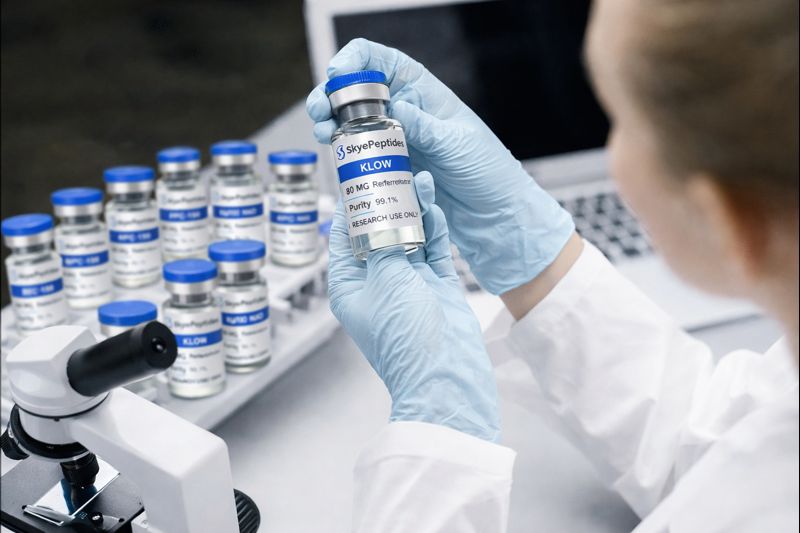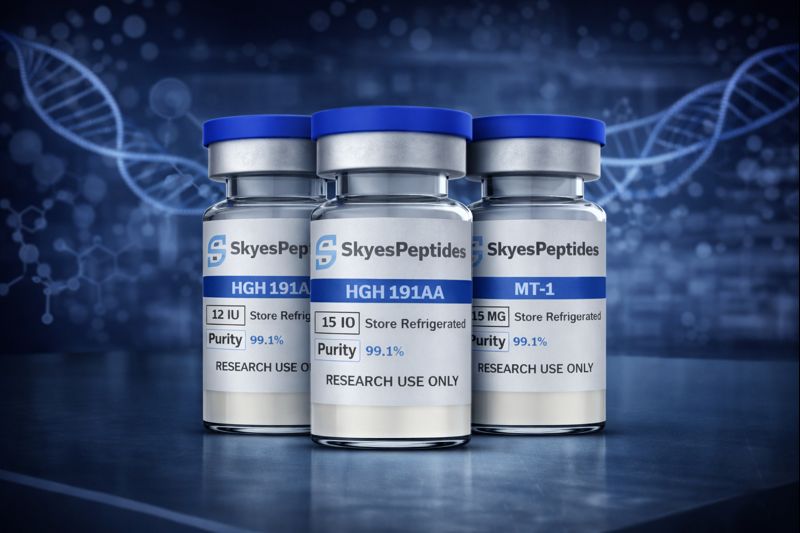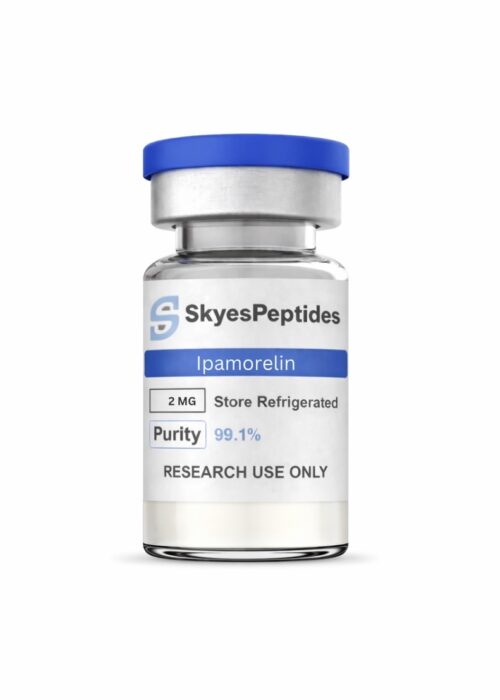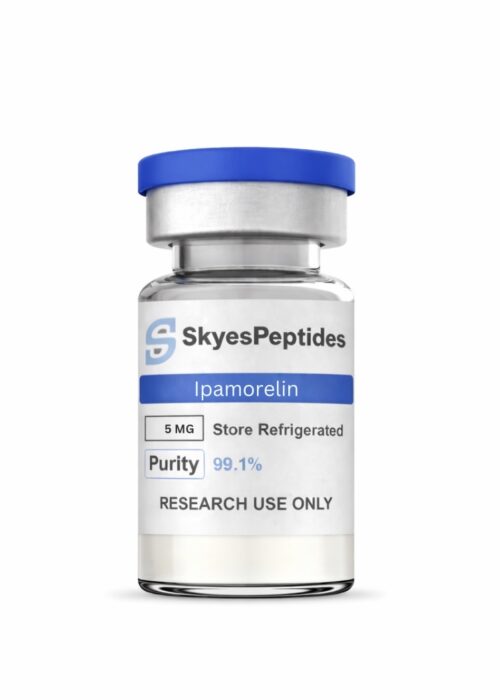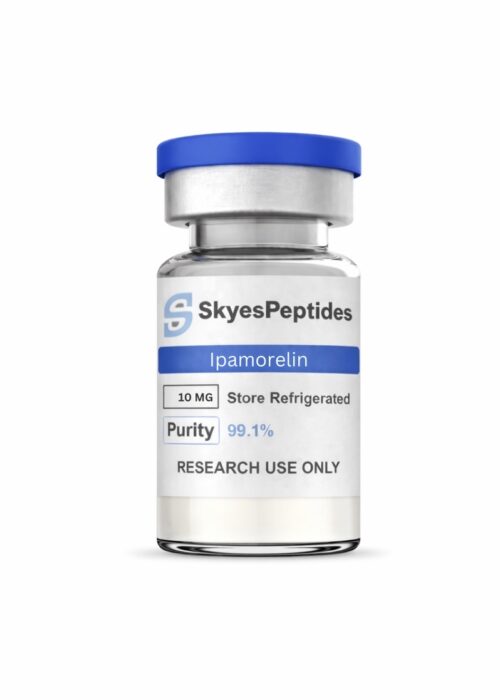

High-quality purity peptides are essential for modern research, whether in metabolic, neurological, or regenerative studies. Researchers seeking reliable and consistent results understand the importance of sourcing peptides with verified purity, proper handling, and professional packaging.
This guide will provide an overview of purity peptide, their significance in research, what to look for when sourcing them, and trusted suppliers to consider.
What Are Purity Peptides?
Purity peptides refer to peptides that have been synthesized and processed to meet high chemical purity standards, typically 98% or higher. In research, impurities can significantly affect the reliability of experimental outcomes. By using purity peptide, scientists can reduce variability and ensure consistent results across experiments.
These peptides are short chains of amino acids used as signaling molecules in various biological studies, including:
- Metabolic research
- Neurological studies
- Muscle recovery and tissue regeneration
- Endocrine system studies
- Longevity and cellular repair research
Why Purity Matters in Peptide Research
Research-grade peptides must have high purity to ensure the accuracy and reproducibility of experiments. Low-quality peptides may contain contaminants or degraded fragments, leading to inconsistent outcomes or misleading data.
Using high-purity peptides helps researchers:
- Minimize experimental variability
- Ensure consistent dosing and concentrations
- Maintain reproducibility across different studies
- Reduce the risk of contamination in biological assays
- Support the validity of published research findings
Types of Purity Peptides
When sourcing purity peptides, researchers may encounter a variety of categories based on their intended study:
- Metabolic peptides – for energy regulation and fat oxidation research.
- Neurocognitive peptides – studied for memory, focus, and stress management.
- Recovery & regeneration peptides – used in tissue repair and cellular regeneration studies.
- Hormonal peptides – explored for endocrine and hormonal signaling pathways.
Choosing a Reliable Purity Peptides Supplier
Selecting a trusted supplier is critical to ensure you receive peptides that meet high-purity standards. Key factors include:
- Purity level of 98% or higher
- Certificate of Analysis (COA) for each batch
- Professional packaging and clear labeling
- USA-based fulfillment for faster, secure delivery
- Responsive customer support and transparent company information
Storage and Handling Tips
To preserve peptide integrity, store purity peptide according to supplier instructions. General best practices include:
- Keep lyophilized peptides in a cool, dry place
- Refrigerate after reconstitution
- Protect from light, heat, and moisture
- Label vials clearly and handle using gloves and sterile techniques
Remarks
High-purity peptide are indispensable for accurate and reproducible research. By sourcing from a reputable supplier, using verified COAs, and following proper storage and handling protocols, researchers can ensure reliable outcomes in studies ranging from metabolic pathways to cellular regeneration.
Whether you are conducting metabolic, neurocognitive, or regenerative research, investing in purity peptides guarantees consistency, reliability, and confidence in your experimental results.