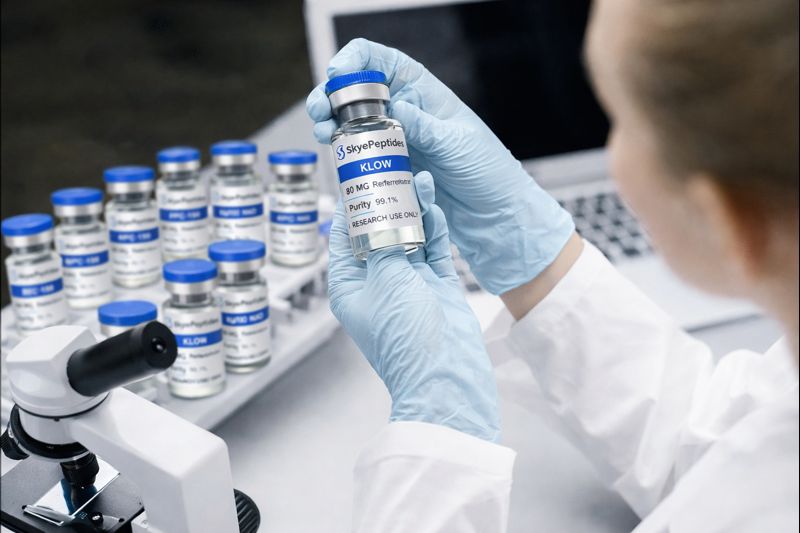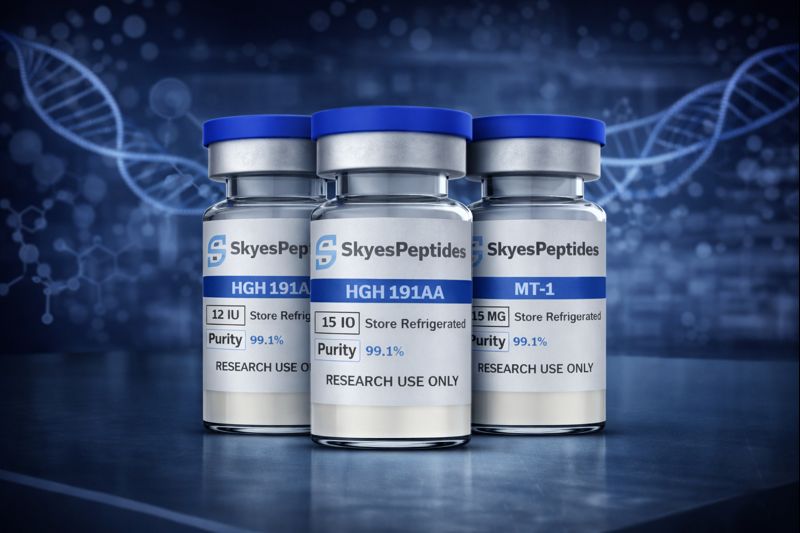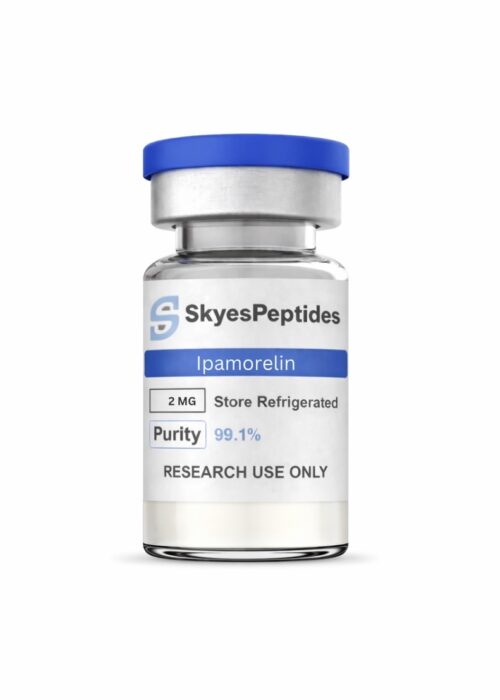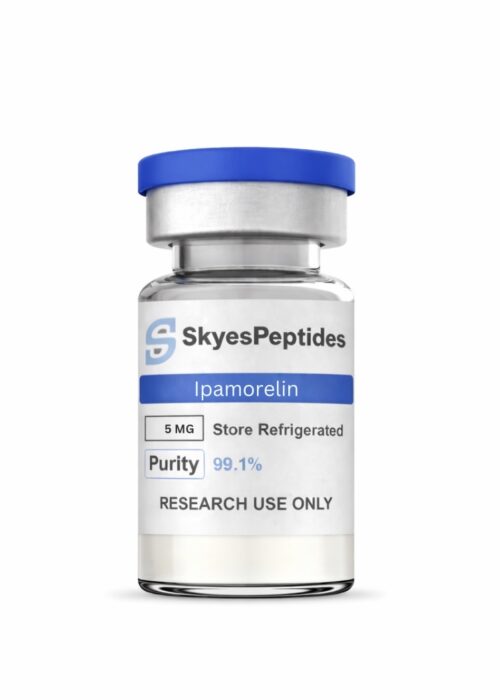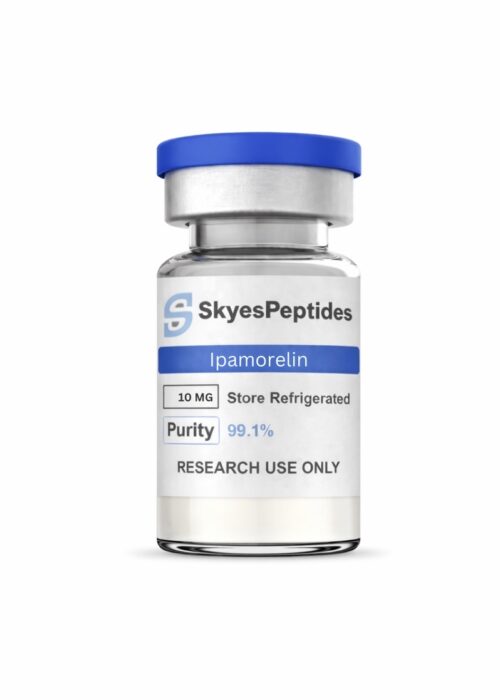

Peptide vial research is a cornerstone of modern laboratory investigations involving peptides. Peptides—short chains of amino acids—play essential roles in biochemical signaling, metabolic regulation, and cellular function. For controlled studies, peptides are often supplied in vials, ensuring precise dosing, stability, and high purity during experiments.
Using peptide vials allows researchers to conduct reproducible and accurate studies across a variety of fields, including regenerative medicine, metabolic research, and hormonal signaling. Understanding proper handling, storage, and sourcing of peptide vials is critical to maintaining experimental integrity.
What Is Peptide Vial Research?
Peptide vial research refers to laboratory studies that utilize pre-measured, often lyophilized, peptides supplied in vials. Each vial contains a defined quantity of peptide, facilitating consistent experimental protocols and reliable dosing across multiple experiments.
This research approach is commonly applied to:
- Biochemical studies: Exploring enzyme interactions, receptor binding, and cellular signaling
- Metabolic research: Studying peptides that regulate energy balance, insulin pathways, and metabolic enzymes
- Hormonal research: Investigating peptides involved in endocrine regulation
- Regenerative and tissue repair studies: Evaluating peptides that influence cellular regeneration and repair mechanisms
By using peptide vials, researchers can maintain experimental consistency, minimize contamination, and accurately compare results across batches.
Key Considerations for Peptide Vial Research
Proper handling and storage of peptide vials are essential for maintaining peptide integrity and experimental reliability. Researchers should adhere to the following guidelines:
1. Storage Conditions
- Keep lyophilized peptide vials in a cool, dry environment
- Avoid exposure to light, moisture, or temperature fluctuations
- Follow supplier-specific storage instructions for reconstituted peptides
2. Handling Protocols
- Use sterile equipment such as pipettes, gloves, and vials to prevent contamination
- Avoid repeated freeze-thaw cycles that may degrade peptide activity
- Reconstitute peptides immediately before experimental use according to lab protocols
3. Quality Verification
- Always verify purity ≥ 98% through Certificates of Analysis (COA) or lab documentation
- Confirm batch-specific traceability for consistent research outcomes
- Source peptides from reputable, research-grade suppliers
4. Documentation and Tracking
- Keep a detailed log of vial usage, including batch numbers and experiment dates
- Track storage conditions and reconstitution details
- Record experimental observations to maintain reproducibility
Adhering to these standards ensures high-quality research results and minimizes the risk of compromised data due to degraded or contaminated peptides.
Sourcing Peptide Vials for Research
Reliable sourcing is critical when purchasing peptide vials for laboratory use. Researchers should select suppliers who specialize in research-grade peptides and provide clear documentation for each batch.
Key factors to consider when sourcing peptides include:
- Verified high-purity peptides (≥ 98%)
- Certificates of Analysis (COA) for each vial or batch
- Transparent batch and production information
- Secure, lab-grade packaging
- Guidance on storage, reconstitution, and handling
Purchasing peptides from trusted suppliers ensures experimental reproducibility, maintains peptide integrity, and minimizes the risk of degraded or impure products.
Buy Peptide Vials for Laboratory Research
For researchers looking to buy peptide vials, it is important to purchase only from reputable vendors who provide COA-backed, high-purity peptides intended strictly for laboratory use. Peptides purchased for research should never be used for human or veterinary consumption.
When selecting a supplier, consider:
- Purity verification and independent testing results
- Lab-grade packaging and contamination protection
- Transparency about batch numbers, expiration dates, and handling instructions
- Positive track record in providing research-grade peptides
By choosing verified suppliers, researchers can focus on producing accurate, reproducible, and high-quality data in their laboratory studies.
Conclusion
Peptide vial research is an essential component of modern laboratory experiments involving cellular signaling, metabolic studies, and regenerative research. Proper storage, handling, and documentation are crucial to maintaining peptide integrity and achieving reliable results.
Sourcing high-purity, COA-backed peptide vials from trusted suppliers ensures experimental consistency and reproducibility. By adhering to best practices in peptide vial research, laboratories can conduct rigorous, reliable studies that advance scientific understanding while maintaining compliance with safety standards.