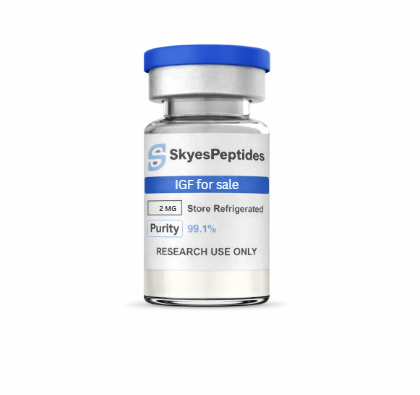
IGF-1 (Insulin-like Growth Factor-1) is a naturally occurring peptide hormone extensively studied for its role in cellular growth, tissue regeneration, and metabolic regulation. In laboratory and preclinical research settings, IGF-1 is valued for its involvement in cell signaling pathways that influence muscle development, repair mechanisms, and endocrine function. buy IGF-1 for Sale
Researchers and laboratory specialists frequently seek high-purity IGF-1 to investigate its effects on tissue repair, protein synthesis, and hormone-mediated cellular processes. Ensuring peptide purity, proper sourcing, and correct handling is essential for obtaining accurate and reproducible research results.
This guide provides an overview of IGF-1, its research relevance, common applications, quality considerations, storage guidelines, and best practices when purchasing IGF-1 online for laboratory use.
What Is IGF-1?
IGF-1 is a peptide hormone structurally similar to insulin and plays a central role in growth and development. It is primarily regulated by growth hormone and acts at the cellular level to promote proliferation, differentiation, and survival.
In research environments, IGF-1 is commonly used to study:
- Cell proliferation and differentiation mechanisms
- Muscle growth and tissue regeneration
- Metabolic and insulin signaling pathways
- Endocrine system regulation
- Age-related cellular maintenance and decline
Because IGF-1 mimics many downstream effects of growth hormone, it is widely applied in metabolic, regenerative, and longevity-focused research models.
IGF-1 for Sale | Research Applications
IGF-1 is utilized across a broad range of scientific disciplines due to its influence on cellular growth and repair processes.
Common Research Uses
- Muscle regeneration studies: Investigating protein synthesis and muscle fiber recovery
- Wound healing and tissue repair: Examining cellular migration and repair signaling
- Cell signaling research: Studying pathways involved in growth and differentiation
- Metabolic research: Exploring insulin sensitivity and energy utilization
- Aging research: Assessing cellular maintenance and age-related functional decline
These applications make IGF-1 an essential research peptide in both in vitro and in vivo experimental models.
Purity and Quality Standards
High purity is critical when working with IGF-1 for Sale, as impurities can interfere with biological activity and compromise experimental data. Researchers should verify that IGF-1 meets strict laboratory quality standards.
Key quality indicators include:
- Purity ≥ 98%, verified by analytical testing
- Certificate of Analysis (COA) for each batch
- Batch-specific traceability and documentation
- Secure, lab-grade packaging
- Clear storage and handling instructions
Adhering to these standards helps ensure reproducibility and experimental accuracy.
Buying IGF-1 Online – What to Look For
When looking to buy IGF-1 for research purposes, selecting a reputable supplier is essential. Reliable suppliers typically provide:
- Research-grade IGF-1 with verified purity (≥ 98%)
- Certificates of Analysis or third-party lab verification
- Professional labeling and contamination-resistant packaging
- Transparent company and sourcing information
- Clear guidelines for storage, reconstitution, and handling
Purchasing from trusted peptide suppliers reduces the risk of degraded, mislabeled, or impure products that could negatively impact research outcomes.
Storage and Handling Guidelines
Proper storage and handling are essential to maintain IGF-1 for Sale stability and biological activity.
Recommended practices include:
- Store lyophilized IGF-1 in a cool, dry environment
- Reconstitute using sterile water or manufacturer-recommended solvents
- Refrigerate reconstituted solutions as directed
- Protect from light and moisture
- Avoid repeated freeze–thaw cycles
- Use sterile techniques to prevent contamination
Following these guidelines helps preserve peptide integrity throughout the research process.
Remarks
IGF-1 is a powerful research peptide widely used to study cell growth, muscle regeneration, metabolic signaling, and endocrine regulation. By sourcing high-purity IGF-1 from reputable suppliers and adhering to proper storage and handling protocols, researchers can ensure reliable, reproducible results in laboratory and preclinical studies.
IGF-1 should always be purchased and used strictly for research and laboratory purposes only, not for human or veterinary consumption.