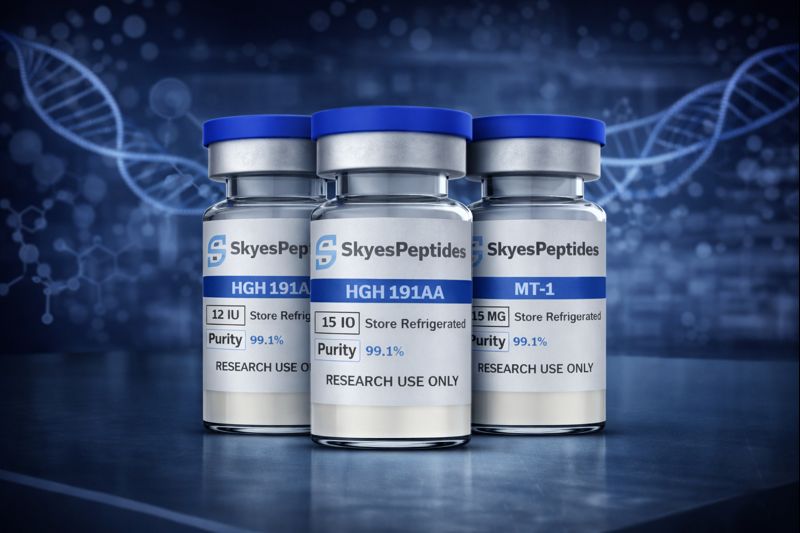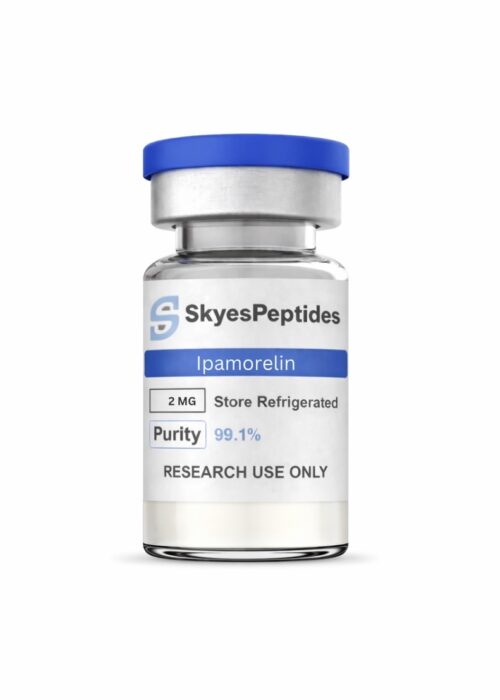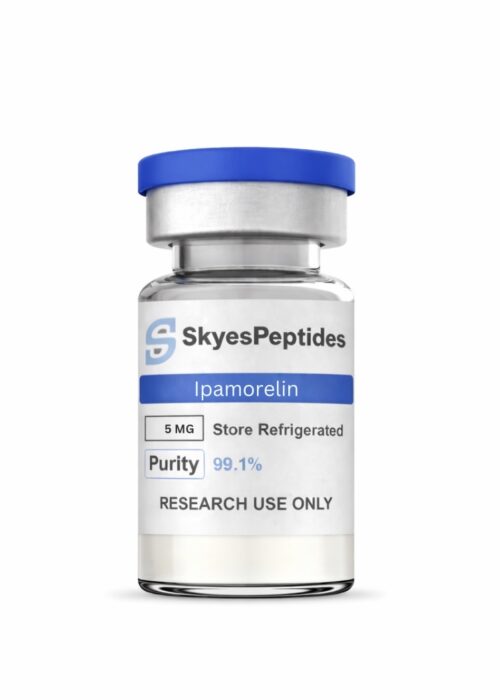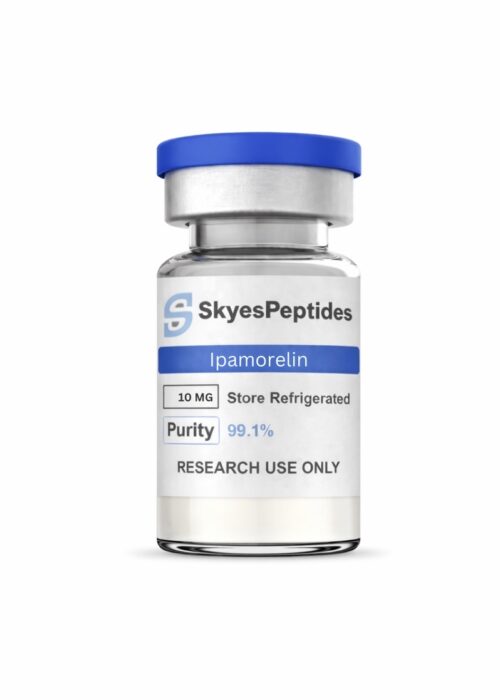
Grey market peptides refer to peptide compounds sold outside of clearly regulated pharmaceutical or academic supply chains. These products often exist in a legal and regulatory gray area, making them a frequent topic of discussion among researchers, laboratories, and institutions seeking to understand sourcing risks and quality implications.
This article provides an educational overview of grey market peptides, focusing on how they differ from properly documented research-grade peptides, the challenges they present, and why quality verification is essential in scientific research.
What Are Grey Market Peptides?
Grey market peptides are typically manufactured and distributed without full regulatory oversight, standardized quality assurance, or transparent documentation. While they may not be explicitly illegal in all jurisdictions, they are often sold without the testing, traceability, or compliance standards expected in professional research environments.
These peptides may be marketed through informal online channels, resellers, or intermediaries that do not provide clear Certificates of Analysis or validated manufacturing data. As a result, their origin, purity, and consistency can be difficult to verify.
Why Grey Market Peptides Exist
The grey peptide market has emerged due to high demand for experimental compounds, combined with regulatory barriers and limited access through established research suppliers. Some peptides are difficult to obtain through traditional channels, leading certain buyers to seek alternative sources.
However, accessibility does not equate to reliability. Without proper oversight, grey peptides may vary significantly between batches, creating challenges for reproducibility and data integrity in scientific studies.
Quality and Purity Concerns
One of the primary concerns with grey market peptides is inconsistent purity. Without validated analytical testing such as high-performance liquid chromatography (HPLC) or mass spectrometry (MS), peptide identity and concentration cannot be reliably confirmed.
Impurities, incorrect sequences, or degraded material may compromise experimental results. In research settings, even minor deviations in peptide composition can significantly alter outcomes, making quality assurance a critical factor.
Lack of Documentation and Traceability
Reputable research peptides are accompanied by Certificates of Analysis that include batch numbers, purity percentages, and testing methodologies. Grey market peptides frequently lack this documentation, leaving researchers without the ability to verify or audit materials used in experiments.
This absence of traceability poses challenges for institutional compliance, peer review, and long-term data validation. Laboratories operating under strict regulatory or ethical frameworks typically avoid materials that cannot be fully documented.
Regulatory and Ethical Considerations
Grey peptides may expose researchers and institutions to regulatory risk. Using unverified compounds can conflict with internal research policies, grant requirements, or publication standards. Ethical research practices emphasize transparency, reproducibility, and safety—all of which are compromised when sourcing from unclear supply chains.
How Research-Grade Peptides Differ
Research-grade peptides are produced under controlled conditions, undergo analytical verification, and include supporting documentation. These peptides are intended strictly for laboratory and educational use and are supplied by vendors that prioritize quality control and regulatory awareness.
By contrast, grey research peptides lack consistent oversight, making them unsuitable for serious research environments where accuracy and reproducibility are essential.
Conclusion
Grey market peptides represent a significant challenge within peptide research due to quality uncertainty, limited documentation, and regulatory ambiguity. While they may appear accessible, their use introduces risks that can undermine scientific validity and institutional compliance.
For researchers committed to reliable data and ethical standards, sourcing verified, research-grade peptides with full analytical documentation remains the preferred approach. Understanding the limitations and risks of grey market peptides is essential for maintaining integrity in scientific research.