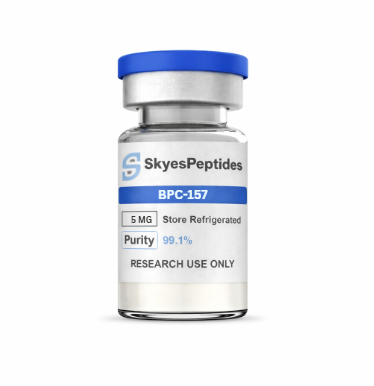
BPC-157 research peptide (Body Protection Compound-157) is a synthetic pentadecapeptide derived from a naturally occurring amino acid sequence found in human gastric juice. In laboratory and preclinical research settings, this peptide has attracted significant attention for its role in tissue repair, angiogenesis, and modulation of inflammatory signaling pathways. This article provides an educational overview of the BPC-157 research peptide, focusing on its biological mechanisms, research applications, and laboratory handling practices.
Mechanism of Action of the BPC-157 Research Peptide
The BPC-157 research peptide is believed to exert its biological effects through interaction with multiple growth factors and signaling cascades involved in tissue repair and cellular protection. Preclinical studies suggest that it supports angiogenesis, the formation of new blood vessels, which is a critical component of wound healing and tissue regeneration.
Additionally, BPC-157 appears to influence nitric oxide signaling, regulate inflammatory mediators, and promote cytoprotective effects across various organ systems. Unlike broad-spectrum growth peptides, the BPC-157 research peptide demonstrates localized activity, making it especially valuable in experimental models that require tissue-specific repair and controlled biological responses.
Research Applications of the BPC-157 Research Peptide
The versatility of the BPC-157 peptide has led to its use in multiple areas of laboratory and preclinical research, including:
- Musculoskeletal research, such as tendon, ligament, and muscle injury models
- Gastrointestinal studies, with emphasis on ulcer healing and gut barrier integrity
- Vascular and endothelial research, particularly angiogenesis and blood vessel repair
- Neuroprotective research, involving peripheral and central nervous system injury models
- Anti-inflammatory and cytoprotective studies targeting organs like the liver and kidneys
These applications are frequently explored in controlled laboratory environments and documented in peer-reviewed scientific literature, including experimental biology and regenerative medicine journals.
Laboratory Handling Considerations for BPC-157 Research Peptide
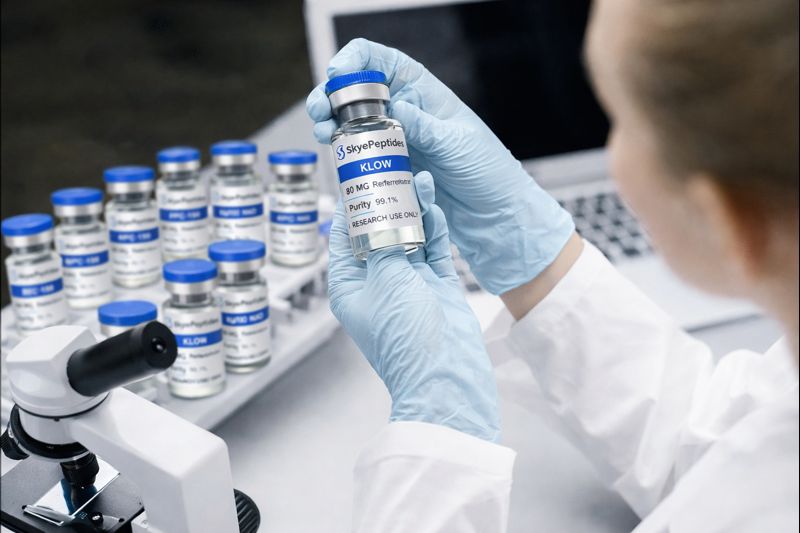
Proper handling of the BPC-157 research peptide is essential to maintain experimental accuracy and reproducibility. The peptide is typically supplied in lyophilized form and should be reconstituted under sterile laboratory conditions using bacteriostatic water or other validated solvents.
Storage at refrigerated or frozen temperatures is recommended to prevent degradation. Researchers should carefully control experimental variables such as concentration, dosing intervals, and administration routes, as these parameters can significantly influence research outcomes. Analytical methods such as high-performance liquid chromatography (HPLC) or mass spectrometry are commonly referenced in laboratory guidelines to verify peptide purity and batch consistency.
Scientific Insights and Mechanistic Research
Mechanistic investigations into the BPC-157 peptide suggest it may enhance endothelial cell recruitment, accelerate tissue remodeling, and balance pro-inflammatory and anti-inflammatory signaling pathways. Researchers have also examined its interaction with nitric oxide pathways and growth factor expression to better understand localized tissue repair at the molecular level.
Although current evidence is largely preclinical, these findings contribute valuable insights into regenerative biology and inform future experimental design. Many of these studies are accessible through established scientific databases and research publications.
Comparison of BPC-157 Research Peptide to Other Regenerative Peptides
The BPC-157 is often compared with other peptides used in regenerative research, such as TB-500 or thymosin beta-4. Key differences include:
- Origin: BPC-157 is derived from a gastric pentadecapeptide sequence, while TB-500 is a synthetic fragment of thymosin beta-4
- Targeting: BPC-157 exhibits localized tissue activity, whereas TB-500 demonstrates broader systemic effects
- Stability: Both peptides require controlled storage, though BPC-157 has shown notable stability in laboratory environments
Understanding these distinctions allows researchers to select the most appropriate peptide for specific experimental objectives.
Conclusion
The BPC-157 research peptide is a versatile and widely studied compound in regenerative and biomedical research. Its localized activity, stability under laboratory conditions, and broad range of preclinical applications make it a valuable tool for studying tissue repair, angiogenesis, and cytoprotection. Careful experimental design, analytical verification, and proper laboratory handling remain essential for producing reliable and reproducible research outcomes involving BPC-157.