The topic of peptides for weight loss in women is often discussed online, but scientifically, it refers to peptides studied for their role in metabolism, appetite regulation, and energy balance within female physiology.
Peptides are short chains of amino acids that act as signaling molecules, influencing biological processes such as fat mobilization, energy expenditure, and satiety. In laboratory research, these molecules are valuable tools for understanding how female-specific hormonal and metabolic pathways contribute to weight regulation across different life stages.
This article provides an educational overview of peptide research as it relates to female metabolism, hormonal signaling, and body composition.
Understanding Weight Regulation in Women
Female metabolism is influenced by several factors that differ from male physiology. Key variables include:
- Estrogen signaling: Influences fat distribution, glucose metabolism, and appetite regulation
- Insulin sensitivity: Impacts how energy from food is stored and utilized
- Fat distribution patterns: Women generally store more subcutaneous fat, which affects metabolic responses
- Life stage changes: Menstrual cycles, pregnancy, and menopause all alter hormonal balance and energy regulation
Researchers study peptides to understand how signaling molecules interact with these pathways. Insights help reveal mechanisms behind fat storage, energy expenditure, and metabolic efficiency in women.
What Are Peptides?
Peptides are short chains of amino acids that act as messengers between cells. They bind to specific receptors to trigger a range of biological effects, including:
- Appetite and satiety signaling
- Glucose metabolism and insulin pathways
- Fat mobilization and energy regulation
- Cellular communication between hormonal and metabolic systems
In laboratory research, peptides help scientists explore how female physiology responds to metabolic and hormonal cues. They are strictly research-use compounds and are not approved for weight loss or medical use.
Why Female-Specific Research Matters
Historically, many metabolic studies relied primarily on male models, but female-specific research is increasingly recognized as essential. Women experience unique hormonal cycles and life stage variations, which affect how energy is stored and used.
Peptide research focused on women often investigates:
- Differences in appetite and satiety signaling
- Fat storage and mobilization patterns, especially subcutaneous vs. visceral fat
- Regulation of energy expenditure
- Interactions between hormones and peptides, such as estrogen and insulin
These studies provide a better understanding of female metabolic physiology and help ensure that findings are relevant across sexes.
Key Peptides Studied in Female Metabolism Research
While no peptide is approved as a weight loss agent, the following compounds are commonly studied in research related to female metabolism and body composition:
- CJC-1295 – GHRH analog; studied for growth hormone signaling and metabolic regulation
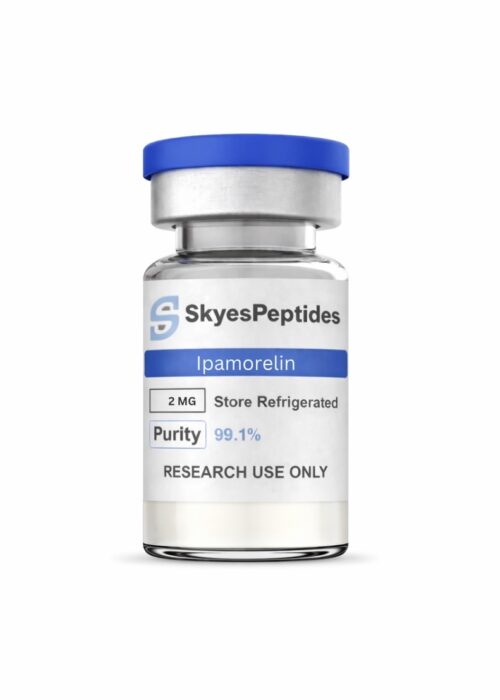
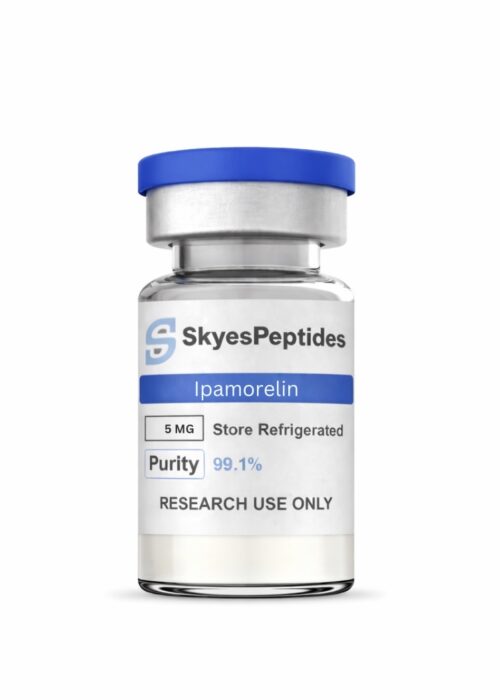
- Ipamorelin—a ghrelin receptor agonist researched for GH pulsatility and energy balance
- Tesamorelin—Synthetic GHRH analog; investigated in visceral fat and lipid metabolism studies
- AOD-9604—Growth hormone fragment; studied for fat mobilization and lipolysis pathways
- Fragment 176-191 – GH fragment; researched for adipose tissue signaling
- MOTS-c – Mitochondrial-derived peptide; examined for energy regulation and insulin sensitivity
- GHK-Cu (Copper Peptide)—Studied for tissue repair and metabolic support pathways
- BPC-157—Cytoprotective peptide; researched for indirect metabolic and recovery effects
- TB-500 (Thymosin Beta-4) – Studied for recovery and metabolic efficiency
- Melanocortin-Related Peptides – Examined for appetite and energy balance regulation
Recommended products
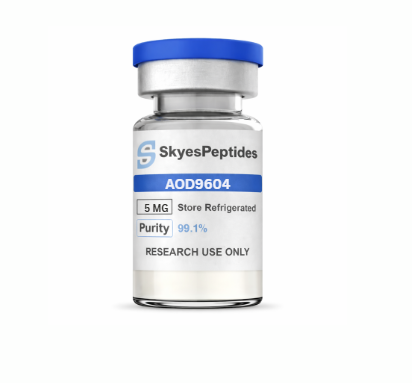
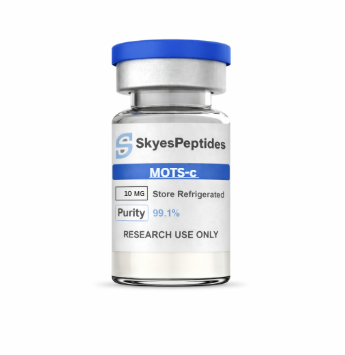
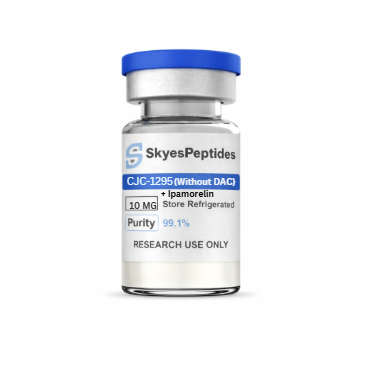
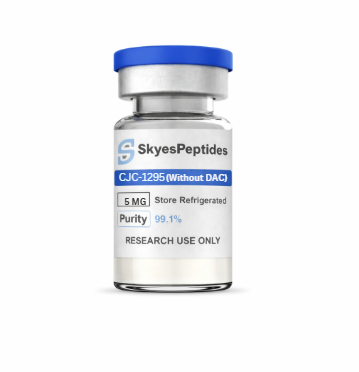
Research Note: These peptides are for laboratory research only and are not approved for medical or weight loss use. Their value lies in understanding biological signaling, energy regulation, and hormonal interactions in female metabolism.
How Peptides Are Used in Research
In studies related to female metabolism, peptides are used to investigate:
- Appetite and hunger signaling differences across menstrual cycles and life stages
- Fat distribution and mobilization between subcutaneous and visceral adipose tissue
- Energy expenditure and basal metabolic rate
- Interactions between hormones (like estrogen) and metabolic peptides
By examining these interactions, researchers gain insight into how female physiology responds to metabolic stimuli, contributing to broader scientific understanding.
Conclusion
The term “peptides for weight loss in women” reflects interest in understanding female metabolic signaling and body composition regulation. Peptides such as CJC-1295, AOD-9604, and MOTS-c are frequently studied in this context, but their primary role is in research settings, not as consumer weight loss products.
Female-specific peptide research helps scientists explore appetite regulation, fat mobilization, energy expenditure, and hormone-peptide interactions, ultimately contributing to a more complete understanding of female metabolism.