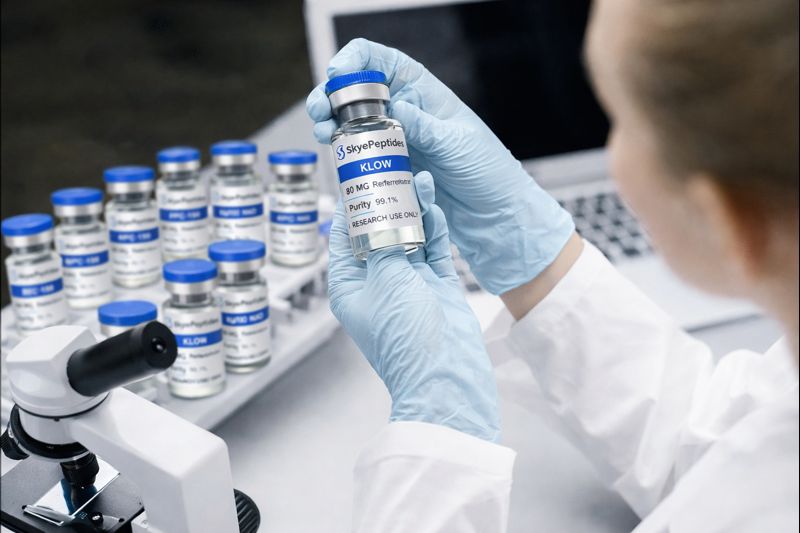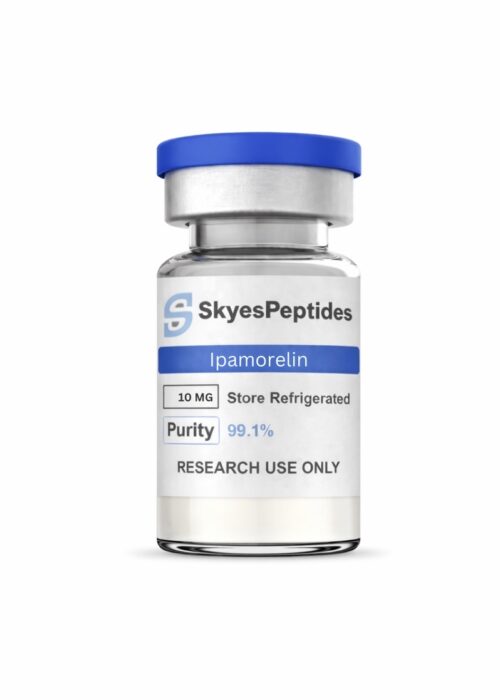
When acquiring Tesamorelin and Sermorelin peptides, researchers should prioritize:
- Verified research-grade suppliers with Certificates of Analysis (COA).
- Batch-specific validation through HPLC or mass spectrometry.
- Detailed handling and storage instructions to maintain stability.
- Compliance with institutional and regulatory safety protocols.
High-quality sourcing ensures reproducibility, accurate experimental results, and ethical compliance in preclinical studies.
Storage and Handling Guidelines
Both peptides should be stored in a cool, dry, and light-protected environment. Reconstitution should follow supplier instructions, and laboratory personnel must use sterile techniques and protective equipment to prevent contamination and degradation.
Applications in Research
The Tesamorelin and Sermorelin stack is primarily used in preclinical research to study:
- GH-mediated metabolic effects and receptor signaling.
- Endocrine regulation and pituitary function.
- Anabolic and catabolic processes in tissue models.
- Comparative analysis of short- versus long-acting GHRH analogs.
Careful documentation of dosing, peptide source, and experimental conditions is crucial for reproducibility and data reliability.
Conclusion
The Tesamorelin and Sermorelin stack provides a versatile research tool for exploring GH release, receptor signaling, and metabolic regulation. Prioritizing research-grade sourcing, proper storage, and laboratory safety ensures reproducible results and supports ethical scientific practices. While preclinical data highlight potential synergistic effects, this stack is intended strictly for controlled laboratory research, not for clinical or consumer use.
The Tesamorelin and Sermorelin stack is primarily used in preclinical research to study:
- GH-mediated metabolic effects and receptor signaling.
- Endocrine regulation and pituitary function.
- Anabolic and catabolic processes in tissue models.
- Comparative analysis of short- versus long-acting GHRH analogs.
Careful documentation of dosing, peptide source, and experimental conditions is crucial for reproducibility and data reliability.
Conclusion
The Tesamorelin and Sermorelin stack provides a versatile research tool for exploring GH release, receptor signaling, and metabolic regulation. Prioritizing research-grade sourcing, proper storage, and laboratory safety ensures reproducible results and supports ethical scientific practices. While preclinical data highlight potential synergistic effects, this stack is intended strictly for controlled laboratory research, not for clinical or consumer use.
When acquiring Tesamorelin and Sermorelin peptides, researchers should prioritize:
- Verified research-grade suppliers with Certificates of Analysis (COA).
- Batch-specific validation through HPLC or mass spectrometry.
- Detailed handling and storage instructions to maintain stability.
- Compliance with institutional and regulatory safety protocols.
High-quality sourcing ensures reproducibility, accurate experimental results, and ethical compliance in preclinical studies.
Storage and Handling Guidelines
Both peptides should be stored in a cool, dry, and light-protected environment. Reconstitution should follow supplier instructions, and laboratory personnel must use sterile techniques and protective equipment to prevent contamination and degradation.
Applications in Research
The Tesamorelin and Sermorelin stack is primarily used in preclinical research to study:
- GH-mediated metabolic effects and receptor signaling.
- Endocrine regulation and pituitary function.
- Anabolic and catabolic processes in tissue models.
- Comparative analysis of short- versus long-acting GHRH analogs.
Careful documentation of dosing, peptide source, and experimental conditions is crucial for reproducibility and data reliability.
Conclusion
The Tesamorelin and Sermorelin stack provides a versatile research tool for exploring GH release, receptor signaling, and metabolic regulation. Prioritizing research-grade sourcing, proper storage, and laboratory safety ensures reproducible results and supports ethical scientific practices. While preclinical data highlight potential synergistic effects, this stack is intended strictly for controlled laboratory research, not for clinical or consumer use.
Combining Tesamorelin and Sermorelin in a research stack allows scientists to study potential synergistic effects on GH release and metabolic pathways. While Tesamorelin provides a strong, long-acting stimulation, Sermorelin offers rapid, short-term receptor activation. This combination can help explore:
- Enhanced pituitary GH release dynamics.
- Complementary receptor signaling pathways.
- Effects on downstream metabolic and anabolic processes.
- Comparative analysis of different dosing schedules and temporal effects.
Research using this stack helps clarify how multi-peptide strategies influence endocrine function, receptor sensitivity, and signaling integration.
Laboratory Sourcing and Quality Considerations
The Tesamorelin and Sermorelin stack provides a versatile research tool for exploring GH release, receptor signaling, and metabolic regulation. Prioritizing research-grade sourcing, proper storage, and laboratory safety ensures reproducible results and supports ethical scientific practices. While preclinical data highlight potential synergistic effects, this stack is intended strictly for controlled laboratory research, not for clinical or consumer use.
The Tesamorelin and Sermorelin stack is primarily used in preclinical research to study:
- GH-mediated metabolic effects and receptor signaling.
- Endocrine regulation and pituitary function.
- Anabolic and catabolic processes in tissue models.
- Comparative analysis of short- versus long-acting GHRH analogs.
Careful documentation of dosing, peptide source, and experimental conditions is crucial for reproducibility and data reliability.
Conclusion
The Tesamorelin and Sermorelin stack provides a versatile research tool for exploring GH release, receptor signaling, and metabolic regulation. Prioritizing research-grade sourcing, proper storage, and laboratory safety ensures reproducible results and supports ethical scientific practices. While preclinical data highlight potential synergistic effects, this stack is intended strictly for controlled laboratory research, not for clinical or consumer use.
When acquiring Tesamorelin and Sermorelin peptides, researchers should prioritize:
- Verified research-grade suppliers with Certificates of Analysis (COA).
- Batch-specific validation through HPLC or mass spectrometry.
- Detailed handling and storage instructions to maintain stability.
- Compliance with institutional and regulatory safety protocols.
High-quality sourcing ensures reproducibility, accurate experimental results, and ethical compliance in preclinical studies.
Storage and Handling Guidelines
Both peptides should be stored in a cool, dry, and light-protected environment. Reconstitution should follow supplier instructions, and laboratory personnel must use sterile techniques and protective equipment to prevent contamination and degradation.
Applications in Research
The Tesamorelin and Sermorelin stack is primarily used in preclinical research to study:
- GH-mediated metabolic effects and receptor signaling.
- Endocrine regulation and pituitary function.
- Anabolic and catabolic processes in tissue models.
- Comparative analysis of short- versus long-acting GHRH analogs.
Careful documentation of dosing, peptide source, and experimental conditions is crucial for reproducibility and data reliability.
Conclusion
The Tesamorelin and Sermorelin stack provides a versatile research tool for exploring GH release, receptor signaling, and metabolic regulation. Prioritizing research-grade sourcing, proper storage, and laboratory safety ensures reproducible results and supports ethical scientific practices. While preclinical data highlight potential synergistic effects, this stack is intended strictly for controlled laboratory research, not for clinical or consumer use.
The Tesamorelin and Sermorelin stack is primarily used in preclinical research to study:
- GH-mediated metabolic effects and receptor signaling.
- Endocrine regulation and pituitary function.
- Anabolic and catabolic processes in tissue models.
- Comparative analysis of short- versus long-acting GHRH analogs.
Careful documentation of dosing, peptide source, and experimental conditions is crucial for reproducibility and data reliability.
Conclusion
The Tesamorelin and Sermorelin stack provides a versatile research tool for exploring GH release, receptor signaling, and metabolic regulation. Prioritizing research-grade sourcing, proper storage, and laboratory safety ensures reproducible results and supports ethical scientific practices. While preclinical data highlight potential synergistic effects, this stack is intended strictly for controlled laboratory research, not for clinical or consumer use.
When acquiring Tesamorelin and Sermorelin peptides, researchers should prioritize:
- Verified research-grade suppliers with Certificates of Analysis (COA).
- Batch-specific validation through HPLC or mass spectrometry.
- Detailed handling and storage instructions to maintain stability.
- Compliance with institutional and regulatory safety protocols.
High-quality sourcing ensures reproducibility, accurate experimental results, and ethical compliance in preclinical studies.
Storage and Handling Guidelines
Both peptides should be stored in a cool, dry, and light-protected environment. Reconstitution should follow supplier instructions, and laboratory personnel must use sterile techniques and protective equipment to prevent contamination and degradation.
Applications in Research
The Tesamorelin and Sermorelin stack is primarily used in preclinical research to study:
- GH-mediated metabolic effects and receptor signaling.
- Endocrine regulation and pituitary function.
- Anabolic and catabolic processes in tissue models.
- Comparative analysis of short- versus long-acting GHRH analogs.
Careful documentation of dosing, peptide source, and experimental conditions is crucial for reproducibility and data reliability.
Conclusion
The Tesamorelin and Sermorelin stack provides a versatile research tool for exploring GH release, receptor signaling, and metabolic regulation. Prioritizing research-grade sourcing, proper storage, and laboratory safety ensures reproducible results and supports ethical scientific practices. While preclinical data highlight potential synergistic effects, this stack is intended strictly for controlled laboratory research, not for clinical or consumer use.
Combining Tesamorelin and Sermorelin in a research stack allows scientists to study potential synergistic effects on GH release and metabolic pathways. While Tesamorelin provides a strong, long-acting stimulation, Sermorelin offers rapid, short-term receptor activation. This combination can help explore:
- Enhanced pituitary GH release dynamics.
- Complementary receptor signaling pathways.
- Effects on downstream metabolic and anabolic processes.
- Comparative analysis of different dosing schedules and temporal effects.
Research using this stack helps clarify how multi-peptide strategies influence endocrine function, receptor sensitivity, and signaling integration.
Laboratory Sourcing and Quality Considerations
The Tesamorelin and Sermorelin stack provides a versatile research tool for exploring GH release, receptor signaling, and metabolic regulation. Prioritizing research-grade sourcing, proper storage, and laboratory safety ensures reproducible results and supports ethical scientific practices. While preclinical data highlight potential synergistic effects, this stack is intended strictly for controlled laboratory research, not for clinical or consumer use.
The Tesamorelin and Sermorelin stack is primarily used in preclinical research to study:
- GH-mediated metabolic effects and receptor signaling.
- Endocrine regulation and pituitary function.
- Anabolic and catabolic processes in tissue models.
- Comparative analysis of short- versus long-acting GHRH analogs.
Careful documentation of dosing, peptide source, and experimental conditions is crucial for reproducibility and data reliability.
Conclusion
The Tesamorelin and Sermorelin stack provides a versatile research tool for exploring GH release, receptor signaling, and metabolic regulation. Prioritizing research-grade sourcing, proper storage, and laboratory safety ensures reproducible results and supports ethical scientific practices. While preclinical data highlight potential synergistic effects, this stack is intended strictly for controlled laboratory research, not for clinical or consumer use.
When acquiring Tesamorelin and Sermorelin peptides, researchers should prioritize:
- Verified research-grade suppliers with Certificates of Analysis (COA).
- Batch-specific validation through HPLC or mass spectrometry.
- Detailed handling and storage instructions to maintain stability.
- Compliance with institutional and regulatory safety protocols.
High-quality sourcing ensures reproducibility, accurate experimental results, and ethical compliance in preclinical studies.
Storage and Handling Guidelines
Both peptides should be stored in a cool, dry, and light-protected environment. Reconstitution should follow supplier instructions, and laboratory personnel must use sterile techniques and protective equipment to prevent contamination and degradation.
Applications in Research
The Tesamorelin and Sermorelin stack is primarily used in preclinical research to study:
- GH-mediated metabolic effects and receptor signaling.
- Endocrine regulation and pituitary function.
- Anabolic and catabolic processes in tissue models.
- Comparative analysis of short- versus long-acting GHRH analogs.
Careful documentation of dosing, peptide source, and experimental conditions is crucial for reproducibility and data reliability.
Conclusion
The Tesamorelin and Sermorelin stack provides a versatile research tool for exploring GH release, receptor signaling, and metabolic regulation. Prioritizing research-grade sourcing, proper storage, and laboratory safety ensures reproducible results and supports ethical scientific practices. While preclinical data highlight potential synergistic effects, this stack is intended strictly for controlled laboratory research, not for clinical or consumer use.