Description
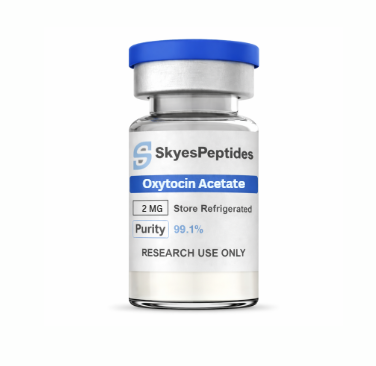
Oxytocin Acetate 2mg × 10 Vials – Benefits, Uses, Dosage & Research Guide
Oxytocin Acetate 2mg × 10 vials is a synthetic peptide widely studied for its role in social bonding, emotional regulation, and physiological research. Often called the “love hormone,” oxytocin plays a critical role in human behavior, trust, and emotional connection. Researchers frequently use oxytocin acetate to study its effects on social behavior, stress reduction, and neurophysiological processes.
This article provides a comprehensive guide on Oxytocin Acetate 2mg × 10 Vials, including its benefits, mechanisms, research applications, usage guidelines, storage, and safety considerations.
What Is Oxytocin Acetate 2mg?
Oxytocin acetate is a synthetic form of the natural oxytocin hormone, a peptide produced by the hypothalamus and secreted by the pituitary gland. It plays a crucial role in:
-
Emotional bonding and attachment
-
Reproductive physiology
-
Stress and anxiety modulation
The 2mg × 10 vials format provides researchers with ample quantity for controlled experimental protocols.
Key Benefits of Oxytocin Acetate 2mg × 10 Vials
1. Emotional and Social Support
Oxytocin is primarily known for its role in promoting:
-
Social bonding and trust
-
Emotional recognition
-
Reduced social anxiety
2. Stress and Anxiety Regulation
Oxytocin may support research into:
-
Cortisol modulation
-
Relaxation responses
-
Anxiety reduction
3. Neurobehavioral Studies
Researchers use oxytocin acetate to study its influence on:
-
Cognitive-emotional interactions
-
Social behavior
-
Mood regulation
4. Physiological Research Applications
Oxytocin may impact:
-
Uterine contractions
-
Lactation processes
-
Cardiovascular studies
5. Potential Therapeutic Insights
Oxytocin acetate is under investigation for applications in:
-
Autism spectrum disorder research
-
Anxiety and depression studies
-
Social cognition research
How Oxytocin Acetate Works
Oxytocin acts as a neurotransmitter and hormone:
-
Brain signaling: Binds to oxytocin receptors in the brain, influencing emotional and social behavior.
-
Stress response modulation: May reduce the stress hormone cortisol.
-
Physiological effects: Influences reproductive organs and the cardiovascular system.
These mechanisms make oxytocin acetate a critical peptide for behavioral and physiological research.
Usage Guidelines (Research Purposes Only)
Oxytocin acetate is supplied as lyophilized (freeze-dried) powder.
Reconstitution
-
Typically reconstituted using bacteriostatic water according to research protocols.
Administration
-
Commonly administered via subcutaneous or intranasal routes in research studies.
-
Dosage depends on experimental objectives.
Storage Instructions
Proper storage ensures stability and efficacy:
-
Store lyophilized vials in a cool, dry place
-
Refrigerate after reconstitution
-
Avoid exposure to heat, sunlight, and moisture
-
Keep out of reach of children and pets
Possible Side Effects
Oxytocin acetate is generally well-tolerated in research settings. Mild side effects may include:
-
Temporary headache
-
Nausea
-
Dizziness
-
Local irritation at the injection or nasal site
Any severe reactions should be addressed immediately, and use should be discontinued.
Who Uses Oxytocin Acetate 2mg × 10 Vials?
Oxytocin acetate is primarily used in research for:
-
Neurobehavioral and social cognition studies
-
Anxiety and stress research
-
Hormonal and reproductive physiology research
-
Autism and psychiatric disorder studies
-
Cardiovascular and systemic physiology research
Its multi-functional properties make it a valuable peptide in diverse experimental settings.
Conclusion
Oxytocin Acetate 2mg × 10 vials is a versatile synthetic peptide used extensively in research exploring social behavior, stress modulation, neurophysiology, and emotional regulation.