Description
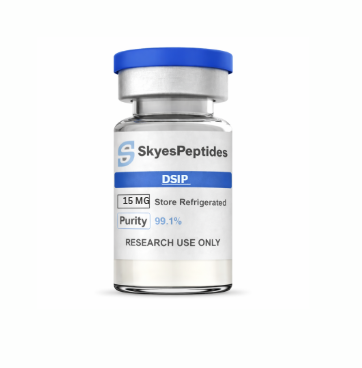
DSIP Peptide Benefits – What Delta Sleep-Inducing Peptide Is Used For
DSIP (Delta Sleep-Inducing Peptide) is a naturally occurring neuropeptide widely studied for its role in sleep regulation, stress reduction, recovery, and hormonal balance. Due to its influence on deep sleep cycles and neuroendocrine pathways, DSIP has become a valuable peptide in sleep and neurological research.
This guide focuses exclusively on the benefits of DSIP peptide, explaining why it is commonly used in research and recovery-focused studies.
What Is DSIP?
DSIP is a nine-amino-acid neuropeptide originally identified for its ability to promote delta-wave (deep) sleep. Unlike sedatives, DSIP works by supporting natural sleep architecture and neurochemical balance rather than forcing sleep onset.
Key DSIP Peptide Benefits
1. Promotes Deep, Restorative Sleep
One of the most well-known DSIP peptide benefits is its role in:
-
Supporting delta-wave (deep) sleep
-
Improving overall sleep quality
-
Reducing nighttime awakenings
Deep sleep is essential for physical recovery, cognitive function, and hormonal regulation.
2. Supports Faster Sleep Onset
DSIP may help:
-
Reduce sleep latency (time to fall asleep)
-
Improve sleep efficiency
-
Encourage more consistent sleep cycles
This makes DSIP valuable in research related to insomnia and disrupted circadian rhythms.
3. Reduces Stress and Promotes Relaxation
DSIP has been studied for its ability to:
-
Modulate cortisol and stress hormones
-
Promote calmness and relaxation
-
Support nervous system balance
These effects contribute to improved sleep and overall mental well-being.
4. Supports Hormonal Balance
DSIP interacts with the hypothalamic-pituitary axis, contributing to:
-
Balanced stress hormone activity
-
Improved neuroendocrine signaling
-
Support for sleep-related hormone release
Proper hormonal balance is critical for energy, recovery, and mood stability.
5. Enhances Physical Recovery
By improving sleep depth and quality, DSIP supports:
-
Muscle repair and tissue recovery
-
Reduced physical fatigue
-
Improved post-training recovery
This benefit makes DSIP popular in recovery and performance-related research.
6. Reduces Mental Fatigue and Brain Fog
DSIP peptide benefits extend to cognitive recovery, including:
-
Improved mental clarity
-
Reduced mental exhaustion
-
Support for focus and alertness after rest
7. Potential Neuroprotective Effects
DSIP has been explored for possible roles in:
-
Neural protection
-
Cognitive support
-
Nervous system resilience
These properties make it relevant in neurological and aging-related research.
8. Supports Circadian Rhythm Regulation
DSIP may help:
-
Stabilize sleep–wake cycles
-
Improve sleep consistency
-
Support healthy circadian rhythm signaling
This is particularly valuable in shift-work and jet-lag research models.
Who May Benefit From DSIP Peptide Research?
DSIP is commonly studied in relation to:
-
Sleep disorders and insomnia
-
Chronic stress and burnout
-
Recovery and fatigue management
-
Hormonal imbalance
-
Cognitive and neurological health
Summary of DSIP Peptide Benefits
✔ Promotes deep, restorative sleep
✔ Improves sleep quality and efficiency
✔ Supports stress reduction and relaxation
✔ Aids hormonal and neuroendocrine balance
✔ Enhances physical and mental recovery
✔ May support neuroprotection and cognitive health
Conclusion
DSIP peptide benefits center around its ability to support natural deep sleep, stress regulation, recovery, and hormonal balance. Its non-sedative mechanism and broad neuroendocrine influence make it a valuable peptide for sleep-focused and neurological research.
When properly sourced and handled, DSIP remains a powerful research tool for understanding sleep quality, fatigue reduction, and overall physiological recovery.